Navigating the complex landscape of gut health can feel like an endless journey of trial and error. From my own deeply personal experience, I intimately understand the frustrations and challenges involved. For years, I meticulously followed stringent elimination diets, invested in a myriad of expensive supplements, only to discover that my body still wasn’t properly digesting food. More recently, I uncovered that mercury toxicity was a significant, ongoing disruptor to my delicate gut balance. This path is undeniably arduous, filled with unexpected turns and revelations.
Having walked the difficult road of chronic illness since my teenage years, and subsequently becoming a certified nutritional therapy practitioner, I’ve encountered numerous setbacks and made my share of mistakes. I’ve wasted valuable time and hard-earned money, often finding myself curled in bed, battling debilitating stomach aches. Yet, through every failure and misstep on my personal gut healing journey, I was steadily inching closer to understanding how to simplify this daunting process. Today, I’m eager to share that accumulated knowledge, offering practical strategies to make your journey toward optimal gut health more accessible and less overwhelming.
10 Practical Ways to Simplify Your Gut Healing Journey
1. Clearly Define Your ‘Why’
The foundational step in embarking on any significant goal, especially one as transformative as gut healing, is understanding your underlying motivation. Simply following a doctor’s orders because they wear a white coat and appear authoritative isn’t a sustainable long-term motivator. True commitment stems from a deeper, personal connection to your health goals.
Take time to envision the bigger picture. What specific aspects of your life will improve when your gut health is optimized? Think beyond the immediate discomfort and focus on the fulfilling life you aspire to lead. Consider things like:
- Regaining the energy and vitality to participate in your favorite sports or hobbies.
- Enjoying that dream vacation without digestive worries or health limitations.
- Being fully present and engaged with your loved ones, free from chronic symptoms.
- Achieving your personal aspirations and professional dreams with renewed clarity and strength.
- Experiencing consistent, boundless energy throughout your day.
- Waking up feeling refreshed and without pain.
Serious health challenges can significantly impede your ability to experience these joys and more. By keeping your ultimate goals vividly in mind, you create an internal compass that keeps you steadfast on your course, making the entire healing journey feel more purposeful and easier to navigate when obstacles arise.
2. Prioritize Digestion Before Targeting Gut Lining Healing
This was, without a doubt, my most significant oversight for many years, and it’s a principle I’ve emphasized since becoming an NTP. Traditional gut healing protocols often involve eliminating certain foods and introducing specific supplements to ‘patch up’ the gut lining. While these actions aren’t inherently wrong, they frequently overlook a critical precursor: optimized digestion.
If we fail to address and improve our digestive processes *before* attempting to heal the gut lining, that lining can suffer continuous damage, or quickly re-suffer damage, once the initial healing efforts cease. Think of it this way: taking large doses of glutamine or other gut-repairing supplements as your primary or sole effort in gut healing is akin to trying to build a strong left bicep without engaging the rest of your arm or upper body. It’s an isolated effort that misses the systemic approach. The digestive system is a complex, interconnected pathway. To truly heal it, you must ensure every component is functioning optimally.
This means addressing issues like acid reflux, inefficient breakdown and absorption of fats, carbohydrates, and proteins, and the overall pace of digestion. Healing your digestion requires intentionality, a commitment to slowing down your eating process, mindful eating practices, and strategic supplementation when necessary. It’s not a quick fix but a fundamental pillar. For more in-depth guidance, I’ve previously shared detailed insights on naturally improving your digestion here.
3. Cultivate 5-6 Go-To Gut Healing Recipes
Many individuals embarking on a new dietary lifestyle fall victim to “shiny object syndrome.” They constantly seek the newest recipe, the latest superfood, or the trendiest product. While variety and culinary exploration are valuable – and I certainly encourage rotating your foods for diverse nutrient intake – perpetually experimenting with brand new recipes can become a source of immense stress and make the process anything but easy. It often demands acquiring unfamiliar pantry staples, mastering new cooking techniques, and investing more time and effort, making regular adherence difficult.
To streamline your journey and reduce decision fatigue, establish a core repertoire of 5-6 staple, gut-healing recipes you can always depend on. These should be meals you’re comfortable preparing, that require readily available ingredients, and that you know will nourish your body without causing stress. Having these reliable options reduces mental load and ensures you always have a healthy meal solution within reach.
Here are some examples of what might constitute gut-healing staple meals:
For satisfying main dishes:
- Hearty Beef Stew: A slow-cooked, nutrient-dense meal that’s easy to digest and perfect for batch cooking.
- Nourishing Carrot Leek Soup: A gentle, pureed soup that is soothing for the gut and packed with vitamins.
- Roasted root vegetables (such as parsnip fries) combined with a non-starchy vegetable (like steamed greens), a high-quality protein (e.g., baked salmon, organic chicken), and a healthy fat (e.g., avocado oil dressing). This combination is versatile, easy to prepare, and consistently satisfying.
- Simple baked fish with steamed asparagus and sweet potato.
- Ground turkey or beef stir-fry with well-cooked, gut-friendly vegetables like zucchini and carrots.
For convenient snacks:
- Homemade Beef Jerky: A protein-rich, portable snack that avoids common additives found in commercial versions.
- Coconut Collagen Fat Balls: Easy-to-make, energy-boosting bites that support gut lining health.
- Coconut yogurt with a handful of fresh or frozen berries: A probiotic-rich option that’s gentle on the digestive system. (Look for brands like “Coyo” or consider making it at home).
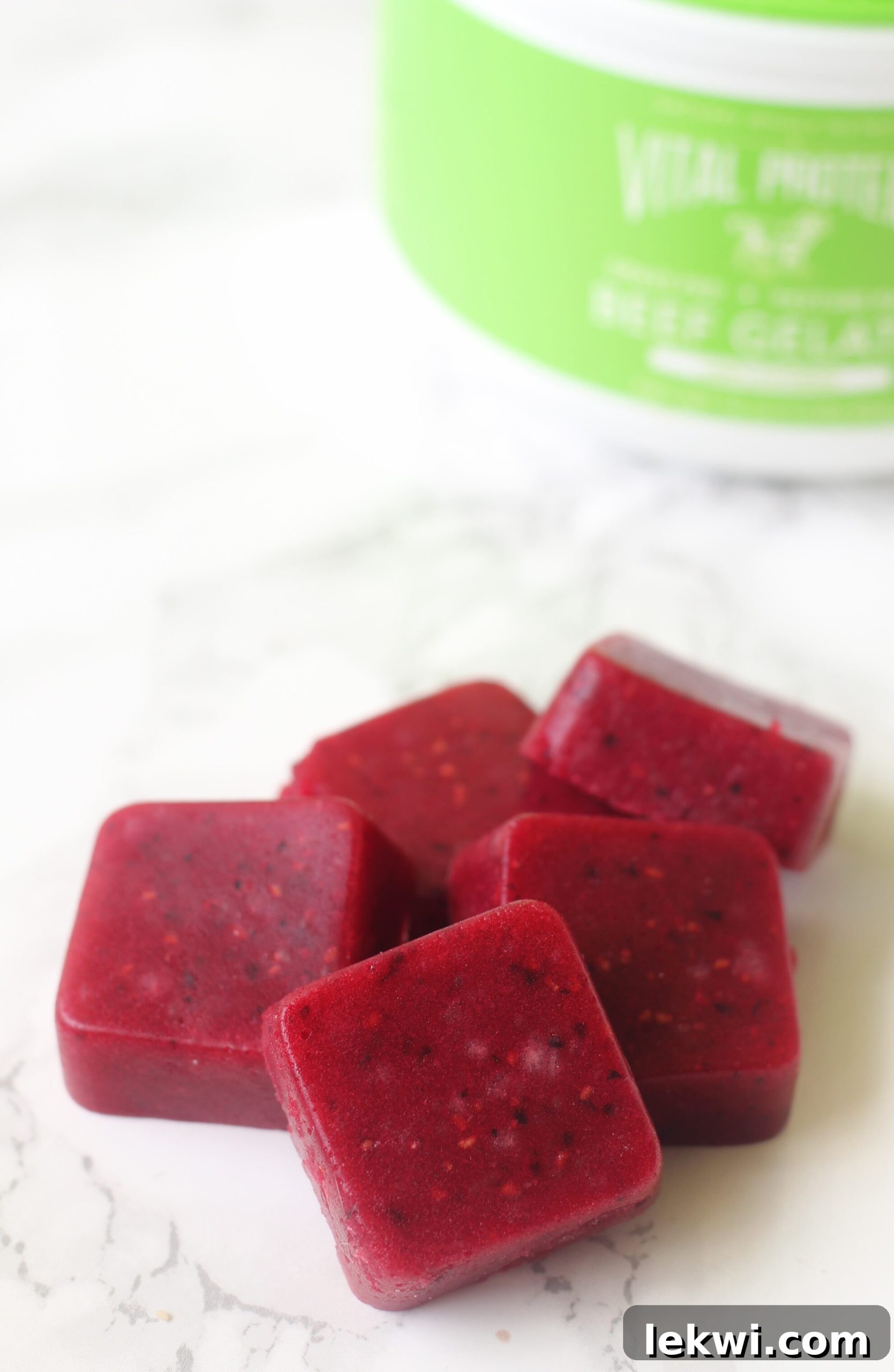
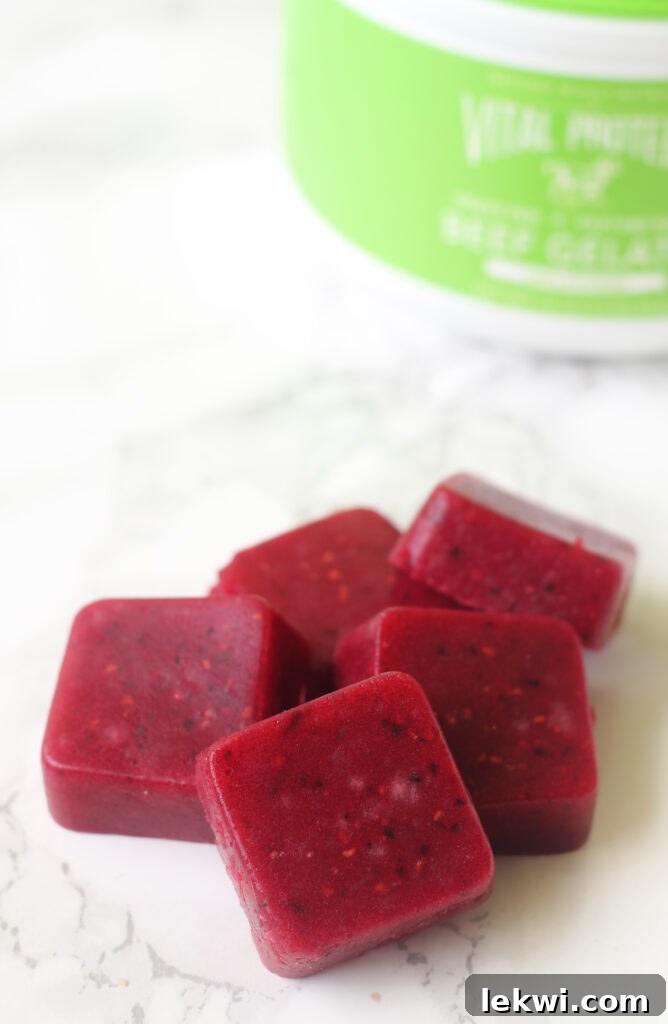
- Homemade gummies (recipes often found in specialized gut healing e-books): A fun way to incorporate gut-supportive gelatin or collagen.
While occasional culinary adventures are welcome, embracing solid, dependable staples will significantly reduce the burden of daily meal planning and cooking, allowing you to focus more on healing and less on kitchen logistics.
4. Favor Warm, Well-Cooked Meals Over Cold and Raw Options
I enjoy an occasional smoothie packed with raw greens and frozen fruit as much as anyone, especially during the sweltering Texas heat. However, consistently consuming cold, raw meals, particularly at the beginning of the day or in excess, isn’t always optimal for our digestive system. There’s a prevailing societal belief that smoothies are universally beneficial for breakfast every single day, but in reality, cold foods can interfere with proper digestion. From an Ayurvedic perspective, consuming cold food extinguishes the “digestive fire,” leading to slower, less efficient breakdown of nutrients. This can also potentially influence the overgrowth of certain gut bacteria, such as candida, which thrive in compromised digestive environments.
If your goal is to be kinder to your gut and genuinely facilitate its healing process, make a conscious effort to prioritize warm, thoroughly cooked foods. Instead of relying heavily on salads and icy smoothies, try roasting your vegetables until tender, slow-cooking or baking your meats, and opting for warm, pureed soups. Cooked vegetables are often easier for a compromised digestive system to break down and absorb nutrients from, as their cellular walls are softened.
When I find myself craving a breakfast smoothie, I often turn to a warm, pureed vegetable soup as a satisfying and gut-friendly alternative. Options like carrot leek soup or zucchini soup offer many of the same nutritional benefits as a smoothie but without the digestive challenge of cold temperatures. Does this mean I advocate for a 100% anti-smoothie or raw salad stance? Not at all. Raw foods certainly have their place and merit in a balanced diet, especially for those with robust digestion. However, if your primary objective is to make gut healing easier and more effective, it’s wise to reevaluate the frequency and timing of your raw and cold food intake, particularly during active healing phases.
5. Embrace Weekly Meal Planning and Batch Cooking (Leveraging Your Freezer)
Maintaining a real food lifestyle 24/7 would be an insurmountable task for me without the foundational practice of weekly planning. With the demands of work, lengthy commutes, social engagements, and countless other obligations, it’s simply not feasible to consistently plan and prepare wholesome meals spontaneously. The key to consistency lies in preparation.
Dedicate a short block of time each weekend – perhaps an hour or two – to sit down and map out your meals for the upcoming week. This plan can be as detailed or as flexible as suits your lifestyle. The essential idea is to approach the week with a general strategy, ensuring you have the necessary ingredients and a clear idea of how to make healthy eating a success. For me, this involves confirming I have a sufficient supply of gut-friendly vegetables and proteins, which I can then mix and match throughout the week.
Batch cooking is another incredibly powerful tool within the planning ahead category. Again, the level of batch cooking can be tailored to your comfort and needs, but I find it immensely helpful to prep 60-70% of my and my husband’s meals in one large cooking session on the weekend. This might involve spending a few focused hours in the kitchen, keeping the oven running, and simultaneously cooking large quantities of roasted vegetables, baked proteins, and perhaps a big pot of soup or stew. This front-loads the effort, leaving less to do on busy weeknights.
For those concerned about histamine development in leftovers or the sustainability of batch cooking large quantities, your freezer is an invaluable ally! Freezing portions of gut-loving foods like soups, stews, meatballs, and cooked vegetables provides a healthy, convenient fallback for those times you’re short on time or energy. It’s an exceptional way to ensure you always have nourishing options readily available, making the entire process significantly easier and more resilient.
6. Build Your Comprehensive Arsenal of Gut Healing Resources and Supplies
In the realm of health, knowledge truly is power. Equipping yourself with a robust collection of resources and practical tools can significantly empower your gut health journey. This “arsenal” extends beyond just food and supplements; it encompasses everything that supports a gut health-centric lifestyle.
Consider stocking up on:
- High-quality cookbooks: Look for those specifically designed for gut health, addressing sensitivities or specific healing protocols (e.g., AIP, GAPS, Paleo).
- Educational books: Delve into the science of the gut microbiome, digestive physiology, and the connection between gut health and overall well-being. Understanding the ‘why’ behind dietary choices reinforces commitment.
- Pantry staples: Keep your pantry well-stocked with essential gut-friendly ingredients like healthy fats (ghee, coconut oil, olive oil), bone broth, various vinegars, gluten-free flours (if applicable), herbs, and spices.
- Essential kitchen supplies: Tools that simplify cooking, such as a high-quality blender for pureed soups, a slow cooker for easy stews, good knives, and appropriate food storage containers for batch cooking.
- Holistic home remedies: Gentle aids like herbal teas for digestion (e.g., ginger, peppermint), Epsom salts for baths (for relaxation and magnesium absorption), and quality essential oils for stress reduction.
Having these resources readily available means you’re prepared for every step of your journey, from preparing meals to understanding symptoms and supporting your body holistically. I’ve compiled a more extensive list of recommended gut healing supplies in this detailed blog post.
7. Utilize Supplements with Extreme Intention and Professional Guidance
One of the most common pitfalls in any healing journey, especially with gut health, is the tendency to take an excessive number of supplements. I’ve personally been guilty of this, attempting to supplement for every single symptom, which only made the process more expensive, overwhelming, and ultimately less effective. A sprawling list of supplements often indicates a lack of targeted strategy and a misunderstanding of underlying causes.
Your supplement regimen should not resemble a pharmacy inventory. Resist the urge to continue taking a B12 supplement simply because you occasionally feel sleepy, or to maintain any supplement longer than it’s truly needed. The goal isn’t to accumulate bottles, but to support specific physiological needs. The most effective approach is to work collaboratively with a qualified healthcare professional – such as a functional medicine doctor, naturopath, or a nutritional therapy practitioner. They can help you refine your supplement list, ensuring each one serves a specific, intentional purpose. This targeted approach not only makes the regimen easier to manage and more cost-effective but also significantly enhances its efficacy by focusing on your unique biochemical needs and addressing root causes rather than just symptoms.
8. Establish a Relationship with a Trusted Healthcare Professional
I cannot overstate the profound importance of working with a knowledgeable and trustworthy healthcare professional to make your gut healing journey manageable and truly effective. In the vast online world, with its seemingly infinite information at our fingertips, it’s easy to feel empowered to tackle complex health issues entirely on our own. I, too, succumbed to this belief for far too long, convinced I could self-diagnose and self-treat.
However, here’s a crucial truth: advice gleaned from online articles or social media, no matter how well-researched, can never be sufficiently personalized to your unique physiological situation. Each individual’s body, genetic predispositions, medical history, and environmental exposures are distinct, demanding a tailored approach.
You absolutely need to partner with a professional who possesses the expertise to help uncover your root causes, accurately track your progress through diagnostic testing, and effectively diagnose and treat your specific conditions. Even as a nutritional therapy practitioner who has invested thousands of hours learning about health, I never would have suspected mercury toxicity as a key disruptor in my own health. This highlights how easily crucial underlying factors can be missed without the trained eye and diagnostic tools of a medical professional.
If you’re still searching for a healthcare provider you can truly trust, I’ve dedicated a comprehensive blog post here that discusses how to find a good functional doctor, including some of my personal recommendations for those in the Dallas area.
9. Cultivate a Strong Support System
Humans are inherently social creatures; connection and support are not luxuries but fundamental needs, especially when navigating challenging times like chronic illness and complex healing journeys. I cannot adequately express how invaluable it was for my own recovery to connect with other bloggers and friends who genuinely understood my struggles and offered unwavering support. Knowing you’re not alone in your experience can significantly lighten the emotional burden.
When friends and family members, despite their best intentions, may not fully grasp the intricacies of your health challenges, actively seeking support becomes even more crucial. Explore local support groups, join online communities focused on gut health, or connect with individuals through social media platforms. These avenues can provide a safe space to share experiences, exchange tips, and receive empathy from those who truly understand. Many of my closest real-life friends initially began as online connections forged through shared health journeys. This kind of camaraderie and shared understanding can make the often isolating path of healing feel much more manageable and empowering.
10. Maintain a Positive Mindset and Practice Gratitude
Even if you meticulously optimize your diet, secure an excellent doctor, and ensure your supplement cabinet is perfectly curated with gut-healing aids, all these efforts can be undermined if your mindset isn’t aligned with healing. Dealing with a chronic illness is undeniably difficult; there’s nothing inherently easy about it. However, true physical healing is intricately linked to and profoundly impacted by the healing of our mental and emotional landscape.
Allowing yourself to constantly dwell in resentment for your situation, succumbing to self-pity, or holding a deep-seated belief that you will never truly heal, creates a recipe for disaster when attempting to restore gut health. The mind-body connection is powerful, and chronic stress, negative thought patterns, and a lack of hope can significantly impede physiological repair processes. Instead, consciously shift your focus. Regularly remind yourself of the progress you’ve already made, no matter how small, and actively seek out things for which you can be grateful.
Cultivating a gratitude practice, such as keeping a gratitude journal, has profoundly reshaped my perspective on life and my own health journey. My journal isn’t filled with extravagant wishes like “I’m grateful for my yacht” or “I’m grateful I can eat anything I want.” Instead, my gratitude centers on fundamental blessings:
- The simple ability to purchase nourishing food.
- Access to clean water and a clean kitchen where I can prepare meals.
- The invaluable community support from friends, both online and offline.
- The privilege of access to books, podcasts, and the internet where I can continuously learn and grow.
- The enduring presence of divine love, forgiveness, and grace in my life.
Everyone, regardless of their circumstances, has something to be grateful for. The sooner we consciously choose to focus on and appreciate the positive aspects of our health and our lives, rather than fixating on what we resent or what is lacking, the more resilient, empowering, and ultimately, easier our healing journey becomes. A grateful heart fosters a healing body.