In the vast landscape of holistic health, the profound importance of our gut health has become undeniable. It serves as the bedrock of our overall well-being, influencing everything from our immune system and body weight to our mood and cognitive function. For many, including those diagnosed with autoimmune conditions like Hashimoto’s thyroiditis, the intricate link between gut health and systemic disease is a crucial discovery. Increased intestinal permeability, often referred to as “leaky gut,” is not only a significant trigger for the onset of autoimmunity but also a critical factor in managing and reducing chronic inflammation throughout the body. Within the holistic healing and autoimmune protocol (AIP) communities, the imperative to heal the gut is a universally accepted truth.
Yet, despite dedicated efforts—drinking bone broth, diligently taking supplements, and adhering to strict diets—many find themselves asking a persistent, frustrating question: “Why isn’t my gut healed yet?” Perhaps you still grapple with persistent bloating, stubborn skin issues like acne, or simply an intuitive sense that something fundamentally remains off with your digestive system. If this resonates with you, rest assured, you are far from alone in this complex journey toward gut wellness.
Gut health is anything but simple. We often oversimplify it, but its intricacies make it challenging to fully comprehend, difficult to effectively address, and often frustrating to ultimately resolve. If you’ve invested months, or even years, into gut-healing protocols only to find yourself still battling persistent digestive issues, it’s time to delve deeper. This comprehensive guide explores five common, often overlooked reasons why your gut may not be healing, providing clarity and actionable insights.

Before we dive into these critical areas, it is absolutely vital to emphasize one point: partnering with a qualified healthcare professional is an indispensable step for truly understanding and addressing your unique health concerns. This article offers general information and insights, not medical advice. Always consult with a doctor or a functional medicine practitioner to receive personalized diagnoses, treatment plans, and guidance for your health journey, especially when dealing with complex gut issues.
1. You Have Low Stomach Acid or Digestive Enzymes
The role of stomach acid in digestion is frequently misunderstood, often demonized as something to be suppressed. However, the truth is quite the opposite: robust stomach acid (hydrochloric acid, or HCL) and sufficient digestive enzymes are absolutely essential for proper digestion and nutrient absorption. When levels of HCL are too low, or enzyme production is inadequate, our food passes through the digestive tract largely undigested. Consider the delicate lining of your intestines – it’s incredibly thin and susceptible to damage. Imagine tough, fibrous foods or protein-rich meats, not properly broken down by stomach acid or enzymes, attempting to pass through this sensitive lining. This undigested food can cause significant irritation, inflammation, and damage, actively hindering your gut’s ability to heal and contributing to increased intestinal permeability.
How do you know your stomach acid is too low?
- Acid Reflux or Heartburn: Counterintuitively, these symptoms are often caused by *too little* stomach acid. When food isn’t properly digested, it can ferment and create gas, pushing stomach contents (including what little acid there is) back up into the esophagus.
- Belching or Burping After Meals: Excessive gas production from undigested food is a common sign.
- Feeling Full or Bloated: Especially after eating protein-rich meals.
- Not Hungry in the Morning: A lingering feeling of fullness or lack of appetite, potentially from slow digestion the previous night.
- Stomach Pains After Eating: Discomfort, cramping, or a heavy feeling in the stomach.
- Still Feeling Hungry After You Just Ate: Despite eating, your body isn’t absorbing nutrients effectively, leading to continued hunger signals.
- Nutrient Deficiencies: Iron, B12, calcium, and magnesium deficiencies can indicate poor absorption due to low HCL.
Low stomach acid is remarkably common, often exacerbated by stress, aging, certain medications, and dietary factors. Without adequate breakdown of food in the stomach, the entire digestive cascade is disrupted, impairing nutrient absorption and preventing the gut from mending itself.
What do you do?
- Eat in a Relaxed State: Activate your “rest and digest” (parasympathetic) nervous system by taking a few deep breaths before meals. Avoid eating on the go or while stressed.
- Chew, Chew, Chew Your Food: Aim for 30-40 chews per bite. This mechanical breakdown is the first crucial step in digestion and signals the stomach to produce acid.
- Supplement with HCL or Digestive Enzymes: Under the guidance of a healthcare professional, HCL with pepsin or broad-spectrum digestive enzymes can significantly aid digestion.
- Drink Diluted Apple Cider Vinegar (ACV) Before Meals: A tablespoon of raw, unfiltered ACV diluted in a small glass of water 10-15 minutes before eating can help stimulate stomach acid production.
- Incorporate Bitters: Foods like arugula, dandelion greens, or bitter herbal tinctures can stimulate digestive juices.
2. You’re Not Digesting Fats Effectively
As society slowly pivots away from the misguided low-fat craze of previous decades, embracing the essential role of healthy fats, a new challenge has emerged: many individuals struggle to properly digest these crucial nutrients. This often stems from issues with bile production and release, a process primarily managed by your gallbladder.
Your gallbladder’s primary function is to store and release bile into the small intestine, where bile acts as an emulsifier, breaking down dietary fats into smaller, more manageable globules for enzyme action. Bile itself is composed of components derived from the fats we consume, making its quality highly susceptible to dietary influences. If you’ve undergone a period of consuming low-fat diets or, critically, poor-quality fats, your bile production and efficacy can be severely compromised. “Poor quality fats” encompass a wide range, from industrial seed oils like canola oil and margarine to fats from conventionally raised animals (non-pastured chicken or eggs), or even hidden fats in processed foods and restaurant meals. These detrimental fats negatively impact the composition and fluidity of your bile, hindering its ability to perform its digestive duties. Furthermore, chronic stress can also tax the liver, which produces bile, subsequently affecting gallbladder function.
When bile quality is diminished, or its release is impaired (perhaps because a low-fat diet signals less need for it, or stress inhibits its flow), fats go undigested. Instead of being broken down and absorbed, these fats can become rancid within the digestive tract. Rancid fats are highly inflammatory and toxic, acting as a direct irritant and damaging agent to the delicate gut lining, actively sabotaging any healing efforts.
How do you know you’re not digesting fats?
- Nausea When Eating Fats: Even healthy fats like avocado or olive oil can cause discomfort.
- Pain Under Your Right Rib: This is a classic sign of gallbladder stress or issues, as the gallbladder is located under the right rib cage.
- Shiny, Greasy Stool That Floats: This indicates undigested fat passing through the digestive system.
- Light-Colored or Green Stool: Can be a sign of bile flow issues.
- Fat-Soluble Vitamin Deficiencies: Low levels of Vitamins A, D, E, and K, as their absorption relies on healthy fat digestion.
- Dry Skin, Brittle Hair, or Nails: Another potential indicator of essential fatty acid malabsorption.
For many, including myself, gallbladder issues can be a significant, often hereditary, hurdle. Traditional Chinese medicine often associates the gallbladder with the emotion of fear, a concept that resonates deeply with individuals navigating complex health challenges. This is a journey of continuous awareness and management.
What do you do?
- Ensure Sufficient Stomach Acid: Adequate stomach acidity (low pH) is a critical trigger for bile release. Address low HCL as outlined in the previous point.
- Take a Bile Salt or Bile Support Supplement: Under professional guidance, these can provide exogenous bile to assist fat digestion.
- Eat High-Quality Fats in Moderation: Focus on nutrient-dense sources like avocados, extra virgin olive oil, coconut oil, grass-fed ghee, and fats from pastured animals. Gradually reintroduce, paying attention to tolerance.
- Don’t Be Afraid of Higher Carb (from Vegetables) While Healing: Complex carbohydrates from non-starchy vegetables can provide energy without stressing fat digestion while the gut heals.
- Eat Bitter Greens and Beets: Foods like arugula, dandelion greens, radicchio, and beets are known to stimulate bile production and liver detoxification.
- Castor Oil Packs: A traditional, external application often used to support liver and gallbladder function. (My personal favorite “crunchy” remedy!)
- Work with a Doctor or Naturopath: This step is absolutely necessary for proper diagnosis and management of gallbladder and liver issues.
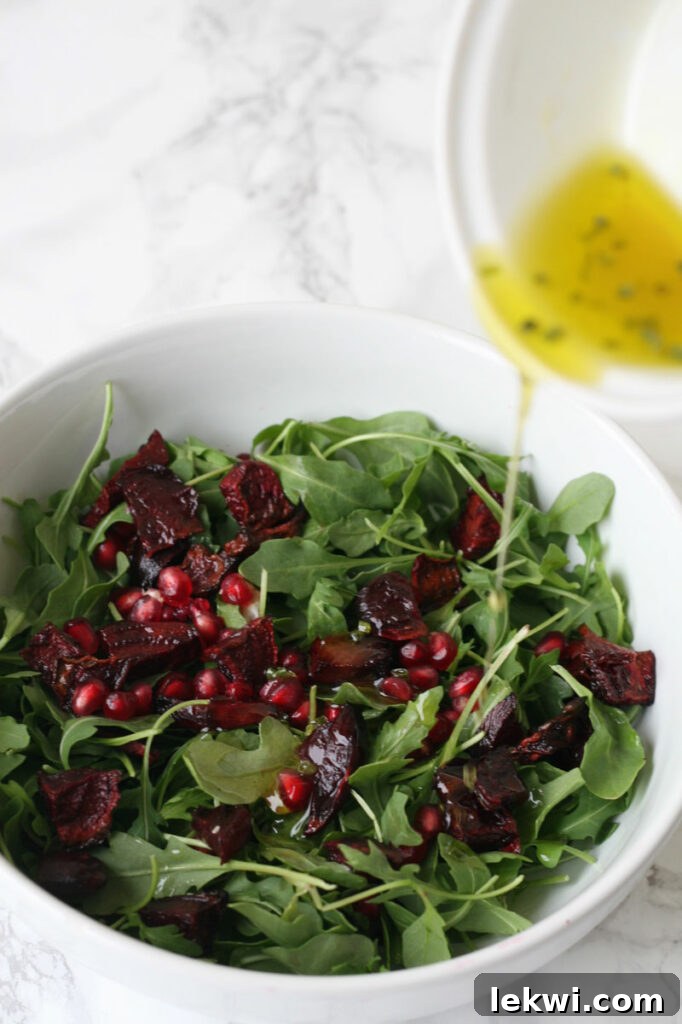
When it comes to healing foods, this Pomegranate Beet Salad offers an excellent example of a meal designed to support fat digestion. It combines both liver-supporting beets and bile-stimulating bitter greens, all dressed with a healthy, homemade olive oil-based dressing. Such meals are crucial for promoting a healthy digestive environment.
3. You Have An Underlying Infection, Overgrowth, Or Imbalance
The idea of internal infections or overgrowths might sound alarming, but parasites, co-infections, and bacterial imbalances are very real and surprisingly common. You don’t need to travel to remote regions and consume raw, exotic foods to acquire them. Pathogens can be picked up just as easily from improperly handled or undercooked food, contaminated water, or even through contact with pets or other individuals. Furthermore, imbalances within our native gut flora are rampant, often fueled by stress, poor diet, antibiotic use, and environmental toxins.
What kind of infection, overgrowth, or imbalance may you have?
- Parasites: Ranging from microscopic protozoa (like Giardia or Blastocystis hominis) to larger worms. They can disrupt nutrient absorption, cause inflammation, and produce toxins.
- Small Intestinal Bacterial Overgrowth (SIBO): An excessive amount of bacteria, normally found in the large intestine, colonizing the small intestine. This leads to fermentation of food, gas production, bloating, and impaired nutrient absorption.
- Candida Overgrowth: An overgrowth of the yeast Candida albicans, a common inhabitant of the gut. When it proliferates excessively, it can cause a range of symptoms and contribute to leaky gut.
- Epstein-Barr Virus (EBV): While not directly a gut infection, chronic viral reactivations can significantly impact the immune system and indirectly affect gut health and inflammation levels.
- Other Pathogenic Bacteria: Such as H. pylori, Clostridium difficile, or various strains of E. coli, which can cause chronic inflammation and digestive distress.
How do you know you have one?
- Persistent Bloating: Especially after meals, and often severe.
- Intolerance to Vegetables: Particularly high-fiber or fermentable vegetables (FODMAPs), which feed overgrown bacteria.
- Reoccurring Diarrhea or Constipation: Or alternating patterns of both, indicating dysregulated gut motility.
- Elevated White Blood Cell (WBC) Count: In some cases, indicating an ongoing immune response to an infection.
- Unexplained Weight Loss or Gain: Due to nutrient malabsorption or inflammatory processes.
- Brain Fog, Fatigue, Joint Pain: Systemic symptoms often linked to gut infections and inflammation.
- Specific Lab Markers: Elevated beta-glucuronidase (as mentioned in the original text, often indicative of bacterial imbalance), or specific markers found in stool or breath tests.
Each type of pathogen or imbalance presents its unique constellation of symptoms, making accurate self-diagnosis nearly impossible. The best course of action is to collaborate with a qualified functional medicine doctor or naturopathic physician who can order appropriate testing and interpret the results to uncover the root cause.
What do you do?
- Work with a Doctor or Functional Medicine Practitioner: This is the single most important step. Professional guidance is essential for accurate diagnosis and a safe, effective treatment plan.
- Run Labs Like Stool Tests and Breath Tests: Comprehensive stool analyses (often preferred over basic lab tests) can identify parasites, bacterial imbalances, yeast overgrowth, and inflammatory markers. Breath tests are crucial for diagnosing SIBO.
- Consider Specialized Testing: Depending on symptoms, tests for H. pylori, organic acids (to assess yeast/bacterial metabolites), or viral titers might be necessary.
- Follow Targeted Protocols: Once identified, your practitioner will guide you through specific protocols, which may involve antimicrobial herbs, pharmaceutical antibiotics, antifungals, or dietary changes aimed at eradicating pathogens or rebalancing the microbiome.
4. You’re Not Focusing on Nutrient Density
The initial, crucial step in gut healing often involves eliminating inflammatory foods that are known to irritate the gut lining. Cutting out gluten, dairy, sugar, and processed foods can certainly alleviate symptoms and reduce the immediate burden on the digestive system. However, merely removing harmful elements doesn’t inherently “heal” anything. True healing and repair require a proactive approach that prioritizes flooding your body with the essential nutrients it needs to rebuild, restore, and thrive. You must shift your focus from what you *aren’t* eating to what you *are* eating – emphasizing nutrient density above all else.
Your gut lining regenerates rapidly, but it needs specific building blocks to do so. Your immune system, which is largely housed in the gut, requires a steady supply of vitamins, minerals, and antioxidants to function optimally. Without a rich intake of these vital nutrients, the body simply lacks the resources to repair damaged tissues, produce necessary enzymes and hormones, and maintain a balanced microbiome. This can lead to persistent inflammation, weakened gut barrier function, and a failure to progress in your healing journey.
How do you know you’re not getting enough nutrients?
- Feeling Hungry After Meals: Despite eating a substantial meal, a lingering sense of hunger can indicate that your body isn’t receiving the micronutrients it craves.
- Not Feeling Satisfied or Energized: Food should nourish and energize. If meals leave you feeling sluggish or still yearning for something, nutrient gaps might be present.
- Tons of Cravings: Persistent cravings, especially for sugary or unhealthy foods, can often be a sign that your body is searching for missing nutrients.
- Fatigue and Low Energy: Nutrient deficiencies directly impact energy production.
- Hair Loss, Brittle Nails, Skin Issues: Common external manifestations of internal nutritional gaps.
- Frequent Illness: A weakened immune system, often linked to poor nutrient status.
What do you eat?
- Bone Broth: Rich in collagen, gelatin, amino acids (proline, glycine, glutamine), and minerals, all vital for repairing the gut lining and reducing inflammation.
- Fermented Foods: Sauerkraut, kimchi, kefir, and kombucha (if tolerated) introduce beneficial probiotics that help rebalance the gut microbiome and support digestion.
- Organic Vegetables: A wide array of colorful, organic vegetables provides a diverse range of vitamins, minerals, fiber, and antioxidants. Aim for both non-starchy and starchy varieties.
- Fruits in Moderation: Berries, apples, and other fruits offer vitamins, antioxidants, and beneficial fiber. Consume in amounts that suit your individual tolerance.
- Pastured Meats: Grass-fed beef, pastured chicken, and other ethically raised meats provide high-quality protein, essential amino acids, and beneficial fats (like conjugated linoleic acid – CLA).
- Wild-Caught Fish: Excellent sources of anti-inflammatory Omega-3 fatty acids (EPA and DHA), crucial for reducing systemic inflammation and supporting cellular health.
- Healthy Fats: Include nutrient-dense fats like avocado, coconut oil, olives and olive oil, and high-quality animal fats (from pastured sources) for energy, hormone production, and cellular integrity.
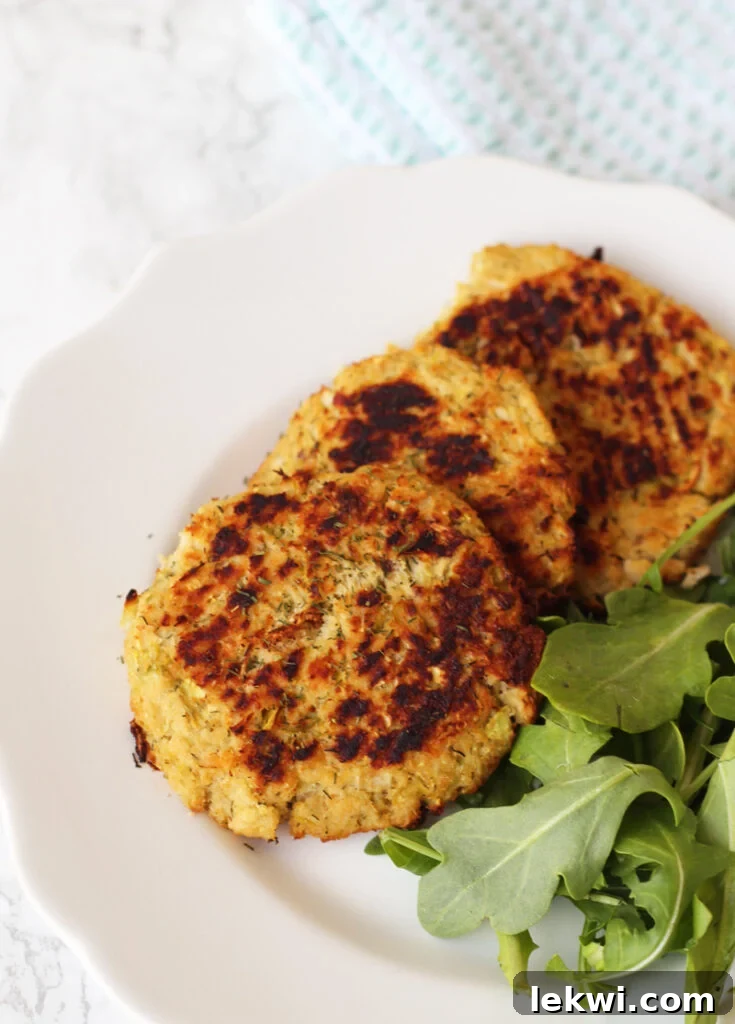
For a delicious, nutrient-dense recipe packed with Omega-3s and other healthy fats, these AIP Salmon Patties are an excellent choice. They offer high-quality protein and fats in an easy-to-digest format, supporting your healing journey with every bite.
5. You’re Too Stressed
In our modern, fast-paced world, the pervasive impact of chronic stress is often underestimated, yet it can be just as detrimental to gut health as a diet laden with sugar and gluten. The intricate connection between the brain and the gut, known as the gut-brain axis, ensures that psychological stress has a direct and profound physiological effect on your digestive system. When you’re under chronic stress, your body is in a state of “fight or flight,” dominated by the sympathetic nervous system. This state actively shunts blood away from your digestive organs, inhibiting their proper function.
The stress hormone cortisol, released in response to stress, has a direct inhibitory effect on the healing capacity of your gut lining. It can increase intestinal permeability, making a “leaky gut” even leakier. Furthermore, chronic stress can significantly interfere with stomach acid production, slow down gut motility (leading to constipation or diarrhea), alter the composition of your gut microbiome, and reduce the production of protective mucus in the intestines. Essentially, prolonged stress creates an internal environment hostile to gut healing, perpetuating inflammation and discomfort even if all other dietary and supplemental strategies are perfectly in place.
Measuring stress levels is notoriously difficult because stress is highly subjective and fluctuates daily. What might be manageable one day could become overwhelming the next. There isn’t a simple blood test for “stress markers.” This makes identifying and addressing chronic stress a nuanced and deeply personal endeavor, yet it is absolutely critical for comprehensive gut healing.
What do you do?
- Form a Support System and Seek Social Connection: Humans are social beings. Isolating yourself can exacerbate stress. Connect with friends, family, or join support groups, such as local AIP groups, to share experiences and receive understanding.
- Be Honest About the Stress in Your Life and Address It: This requires deep introspection. Identify your major stressors – work, relationships, finances, health concerns – and bravely confront them. This might involve setting boundaries, delegating tasks, or seeking professional help (therapy, coaching).
- Look for “Low-Hanging Fruit” to Eliminate Stress: Identify small, manageable sources of stress you can easily remove or reduce. This could be unsubscribing from irritating emails, saying “no” to non-essential commitments, or tidying up your physical space.
- Take Dedicated Time for Yourself Every Single Week: Schedule non-negotiable “me time” for activities that genuinely help you relax and recharge. This isn’t selfish; it’s essential self-preservation.
- Form a Hobby That Helps to De-Stress and Practice It Regularly: Engage in activities that bring you joy and calm. Examples include yoga, meditation, reading, spending time in nature, gardening, creative arts, or simply taking evening walks. Consistency is key.
- Prioritize Quality Sleep: Lack of sleep is a massive stressor on the body. Aim for 7-9 hours of restorative sleep per night. Establish a consistent sleep schedule and a relaxing bedtime routine.
- Practice Mindfulness and Breathwork: Simple mindfulness exercises or deep diaphragmatic breathing can activate the parasympathetic nervous system, counteracting the stress response and improving vagal tone (a key nerve in the gut-brain axis).
- Pray and Practice Gratitude Regardless of Hard Times: Cultivating an attitude of gratitude and incorporating spiritual practices can profoundly shift your perspective, reducing the perceived burden of stress and fostering resilience. Acknowledging what you are grateful for, even amidst challenges, is one of the most powerful tools for enhancing mental well-being and supporting physical health.
Healing your gut is a multi-faceted journey that demands patience, persistence, and a holistic perspective. While diet and supplements are crucial, neglecting these five often-overlooked factors—low stomach acid, impaired fat digestion, underlying infections, nutrient deficiencies, and chronic stress—can significantly impede your progress. By addressing each of these pillars, ideally with the guidance of a knowledgeable healthcare professional, you can create the optimal environment for true, lasting gut healing and unlock a profound improvement in your overall health and vitality.