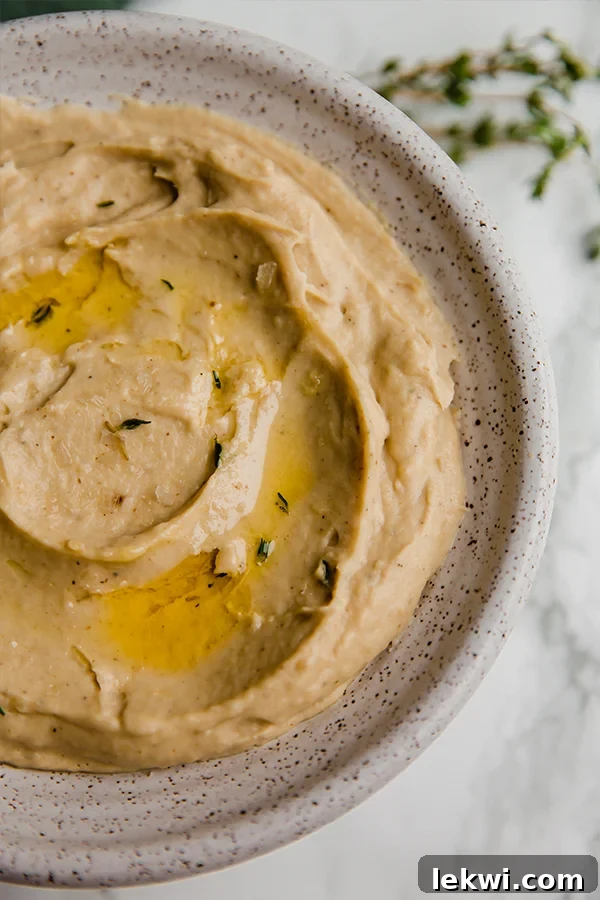
Transform your side dish game with this incredibly flavorful and simple seasonal side dish: Roasted Cauliflower & Parsnip Mash. This delightful recipe effortlessly combines the wholesome goodness of root vegetables with aromatic herbs and rich ghee, creating a creamy, satisfying alternative to traditional mashed potatoes. Perfectly suited for those following specialized diets, this recipe is fully compliant with Paleo, Whole30, and AIP (Autoimmune Protocol) guidelines, ensuring everyone can enjoy a decadent side dish without compromise.
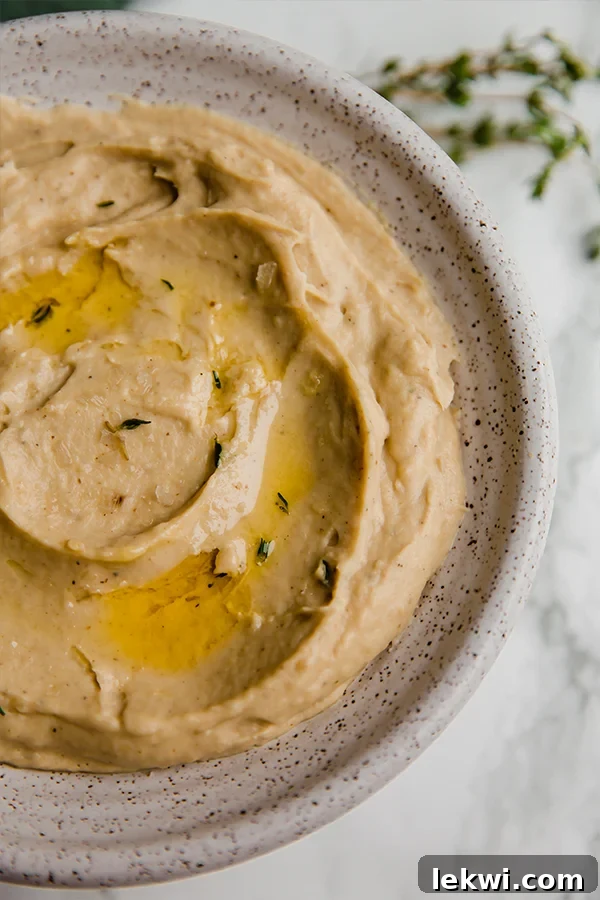
For many, mashed potatoes are a cherished comfort food, a staple at family dinners and holiday feasts. Growing up, I was definitely in the “pro-mashed potatoes” camp, always reaching for a generous scoop. However, embarking on a nightshade-free journey meant saying goodbye to potatoes, which left a noticeable void on my plate. The quest began to find a worthy substitute – something that offered the same creamy texture, comforting warmth, and robust flavor that mashed potatoes brought to any meal.
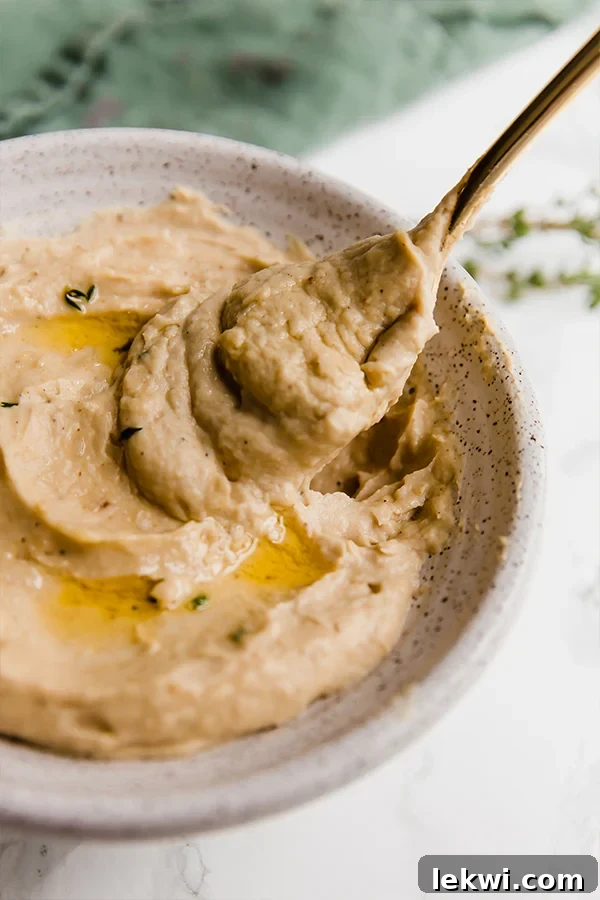
Cauliflower has long been a popular choice for a potato substitute, celebrated for its versatility and mild flavor. But this recipe takes it a step further. By incorporating roasted parsnips, we unlock an additional layer of depth and that classic root vegetable sweetness that truly elevates the dish, bringing it even closer to the beloved mashed potato experience. The magic truly happens through the roasting process, which caramelizes the vegetables, intensifying their natural sugars and infusing them with an irresistible nutty flavor. Coupled with roasted garlic, fragrant seasonal herbs, and a generous spoonful of rich ghee, this mash isn’t just a substitute; it’s a culinary star in its own right.
The Art of Crafting Roasted Cauliflower and Parsnip Mash: A Step-by-Step Guide
Creating this delicious and healthy side dish is surprisingly simple, yet the flavors are complex and satisfying. The key lies in the roasting process, which brings out the best in both cauliflower and parsnips.
- Prepare and Roast the Vegetables: Begin by preheating your oven to 400°F (200°C) and lining a large baking sheet with parchment paper for easy cleanup. Arrange the cauliflower florets, diced parsnips, and whole garlic cloves on the prepared baking sheet. Sprinkle generously with fresh thyme, dried sage, and a pinch of salt (and pepper, if not AIP). Drizzle the melted ghee evenly over all the vegetables. Toss everything together gently to ensure each piece is thoroughly coated in the flavorful fat and seasonings. Roast for 30-35 minutes, or until both the cauliflower and parsnips are perfectly fork-tender and slightly caramelized. Keep an eye on the cauliflower, as it may cook faster than the parsnips. If it becomes tender first, remove it from the tray and allow the parsnips to continue roasting until they reach the desired tenderness.
- Puree to Creamy Perfection: Once roasted, remove the vegetables from the oven and let them cool slightly for a few minutes. Transfer the tender, aromatic vegetables to a food processor. Add the full-fat coconut milk, which will contribute to the rich and creamy texture. Process until the mixture is completely smooth and free of lumps. You may need to scrape down the sides of the food processor a few times to ensure everything is thoroughly blended.
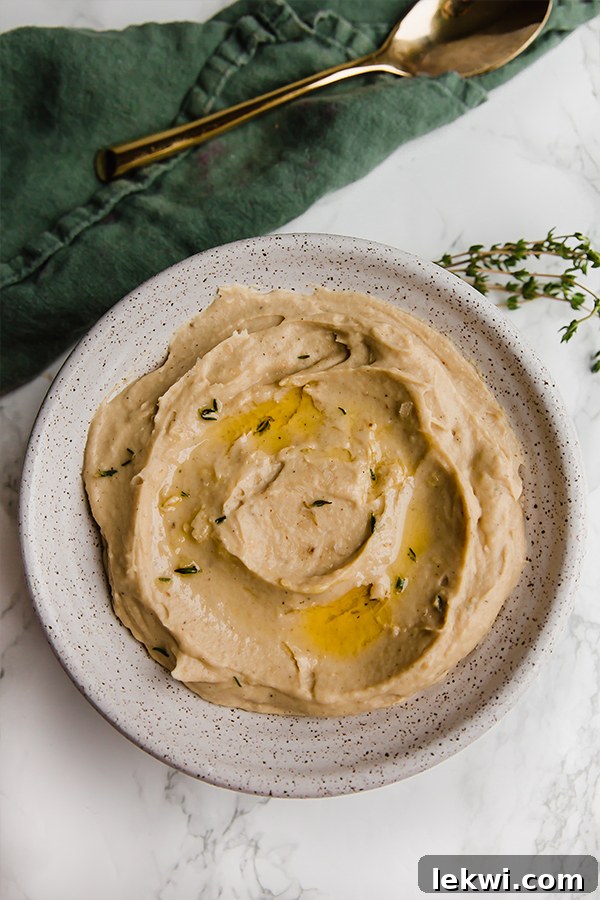
- Serve with Elegance: Spoon the warm, velvety mash into a serving bowl. For an extra touch of richness and flavor, top with an additional swirl of melted ghee, a sprinkle of salt flakes, and a garnish of fresh thyme leaves. Serve immediately and watch it disappear! This mash is a fantastic accompaniment to a wide variety of main courses, from roasted chicken to grilled fish or even a hearty vegetarian loaf.
Parsnips: The Underrated Potato Pretender
Many people wonder if parsnips can truly stand in for potatoes, and the answer is a resounding yes! If you’ve never experienced the delights of parsnips, prepare to be pleasantly surprised. When cooked and mashed, parsnips develop a texture remarkably similar to potatoes, yet they offer a distinct, slightly sweeter, and more earthy root vegetable flavor profile. This unique characteristic is precisely why I adore combining them with nutrient-dense cauliflower. Cauliflower provides bulk and a subtle base, while parsnips infuse the mash with that coveted depth and comforting sweetness. This synergy ensures you get the best of both worlds: a rich, flavorful mash packed with essential nutrients, making it a stellar choice for a healthy and satisfying side.
Roasting vs. Boiling: Why the Oven Wins Every Time for This Mash
While technically you could opt to boil the vegetables for this mash, I implore you to hear me out on why roasting is the superior method! Roasting isn’t just a cooking technique; it’s a flavor-enhancing process. When cauliflower and parsnips are exposed to the dry heat of the oven, their natural sugars caramelize, creating complex, nutty, and slightly sweet notes that simply cannot be achieved through boiling or pressure cooking. Boiling tends to dilute flavors and can result in watery vegetables, leading to a less vibrant and less satisfying mash. Furthermore, the inclusion of roasted garlic is a game-changer. Roasting mellows the garlic’s sharp pungency, transforming it into a sweet, creamy, and wonderfully aromatic addition that elevates the entire dish. This depth of flavor is what makes this mash truly unforgettable and worth the extra step of oven preparation.
The Essential Ingredients You’ll Need for Your Culinary Creation
Every great recipe starts with quality ingredients. Here’s a closer look at what you’ll need and why each component is crucial for achieving the perfect Roasted Cauliflower & Parsnip Mash:
- Parsnips: These often-overlooked root vegetables resemble large, pale carrots. They are incredibly easy to work with—simply peel and dice. Parsnips range in size, but typically one large or two medium parsnips will yield the two cups needed for this recipe. Their unique sweet, nutty, and slightly spicy flavor truly shines when roasted, providing a delightful foundation for our mash. They are also a good source of fiber, vitamin C, and folate.
- Cauliflower: A versatile cruciferous vegetable, cauliflower forms the creamy bulk of our mash. You’ll need about four cups of florets, which usually translates to one medium head of cauliflower. To save time on busy weeknights, feel free to use pre-cut cauliflower florets. Beyond its texture contribution, cauliflower is low in carbohydrates and rich in vitamins C and K, and various antioxidants.
- Garlic, Sage, and Thyme: This aromatic trio is the heart of the mash’s savory flavor. Roasting the garlic cloves transforms them from pungent to mellow and sweet, adding an incredible depth. Sage offers an earthy, peppery note, while fresh thyme brings a delicate, herbaceous aroma. These herbs are particularly complementary to root vegetables and evoke a cozy, autumnal feel, making this dish perfect for seasonal meals.
- Coconut Milk: To achieve that luxurious, creamy consistency without any dairy, full-fat canned coconut milk is your secret weapon. It provides a smooth texture and a subtle richness that blends beautifully with the roasted vegetables. Ensure you’re using full-fat coconut milk, as the light varieties won’t yield the same creamy result. If you have other dairy-free alternatives you tolerate and prefer, such as almond milk or cashew milk, you can experiment, though coconut milk typically offers the richest texture.
- Ghee: Ghee, or clarified butter, offers a wonderfully nutty, rich flavor and a higher smoke point than regular butter, making it ideal for roasting. It’s also suitable for Paleo and Whole30 diets, and many people who are dairy-sensitive can tolerate ghee because the milk solids have been removed. If ghee isn’t available or tolerated, olive oil or avocado oil are excellent AIP-compliant substitutes that will still provide a healthy fat for roasting and flavor.
- Salt & Pepper: Essential for seasoning. Salt enhances all the flavors, while black pepper adds a gentle kick. For those on AIP, remember to omit the black pepper, as it is a nightshade.
More Delightful & Healthy Recipes to Explore
If you loved this roasted cauliflower and parsnip mash, you’ll surely enjoy these other nourishing and flavorful recipes:
- Creamy Cauliflower Pumpkin Risotto: A comforting and hearty dish perfect for cooler weather, showcasing the versatility of cauliflower and pumpkin.
- Flavorful Thanksgiving Cauliflower Stuffing: A brilliant, grain-free alternative to traditional stuffing, packed with herbs and savory goodness.
- Vibrant Roasted Harvest Vegetables: A simple yet elegant mix of seasonal roasted vegetables, perfect as a side or a light meal.
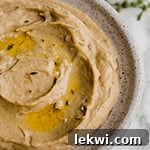
Roasted Cauliflower & Parsnip Mash
Pin Recipe
Ingredients
- 4 cups cauliflower florets
- 2 cups parsnips, peeled and diced
- 4 cloves garlic
- 2 tsp fresh thyme, divided
- 1 tsp dried sage
- ½ tsp salt flakes, divided
- ¼ tsp black pepper (omit for AIP)
- 4 tbsp melted ghee, divided (sub avocado oil for AIP)
- 1 cup coconut milk
Instructions
- Preheat the oven to 400°F (200°C) and line a large baking sheet with parchment paper.
- Add the cauliflower and parsnip to the baking sheet, keeping them somewhat separate. Add the garlic cloves, 1 tsp of thyme, sage, salt, and pepper (if using). Top with 3 tbsp of melted ghee and toss to coat all the vegetables.
- Bake in the preheated oven for 30-35 minutes or until the cauliflower and parsnips are fork-tender and slightly caramelized. If the cauliflower cooks faster, remove it from the baking sheet and allow the parsnips to cook longer until done.
- Remove from the oven and allow to cool slightly. Add to a food processor with the coconut milk and blend until completely smooth and creamy.
- Top with additional ghee, salt, and the remaining fresh thyme to serve.
Notes
All nutritional information are estimations and will vary. Estimations do not include optional ingredients. For AIP compliance, ensure all ingredients meet protocol standards, especially avoiding black pepper.
Nutrition Information (Estimated Per Serving):
- Serving: 1 serving
- Calories: 82 kcal
- Carbohydrates: 18.5g
- Protein: 3.1g
- Fat: 0.5g
- Fiber: 5.6g
All nutrition facts are estimated and will vary.
Want to save this recipe for later?
Sign up for our newsletter to have delicious, healthy recipes delivered straight to your inbox! ✉️
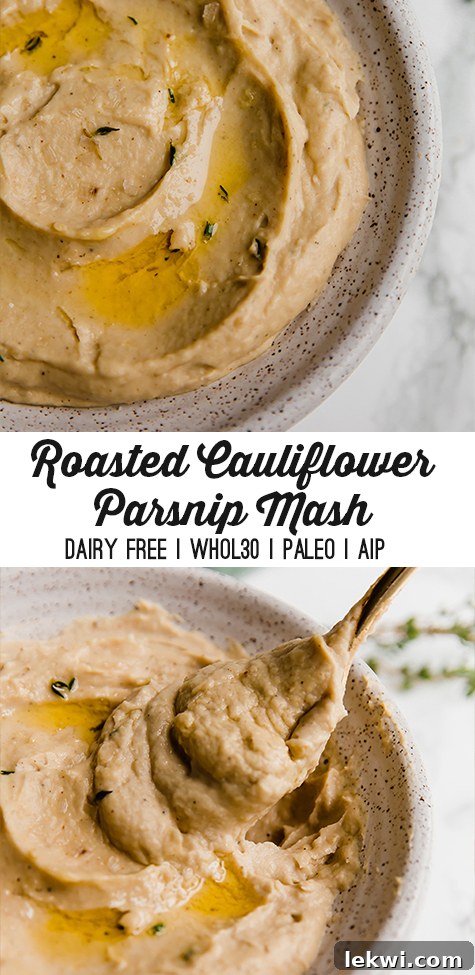
This Roasted Cauliflower & Parsnip Mash is more than just a side dish; it’s a testament to how healthy eating can be both delicious and deeply satisfying. With its creamy texture, savory roasted flavors, and adherence to various dietary needs, it’s a dish that promises to impress. Whether you’re navigating dietary restrictions or simply looking for a wholesome and flavorful alternative to traditional mashed potatoes, this recipe is sure to become a cherished addition to your culinary repertoire. Enjoy the rich, comforting taste and the nourishing benefits with every spoonful!