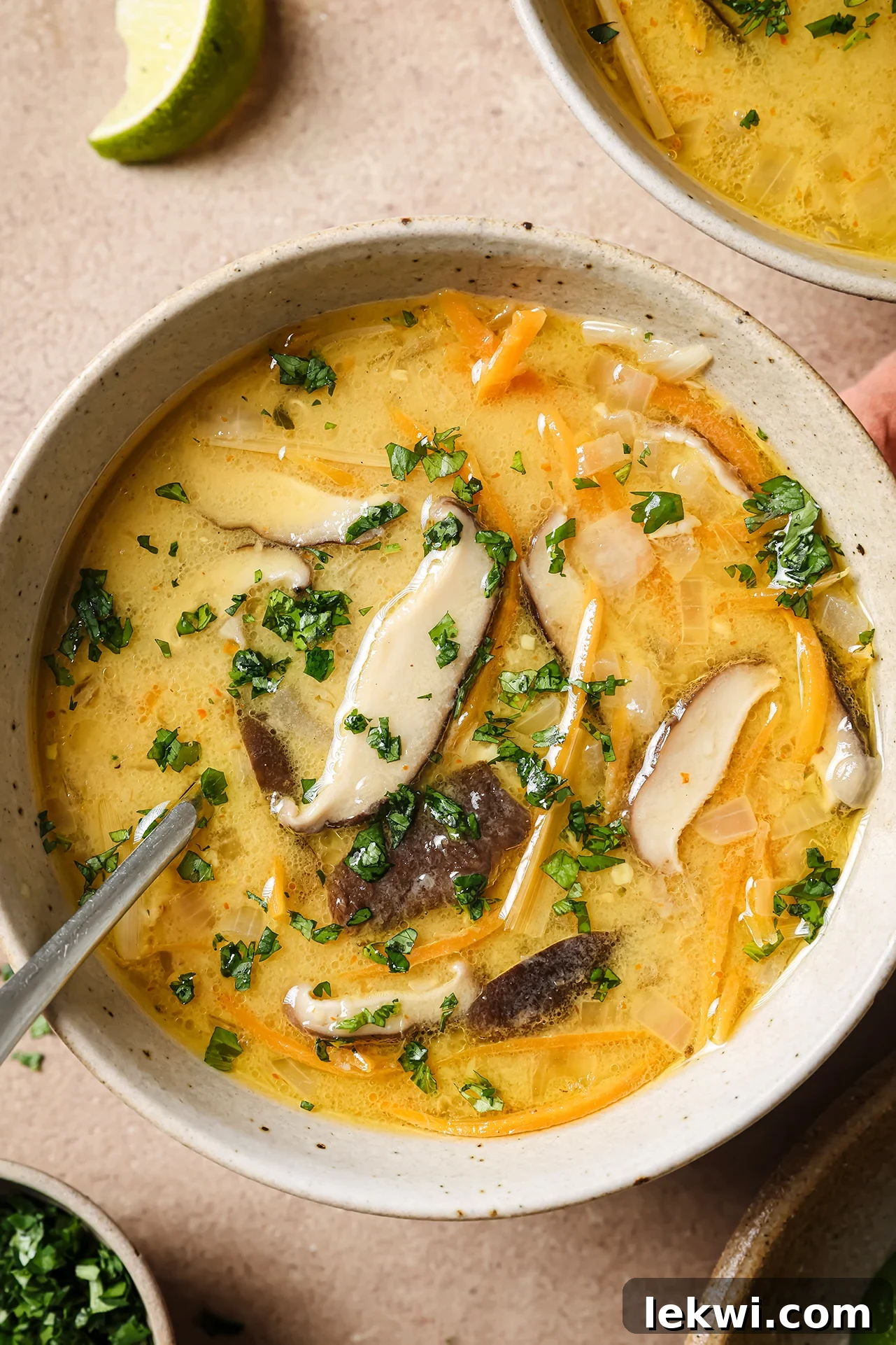
“When you taste the soup while it’s simmering to check the seasonings, it turns into eating the soup out of the pot. This is delicious! Thank you for this amazing and easy recipe!” – Emily
Experience Authentic Thai Flavors with This Easy Tom Kha Soup Recipe
Craving the aromatic, creamy, and subtly tangy flavors of classic Thai cuisine without the hassle? Look no further than this incredibly simple Tom Kha Soup recipe. Often hailed as one of Thailand’s most beloved culinary creations, Tom Kha, or Thai Coconut Soup, offers a harmonious blend of coconut richness, zesty lime, fragrant lemongrass, and a touch of spice. This recipe makes it effortlessly achievable in your own kitchen. It’s a deliciously creamy, dairy-free delight that promises a burst of vibrant flavor in every spoonful.
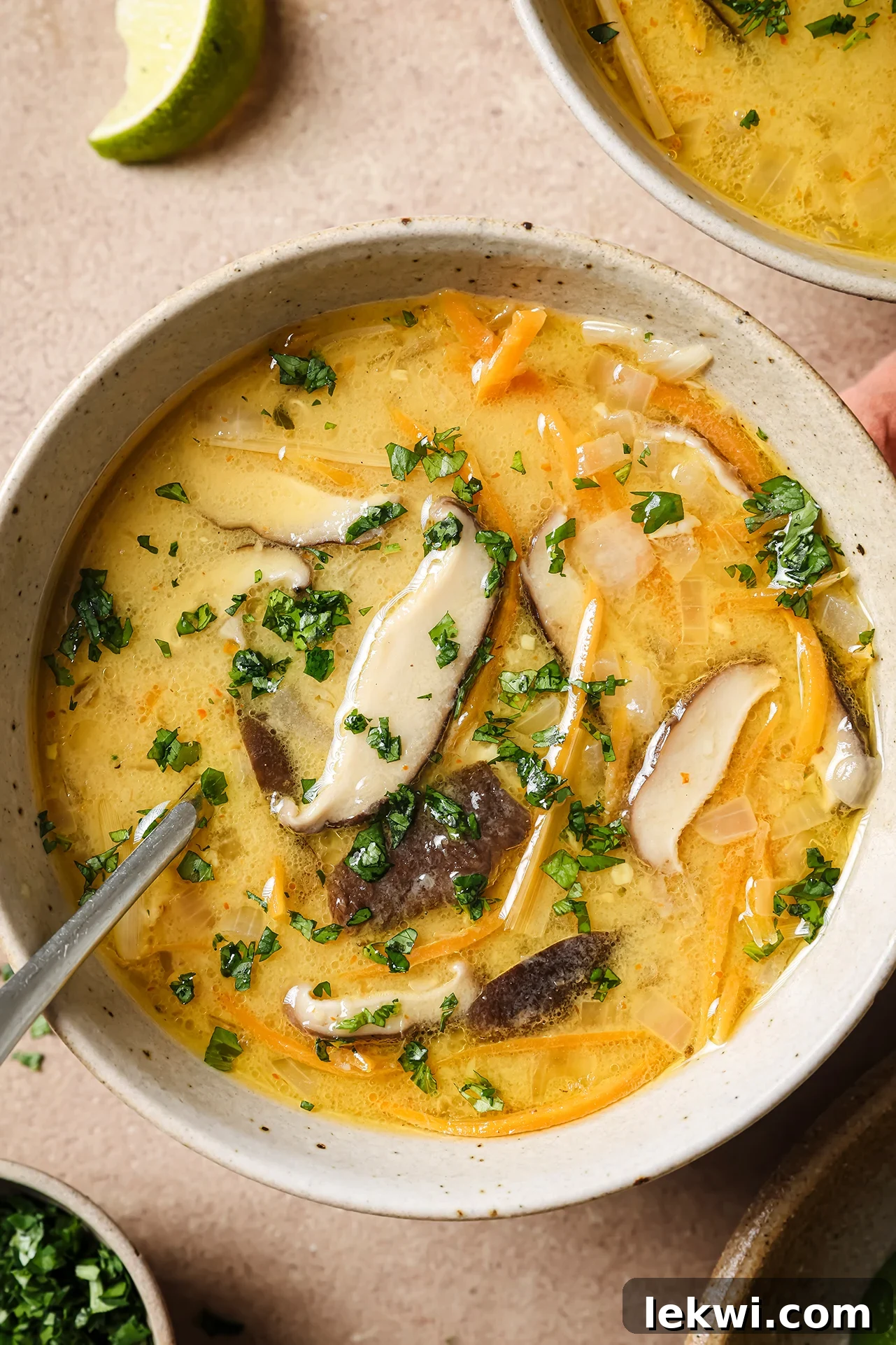
Why This Easy Tom Kha Soup Will Become Your New Favorite
The colder months instantly call for a comforting bowl of soup, and when it comes to flavorful, globally-inspired options, Thai coconut soup always stands out. While I also enjoy recipes for classics like hot & sour soup and egg roll soup, along with Asian-inspired chicken noodle soup, Tom Kha holds a special place. Traditionally, the chicken version is known as Tom Kha Gai, but this versatile recipe can be easily adapted with or without protein. Here are the compelling reasons why you’ll absolutely adore this Tom Kha Soup:

- Unforgettably Rich and Flavor-Packed: This soup is a symphony of tastes. The luxurious creaminess from the coconut milk, the earthy umami depth from fresh shiitake mushrooms, the bright, invigorating tang of lime, and the aromatic warmth of ginger and lemongrass create a complex, deeply satisfying profile that truly excites the palate.
- A Powerhouse of Veggies: This isn’t just a delicious soup; it’s a wonderfully nutritious one. Loaded with wholesome vegetables like carrots, onions, and mushrooms, it’s an excellent way to effortlessly boost your daily vegetable intake, making healthy eating both easy and enjoyable.
- Accommodates Diverse Dietary Needs: Finding a recipe that caters to multiple dietary requirements can be a challenge, but this Tom Kha recipe delivers. It is naturally paleo-friendly, Whole30-compliant, gluten-free, and soy-free. With simple modifications, it can also be made completely vegetarian and vegan, ensuring everyone can enjoy a bowl of this incredible Thai classic.
- Effortlessly Easy to Prepare: Despite its sophisticated flavor, this Tom Kha Soup is surprisingly simple to make. With straightforward steps and readily available ingredients, you can whip up an impressive meal that tastes like it came from your favorite Thai restaurant in under an hour.
- Dairy-Free Creaminess: Achieve a remarkably creamy texture without any dairy whatsoever. Full-fat coconut milk provides all the richness you could ask for, making this soup a fantastic option for those avoiding dairy or looking for plant-based alternatives.
Understanding Tom Kha Soup: A Thai Culinary Gem
Tom Kha is a fragrant and rich soup from Thailand, distinguished by its prominent use of coconut milk. While often compared to Tom Yum soup due to similar aromatic ingredients, Tom Kha is characterized by its milder, creamier profile, whereas Tom Yum is typically spicier and more sour. The name “Tom Kha” literally translates to “boiled galangal,” highlighting galangal—a cousin to ginger with a sharper, citrusy flavor—as a core ingredient. However, for ease and accessibility, many home recipes, including this one, successfully use ginger as a fantastic substitute, maintaining that signature warming spice.
This traditional Thai soup serves as a comforting meal on its own or as a delightful appetizer. It’s renowned for its balance of the four fundamental Thai flavors: sour (lime), salty (fish sauce), sweet (natural sweetness from coconut milk and vegetables), and spicy (curry paste or chilies). Mastering this balance is key to an authentic taste experience, and this recipe guides you to achieve just that with minimal effort.
Essential Ingredients for Your Thai Coconut Soup
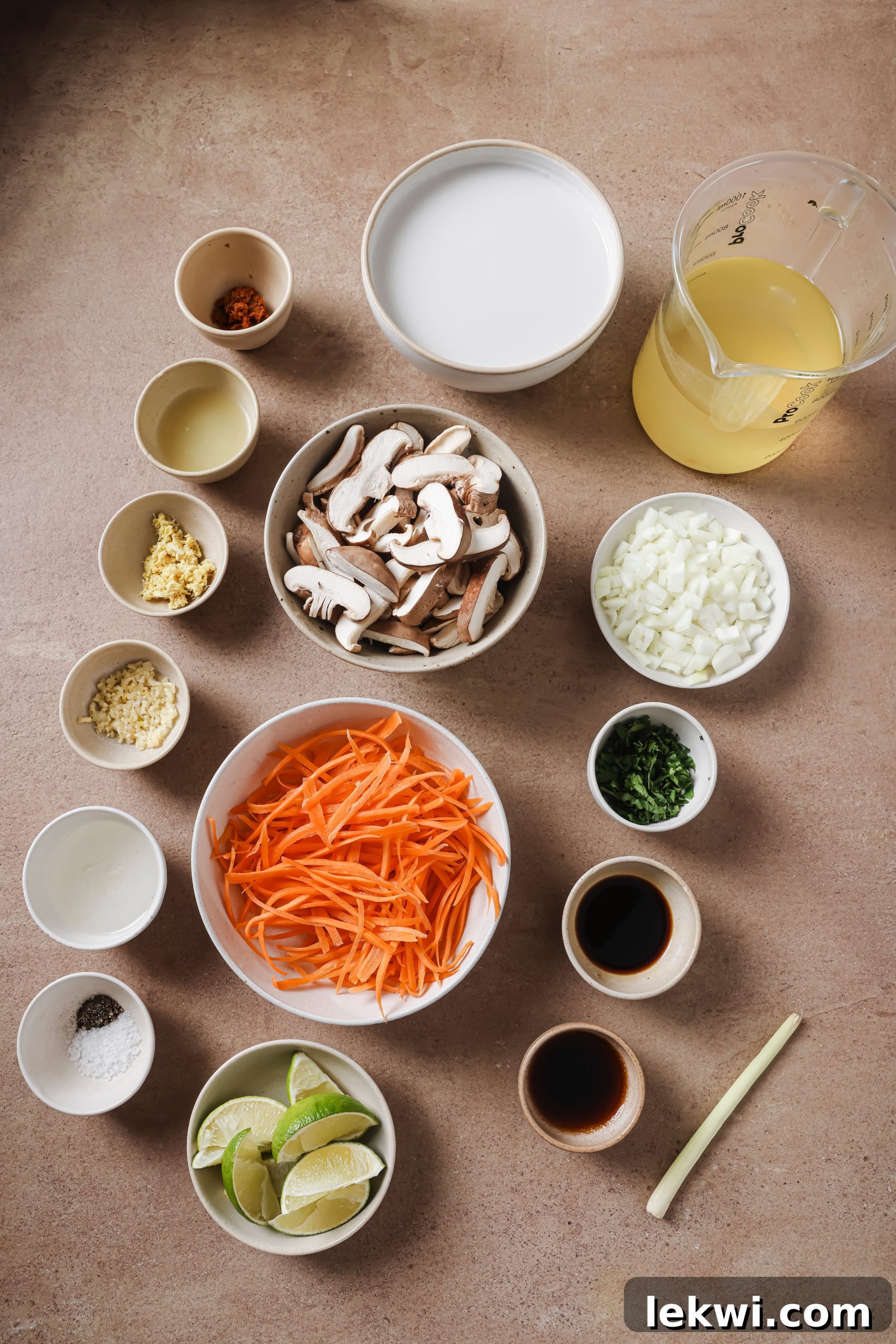
Refer to the detailed recipe card below for precise measurements and quantities.
The magic of Tom Kha lies in its harmonious blend of simple yet powerful ingredients. Each component plays a crucial role in building the soup’s distinctive flavor profile:
| Ingredient | What it Does | Potential Swap & Notes |
| Canned Coconut Milk | Forms the creamy, rich base and imparts a delightful coconut flavor. Essential for authenticity. | Always opt for full-fat canned coconut milk for the best creaminess and flavor. Boxed coconut milk often has a thinner consistency and less rich flavor, which can compromise the soup’s texture and taste. |
| Chicken Broth | Adds savory depth and liquid body to the soup. | For a vegetarian or vegan version, use a good quality vegetable broth. Ensure your chosen broth is low sodium to control the overall saltiness of the soup. |
| Shiitake Mushrooms | Contribute a wonderfully earthy, meaty texture and a significant umami boost. | While shiitake mushrooms offer the best flavor and texture, you can substitute with other mushroom varieties like cremini, oyster, or even button mushrooms if shiitake are unavailable. Adjust cooking time accordingly. |
| Shredded Carrots, Onion, Garlic, Ginger, Curry Paste, & Lemongrass | These aromatics and spices are the heart of the soup, building complex layers of Thai flavor. | To ensure a nightshade-free soup (suitable for AIP diets), replace the curry paste with ¾ teaspoon of ground turmeric. This will alter the color but still provide a warming spice. If you prefer a milder, more coconut-forward soup, you can reduce or omit the curry paste. Ensure lemongrass is bruised to release its oils. |
| Fish Sauce | A fundamental ingredient in Thai cuisine, providing a critical savory, umami flavor. Don’t skip it if not vegetarian. | To make this recipe vegetarian or vegan, simply omit the fish sauce entirely or substitute it with an equal amount of coconut aminos for a similar savory depth. |
| Coconut Aminos | Serves as an excellent soy sauce substitute, offering a mild, slightly sweet, umami flavor without soy or gluten. | If not strictly avoiding soy, a low-sodium tamari (gluten-free soy sauce) can be used as a substitute. Choose a brand that fits your dietary preferences. |
| Coconut Oil | Used for sautéing the aromatics and vegetables, contributing a subtle coconut essence. | Avocado oil or another high-heat neutral oil can be used as an alternative for sautéing. |
| Fresh Lime Juice | The finishing touch that provides essential brightness and a tangy balance to the rich coconut. | Always use fresh lime juice for the best flavor; bottled lime juice won’t provide the same vibrant acidity. Add to taste at the end. |
| Sea Salt & Black Pepper | Basic seasonings to enhance all the other flavors. | Adjust salt to taste, especially since broth and fish sauce can vary in sodium content. Omit black pepper for AIP. |
| Fresh Cilantro & Lime Wedges | Garnishes that add freshness, color, and an extra layer of flavor when serving. | Essential for presentation and a final burst of freshness. |
Crafting Your Easy Tom Kha Soup: A Step-by-Step Guide
Making this delightful Tom Kha Soup is simpler than you might imagine. Follow these detailed steps, complete with visual guidance, to create a restaurant-quality meal right in your kitchen. Full instructions are provided in the recipe card below.
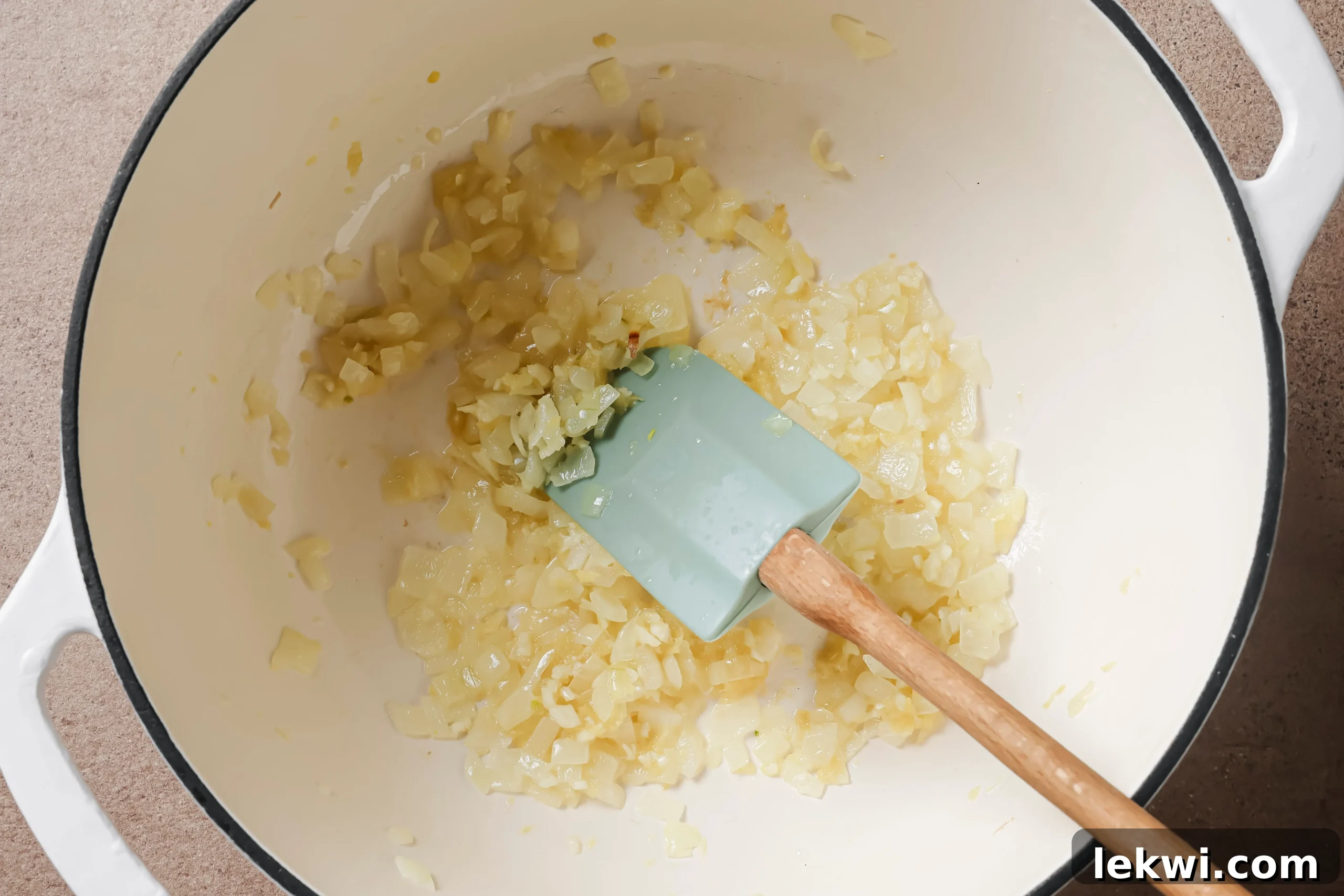
Step One: Sauté the Aromatic Base. Begin by melting the coconut oil in a medium-sized stock pot over medium heat. Once shimmering, add the diced yellow onion and sauté gently for 3-5 minutes, or until the onion becomes soft and translucent, releasing its sweet aroma. Next, add the minced garlic and grated ginger. Continue to sauté for another 2-3 minutes, stirring constantly to prevent burning, until these powerful aromatics are wonderfully fragrant.
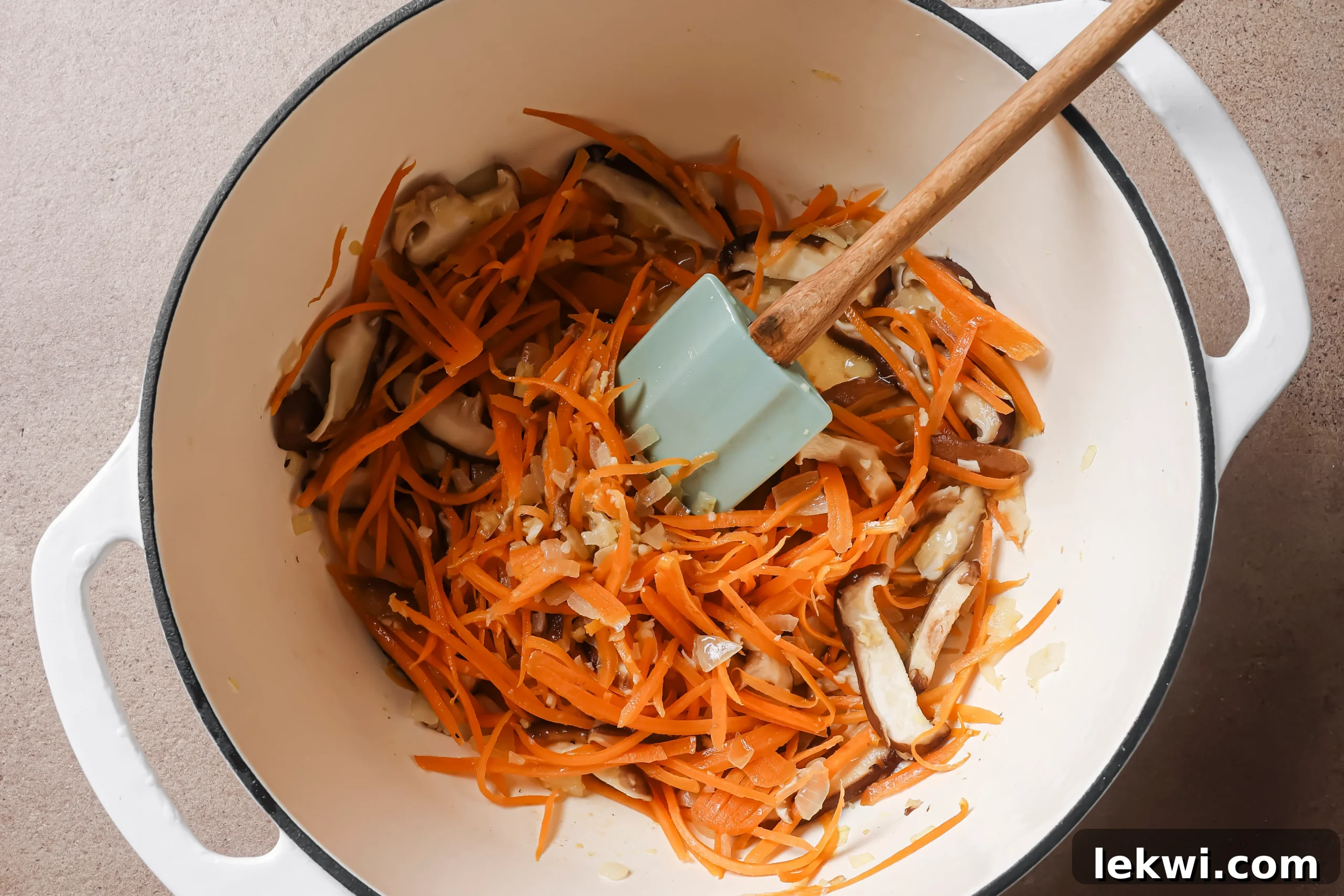
Step Two: Integrate the Vegetables. Introduce the sliced shiitake mushrooms and shredded carrots to the pot. Sauté these vegetables for an additional 3-4 minutes, allowing them to soften slightly. The mushrooms will begin to release their moisture and develop a deeper flavor, while the carrots will become tender-crisp.
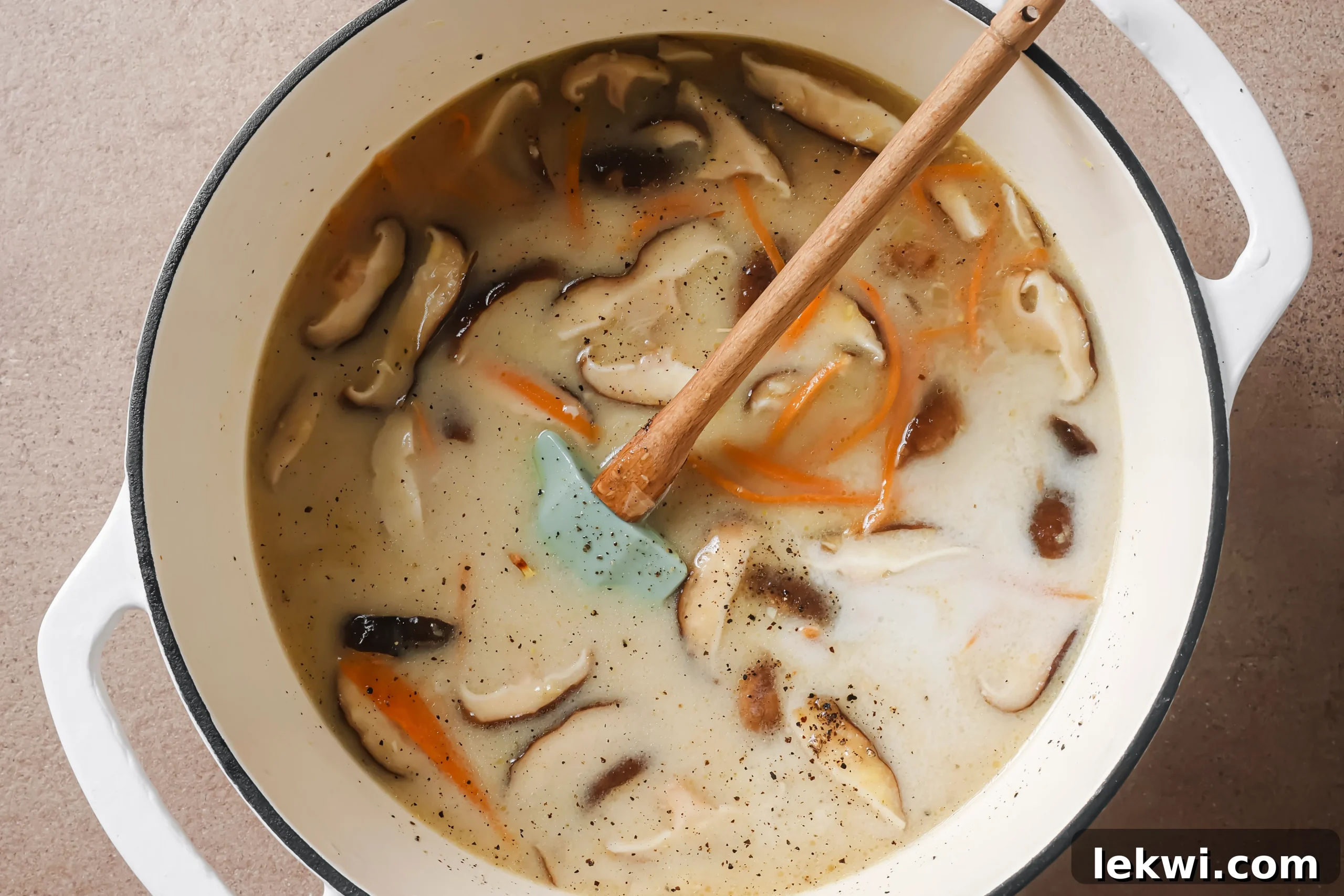
Step Three: Combine Liquids and Flavorings. Pour in the chicken (or vegetable) broth and the rich canned coconut milk. Add the fish sauce, coconut aminos, and the fresh juice of one lime. Stir in the curry paste, lemongrass stalk (ensuring it’s bruised to maximize flavor release), sea salt, and black pepper (if using). Mix all the ingredients thoroughly to ensure everything is well combined and the curry paste has dissolved completely into the liquids.
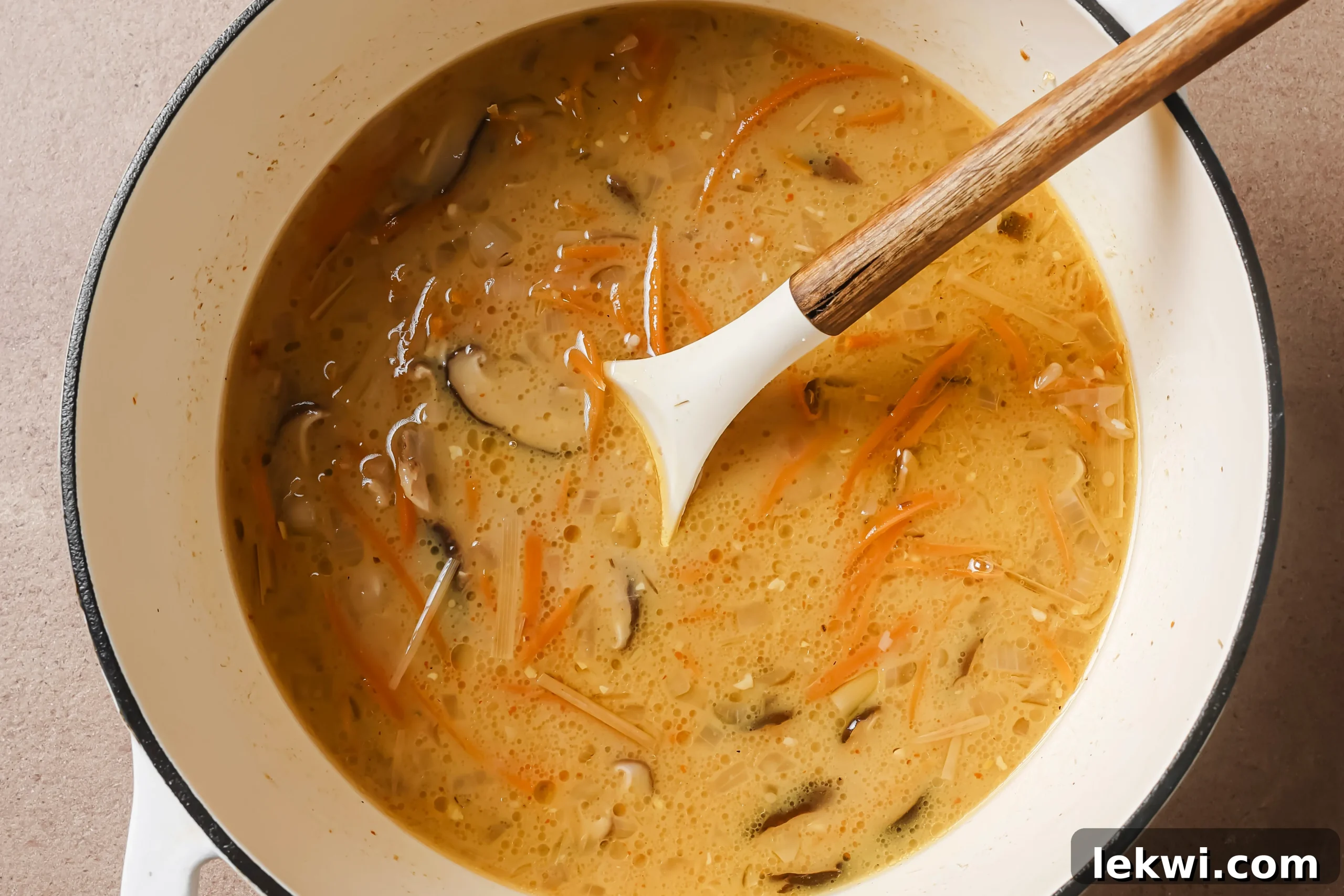
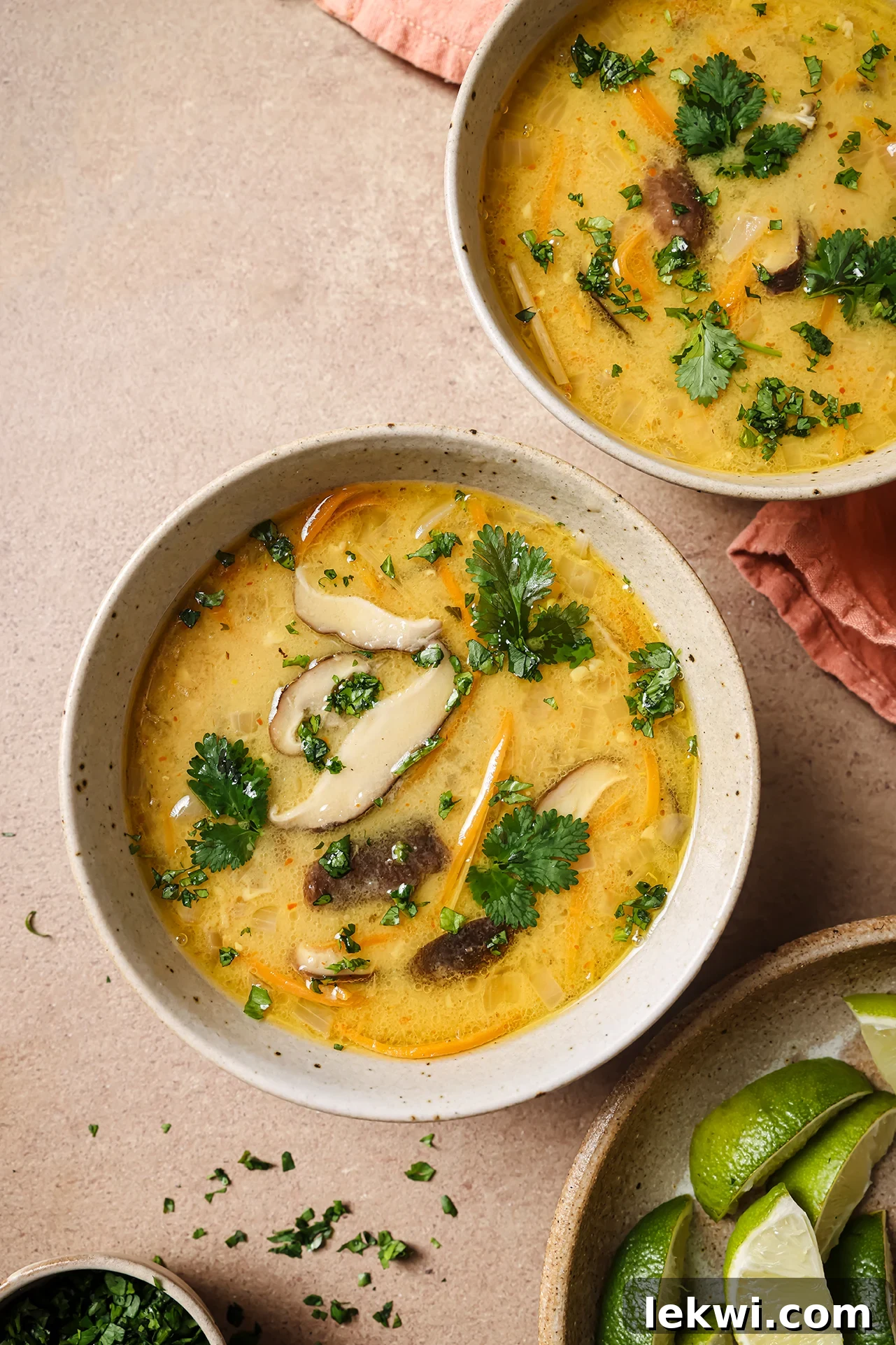
Step Four: Simmer to Perfection and Serve. Bring the soup to a gentle low simmer. Reduce the heat and allow it to simmer for 15-20 minutes. This simmering period is crucial as it allows all the distinct flavors to meld and deepen, creating a truly harmonious and aromatic soup. Before serving, carefully remove the lemongrass stalk. Ladle the hot soup into bowls and garnish generously with fresh cilantro and additional lime wedges for an extra burst of zest. Enjoy your homemade, flavorful Tom Kha Soup!
Tips for Customizing Your Tom Kha Soup
One of the beauties of Tom Kha Soup is its versatility. You can easily adapt this recipe to suit your taste preferences or dietary needs:
- Boosting with Protein: For a heartier meal, incorporate your favorite protein.
- Chicken (Tom Kha Gai): The classic choice! Add pre-cooked shredded or cubed chicken (such as rotisserie chicken or pan-fried chicken breast) during the last 5-10 minutes of simmering to allow it to warm through and absorb the soup’s flavors.
- Shrimp: Fresh shrimp cook quickly. Add raw, peeled, and deveined shrimp during the last 3-5 minutes of simmering until they turn pink and opaque. Be careful not to overcook them!
- Tofu: For a plant-based protein, add cubed firm or extra-firm tofu (pressed and lightly pan-fried for texture) along with the vegetables or during the last few minutes of simmering.
- Making it Vegan or Vegetarian: As mentioned, this recipe is incredibly adaptable. To ensure it’s fully plant-based, make sure to use a high-quality vegetable broth instead of chicken broth, and definitively omit the fish sauce. The coconut aminos will still provide a great umami kick. You can also boost the umami with extra mushrooms or a dash of mushroom powder.
- Adjusting the Spice Level: The curry paste provides a mild heat. If you prefer a spicier soup, you can add a pinch of red pepper flakes along with the curry paste, or garnish with sliced fresh chilies (like bird’s eye chilies) when serving.
- Adding More Vegetables: Feel free to experiment with other vegetables. Sliced bell peppers, baby bok choy, snow peas, bamboo shoots, or even thinly sliced zucchini can make excellent additions. Add firmer vegetables along with the carrots and mushrooms, and softer greens closer to the end of the simmering time.
- AIP & Nightshade-Free: For those following the Autoimmune Protocol (AIP) or avoiding nightshades, simply swap the curry paste for ¾ teaspoon of turmeric. While the flavor profile will shift slightly and the color will be more golden, the soup will still be incredibly delicious and compliant.
Common Questions About Tom Kha Soup
While “healthy” can be subjective and depends on individual dietary needs, this Tom Kha recipe is undeniably wholesome. It’s packed with nutrient-dense vegetables, boasts healthy fats from coconut milk, and features anti-inflammatory ingredients like ginger and turmeric (if using the AIP swap). It’s a nourishing option that supports a balanced diet, especially when homemade with fresh ingredients.
Absolutely! This recipe is incredibly adaptable for a vegan or vegetarian diet. The key is to swap chicken broth for vegetable broth and completely omit the fish sauce. Coconut aminos can be used in place of fish sauce to maintain a savory depth, or you can simply enjoy the soup with its rich coconut and aromatic flavors. The result is a vibrant, plant-based soup that’s just as satisfying.
Adding protein can turn this delicious soup into a complete meal. Chicken is the most traditional pairing for Tom Kha (known as Tom Kha Gai). To add chicken, simply cook it separately (shredded or cubed) until fully cooked through, then re-add it to the simmering soup for the last 5-10 minutes to heat up and absorb the wonderful flavors. Shrimp is another fantastic option; cook the shrimp directly in the simmering soup for about 3-5 minutes, or until pink and opaque, ensuring not to overcook them for the best texture. Tofu, firm white fish, or even boiled eggs can also be great additions.
Yes, it certainly can! For those following a nightshade-free diet or the Autoimmune Protocol (AIP), you can easily modify this recipe. The main adjustment is to omit the curry paste, which often contains nightshades. Instead, substitute it with ¾ teaspoon of ground turmeric. This will give the soup a beautiful golden hue and a warm, earthy flavor, differing slightly from traditional curry paste but still wonderfully aromatic and delicious.
Leftover Tom Kha Soup stores beautifully. Allow the soup to cool completely before transferring it to an airtight container. It can be refrigerated for up to 3-4 days. To reheat, gently warm the soup on the stovetop over low to medium heat, stirring occasionally, until it reaches your desired temperature. Avoid boiling, as this can sometimes cause the coconut milk to separate slightly. If it does, a quick whisk can often bring it back together. You can also reheat individual portions in the microwave.
This flavorful Tom Kha Soup is substantial enough to be a meal on its own, but it also pairs wonderfully with several accompaniments. For a classic Thai experience, serve it alongside steamed jasmine rice or brown rice. For a noodle soup variation, add cooked rice noodles directly to the bowls before serving. A side of fresh spring rolls or a light green salad with a lime dressing would also complement the flavors beautifully.
More Gluten-Free Asian-Inspired Recipes to Explore
If you loved the flavors of this Tom Kha Soup, you might also enjoy these other gluten-free and Asian-inspired dishes:
- Easy Paleo Hot & Sour Soup: A comforting and tangy soup with a kick, perfect for chilly evenings.
- Hearty Egg Roll Soup: All the delicious flavors of an egg roll, deconstructed into a satisfying and healthy soup.
- Simple Egg Roll in a Bowl: A quick and easy stir-fry that captures the essence of egg rolls without the wrapper.
If you tried this Easy Tom Kha Soup or any other recipe on my blog, please consider leaving a rating and sharing your experience in the comments below. Your feedback is greatly appreciated! Thanks for visiting!
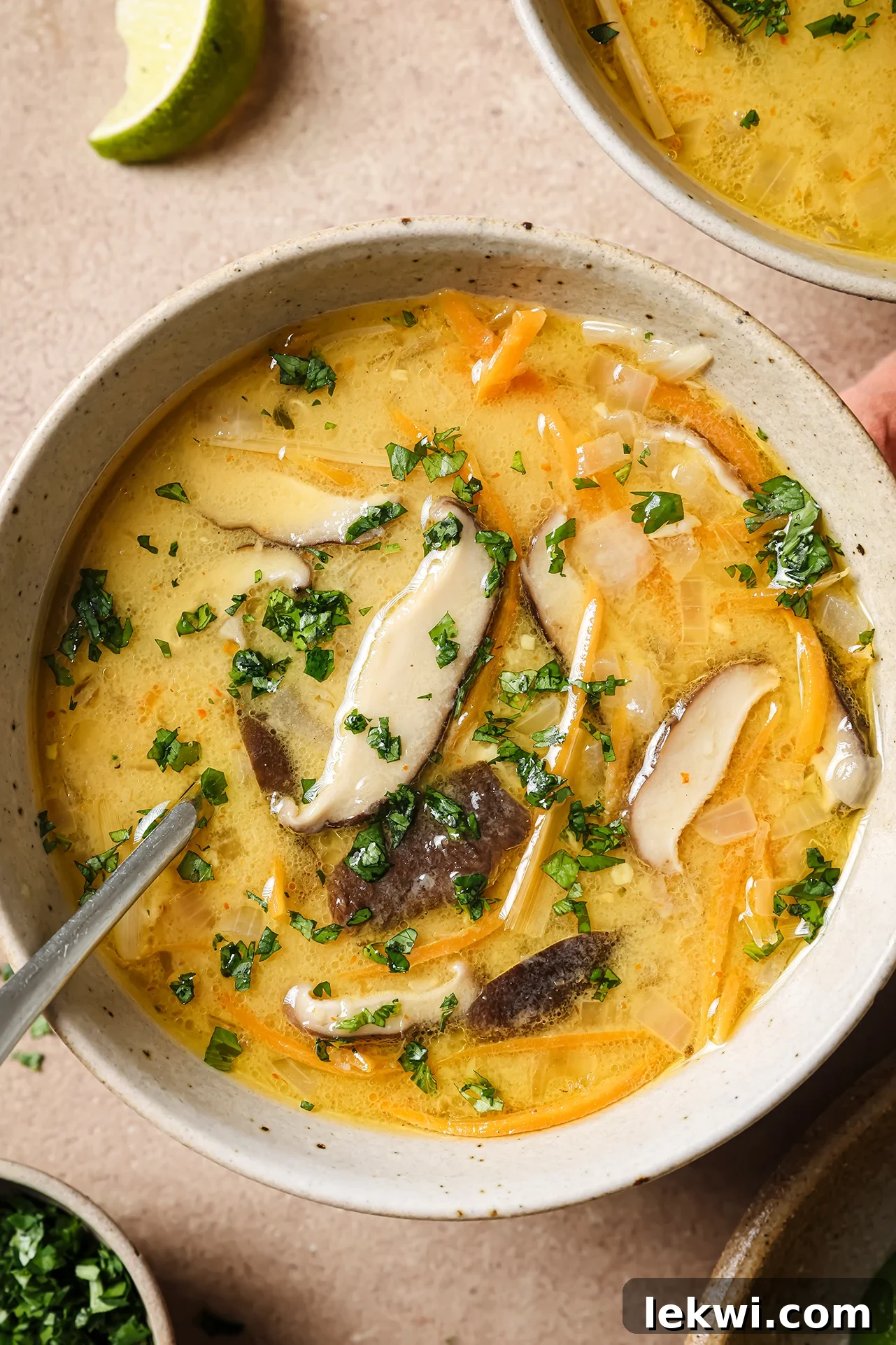
Easy Tom Kha Soup
Leave a Review
Pin Recipe
Want to save this for later?
Sign up for our newsletter to receive delicious recipes straight to your inbox! We regularly share tips, tricks, and easy meal ideas.
(Note: Original content contained a dynamic form. This has been replaced with static text to meet the “SADECE HTML” requirement.)
Ingredients
- 1 tbsp coconut oil
- ½ yellow onion, diced
- 2 cloves garlic, minced
- 1 thumb ginger, grated
- 2 cups shiitake mushrooms, sliced
- 1 cup shredded carrots
- 2 ½ cups chicken broth, sub veggie broth for vegetarian
- 2 cups canned coconut milk
- Juice of one lime
- 2 tsp fish sauce, omit or sub coconut aminos for vegetarian
- 1 tbsp coconut aminos
- ¾ tsp curry paste, season to taste, sub 3/4 tsp turmeric for AIP
- 1 small stalk lemongrass, thick outer layers removed
- ¾ tsp sea salt
- ¼ tsp black pepper, omit for AIP
- 1 tbsp fresh cilantro, to serve
- Lime wedges, to serve
Instructions
-
Using a medium stock pot, melt the coconut oil over medium heat.
-
Add the onion and saute for 3-5 minutes, or until translucent. Add the ginger and garlic and saute for another 2-3 minutes.
-
Add the carrots and shitake mushrooms and saute for 3-4 minutes or until lightly soft.
-
Pour in the broth, coconut milk, fish sauce, coconut aminos, lime juice, and seasonings (reserving the cilantro) and mix well to combine.
-
Bring to a low simmer and allow to simmer for 15-20 minutes.
-
Serve topped with cilantro and additional lime wedges.
Watch the Recipe Video:
For a visual guide on how to prepare this delicious Tom Kha Soup, click to watch the video below:
Click here to watch the Tom Kha Soup recipe video!
(Note: Original video embed contained dynamic player code. This has been replaced with a static link to meet the “SADECE HTML” requirement.)
Notes