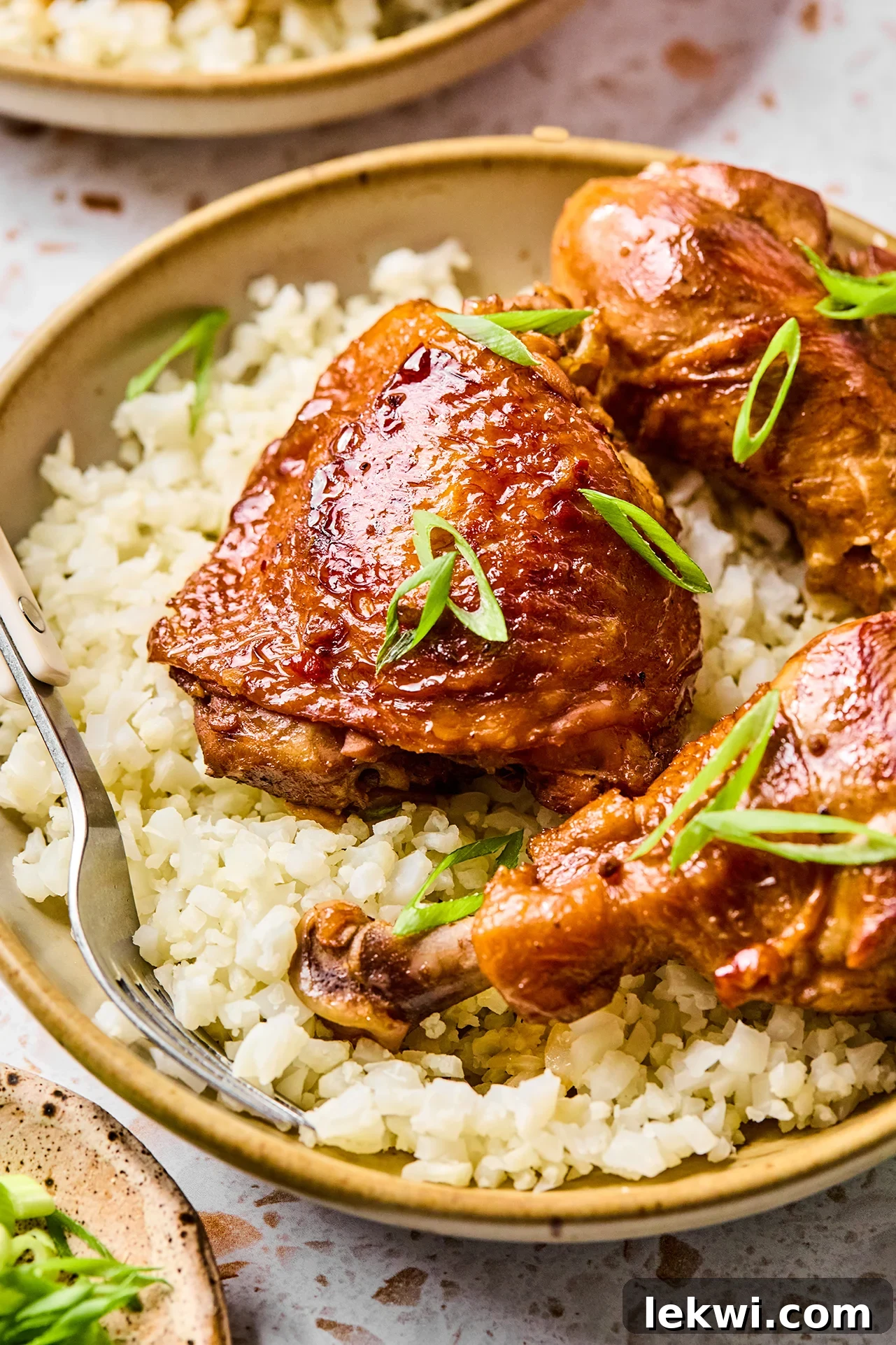
This Filipino Chicken Adobo is more than just a dish; it’s a culinary hug, a staple that embodies the heart of Filipino cooking. Renowned for its unique blend of savory, tangy, and subtly sweet flavors, our version makes this beloved classic accessible to everyone. We’ve crafted a perfectly balanced, garlicky, and incredibly flavorful main dish that is not only simple to prepare but also completely gluten-free and soy-free, making it a wholesome choice for any diet without compromising on its authentic, mouth-watering taste.
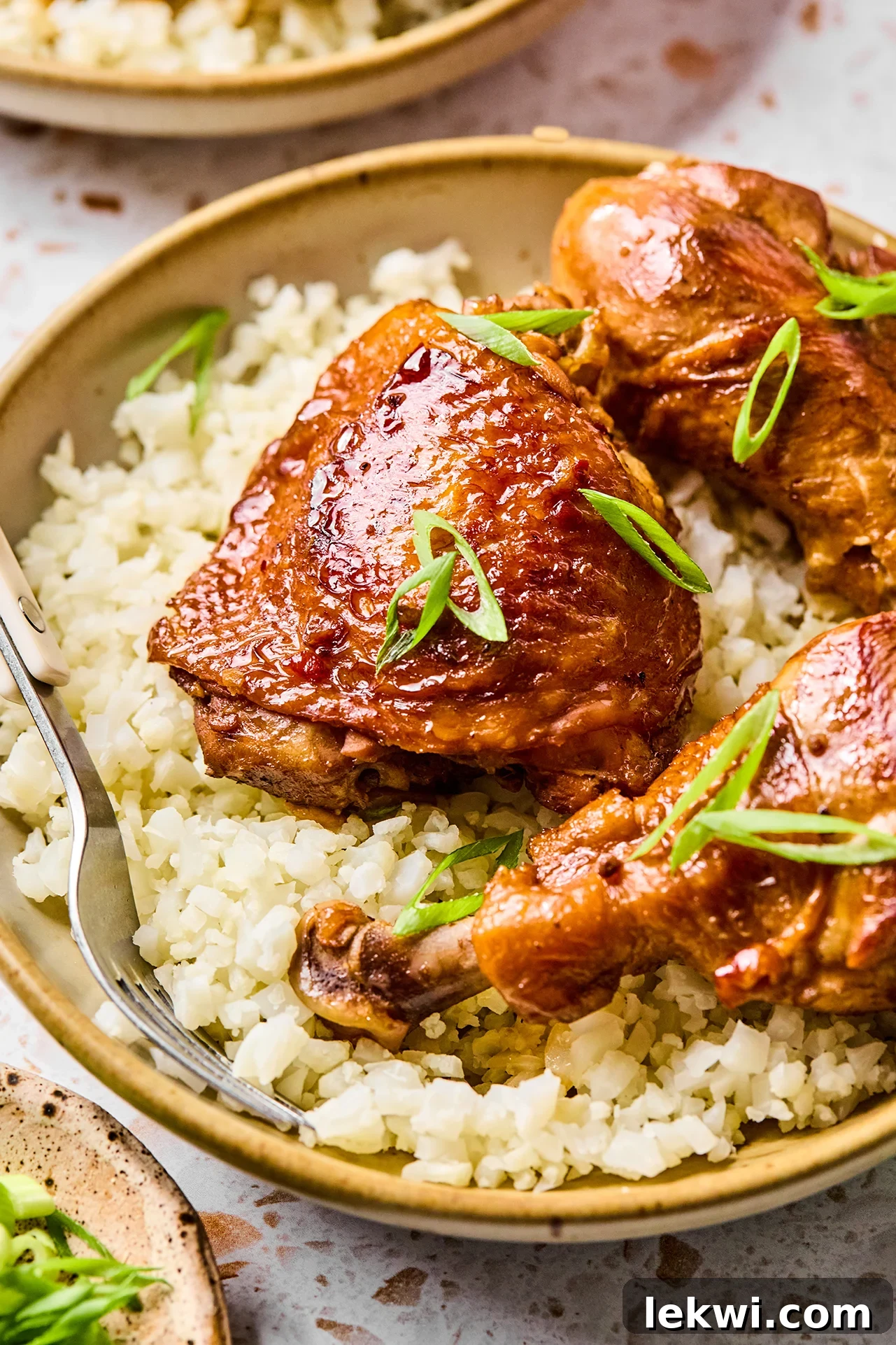
What is Filipino Chicken Adobo? The National Dish Explained
Filipino Chicken Adobo is often dubbed the unofficial national dish of the Philippines, and for good reason. It’s a testament to the country’s rich culinary history and diverse influences. At its core, Adobo refers to a cooking process where meat, seafood, or vegetables are braised in a flavorful sauce typically composed of vinegar, soy sauce (or a gluten-free alternative like coconut aminos), garlic, bay leaves, and black peppercorns. This method of cooking not only tenderizes the protein but also infuses it with an incredible depth of flavor that is both savory and distinctly tangy.
While the name “adobo” shares origins with the Spanish word for “marinade,” the Filipino method is uniquely its own. It’s a slow-cooked stew, allowing the ingredients to meld together beautifully, creating a rich, glossy sauce that clings to every piece of chicken. Our recipe captures this authentic essence, focusing on the irresistible combination of tender chicken, pungent garlic, bright vinegar, and umami-rich coconut aminos, resulting in a dish that is deeply comforting and utterly delicious. The balance of these elements creates a complex flavor profile that is truly unique to Filipino cuisine, making this chicken Adobo recipe a must-try for anyone exploring international flavors.
Table of Contents
- What is Filipino Chicken Adobo?
- Why You’ll Love This Gluten-Free Chicken Adobo Recipe
- How to Make Filipino Chicken Adobo: Step-by-Step Guide
- Essential Ingredients for Your Adobo
- Expert Tips for Perfect Chicken Adobo
- More Delicious Gluten-Free Chicken Recipes to Explore
Why You’ll Love This Gluten-Free Chicken Adobo Recipe
Are you often finding yourself in a cooking rut, relying on the same few chicken dishes? This Filipino Chicken Adobo is the perfect solution to inject excitement into your meal routine without adding any complexity. It’s a truly remarkable recipe that delivers on flavor, convenience, and dietary needs. Here are just a few reasons why this gluten-free Chicken Adobo recipe will become a beloved staple in your kitchen:
- Effortless One-Pan Meal: Say goodbye to mountains of dishes! The beauty of this easy chicken Adobo recipe lies in its simplicity. From searing to simmering, the entire cooking process unfolds in a single pan, making cleanup a breeze. This makes it an ideal candidate for busy weeknights when you crave something homemade and delicious without the fuss, allowing you more time to savor your meal and less time scrubbing pots.
- A Wholesome, Allergen-Friendly Classic: Traditional Adobo typically uses soy sauce, which contains gluten. Our innovative recipe thoughtfully replaces it with coconut aminos, transforming it into a delightful soy-free and gluten-free Adobo. This allows individuals with dietary sensitivities or those following an AIP (Autoimmune Protocol) or Whole30 lifestyle to savor the rich, authentic flavors of this Filipino staple without concern. It’s a genuinely wholesome dish that nourishes your body while tantalizing your taste buds, proving that dietary restrictions don’t mean sacrificing authentic taste.
- Unforgettable Flavor Profile: Each bite of this Filipino Chicken Adobo is a symphony of flavors. The slow braising process ensures the chicken becomes incredibly tender, practically melting in your mouth, while absorbing the garlicky, vinegary, and savory notes of the rich sauce. The subtle sweetness balances the tang, creating a deeply satisfying and complex taste that is both comforting and exciting, proving that healthy eating doesn’t mean sacrificing flavor. It’s truly a savory chicken dish that pleases every palate.
- Versatile and Perfect for Meal Prep: This dish is not only fantastic served fresh but also shines as leftovers. The flavors deepen overnight, making it an excellent choice for meal prepping. Enjoy it for lunch the next day, or make a larger batch to freeze for future quick and delicious meals. Its versatility means it pairs beautifully with various sides, from traditional rice to low-carb options like cauliflower rice, making it a flexible addition to your weekly menu.

How to Make Filipino Chicken Adobo: Your Step-by-Step Guide
Crafting this incredible Filipino Chicken Adobo recipe is surprisingly straightforward, ensuring a delicious and satisfying meal even for novice cooks. Follow these simple steps, complete with accompanying visuals, and you’ll be enjoying a taste of the Philippines in no time. Full, detailed instructions, along with precise measurements, are conveniently located in the recipe card further down this page.
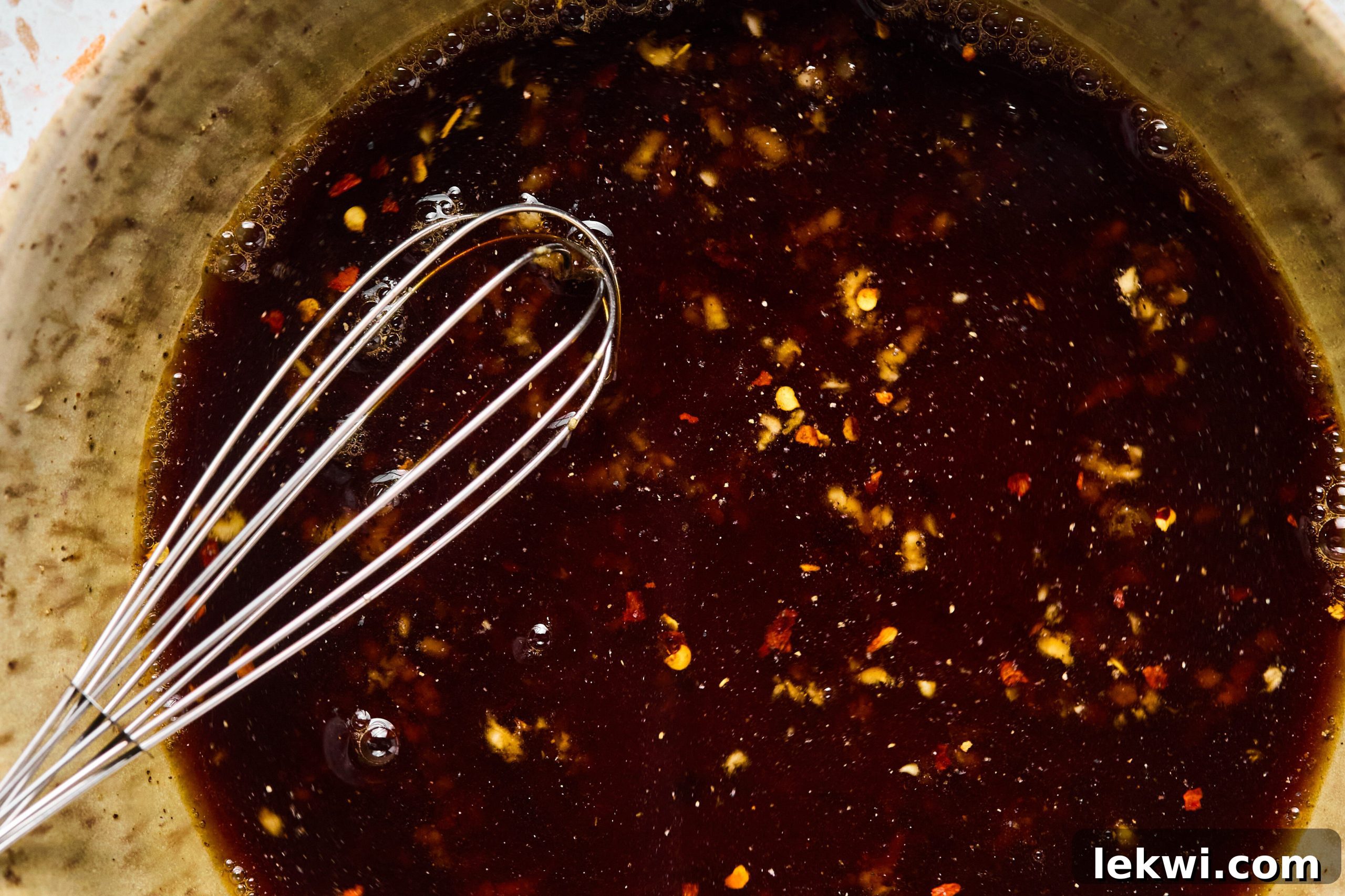
Step One: Prepare the Flavorful Marinade. Begin by patting your chicken pieces dry with paper towels to ensure a crispy sear later. In a large mixing bowl, combine the apple cider vinegar, rich coconut aminos, minced fresh garlic, sea salt, and a dash of black pepper (omit if following AIP). Whisk these ingredients thoroughly until they are well combined, creating the aromatic base for your chicken Adobo marinade. This initial step is vital for infusing deep flavor from the very beginning.
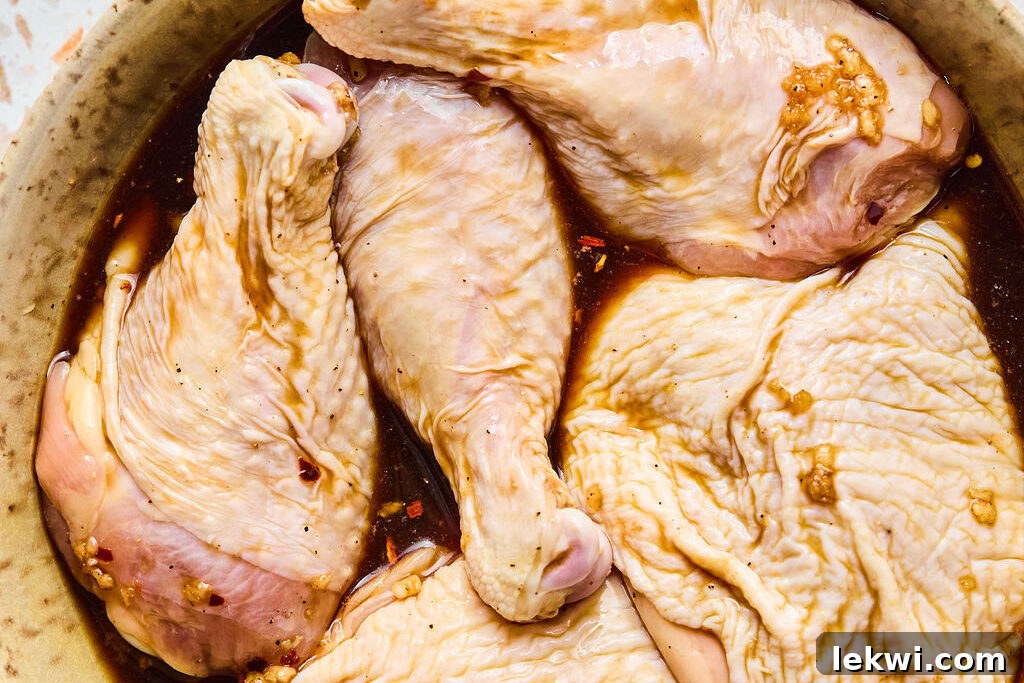
Step Two: Marinate the Chicken for Maximum Flavor. Add your chicken thighs and drumsticks to the prepared marinade mixture, ensuring each piece is thoroughly coated. Give it a good stir to guarantee every part is submerged in the flavorful liquid. Cover the bowl tightly and place it in the refrigerator to marinate. For optimal flavor, aim for at least 1-3 hours, or even better, let it marinate overnight (up to 12 hours) to truly deepen the taste of your Filipino chicken and achieve that signature Adobo richness.
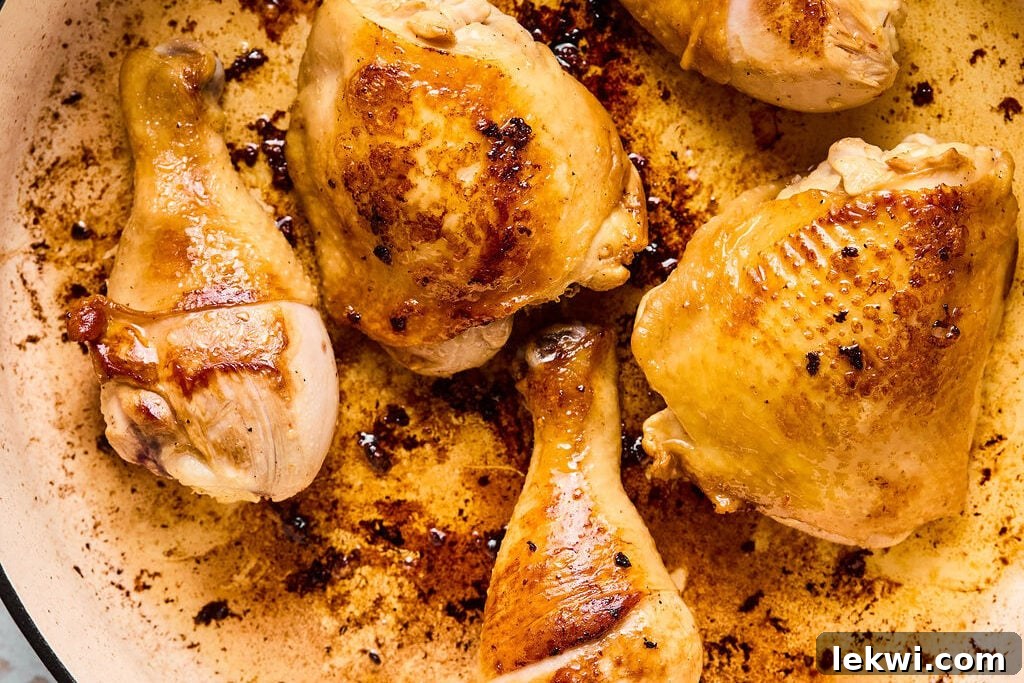
Step Three: Sear the Chicken to Golden Perfection. Heat the avocado oil in a large, deep skillet over medium-high heat. Once the oil is shimmering, carefully add the marinated chicken pieces to the pan, skin-side down first if applicable. Be sure to reserve any leftover marinade – you’ll need it later! Cook the chicken for 3-4 minutes on each side, allowing it to develop a beautiful, light crisp and a golden-brown color. This crucial step adds a wonderful layer of texture and flavor to your garlicky chicken Adobo by caramelizing the surface.
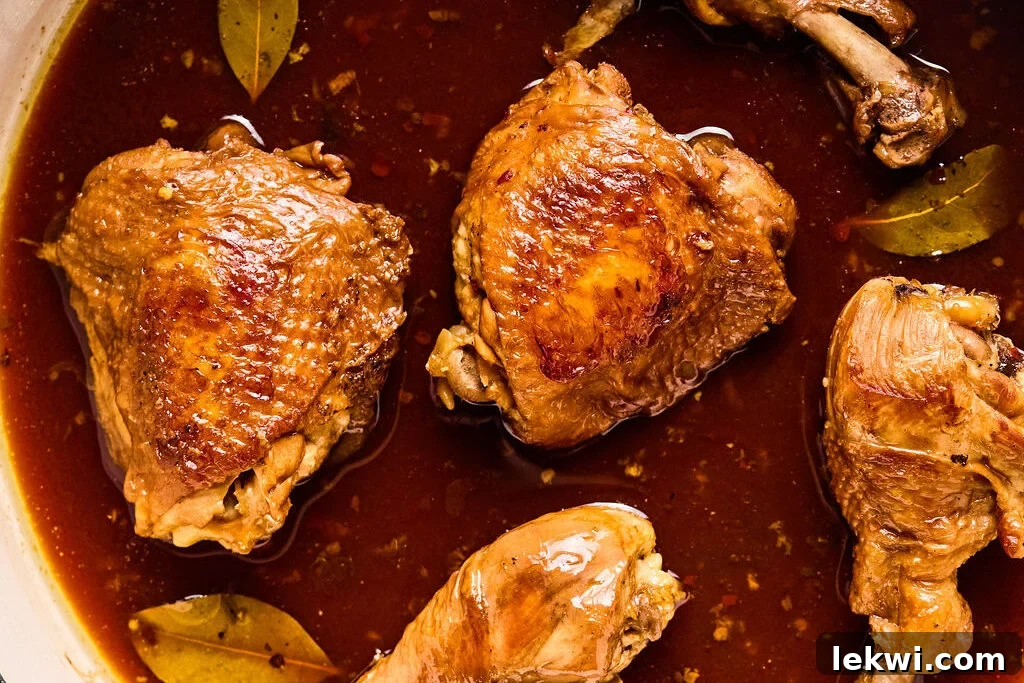
Step Four: Simmer and Reduce for a Rich Sauce. Once the chicken is seared, pour the reserved marinade into the pan. Add the bay leaves, coconut sugar (if using), and water. Bring the mixture to a gentle, low simmer. Once simmering, cover the pan and allow it to cook for approximately 30 minutes, or until the chicken is cooked through and the sauce has significantly reduced and thickened to a luscious consistency. The longer it simmers, the more the flavors meld and intensify. Remove from heat and serve your delicious Filipino chicken stew immediately, ideally topped with fresh green onion and, for a healthy twist, cauliflower rice.
Essential Ingredients for Your Gluten-Free Chicken Adobo
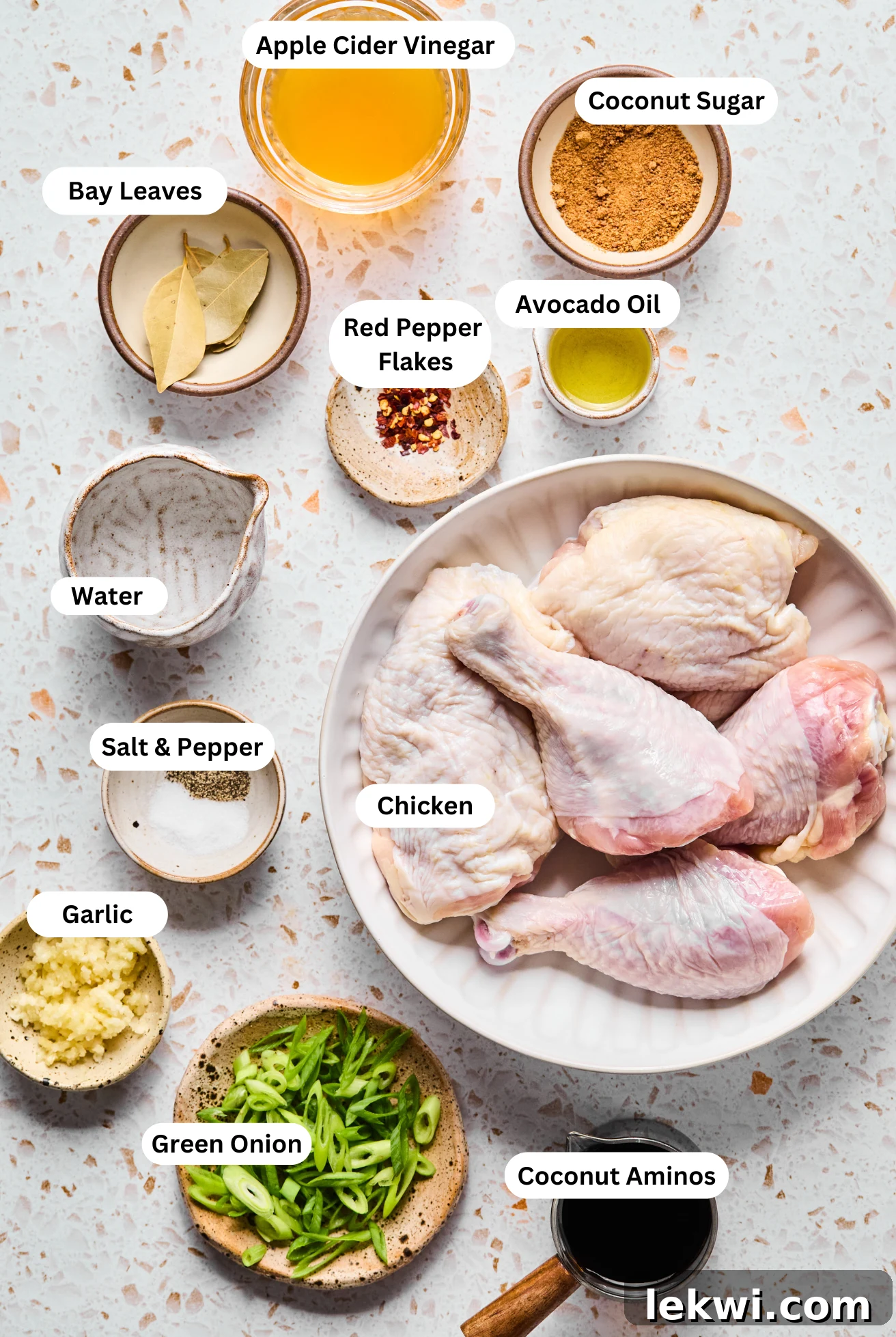
Achieving the authentic and incredible flavor of this gluten-free chicken Adobo relies on a few key ingredients. Below, we’ve broken down each component, explaining its role in the dish and offering insightful substitutions to cater to various dietary needs or preferences. For comprehensive information on exact quantities, please refer to the detailed recipe card at the end of this article.
| Ingredient | Why it’s essential | Potential Swap / Dietary Note |
|---|---|---|
| Chicken Thighs & Drumsticks | These cuts are ideal for Adobo due to their higher fat content, which keeps the chicken incredibly moist and flavorful during the slow braising process. The bone-in, skin-on pieces also contribute significantly to the richness of the sauce. | You can use a whole chicken cut into pieces, or opt for boneless, skinless chicken thighs for quicker cooking, though you might lose some richness. Chicken breast is less ideal as it can dry out easily and should be cooked for a shorter duration. |
| Apple Cider Vinegar (ACV) | Vinegar is the cornerstone of Adobo, providing its signature tangy and slightly sour profile. Traditionally, white vinegar is used, but ACV offers a fantastic, corn-free, and often more gut-friendly alternative that still delivers the essential acidity, contributing to the distinct vinegary chicken Adobo flavor. | If not sensitive to corn, white vinegar is traditional. Rice vinegar can also be used for a slightly milder tang, or you can use cane vinegar for an even more authentic Filipino flavor profile. |
| Coconut Aminos | This is our star ingredient for a soy-free and gluten-free Adobo. Coconut aminos is a savory, slightly sweet sauce made from the sap of coconut blossoms. It serves as an excellent, healthier substitute for soy sauce, replicating its umami depth without the soy or gluten. | Liquid aminos can be used, but note that it’s saltier, so adjust the added sea salt accordingly. Ensure it’s a gluten-free variety if needed. Tamari is another popular gluten-free alternative but contains soy. |
| Fresh Garlic | Filipino cuisine loves garlic, and Adobo is no exception! Minced fresh garlic infuses the entire dish with a pungent, aromatic, and distinctly garlicky flavor that is absolutely crucial to the dish’s authenticity and appeal. We recommend using a generous amount for the best garlicky chicken experience. | Garlic powder can be used in a pinch (about ¼ teaspoon of powder for each clove of fresh garlic), but fresh garlic provides superior flavor and aroma. We highly recommend not skipping fresh garlic for the best results. |
| Sea Salt | Essential for seasoning and balancing the flavors. It enhances the savoriness of the chicken and ties all the elements together, working in harmony with the vinegar and aminos. | Adjust to taste. Keep in mind that coconut aminos contributes some saltiness, so it’s always best to start with less and add more if needed. |
| Black Pepper | Adds a subtle warmth and a touch of peppery spice, rounding out the flavor profile and providing a pleasant contrast to the tangy elements. | Omit for AIP (Autoimmune Protocol) or if you prefer a milder taste. You can replace with a pinch of white pepper for a similar warmth without the black pepper bite, or a touch of ginger for a different kind of spice. |
| Avocado Oil | A neutral-flavored oil with a high smoke point, making it perfect for searing the chicken to achieve that desirable crispy skin without imparting unwanted flavors. It’s also a good source of healthy monounsaturated fats. | Coconut oil (refined, if you prefer less coconut flavor) or another high-heat neutral oil like grapeseed oil or light olive oil can also be used. |
| Bay Leaves | These aromatic leaves impart a subtle, almost herbal and slightly floral note to the sauce, adding a layer of sophisticated depth that is characteristic of authentic Adobo. They release their essential oils slowly, enriching the braising liquid. | While difficult to truly replicate, you could experiment with a tiny pinch of dried oregano or thyme for a different herbal note, but bay leaves are highly recommended for the classic Adobo flavor. |
| Coconut Sugar | Introduces a touch of natural sweetness that perfectly balances the tartness of the vinegar and the savoriness of the aminos, creating a well-rounded and harmonious flavor. It helps to mellow the acidity without making the dish overtly sweet. | Omit for Whole30 and Keto diets. For a similar sweetness without coconut sugar, a tiny amount of date sugar or a natural, compliant sweetener (for Keto) could be considered, but is often unnecessary for flavor balance, especially if avoiding sugar. |
| Water | Helps to create the right consistency for the sauce and allows for proper braising of the chicken. It also helps to mellow out the intensity of the marinade as it reduces, creating a balanced and rich sauce. | Chicken broth or bone broth can be used for added depth of flavor and nutrients, enhancing the savory qualities of your Filipino chicken stew. |
| Green Onion (Garnish) | Freshly chopped green onion provides a burst of fresh flavor, a slight oniony bite, and a vibrant color contrast when served as a garnish, adding a pleasant visual appeal and aromatic finish. | Fresh cilantro or toasted sesame seeds can also be used for garnish, though green onion is quite traditional and complements the flavors beautifully. |
| Optional: Red Pepper Flakes | For those who enjoy a little heat, a pinch of red pepper flakes adds a delightful spicy kick to the Adobo, providing a warming sensation that can elevate the dish. | Omit for AIP or if you prefer a non-spicy dish. Fresh chili slices can also be added for a more intense, fresh heat. |
If you tried this Filipino Chicken Adobo or any other recipe on my blog, please leave a 🌟 star rating and let me know how it went in the 📝 comments below. Your feedback helps others discover delicious recipes! Thanks for visiting!
More Delicious Gluten-Free Chicken Recipes to Explore
If you loved the wholesome and flavorful experience of this gluten-free chicken Adobo, you’re in for a treat! We have a curated collection of other incredible gluten-free chicken recipes that are equally satisfying and easy to prepare. Expand your culinary repertoire with these fantastic options, perfect for weeknight dinners or special occasions:
- Paleo Mongolian Chicken: A sweet and savory delight, this Paleo-friendly take on a classic Chinese-American dish is bursting with flavor and made with wholesome ingredients. It’s a fantastic alternative when you’re craving Asian-inspired flavors without the gluten.
- Turmeric Chicken Curry: Warm, aromatic, and packed with anti-inflammatory turmeric, this creamy curry is a comforting and nutritious meal perfect for any time of year. Its vibrant color and rich spices make it a standout healthy option.
- Teriyaki Chicken Meatball Meal Prep: Ideal for busy weeks, these flavorful chicken meatballs are coated in a homemade, gluten-free teriyaki sauce, making for an easy and delicious meal prep solution. They’re versatile and perfect for serving with rice or vegetables.
Filipino Chicken Adobo (Gluten-Free & Soy-Free) Recipe Card
Yield: 4 servings
Cook Time: 40 minutes
Author: Michelle
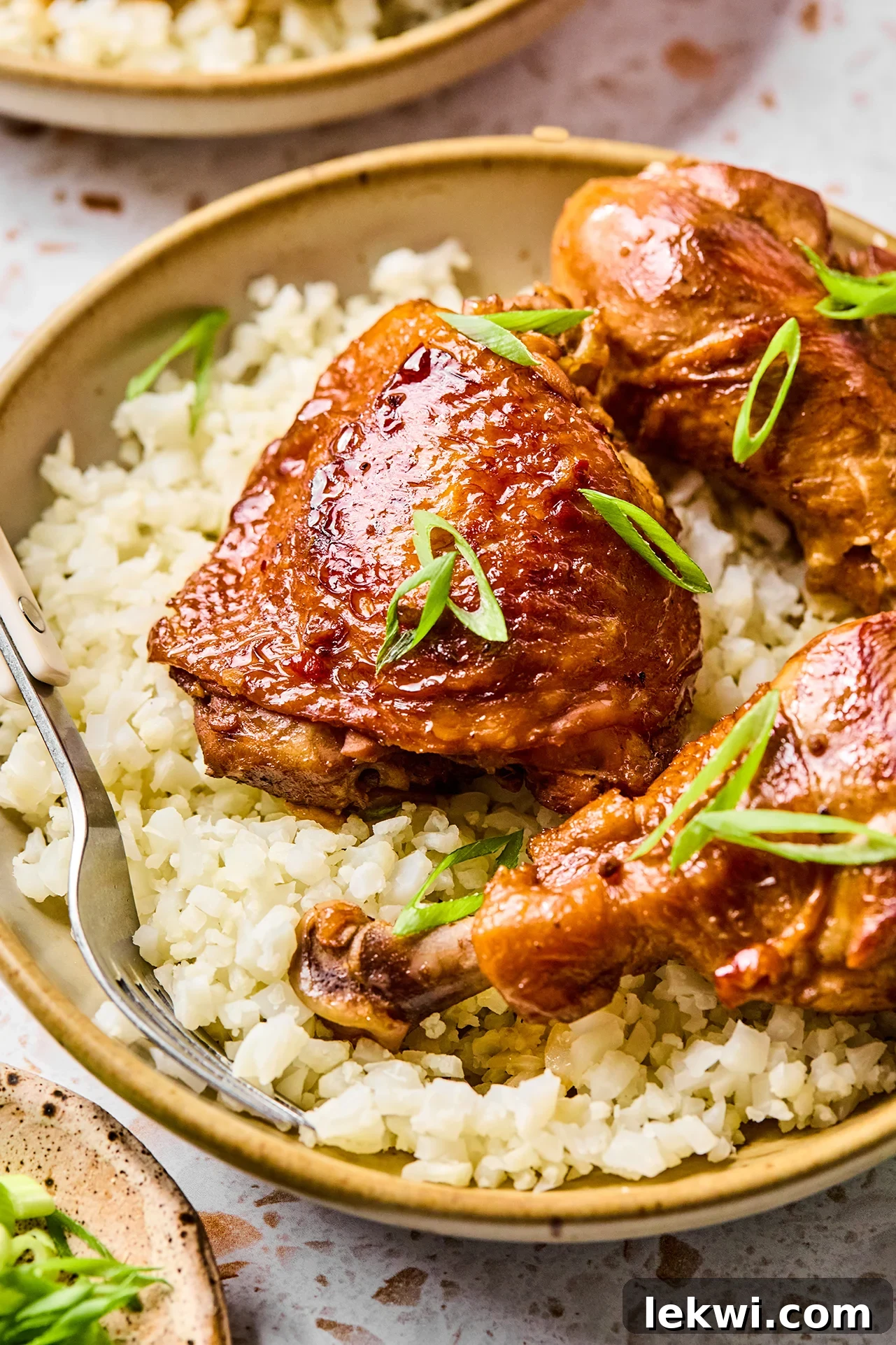
This Filipino Chicken Adobo is a garlicky, flavorful main dish that’s simple to make and delicious! It’s gluten-free, soy-free, and all-around wholesome.
Print Recipe
Leave a Review
Pin Recipe
Ingredients
- 1 ½ lb chicken thighs & drumsticks
- ½ cup apple cider vinegar
- ⅓ cup coconut aminos
- 6 cloves garlic, minced
- 1 tsp sea salt
- ⅓ tsp black pepper (omit for AIP)
- 2 tbsp avocado oil
- 4 bay leaves
- 2 tsp coconut sugar (omit for Whole30 and Keto)
- ⅓ cup water
- 1 tbsp green onion, chopped (for garnish)
- Optional: pinch of red pepper flakes (omit for AIP)
Instructions
- Pat the chicken dry with paper towels to remove any excess moisture and set aside. This helps achieve a better sear.
- In a large bowl, combine the apple cider vinegar, coconut aminos, minced garlic, sea salt, and black pepper. Whisk these ingredients well until thoroughly combined, creating your flavorful marinade.
- Add the dried chicken pieces to the marinade mixture. Stir to ensure all chicken pieces are fully coated. Cover the bowl and allow the chicken to marinate in the refrigerator for a minimum of 1-3 hours, or ideally, overnight for deeper flavor infusion.
- Heat the avocado oil in a large, deep skillet over medium-high heat. Once hot, use tongs to carefully add the chicken to the pan, skin-side down first if using skin-on pieces, reserving the remaining marinade. Cook the chicken for 3-4 minutes on each side until lightly crisped and golden brown.
- Pour the reserved marinade into the skillet with the seared chicken. Add the bay leaves, coconut sugar (if using), and water. Bring the mixture to a low simmer. Cover the pan and let it simmer for approximately 30 minutes, or until the chicken is fully cooked through and the sauce has reduced and thickened to a rich, glossy consistency.
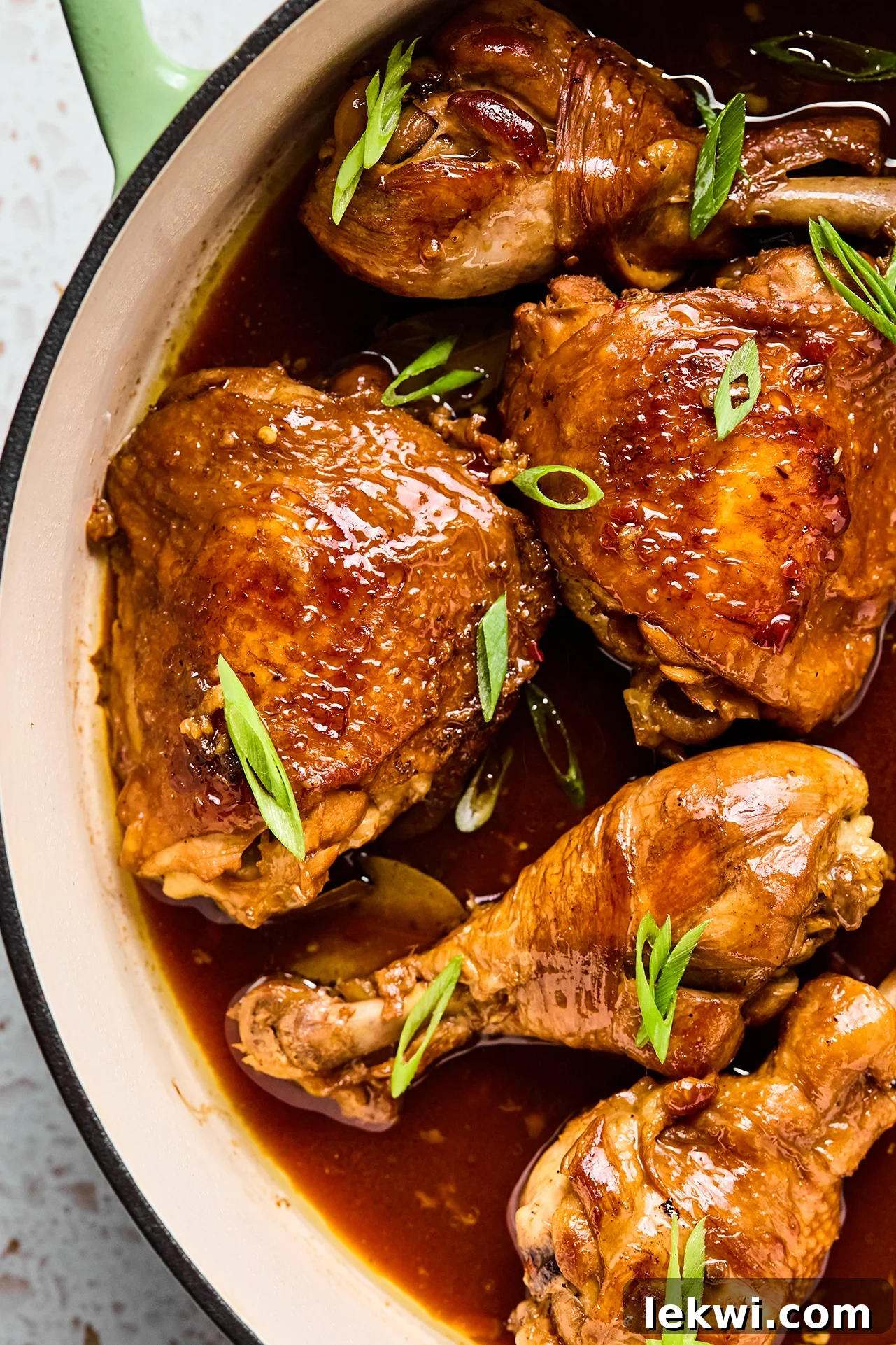
- Remove the pan from the heat. Serve the Filipino Chicken Adobo immediately, garnished generously with fresh green onion. For a complete and wholesome meal, we highly recommend serving it over a bed of fluffy cauliflower rice, or your favorite rice variety.
Nutrition Information (Estimated Per Serving)
- Serving: 1 serving
- Calories: 165 kcal
- Carbohydrates: 5.8g
- Protein: 13g
- Fat: 9.5g
- Fiber: 0.6g
All nutrition facts are estimated and will vary based on specific ingredient brands and preparation methods.
Expert Tips for Perfect Gluten-Free Chicken Adobo
To help you master this Filipino Chicken Adobo recipe and achieve the most authentic and delicious results, here are some invaluable tips and tricks from our kitchen:
- Optimize Marinating Time: While a minimum of one hour will infuse some flavor, extending the marinating time is key for truly exceptional Adobo. Allowing the chicken to soak in the marinade for 3-4 hours, or even better, overnight (up to 12 hours), will dramatically deepen the savory and tangy flavors, ensuring every bite is bursting with taste. This long soak allows the acidic vinegar to tenderize the chicken and the garlic and aminos to penetrate deeply.
- Choose Your Chicken Cuts Wisely: This recipe calls for chicken thighs and drumsticks, which are ideal due to their higher fat content, keeping them moist and tender during the long simmer. The bones and skin also contribute significantly to the richness and depth of the sauce. However, you can absolutely use a whole chicken! Simply butcher it into individual pieces (thighs, wings, drumsticks, breasts cut in half) to ensure even cooking and better marinade absorption. If using leaner cuts like chicken breast, reduce the simmering time slightly to prevent them from drying out, as they cook faster than dark meat.
- Don’t Skip the Searing Step: Searing the chicken before simmering isn’t just for aesthetics; it’s a crucial step for building flavor. The browning creates a rich, caramelized crust on the chicken skin, adding a layer of umami that elevates the entire dish. This Maillard reaction contributes complex, savory notes that cannot be achieved through simmering alone. Ensure your pan is hot enough to get a good sear, but not so hot that it burns the chicken.
- Achieve the Perfect Sauce Consistency: The Adobo sauce is arguably as important as the chicken itself. During the simmering phase, aim for a sauce that reduces and thickens to a glossy, rich consistency that beautifully coats the back of a spoon. This reduction concentrates the flavors, creating a more intensely savory and vinegary chicken experience. If your sauce is too thin, simply uncover the pan and let it simmer for a few extra minutes until it reaches your desired thickness.
- Taste and Adjust: Every batch of Adobo can be slightly different based on the vinegar, aminos, and garlic intensity. Always taste the sauce towards the end of cooking and adjust the seasonings if needed. A little more coconut sugar can balance excessive tanginess, while a pinch more salt can enhance overall savoriness. Don’t be afraid to tweak it to your personal preference!
- Embrace the Leftovers: Adobo is one of those magical dishes that often tastes even better the next day! The flavors continue to meld and deepen as it sits. Store any leftovers in an airtight container in the refrigerator for up to 3-4 days. It also freezes well for up to 2-3 months, making it an excellent option for healthy meal prepping. Simply thaw and reheat gently for a quick and delicious meal.
- Serving Suggestions: While traditionally served with steamed white rice, this Filipino Chicken Adobo pairs wonderfully with cauliflower rice for a low-carb option, quinoa, or even roasted sweet potatoes. Don’t forget a side of fresh steamed vegetables like broccoli or green beans to complete your wholesome meal.
Want to save this recipe for later?
Drop your name and email below, and we’ll send this delicious Filipino Chicken Adobo recipe straight to your inbox! ✉️
Did you Make this Recipe?
Tag @unboundwellness on Instagram and hashtag #unboundwellness!