This post contains affiliate links.
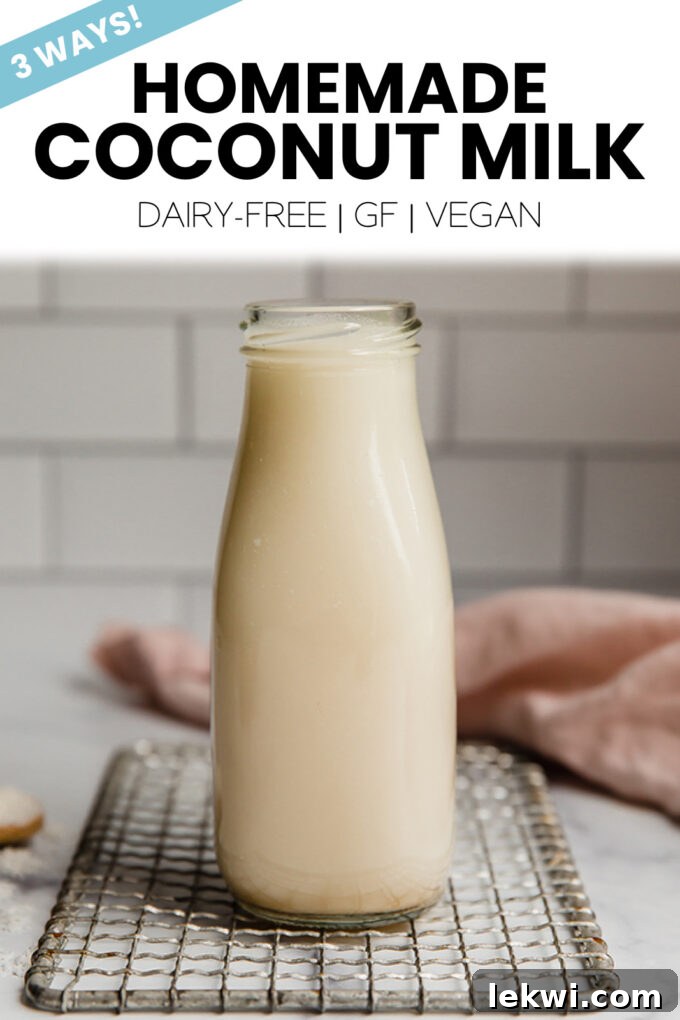
Unlock the Secret to Perfect Homemade Coconut Milk: 3 Easy Methods!
Tired of expensive, additive-filled store-bought coconut milk? Imagine creating fresh, creamy, and delicious coconut milk right in your own kitchen! This comprehensive guide will show you three incredibly easy methods to make perfect coconut milk at home, using shredded coconut, coconut cream, and even a convenient kitchen gadget. Get ready to elevate your dairy-free lifestyle and transform your cooking with this versatile plant-based staple.
Why Choose Homemade Coconut Milk?
Coconut milk is more than just a dairy alternative; it’s a cornerstone in various culinary traditions and a beloved ingredient for anyone embracing dairy-free, vegan, paleo, or whole-food diets. Its rich, subtly sweet flavor and smooth, luxurious texture are indispensable for creating everything from comforting curries and hearty soups to refreshing smoothies, creamy coffee drinks, and delectable desserts. However, the search for high-quality, clean store-bought coconut milk can often be a disheartening experience.
Many commercial coconut milk brands contain a laundry list of questionable ingredients. You’ll often find added gums like guar gum or xanthan gum, emulsifiers, and preservatives that are intended to improve texture and shelf life, but can sometimes lead to digestive discomfort or simply dilute the pure goodness of the coconut. Furthermore, the cost of premium, additive-free coconut milk can quickly accumulate, especially if you rely on it frequently in your kitchen. This is where homemade coconut milk truly shines.
Making your own coconut milk at home not only offers significant cost savings but also grants you complete control over every single ingredient. This ensures you’re producing a pure, unadulterated, and incredibly fresh product every time. The process is surprisingly simple, often quicker than you might anticipate, and the difference in taste and quality is profoundly noticeable.
The Undeniable Benefits of Crafting Your Own Coconut Milk:
- Pure & Additive-Free: The most significant advantage is eliminating unwanted gums, thickeners, and preservatives. With homemade coconut milk, your ingredient list is clean and simple: just coconut and water, often with optional natural flavorings.
- Unbeatable Freshness & Flavor: Experience the true, vibrant taste and aroma of fresh coconut. Commercial processing can diminish these qualities, but homemade versions retain the natural richness that elevates any dish or beverage.
- Customizable Sweetness & Consistency: Tailor your coconut milk precisely to your needs. Add natural sweeteners like dates or maple syrup for a sweeter profile, or leave it completely unsweetened for savory recipes. You can also adjust the water ratio to achieve your desired thickness, from a light, refreshing drink to a dense, creamy cooking base.
- Cost-Effective in the Long Run: While a bag of shredded coconut might seem like an initial investment, it typically yields several batches of coconut milk, proving far more economical than consistently purchasing individual cans or cartons of specialty dairy-free milk.
- Eco-Friendly Choice: Reduce your household waste by minimizing the number of cans or cartons you discard. Buying shredded coconut in larger bags or in bulk significantly lessens your environmental footprint.
- No Soaking Required: Unlike homemade almond milk or other nut milks that often require overnight soaking, preparing coconut milk is a much faster process, making it ideal for impromptu culinary inspirations.
Essential Tools & Ingredients for Your Homemade Coconut Milk Journey
Regardless of which method you choose to make your delicious homemade coconut milk, a few fundamental kitchen tools and quality ingredients are key to ensuring successful and satisfying results:
- High-Speed Blender: This is a non-negotiable item for the shredded coconut method. A powerful blender efficiently breaks down the coconut flesh, extracting maximum flavor and creating a smooth, creamy texture.
- Fine-Mesh Strainer or Nut Milk Bag: Crucial for separating the velvety liquid milk from the fibrous coconut pulp. A dedicated nut milk bag offers the cleanest, most efficient straining, but a fine-mesh sieve lined with several layers of cheesecloth can also work.
- Large Mixing Bowl or Pitcher: Essential for collecting your freshly strained coconut milk.
- Airtight Glass Jars or Containers: Perfect for storing your homemade milk safely in the refrigerator, maintaining its freshness and preventing absorption of other fridge odors.
- Quality Coconut Product: The foundation of exceptional coconut milk. Ensure your shredded coconut is unsweetened, desiccated, and fresh. If using coconut cream, opt for a full-fat, pure version with minimal additives.
- Filtered Water: The quality of your water directly impacts the taste of your milk. Using filtered water ensures a clean, pure flavor without any tap water impurities.
Three Effortless Ways to Make Homemade Coconut Milk
Let’s delve into the three popular and highly effective methods for creating exquisite coconut milk right in your kitchen. Each approach offers unique advantages, allowing you to choose the best fit for your available ingredients, time, and kitchen equipment.
Method 1: Making Coconut Milk from Shredded Desiccated Coconut (The Traditional Blender Method)
This is arguably the most common and traditional approach, yielding a wonderfully fresh, pure, and versatile coconut milk. It’s incredibly straightforward and harnesses the power of your high-speed blender to extract all the goodness from dried coconut.
What You’ll Need:
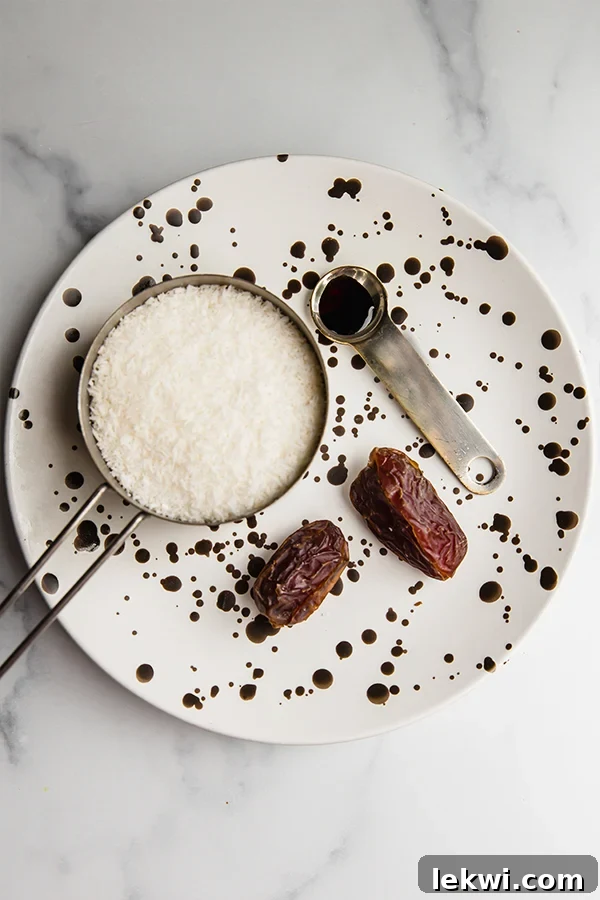
- 2 cups unsweetened shredded desiccated coconut (ensure it’s not sweetened or toasted, as this will alter the flavor)
- 4 cups filtered water (for a slightly thinner, more drinkable milk; use 3 cups for a thicker, richer, more concentrated milk suitable for cooking)
- Optional additions for flavor enhancement:
- 1-2 pitted Medjool dates: For a touch of natural, caramel-like sweetness. Omit if you prefer a neutral, unsweetened milk.
- ¼ teaspoon pure vanilla extract: To enhance the natural sweetness and add a subtle aromatic depth.
- Pinch of sea salt: A tiny amount can balance and brighten the overall flavor, making the coconut notes pop.
- A high-speed blender
- A nut milk bag or a fine-mesh strainer lined with several layers of cheesecloth
Step-by-Step Instructions for the Blender Method:
- Combine Ingredients: Carefully add the shredded coconut, filtered water, and any desired optional flavorings (such as dates, vanilla extract, and sea salt) into the pitcher of your high-speed blender.
- Blend Thoroughly: Secure the lid firmly on your blender. Blend the mixture on high speed for approximately 30 seconds to 1 minute. The objective here is to fully break down the coconut fibers and allow its natural oils and flavors to emulsify completely with the water, transforming the liquid into an opaque, milky white consistency.
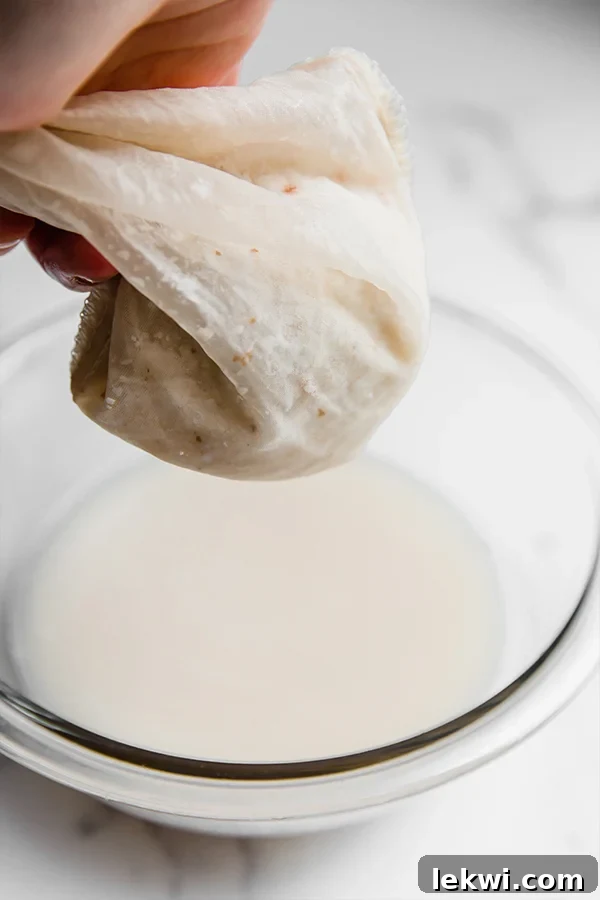
- Strain the Milk: Position your nut milk bag over a large, clean bowl or pitcher. Slowly and carefully pour the entire blended coconut mixture into the bag. Gather the top edges of the bag tightly and begin to squeeze firmly to extract all the liquid into the container below. You may need to work in small batches, especially if you’re making a larger quantity. Continue squeezing until no more liquid drips out, leaving behind a relatively dry, fibrous coconut pulp within the bag.
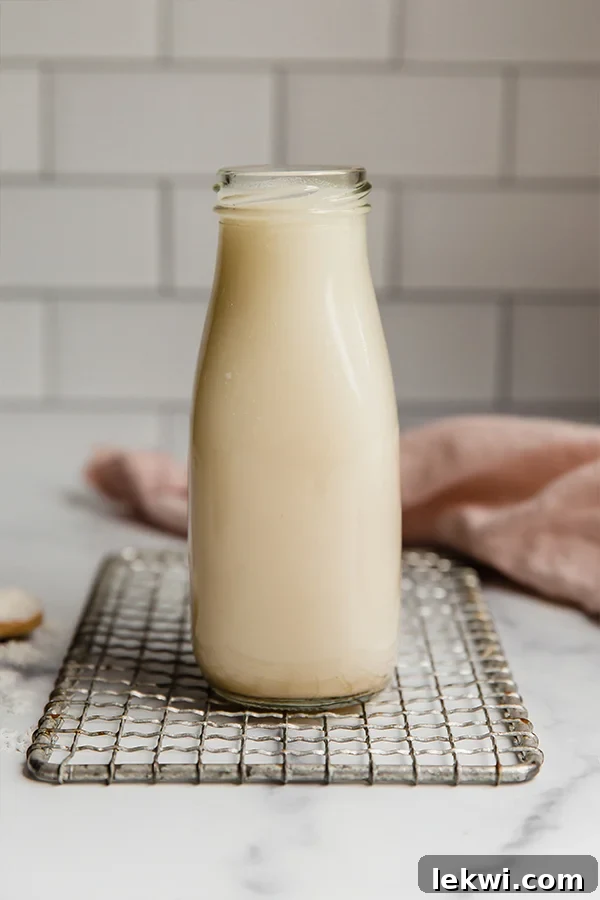
- Store and Enjoy: Transfer your freshly made coconut milk into a clean glass jar or an airtight storage container. It’s now ready to be used in your favorite recipes, added to beverages, or enjoyed simply as a refreshing drink! For optimal freshness, store your homemade coconut milk in the refrigerator for up to 3-4 days.
Expert Tips for the Best Blender Coconut Milk:
- Water Temperature: While some prefer using warm water to potentially enhance flavor extraction, room temperature or cool water works perfectly fine and avoids heating the milk prematurely.
- Utilizing Leftover Pulp: Don’t let the leftover coconut pulp go to waste! This nutritious byproduct can be dried in a low oven or dehydrator and repurposed in various ways:
- Add it to smoothies for extra fiber.
- Incorporate it into baking recipes like muffins, cookies, or granola.
- Mix it with a little sugar and essential oil for a natural, exfoliating body scrub.
- Adjusting Consistency: If your milk is too thick, simply stir in a tablespoon or two of additional filtered water until you reach your desired consistency. For an even creamier, more concentrated milk next time, reduce the initial amount of water used.
Method 2: Quick Coconut Milk from Canned Coconut Cream
For those moments when you’re pressed for time or simply don’t have shredded coconut available, using canned coconut cream offers an incredibly fast and convenient shortcut. This method effortlessly produces a rich, velvety coconut milk with minimal effort, making it ideal for spur-of-the-moment cooking or drink preparation.
What You’ll Need:
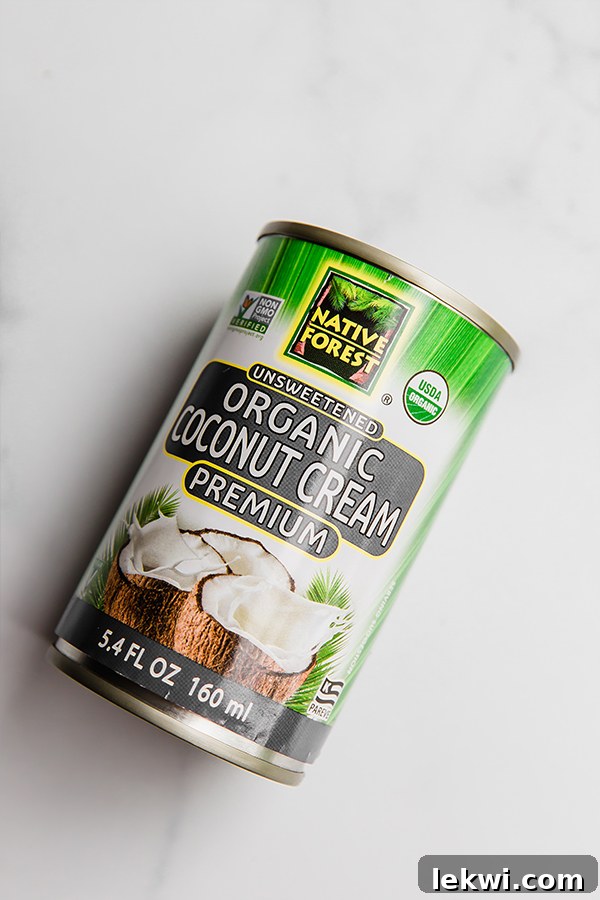
- 1 can (5.4 fl oz or similar size) unsweetened full-fat coconut cream. It’s crucial to select a pure coconut cream with no additives or stabilizers for the best results. (Note: this is different from “light” coconut milk or “full-fat coconut milk” as it contains a higher concentration of coconut solids).
- 2 cups filtered water
- Optional sweeteners or flavorings: Such as a drizzle of maple syrup, a few drops of vanilla extract, or a pinch of cinnamon, if desired.
- A blender or a sturdy whisk
Step-by-Step Instructions for the Coconut Cream Method:
- Scoop the Cream: Open the can of coconut cream. You’ll typically find that the rich, thick, solid layer of cream has separated and settled on top, with a clearer, watery liquid underneath. Carefully scoop out only the thick, solid cream into your blender. You can choose to discard the watery liquid or add a small amount of it back into the blender if you desire a slightly thinner consistency for your final milk.
- Add Water & Flavorings: Pour in the 2 cups of filtered water alongside the coconut cream. This is also the perfect time to add any optional sweeteners or flavorings you’d like to incorporate, ensuring they blend in thoroughly.
- Blend Until Smooth: Blend the mixture on high speed for approximately 15-30 seconds, or until the thick cream and water are fully incorporated into a smooth, uniform, and creamy liquid. If you don’t have a blender, you can achieve a similar result by vigorously whisking the ingredients by hand for a minute or two until completely combined.
- Serve Immediately or Store: Pour your instant coconut milk into a clean glass jar. It’s now ready to be enjoyed immediately in drinks or recipes, or stored in the refrigerator for later use.
Helpful Tips for the Coconut Cream Method:
- Quality of Cream is Key: For the most delicious and purest results, always use a high-quality, full-fat coconut cream that lists only coconut and water as its ingredients. Avoid brands with many additives.
- Adjusting Thickness: If you prefer an even richer, more decadent coconut milk, simply use less water (for instance, 1.5 cups instead of 2). For a lighter version, you can always add a bit more water until it reaches your desired consistency.
- Dealing with Cold Cream: If your coconut cream is very solid from refrigeration, you can gently warm the unopened can in a bowl of hot water for a few minutes. This will soften the cream, making it much easier to scoop and blend seamlessly.
Method 3: Effortless Coconut Milk with the Almond Cow
For plant-based milk enthusiasts who value convenience, efficiency, and minimal cleanup, innovative kitchen appliances like the Almond Cow can be an absolute game-changer. This specialized machine simplifies the entire plant-based milk-making process, allowing you to create fresh, creamy coconut milk in mere minutes, all without the need for manual straining!
What You’ll Need:
- 1 cup unsweetened shredded coconut
- Filtered water (you’ll fill to the minimum fill line of the Almond Cow’s base)
- Optional additions for flavor:
- 1 pitted Medjool date: For a touch of natural sweetness.
- ¼ teaspoon pure vanilla extract: For enhanced aroma and flavor.
- Pinch of sea salt: To round out the flavors.
- An Almond Cow plant-based milk maker
Don’t forget to use my exclusive affiliate code UNBOUNDWELLNESS for $15 off your Almond Cow purchase! It’s a fantastic investment for fresh plant milk lovers.
Step-by-Step Instructions for the Almond Cow Method:
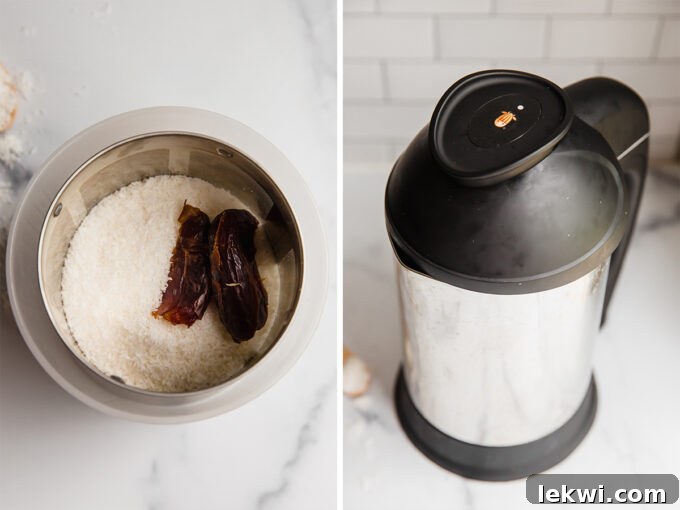
- Prepare the Collector Cup: Place the 1 cup of shredded coconut, the optional pitted date, and a pinch of sea salt into the metal collector cup of your Almond Cow machine. If you’re adding vanilla extract, you can either add it to the collector cup or directly to the water in the base.
- Fill the Base: Fill the main base of the Almond Cow with filtered water. Be sure to fill it up to the clearly marked minimum fill line.
- Assemble & Blend: Securely connect the collector cup to the underside of the Almond Cow’s top assembly. Close the lid firmly onto the base. Press the start button, and the machine will begin its automated blending cycle. The Almond Cow is designed to efficiently process the ingredients, typically completing its cycle in under a minute.
- Pour & Store: Once the light on the machine stops blinking, this indicates that the blending cycle is complete. Remove the top assembly of the Almond Cow. You can now pour your freshly made, perfectly strained coconut milk directly from the base into a glass jar or your desired serving container. No additional straining steps or messy nut milk bags are required!
Key Advantages of the Almond Cow Method:
- Effortless Operation: The Almond Cow provides a truly hands-off experience, simplifying the entire process from start to finish.
- No Straining Needed: Its integrated filter system eliminates the need for separate nut milk bags or strainers, significantly reducing cleanup time.
- Remarkable Time-Saving: Enjoy fresh, homemade plant milk in less than a minute, making it an ideal solution for busy mornings or quick recipe preparations.
- Exceptional Versatility: While perfect for coconut milk, the Almond Cow can be used to make a wide variety of other plant-based milks, including almond, oat, cashew, and more, offering incredible flexibility for your dietary needs.
Frequently Asked Questions About Homemade Coconut Milk
How long can you store fresh homemade coconut milk in the fridge?
Homemade coconut milk, being free of artificial preservatives, maintains its best quality when fresh. You can safely store it in a clean, airtight container or glass jar in the refrigerator for approximately 3 to 4 days. Natural separation of the fat and water content is completely normal and expected. Simply give the jar a good shake or a quick stir before each use to re-emulsify it.
Can you freeze homemade coconut milk?
Yes, absolutely! Freezing is an excellent and highly recommended method for extending the shelf life of your homemade coconut milk and preventing any potential waste. To freeze, simply pour any excess coconut milk into an ice cube tray and place it in the freezer until the cubes are solid. Once frozen, transfer these convenient coconut milk cubes into a freezer-safe bag or an airtight container. Frozen coconut milk cubes are perfect for adding directly to smoothies, enriching curries and soups, or even chilling your morning iced coffee or tea. They typically maintain their quality for up to 1-2 months in the freezer.
Can you use homemade coconut milk in recipes, or is it only for drinking?
Homemade coconut milk is incredibly versatile and performs beautifully in almost any recipe that calls for store-bought coconut milk. Its pure, fresh flavor and customizable consistency often make it a superior choice for both sweet and savory culinary applications. Don’t hesitate to incorporate it into:
- Rich and aromatic curries, stews, and braises.
- Creamy soups, such as tom kha gai or a dairy-free creamy tomato soup.
- Smoothies, shakes, and protein drinks for a healthy fat boost and creamy texture.
- A wide array of dairy-free desserts, including puddings, custards, and even homemade ice cream.
- Baked goods like muffins, quick breads, and pancakes, where it adds moisture and richness.
- Coffee, tea, and other beverages, enhancing their flavor and providing a luxurious creaminess (try it in a homemade Pink Drink!).
- Overnight oats, chia puddings, or breakfast cereals for a nutritious start to your day.
Is it cheaper to make your own coconut milk at home?
In most cases, making your own coconut milk at home proves to be more economical in the long run, especially if you tend to use coconut milk regularly or purchase your ingredients in bulk. While the upfront cost of a bag of quality shredded coconut might seem comparable to a single can of coconut milk, the yield from homemade production is often significantly greater. Let’s consider a general price comparison based on typical market rates:
- 1 can of premium, additive-free coconut milk (approximately 13.5 fl oz) can range from $3.00 to $4.00 or more.
- 1 batch of homemade coconut milk made with 2 cups of desiccated coconut (which yields a volume roughly equivalent to 3-4 cans of store-bought milk) might cost you around $2.50 to $3.50 for the shredded coconut itself.
This comparison clearly illustrates that you essentially gain a larger volume of higher-quality, additive-free coconut milk for a lower overall cost, effectively avoiding the retail markups on specialty dairy-free products and unnecessary fillers.
Help! My homemade coconut milk is separating! Is there something wrong?
Absolutely not! This phenomenon is entirely normal and a completely natural characteristic of homemade coconut milk, and even some high-quality store-bought brands that do not contain stabilizing gums or emulsifiers. Since your homemade milk lacks these artificial agents, the natural fat and water components will invariably separate when chilled over time. This separation is actually a sign of its purity! There’s nothing to worry about. Before using, simply give your jar of coconut milk a good, vigorous shake or a quick whisk, and it will effortlessly return to its smooth, uniform consistency, ready for use. It remains perfectly safe and delicious to consume.
Creative Variations for Delicious Coconut Milk Flavors
One of the most delightful aspects of making your own coconut milk is the creative freedom it offers to infuse it with a variety of delicious flavors, transforming it into a personalized treat:
- Naturally Sweetened: Beyond dates, which impart a lovely caramel note, you can also sweeten your milk with a drizzle of pure maple syrup or a spoonful of honey for a more neutral liquid sweetener. Adjust the quantity to suit your taste preferences.
- Vanilla Bean Infusion: For an exquisite, gourmet touch, blend your coconut milk with a small piece of a scraped vanilla bean. Alternatively, a little extra pure vanilla extract provides a wonderful aroma and depth of flavor.
- Warming Spices: Introduce a pinch of ground cinnamon, nutmeg, cardamom, or a blend of pumpkin pie spice for a comforting and aromatic milk. This is particularly delightful in lattes or warm spiced beverages.
- Fruity Strawberry Coconut Milk: For a vibrant and naturally sweet pink milk, blend in a handful of fresh or frozen strawberries. Other berries like raspberries or blueberries also work beautifully.
- Decadent Chocolate Coconut Milk: Transform your milk into a rich, indulgent treat by blending in a tablespoon of unsweetened cocoa powder (or cacao powder) along with your preferred sweetener.
- Golden Milk Elixir: For a health-boosting, anti-inflammatory beverage, blend your coconut milk with a small piece of fresh ginger, a pinch of ground turmeric (and a dash of black pepper to aid turmeric absorption), and a touch of sweetener.
How to Make Perfect Homemade Coconut Milk (3 Ways)
Leave a Review
Pin Recipe
Ingredients
For the Blender Method
- 2 cup shredded coconut
- 2 pitted dates, optional
- ¼ tsp vanilla extract, optional
- Pinch of sea salt
- 4 cups water, use 3 cups for thicker coconut milk
For the Coconut Cream method
- 1 5.4oz can of coconut cream
- 2 cups water
For the Almond Cow method
- 1 cup shredded coconut
- 1 pitted date, optional
- ¼ tsp vanilla extract, optional
- Pinch of sea salt
- Water
Instructions
For the Blender Method
-
Add the shredded coconut, water, and optional flavorings to a blender. Blend on high for 30 seconds to 1 minute, or until fully incorporated and creamy.
-
Use a nut milk bag or cheesecloth-lined strainer to strain your coconut milk into a large bowl, discarding the pulp.
-
Pour the milk into a glass jar and store in the fridge. Shake before serving.
For the Coconut Cream method
-
Scoop the thick cream from 1 can of coconut cream and add it to a blender with 2 cups of water and any desired flavorings.
-
Blend on high until fully incorporated and smooth (about 15-30 seconds). Pour into a glass jar.
For the Almond Cow method
-
Add 1 cup of shredded coconut, optional date, and salt to the Almond Cow’s collector cup.
-
Fill the base of the Almond Cow with water to the minimum fill line. Add vanilla extract if using.
-
Connect the collector cup, close the top, and press the start button. Let the machine complete its cycle.
-
Once complete, remove the top and pour the strained milk into a glass jar.
Want to save this for later?
Just drop your name and email below. Then we’ll email it right to your inbox. ✉️
Ready to ditch the store-bought carton and embrace the fresh, pure taste of homemade coconut milk? With these three simple methods, you can effortlessly create your own dairy-free delight for all your cooking and drinking needs. Enjoy the benefits of cleaner ingredients, customizable flavors, and significant savings. Start making your perfect homemade coconut milk today and experience the difference!