
Embark on a journey to a healthier, more flavorful kitchen with homemade slow cooker beef bone broth! This liquid gold is more than just a culinary ingredient; it’s a profoundly nourishing and nutrient-dense elixir that serves as a cornerstone for holistic wellness. Forget the often bland, additive-filled boxed versions you find at the grocery store. Authentic beef bone broth, patiently simmered to perfection, offers an unparalleled depth of savory flavor and a remarkable array of health benefits that truly elevate it to superfood status. The best part? Making this gut-healing, skin-supporting staple at home is surprisingly easy, especially when you leverage the convenience of your slow cooker. This ultimate guide will walk you through every step, ensuring you can confidently create your own batches of this vital elixir to enrich your diet and significantly boost your overall health.

What Exactly is Nutrient-Dense Beef Bone Broth?
True homemade beef bone broth bears little resemblance to the often-watery, nutrient-stripped broths found in supermarket cartons. This traditional culinary treasure is a deeply rich, incredibly flavorful, and highly nutrient-dense liquid, meticulously crafted by slow-simmering beef bones—typically those rich in marrow and connective tissues—alongside a medley of aromatic vegetables and herbs. The magic of bone broth unfolds during this prolonged, gentle cooking process, which systematically extracts a powerhouse of beneficial compounds. These include vital proteins like collagen and gelatin, essential amino acids (such as glycine, proline, and glutamine), and a spectrum of bioavailable minerals. The outcome is a thick, savory elixir that boasts an extraordinary depth of flavor and a remarkable profile of health-promoting properties.
As a devoted advocate for nurturing the body and managing autoimmune conditions like Hashimoto’s disease, I am constantly seeking impactful yet straightforward ways to enhance my dietary nutrient intake. Recipes such as my beloved whole chicken bone broth and this robust beef bone broth are indispensable elements in my wellness strategy. They represent an easy, high-impact approach to foundational health. Once prepared, this versatile broth becomes an invaluable asset in your kitchen, capable of transforming countless dishes. Utilize it as a deeply flavorful base for hearty soups, comforting stews, and rich sauces, or simply enjoy it on its own as a warm, soothing, and incredibly restorative beverage. Its remarkable versatility makes it an essential ingredient for anyone committed to boosting their nutritional intake and overall vitality with minimal effort.

Beef Bone Broth vs. Beef Stock: Understanding the Key Differences
While the terms “beef bone broth” and “beef stock” are often mistakenly used interchangeably, there is a crucial distinction between these two foundational liquids, primarily determined by their cooking duration. This difference significantly impacts their flavor, texture, and the concentration of beneficial nutrients.
Beef stock is generally prepared by simmering bones (often roasted) and aromatic vegetables for a relatively shorter period, typically ranging from 2 to 8 hours. This process extracts some flavor and a certain amount of gelatin from the bones, resulting in a liquid that is flavorful but usually lighter in body and less viscous. Beef stock is excellent for gravies, pan sauces, and as a base for many soups where a milder, less assertive flavor is desired.
In contrast, beef bone broth is characterized by a much longer, more intensive simmering process, typically extending for 24 hours, and sometimes even up to 48 hours. This extended, low-and-slow cook time is specifically designed to maximize the extraction of collagen, gelatin, amino acids, and a wide array of minerals from the bones and connective tissues. The result is a profoundly richer, deeper, and more concentrated flavor, alongside a significantly thicker, often gelatinous consistency when chilled. This “gel” is a coveted indicator of high-quality bone broth, signifying a robust presence of health-boosting collagen.
Both liquids hold a valuable place in the kitchen. However, if your primary goal is to harness the full spectrum of nutritional benefits—especially the gut-healing collagen and a comprehensive mineral profile—bone broth is the unequivocal choice. Its prolonged simmering ensures a superior extraction of these vital compounds, transforming it into a true dietary powerhouse.
The Impressive Benefits of Incorporating Beef Bone Broth into Your Diet
Making homemade beef bone broth a regular part of your diet is a remarkably simple yet profoundly effective way to support numerous facets of your health. It’s far more than just a delicious liquid; it’s a functional food brimming with compounds that offer a wide range of potential therapeutic benefits:
- A Rich Source of Protein and Essential Amino Acids: Each cup of quality bone broth typically provides a significant 8-10 grams of easily digestible protein. Beyond sheer quantity, bone broth is uniquely rich in specific amino acids that are often scarce in modern diets, including glycine, proline, and glutamine. Glycine is crucial for supporting liver detoxification, aiding in collagen synthesis, and promoting restful sleep. Proline plays a pivotal role in the health and repair of connective tissues, while glutamine is a critical nutrient for maintaining the integrity of the gut lining and bolstering immune system function. These amino acids work synergistically to provide comprehensive bodily support. (Source)
- Mineral Powerhouse for Optimal Bone and Overall Health: Bone broth is an excellent natural reservoir of essential minerals, including highly bioavailable forms of calcium, magnesium, phosphorus, silicon, and sulfur, along with various trace minerals. These vital nutrients are the fundamental building blocks not only for strong bones, teeth, and nails but also for critical physiological processes such such as nerve transmission, muscle contraction, and maintaining cellular balance. The extensive simmering process ensures that these minerals are leached from the bones and become readily absorbable by your body, making bone broth a superior source compared to many supplements. (Source)
- Supports Robust Gut Health and May Alleviate Inflammation: One of the most celebrated and scientifically supported benefits of bone broth lies in its profound positive impact on gut health. The gelatin and collagen abundantly present in bone broth are instrumental in repairing and safeguarding the delicate lining of the digestive tract. This is particularly advantageous for individuals experiencing “leaky gut” syndrome, a condition where a compromised intestinal barrier allows undigested food particles, toxins, and microbes to pass into the bloodstream, triggering inflammation. By strengthening the gut barrier and soothing irritation, bone broth can significantly help to reduce symptoms associated with various digestive issues and can contribute to a reduction in systemic inflammation throughout the body, thereby fostering a more balanced and robust immune response. (Source)
- Promotes Radiant Skin, Healthy Hair, and Strong Nails: Collagen, the most abundant protein in the human body, is the primary structural component responsible for the elasticity, firmness, and hydration of our skin. It also plays a crucial role in the strength and health of our hair and nails. As a natural part of aging, our body’s endogenous collagen production gradually declines, leading to common signs like wrinkles, sagging skin, and brittle nails. Consuming collagen-rich bone broth offers a natural and delicious way to replenish these diminishing stores, thereby promoting a more youthful and vibrant complexion, encouraging stronger and faster-growing nails, and contributing to lustrous, healthier hair. My grandma, at 87 years young, residing in Budapest, Hungary, serves as a remarkable testament to these benefits. My mom recently shared a photograph of her enjoying a traditional homemade soup, and her skin was absolutely glowing! When I inquired about her secret to such incredible vitality, it was clear from the photo itself – a lifetime tradition of nourishing, often broth-based, meals. While this is certainly anecdotal evidence, it beautifully aligns with scientific findings: bone broth is undeniably rich in collagen, which directly supports the health and appearance of our skin. (Source) For me, embracing the timeless wisdom of a warm, comforting bowl of homemade bone broth any day is a preferred and holistic approach to beauty and wellness!

Why a Slow Cooker is Your Best Friend for Homemade Bone Broth
For those aspiring to make bone broth at home, the slow cooker stands out as an indispensable kitchen appliance. Its “set it and forget it” functionality is perfectly suited for the extended simmering required to produce a truly exceptional, nutrient-dense broth, eliminating the need for constant vigilance. Here’s why the slow cooker is the ideal choice:
- Maintains Consistent Low Temperature: The very essence of high-quality bone broth lies in a slow, gentle simmer. A slow cooker excels at maintaining a steady, low temperature, which is crucial for effectively breaking down bones and connective tissues and extracting their goodness without boiling too vigorously, which can result in a cloudy broth with a greasy mouthfeel.
- Unmatched Safety and Convenience: One of the most significant advantages of a slow cooker is the peace of mind it offers. You can safely leave your broth to simmer overnight or throughout your workday without worrying about leaving a stovetop pot unattended. This convenience makes homemade bone broth accessible even for the busiest schedules.
- Energy Efficiency for Extended Cooking: Compared to leaving an oven on for 24+ hours or continually tending a stovetop burner, a slow cooker is generally a more energy-efficient appliance for long cooking durations, helping to keep your utility bills in check.
- Optimal Flavor Concentration: The sealed, contained environment of a slow cooker helps to trap and concentrate the volatile aromatics and flavors. This results in a broth with a much deeper, more robust, and incredibly rich taste profile that far surpasses store-bought alternatives.
Essential Recipe Ingredients for the Ultimate Beef Bone Broth
Crafting a truly exceptional batch of beef bone broth requires a surprisingly short list of high-quality ingredients. The foundation of a flavorful and nutrient-rich broth largely rests upon the selection of your bones and the extended cooking process.
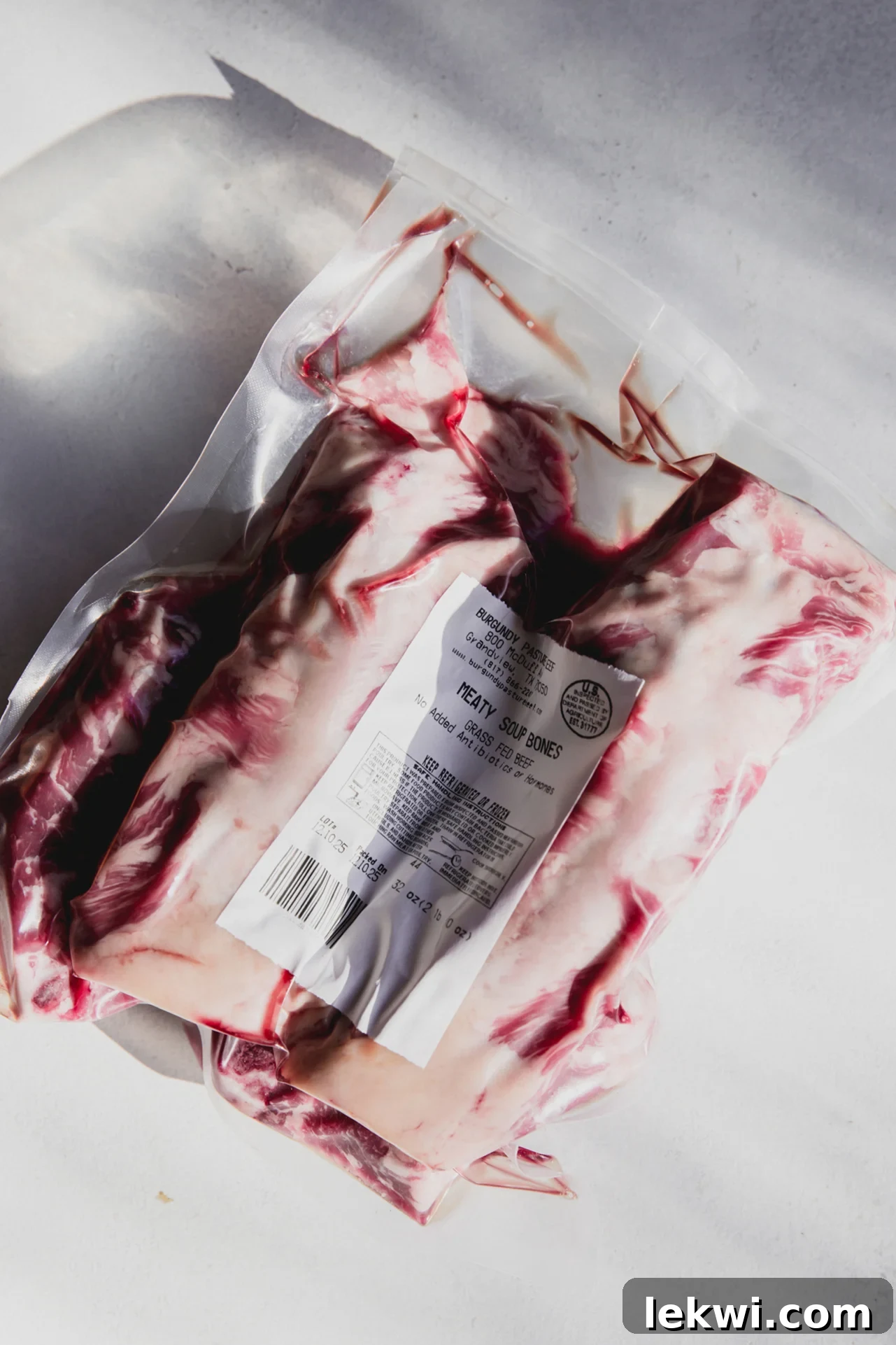
- Meaty Soup Bones (2.5-3 lbs): These are the undisputed stars of your bone broth. Seek out a diverse selection of beef bones, such as knuckle bones, marrow bones (femur bones), short ribs, oxtail, or beef shanks. “Meaty” bones are particularly desirable as any adhering meat and connective tissue will dissolve during the long simmer, contributing immense flavor, additional protein, and more gelatin. For the best quality and variety, consider sourcing your bones from a trusted local butcher who can offer insights and a good mix.
- Mixed Vegetable Scraps and Fresh Herbs (3 cups vegetable scraps, 2 tbsp fresh herbs): These aromatics infuse the broth with a subtle complexity and freshness without overpowering the rich beef flavor. Think of classic additions like onion peels and chunks, carrot tops and ends, celery stalks and trimmings, and parsnip pieces. A fantastic and sustainable tip is to collect these vegetable scraps throughout the week and store them in a freezer-safe bag until you’re ready to make broth. For herbs, sprigs of fresh rosemary, parsley, and thyme work beautifully, adding a fragrant, earthy note.
- Filtered Water: While tap water can be used, filtered water is always recommended for the purest, cleanest flavor in your bone broth, ensuring no unwanted chemicals or tastes interfere with the final product.
- Apple Cider Vinegar (1 tbsp): A small splash of apple cider vinegar (or another mild acid like lemon juice) is a crucial addition. It acts as a gentle acidulant, helping to draw out the precious minerals, collagen, and other beneficial compounds from the bones and connective tissues more effectively during the simmering process. Rest assured, the finished broth will not taste vinegary; the acid merely facilitates the nutrient extraction.
How to Make Slow Cooker Beef Bone Broth: A Step-by-Step Guide
Creating your own batches of gut-healing, nutrient-rich beef bone broth in a slow cooker is a straightforward process. Follow these detailed steps for a truly exceptional result:
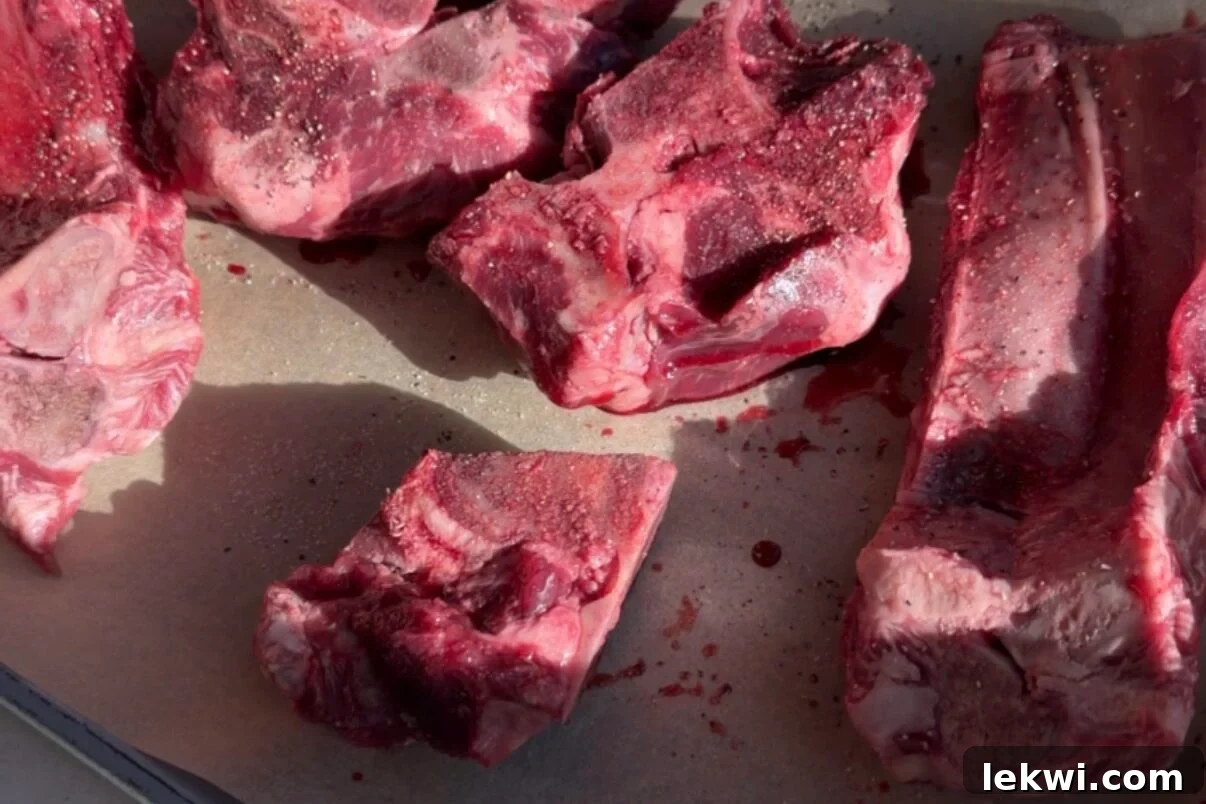
Step One: Preheat Oven and Roast the Bones. Begin by preheating your oven to 400°F (200°C). Line a large baking sheet with parchment paper for easier cleanup. Arrange your meaty soup bones in a single layer on the prepared baking sheet. Lightly season the bones with a pinch of salt and pepper. Transfer the baking sheet to the preheated oven and roast for 20-30 minutes, or until the bones are deeply browned and caramelized. This roasting step is critical; it develops an incredible depth of flavor and a beautiful color that will carry through to your finished broth. Do not skip this!
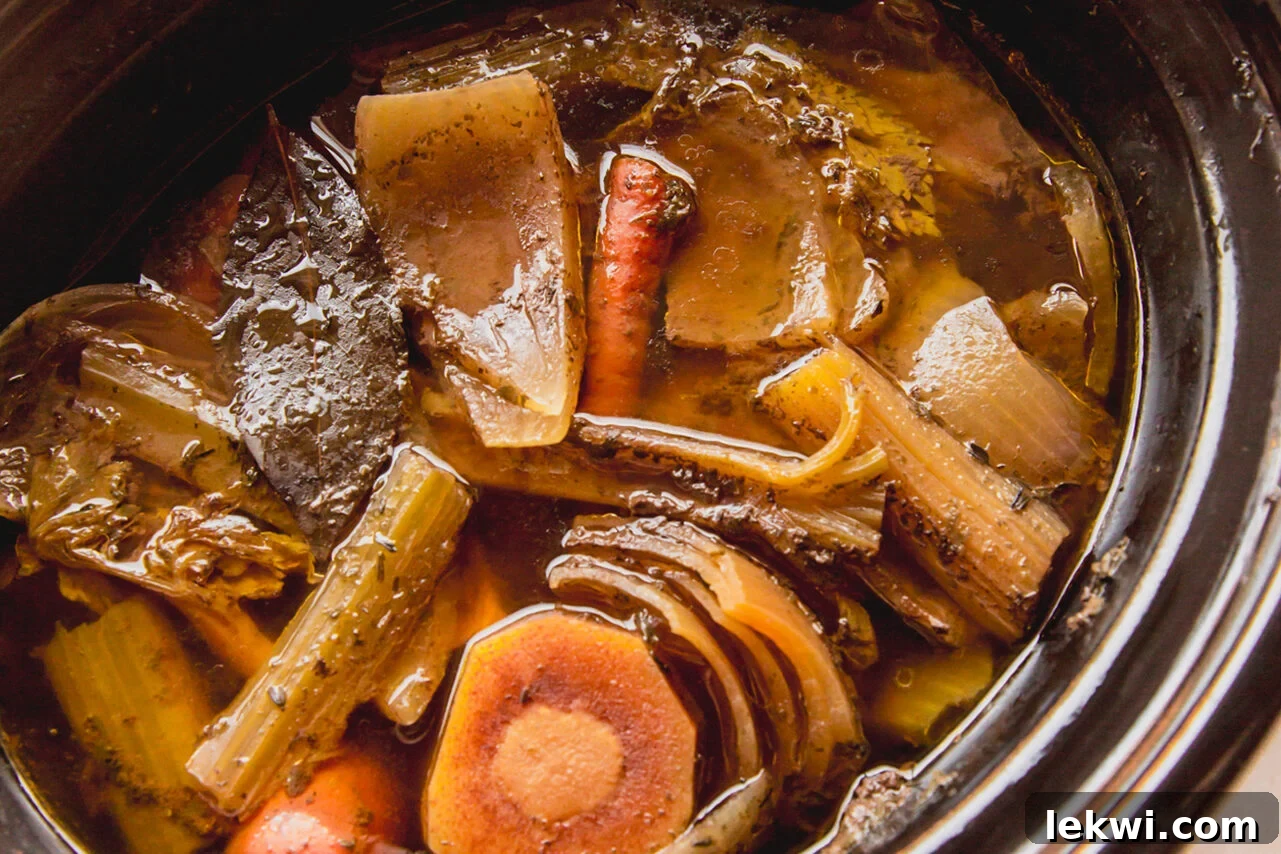
Step Two: Load Your Slow Cooker with Ingredients. Carefully transfer the hot, roasted bones from the baking sheet into the basin of your slow cooker. Add your collected vegetable scraps (such as onion peels, carrot ends, celery pieces, and parsnip trimmings) along with the fresh herb sprigs (rosemary, parsley, thyme). Pour in the tablespoon of apple cider vinegar. Finally, fill the slow cooker with filtered water, ensuring that all the bones and vegetables are completely submerged. Leave approximately one to two inches of space from the rim of the slow cooker to prevent any potential overflow during simmering.
Step Three: Initiate the Long Simmer. Secure the lid tightly on your slow cooker. Set the appliance to the LOW setting. Allow the broth to cook for a minimum of 24 hours. For an even richer, more potent, and highly gelatinous broth, you can comfortably extend the cooking time up to 36 or even 48 hours. The prolonged, gentle heat is key to maximizing the extraction of collagen, gelatin, and essential minerals from the bones and connective tissues.
Step Four: Strain and Prepare for Storage. Once your desired cooking time is complete, carefully turn off the slow cooker. Using a fine-mesh strainer (or a colander generously lined with several layers of cheesecloth), meticulously strain the broth into a large, heat-proof bowl or series of containers. Discard all the cooked bones, vegetables, and herbs, as their nutritional value has been fully transferred to the broth. Allow the strained broth to cool completely to room temperature before proceeding with storage. As the broth cools, a layer of solidified fat will typically rise to the top; this can be skimmed off for a leaner broth or left intact for added richness and healthy fats.
Pro Tips for Making the Best Homemade Bone Broth:
- Never Skip the Roasting Step: As emphasized, roasting the bones before simmering is an absolute game-changer. It develops a rich, complex, and savory flavor that cannot be achieved with unroasted bones.
- Prioritize Bone Variety: Aim for a mix of different bone types. Joint-rich bones like knuckles and feet are excellent for gelatin. Marrow bones provide healthy fats and minerals. Meaty bones add deep flavor.
- Season Conservatively at First: It’s best to add only a small amount of salt (if any) during the initial simmering. As the broth reduces over time, its flavors concentrate, including any salt. You can always adjust and season to your exact taste preferences when you reheat or incorporate the broth into a recipe.
- Always Cook on Low Heat: Resist the urge to turn up the heat. A rapid boil can emulsify the fats, leading to a cloudy and sometimes greasy broth. A gentle simmer on low is perfect for slow extraction.
- Consider Adding Additional Aromatics: While vegetable scraps are great, you can enhance flavor further by adding fresh ginger, garlic cloves (unpeeled), or bay leaves to your slow cooker.
Storage Options for Your Nourishing Homemade Bone Broth
Once your delectable beef bone broth is cooled, proper storage is essential to preserve its freshness, flavor, and potent nutrients. Always ensure the broth has cooled completely to room temperature before transferring it to any storage containers.
- Refrigeration for Short-Term Use: For broth you plan to use within the week, store it in airtight glass jars or other food-grade containers in the refrigerator. It will maintain its freshness and quality for up to 5-7 days. When chilled, a well-made bone broth will often solidify into a gelatinous, jiggly consistency – this is a fantastic sign of its high collagen content and nutrient density!
- Freezing for Long-Term Preservation: Bone broth freezes exceptionally well, making it perfect for meal prepping and ensuring you always have some on hand. For maximum convenience and to prevent freezer burn, first allow the broth to cool fully. Then, transfer it into individual portions using silicone molds, such as specialized Souper Cubes. Once these individual portions are frozen solid, you can easily pop them out and transfer them to freezer-safe bags, vacuum-seal bags for ultimate protection, or other airtight containers. Properly frozen, homemade beef bone broth can be stored in the freezer for 3-6 months without significant loss of quality or nutrients.
Versatile Ways to Incorporate Beef Bone Broth into Your Daily Diet
The culinary utility of beef bone broth extends far beyond simply drinking it plain (though that’s a fantastic option!). Its rich flavor and nutrient profile make it an incredibly adaptable ingredient that can significantly enhance a wide variety of dishes, adding both taste and health benefits. Here are some of our favorite and most effective ways to integrate this liquid gold into your everyday meals:
- As a Hearty Base for Soups and Stews: Elevate any soup or stew by using bone broth as its foundational liquid. Its robust flavor and silky texture will transform ordinary dishes into deeply satisfying, nutrient-packed meals. Envision a rich beef stew, a comforting French onion soup, or a vibrant vegetable minestrone, all powered by your homemade broth.
- For Roasts, Braises, and Slow-Cooked Meats: Replace water or less flavorful store-bought broths with your homemade bone broth when preparing pot roasts (like my popular French Onion Pot Roast), braised short ribs, or any slow-cooked meat dish. It not only infuses incredible flavor but also helps keep the meat incredibly tender and moist.
- Cooking Grains and Legumes: Give an instant upgrade to humble grains and legumes. Cook rice, quinoa, couscous, or lentils in bone broth instead of plain water. This simple swap adds a layer of savory flavor and a boost of essential nutrients to your side dishes.
- Enhancing Sauces and Gravies: Use bone broth to deglaze pans after sautéing meats or vegetables, capturing all those delicious browned bits. It serves as an exceptional base for creating rich, savory gravies and pan sauces. The natural gelatin present in the broth will also help to thicken them beautifully without the need for excessive starches.
- Sautéing and Steaming Vegetables: A splash of bone broth can skillfully replace oil or butter when sautéing vegetables, adding an extra dimension of flavor and beneficial nutrients without increasing fat content. It’s also excellent for steaming vegetables, infusing them with savory notes.
- A Warm, Restorative Drink: Sometimes, the purest and simplest method is indeed the most effective. Gently warm a mug of bone broth, add a pinch of sea salt and freshly ground black pepper to taste, and savor it as a comforting and deeply healing beverage. It’s especially wonderful on a chilly day, during periods of illness, or whenever you need a gentle, nourishing pick-me-up.

Slow Cooker Beef Bone Broth
This easy slow cooker beef bone broth recipe delivers a deeply nourishing and nutrient-dense kitchen staple. Perfect for boosting gut health, enhancing skin vitality, and enriching countless recipes with its savory depth.
Leave a Review
Pin Recipe
Ingredients
- 2.5-3 lbs meaty soup bones, such as short ribs, knuckle bones, marrow bones, or beef shanks
- Salt and pepper, to taste for roasting
- 3 cups mixed vegetable scraps, e.g., onion peels, carrot ends, celery stalks, parsnips
- 2 tbsp fresh herbs, e.g., rosemary, parsley, or thyme sprigs
- Filtered Water, enough to fully cover ingredients
- 1 tbsp apple cider vinegar
Equipment
-
Slow Cooker (6-8 quart recommended)
-
Large Baking Sheet
-
Fine Mesh Strainer or Cheesecloth
Instructions
-
Preheat the oven to 400°F (200°C) and line a baking sheet with parchment paper. Season your soup bones with salt and pepper and arrange them on the baking sheet. Bake for 20-30 minutes, or until deeply browned. This roasting step adds significant flavor and color to your broth.
-
Carefully transfer the roasted bones to the slow cooker. Add the vegetable scraps, fresh herbs, and apple cider vinegar. Cover all ingredients completely with filtered water, leaving about 1-2 inches of space from the top of the slow cooker’s rim.
-
Place the lid on the slow cooker and cook on the LOW setting for 24-48 hours. The longer the cook time, the more nutrients and gelatin will be extracted, resulting in a richer, more beneficial broth.
-
Once the simmering is complete, turn off the slow cooker. Using a fine mesh strainer (or a colander lined with cheesecloth), carefully strain the broth into a large, heat-proof bowl or containers. Discard the cooked bones and vegetables.
-
Allow the strained broth to cool completely to room temperature before transferring it to airtight storage containers. Once chilled, a layer of fat will likely solidify on top; you can skim this off for a leaner broth or leave it for added richness and healthy fats.
Notes
- Freezing: Allow broth to fully cool. Freeze in Souper Cubes for convenient, pre-portioned blocks. Once frozen solid, transfer to freezer-safe bags or use a vacuum sealer to prevent freezer burn. Properly frozen broth can last for 3-6 months.
- Refrigeration: Store in airtight glass jars in the refrigerator for up to 5-7 days.
- Seasoning: It’s best to add salt and pepper to taste when reheating or incorporating the broth into recipes, as the flavor intensifies during the long cooking process.
Frequently Asked Questions About Slow Cooker Beef Bone Broth
What kinds of bones are best for making nutrient-rich bone broth?
For the most flavorful and nutritious bone broth, a diverse mix of beef bones is ideal. Look for marrow bones (like femur bones) for healthy fats and a rich flavor, and knuckle bones or other joint-rich bones (like oxtail or beef feet) for abundant collagen and gelatin. Collagen is what gives bone broth its characteristic “jiggle” when chilled, indicating a highly therapeutic broth. Don’t hesitate to ask your local butcher for “soup bones” or specific recommendations.
Is it absolutely necessary to roast the bones first?
While you can technically make bone broth without roasting the bones, it is highly recommended and truly makes a significant difference. Roasting the bones prior to simmering caramelizes any remaining meat and connective tissue, which develops a much richer, deeper, and more complex savory flavor in the final broth. It also contributes to a beautiful, golden-brown color. If you skip this step, your broth will still be nutritious, but it might lack the profound depth of taste.
Why do I need to add apple cider vinegar to the broth? Will it make my broth taste sour?
Adding a small amount of apple cider vinegar (ACV) is a traditional and highly effective step. The mild acidity of the vinegar helps to more efficiently break down the bones and connective tissues during the long simmering process, thereby drawing out a greater quantity of beneficial minerals, collagen, and amino acids. Rest assured, the finished broth will not taste vinegary or sour. The vinegar’s presence is simply to aid in the extraction of nutrients, and its flavor dissipates during the extensive cooking time.
My bone broth didn’t turn out gelatinous. What could have gone wrong?
A thick, gelatinous consistency when bone broth is chilled is a key indicator of high collagen content, a sign of a well-made, nutrient-rich broth. If your broth isn’t jiggly, it could be due to a few factors: you might not have used enough collagen-rich bones (e.g., primarily marrow bones with fewer knuckles or joint bones), the cooking time might have been too short, or the simmering temperature was too high (a rapid boil can break down collagen rather than efficiently extract it). To achieve a gelatinous broth, ensure you’re using a good variety of bones, maintaining a gentle LOW simmer, and cooking for at least 24 hours.
Can I reuse the bones for a second batch of bone broth?
Generally, it is not recommended to reuse bones for a second batch of bone broth, especially if you have already simmered them for 24-48 hours. By the end of the first extensive cook, most of the valuable nutrients, collagen, and flavor will have been thoroughly extracted into the initial broth. Attempting a second batch with the same bones would likely yield a very weak, diluted, and significantly less nutritious liquid. For the best results, always start with fresh bones for each new batch.
Want to save this amazing recipe for later?
Simply provide your name and email below, and we’ll send the full recipe directly to your inbox! ✉️
Did you Make this Recipe?
Tag @unboundwellness on Instagram and hashtag #unboundwellness!