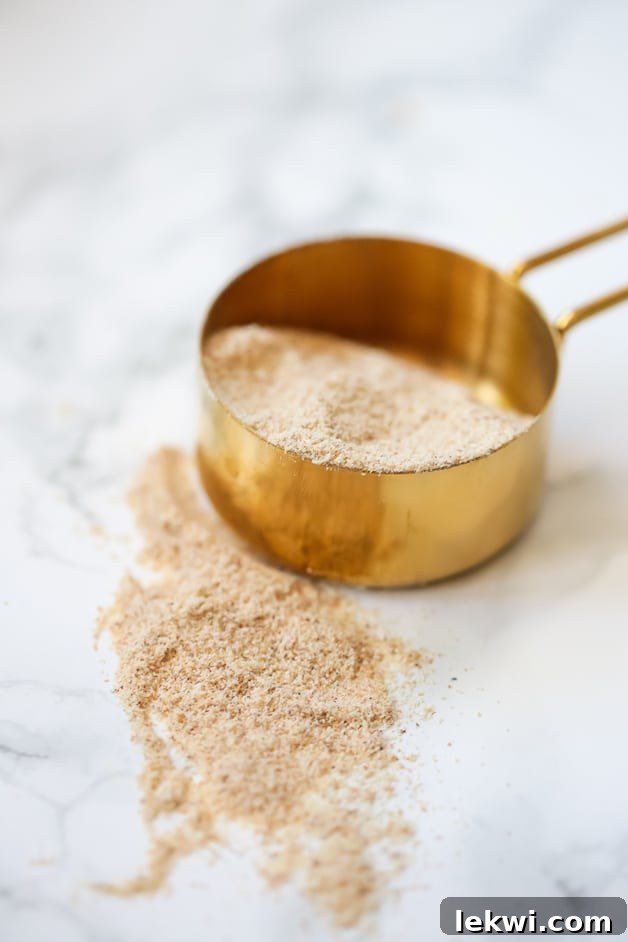
When I first encountered tigernut flour in various recipes, I confess I was utterly perplexed. “What on earth is a tigernut?” I wondered. “Where does it even originate? Is it a nut? And most importantly, where can I buy it?” This initial bewilderment kept me from experimenting with it for many months. However, once I decided to take the leap, it wasn’t just an experiment; it was a revelation that completely transformed my approach to baking, especially within the realm of gluten-free and allergy-friendly cooking.
I understand that you might be feeling the same confusion and curiosity I once did. That’s why I’ve compiled this comprehensive resource: The Ultimate Guide to Tigernut Flour! Here, we’ll demystify this incredible ingredient, explore its benefits, and equip you with the knowledge to incorporate it into your kitchen with confidence. Prepare to unlock a world of delicious, healthy, and allergy-friendly baking possibilities.
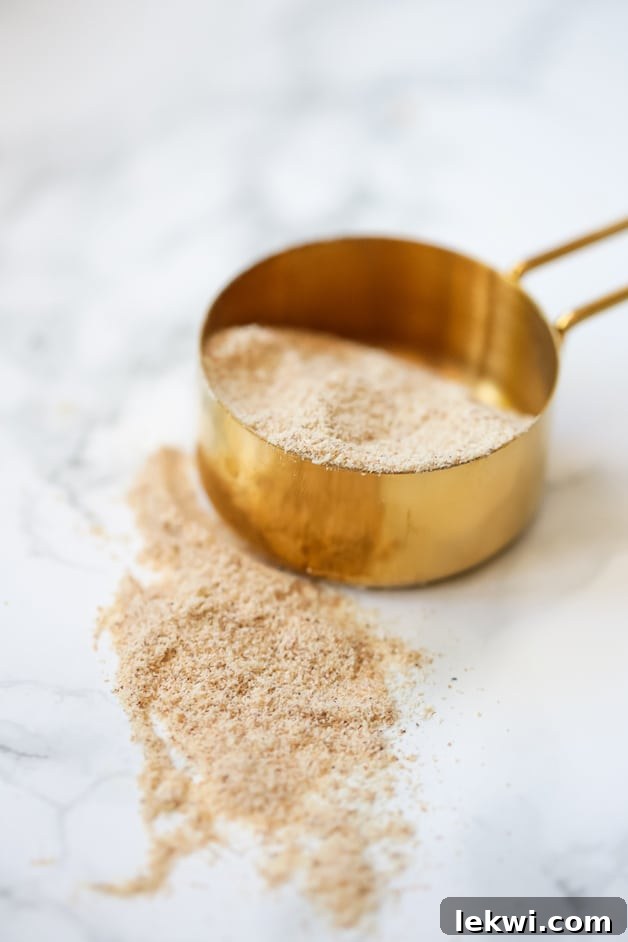
The Ultimate Guide to Tigernut Flour: Your Allergy-Friendly Baking Secret
First, What Exactly is a Tigernut? Is It a Nut?
The name “tigernut” is certainly misleading, as tigernuts are unequivocally not nuts! They may possess a similar appearance and a subtly nutty flavor profile, but botanically speaking, they are in an entirely different category. To help clarify this common misconception, think of a water chestnut—another ingredient with “nut” in its name that is, in fact, not a nut at all.
Tigernuts are actually classified as a small, tuberous root vegetable. Scientifically known as Cyperus esculentus, this ancient crop originated in Africa and has been a staple food source for centuries, dating back to ancient Egypt. Its rich history solidifies its status as a truly paleo ingredient, making it a perfect fit for ancestral diets and modern health-conscious lifestyles.
Beyond its ancient roots, tigernut flour boasts an impressive array of dietary advantages. It is naturally gluten-free, nut-free, and grain-free, making it an outstanding alternative for individuals navigating complex dietary protocols such as a paleo diet, an autoimmune protocol (AIP), or those with multiple food allergies and intolerances. If you’re seeking a versatile and safe option for a household with diverse dietary needs, tigernut flour is an exceptional choice.
The Nutritional Powerhouse: Health Benefits of Tigernut Flour
Tigernuts are more than just a safe baking alternative; they are a nutritional powerhouse. This humble root vegetable offers a wealth of benefits that contribute to overall well-being:
- Rich in Fiber: Tigernut flour is notably high in fiber, particularly resistant starch. This type of fiber acts as a prebiotic, nourishing beneficial gut bacteria and promoting a healthy digestive system. This can lead to improved gut motility and reduced discomfort.
- Healthy Fats: Despite being a root vegetable, tigernuts contain healthy monounsaturated fats, similar to those found in olive oil. These fats are crucial for heart health and can help in nutrient absorption.
- Vitamins and Minerals: They are a good source of essential vitamins and minerals, including Vitamin C, Vitamin E, potassium, magnesium, and iron. These nutrients play vital roles in immune function, energy production, and bone health.
- Antioxidant Properties: Tigernuts contain antioxidants that help protect the body from oxidative stress and inflammation, contributing to long-term health and disease prevention.
- Blood Sugar Regulation: The high fiber content in tigernut flour helps to slow down the absorption of sugar, which can lead to more stable blood glucose levels, a significant benefit for managing diabetes or maintaining balanced energy throughout the day.
Unleashing Versatility: What Can You Make From Tigernuts?
Just as innovative chefs and home bakers have explored the myriad possibilities with nuts, tigernuts offer a similarly broad spectrum of culinary applications. You can purchase raw or slivered tigernuts directly to create an array of delicious, homemade products:
- Tigernut Granola: A crunchy, satisfying, and allergy-friendly breakfast or snack.
- Tigernut Butter: A creamy spread, perfect for toast, fruit, or as a base for sauces, offering a nut-free alternative to traditional nut butters.
- Tigernut Milk (Horchata): A delightful, naturally sweet, dairy-free milk alternative, with a rich history, particularly in Spanish culture where it’s known as “Horchata de Chufa.” It’s incredibly refreshing on its own or used in recipes.
However, our primary focus here is on tigernut flour and its transformative potential in baking. This finely ground flour opens up a world of possibilities for creating delicious baked goods that cater to various dietary restrictions without sacrificing flavor or texture.
Sourcing Your Tigernut Products: Where to Buy Tigernuts and Tigernut Flour?
The availability of tigernut-based products has significantly increased in recent years, making them easier to find than ever before. Generally, you can locate tigernut flour and other tigernut products in specialized health food stores, natural grocery stores, and of course, online retailers.
Availability can certainly vary by geographical location, so it’s always wise to check a store’s website or call ahead before making a special trip. However, for sheer convenience and often a wider selection, the internet remains an invaluable resource for sourcing these unique ingredients. Many reputable online retailers specialize in gluten-free and allergy-friendly products, often stocking various brands and forms of tigernuts.
As the popularity of tigernuts grows, more brands are emerging, offering high-quality tigernut ingredients. Here are some trusted brands and where you can typically purchase them:
- Organic Gemini Tigernut Flour: A widely available and highly regarded brand, often found in many health food stores and available for purchase online.
- Anthony’s Goods Tigernut Flour: Another excellent option, particularly popular for its quality and often found readily available through online retailers.
- Raw Tigernuts (Whole or Peeled): Essential for making your own tigernut milk or butter, these can be purchased in many health food stores and online platforms.
- Tigernut Butter: For those who prefer the convenience of ready-made products, tigernut butter is becoming more common in health food stores and online.
- Tigernut Milk/Horchata: While you can easily make this at home from raw tigernuts, some specialty stores and ethnic markets (especially those catering to Spanish cuisine) may carry pre-made tigernut milk.
When selecting tigernut flour, look for brands that offer a fine grind. A finer grind will result in a smoother texture in your baked goods, reducing any potential grittiness that can sometimes be associated with alternative flours. Organic and sustainably sourced options are also excellent choices for ensuring premium quality.
Mastering Tigernut Flour in the Kitchen: What Can You Make?
Tigernuts themselves are incredibly versatile, and their flour derivative is no exception. It has quickly become one of my go-to flours, especially for baking sweet baked goods. Its naturally sweet, slightly earthy flavor profile complements a wide range of dessert recipes beautifully.
While tigernut flour truly shines in sweet applications, its utility isn’t strictly limited. For savory recipes, you might find it works well in light breading or as a binder in certain dishes, though its natural sweetness tends to lend itself more readily to desserts. The flour’s unique properties, including its natural sweetness, slight binding ability, and moisture-retaining qualities, make it a valuable ingredient for gluten-free and grain-free baking.
Here are just a few of my favorite recipes that showcase the delightful capabilities of tigernut flour:
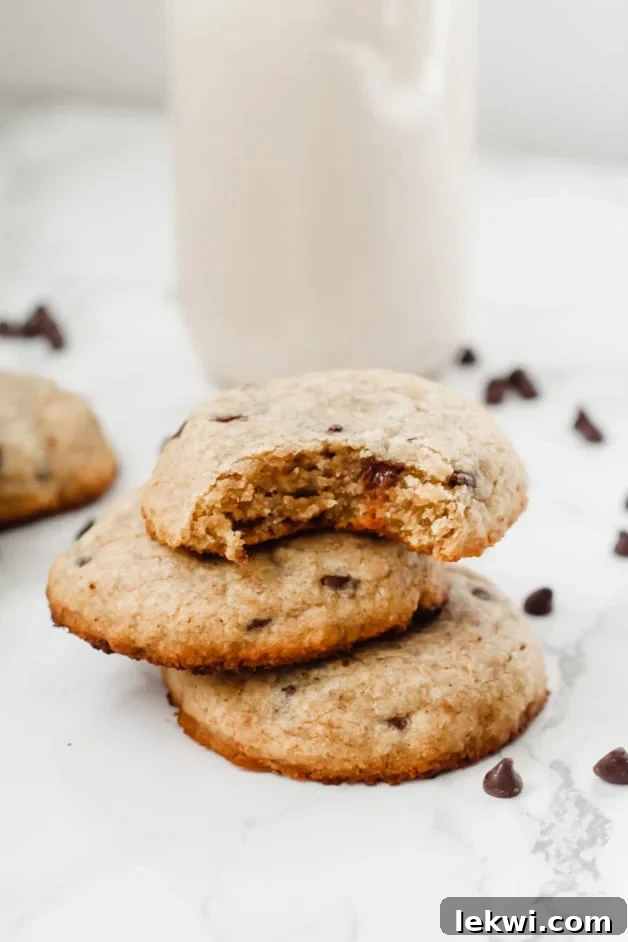
- Paleo Chocolate Chip Cookies: Achieving that perfect chewy-crisp balance without gluten or nuts.
- Orange Cranberry Scones: Light, fluffy, and bursting with flavor, these scones prove that allergy-friendly baking can be truly indulgent.
- Paleo Brownie Skillet: A rich, fudgy dessert that satisfies chocolate cravings while adhering to strict dietary guidelines.
Tigernut Flour vs. Other Alternative Flours: Why Choose It?
The world of alternative flours can be overwhelming, and there’s no single “best” flour, as each possesses unique properties that lend themselves to different baking goals. The choice often comes down to personal preference, recipe requirements, and dietary needs. However, tigernut flour offers several distinct advantages over other popular gluten-free and grain-free options:
- Compared to Coconut Flour: While coconut flour is also gluten-free and grain-free, it is incredibly absorbent and very high in a type of fiber that some individuals find hard to digest, often leading to digestive discomfort. Tigernut flour, by contrast, is lower in this type of fiber and generally gentler on sensitive digestive systems, making it a preferred choice for many with gut issues.
- Compared to Almond Flour: Almond flour is a fantastic gluten-free option, but it is, by definition, a nut flour. For anyone with tree nut allergies, almond flour is off-limits. Tigernut flour provides a truly nut-free alternative that often mimics the texture and baking performance of almond flour surprisingly well, without any allergen concerns.
- Compared to Cassava Flour: Cassava flour is a versatile, starch-based gluten-free flour. However, it can be quite starchy and often requires more liquid, and some find its flavor profile less neutral than tigernut flour. Tigernut flour’s natural sweetness and unique fiber content offer a different textural and nutritional outcome.
As someone who frequently works with individuals managing various gut issues and allergies, I’ve observed that tigernut flour tends to be tolerated exceptionally well, often causing fewer digestive complaints compared to the flours mentioned above. Of course, individual responses vary, but this general trend highlights its suitability for sensitive diets.
Taste Profile and Texture: What Does Tigernut Flour Taste Like?
Tigernut flour possesses a wonderfully distinct yet approachable flavor. It is often described as having a slightly nutty taste, reminiscent of a mild almond flour, but with its own unique, subtly earthy, and naturally sweet undertones. This inherent sweetness means you might even be able to reduce the amount of added sugars in your recipes, contributing to healthier outcomes.
In terms of texture, tigernut flour, especially a finely ground variety, has a pleasant feel. While some coarser grinds might exhibit a slight grittiness, premium tigernut flours are finely milled to ensure a smoother, more delicate crumb in your baked goods. It contributes a lovely density and moisture retention that can be challenging to achieve with other gluten-free flours.
Substitution Strategies: What’s a Good Substitute for Tigernut Flour?
Honestly, substituting gluten-free and grain-free flours is rarely a straightforward 1:1 swap. Each flour interacts differently with liquids, fats, and leavening agents, and the optimal amount is highly dependent on the other ingredients and the desired consistency of the specific recipe. Baking with alternative flours often requires a delicate balance and some experimentation.
However, if you’re in a pinch and absolutely need a substitute, almond flour is generally your best bet for recipes that call for tigernut flour, particularly in sweet baked goods. Keep in mind that you might need to adjust the liquid content slightly, as almond flour can absorb liquids differently. Always be prepared for some recipe testing when making such substitutions, as results can vary significantly.
For more complex recipes, a blend of almond flour with a small amount of a binding starch like arrowroot or tapioca starch might yield better results, mimicking tigernut flour’s dual role as a base flour and a slight binder. However, for those with nut allergies, this substitution would obviously not be suitable.
Advanced Tips For Baking With Tigernut Flour… And Beyond!
To ensure your baking endeavors with tigernut flour are a resounding success, keep these expert tips in mind:
- Combat Grittiness with a Sifter: If you find a particular brand of tigernut flour to have a slightly gritty texture, don’t despair! A simple solution is to pass the flour through a fine-mesh sieve or sifter before incorporating it into your dry ingredients. This will help break up any larger particles and result in a much finer, smoother texture in your final product.
- Combine with Starchier Binders: When developing new recipes or adapting existing ones for baked goods, you’ll likely find that tigernut flour performs best when combined with a starchier binder. Flours like arrowroot starch or tapioca starch provide the necessary structure and elasticity that gluten typically offers. A common starting ratio for gluten-free baking is often around 70-80% tigernut flour to 20-30% starch, but this can vary. Refer to proven recipes (like the ones linked above) for ideal ratio ideas.
- Adjust Hydration Carefully: Tigernut flour is quite absorbent, though less so than coconut flour. Pay close attention to the liquid content in your recipes. You may need to add a touch more liquid than traditional flour recipes call for to prevent your baked goods from becoming too dry or crumbly.
- Embrace the Flavor: Tigernut flour has a delightful, subtly sweet and nutty flavor. Don’t try to mask it; instead, allow it to complement other ingredients. It pairs wonderfully with spices like cinnamon, nutmeg, and ginger, and fruits such as berries, apples, and bananas.
- Proper Storage is Key: Like many alternative flours, tigernut flour benefits from proper storage. To maintain its freshness and prevent spoilage, store it in an airtight container in a cool, dark place. For extended freshness, especially in warmer climates, consider storing it in the refrigerator or freezer.
- Keep an Open Mind, and Enjoy!: Baking with alternative flours is an art and a science that often involves patience and a willingness to experiment. Don’t be discouraged if your first attempt isn’t perfect. Embrace the process, learn from each batch, and most importantly, enjoy the delicious, healthy, and allergy-friendly creations you bring to life with tigernut flour!
Tigernut flour is a truly remarkable ingredient that offers a world of possibilities for delicious, health-conscious, and allergy-friendly baking. From its ancient origins as a nutritious root vegetable to its modern-day application as a versatile flour, it’s an ingredient worth getting to know. So, shed any lingering confusion, grab a bag of tigernut flour, and start baking your way to healthier, happier treats!