This post contains affiliate links.
Irresistible Carrot Cake Muffins: Your Allergy-Friendly, Paleo & AIP Treat
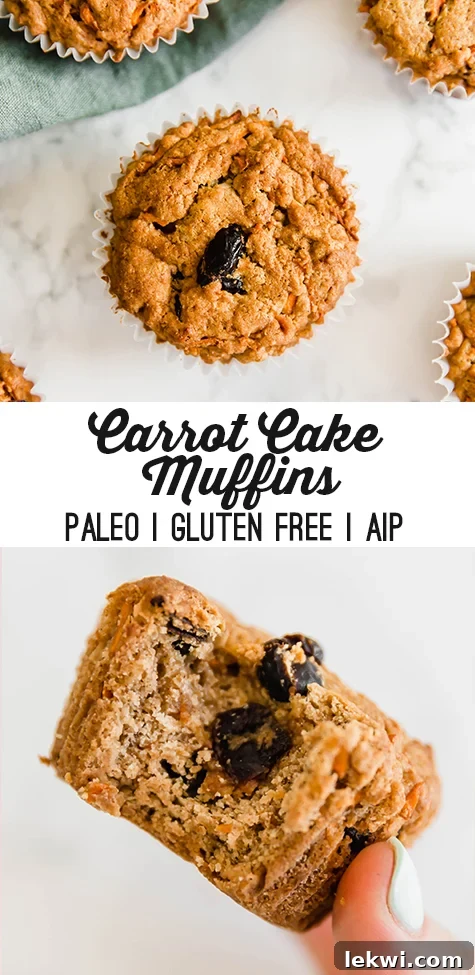
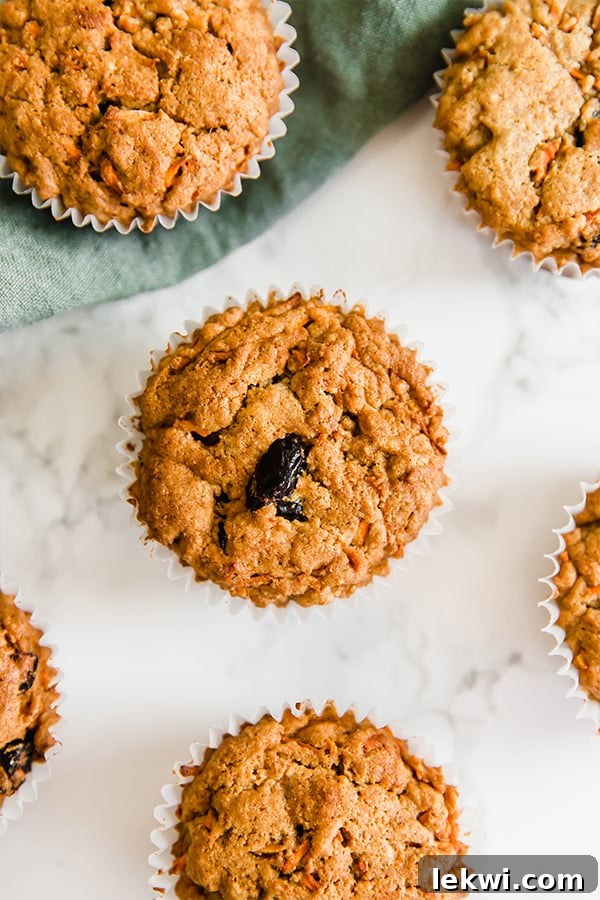
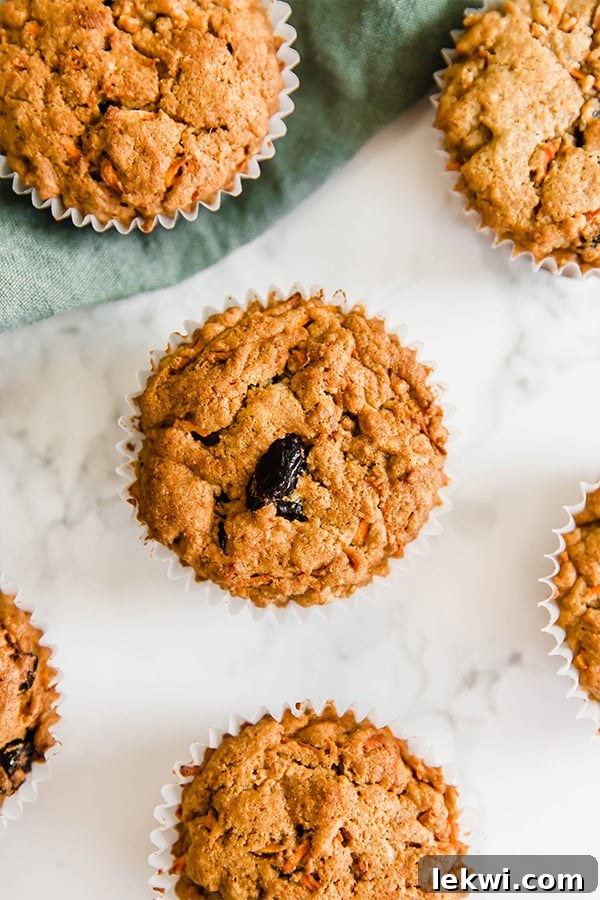
Discover the ultimate guilt-free indulgence with these incredible carrot cake muffins! Crafted with care, they are not only utterly delicious but also perfectly suited for various dietary needs. This recipe ensures that everyone can enjoy a classic dessert reimagined, being completely Paleo, AIP (Autoimmune Protocol), gluten-free, dairy-free, grain-free, nut-free, and egg-free. Forget the days of sacrificing flavor for dietary compliance – these muffins offer the best of both worlds, proving that healthy can be incredibly delicious!
The Journey to the Perfect Allergy-Friendly Carrot Cake Muffin
For many years, the joy of a classic carrot cake was largely out of reach for me. A lifelong allergy to most nuts (with almonds being a rare exception) meant that this beloved dessert, almost always laden with pecans or walnuts, was strictly off-limits. It’s a familiar disappointment when certain foods are excluded from your diet, a feeling that often sparks a creative drive in the kitchen. My love for the comforting flavors of carrot cake, combined with the frustration of limited options, became the catalyst for developing this unique recipe.
This personal challenge fueled my mission: to create a carrot cake muffin recipe that was not just “good for being allergy-friendly,” but genuinely outstanding in its own right. I envisioned a muffin that could be enjoyed by everyone, regardless of common dietary restrictions, without compromising on that comforting, spiced carrot cake flavor and satisfying texture. These muffins are designed to be shareable, catering to a wide array of preferences and needs. Whether you’re planning an an Easter brunch, looking for a wholesome after-dinner treat, or simply craving a delicious and healthy snack, these allergy-friendly carrot cake muffins are the perfect solution. They embody the spirit of inclusive baking, allowing more people to enjoy the rich, sweet, and spiced goodness of carrot cake.
Unlocking the Secret to Amazing Texture in Grain-Free Baking
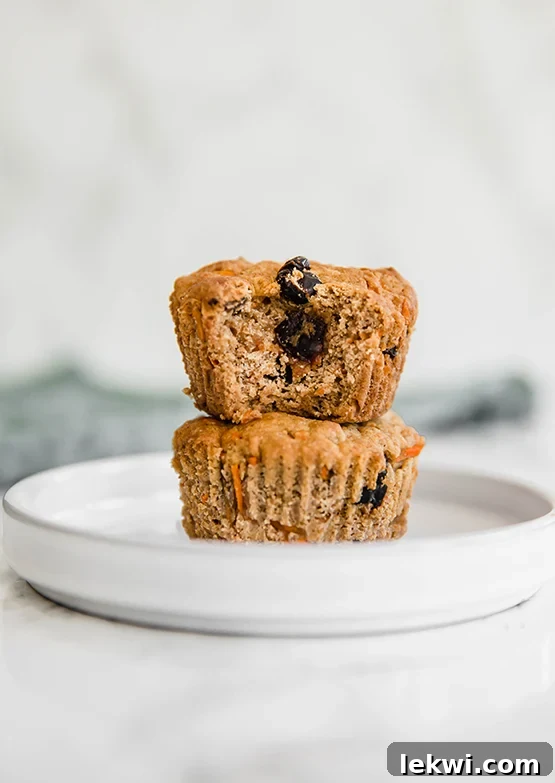
Creating muffins without traditional binders like grains and eggs can often lead to a crumbly, overly soft, or dense texture that falls short of expectations. It’s a common hurdle in the world of allergy-friendly baking, and one that I was determined to overcome with this recipe. I’m thrilled to say that these carrot cake muffins defy those expectations entirely! They boast a wonderfully moist crumb and a structure that holds together beautifully, much like their conventional counterparts. You might even find yourself questioning if they are indeed grain-free!
The key to achieving this remarkable texture lies in a simple, yet crucial, step: Patience during cooling. It might be tempting to dive right into these warm, fragrant muffins, but allowing them to cool completely is essential. This crucial setting time prevents them from becoming too soft and helps them firm up, ensuring that delightful, perfectly baked consistency. For optimal results, let them rest on a cooling rack on the counter for at least 30 minutes. For an even firmer set and a more robust texture, consider placing them in the refrigerator for a short period after they’ve cooled to room temperature. Trust me, this small step makes a monumental difference in achieving a muffin that holds its shape and offers that satisfying bite!
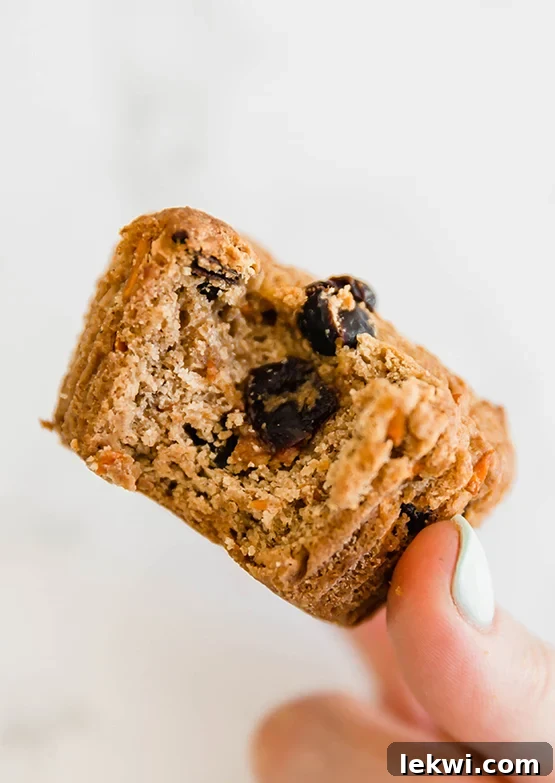
Seriously, achieving this kind of delightful and resilient texture in a grain-free, egg-free baked good is truly a culinary victory. It’s a kind of texture I genuinely missed when I first embraced a grain-free lifestyle, and I am absolutely ecstatic to have perfected this option that allows for enjoyable baked treats once again. This success has definitely opened the door to exploring more innovative and equally delicious muffin recipes in the future, so stay tuned!
Essential Ingredients for Your Paleo & AIP Carrot Cake Muffins
Each ingredient in this recipe is carefully selected not only for its incredible flavor contribution but also for its specific functional properties in creating allergy-friendly baked goods that taste and feel like traditional treats. Let’s delve into what makes these muffins so special and how each component contributes to their success and dietary compliance.
Tigernut Flour: The Nut-Free Secret Weapon for Texture
Despite its misleading name, tigernut flour is not derived from a nut but from a small, fibrous tuber. This makes it an invaluable and safe option for those with nut allergies or following the Autoimmune Protocol (AIP). Tigernut flour imparts a slightly sweet, earthy flavor reminiscent of root vegetables and contributes significantly to the muffins’ fantastic, slightly rustic texture. It successfully mimics the richness and body often associated with almond flour in traditional grain-free baking. If you tolerate nuts, almond flour may be a possible swap, but for strict AIP or nut-free requirements, tigernut flour is the go-to. It’s important to note that cassava flour is not a suitable substitute in this specific recipe due to its different absorption rates and binding properties, which would drastically alter the final texture.
Tapioca Flour: For That Perfect Chewy Consistency
Tapioca flour, also commonly known as tapioca starch, is a remarkable gluten-free thickener and binder extracted from the cassava root. In these carrot cake muffins, it plays a crucial role in providing a lovely chewiness and helping to create a cohesive structure that holds the muffins together. It contributes to the desired light yet satisfying consistency that can often be challenging to achieve in grain-free and egg-free baking. Its neutral flavor also ensures it doesn’t interfere with the delightful spices and carrot notes. If needed, you can generally substitute tapioca flour with arrowroot starch, as they share similar properties and will yield comparable results in terms of binding and texture.
Coconut Flour & Coconut Oil: The Duo for Moisture and Richness
Coconut flour is an incredibly absorbent ingredient, making it ideal for balancing the moisture introduced by the shredded carrots and other wet components in the batter. It adds a subtle, naturally sweet flavor and boosts the fiber content, contributing to a wonderfully moist yet structurally sound crumb. Given its unique absorption properties, I highly recommend sticking with coconut flour for this recipe, as I have not tested it with other flours, and substitutions could significantly impact the outcome. Coconut oil, a healthy saturated fat, serves as the primary fat source in these muffins, effectively replacing butter or other dairy fats. It ensures the muffins remain tender, rich, and moist. While I haven’t personally tried it, palm shortening might work as an alternative to coconut oil if you’re looking for a different fat profile, but be aware that results regarding texture and flavor may vary.
Maple Syrup: Nature’s Sweet and AIP-Compliant Choice
Pure maple syrup is our preferred natural sweetener for these muffins. It provides a balanced, rich sweetness that perfectly complements the warming spices and earthy carrots without being overly saccharine. Crucially, maple syrup is also an AIP-compliant sweetener, making these muffins suitable for those following the Autoimmune Protocol. Its distinct flavor adds another layer of depth to the overall profile of the carrot cake. For an alternative, pure honey can typically be swapped for maple syrup in equal measure, offering a slightly different but equally delightful sweetness and flavor, though keep in mind honey is not always AIP compliant depending on the reintroduction phase.
Shredded Carrots: The Essential Star of the Show
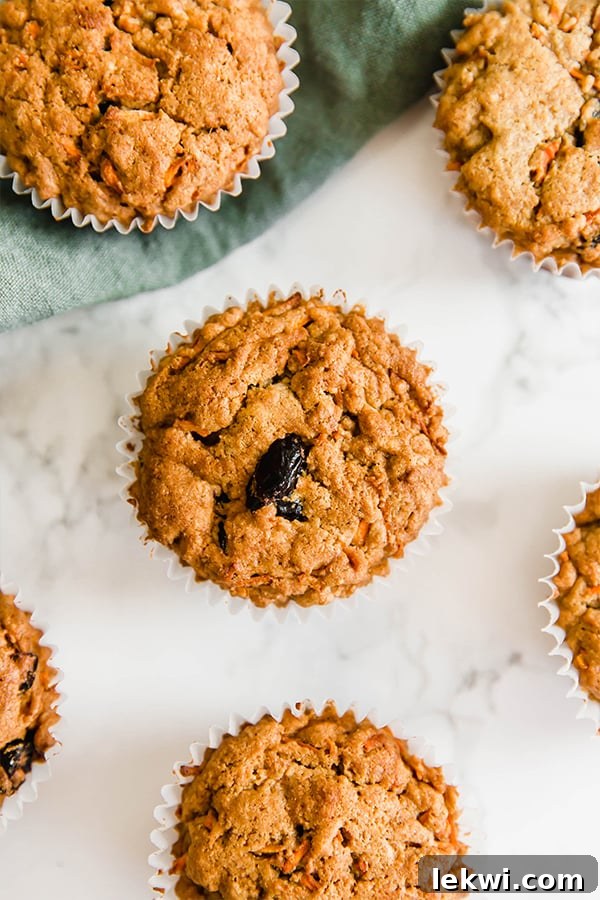
Of course, carrot cake simply wouldn’t be carrot cake without the vibrant and naturally sweet addition of fresh carrots! Finely shredded carrots are absolutely essential for both imparting their characteristic flavor and contributing vital moisture to the muffins. The fine shred ensures that the carrots integrate seamlessly into the batter, distributing their natural sweetness and softening perfectly during baking. You can achieve the ideal consistency using either a standard box grater for a slightly coarser texture that adds visual appeal, or a food processor for a very fine shred, which helps them virtually melt into the muffin. Ensure you use fresh, firm carrots for the best results.
Raisins or Dried Cranberries: A Touch of Fruity Sweetness
Traditionally, plump golden raisins are a staple in carrot cake, offering delightful pockets of concentrated sweetness and a pleasant chewiness that contrasts beautifully with the soft muffin. However, finding raisins without undesirable added sugars or weird oils can sometimes be a challenge, especially for those adhering to strict dietary guidelines like AIP. As an excellent and equally delicious alternative, I often opt for quality dried cranberries. They provide a wonderful sweet-tart contrast that elevates the overall flavor of the muffins and adds another dimension of fruitiness. Whichever dried fruit you choose, always make sure to source varieties that are free from unwelcome additives, refined sugars, or seed oils.
Eggs or Gelatin Eggs: The Crucial Binder
For those avoiding eggs, whether due to allergies or following the AIP, this recipe ingeniously utilizes a clever solution: homemade grass-fed gelatin eggs. This innovative binder is created by blooming gelatin powder in water and then vigorously whisking it until it achieves a frothy, egg-like consistency, effectively mimicking the binding properties of traditional eggs without any of the common allergens. This makes the muffins truly egg-free and perfectly suitable for the AIP. If, however, you tolerate regular eggs and prefer to use them, two standard large eggs can be easily substituted in the recipe. Simply add them to the wet ingredients as usual.
More Allergy-Friendly Delights You Might Enjoy
- Wholesome Blueberry Banana Muffins
- Nutrient-Rich Carrot Cake Protein Cookies
- Zesty Lemon Berry Scones
Carrot Cake Muffins (Gluten-Free, Paleo, AIP)
Leave a Review
Pin Recipe
Ingredients
- 1 cup tigernut flour
- ¼ cup tapioca starch
- 2 tbsp coconut flour
- 1 cup finely shredded carrots
- 2 tbsp raisins, or dried cranberries (ensure no added sugars/oils)
- ½ tsp baking soda
- 1 tsp cinnamon
- ¼ cup maple syrup (pure)
- ⅓ cup + 2 tbsp coconut oil, melted
- 2 eggs, or prepare gelatin eggs (see notes below for instructions)
For Gelatin Egg Substitute
- ½ cup cold water
- 2 tbsp grass-fed gelatin powder
Instructions
- Prepare for Baking: Preheat your oven to 375°F (190°C). Line a standard 12-cup muffin tin with 8-9 muffin liners. If using gelatin eggs, prepare them according to the notes below and set aside.
- Combine Dry Ingredients: In a large mixing bowl, combine the tigernut flour, tapioca starch, coconut flour, finely shredded carrots, raisins (or dried cranberries), baking soda, and cinnamon. Mix well with a spoon or whisk until all ingredients are evenly distributed.
- Add Wet Ingredients (except eggs): Pour in the maple syrup and the melted coconut oil. Stir thoroughly until these wet ingredients are fully incorporated into the dry mixture, forming a thick batter.
- Incorporate Eggs/Gelatin Eggs: Carefully mix in the two regular eggs, or the prepared gelatin eggs if using. Continue to stir until a uniform, cohesive dough is achieved. Be mindful not to overmix the batter, as this can affect the muffin’s texture.
- Fill Muffin Liners: Evenly spoon the muffin dough into the prepared muffin liners, filling each approximately two-thirds full. This recipe is designed to yield about 8-9 medium-sized muffins.
- Bake to Perfection: Place the muffin tin into the preheated oven and bake for 20-25 minutes. The muffins are done when they appear beautifully golden brown on top, and a toothpick inserted into the center comes out clean, indicating they are baked through.
- Cool Completely: Carefully remove the muffin tin from the oven and transfer the baked muffins to a wire cooling rack. It is crucial to allow them to cool completely before enjoying. This cooling period is vital for the muffins to set properly and achieve their ideal texture. For an even firmer set and enhanced texture, consider placing the completely cooled muffins in the refrigerator for a short while before serving.
Notes
For the Gelatin Egg Substitute: To create two gelatin eggs, begin by adding ½ cup of cold water to a small saucepan. Slowly and evenly sprinkle 2 tablespoons of grass-fed gelatin powder over the water. Let the mixture sit undisturbed for 2-3 minutes to allow the gelatin to “bloom” and harden. Next, place the saucepan on the stove over very low heat. Gently stir the mixture with a fork for about 1-2 minutes, just until the gelatin has completely melted and the mixture has returned to a liquid state. Immediately remove the saucepan from the heat. Vigorously whisk the warm liquid until it becomes frothy and bubbly. Pour this frothy mixture directly into your muffin batter as an instant substitute for two eggs.
Nutrition Disclaimer: All nutrition facts provided are estimations and will vary based on specific brands and types of ingredients used. Please note that the nutrition facts do not account for any ingredient swap options mentioned within the recipe or notes.
Nutrition Information
All values are approximate per serving (1 muffin):
- Serving Size: 1 muffin
- Calories: 257 kcal
- Carbohydrates: 26.4g
- Protein: 5.3g
- Fat: 15.3g
- Fiber: 8g
These nutrition facts are estimated and will vary based on precise measurements and ingredient brands.
We’d love to see your creations! Tag @unboundwellness on Instagram and use the hashtag #unboundwellness!
Want to save this recipe for later?
Simply enter your name and email below, and we’ll send this delicious carrot cake muffin recipe straight to your inbox for easy access! ✉️