
Life as a newly married couple unfolds with a delightful array of shared adventures and an inherent sense of companionship. My husband, Daniel, and I exchanged vows during our civil ceremony earlier this year, promising to be each other’s steadfast “best friend.” While he initially found the phrase somewhat endearing but a touch corny, I embraced it as a lifetime invitation to embark on countless spontaneous and meaningful “funsies” together. So, when an enticing Instagram post for Johnson’s Backyard Garden’s annual fall potluck and farm tour appeared in my feed, I instantly knew it was the perfect opportunity for a memorable date and an exploration of something we both value: real, wholesome food.
Although I don’t participate in Johnson’s Backyard Garden’s Community Supported Agriculture (CSA) program – primarily due to my specific dietary restrictions, including multiple food intolerances and the strict autoimmune protocol (AIP) I follow – I remain a dedicated patron. Every Saturday, without fail, I make my way to the local Farmers Market, where I source a significant portion of my weekly vegetable supply directly from JBG. Their commitment to fair pricing is consistently remarkable, and the quality of their produce far surpasses anything I’ve found in conventional grocery stores. The vibrant colors, crisp textures, and rich flavors speak volumes about the care and dedication invested in their farming practices, making the trip to the market an integral part of my “real food” routine.
My journey towards a real food lifestyle, deeply rooted in local and sustainable choices, has been a gradual, evolving process. Just a few short years ago, the concept of buying local produce or meat seemed an unnecessary extravagance, a logistical hassle, and I frankly doubted its tangible impact on my health. However, as with any profound personal transformation, I’ve come to understand that everyone’s health journey progresses in unique stages, demanding patience and a willingness to learn at one’s own pace. My ongoing assimilation into this philosophy, coupled with my intensive studies to become a Nutritional Therapy Practitioner, has unequivocally illuminated the immense value of sourcing food locally. This paradigm shift means that today, virtually all of my meat is purchased from local, pastured, and grass-fed sources, and the vast majority of my produce follows suit – with the occasional, admittedly guilty pleasure of frozen mangoes or other tropical fruits (because, let’s be honest, some cravings are hard to resist!).
The stark contrast between local and conventional sourcing becomes particularly evident when considering the journey of a simple squash. When I purchase squash from a typical grocery store, it has most likely been cultivated in a distant state, meticulously packed onto a large truck, and then transported or even flown thousands of miles across the country. Upon arrival, it sits in a warehouse before being stocked on a store shelf, where its price is inevitably marked up. This means I’m not only paying the store’s profit margin, but I’m also indirectly covering the substantial travel costs and contributing to a significantly larger environmental footprint – all for a single, modest vegetable. Conversely, when I choose to buy that same squash directly from a local farm like Johnson’s Backyard Garden, I eliminate these intermediate steps, resulting in a more economical purchase and a dramatically reduced impact on our planet.
The benefits of buying local extend far beyond mere financial savings and environmental consciousness. The nutrient value of produce begins to diminish almost immediately after harvest, a process accelerated by prolonged travel times and suboptimal handling during transportation. Consider our paleo ancestors: did they frequent vast warehouses or drive-throughs to procure bacon from industrially raised pigs or chemically processed baby carrots imported from thousands of miles away? Absolutely not. Their diets were intrinsically linked to their immediate environment, consisting of what was in season, readily available, and local to their dwelling. This ancient wisdom underscores a fundamental truth: eating food that is healthier, more natural, and aligned with our bodies’ design. It’s a method of nourishment that honors both human biology and ecological balance, and as an added bonus, local, fresh produce simply tastes incomparably better.
Engaging with the local food system offers a multifaceted reward. By choosing to buy local, I’m actively channeling my resources back into my community, supporting the livelihoods of dedicated farmers and bolstering the local economy. Furthermore, it provides the invaluable opportunity to personally connect with the individuals who cultivate my food or raise my meat. This direct interaction fosters a sense of trust and transparency, allowing me to ask questions about their practices and understand the origins of what I consume. In the case of Johnson’s Backyard Garden, this connection deepened even further, granting me the profound privilege of witnessing firsthand where my food is grown and harvested.
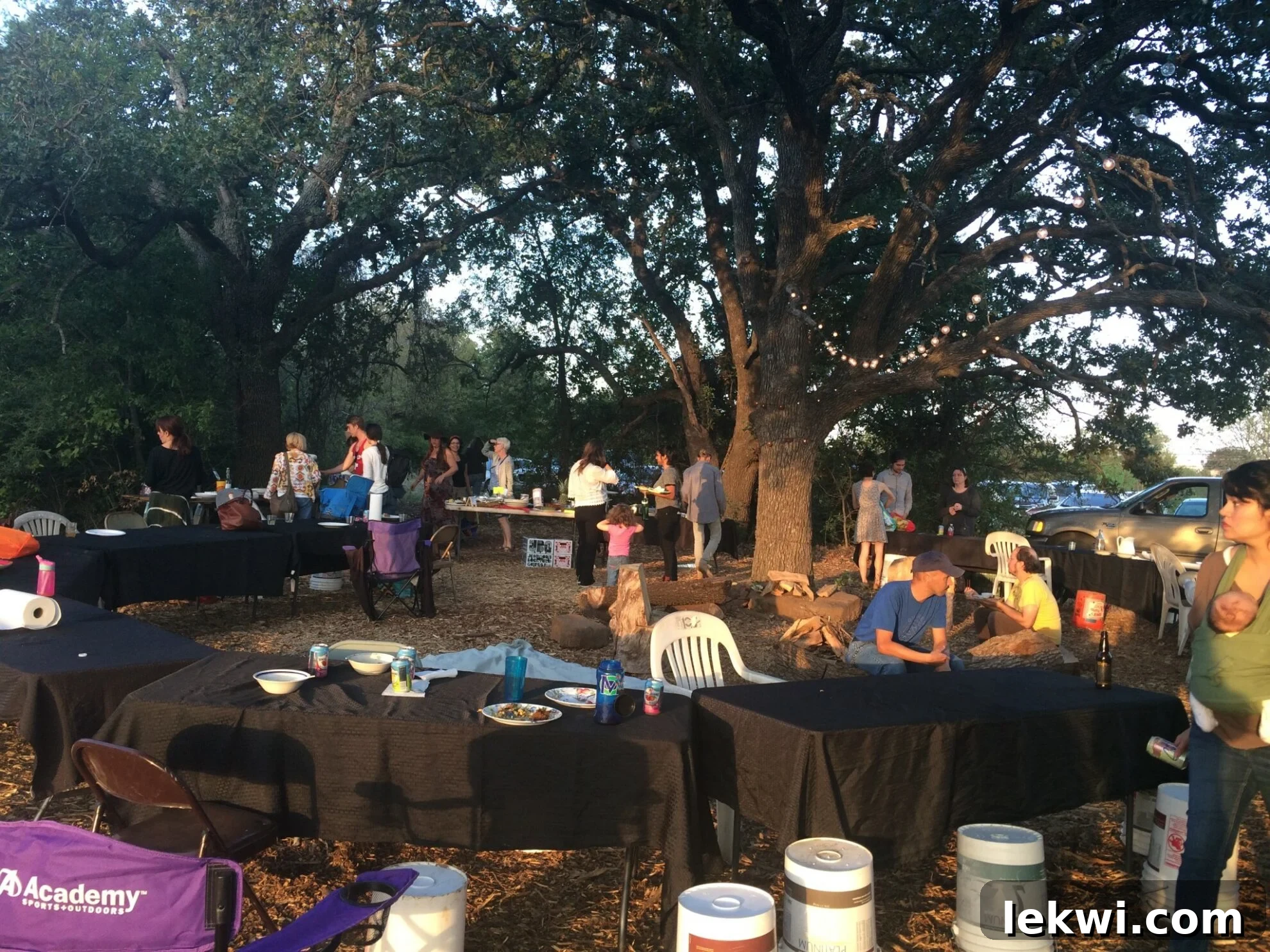
Johnson’s Backyard Garden, a prominent Texas-based Community Supported Agriculture (CSA) operation, boasts its main headquarters in Austin, but my local connection to them is through their farm situated in Denton. The specific event we attended was, as the organizers proudly announced, their very first potluck hosted at the Denton farm, and the turnout was nothing short of fantastic! The atmosphere was vibrant and communal, reflecting a shared passion for good food and sustainable living. Guests were thoughtfully asked to bring both a homemade dish to share and their own reusable silverware, a simple yet effective initiative designed to minimize waste and promote environmental responsibility – a detail that deeply resonated with our own values.
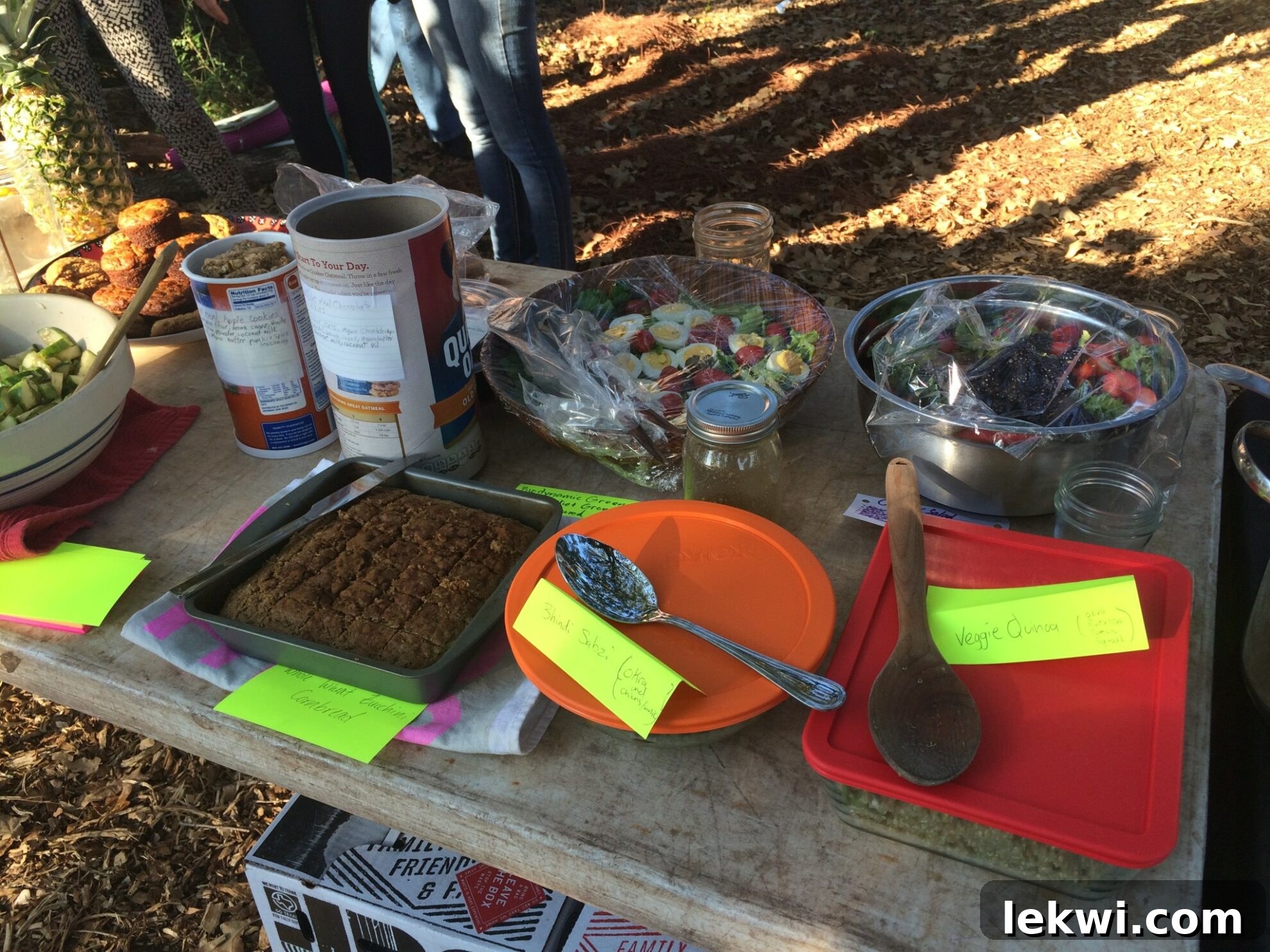
For my contribution to the potluck, I prepared a batch of my favorite paleo crepes. These delicate crepes were crafted using locally sourced, pastured eggs – a cornerstone of my nutrient-dense diet – and topped with a luscious blueberry sauce. While I typically strive for entirely local ingredients, I did opt for frozen blueberries for the sauce. I’ll admit, Texas isn’t exactly renowned for its prime blueberry growing conditions, so sometimes a practical concession is necessary to enjoy a desired flavor, even when pursuing a rigorous real food lifestyle.

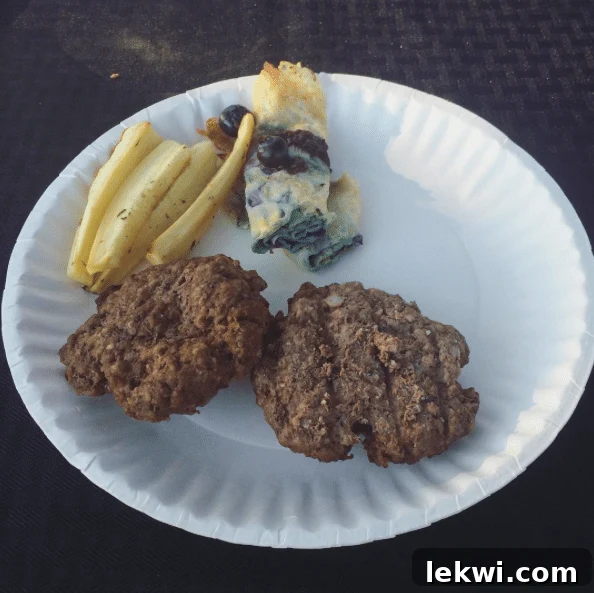
When the time arrived for dinner, I anticipated that my options would be quite limited, given my adherence to the autoimmune protocol with only a few specific reintroductions. My expectations proved correct, as I observed an abundance of nightshade-containing dishes – such as tomatoes, peppers, and eggplants – which, regrettably, I couldn’t indulge in. However, rather than feeling deprived, I came prepared and self-sufficient. I had thoughtfully brought along my own grass-fed burger, conveniently frozen and ready for reheating, paired with some delicious paleo parsnip fries. Coupled with my homemade crepes, I still enjoyed a satisfying and safe meal, fully participating in the communal dining experience without compromising my dietary needs.
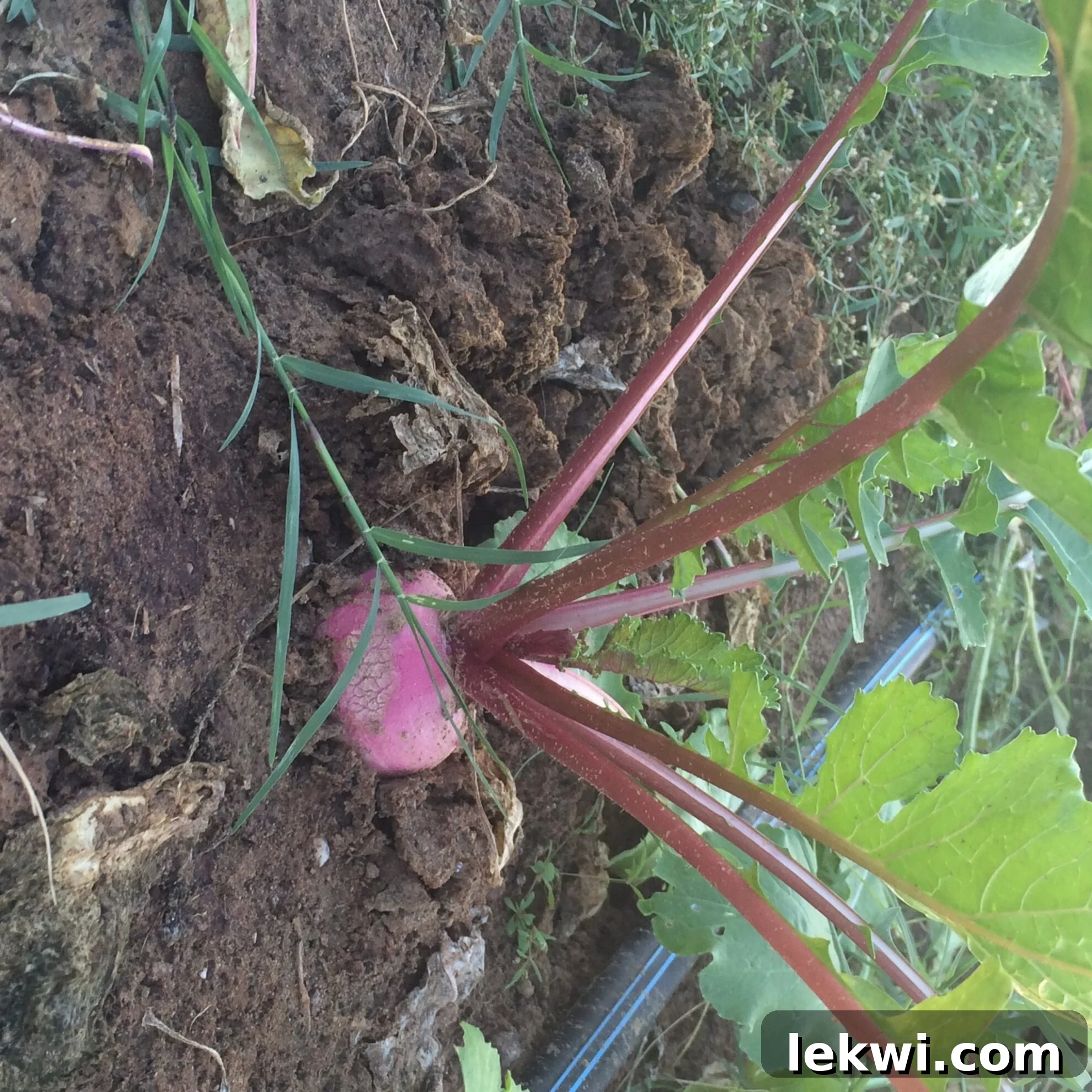
After a convivial dinner, the highlight of the evening commenced: the much-anticipated farm tour. Johnson’s Backyard Garden’s Denton location spans an impressive five acres of fertile land, a testament to the dedication required for sustainable agriculture. This productive expanse is diligently managed by a small team of full-time employees, augmented by a vibrant community of passionate volunteers, all working collaboratively to cultivate and harvest an incredible diversity of delicious, nutrient-rich vegetables. Walking through the rows, feeling the soil, and seeing the abundance of life truly brought the farm-to-table concept to vivid reality.
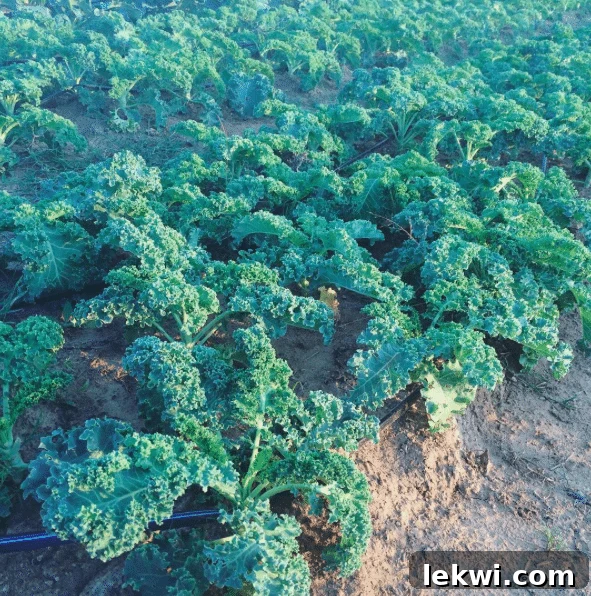
During our stroll, I spotted the very same vibrant cucumbers that I had admired earlier that morning at the Farmers Market. While I hadn’t managed to snap a picture or purchase them at the time, I was delighted to get a second chance to appreciate their beauty and freshness directly from the source. Seeing them growing on the vine, glistening in the evening light, provided a deeper appreciation for their journey from farm to market. They looked incredibly awesome, a true testament to the farm’s meticulous cultivation.

Another particularly memorable and especially fun highlight of the evening involved the nearly out-of-season honeydew melons. Guests were enthusiastically welcomed to participate in a lighthearted, communal activity: throwing these large melons. While the resulting photograph, capturing a melon mid-flight, appears far more dramatic and impressive, my actual throwing prowess was somewhat less spectacular, perhaps only managing a modest fifteen feet. Oh well, it was still a joyous experience! Plus, I have an intolerance to honeydew anyway, so perhaps we can just playfully attribute my weak throw to some subconscious bodily aversion.
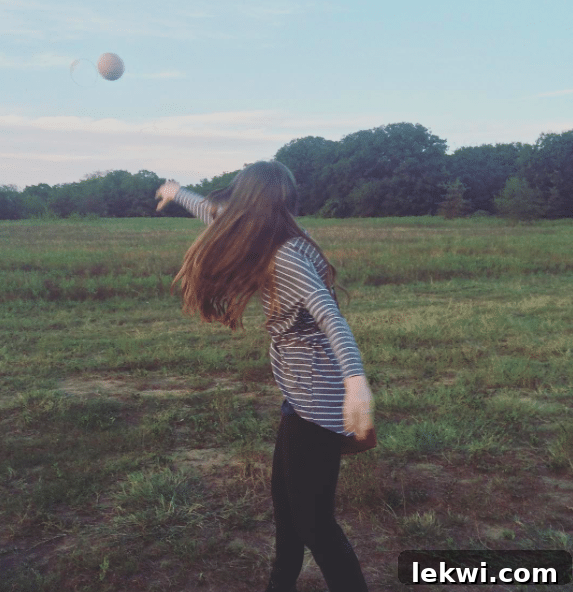
With our wedding just a week away at the time of this incredible visit, the Johnson’s Backyard Garden potluck and farm tour served as a much-needed and thoroughly cherished escape. It was truly wonderful to step away from the myriad stresses of wedding planning and preparation, allowing Daniel and me to simply reconnect, enjoy each other’s company, and appreciate the simple beauty of nature and community. This delightful date night was a perfect reminder of the balance we strive for, even amidst life’s most exciting, yet demanding, moments.

A heartfelt and immense thank you goes out to Johnson’s Backyard Garden in Denton for consistently providing such delicious, high-quality produce and for graciously hosting such a fun, engaging, and enlightening evening. Their dedication to sustainable farming and community engagement is truly inspiring. On a related note, I invite you to explore my guest post on Real Food Diets, which features a mouth-watering paleo stuffed acorn squash recipe. Fittingly, the very squash I used in that recipe was sourced directly from JBG Denton, bringing us full circle in our appreciation for local, real food.
We’d love to hear from you! Have you ever had the enriching experience of volunteering on a farm, or perhaps embarked on a memorable farm tour yourself? Share your stories and insights with us in the comments below!