It likely comes as no surprise that digestive problems are incredibly common, often serving as the root cause for a myriad of health issues encountered in nutritional therapy practice. Conditions such as persistent fatigue, autoimmune disorders, recurring migraines, vitamin and mineral deficiencies, and even the increasingly recognized “leaky gut” syndrome can frequently trace their origins back to impaired digestion. Regrettably, digestive discomfort has become somewhat normalized in modern society. We are constantly exposed to advertisements for acid blockers and anti-bloating medications, leading many to believe that experiencing an upset stomach after meals is an entirely normal part of life. However, while digestive issues may be prevalent, they are far from normal. Beyond the immediate discomfort of bloating, gas, irregular hunger patterns, and constipation, these issues can, over time, pave the way for more serious health complications. Society often provides quick-fix pills for digestive woes but offers precious few holistic strategies for natural, long-term management. This understanding is precisely why I am dedicated to sharing my most effective strategies for fostering optimal digestive health naturally.
Having extensively worked within the autoimmune and gut healing communities, and as the author of a comprehensive 30-Day Gut Healing Guide e-book, the topic of digestion holds a particularly personal and profound significance for me. For many years, despite my reluctance to admit it, I grappled with severe digestive problems that plagued me from my earliest memories. I experienced pronounced food aversions, erratic hunger signals, and a pervasive, unidentifiable nausea that lingered constantly. This challenging period persisted for years, eventually escalating into autoimmune disease and significant gut permeability. Despite numerous attempts to find relief through various diets and lifestyle changes, true healing and equilibrium remained elusive until I decisively addressed and prioritized my digestive health. It was through this journey that I realized the transformative power of understanding and nurturing our gut.
The Indispensable Role of Digestion in Your Overall Health
In the expansive realm of holistic health, an immense amount of emphasis is frequently placed on diet. We often perceive food solely as the primary mechanism for healing, and when a particular dietary approach fails to yield desired results, the immediate inclination is to simply switch to another one. Yet, there’s a fundamental truth often overlooked: diet, in isolation, is not everything. The old adage, “You are what you eat,” while partially true, misses a crucial component. A more accurate and profound statement, championed by Gray Grahm, the founder of the Nutritional Therapy Association, is: “We are what we digest.”
Consider this: one could be consuming the most meticulously curated, nutrient-dense diet imaginable—rich in healthy fats, high-quality proteins, and an abundance of fresh, organic vegetables. However, if the body’s digestive system is compromised and unable to effectively break down, assimilate, and absorb these vital nutrients, then the potential benefits of such an exemplary diet are largely lost. I have encountered numerous clients who arrive in my practice meticulously adhering to what appears to be a perfectly healthy diet, yet they continue to experience a constellation of debilitating symptoms. Time and again, once we shift our focus to thoroughly address and optimize their digestive function, a remarkable number of their health issues begin to dissipate. Digestion, by the very order of physiological processes, precedes and dictates the effectiveness of what we eat. Food and diet, therefore, hold only secondary importance to the efficiency of our digestive capabilities. Our digestive system is undeniably central to our well-being, and when we commit to improving its function through natural and holistic strategies, we unlock the potential for truly profound and lasting improvements in our overall health and vitality.
8 Ways To Radically Improve Your Digestion Naturally

1. Gain a Foundational Understanding of How Digestion Works and Recognize Symptoms of Poor Digestion
Empowering yourself with knowledge is paramount to understanding the root causes of any health imbalance. When it came to my own persistent digestive challenges, I remained in the dark until I pursued my certification as a Nutritional Therapy Practitioner (NTP). Prior to that, my digestive woes showed no signs of improvement because I simply didn’t comprehend how my body was supposed to feel or how the digestive process should ideally function. How could I possibly fix a problem I didn’t truly understand? A basic understanding of the digestive system, from mastication in the mouth to nutrient absorption in the small intestine and waste elimination, provides an invaluable framework for recognizing when things go awry. For a clear, concise overview, resources like this article from the NIDDK can be incredibly insightful.
As previously emphasized, while poor digestion is lamentably common, it is not a normal physiological state. Learning to identify the symptoms of impaired digestion can serve as a crucial first step in deciphering what might be malfunctioning within your system. It is vital to remember that symptoms can be indicative of various underlying conditions, and self-diagnosis is never a substitute for professional medical advice. However, being informed can guide your discussions with healthcare providers. Here are some common symptoms and what they might potentially signal regarding your digestive function:
Possible signs of poor fat digestion:
- Nausea after meals: Especially after consuming fatty foods, this can indicate insufficient bile production or release from the gallbladder.
- Pain between the right shoulder blade: Often associated with gallbladder issues, as the gallbladder helps in fat digestion.
- Greasy, floating, or light-colored stools: This suggests that fats are not being properly broken down and absorbed, leading to their excretion in the stool.
Possible signs of poor protein digestion:
- Mineral deficiency: Protein digestion is crucial for activating stomach acid, which in turn is necessary for mineral absorption.
- Poor nail and hair health: Protein is a fundamental building block for keratin, the protein that makes up hair and nails. Inadequate digestion can lead to brittle nails or thinning hair.
- Bloating or gas after protein-rich meals: Undigested protein can ferment in the gut, leading to discomfort.
Possible signs of poor carbohydrate digestion:
- Bloating and excessive gas: Fermentation of undigested carbohydrates by gut bacteria produces gas, causing bloating and discomfort.
- Abdominal pain or cramping: Often accompanies gas and bloating from carbohydrate malabsorption.
- Excessive hunger, even after eating: If complex carbohydrates aren’t properly broken down into usable glucose, the body may not register satiety.
Possible signs of low stomach acid (Hypochlorhydria):
- Reflux or heartburn: Counterintuitively, low stomach acid can cause the esophageal sphincter to relax, allowing stomach contents to reflux.
- Not being hungry in the morning: Impaired digestion overnight can leave food sitting in the stomach longer, suppressing morning appetite.
- Feeling full quickly or discomfort after meals: Food may sit undigested for prolonged periods.
- Undigested food in stool: A clear sign that food isn’t being broken down adequately in the stomach.
Once more, it bears repeating: symptoms are complex indicators, and if you are experiencing persistent digestive issues, it is always recommended to consult a qualified healthcare professional for an accurate diagnosis and personalized treatment plan. Nevertheless, having a foundational understanding of what certain symptoms might signify can empower you to ask more informed questions and collaborate more effectively with your medical team to navigate towards appropriate solutions.
2. Cultivate a Relaxed, Grateful State During Meals
In our fast-paced world, it’s incredibly easy to fall into the habit of eating while distracted. I confess that in the past, I often found myself answering emails, catching up on Netflix shows, or consuming meals on the go. While this might appear to be an efficient time-saving strategy, it is, in reality, highly detrimental to your digestive health. Our bodies are designed to digest food most effectively when in a state of rest and relaxation, specifically operating within the parasympathetic nervous system, often dubbed the “rest and digest” mode. When we are stressed, multitasking, or distracted, our body perceives a state of “fight or flight,” activating the sympathetic nervous system. In this state, physiological resources, including blood flow, are diverted away from digestive organs and towards muscles and other systems needed for perceived emergencies. Consequently, the proper production of gastric juices, digestive enzymes, and bile is significantly impaired.
Digestion inherently takes a back seat during times of stress. Therefore, intentionally cultivating a calm and grateful mindset before and during meals is an extraordinarily powerful strategy for enhancing digestive health. Engaging in gratitude not only helps to shift your nervous system out of a stressed state but also fosters a positive psychological connection with your food, enhancing the entire eating experience. This simple practice signals to your body that it is safe to relax and efficiently process the nutrients you are about to consume.
Here are some practical, actionable tips for integrating this crucial step into your daily routine:
- Eliminate distractions: Make a conscious effort to put away your phone, turn off the television, close your laptop, and avoid checking emails during meal times. Create a dedicated space for eating.
- Avoid eating on the go: Whenever possible, sit down to eat your meals. Eating while walking, driving, or standing quickly sends mixed signals to your digestive system.
- Practice mindful breathing: Before taking your first bite, pause for a few moments and take 3-5 slow, deep breaths. This simple act can significantly calm your nervous system and prepare your body for digestion.
- Express gratitude: Whether through a silent blessing, a prayer, or simply taking a moment to acknowledge the food in front of you and the nourishment it provides, expressing thanks can profoundly shift your mindset and physiological state.
- Engage your senses: Take time to appreciate the colors, aromas, and textures of your food. Savor each bite, chew slowly, and truly taste your meal.
3. Chew Your Food Meticulously, Aiming for 30-40 Times Per Bite
I understand that the suggestion to chew each bite of food 30 to 40 times might sound excessive, even outlandish, at first glance. However, this seemingly simple act is an incredibly effective and fundamentally necessary component of optimal digestion. Remember, your stomach lacks teeth, and there’s a profound reason why nature has equipped us with them! The digestive process begins long before food reaches your stomach. Mechanical breakdown through thorough chewing is the very first and often overlooked step, vital for preparing food for subsequent chemical digestion.
Our stomach acid and digestive enzymes are powerful, but they can only do so much to break down large food particles. When food is inadequately chewed, it places an immense burden on the stomach and the rest of the digestive tract. Larger particles are much harder for digestive enzymes to penetrate and break down efficiently. This can lead to incomplete digestion, which then results in fermented food in the gut, causing discomforts like gas, bloating, and even nutrient malabsorption. Additionally, the act of chewing stimulates the production of saliva, which contains its own set of digestive enzymes, such as amylase (for carbohydrates) and lingual lipase (for fats), initiating chemical digestion right in the mouth.
When I first encountered this recommendation during my nutritional therapy studies, I was skeptical but committed to trying it. I literally began counting my chews. Initially, I was probably chewing each bite fewer than 5-10 times. It felt awkward and unnatural to consciously chew more. However, with consistent practice, I gradually increased my chew count, eventually reaching a comfortable 30 times per bite. The difference it made to my digestion, and overall sense of well-being, was truly remarkable. It reduced bloating, improved nutrient absorption, and made meals feel much lighter and more satisfying.
This practice requires patience and mindfulness, but it is one of the most impactful and accessible steps you can take to significantly improve your digestive health. Think of your mouth as the initial preparation stage; the more thoroughly you process food here, the less work your stomach and intestines have to do, leading to a smoother and more efficient digestive cascade.
4. Prioritize Overall Hydration, But Limit Water Intake Around Meals
For years, a pervasive diet culture myth promoted drinking copious amounts of water immediately before meals as a strategy to “fill up” the stomach and thereby consume less food. I can almost feel the collective eye-roll as I address this misconception. While adequate water consumption is unequivocally crucial for overall health and plays a vital role in virtually every bodily function, including digestion, the timing and quantity of that intake matter significantly when it comes to mealtime. The advice to “chug” water directly before or during meals is, unfortunately, counterproductive to optimal digestion.
The primary concern with consuming large volumes of water, or any beverage like soda, alongside your meals is its diluting effect on your stomach acid (hydrochloric acid) and digestive enzymes. Stomach acid is critical for breaking down proteins, sterilizing food, and triggering the release of further digestive secretions. When diluted, its efficacy is compromised, leading to slower and less efficient food breakdown. This can result in undigested food particles moving into the intestines, causing fermentation, gas, bloating, and potential nutrient malabsorption. Furthermore, excess liquid can also interfere with the concentration and action of enzymes secreted from the pancreas and bile released from the gallbladder, all essential components of a robust digestive process.
Instead of inundating your system with large glasses of water during meals, adopt a more strategic approach to hydration: Sip small amounts of water with your meals if needed to aid in swallowing or moisten food, but aim to consume the bulk of your daily water intake in between meals. This allows your stomach acid and enzymes to work at their optimal concentration, ensuring that your food is properly broken down and nutrients are effectively absorbed. By separating significant water intake from meal times, you support your body’s natural digestive capabilities and prevent unnecessary digestive strain.
5. Emphasize Three Balanced Meals Over Constant Snacking
Another prevalent piece of advice often circulated within diet culture is the notion that eating numerous small meals throughout the day is essential to “keep your metabolism running.” This concept, too, deserves a significant re-evaluation. While individual needs can vary, and some people genuinely benefit from well-timed, healthy snacks, the practice of constantly grazing every hour or two can actually be detrimental to digestive health. What this frequent eating pattern effectively does is deny your digestive system the crucial opportunity to fully rest, complete its processes, and engage in vital self-cleaning functions.
Our digestive system requires periods of inactivity between meals to perform what is known as the Migrating Motor Complex (MMC). The MMC is a ‘housekeeping wave’ of electrical activity that sweeps through the small intestine approximately every 90-120 minutes during fasting periods. Its primary role is to clear out any undigested food particles, bacteria, and debris, moving them towards the colon. This cleaning process is essential for preventing bacterial overgrowth in the small intestine (SIBO) and maintaining overall gut integrity. When you’re constantly introducing food, you interrupt the MMC, hindering this vital self-cleaning mechanism.
Allowing adequate time between meals gives your body the chance to fully digest the previous meal, absorb its nutrients, and then prepare for the next. This promotes efficient nutrient assimilation and prevents the accumulation of undigested food that can feed pathogenic bacteria and contribute to digestive discomfort. This isn’t to say that all snacking is inherently bad; if you experience genuine hunger between meals, it’s important to listen to your body and eat. However, the focus should be on consuming the majority of your caloric intake and nutrients from three well-portioned, balanced meals that provide sustained energy, rather than relying on a constant stream of small, often imbalanced, snacks throughout the day. By giving your gut a chance to rest and reset, you support its natural rhythm and enhance its long-term health and efficiency.
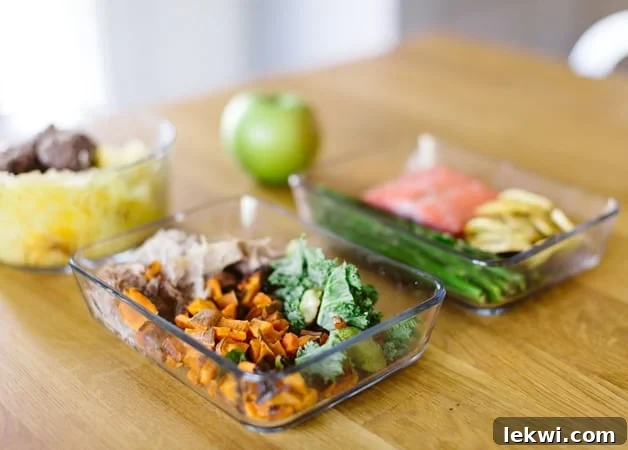
6. Construct Meals That Feature a Balanced Blend of Healthy Fats, Properly Raised Protein, and Vegetable-Based Carbohydrates
Achieving optimal digestion is not solely about *what* you eat, but also about the synergistic balance of macronutrients within your meals. Many extreme or restrictive diets often advocate for severely limiting or overemphasizing one macronutrient (fats, proteins, or carbohydrates) over others. However, for genuinely robust digestion and overall health, these three components need to be harmoniously balanced to provide comprehensive support for your body’s complex digestive processes. Each macronutrient plays a distinct and crucial role in the digestive symphony.
Vegetable-based Carbohydrates: The Foundation of Fiber and Gut Nourishment
Benefits for digestion:
- Provide essential fiber: Fiber, particularly insoluble fiber, adds bulk to stool, facilitating regular bowel movements and preventing constipation. Soluble fiber, on the other hand, forms a gel-like substance that slows digestion, helps regulate blood sugar, and acts as a prebiotic.
- Feed our beneficial gut bacteria: The diverse array of fibers found in vegetables serves as a primary food source (prebiotics) for the trillions of beneficial microorganisms residing in our large intestine. A thriving and diverse gut microbiome is critical for digestive efficiency, nutrient synthesis (like certain B vitamins and vitamin K), and overall immune function.
- Rich in vitamins, minerals, and antioxidants: These micronutrients are vital cofactors for countless digestive enzymes and metabolic processes throughout the body.
Examples:
- Leafy greens: Spinach, kale, collard greens, Swiss chard, romaine lettuce.
- Cruciferous vegetables: Broccoli, cauliflower, Brussels sprouts, cabbage, bok choy.
- Root vegetables and squashes: Sweet potatoes, carrots, parsnips, butternut squash, spaghetti squash, pumpkin.
- Other fiber-rich options: Asparagus, artichokes, bell peppers, zucchini, berries.
Properly Raised Protein: The Building Blocks for Digestive Powerhouses
Benefits for digestion:
- Provide amino acids: Protein is broken down into amino acids, which are the fundamental building blocks for nearly all enzymes, hormones, and structural tissues in the body, including digestive enzymes and cells lining the gut.
- Support stomach acid production: Adequate protein intake and proper digestion of protein signal the stomach to produce sufficient hydrochloric acid (HCl), which is crucial for initiating protein breakdown, sterilizing food, and optimizing nutrient absorption (especially minerals like iron, zinc, and calcium).
- Enhance satiety: Protein helps promote feelings of fullness and can stabilize blood sugar, preventing overeating and subsequent digestive stress.
Examples:
- Grass-fed beef, lamb, or bison: These sources offer a superior nutrient profile, including higher levels of omega-3 fatty acids and conjugated linoleic acid (CLA), compared to grain-fed counterparts.
- Pastured chicken or turkey: Birds raised on pasture have access to natural forage, leading to healthier fat profiles and often a better amino acid balance.
- Wild-caught fish and seafood: Excellent sources of protein and beneficial omega-3 fatty acids (e.g., salmon, sardines, mackerel).
- Organic eggs from pastured hens: A complete protein source packed with essential nutrients.
Healthy Fats: Essential for Bile Production and Nutrient Absorption
Benefits for digestion:
- Provide building blocks for healthy bile: Bile, produced by the liver and stored in the gallbladder, is crucial for emulsifying dietary fats, making them accessible to digestive enzymes. Healthy fats support the production of good quality bile, ensuring efficient fat digestion.
- Keeps our gallbladder working properly: The presence of fat in the small intestine stimulates the gallbladder to contract and release bile. Regular, healthy fat intake helps maintain proper gallbladder function and prevents bile stagnation.
- Aids in the absorption of fat-soluble nutrients: Vitamins A, D, E, and K are fat-soluble, meaning they require dietary fat for their proper absorption. Healthy fats ensure you can utilize these vital vitamins.
- Support gut lining integrity: Certain healthy fats, like those found in coconut oil, can be beneficial for supporting the integrity of the gut lining.
Examples:
- Coconut products: Coconut oil, coconut milk, shredded coconut (rich in medium-chain triglycerides, MCTs, which are easier to digest).
- Avocado and avocado oil: Excellent sources of monounsaturated fats.
- Fatty fish: Salmon, mackerel, sardines, tuna (rich in omega-3 fatty acids, which are anti-inflammatory).
- High-quality olive oil: Extra virgin, cold-pressed olive oil, used preferably at lower cooking temperatures or as a finishing oil.
- Healthy animal fats: Tallow, lard (from grass-fed, pastured animals), providing stable, nutrient-dense fats.
By intentionally combining these macronutrient groups in appropriate proportions, you create meals that are not only delicious and satisfying but also optimally designed to support every stage of your digestive journey, leading to improved nutrient absorption, balanced energy, and reduced digestive discomfort.
7. Regularly Favor Healing Foods That Are Properly Prepared for Enhanced Digestion
When the focus shifts to gut healing and optimizing digestion, the method of food preparation becomes as critical as the ingredients themselves. Traditional gut healing protocols, such as the GAPS diet, place significant emphasis on how food is prepared, recognizing its profound impact on digestibility. Have you ever heard someone complain that raw nuts or raw carrots cause them stomach discomfort or gas? This is often because, historically, many of these foods were prepared differently—through cooking, soaking, sprouting, or fermenting—to make them more digestible and to unlock their full nutritional potential. While crisp, raw salads can certainly be a wonderful part of a healthy diet for many, for those with compromised digestion, properly cooking foods the majority of the time can offer substantial digestive relief and support.
Cooking, for instance, helps to break down tough plant cell walls, making nutrients more accessible and reducing the workload on the digestive system. It can also deactivate anti-nutrients (compounds that can interfere with nutrient absorption) found in certain raw foods. The goal is to favor foods that are inherently nourishing to the gut lining and easier for the digestive system to process. These include:
- Slow-cooked proteins: Meats like chuck roast, braised chicken, or pulled pork, cooked until fork-tender, are incredibly easy to digest. The long, slow cooking process breaks down tough muscle fibers and connective tissues, making the protein more bioavailable and gentle on the gut.
- Nourishing stews and soups: Hearty, warm stews are not only comforting but also pre-digest many of their ingredients through the cooking process. The liquids also contribute to easier transit through the digestive tract.
- Properly prepared bone broth: This nutrient-dense liquid is a cornerstone of gut healing. Rich in gelatin, collagen, and amino acids like glutamine, bone broth can help soothe and repair the gut lining, reduce inflammation, and improve nutrient absorption. Making your own ensures purity and potency.
- Blended vegetable soups: Pureed soups, like a creamy carrot and leek soup or a vibrant bone broth green smoothie, offer a wealth of nutrients in an easily digestible form. Blending breaks down fibers, making them less challenging for a sensitive gut while retaining all the vitamins and minerals.
- Soaked and sprouted nuts and seeds: For those who tolerate them, soaking and sprouting can significantly improve the digestibility of nuts and seeds by reducing phytates and enzyme inhibitors. This process unlocks nutrients and makes them gentler on the digestive system.
- Well-cooked vegetables: Steaming, roasting, or sautéing vegetables until tender, rather than consuming them entirely raw, can make a huge difference for sensitive digestive systems. This softens fibers and makes their nutrients more accessible.

8. Integrate Probiotic-Rich Fermented Foods into Your Diet
Long before the advent of refrigeration, fermented foods were a fundamental component of human diets across cultures, serving not only as a means of food preservation but also as a vital source of nutrition and health benefits. Every traditional culture, from ancient Asia to Europe, incorporated some form of fermented food into their daily sustenance. These foods come with the extraordinary added benefit of containing live beneficial bacteria and yeasts, which actively contribute to a healthy and balanced gut microbiome. An imbalanced gut microbiome, characterized by an overgrowth of harmful bacteria or a lack of beneficial species (a state known as dysbiosis), is a well-established precursor to a wide array of digestive disturbances, including persistent bloating, excessive gas, malabsorption of nutrients, irregular bowel movements, and even broader systemic health issues.
Probiotic-rich foods introduce these beneficial microorganisms into your digestive tract, helping to populate the gut with friendly flora. These microbes play multifaceted roles: they aid in the breakdown of complex carbohydrates, synthesize certain vitamins, produce short-chain fatty acids (like butyrate, which nourishes gut cells), and help to maintain the integrity of the gut lining. A robust and diverse microbiome also supports immune function, as a significant portion of our immune system resides in the gut.
While individuals dealing with severe imbalances such as Small Intestinal Bacterial Overgrowth (SIBO) or Candida overgrowths may require a more tailored and cautious approach to introducing fermented foods—often needing to address the overgrowth first—for the general population, consistent inclusion of probiotic-rich foods is an excellent strategy for supporting digestive harmony and overall well-being. Variety is key, as different fermented foods contain different strains of probiotics, contributing to a more diverse microbiome.
Examples of excellent probiotic-rich foods to incorporate:
- Sauerkraut: Fermented cabbage, rich in beneficial bacteria and vitamin C. Look for raw, unpasteurized versions in the refrigerated section.
- Kimchi: A spicy Korean fermented cabbage dish, offering a diverse array of probiotics and bold flavors.
- Kombucha: A fermented tea beverage, typically slightly effervescent and tangy, containing a mix of bacteria and yeasts.
- Kefir: A fermented milk or water beverage, similar to drinkable yogurt but with a wider range of probiotic strains.
- Yogurt: Opt for high-quality, plain, full-fat yogurt with live active cultures. Homemade yogurt or specific brands like CoYo (coconut yogurt for dairy-free options) are often excellent choices. Always check for added sugars and artificial ingredients.
- Natto: A traditional Japanese food made from fermented soybeans, particularly rich in Vitamin K2 and a unique probiotic strain.
- Pickles (fermented): True fermented pickles (not just vinegar-brined) can be a source of probiotics.
Integrating these delicious and beneficial foods into your daily diet is a powerful yet gentle way to nourish your gut microbiome, enhance digestive function, and contribute significantly to your journey toward natural digestive improvement.
Bonus Tip: Strategically Incorporate Supplements When Necessary and Under Guidance
Many individuals approach the topic of dietary supplementation with skepticism, often perceiving it as an “unnatural” or overly medicalized intervention. However, the reality is that in certain circumstances, and particularly when addressing specific digestive weaknesses or deficiencies, targeted supplementation can provide invaluable support, helping the body to re-establish balance and function optimally. It’s important to view supplements not as a permanent solution or a substitute for a healthy diet and lifestyle, but rather as temporary tools designed to bridge gaps, jumpstart healing, or provide assistance while the body works to restore its innate capabilities. In my practice, I frequently find that clients take specific supplements for a defined period to facilitate rebalancing, after which they can often cycle off them as their body’s function improves. There is absolutely no shame in utilizing supplements as part of a holistic health strategy, nor should it be considered a lifelong dependency.
Here are some common digestive supplements and the specific scenarios where they can be particularly beneficial:
- Betaine HCL with Pepsin: One of the most frequently recommended supplements, Betaine HCL (hydrochloric acid) with pepsin (a protein-digesting enzyme) is specifically designed to support and increase stomach acid production. Low stomach acid (hypochlorhydria) is far more common than excess acid and is a critical bottleneck in the digestive process. It is particularly helpful in protein digestion, as sufficient acid is required to denature proteins and activate pepsin. Beyond protein, adequate stomach acid is a necessary precursor for activating other digestive enzymes, absorbing minerals (like iron, calcium, magnesium), and providing a protective barrier against pathogens entering the digestive tract. Addressing low stomach acid can have profound positive ripple effects throughout the entire digestive cascade.
- Digestive Enzymes: A good broad-spectrum digestive enzyme supplement can be incredibly helpful for individuals struggling with general digestive inefficiencies or those with specific difficulties in breaking down macronutrients. These enzymes, which often include amylase (for carbohydrates), protease (for proteins), and lipase (for fats), assist the body’s natural enzyme production, thereby enhancing the breakdown of food into smaller, absorbable units. This can be particularly helpful for carbohydrate consumption, reducing symptoms like gas and bloating, but it generally supports all aspects of digestion by ensuring food is properly processed. They can be especially useful for those with pancreatic insufficiency or after larger, heavier meals.
- Bile Support (or Ox Bile): For individuals experiencing challenges with fat digestion, or crucially, for those who have had their gallbladder surgically removed, bile support or an ox bile supplement can be transformative. Bile is essential for emulsifying dietary fats, breaking them down into smaller droplets so that lipase enzymes can act on them. When bile production is insufficient or its release is impaired (as often happens after gallbladder removal), fats are not properly digested, leading to symptoms like nausea, greasy stools, and malabsorption of fat-soluble vitamins. Supplementing with bile salts can significantly improve fat digestion and absorption, often yielding remarkable results, as I’ve observed both in clients and personally.
Regarding specific product recommendations, I often utilize the Biotics Research brand with my clients due to their commitment to quality and efficacy. However, it is absolutely paramount to reiterate the importance of working closely with your own doctor or a qualified healthcare practitioner. They can accurately assess your individual needs, medical history, and specific symptoms to determine the most appropriate supplements, dosages, and duration for your unique situation. The nuances of individual health cannot be adequately addressed through generalized advice over the internet to a broad audience. A personalized approach, guided by a professional, will always yield the safest and most effective outcomes.
I genuinely hope these comprehensive tips provide valuable insights and practical strategies for improving your digestion naturally. Remember, while these general guidelines are powerful and broadly applicable, true healing and sustained well-being often involve a degree of customization. Listening to your body, experimenting thoughtfully, and seeking professional guidance when needed are all key components to supporting your digestive health for the long haul and unlocking a greater sense of vitality.