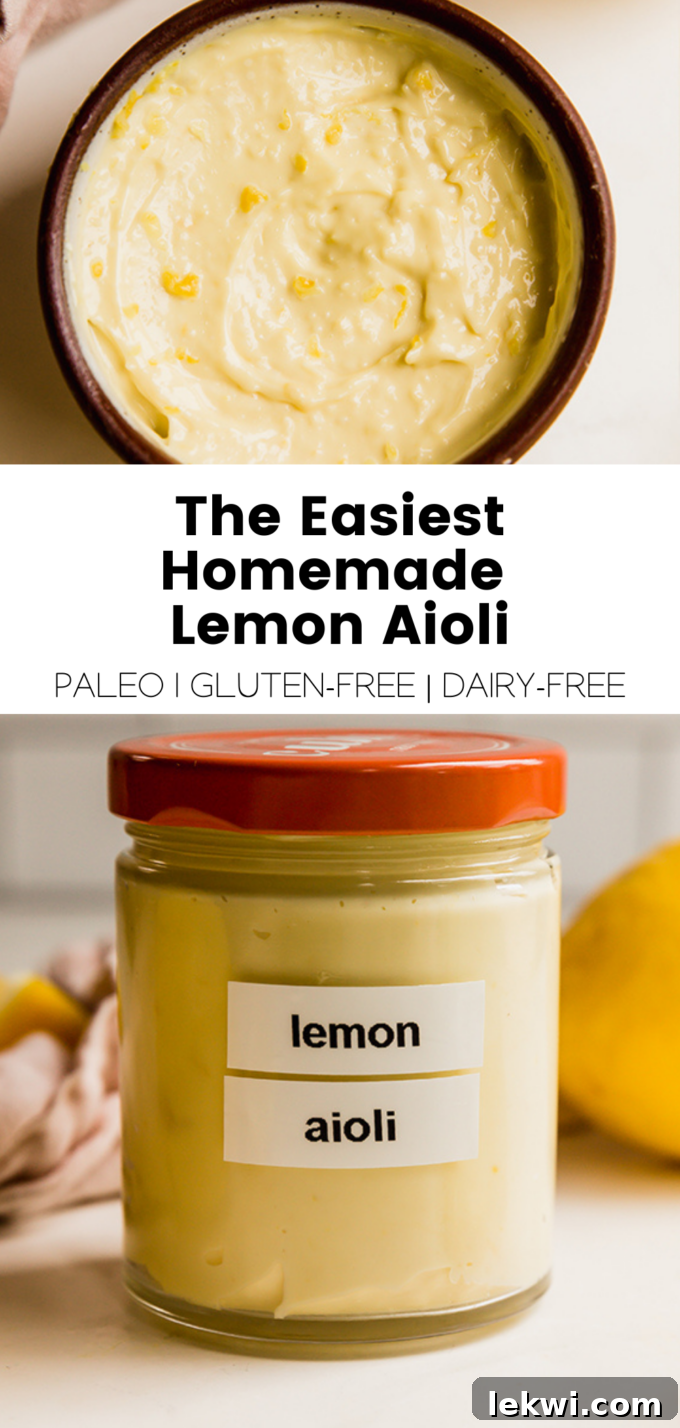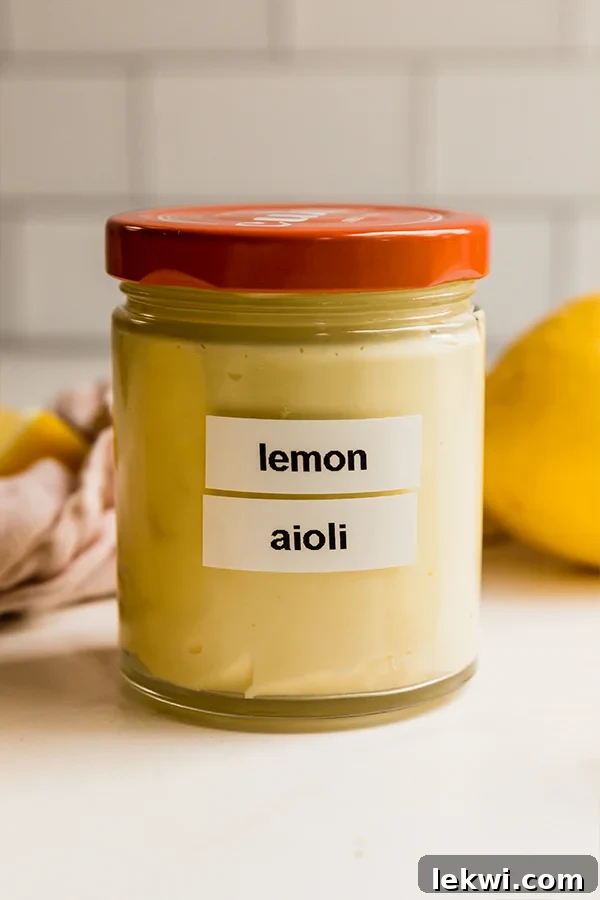
Welcome to the ultimate guide for creating the most vibrant and delicious homemade lemon aioli! This incredible dip isn’t just easy to whip up; it’s also a powerhouse of fresh flavors, making it a perfect addition to countless meals. Best of all, this recipe is naturally gluten-free and dairy-free, catering to a variety of dietary needs without compromising on taste. Forget the store-bought versions; once you experience the creamy texture and zesty kick of this made-from-scratch lemon aioli, you’ll never go back. It’s truly the easiest dip you’ll ever make, promising to elevate your culinary creations from simple snacks to gourmet experiences.
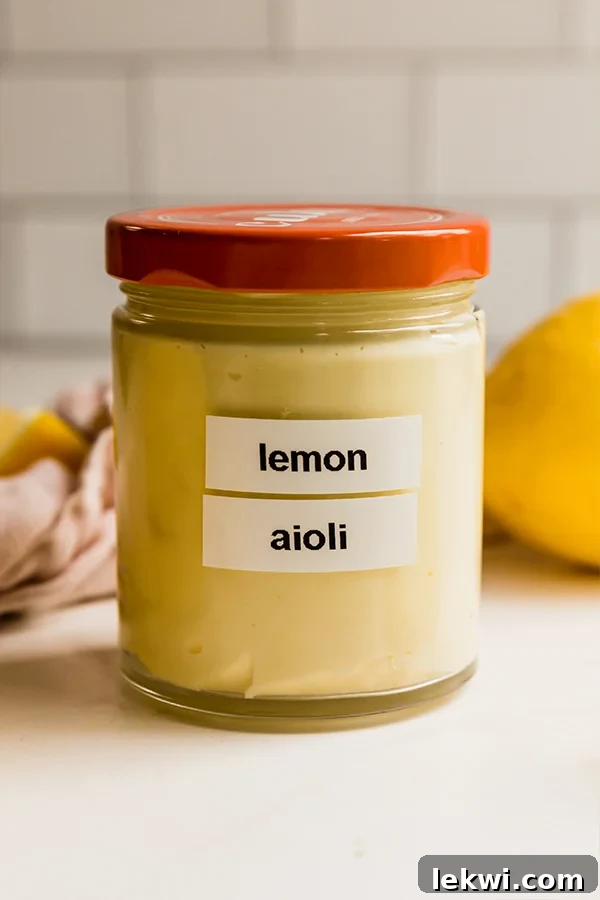
What Exactly is Lemon Aioli?
At its heart, aioli is a delectable sauce originating from the Mediterranean, cherished for its rich, garlicky emulsion. Think of it as mayonnaise’s more sophisticated, garlicky cousin! Traditionally, aioli is crafted by emulsifying garlic, egg yolk, and olive oil. Our homemade lemon aioli takes this classic foundation and infuses it with a brilliant burst of fresh lemon, transforming it into a bright, zesty condiment that is utterly irresistible. This fresh and flavorful sauce is particularly perfect for the lighter, brighter meals of spring and summer, though its versatility makes it a year-round favorite. Imagine a creamy, savory spread with a tangy citrus finish – that’s the magic of lemon aioli. It’s incredibly simple to make, requiring just a handful of staple ingredients, proving that gourmet flavors can indeed be achieved with minimal effort.
Aioli vs. Mayonnaise: Understanding the Difference
Many people wonder about the distinction between aioli and mayonnaise, and it’s a valid question given their similar appearance and texture. While they both share an emulsified egg and oil base, the primary differentiating factor lies in the flavor profile and origin. Mayonnaise is a French invention, primarily made from egg yolk, oil, and vinegar or lemon juice, often seasoned simply with salt and pepper. Aioli, on the other hand, hails from the culinary traditions of France and Spain, specifically the Provence region and Catalonia. The defining characteristic of authentic aioli is the prominent inclusion of garlic, traditionally pounded into a paste with a mortar and pestle before being emulsified with the other ingredients. Therefore, while modern “shortcut aiolis” might start with a mayonnaise base and simply add garlic, true aioli is inherently a garlic-infused emulsion from the start. Essentially, aioli offers a more robust and aromatic flavor experience compared to the milder, more neutral taste of traditional mayonnaise.
Homemade Aioli vs. Shortcut Versions: Why Fresh is Best
When it comes to making lemon aioli, you generally have two routes: the “shortcut” method or making it entirely from scratch. Both methods will yield a tasty dip, but there are distinct advantages to going the homemade route.
- Shortcut Aioli: This method involves starting with a store-bought mayonnaise of your choice and simply stirring in minced garlic, fresh lemon juice, lemon zest, salt, and pepper. It’s incredibly fast and convenient, making it a great option when you’re short on time but still crave that vibrant lemon-garlic flavor. However, the quality of your aioli will be directly dependent on the quality of your pre-made mayonnaise.
- Homemade Aioli from Scratch: This approach involves creating the mayonnaise base yourself, using fresh egg yolk and oil, and then incorporating the garlic and lemon. While it requires a few more minutes and a bit more technique (mainly a slow drizzle of oil), the benefits are undeniable. Making aioli from scratch allows you to control the quality of every single ingredient, especially the oil. Choosing high-quality, neutral-flavored oils like avocado oil ensures a clean, fresh taste that truly shines. Furthermore, the flavor and texture of freshly made aioli are unparalleled – it’s creamier, brighter, and boasts a much more pronounced and authentic taste. For a truly exceptional lemon aioli, the from-scratch method is highly recommended.
Essential Ingredients for Homemade Lemon Aioli
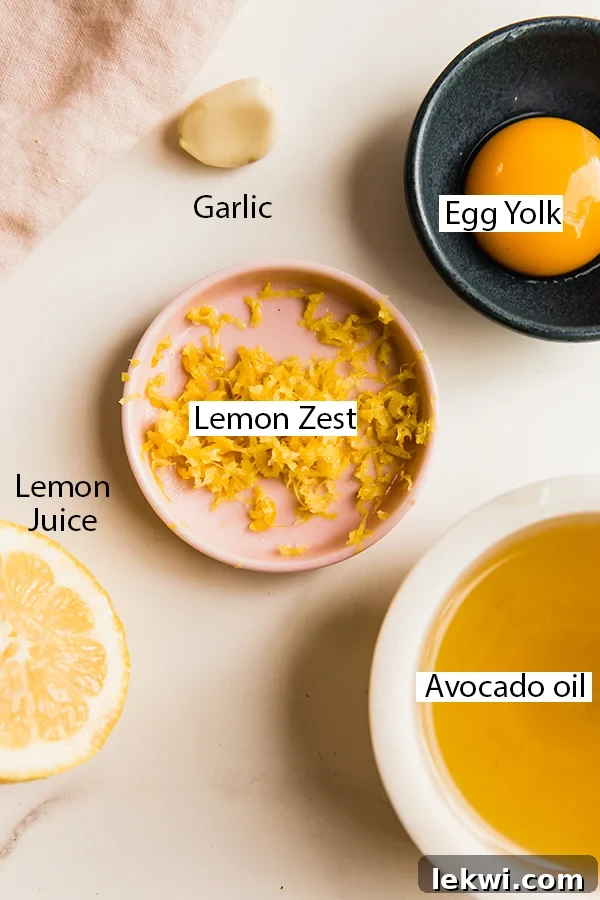
Crafting a phenomenal homemade lemon aioli starts with selecting the right ingredients. Each component plays a vital role in achieving that perfect creamy texture and vibrant flavor profile:
- Avocado Oil and Olive Oil: A blend of these oils is key. Avocado oil is chosen for its light, neutral flavor and high smoke point, which is beneficial for emulsification and provides a smooth base. Olive oil, particularly a good quality extra virgin olive oil, adds a subtle fruity depth and richness, contributing to the classic Mediterranean character of aioli.
- Garlic: The heart of any aioli! Use fresh garlic cloves for the best flavor. It’s crucial to chop or mince the garlic finely before blending to ensure it fully incorporates into the emulsion and prevents any large chunks.
- Egg Yolk: This is the crucial emulsifier that binds the oil and other ingredients together, creating the creamy, stable consistency of aioli. A single fresh egg yolk is usually sufficient.
- Fresh Lemon Juice and Lemon Zest: These are the stars that give our aioli its signature “lemon” punch. Freshly squeezed lemon juice provides a bright, tangy acidity, while the zest contains aromatic oils that intensify the citrus flavor, adding depth and freshness without making the aioli too watery.
- Salt and Pepper: Simple seasonings that are essential for enhancing all the other flavors. Adjust to your personal preference.
Crafting the Perfect Homemade Lemon Aioli: A Step-by-Step Guide
Making homemade lemon aioli is surprisingly straightforward, especially with the right tools. An immersion blender is your best friend here, making the emulsification process quick and foolproof. Follow these simple steps to create a luscious, flavorful aioli that will impress everyone.
- Prepare Your Oils: In a separate measuring cup or small bowl, combine the ½ cup of avocado oil and 3 tablespoons of olive oil. Having the oils pre-measured and ready will make the drizzling step much smoother. Set this mixture aside.
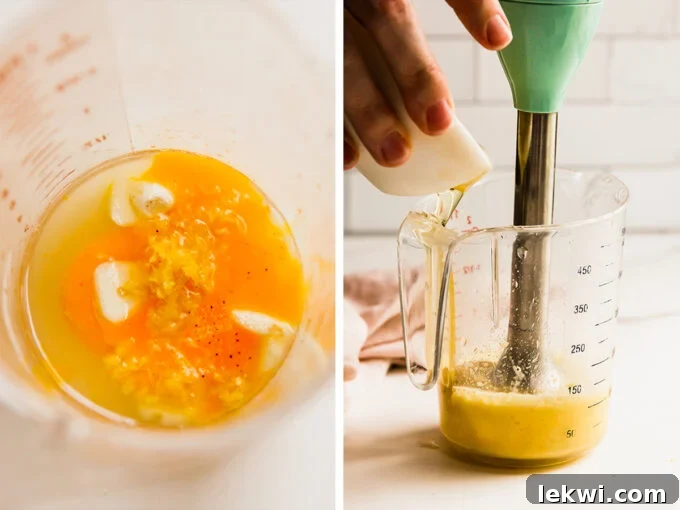
- Combine Core Ingredients: In a large measuring cup (one that’s wide enough for your immersion blender head to fit snugly at the bottom), add the finely sliced or minced garlic clove, the egg yolk, 2 tablespoons of fresh lemon juice, the zest of 1 lemon, ½ teaspoon of salt, and ¼ teaspoon of black pepper. These are your flavor foundation.
- Begin Emulsification: Place the immersion blender head directly on top of the egg yolk mixture at the bottom of the measuring cup. Start blending on low speed. This initial blending will combine the egg yolk and seasonings.
- Slowly Drizzle in Oil: This is the most crucial step for successful emulsification. While the immersion blender is running, begin to slowly and steadily pour the oil mixture into the measuring cup in a thin, continuous stream. Do not rush this step! The slow drizzle allows the oil to gradually incorporate into the egg yolk, forming a stable emulsion.
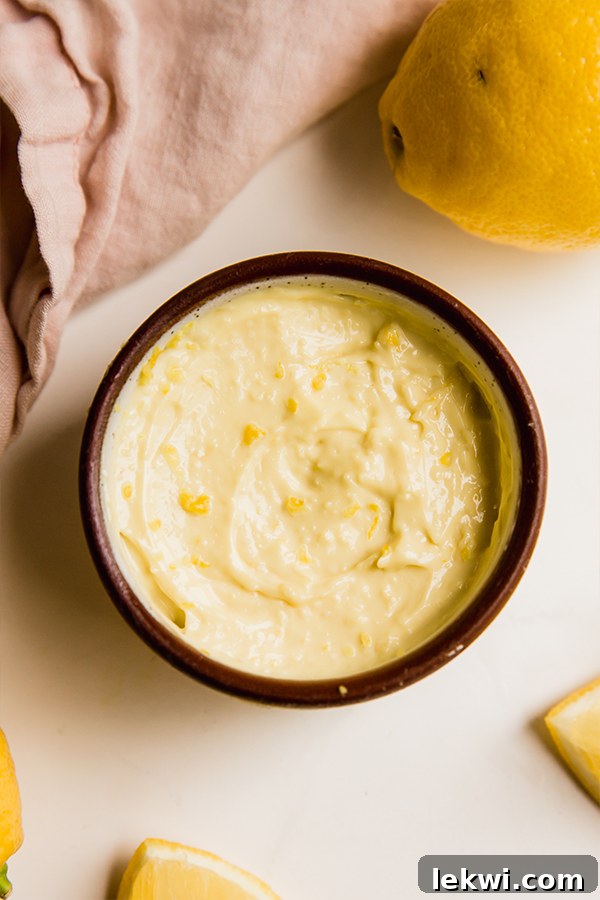
- Blend Until Thickened: Continue blending and slowly drizzling for about 3-6 minutes. As you blend, gently move the immersion blender up and down in the cup. You’ll observe the mixture gradually thickening and turning into a creamy, mayonnaise-like consistency. Once it reaches your desired thickness, stop blending.
- Taste and Adjust: Taste your homemade lemon aioli. If needed, add more salt, pepper, or lemon juice to achieve your perfect balance of flavor. Serve immediately or store for later enjoyment.
Expert Tips & Tricks for Impeccable Lemon Aioli
Achieving a perfect, stable, and flavorful lemon aioli is easy with a few insider tips:
- Pre-Chop Your Garlic: While an immersion blender is powerful, it’s not designed to pulverize large, whole garlic cloves into a smooth paste instantly. Always finely mince or slice your garlic beforehand. This ensures a consistent garlic flavor throughout and a perfectly smooth aioli texture.
- The Golden Rule: Slow Oil Drizzle: This cannot be stressed enough! Pouring the oil too quickly is the most common reason for a broken (unemulsified) aioli. A slow, steady stream – almost a trickle – is absolutely essential. It allows the fat molecules to gradually disperse and combine with the egg yolk, creating a stable, creamy emulsion. Be patient!
- Temperature Matters: For the best results, ensure your egg yolk is at room temperature. Cold egg yolks can make emulsification more challenging. If your eggs are in the fridge, take them out about 30 minutes before you plan to start cooking.
- Consider Your Oil Choice: While this recipe calls for avocado and olive oil, you can experiment. For a very neutral aioli, use only avocado oil. For a stronger, more robust flavor, you might lean more heavily on a high-quality extra virgin olive oil. Just be aware that some olive oils can impart a bitter note when raw in large quantities, so taste as you go.
- Add a Pinch of Zest (Optional): While I personally prefer the pure lemon-forward flavor, a small pinch of Dijon mustard can act as an additional emulsifier and add a subtle tang and depth. If you enjoy that classic mayo tang, feel free to add about ½ teaspoon of Dijon mustard to the egg yolk mixture before blending.
- Correcting a Broken Aioli: If your aioli separates and looks curdled, don’t despair! You can often salvage it. In a clean bowl, add another fresh egg yolk. Slowly drizzle your broken aioli into this new egg yolk while continuously whisking or blending with your immersion blender. It usually comes back together beautifully.
Can You Make Lemon Aioli in a Standard Blender?
Yes, absolutely! While an immersion blender is often praised for its ease and precision in making aioli, a regular stand blender can also get the job done. The method remains largely the same: combine your egg yolk, garlic, lemon juice, zest, salt, and pepper in the blender. Start blending on a low setting, then very, very slowly drizzle in the oil through the opening in the lid while the blender is running. The key is that same slow, steady stream of oil. The main difference is that a stand blender might require more oil to create enough volume for the blades to properly emulsify, and it might be harder to control the pace of the oil addition compared to an immersion blender. However, with careful attention, you can certainly achieve a creamy homemade lemon aioli using a traditional blender.
Storage Guidelines: How Long Does Lemon Aioli Stay Fresh?
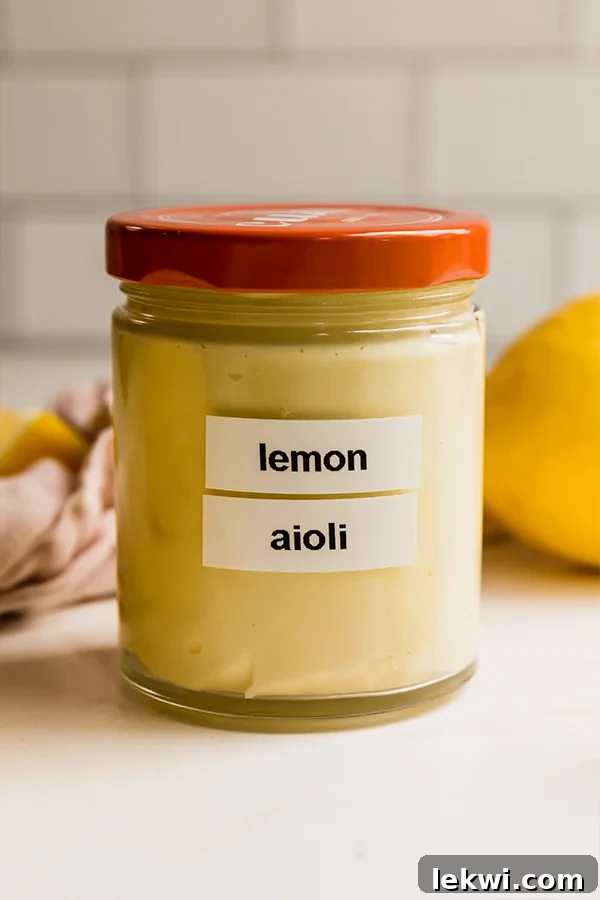
Due to the fresh egg yolk used, homemade lemon aioli has a relatively shorter shelf life than its store-bought counterparts. You can safely store this delectable aioli in the refrigerator for about 5 days. To maintain its freshness and prevent spoilage, always keep it in an airtight glass container. This prevents oxidation and keeps unwanted odors from permeating your delicious dip. Always give it a good stir before serving, as some natural separation might occur over time.
Addressing Concerns: Raw Eggs in Aioli
The use of raw egg yolks in homemade aioli sometimes raises questions about food safety, particularly concerning salmonella. It’s important to be informed and make choices you’re comfortable with. Extensive research, especially regarding food safety during pregnancy, often highlights that salmonella outbreaks are, surprisingly, more commonly linked to contaminated fruits and vegetables than to fresh eggs from reputable sources. However, certain groups are advised to exercise caution:
- Pregnant Women: Medical guidelines generally recommend that pregnant women avoid raw or undercooked eggs.
- Babies and Young Children: Their immune systems are still developing, making them more susceptible to foodborne illnesses.
- Immunocompromised Individuals: Anyone with a weakened immune system should also avoid raw egg products.
If you fall into one of these categories or simply feel uncomfortable using raw eggs, you have a safe and easy alternative: pasteurized eggs. Pasteurized egg yolks have been heat-treated to eliminate potential bacteria while retaining their emulsifying properties. Using them provides peace of mind without altering the quality or taste of your homemade lemon aioli. Always ensure your eggs, whether raw or pasteurized, come from a reputable and trusted source.
Versatile Uses for Your Delicious Lemon Aioli
The beauty of homemade lemon aioli lies in its incredible versatility. Its bright, creamy, and garlicky flavor profile makes it a fantastic accompaniment to a wide array of dishes. Get ready to transform your meals with this simple yet sophisticated sauce!
- Elevate Roasted Vegetables: Lemon aioli is a dream dip for almost any roasted vegetable. Imagine dipping crispy sweet potato fries, tender asparagus, or perfectly charred broccoli into this creamy goodness. It adds a burst of flavor that complements the earthy notes of vegetables beautifully.
- Seafood’s Best Friend: This aioli is an absolute match made in heaven for seafood. It’s spectacular with crab cakes, grilled fish, shrimp, or even as a dipping sauce for calamari. The lemon cuts through the richness of seafood, creating a perfectly balanced bite.
- Fantastic with Asparagus: Specifically, roasted asparagus finds its ultimate companion in lemon aioli. The fresh lemon and garlic highlight the natural sweetness of the asparagus.
- Sandwich and Burger Upgrade: Move over, plain mayo! Spread a generous layer of lemon aioli on your favorite sandwiches, wraps, or burgers for an instant flavor upgrade. It adds moisture, tang, and a gourmet touch.
- Flavorful Marinade: Get creative and use lemon aioli as a marinade for chicken, fish, or even pork. The oil helps tenderize, while the lemon and garlic infuse a wonderful depth of flavor.
- Drizzle on Salads: Thin it out slightly with a tiny bit of water or more lemon juice, and you have a fantastic creamy salad dressing for green salads or grain bowls.
- Dip for Anything Fried: From crispy chicken tenders to onion rings, lemon aioli makes an excellent dipping sauce that’s far more exciting than ketchup.
Looking for more amazing, healthy sauce recipes?
- Oregano Garlic Cream Sauce
- Avocado Chimichurri
- Avocado Cilantro Lime Sauce
Rating: 5 from 1 review
The Easiest Homemade Lemon Aioli
Yield: 6 servings
Prep Time: 10 mins
Author: Michelle
Ingredients
- ½ cup avocado oil
- 3 tbsp olive oil
- 1 large garlic clove, sliced
- 1 egg yolk
- 2 tbsp fresh lemon juice
- Zest of 1 lemon
- ½ tsp salt
- ¼ tsp black pepper
Instructions
- Combine the avocado and olive oil in a measuring cup and set aside.
- Using a large measuring cup, combine the garlic, egg yolk, lemon juice, zest, salt, and pepper.
- Slowly pour the oil mixture into the measuring cup while blending with a handheld immersion blender. Blend for 3-6 minutes, moving the immersion blender up and down until the mixture looks like mayo.
- Season further to taste and serve as a dip with vegetables, or a spread on sandwiches or proteins.
Notes
Raw egg is not recommended for babies, pregnant women, or those who are immunocompromised. If you’re uncomfortable with raw eggs, you can opt for pasteurized eggs. Raw eggs risk food-borne illness.
All nutritional information are estimations and will vary. Estimations do not include optional ingredients.
Nutrition Information (per serving):
Serving: 1 serving, Calories: 230kcal, Carbohydrates: 8.2g, Protein: 1.9g, Fat: 26.1g, Fiber: 0.6g
All nutrition facts are estimated and will vary.