Embarking on the Autoimmune Protocol (AIP) can often feel like navigating a complex maze. For many, the sheer volume of information, the strict dietary adjustments, and the apparent long-term commitment observed within the community can be incredibly overwhelming. It’s a journey that demands significant dedication to understand and adhere to, leading many to wonder if this intensive healing diet is truly a lifelong commitment. As someone who has been deeply immersed in the AIP community, blogging about this protocol for over three years, I frequently encounter this very question. While my passion for AIP and its transformative potential remains strong, the answer to whether I follow a 100% strict AIP diet indefinitely is a resounding no. This article aims to demystify the AIP journey, sharing my personal experiences and offering practical advice on how to successfully transition and thrive in your life after the initial elimination phase of the autoimmune protocol.
First, what exactly is the Autoimmune Protocol?
The Autoimmune Protocol, widely known as AIP, is far more than just a diet; it’s a comprehensive healing strategy meticulously designed to support individuals grappling with autoimmune conditions. At its core, AIP focuses on reducing systemic inflammation, calming an overactive immune response, and promoting gut healing – all critical factors in managing autoimmune disease symptoms. This protocol involves a temporary elimination phase where commonly inflammatory and immune-reactive foods are removed from the diet. These typically include grains, legumes, nightshades, dairy, eggs, nuts, seeds, refined sugars, and certain spices. The duration of this elimination phase is crucial: it is meant to be followed for a minimum of 30 days, or more typically, until a significant and noticeable reduction in your specific symptoms is achieved. This period allows the body to rest, repair, and begin to rebalance. Once symptoms have subsided, the next critical phase begins: the careful and systematic reintroduction of foods, one by one, to identify individual tolerances. This personalized approach empowers you to build a sustainable, nutrient-dense diet that supports your unique health needs. To aid you on this journey, you can download a complete AIP food list for free here, and for a more in-depth understanding, explore my comprehensive guide to the AIP diet here.
Is the Autoimmune Protocol truly meant to last forever?
This is perhaps the most common misconception surrounding the Autoimmune Protocol. As aptly articulated in this insightful blog post by Eileen Laird, the definitive answer is no, it is not. AIP is fundamentally a short-term healing protocol, an incredibly powerful diagnostic tool that actively encourages and guides the process of reintroductions. The ultimate goal of AIP is not to keep you on a perpetually restrictive diet, but rather to help your body heal to a point where you can tolerate a wider variety of nutrient-dense foods. Imagine being able to enjoy eggs, nuts, and seeds again after your body has had the opportunity to calm inflammation and restore balance! These foods are inherently nutritious, offering diverse nutrient profiles that are beneficial for overall health. They are not “bad” foods; rather, the temporary elimination provides a necessary break, allowing your digestive system and immune response to reset. This healing period fosters an environment where your body can re-learn to tolerate these beneficial foods. The AIP journey is considered complete once symptoms have significantly calmed down and the body’s inflammatory markers have stabilized. From this point, the structured reintroduction process begins, enabling you to discover what foods your body can comfortably accept. While many individuals naturally gravitate towards a paleo or mostly paleo dietary template post-reintroductions, continuing to avoid universally recognized inflammatory substances like canola oil, refined sugar, and MSG for long-term health, the precise dietary framework you adopt after AIP is profoundly personal and dictated by your unique bio-individuality.
My current reintroductions: A personalized journey
I emphasize the word current because my list of tolerated foods is dynamic and subject to change. The human body is not static; tolerance levels can fluctuate significantly based on various internal and external factors such as stress levels, the state of gut health, sleep quality, and even seasonal changes. This ever-evolving nature of individual tolerance is a key lesson from the AIP journey. In no particular order, here are the foods I have successfully reintroduced and regularly incorporate into my diet:
- Egg yolks: A rich source of choline, healthy fats, and vitamins, often tolerated even when egg whites are not.
- Ghee (& butter here and there): Clarified butter, with its milk solids removed, is often well-tolerated, providing beneficial fatty acids. I occasionally enjoy butter as well.
- Goat and sheep dairy: For many, these alternatives to cow’s dairy are easier to digest and less inflammatory due to different protein structures.
- White rice: A staple for many cultures, white rice is often reintroduced as it’s typically easier to digest than whole grains due to its lower fiber content.
- Chickpeas: These legumes offer plant-based protein and fiber, providing a versatile ingredient for various dishes.
- Lentils: Another nutrient-dense legume, lentils are a great source of fiber and minerals, and often tolerated after proper preparation.
- Coffee (in moderation): For many, the stimulating effects of coffee can be enjoyed responsibly once digestive health has improved.
- Almonds: A common nut that provides healthy fats, vitamin E, and magnesium, often reintroduced carefully.
- Black pepper (and some other seed spices): Many spices are derived from seeds, and while initially eliminated, some can be safely added back for flavor and antioxidant benefits.
- Chia seeds: These tiny seeds are packed with omega-3 fatty acids, fiber, and protein, making them a great addition to a healing diet.
- Chocolate (yaaas): Pure, dark chocolate, in moderation, is a welcome reintroduction for many, offering antioxidants and a delightful treat.
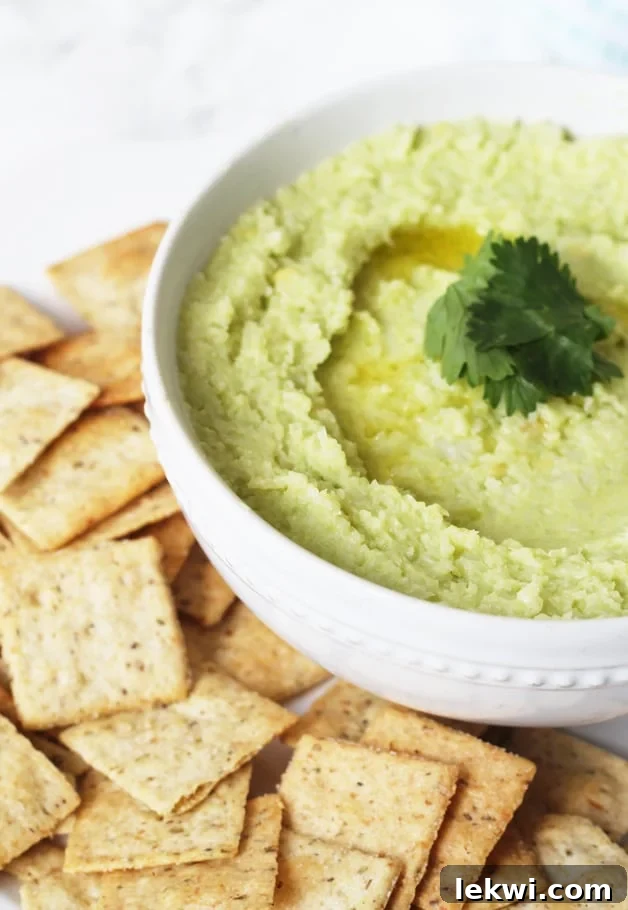
While technically I’ve discovered I could tolerate alcohol if I chose to, it’s not something I’ve ever particularly cared for, so it’s not a regular part of my diet. Interestingly, I still haven’t reintroduced all types of grains, and I continue to avoid all nightshades, as these categories remain significant triggers for me. My journey highlights the deeply personal nature of AIP; what works for one individual may not work for another. I’m incredibly grateful to be able to enjoy foods like Simple Mills almond flour crackers (which pair perfectly with my avocado cauliflower hummus, as pictured), goat cheese, and many other delicious options. Of course, there are still foods I miss and wish I could tolerate, such as ripe, juicy tomatoes. However, my focus remains on gratitude for the wide array of nourishing foods I am now able to safely enjoy, embracing the flexibility and vitality my post-AIP diet provides.
How I apply the Autoimmune Protocol to my life after having reintroductions
Even with successful reintroductions, I still describe my approach as following an AIP template. This perspective acknowledges that while I’ve expanded my dietary horizons, the foundational principles of the Autoimmune Protocol continue to guide my lifestyle choices daily. Yes, there are times I enjoy a cup of coffee with almond milk when I crave it, or add lentils to my soup for a New Year’s Day tradition. However, these occasional inclusions are made consciously within a broader framework of wellness that AIP instilled in me. Here’s how I integrate these principles into my everyday life:
- Prioritizing Nutrient Density: My primary focus remains on consuming nutrient-dense foods. This means I consistently incorporate healing foods like homemade bone broth, organ meats (such as liver), and an abundance of diverse, colorful vegetables into my meals. These foods provide essential vitamins, minerals, and compounds critical for ongoing gut health and immune support.
- Holistic Lifestyle Choices: AIP is not just about food; it’s about a comprehensive approach to health. I rigorously adhere to good lifestyle recommendations, ensuring I get adequate, restorative sleep, actively manage and reduce stress through practices like meditation and mindfulness, engage in regular, gentle movement, and prioritize spending time outdoors for sunlight exposure and connection with nature. These non-dietary factors are just as crucial for regulating the immune system and reducing inflammation.
- Creating and Utilizing AIP-Friendly Recipes: Even with reintroductions, I actively use and develop AIP recipes. This isn’t solely for myself but also to serve the vibrant community that still relies on strict AIP options. These recipes are specifically designed for maximal nutrient density and to cater to common intolerances, ensuring that the healing journey remains accessible and enjoyable for everyone, regardless of their current reintroduction status.
- Leveraging AIP as a Reset Mechanism: Life throws curveballs, and sometimes stress, travel, or other factors can lead to an increase in symptoms or new sensitivities. In such instances, I don’t hesitate to fall back on a temporary AIP diet reset. This involves returning to the strict elimination phase for a period to identify potential new triggers and allow my body to re-regulate, serving as a powerful diagnostic and healing tool.
Most importantly, my commitment to the AIP community and my continued creation of AIP-focused recipes stem from a profound belief in this process. I have witnessed firsthand, both in myself and countless others, how effectively it aids the healing process. It has truly performed wonders for my body and significantly enhanced my overall health and well-being. While you may occasionally find a recipe from me that includes nuts or chocolate—foods I have personally reintroduced—I remain an ardent advocate for the fundamental principles of the AIP diet. I am immensely grateful to be part of this healing community, drawing endless inspiration, support, and shared wisdom from its members.
What to do if you’re still having issues with reintroductions
Encountering challenges during the reintroduction phase is a remarkably common experience, and it’s essential to understand that it doesn’t signify failure. Your body might not yet be fully prepared to tolerate certain foods, or there could be deeper, underlying factors contributing to persistent inflammation and hindering your progress. These issues can range from unresolved gut dysbiosis, chronic infections (like SIBO, Candida, or viral co-infections), heavy metal toxicity, mold exposure, or even an imbalanced nervous system. If you find yourself struggling, it’s a clear signal to dig deeper and seek additional support. Working one-on-one with a qualified practitioner who is experienced in coaching individuals through healing diets can be transformative. I collaborate with a dedicated team of Nutritional Therapy Practitioners (NTPs) who are highly skilled in guiding clients through the complexities of AIP and subsequent reintroductions. You can request a free consultation with them here to explore personalized strategies. Furthermore, collaborating closely with your own medical doctor is paramount. They can help investigate potential co-infections, identify other underlying root causes of inflammation, and ensure that your healing journey is comprehensive and medically informed. Addressing these deeper issues can be absolutely key to achieving sustainable, long-term success and truly unlocking your body’s healing potential.

For those who desire more structured guidance around the Autoimmune Protocol diet and lifestyle, particularly during the initial phases and through reintroductions, I developed the comprehensive 30-day guide ebook, the Autoimmune Protocol Makeover Guide. This resource is packed with 30 days’ worth of meticulously crafted AIP meal plans, a wealth of delicious recipes, practical lifestyle guides, and extensive information on understanding autoimmunity and navigating the reintroduction process effectively. It’s designed to provide you with the clarity and support needed to embark on your AIP journey with confidence.
I genuinely hope this in-depth exploration into the Autoimmune Protocol has provided valuable insights and clarity, particularly regarding its transient nature and the empowering process of reintroductions. Your journey with AIP is unique, a testament to your bio-individuality and resilience. What does your life look like after following AIP? Share your experiences and continue to inspire others on their path to healing.