This post contains affiliate links.
Delicious Paleo Carrot Cake Scones: Your Ultimate Grain-Free, Nut-Free, & AIP Spring Treat
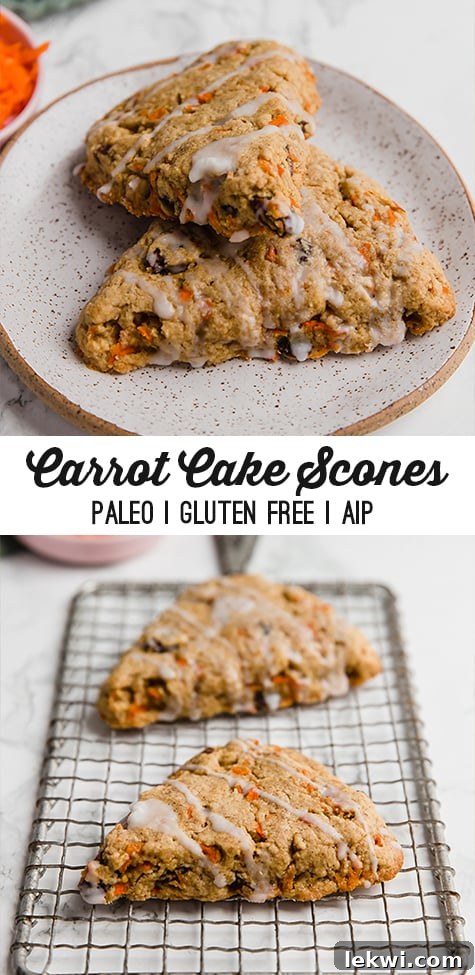
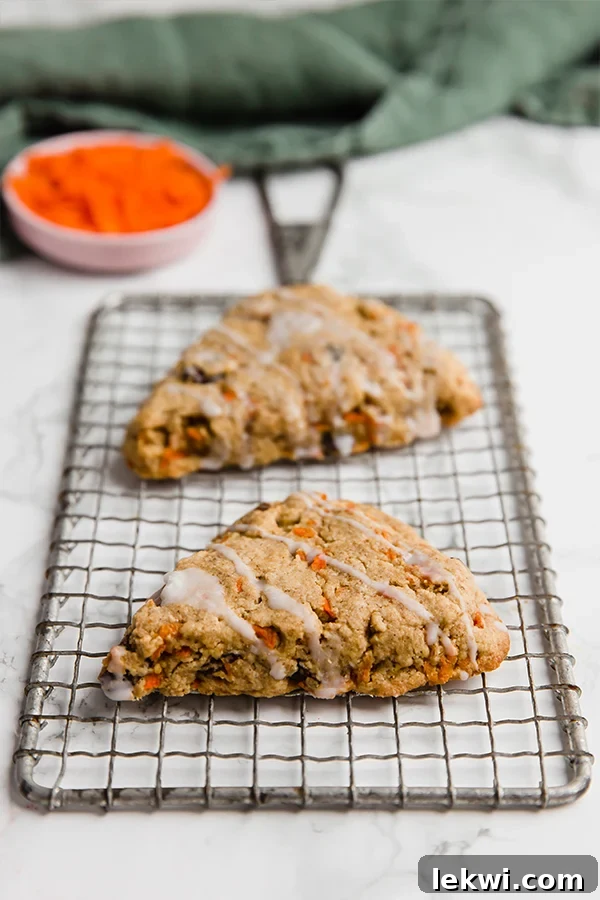
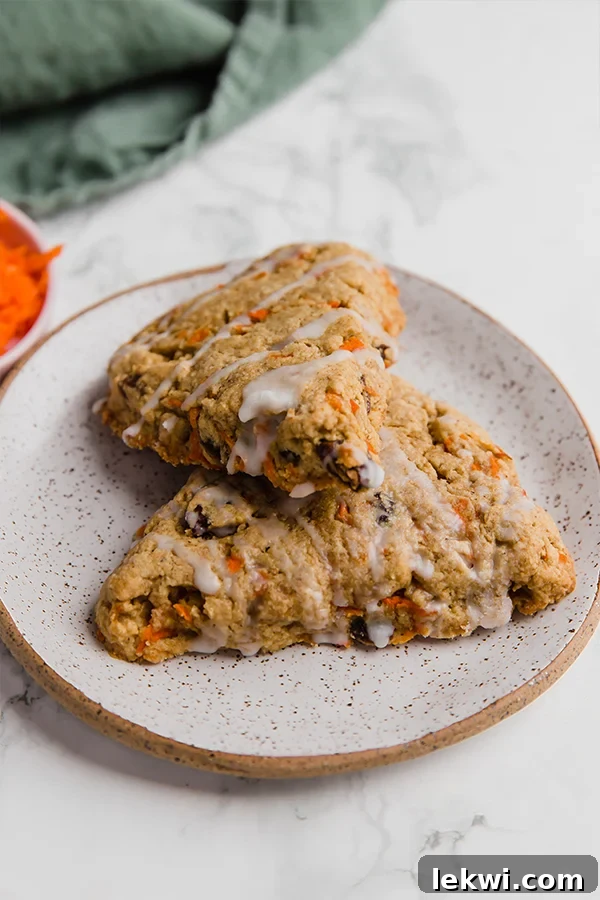
Spring is a season of renewal, fresh flavors, and delightful indulgences. While traditional carrot cake is a beloved springtime classic, often gracing tables with its moist crumb, sweet spices, and rich cream cheese frosting, many with dietary sensitivities or health goals find themselves searching for equally satisfying alternatives. Look no further! These exceptional carrot cake scones offer all the nostalgic charm of classic carrot cake, beautifully transformed into a healthier, accessible treat. They are not just delicious; they are also entirely grain-free, paleo, nut-free, and AIP-friendly, making them a perfect addition to any special diet.
A Wholesome Twist on a Springtime Favorite
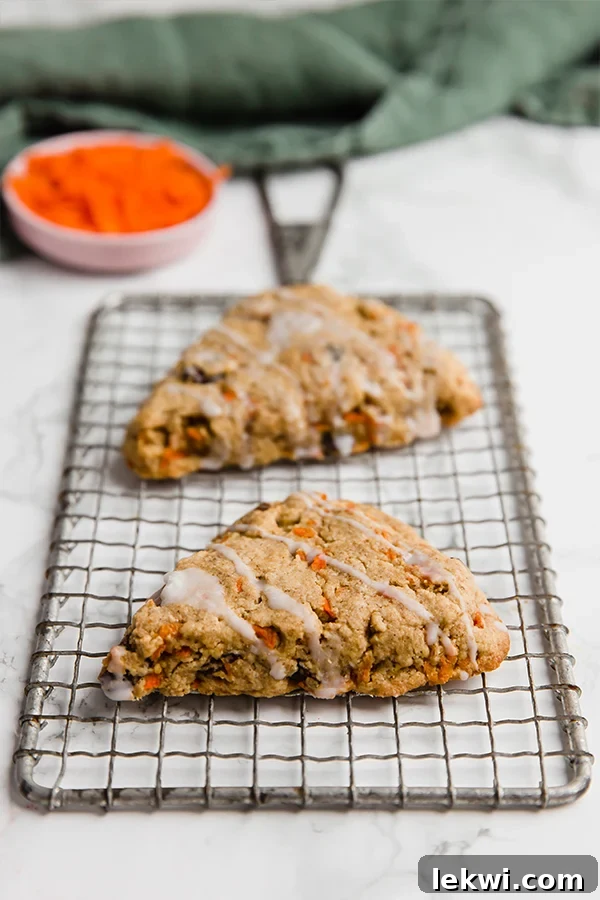
Carrot cake, with its signature blend of warm cinnamon, sweet carrots, and often raisins and nuts, embodies the essence of spring celebrations. Its moist, fluffy texture and decadent flavor profile make it an undeniable crowd-pleaser. However, for those navigating allergies, intolerances, or specific dietary protocols like the Paleo or Autoimmune Protocol (AIP), enjoying such treats can be a challenge.
Inspired by the comforting flavors of carrot cake, and a desire to create desserts everyone can enjoy, I’ve brought together two culinary favorites: the rustic charm of a scone and the irresistible taste of carrot cake. The result is a truly remarkable baked good that transcends dietary restrictions without compromising on flavor or texture. These Paleo, nut-free, and AIP-compliant carrot cake scones are also egg-free, making them suitable for even more individuals. Whether served as a delightful brunch item, a wholesome dessert, or a comforting afternoon snack, they are sure to become a staple in your healthy recipe repertoire.
Why You’ll Adore These Health-Conscious Carrot Cake Scones
Crafted with your well-being in mind, these carrot cake scones are more than just a sweet treat; they’re a testament to how incredible healthy baking can be. Here’s a closer look at what makes them so special:
Hidden Nutritional Goodness
One of the most appealing aspects of these scones is the clever inclusion of vegetables. Each scone is packed with freshly shredded carrots, subtly contributing natural sweetness, moisture, and a boost of essential vitamins and antioxidants. Sneaking nutrient-dense ingredients into a dessert is always a victory, allowing you to enjoy a guilt-free indulgence that secretly nourishes your body. Carrots are rich in beta-carotene, fiber, and vitamin K1, offering digestive benefits and promoting eye health, making these scones a smart choice for a conscious indulgence.
Grain-Free and Nut-Free for Sensitive Diets
For those avoiding grains or nuts, finding suitable baked goods can be incredibly difficult. These scones are specifically formulated to be both grain-free and nut-free, utilizing tigernut flour as their base. Despite its misleading name, tigernut flour is derived from a tuber, not a nut, making it a safe and delicious alternative for individuals with nut allergies. Paired with tapioca starch, which acts as an excellent binder and texturizer, this flour blend creates a light yet substantial scone, far superior to many gluten-free alternatives that can be dense or crumbly. This thoughtful ingredient choice ensures a delightful texture and broad accessibility.
Naturally Sweetened, Guilt-Free Indulgence
Say goodbye to refined sugars and their notorious energy crashes. These carrot cake scones are exclusively sweetened with pure maple syrup, a natural sweetener known for its distinct flavor and trace minerals. Maple syrup provides a gentle sweetness that complements the spices and carrots beautifully, creating a balanced flavor profile without the need for artificial additives or heavily processed sugars. This makes the scones an excellent option for maintaining stable blood sugar levels and adhering to a clean eating lifestyle.
Crafting Your Own Paleo Carrot Cake Scones: A Step-by-Step Guide
Making these wholesome carrot cake scones is a straightforward and rewarding process. Follow these detailed instructions to create a batch of perfectly baked, flavorful treats that will impress everyone.
- Step 1: Prepare Your Baking Environment. Begin by preheating your oven to 350°F (175°C). Line a baking sheet with a sheet of parchment paper and lightly grease it to prevent sticking. This ensures your scones will lift off easily once baked.
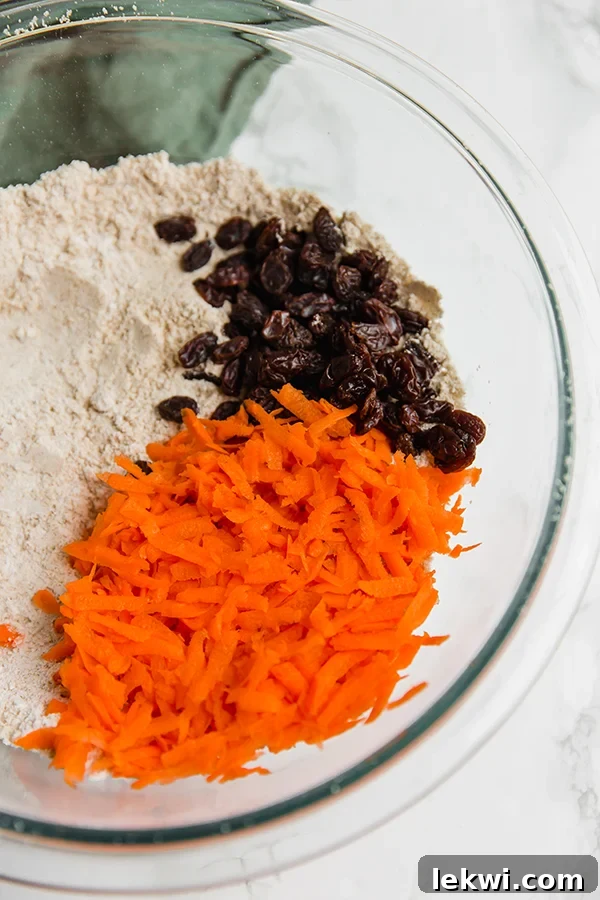
- Step 2: Combine Dry Ingredients. In a large mixing bowl, sift together the tigernut flour, tapioca starch, cinnamon, and baking soda. Sifting helps to eliminate lumps and ensures all dry ingredients are thoroughly combined, contributing to a smooth, uniform batter.
- Step 3: Incorporate Wet Ingredients & Flavorings. To the dry mixture, gently fold in the softened coconut oil, pure maple syrup, freshly shredded carrots, and raisins. Mix thoroughly until all ingredients are well combined and a cohesive dough begins to form. Be careful not to overmix; just enough to bring everything together.
- Step 4: Prepare the Gelatin Egg (or use a regular egg). This step is crucial for an egg-free and AIP-friendly recipe. If using a gelatin egg: In a small saucepan, add the specified amount of water. Slowly sprinkle the gelatin powder over the water, allowing it to “bloom” or harden for 2-3 minutes. This process helps the gelatin dissolve evenly. Next, place the saucepan on the stove over low heat. Gently warm the mixture until the gelatin has completely dissolved and returned to a liquid state. Immediately remove from heat and vigorously whisk the gelatin liquid until it becomes frothy and slightly bubbly. Quickly add this frothy gelatin egg to your scone batter and mix immediately until fully incorporated. The gelatin egg acts as a binder, giving the scones structure and a pleasant texture. (If you tolerate eggs, you can simply substitute with one regular egg).
- Step 5: Form and Shape the Scones. Once your dough is uniformly mixed and feels firm yet pliable, transfer it to the prepared baking sheet. Using your hands or a rolling pin, gently form the dough into a large, round disc, aiming for a thickness of approximately one inch (about 2.5 cm). Next, use a pizza roller or a sharp knife to carefully slice the round disc into 6 equal triangular scones. Once cut, gently separate each scone on the baking sheet, ensuring there’s about an inch (2.5 cm) of space between them. This allows for even baking and prevents them from sticking together.
- Step 6: Bake to Perfection. Place the baking sheet in the preheated oven and bake for 20-25 minutes. The scones are ready when they appear golden brown around the edges and feel firm to the touch. Once baked, carefully remove them from the oven. Using a spatula, transfer the warm scones to a wire cooling rack to cool completely. This cooling process is essential, especially with gelatin-based recipes, as it allows the structure to set and achieve the best possible texture.
- Step 7: Optional Topping. For an extra touch of sweetness and flavor, drizzle the cooled scones with melted coconut butter. This adds a beautiful glaze and a hint of creamy richness that complements the carrot cake flavors perfectly.
Expert Tips & Essential Tricks for Perfect Scones
Achieving bakery-quality scones, especially when working with alternative flours and binders, often comes down to a few key techniques. Keep these professional tips in mind for the best possible results:
Ensure Dry Carrots for Optimal Texture
Freshly shredded carrots naturally contain moisture. To prevent your scones from becoming overly wet or dense, it’s crucial to pat them down thoroughly with a paper towel before adding them to the batter. While there won’t be an excessive amount of liquid, removing that excess moisture makes a significant difference in the final texture, ensuring a tender, not gummy, scone.
Patience is Key: Allow Proper Cooling
When baking with gelatin eggs, allowing the baked goods to cool completely on a wire rack is more critical than usual. Gelatin needs time to properly set and firm up, which contributes directly to the scones’ best texture and structural integrity. Rushing this step might result in a slightly softer or less stable scone. Resist the temptation to bite into a warm scone right out of the oven, and you’ll be rewarded with the ideal consistency.
Mastering the Coconut Butter Glaze
If you decide to add a luscious coconut butter drizzle, ensure you melt it using the correct method. A double boiler is highly recommended over direct heat. Coconut butter can burn easily if exposed to high, direct heat, leading to a bitter taste and grainy texture. Gently melting it over simmering water in a double boiler will yield a smooth, pourable, and beautifully glossy glaze that elevates your scones.
Unpacking the Star Ingredients
Every ingredient in this recipe plays a vital role in creating a delicious, diet-friendly scone. Understanding their properties can enhance your baking experience and appreciation for this unique recipe.
Tigernut Flour
The cornerstone of our grain-free and nut-free base, tigernut flour is a remarkable ingredient. As previously mentioned, despite its name, it comes from a small, fibrous tuber (Cyperus esculentus lativum) and not a tree nut, making it safe for those with nut allergies and ideal for paleo and AIP diets. It imparts a slightly sweet, earthy flavor and a pleasing texture. Due to its unique composition, tigernut flour cannot be easily substituted with other flours in this recipe. I have not experimented with alternative flours here, and therefore, I cannot recommend a swap that would guarantee the same exceptional results. For the best outcome, stick to tigernut flour.
Tapioca Starch
Also referred to as tapioca flour, this fine, white powder is derived from the cassava root and serves as an indispensable binder and thickener in gluten-free baking. It helps to give the scones a light, chewy interior and contributes to a beautiful, crisp exterior. If tapioca starch is unavailable, arrowroot starch (also known as arrowroot flour) is an excellent and virtually interchangeable alternative, offering similar binding and textural properties.
Freshly Shredded Carrots
The star of the show! Using fresh, finely shredded carrots is paramount for both flavor and moisture. Pre-shredded carrots from the store can sometimes be drier or have a different texture. Taking a few extra minutes to grate them yourself ensures maximum freshness, vibrant color, and the perfect level of moisture for a tender crumb. A standard box grater or food processor can make this task quick and easy.
Raisins
These small, sweet dried grapes add bursts of natural sweetness and a delightful chewy texture that complements the other ingredients beautifully. For those who enjoy a little extra crunch and depth, and if your diet allows, you can omit the raisins and substitute them with chopped nuts like walnuts or pecans, though this would, of course, make them no longer nut-free. Always ensure any substitutions align with your dietary needs.
More Delightful Recipes to Explore
If you’ve fallen in love with these carrot cake scones, you’re in for a treat with more of our health-conscious baking creations. Explore other ways to enjoy the warm spices and wholesome goodness of carrot cake, or venture into other delightful scone variations:
- Wholesome Carrot Cake Muffins
- Nourishing Carrot Cake Protein Cookies
- Zesty Lemon Blueberry Scones
Carrot Cake Scones (Paleo, Gluten-free, AIP)
Leave a Review
Pin Recipe
Want to save this for later?
Just drop your name and email below. Then we’ll email right to your inbox. ✉️
Ingredients
- 1 ¼ cup tigernut flour
- ¼ cup tapioca starch
- ¼ tsp baking soda
- 1 tsp cinnamon
- ¼ cup coconut oil, softened
- ¼ cup maple syrup
- ½ cup freshly shredded carrots, patted dry to remove excess moisture
- 3 tbsp raisins
- For the gelatin egg, sub 1 regular egg
- 1 tbsp gelatin, great lakes or vital proteins
- ¼ cup water
For topping
- 1 tbsp melted coconut butter
Instructions
-
Preheat the oven to 350 F and line a baking sheet with lightly greased parchment paper.
-
Using a large bowl, sift the tigernut flour, tapioca starch, cinnamon, and baking soda together.
-
Fold in the coconut oil, maple syrup, shredded carrots, and raisins. Mix well to combine.
-
For the gelatin egg (sub 1 regular egg if tolerated) add the water to a small saucepot and slowly sprinkle over the gelatin. Allow the mixture to rest and harden over 2-3 minutes. Place the pot on the stove and turn the heat on low. Remove from the heat once the gelatin egg has returned to liquid, and vigorously whisk until frothy. Add the gelatin egg to the batter immediately and mix to combine.
-
Once the dough is thoroughly combined, place on the baking sheet and form it into a large circle, keeping it a little over an inch in height. Use a pizza roller or a knife to slice the dough into 6 triangular scones. Carefully separate the scones to allow about 1″ between each scone.
-
Bake in the oven for 20-25 minutes or until baked through. Remove from the oven and carefully transfer to a cooling rack to cool.
-
Add the optional coconut butter drizzle if desired.
Notes