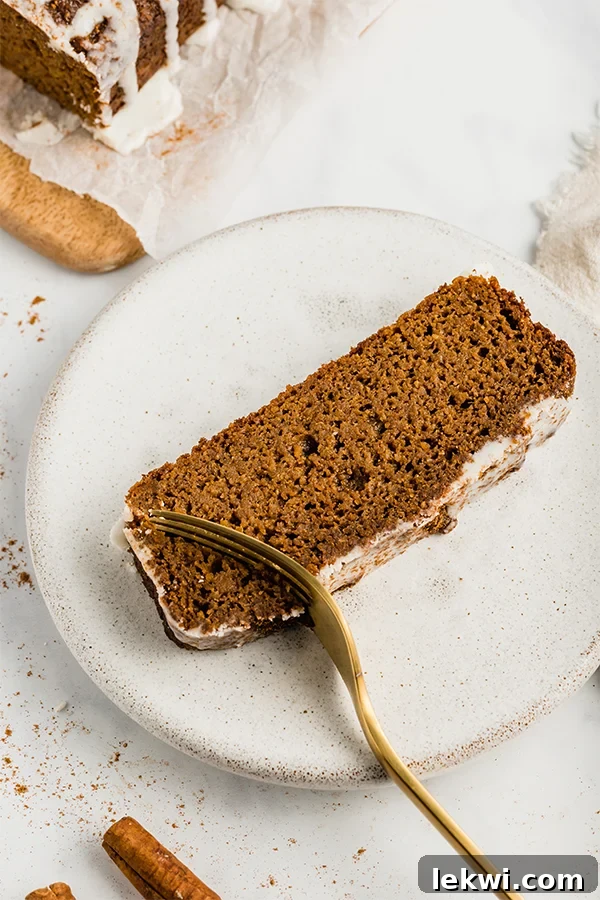
Irresistible Paleo Sweet Potato Gingerbread: Your Ultimate Gluten-Free Holiday Dessert
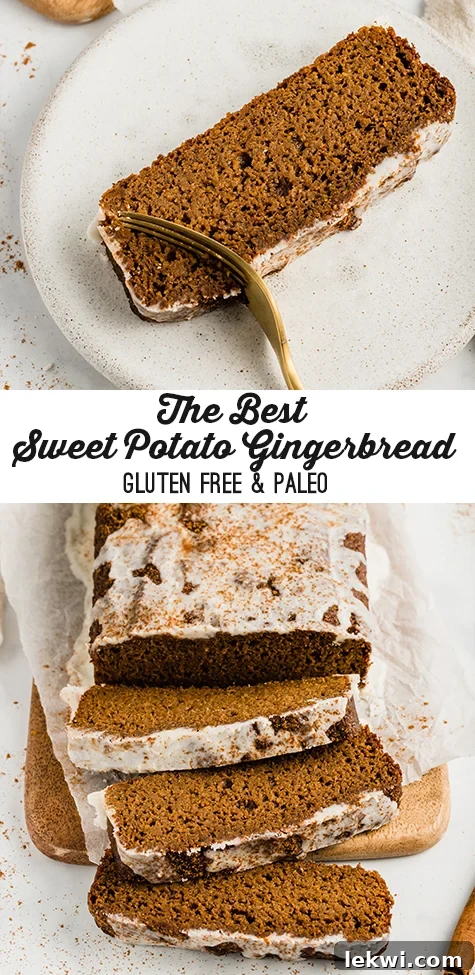
Embrace the cozy spirit of the holiday season with this exquisite Paleo Sweet Potato Gingerbread! It’s not just a treat; it’s a celebration of wholesome ingredients, perfectly crafted to be gluten-free, dairy-free, and grain-free. This delightful gingerbread loaf combines the classic warmth of ginger and cinnamon with the natural sweetness and moist texture of sweet potato, offering a truly special dessert that everyone can enjoy.
Why Sweet Potato Gingerbread is a Must-Have This Holiday Season
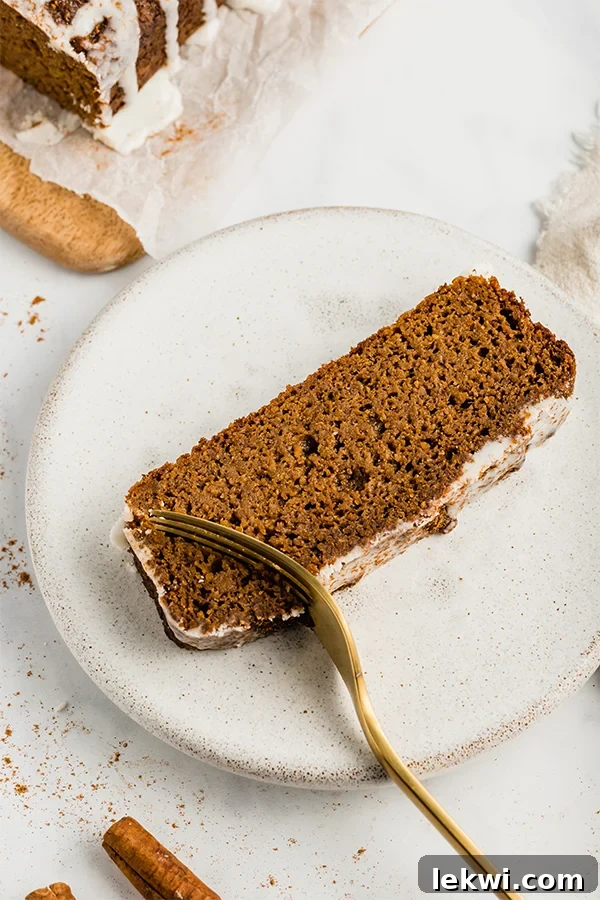
Gingerbread is an iconic holiday staple, filling homes with its comforting aroma and spicy-sweet flavor. Our Paleo Sweet Potato Gingerbread takes this beloved tradition to a new level by incorporating the humble sweet potato, turning a simple loaf into a nutritional powerhouse without sacrificing taste. This innovative twist not only enhances the flavor profile with a subtle earthy sweetness but also adds a wonderful moistness and a boost of hidden vegetables.
For those navigating dietary restrictions, this recipe is a true game-changer. It proudly stands as a gluten-free, dairy-free, and entirely paleo and grain-free option, making it accessible to a wider audience. Whether you’re adhering to a specific diet or simply looking for a healthier alternative to traditional holiday desserts, this sweet potato gingerbread is sure to become a cherished part of your festive spread. Its rich, deep color and fragrant spices evoke the very essence of the holidays, promising a slice of pure comfort with every bite.
The Magic Behind the Mix: Key Ingredients Explained
Crafting the perfect paleo gingerbread requires a thoughtful selection of ingredients that contribute to both flavor and structure. Here’s a closer look at the components that make this sweet potato gingerbread so special:
The Foundational Flours: Almond, Coconut & Tapioca Starch
- Almond Flour: As a primary flour, almond flour provides a tender crumb and a rich, slightly nutty flavor. It’s a fantastic gluten-free alternative, high in protein and healthy fats, which contributes to the loaf’s satisfying density.
- Coconut Flour: This highly absorbent flour is essential in paleo baking for its binding properties and subtle sweetness. A little goes a long way, helping to create a balanced texture when combined with almond flour.
- Tapioca Starch (or Arrowroot Starch): These starches act as a binder and help create a lighter, chewier texture. They are crucial for giving the gingerbread its structure and preventing it from being too dense, common in gluten-free baking. Either tapioca or arrowroot can be used interchangeably in this recipe, offering flexibility without compromising the final result.
Sweeteners for Depth and Delight: Blackstrap Molasses and Coconut Sugar
- Blackstrap Molasses: This is the secret to authentic gingerbread flavor and its characteristic dark hue. Blackstrap molasses delivers a deep, robust, slightly bitter-sweetness that is irreplaceable. Trust us on this one – do not substitute with maple syrup, as it will drastically alter the flavor profile and color, losing that classic gingerbread essence.
- Coconut Sugar: A natural, unrefined sweetener, coconut sugar offers a caramel-like flavor that complements the molasses beautifully. It’s a preferred choice in paleo baking for its lower glycemic index compared to refined sugars, providing a gentle sweetness.
The Star of the Show: Sweet Potato Puree
- Sweet Potato Puree: This ingredient is a true hero in this recipe. It adds incredible moisture, natural sweetness, and a wealth of nutrients, including vitamins and fiber. While canned sweet potato puree offers a convenient shortcut, you can certainly use homemade, well-mashed sweet potato. Just ensure it’s very smooth and free of lumps for the best texture in your gingerbread.
Fats for Flavor and Texture: Coconut Oil & Coconut Butter
- Melted Coconut Oil: Used in the batter, coconut oil contributes to the overall moisture and helps create a tender crumb. It’s a healthy fat widely used in paleo cooking and baking.
- Coconut Butter (for the Drizzle): This creamy, rich ingredient is perfect for making a simple yet elegant glaze. When melted, it creates a luscious drizzle that hardens slightly, adding another layer of coconut flavor and visual appeal. If you prefer a less decadent treat or want to reduce sweetness, the drizzle can be omitted entirely.
The Warming Spice Blend: Ginger, Cinnamon & Vanilla
- Ground Cinnamon & Ginger: These warming spices are the heart and soul of gingerbread. Fresh, high-quality spices will make a significant difference in the final flavor, imparting that unmistakable festive aroma and taste.
- Vanilla Extract: A touch of vanilla enhances all the other flavors, adding a layer of aromatic sweetness.
- Baking Soda: Essential for leavening, baking soda reacts with the molasses and other acidic ingredients to give the gingerbread a nice rise and a light, airy texture.
Crafting Your Gingerbread: Step-by-Step Guide
Making this paleo sweet potato gingerbread is a straightforward process, ensuring you’ll have a delicious, fragrant loaf ready in no time. Follow these steps for the perfect result:
- Prepare Your Pan and Oven: Begin by preheating your oven to 350°F (175°C). Line a 9×5-inch loaf pan with parchment paper, leaving an overhang on the sides. This makes it incredibly easy to lift the baked gingerbread out of the pan. Lightly grease the parchment paper to prevent sticking.
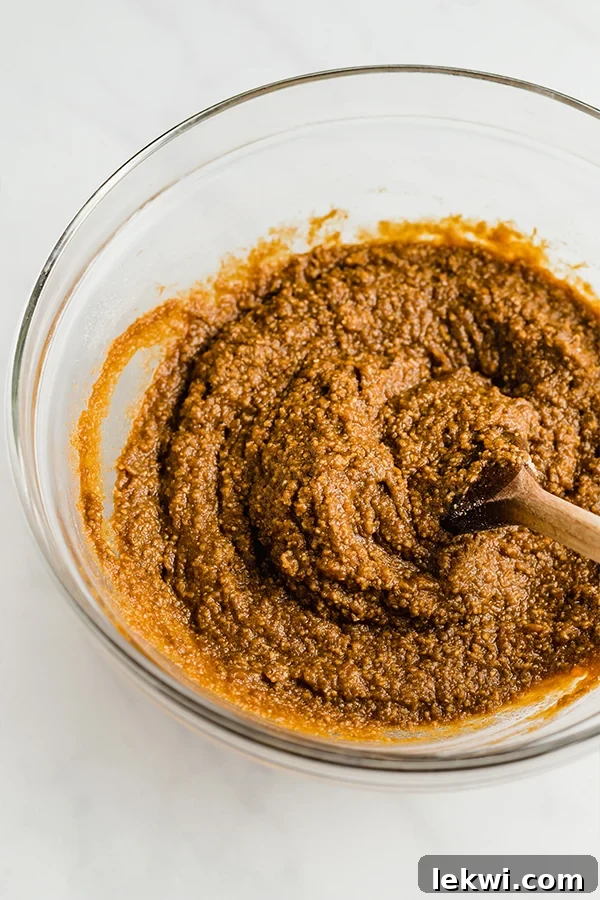
- Combine Wet Ingredients: In a large mixing bowl, thoroughly combine the melted coconut oil, coconut sugar, and blackstrap molasses. Stir vigorously until the mixture is smooth and well incorporated. Next, add the eggs and sweet potato puree, mixing until all wet ingredients are fully blended.
- Whisk Dry Ingredients: In a separate bowl, whisk together the almond flour, tapioca starch, coconut flour, ginger powder, cinnamon, vanilla extract, and baking soda. Ensure there are no clumps of flour and the spices are evenly distributed. This step is vital for a consistent texture in your gingerbread.
- Combine Wet and Dry Mixtures: Gradually add the dry ingredient mixture to the wet ingredients. Mix carefully until just combined. Be mindful not to overmix, as this can lead to a tougher texture in gluten-free baking. Stir until a uniform batter forms.
- Bake to Golden Perfection: Pour the gingerbread batter into the prepared loaf pan. Use a rubber spatula to gently flatten the top of the bread, ensuring an even bake. Transfer the pan to the preheated oven and bake for 40-45 minutes, or until a wooden skewer or toothpick inserted into the center comes out clean. The top should be golden brown and firm to the touch.
- Cooling is Key: Once baked, remove the loaf from the oven and allow it to cool in the pan for about 5 minutes. This crucial resting period helps the gingerbread set properly. After 5 minutes, carefully lift the gingerbread out of the pan using the parchment paper overhang and transfer it to a wire cooling rack to cool completely for at least another 10 minutes. This prevents the bottom from getting soggy and ensures a perfect slice.
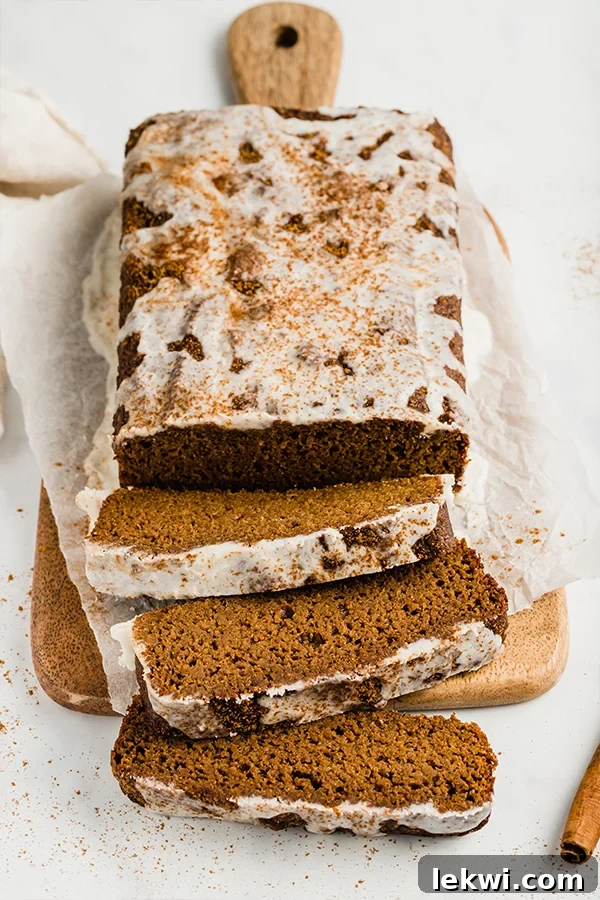
- The Finishing Touch: Drizzle and Serve: While the gingerbread is cooling, gently melt the coconut butter for the glaze. Once the loaf has cooled slightly, drizzle the melted coconut butter evenly over the top. Sprinkle with an extra dash of cinnamon for added flavor and visual appeal. Allow the drizzle to set slightly before slicing and serving.
Expert Tips for Perfect Paleo Gingerbread Every Time
- Accurate Measuring: Gluten-free baking is often more sensitive to ingredient ratios. Use proper measuring techniques, especially for flours (lightly spoon into cup, then level).
- Smooth Sweet Potato Puree: Whether canned or homemade, ensure your sweet potato puree is completely smooth. Any lumps can affect the gingerbread’s texture.
- Quality Spices: Fresh, potent ground ginger and cinnamon are essential for that classic, warm gingerbread flavor. Check the expiry dates on your spices.
- Don’t Rush the Cooling: Allowing the gingerbread to cool completely on a wire rack is vital. This prevents it from becoming gummy or falling apart when sliced.
- Storage: Store leftover gingerbread in an airtight container at room temperature for up to 3 days, or in the refrigerator for up to a week. For longer storage, slices can be frozen for up to 2-3 months. Thaw at room temperature before serving.
Frequently Asked Questions About Paleo Sweet Potato Gingerbread
Can I make this recipe without the glaze?
Absolutely! The coconut butter drizzle is entirely optional. The gingerbread is delicious on its own, or you can opt for a different topping if you prefer, such as a dairy-free cream cheese frosting for extra indulgence.
Can you make this recipe vegan?
We’ve attempted to make this recipe vegan using flax eggs several times, but unfortunately, it hasn’t achieved the same rise and optimal texture as when made with traditional eggs. Eggs play a crucial role in the structure and lift of this paleo loaf. While adjustments might be possible, this specific recipe is not optimized for a vegan adaptation. If you’re looking for a vegan gingerbread, we recommend seeking out recipes specifically developed for vegan ingredients.
Can you make this recipe AIP (Autoimmune Protocol)?
Similar to the vegan adaptation, converting this specific recipe to be AIP-compliant has proven challenging in our tests to achieve the desired texture and flavor. AIP baking often requires different flour blends and egg substitutes. However, if you’re seeking a delicious AIP-friendly alternative with similar comforting flavors, we highly recommend checking out our recipe for AIP Pumpkin Bread. It offers a wonderful, compliant option that captures the essence of fall and winter baking.
Serving Suggestions
This Paleo Sweet Potato Gingerbread is incredibly versatile. Enjoy a slice for breakfast with your morning coffee or tea, serve it as a delightful dessert after a festive meal, or offer it as a comforting snack. It pairs wonderfully with a dollop of coconut whipped cream, a sprinkle of extra cinnamon, or even a side of fresh fruit.
More Gluten-Free Holiday Treats You’ll Love
If you’re a fan of delicious, wholesome holiday treats, explore these other fantastic recipes:
- AIP Pumpkin Bread
- Paleo Gingerbread Donut Holes
- Gluten-Free Gingerbread French Toast
- AIP/Paleo Gingerbread House
We hope this Paleo Sweet Potato Gingerbread brings warmth and joy to your holiday table. It’s a testament that healthy eating doesn’t mean sacrificing flavor or tradition. Happy baking!
Paleo Sweet Potato Gingerbread Recipe
This paleo sweet potato gingerbread is the perfect gluten-free treat for the holiday season! It’s made with almond flour, sweet potato, and other real food ingredients.
Yield: 9 servings
Prep Time: 10 mins
Cook Time: 45 mins
Author: Michelle
Ingredients
For the Gingerbread:
- ¼ cup coconut oil, melted
- ⅓ cup coconut sugar
- 3 tbsp blackstrap molasses
- 3 eggs
- ¾ cup canned sweet potato puree (or well-mashed cooked sweet potato)
- 1 cup almond flour
- ¼ cup tapioca starch (or arrowroot starch)
- 2 tbsp coconut flour
- 2 tsp ginger powder
- 1 tsp cinnamon
- 1 tsp vanilla extract
- ½ tsp baking soda
For the Glaze/Drizzle (Optional):
- ¼ cup coconut butter, melted
- ½ tsp cinnamon
Instructions
- Preheat the oven to 350°F (175°C) and line a 9×5-inch loaf pan with greased parchment paper.
- In a large bowl, combine the melted coconut oil, coconut sugar, and molasses. Stir well until incorporated. Add the eggs and sweet potato puree, and fully combine.
- Add the almond flour, tapioca starch, coconut flour, ginger powder, cinnamon, vanilla extract, and baking soda to a separate bowl, and mix well, ensuring there are no clumps of flour.
- Gradually add the dry ingredients to the wet ingredients and thoroughly combine until a smooth batter forms.
- Pour the batter into the prepared loaf pan, using a rubber spatula to flatten the top of the bread. Transfer to the oven and bake for 40-45 minutes or until fully baked through (a toothpick inserted into the center comes out clean).
- Remove from the oven and allow to set in the pan for 5 minutes before carefully transferring to a cooling rack to cool for another 10 minutes.
- If desired, drizzle with melted coconut butter and top with a sprinkle of cinnamon before slicing and serving.
Notes
All nutritional information is an estimation and will vary. Estimations do not include optional ingredients.
Nutrition Facts (Estimated per serving)
- Serving: 1 serving
- Calories: 275 kcal
- Carbohydrates: 23.1 g
- Protein: 5.1 g
- Fat: 14 g
- Fiber: 2.3 g
All nutrition facts are estimated and will vary.
Recipe by Michelle, Unbound Wellness. Photos by Eat Love Eats