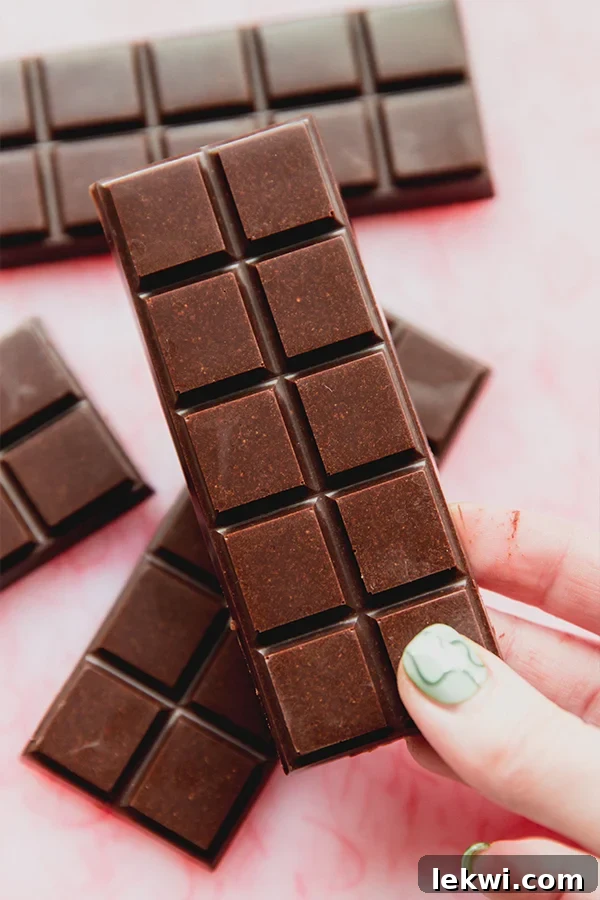
Homemade Coconut Milk Chocolate Bars: Your Dream Dairy-Free Indulgence
Are you a lifelong milk chocolate devotee who’s had to bid farewell to your favorite treat due to dietary restrictions? Perhaps you’ve embarked on a vegan journey or are navigating a dairy-free lifestyle, only to find the world of chocolate dominated by intense dark varieties. While dark chocolate has its undeniable charm, sometimes what you truly crave is that smooth, creamy, melt-in-your-mouth sweetness that only milk chocolate can deliver. For too long, finding a truly satisfying dairy-free alternative felt like an elusive quest. But the search ends here! Prepare to rediscover the joy of velvety milk chocolate with this incredible homemade coconut milk chocolate bar recipe.
This recipe isn’t just an alternative; it’s a revelation. Crafted with wholesome ingredients and surprisingly simple steps, it promises a vegan and dairy-free milk chocolate experience that genuinely rivals its traditional counterpart. Forget the compromises and the gritty textures often associated with store-bought options. This homemade delight is designed for perfection, offering a rich, sweet, and incredibly smooth treat that will satisfy even the most discerning chocolate connoisseur.
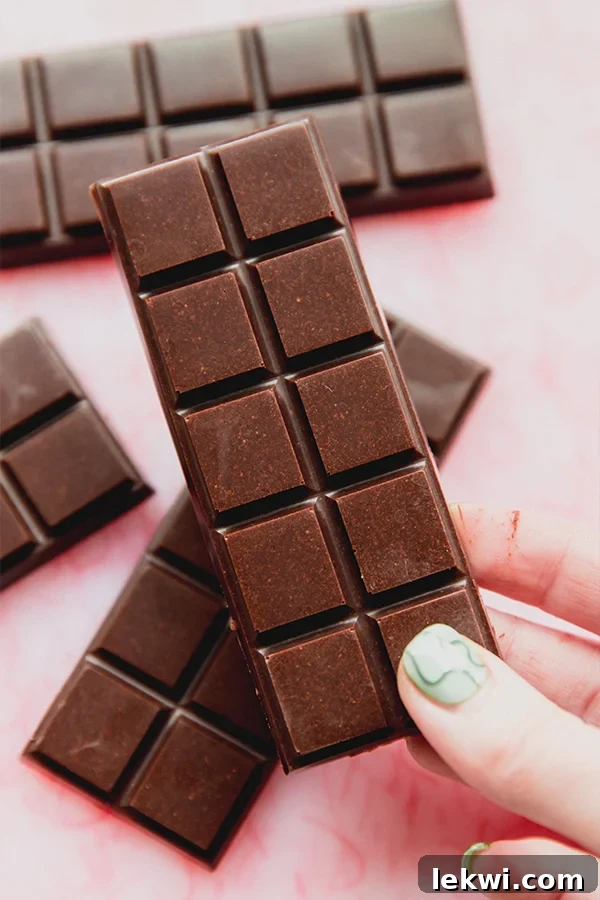
Why You’ll Fall in Love with This Dairy-Free Chocolate Recipe
Creating your own chocolate at home might sound daunting, but this recipe is designed to be approachable and rewarding. Here’s why this homemade coconut milk chocolate bar will become your new go-to indulgence:
- A Truly Creamy Dairy-Free “Milk” Chocolate: If you’ve been longing for the luscious, creamy texture of milk chocolate without any dairy, this recipe is a game-changer. The secret lies in the clever combination of cacao butter and coconut milk powder, which work in harmony to produce an unparalleled smoothness that truly mimics traditional milk chocolate. It melts beautifully in your mouth, leaving behind a comforting, sweet flavor profile rather than the sometimes-bitter notes of dark chocolate.
- Effortlessly Simple Homemade Indulgence: Don’t let the idea of making chocolate from scratch intimidate you. This recipe utilizes just a few readily available ingredients and straightforward techniques, making it incredibly accessible for home cooks of all skill levels. You won’t need any specialized equipment beyond a double boiler setup (which can be improvised with items you already own) and a chocolate mold. In just a short amount of active preparation time, you’ll be on your way to enjoying artisan-quality chocolate.
- Control Over Ingredients for a Healthier Treat: One of the biggest advantages of making your own chocolate is knowing exactly what goes into it. This recipe allows you to skip artificial additives, unhealthy fats, and excessive processed sugars often found in commercial chocolates. You have the power to choose high-quality, organic ingredients, ensuring a purer and potentially healthier treat that aligns with your dietary values, whether vegan, dairy-free, or simply striving for cleaner eating.
- Customizable to Your Taste: While the base recipe is perfect as is, it also serves as a fantastic canvas for customization. Want a hint of spice? Add a pinch of cayenne. Craving some texture? Fold in chopped nuts, dried fruit, or a sprinkle of flaky sea salt. You can adjust the sweetness level to your preference by slightly altering the amount of date sugar. This versatility makes every batch a unique culinary adventure tailored just for you.
The Essential Ingredients for Your Homemade Coconut Milk Chocolate
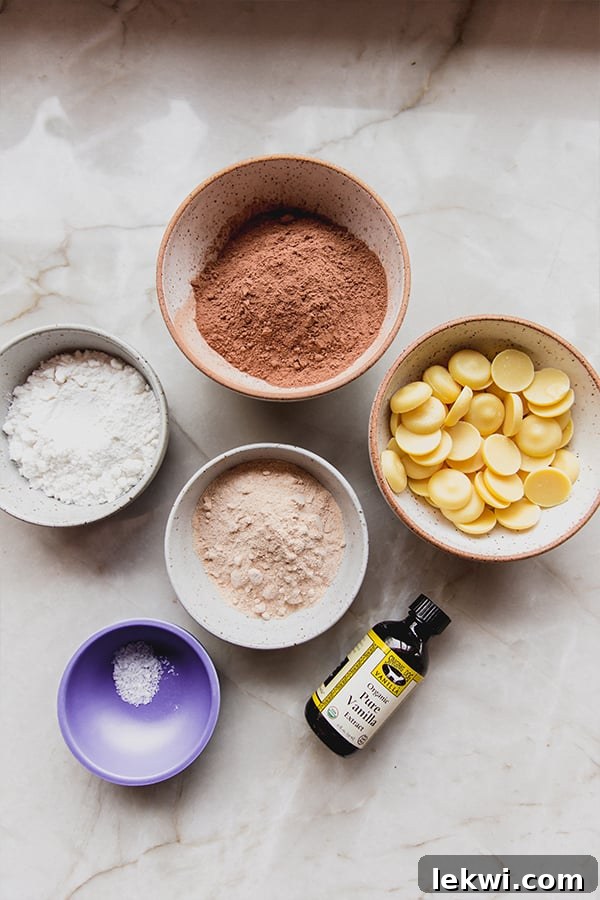
The magic of this dairy-free milk chocolate lies in a carefully selected blend of ingredients, each playing a crucial role in achieving its perfect taste and texture. Here’s a closer look at what you’ll need:
- Cacao Butter Wafers: This is the foundational ingredient, providing the rich, fatty base that gives chocolate its signature smooth mouthfeel and ability to solidify. Cacao butter is the pure fat extracted from the cacao bean, offering a delicate chocolate aroma without the bitterness of cocoa powder. While you *could* technically substitute with coconut oil, cacao butter is vastly superior for chocolate making. Coconut oil has a lower melting point, meaning your chocolate would melt much faster at room temperature and have a less stable texture. Cacao butter, however, creates a firmer, more authentic chocolate bar that holds its shape beautifully.
- Date Sugar: Date sugar is absolutely key to achieving the desired texture and sweetness in this recipe. Unlike granular sweeteners like coconut sugar, date sugar is made from finely ground dried dates, giving it a much finer consistency. This fine grind is crucial because it allows the sugar to dissolve more evenly into the melted cacao butter, preventing the gritty texture that coarser sugars can impart. Coconut sugar, while delicious, is notorious for creating a grainy finish in homemade chocolate due to its larger crystal size. While maple syrup can also be used as a liquid sweetener, it may affect the final setting of the chocolate, resulting in a softer bar that requires constant refrigeration. For the best results, stick with finely ground date sugar.
- Cocoa Powder: This is where the deep chocolate flavor comes from. Cocoa powder is the dry solid remains of fermented, dried, and roasted cacao beans. It provides the characteristic dark hue and intense chocolate taste. Ensure you use unsweetened cocoa powder to control the overall sweetness of your bars. You might also consider using raw cacao powder for an even richer, more complex flavor profile and additional antioxidant benefits, although standard cocoa powder works perfectly.
- Coconut Milk Powder: The hero ingredient for achieving that creamy “milk” chocolate effect! Coconut milk powder is dehydrated coconut milk, which, when combined with the cacao butter, delivers a rich, milky flavor and a silky-smooth texture without any dairy whatsoever. It’s essential for replicating the comforting, familiar taste of milk chocolate. Look for a high-quality, unsweetened coconut milk powder for the best results.
- Vanilla Extract and Sea Salt: These two ingredients are flavor enhancers. A good quality vanilla extract adds a subtle warmth and depth, rounding out the chocolate’s sweetness. A pinch of sea salt, while seemingly small, is vital. It doesn’t make the chocolate salty but rather brightens all the other flavors, making the chocolate taste more vibrant and complex, and beautifully balances the sweetness.
Crafting Your Own Vegan Milk Chocolate: A Step-by-Step Guide
Making your own dairy-free milk chocolate is a surprisingly simple process that yields incredibly satisfying results. Follow these steps carefully to ensure a perfectly smooth and delicious chocolate bar every time.
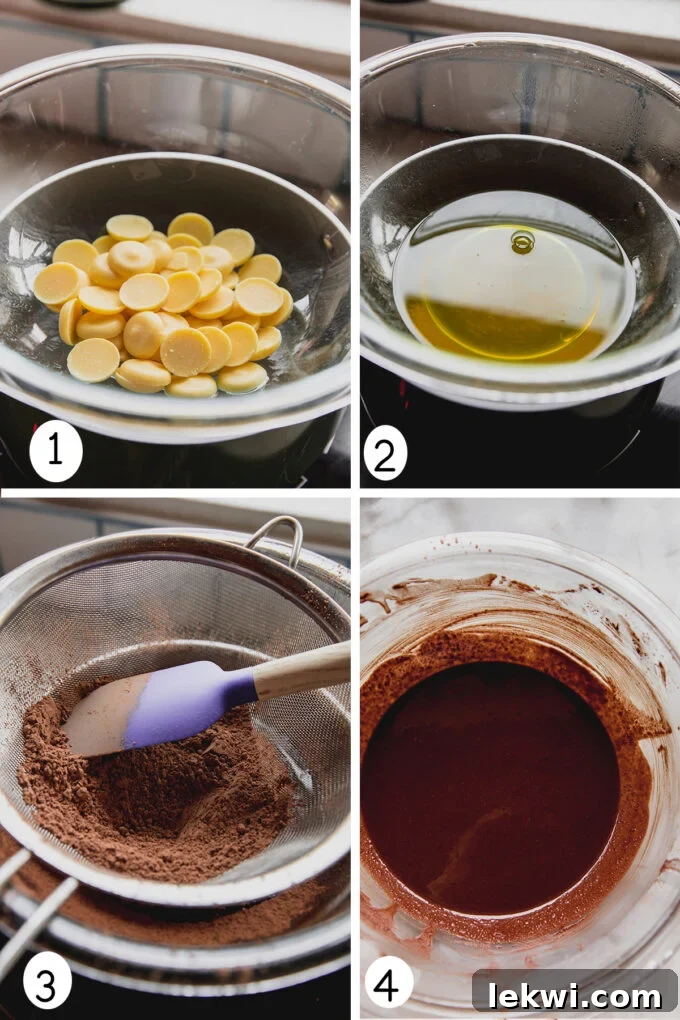
- Step One: Prepare Your Double Boiler and Melt Cacao Butter. Begin by setting up a double boiler. Fill a pot with about 1-2 inches of water and bring it to a low simmer over the stove. Place a heat-safe glass or metal bowl (ensure it’s larger than the pot opening so it rests securely on top without touching the water) over the simmering water. Add the cacao butter wafers to the bowl. Stir continuously with a spatula or whisk until the cacao butter is completely melted and forms a clear, golden liquid. This gentle heat ensures the butter melts without burning.
- Step Two: Integrate Cocoa Powder Smoothly. Once the cacao butter is fully melted, reduce the heat of the double boiler to its lowest setting. This is crucial to prevent the chocolate from seizing. Carefully sift the cocoa powder directly into the melted cacao butter. Sifting is essential here to break up any clumps and ensure a super smooth final texture. Whisk gently but thoroughly until the cocoa powder is fully incorporated and the mixture is smooth and consistent, without any streaks of dry powder.
- Step Three: Whisk in Coconut Milk Powder and Date Sugar. Next, sift in the coconut milk powder and the date sugar into the chocolate mixture. Again, sifting these dry ingredients is key for preventing lumps and achieving that desirable creamy texture. Whisk vigorously until all the powders are fully combined with the melted chocolate. Continue whisking until the mixture becomes a uniform, smooth, and liquid consistency with no discernible clumps or grittiness. Patience is key in this step to ensure everything is perfectly emulsified.
- Step Four: Finish with Vanilla & Season with Salt. Carefully remove the bowl from the double boiler using oven mitts to protect your hands from the heat. Stir in the vanilla extract, mixing it in thoroughly. The vanilla adds a wonderful aromatic depth to the chocolate. Now, add a small pinch of sea salt. This enhances the overall flavor profile, making the chocolate taste even more vibrant and balanced.
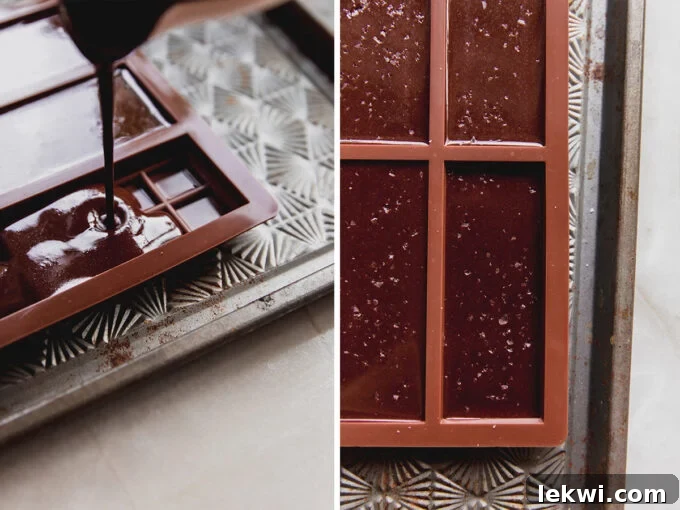
- Step Five: Mold and Chill for Perfection. Place your chosen chocolate mold (silicone molds for bars or individual pieces work best for easy removal) onto a sturdy baking sheet. This makes it easier to transfer the liquid chocolate to the fridge without spilling. Carefully pour the smooth chocolate mixture evenly into the mold cavities. Before placing it in the fridge, you can optionally sprinkle a bit more flaky sea salt on top for a beautiful finish and an extra pop of flavor. Gently transfer the baking sheet with the mold to the refrigerator. Allow the chocolate to chill until it is completely solid, which typically takes at least 3 hours, but can be longer depending on the thickness of your bars.
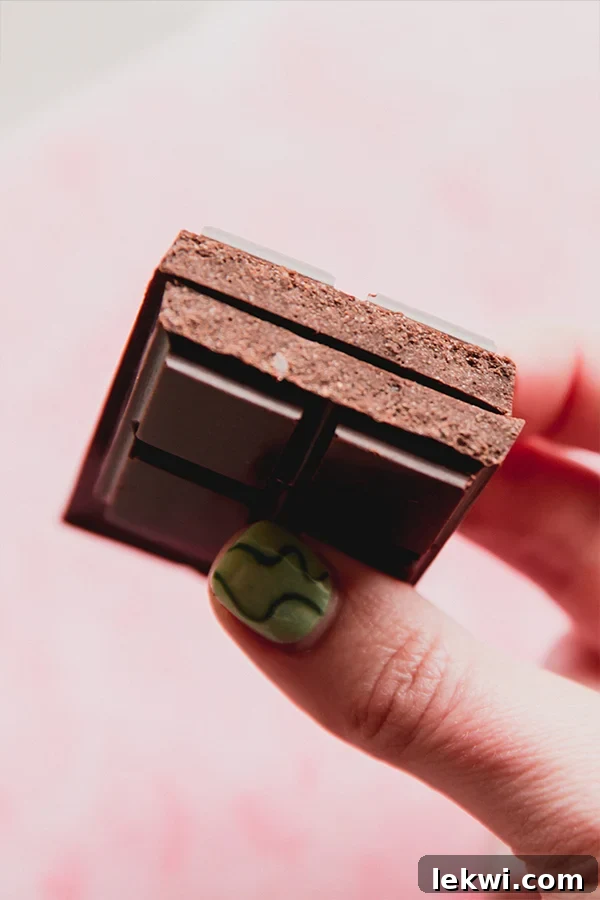
- Step Six: Unmold and Savor Your Creation. Once the chocolate bars are firm and solid, remove them from the refrigerator. Gently flex the silicone mold to pop out your perfectly formed homemade chocolate bars. If using a rigid mold, you may need to tap it lightly. Your delicious dairy-free milk chocolate is now ready to enjoy! Store any leftover chocolate bars chilled in an airtight container in the fridge to maintain their optimal texture and freshness.
Expert Tips for the Best Homemade Coconut Milk Chocolate Bars
Achieving perfect homemade chocolate isn’t difficult, but a few simple tips can elevate your results from good to absolutely extraordinary:
- Sift Your Dry Ingredients Thoroughly: This tip cannot be stressed enough. Cocoa powder, coconut milk powder, and date sugar can all contain small clumps, which, if not removed, will lead to a grainy or lumpy texture in your finished chocolate. Using a fine-mesh sieve to sift all dry ingredients into the melted cacao butter ensures a luxuriously smooth and uniform consistency, exactly what you want in a milk chocolate bar. Don’t skip this vital step!
- Choose Your Molds Wisely: The type of mold you use can dramatically change the presentation of your chocolate. While standard bar molds are great, get creative! Silicone molds are incredibly easy to work with for their flexibility, making unmolding a breeze. You can find molds in countless fun shapes – think bunnies for Easter, festive trees for Christmas, or intricate geometric designs. Making seasonal or themed chocolates adds a delightful personal touch.
- Proper Storage for Lasting Freshness: To maintain the ideal texture and prevent melting, especially in warmer climates, store your homemade coconut milk chocolate bars in an airtight container in the refrigerator. This keeps them firm and prolongs their freshness. They can typically last for up to 2-3 weeks when stored properly in the fridge, though they’re often devoured much sooner!
- Experiment with Flavor Variations & Add-ins: Once you’ve mastered the basic recipe, the possibilities for customization are endless. Consider adding a swirl of dairy-free caramel, a sprinkle of chili flakes for a spicy kick, a few drops of peppermint extract for a refreshing twist, or even a layer of crushed roasted nuts for extra crunch. Dried berries, candied orange peel, or shredded coconut can also be folded in before pouring into molds.
- Troubleshooting Common Issues: If your chocolate turns out gritty, it’s most likely due to insufficiently sifted dry ingredients or the use of a coarser sugar. Ensure thorough sifting and whisking. If your chocolate doesn’t set firmly, it could be that your cacao butter wasn’t pure enough or too much liquid sweetener (if you deviated from date sugar) was used. Always ensure the chocolate is completely chilled before attempting to unmold.
Frequently Asked Questions About Vegan Chocolate
Is this chocolate truly vegan and dairy-free?
Absolutely! This recipe uses cacao butter, cocoa powder, and coconut milk powder, all of which are plant-based. There are no animal products or dairy derivatives used, making it 100% vegan and dairy-free.
How long do these chocolate bars last?
When stored in an airtight container in the refrigerator, these homemade chocolate bars can stay fresh for up to 2-3 weeks. For optimal enjoyment, consume them within two weeks.
Can I use other sweeteners besides date sugar?
Date sugar is highly recommended for its fine texture, which prevents grittiness. While you can experiment with very finely ground erythritol or powdered sugar (confectioners’ sugar), be aware that these may alter the flavor or final texture slightly. Liquid sweeteners like maple syrup are not ideal as they can prevent the chocolate from setting properly and may introduce too much moisture.
What if my chocolate turns out gritty?
Grittiness is usually caused by dry ingredients (cocoa powder, coconut milk powder, date sugar) not being thoroughly sifted or fully dissolved. Ensure you sift all powders before adding them and whisk diligently until the mixture is completely smooth. Using finely ground date sugar is also key to preventing this issue.
More Irresistible Dairy-Free Desserts You’ll Love
If you enjoyed this dairy-free chocolate recipe, you’ll love exploring more of our wholesome and delicious dessert options:
- Chocolate Almond Butter Bars
- Paleo Buckeyes
- Gluten Free Chocolate Lava Cakes
Homemade Coconut Milk Chocolate Bar (Vegan & Dairy Free)
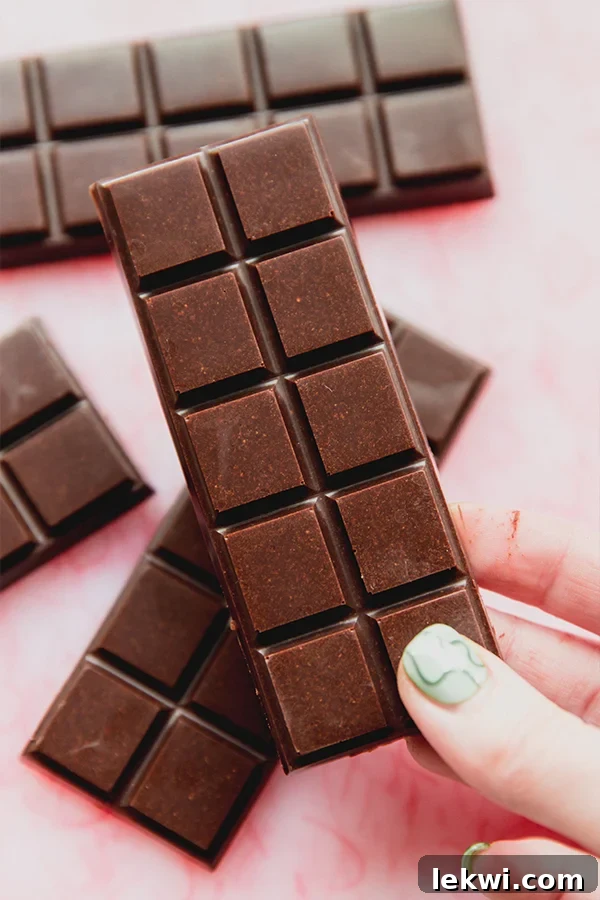
This homemade coconut milk chocolate bar is the perfect alternative to dark chocolate! It’s vegan, dairy-free, and super simple to make.
Yield: 10 servings
Prep Time: 10 mins
Cook Time: 5 mins
Total Time: 3 hrs
Author: Unbound Wellness
Ingredients
- 1 cup cacao butter wafers
- ⅔ cup cocoa powder
- ¼ cup coconut milk powder
- ⅓ cup date sugar
- 1 tsp vanilla extract
- Pinch of sea salt
Instructions
- Heat a pot of water over the stove and bring to a low simmer. Add a heat-safe glass or metal bowl over the pot of water to create a double boiler.
- Add the cacao butter wafers to the bowl, stirring until melted. Reduce the heat of the double boiler and sift in the cocoa powder. Whisk to combine. Sift in the coconut milk powder and date sugar, whisking to combine thoroughly. The mixture should be a smooth liquid with no large clumps.
- Carefully remove the bowl from the heat using oven mitts. Stir in the vanilla extract.
- Place your chosen chocolate mold (e.g., silicone bar molds) on a baking sheet and pour the chocolate mixture evenly into the mold. Sprinkle with a pinch of sea salt for enhanced flavor, then transfer to the fridge until completely solid (this usually takes about 3 hours).
- Once firm, remove the chocolate from the mold. Store the finished chocolate bars chilled in the fridge to maintain their texture and freshness. Enjoy your homemade treat!
Notes
All nutritional information is an estimation and will vary. Estimations do not include optional ingredients.
Nutrition Facts (per serving)
- Serving: 1 serving
- Calories: 243 kcal
- Carbohydrates: 10.2g
- Protein: 1.2g
- Fat: 23.8g
- Fiber: 1.7g
All nutrition facts are estimated and will vary.
With this recipe, you no longer have to compromise on your love for creamy milk chocolate. Embrace the joy of crafting your own delicious, dairy-free, and vegan chocolate bars right in your kitchen. Whether you’re making them for yourself, sharing with friends, or gifting them, these homemade coconut milk chocolate bars are sure to impress. Don’t forget to share your wonderful creations with us! Tag @unboundwellness on Instagram and use the hashtag #unboundwellness to show off your delectable results!