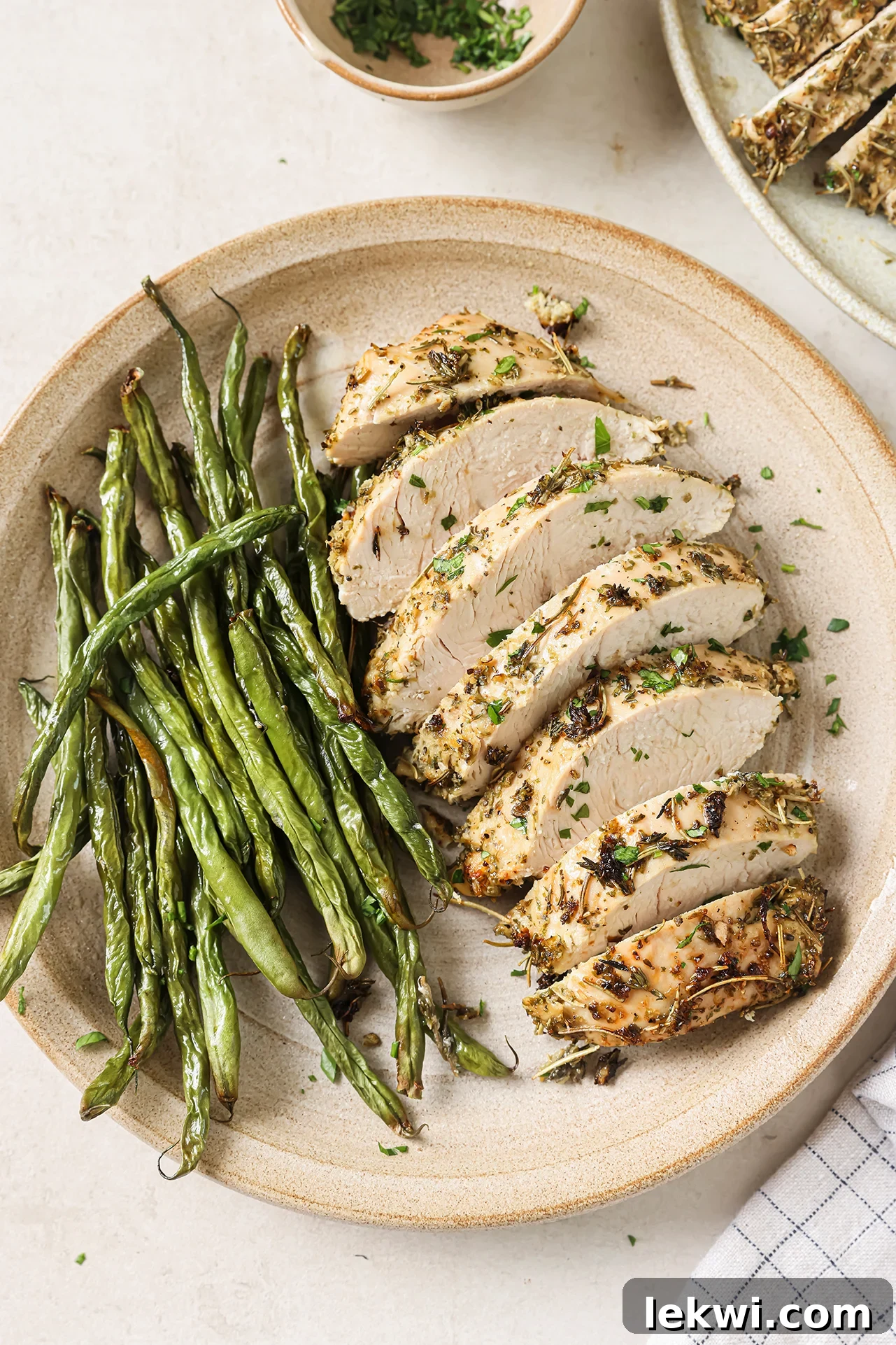
Oven-Baked Turkey Tenderloin: Perfectly Juicy and Flavorful for Any Occasion
Discover the ultimate recipe for oven-baked turkey tenderloin that promises a meal both juicy and incredibly flavorful, all with impressive simplicity. Gone are the days of dry, bland turkey! This dish is meticulously prepared with a vibrant garlic and herb marinade, then baked to exquisite perfection, ensuring every bite is a delightful experience. It’s an ideal choice for both quick weeknight dinners and elegant small gatherings, proving that turkey can be a star beyond the holiday season.
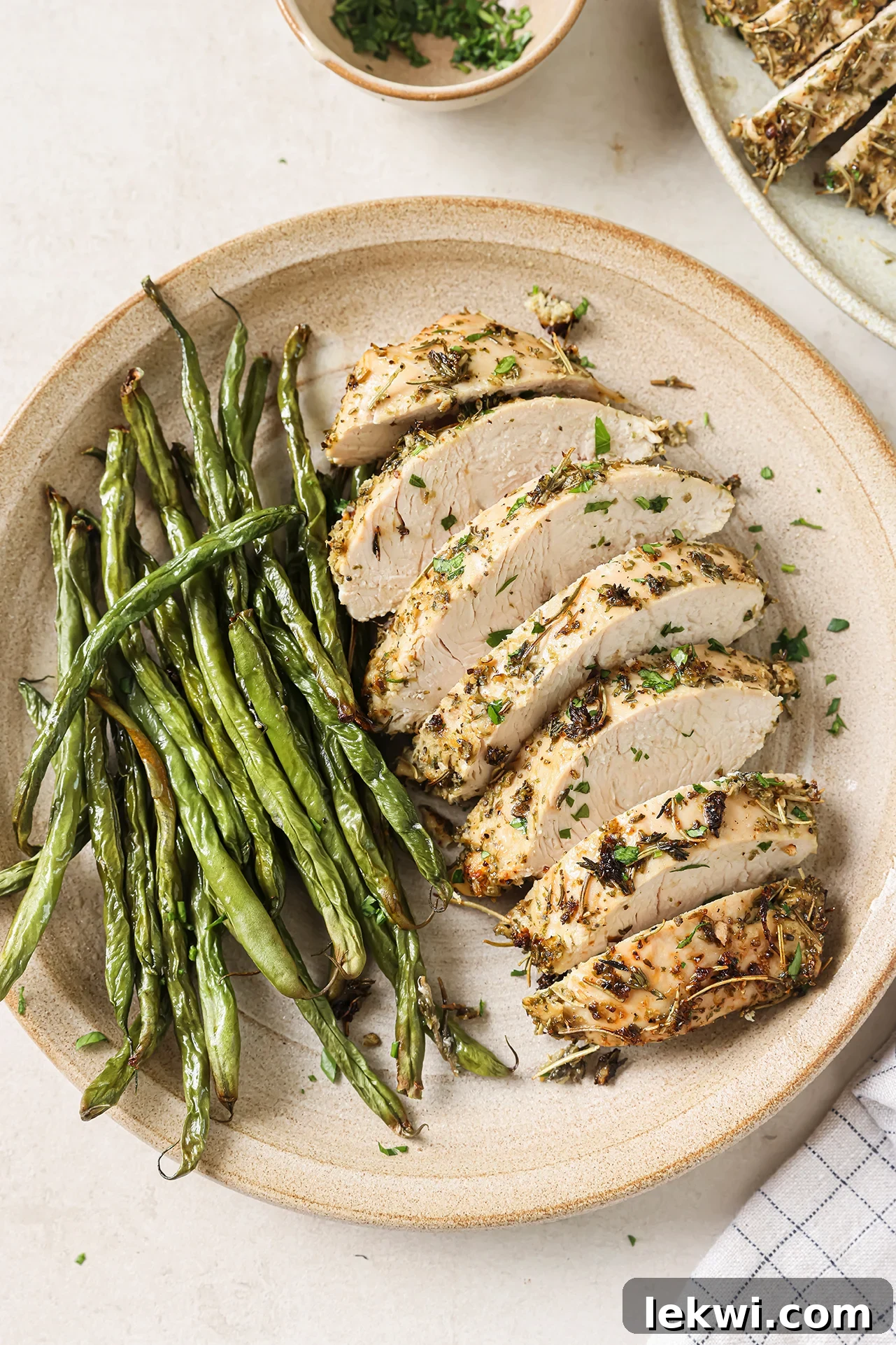
“This recipe was incredibly easy and absolutely delicious! It’s now our go-to for smaller Thanksgiving celebrations and any time we crave a wonderful turkey meal.” – Eileen
Table of Contents
- Why You’ll Love This Oven-Baked Turkey Tenderloin
- What is Turkey Tenderloin? Understanding the Difference from Turkey Breast
- Essential Ingredients for a Perfect Turkey Tenderloin
- Step-by-Step Guide: How to Make Oven-Baked Turkey Tenderloin
- Expert Recipe Tips & Tricks
- Frequently Asked Questions (FAQs) About Turkey Tenderloin
- What to Serve with Turkey Tenderloin?
- Storage & Reheating Instructions
- More Delicious Turkey Recipes to Try…
- Oven Baked Turkey Tenderloin – Full Recipe Card
Why You’ll Love This Oven-Baked Turkey Tenderloin
Turkey often unfairly gets a bad rap for being dry and cumbersome to cook, especially when envisioning a whole bird. However, this perception couldn’t be further from the truth when you choose the right cut and a proven recipe. This oven-baked turkey tenderloin recipe is a game-changer, demonstrating that turkey can be incredibly moist, flavorful, and surprisingly quick to prepare. It’s a testament to simple, effective cooking techniques that unlock the true potential of this lean and healthy protein.
- Effortless & Accessible: This recipe simplifies turkey preparation, making it approachable for cooks of all skill levels. It requires minimal active cooking time and relies on readily available ingredients you can find at any grocery store. Say goodbye to complicated culinary feats and hello to easy elegance.
- Perfect Year-Round Versatility: Who says turkey is only for Thanksgiving? This tenderloin is a fantastic addition to your menu any day of the year. It provides a lean, high-protein component that pairs beautifully with a variety of sides, making it perfect for meal prepping or a wholesome family dinner. Its light yet satisfying profile makes it suitable for all seasons.
- Ideal for Smaller Gatherings: If you’re hosting a more intimate Thanksgiving, Friendsgiving, or holiday meal and don’t want the fuss of a massive whole turkey, this tenderloin is your perfect solution. It offers all the traditional holiday flavors without the lengthy cooking time or an overwhelming amount of leftovers. It’s a smart choice for efficiency and deliciousness.
- Health-Conscious & Delicious: Turkey tenderloin is naturally a lean cut of meat, offering a significant amount of protein with less fat than many other options. Our marinade enhances its natural flavor without adding excessive calories, making it a healthy choice that doesn’t compromise on taste. Enjoy a nutritious meal that feels indulgent.
- Customizable Flavor Profile: While the garlic and herb marinade is a classic winner, this recipe serves as an excellent base for experimentation. Feel free to adjust the herbs to your liking, add a touch of spice, or even infuse citrus notes to create your signature dish. Its adaptability makes it a versatile canvas for culinary creativity.
What is Turkey Tenderloin? Understanding the Difference from Turkey Breast
Turkey tenderloin, often found in the poultry section of most supermarkets, is a boneless, skinless cut of meat taken directly from the turkey breast. Think of it as the smaller, more refined cousin of the whole turkey breast. While both come from the same area of the bird, the tenderloin refers to the pectoralis minor muscle, which is generally smaller and more tender than the larger pectoralis major (the main breast muscle).
The primary differences and advantages of using turkey tenderloin over a whole turkey breast or a whole turkey include:
- Size and Cooking Time: Turkey tenderloins are significantly smaller than a full turkey breast, typically weighing around 1 to 1.5 pounds per piece. This smaller size means a drastically reduced cooking time, often less than an hour, compared to several hours for a whole breast or a full turkey. This makes it a fantastic option for weeknight meals.
- Tenderness: As its name suggests, the tenderloin is exceptionally tender. Because it’s a less-used muscle, it boasts a finer texture and a naturally more delicate flavor. This inherent tenderness contributes to a juicy result, especially when marinated and cooked properly.
- Convenience: Tenderloins come pre-trimmed, boneless, and skinless, requiring very little preparation before cooking. This saves you time and effort compared to breaking down a whole bird or even a bone-in breast. They are ready to be seasoned and cooked straight out of the package.
- Portion Control: Since tenderloins are typically sold in packs of two, each roughly 1 pound, they are excellent for portion control. You can cook one for a smaller meal or both for more servings without the commitment of an entire bird.
- Flavor Absorption: The lean and porous nature of turkey tenderloin makes it excellent at absorbing marinades and seasonings, leading to incredibly flavorful results. This recipe capitalizes on this quality to infuse the meat with garlic and herb goodness.
In essence, choosing turkey tenderloin is choosing convenience, tenderness, and speed without sacrificing flavor, making it a superior choice for many home cooks looking for a quick and healthy protein.
Essential Ingredients for a Perfect Turkey Tenderloin
Crafting a truly memorable oven-baked turkey tenderloin starts with a thoughtful selection of ingredients. Our marinade is designed to both tenderize the meat and infuse it with a rich, aromatic flavor profile that complements the natural taste of turkey beautifully. Here’s a closer look at what you’ll need:
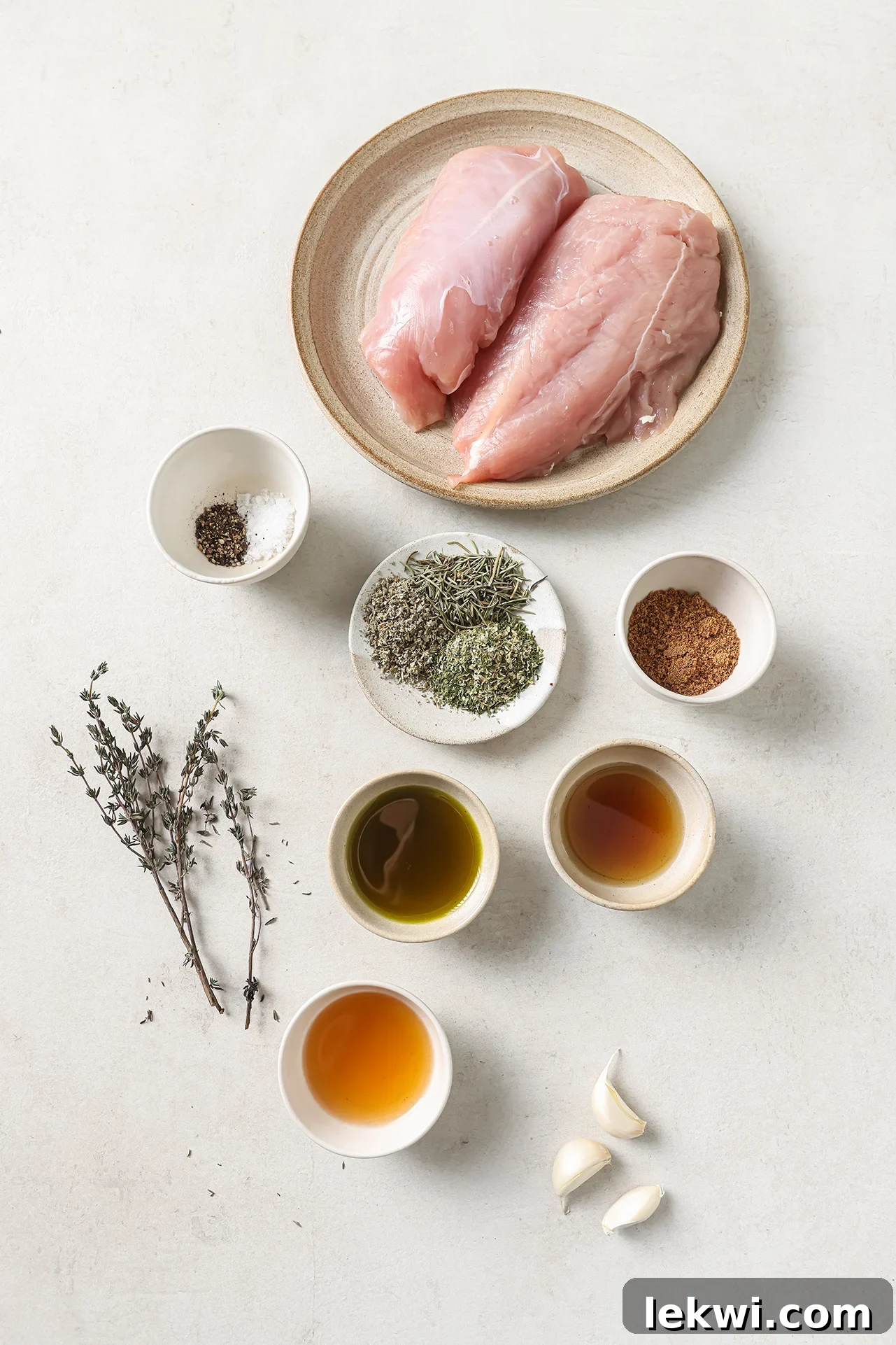
- Turkey Tenderloin: The star of our dish! Most grocery stores conveniently sell turkey tenderloins in packs of two, with each piece typically weighing around 1 pound. Look for tenderloins that appear plump and have a fresh, light pink color. This ensures optimal tenderness and juiciness after cooking.
- Apple Cider Vinegar: A secret weapon in our marinade, apple cider vinegar plays a crucial role in tenderizing the turkey. Its mild acidity helps to break down the muscle fibers, allowing the meat to absorb flavors more deeply and result in a wonderfully tender texture. Don’t skip this for the best results!
- Maple Syrup and Coconut Sugar: These natural sweeteners are optional but highly recommended. They provide a subtle sweetness that balances the savory herbs and garlic, creating a well-rounded flavor profile and helping to achieve a beautiful caramelized crust on the turkey. If you prefer a less sweet or sugar-free option, you can certainly omit them without compromising the integrity of the dish.
- Garlic (minced): Freshly minced garlic is non-negotiable for this recipe. Its pungent aroma and robust flavor are fundamental to the marinade, infusing the turkey with a classic, savory depth that is truly irresistible.
- Aromatic Herbs (Thyme, Sage, Rosemary, Parsley): This powerful quartet of dried herbs forms the backbone of our delicious marinade. Each herb contributes its unique essence:
- Thyme: Offers a delicate, earthy, and slightly floral note.
- Sage: Provides a warm, peppery, and slightly musky aroma, classic for poultry.
- Rosemary: Delivers a woody, pine-like fragrance and robust flavor that stands up well to turkey.
- Parsley: Adds a fresh, clean, and slightly peppery taste, brightening the overall profile.
Using a blend of these herbs ensures a complex and deeply savory flavor. While dried herbs are convenient, you can also use fresh herbs (typically requiring triple the amount of dried).
- Salt and Pepper: The fundamental seasonings! A generous amount of kosher salt and freshly ground black pepper is essential to enhance all the other flavors and season the turkey from within. Adjust to your taste preferences.
- Avocado Oil: Used to coat the turkey before baking, avocado oil has a high smoke point, making it ideal for oven roasting. It helps the turkey cook evenly and achieve a beautifully golden-brown exterior, while also ensuring the herbs adhere well to the surface. Olive oil can be used as an alternative.
Step-by-Step Guide: How to Achieve the Best Oven-Baked Turkey Tenderloin
Making this succulent oven-baked turkey tenderloin is incredibly straightforward. Follow these simple steps, complete with visual guidance, to ensure a perfectly cooked and flavorful meal. You’ll find the complete, detailed instructions in the recipe card below.
Step 1: Prepare the Flavorful Marinade and Marinate
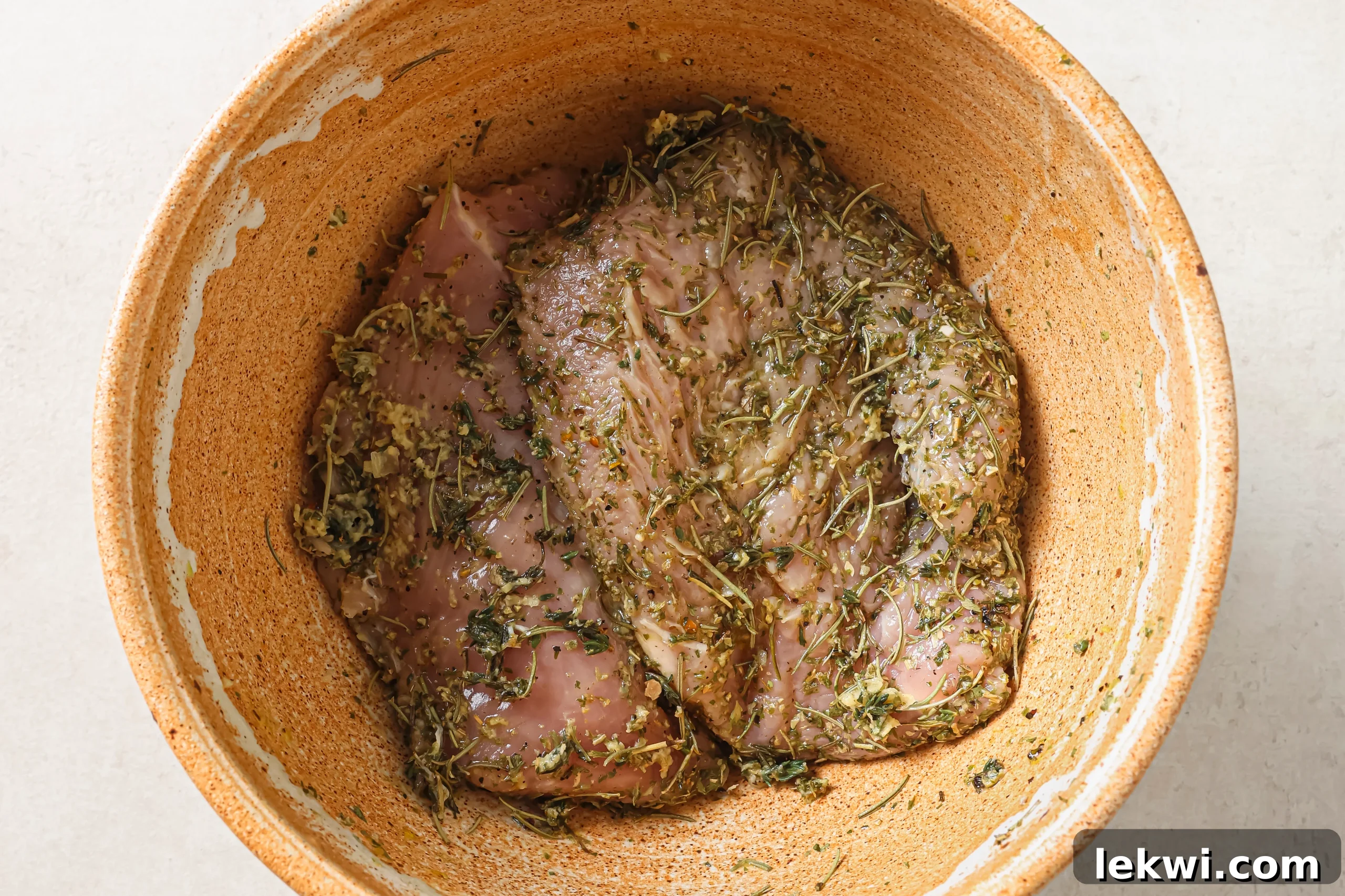
Begin by placing your turkey tenderloins in a large bowl. Pat them thoroughly dry with paper towels; this helps the marinade adhere better and encourages a good sear. In a separate small bowl, whisk together the apple cider vinegar, maple syrup, coconut sugar (if using), minced garlic, dried sage, fresh thyme, dried rosemary, dried parsley, and a generous pinch of salt and pepper. Pour this aromatic marinade over the tenderloins, ensuring they are fully coated. Cover the bowl and refrigerate for at least 2-3 hours to allow the flavors to penetrate and the vinegar to tenderize the meat. For maximum flavor, you can marinate them overnight.
Step 2: Transfer to Baking Sheet and Prepare for Roasting
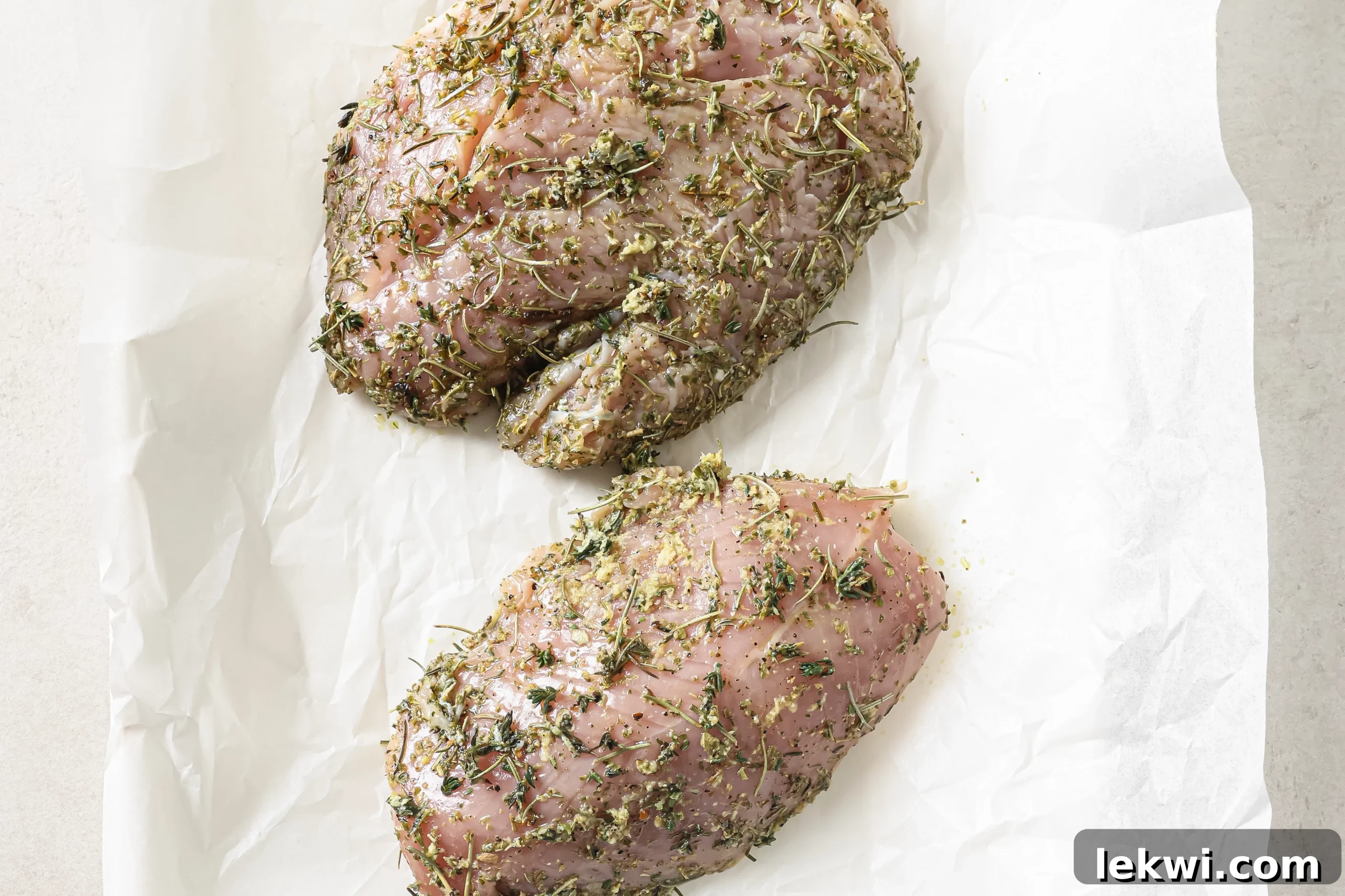
Once your turkey tenderloins have marinated, preheat your oven to 375°F (190°C). Line a sturdy baking sheet with parchment paper, which will prevent sticking and make cleanup a breeze. Carefully remove the marinated tenderloins from the bowl, letting any excess marinade drip off slightly, and arrange them on the prepared baking sheet. Ensure there is some space between the tenderloins for even cooking. Drizzle them lightly with avocado oil, ensuring the herbs and seasonings are well distributed across the surface of the meat.
Step 3: Oven Baking to Golden Perfection
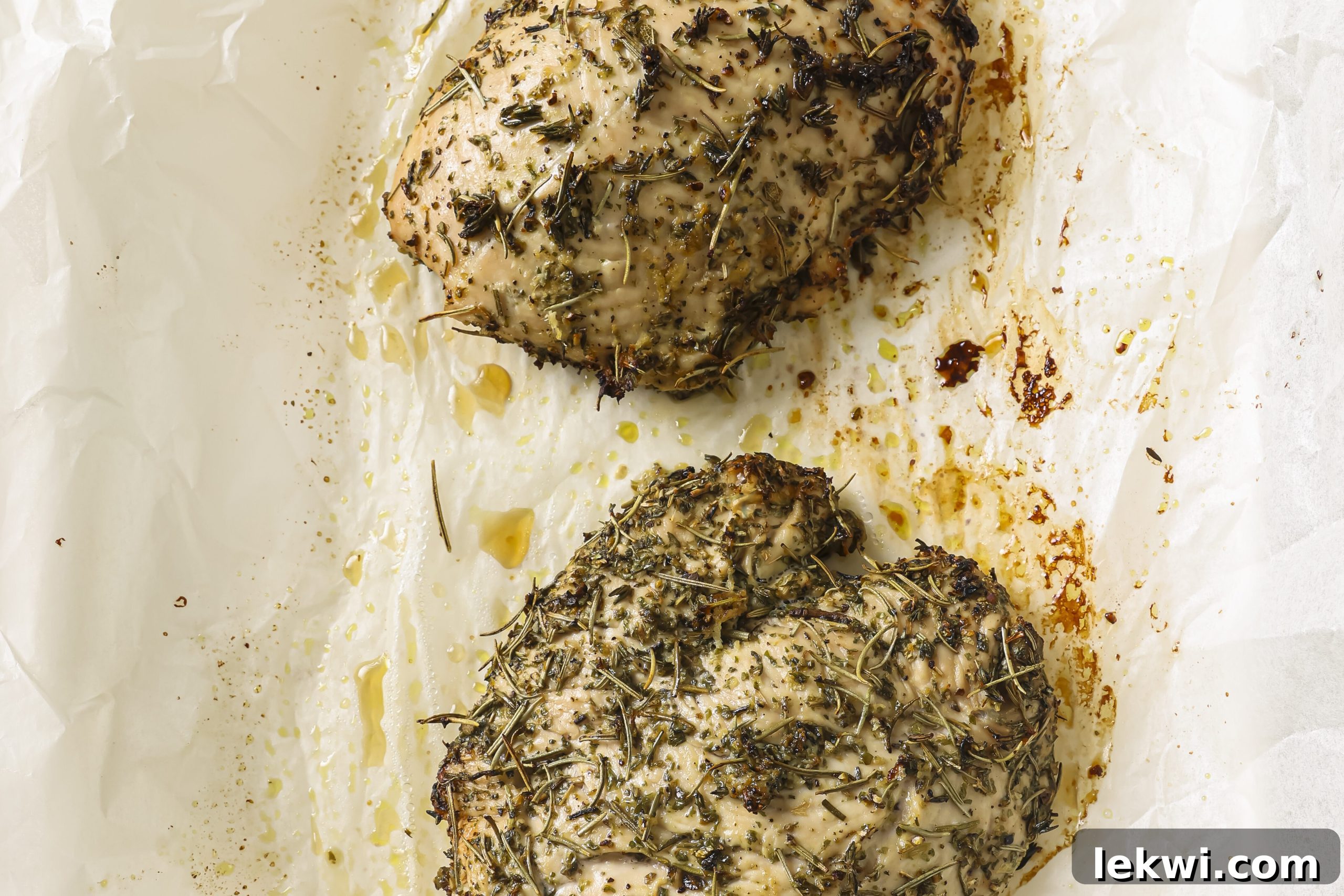
Place the baking sheet with the tenderloins into your preheated oven. Bake for approximately 40-45 minutes. The exact cooking time can vary based on your oven’s calibration and the thickness of your tenderloins. The most crucial part is to ensure the turkey reaches a safe internal temperature. Using an instant-read meat thermometer, check that the thickest part of the tenderloin registers 165°F (74°C). This temperature guarantees that the turkey is fully cooked, juicy, and safe to eat. Avoid overcooking to maintain maximum moisture.
Step 4: Rest Before Slicing for Maximum Juiciness
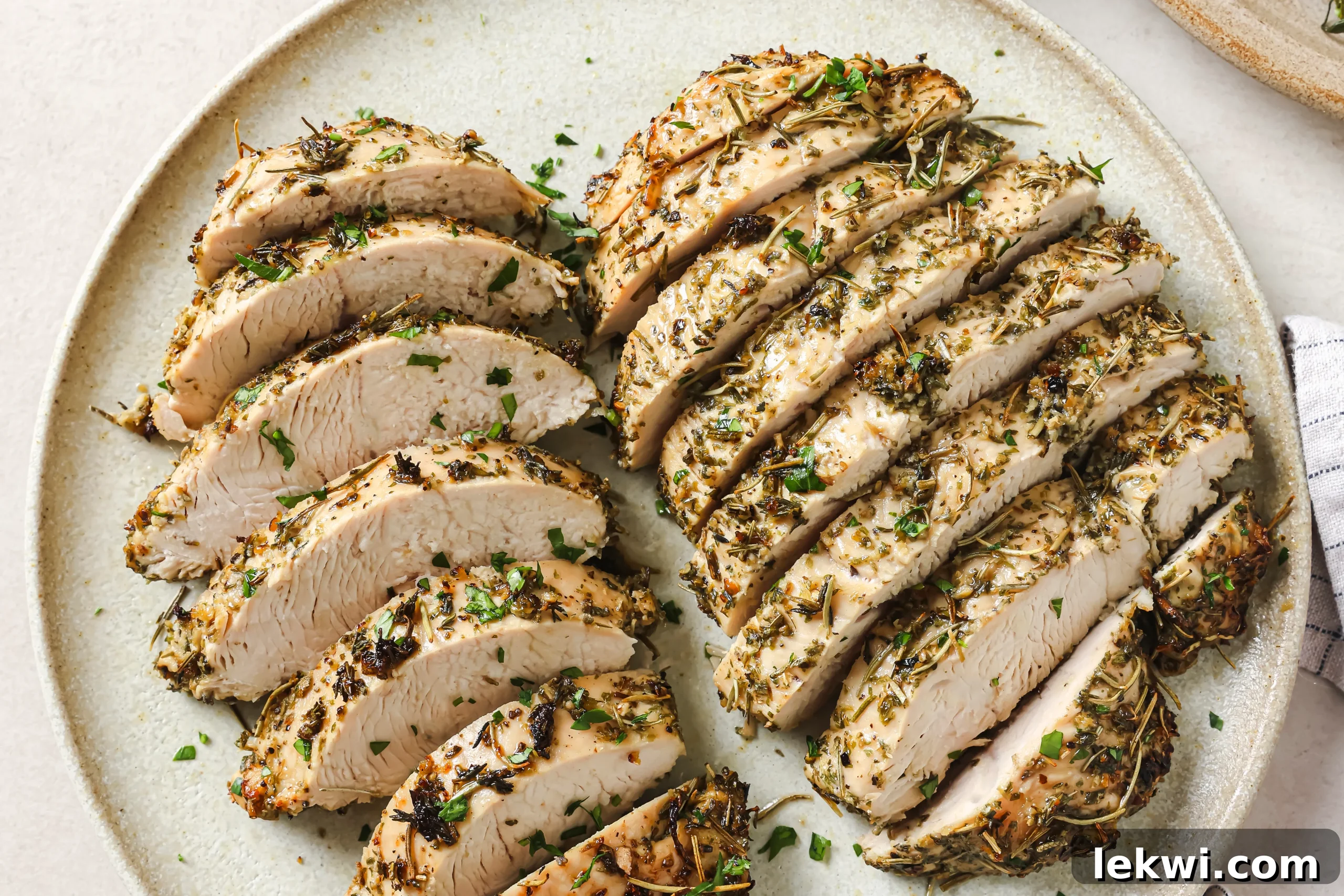
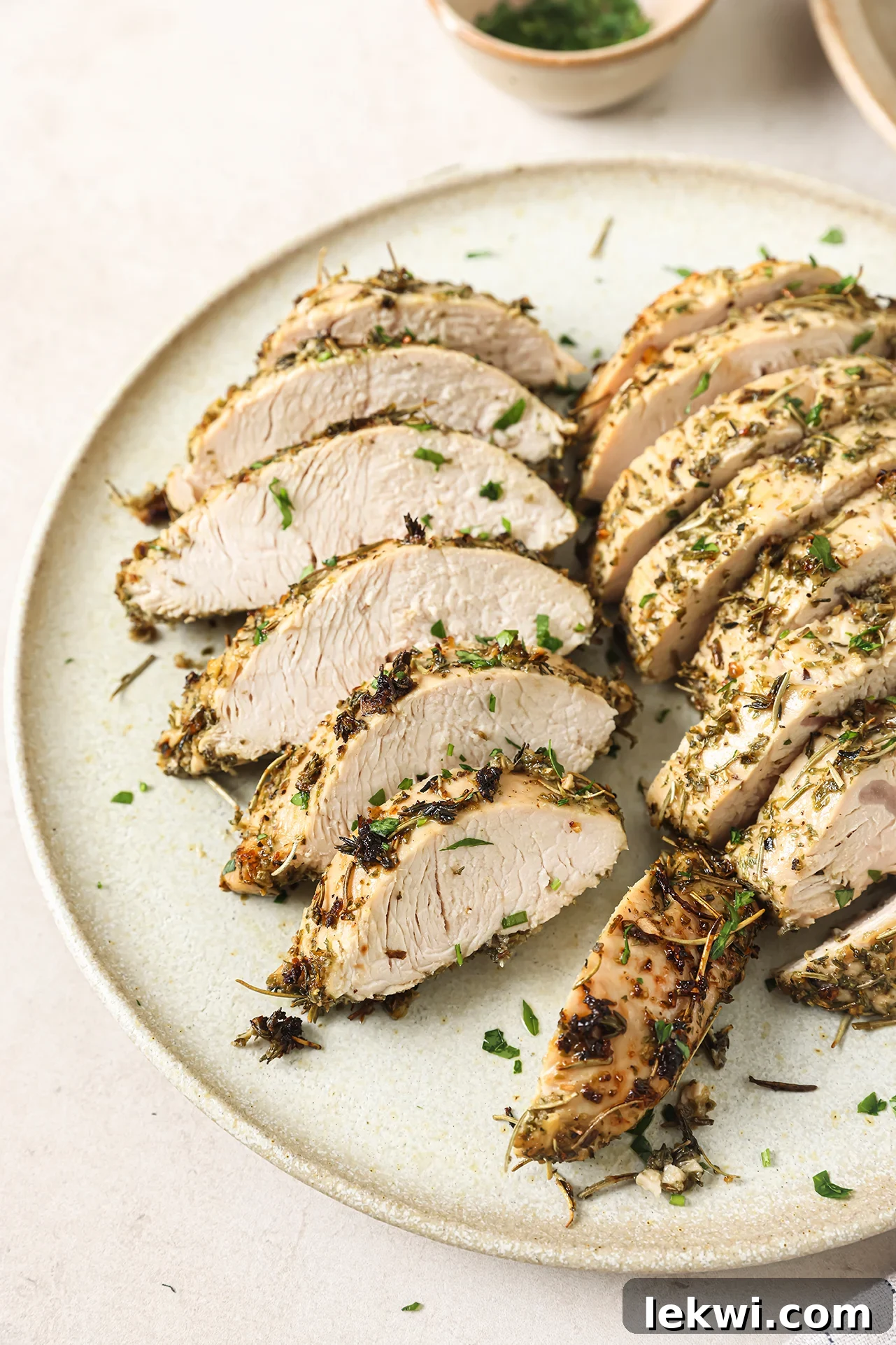
Once the turkey tenderloins have reached 165°F (74°C), remove the baking sheet from the oven. This next step is absolutely essential for a juicy outcome: allow the tenderloins to rest for at least 10 minutes before slicing. Tent them loosely with aluminum foil to retain warmth. Resting allows the juices within the meat to redistribute throughout the tenderloin, ensuring every slice is moist and tender. If you cut it too soon, the juices will run out, leaving you with dry meat. After resting, slice against the grain into desired thickness and serve immediately.
Expert Tips & Tricks for Oven-Baked Turkey Tenderloin Success
To ensure your oven-baked turkey tenderloin turns out perfectly juicy and bursting with flavor every single time, keep these expert tips in mind:
- Embrace the Marinade – Don’t Skip It! The marinade is not just for flavor; the apple cider vinegar within it actively works to tenderize the turkey, ensuring a moist and succulent result. Make sure you marinate the turkey for a minimum of 2-3 hours to allow ample time for flavor infusion and tenderization. For an even deeper flavor and incredibly tender meat, an overnight marinade in the fridge is highly recommended. This step truly elevates the dish from good to exceptional.
- Mind the Tenderloin Size for Optimal Cook Time: This recipe is developed with standard 1-pound turkey tenderloins in mind. If your tenderloins are significantly smaller or larger, your cooking time will need adjustment. Smaller tenderloins will cook faster, so begin checking their internal temperature a bit earlier to prevent overcooking. Larger tenderloins will require more time. Always use an instant-read thermometer as your guide, rather than relying solely on time.
- Invest in an Instant-Read Thermometer: This is arguably the most important tool for cooking any meat, especially poultry. An instant-read thermometer takes the guesswork out of cooking, ensuring your turkey is cooked to the precise safe temperature of 165°F (74°C) without becoming dry. Poking the meat to check for doneness only lets out precious juices. Trust the thermometer for consistently perfect results.
- The Crucial Resting Period: Once your turkey tenderloin comes out of the oven, resist the urge to slice into it immediately. Resting the meat for at least 10 minutes allows the internal juices, which have been pushed to the center during cooking, to redistribute throughout the entire tenderloin. This process is what keeps the meat incredibly juicy and prevents it from drying out when sliced. Tent it loosely with foil to keep it warm.
- Pat Dry Before Marinating: While it might seem counterintuitive to pat meat dry before adding a wet marinade, this step is vital. Excess moisture on the surface of the turkey can dilute the marinade and prevent the seasonings from truly adhering to the meat. A dry surface allows for better flavor absorption and can contribute to a better crust during baking.
- Even Thickness for Even Cooking: Turkey tenderloins can sometimes have varying thickness from one end to the other. If one end is much thinner, you can gently pound it with a meat mallet or the flat side of a knife to achieve a more uniform thickness. This helps the entire piece cook evenly, preventing thinner parts from drying out while thicker parts finish cooking.
Frequently Asked Questions (FAQs) About Turkey Tenderloin
For safe consumption, poultry, including turkey tenderloin, must reach a minimum internal temperature of 165°F (74°C). Always use an instant-read meat thermometer inserted into the thickest part of the meat to confirm this temperature. This is crucial for food safety and ensuring a perfectly cooked, juicy result. (Source: FoodSafety.gov)
When baking turkey tenderloin at 375°F (190°C), it typically takes about 40-45 minutes to reach the safe internal temperature of 165°F (74°C). This timing can vary slightly depending on your specific oven and the size/thickness of your tenderloins. Always prioritize the internal temperature over the clock for best results. We prefer this temperature as it allows for even cooking without drying out the meat.
Cooking turkey tenderloin at a higher temperature of 400°F (200°C) will reduce the cooking time to approximately 30-35 minutes. While this can speed up the process, higher temperatures sometimes lead to a slightly drier texture on the outside before the inside is fully cooked. For this reason, our recipe maintains a temperature of 375°F (190°C) to achieve a more consistently juicy outcome.
While gravy is a classic accompaniment to turkey and certainly won’t hurt, it is absolutely not necessary for this oven-baked turkey tenderloin recipe. Our tenderloins are so incredibly juicy and flavorful from the marinade and proper cooking technique that they stand beautifully on their own. Enjoy it without, or add a light gravy for extra richness if desired!
Yes, you can certainly prepare parts of this dish in advance. The tenderloins can be marinated in the refrigerator for up to 24 hours. This makes weeknight cooking or holiday prep even easier. Just remove them from the fridge about 30 minutes before baking to allow them to come closer to room temperature for more even cooking.
Absolutely! Fresh herbs will provide an even more vibrant flavor. As a general rule, use three times the amount of fresh herbs compared to dried herbs. So, if the recipe calls for 1 teaspoon of dried thyme, use 3 teaspoons (or 1 tablespoon) of fresh thyme. Finely chop all fresh herbs before adding them to the marinade.
What to Serve with Turkey Tenderloin?
This oven-baked turkey tenderloin is incredibly versatile and pairs wonderfully with a wide array of side dishes, making it perfect for any meal, from a casual weeknight dinner to a special holiday spread. Its savory, herbaceous flavor complements both traditional Thanksgiving fare and lighter, everyday sides. Here are some fantastic serving suggestions:
- Classic Thanksgiving Sides:
- Green Bean Casserole: A comforting classic that adds a creamy, earthy element to your meal.
- Balsamic Mushrooms: Sautéed mushrooms with a hint of balsamic vinegar provide a rich, umami depth.
- Roasted Root Vegetables: Think sweet potatoes, carrots, parsnips, or Brussels sprouts roasted with a touch of olive oil and herbs. Their natural sweetness and tender texture are a perfect match.
- Creamy Mashed Potatoes or Cauliflower Mash: A smooth, comforting side that’s always a crowd-plepleaser. For a lighter option, opt for cauliflower mash.
- Cranberry Sauce: The tart and sweet notes of cranberry sauce offer a refreshing contrast to the savory turkey.
- Everyday & Lighter Options:
- Roasted Acorn Squash Soup: A warm, subtly sweet, and creamy soup that makes for an elegant starter or a light side.
- Dairy-Free Pumpkin Mac and Cheese: A unique and comforting twist on a classic, offering a creamy, savory-sweet profile.
- Fresh Green Salad: A simple mixed green salad with a light vinaigrette provides a fresh, crisp counterpoint to the richness of the turkey.
- Quinoa or Wild Rice Pilaf: For a hearty and nutritious grain, a pilaf seasoned with vegetables and herbs works wonderfully.
- Steamed Asparagus or Broccoli: Quick, healthy, and vibrant green vegetables add both color and essential nutrients to your plate.
- Breads & Grains: Consider serving with warm dinner rolls, cornbread, or a crusty baguette to soak up any delicious juices.
No matter what you choose, this turkey tenderloin provides a versatile base for a truly satisfying and memorable meal.
Storage & Reheating Instructions
Proper storage and reheating are key to enjoying your delicious turkey tenderloin long after it’s cooked. Follow these guidelines to maintain its flavor and tenderness:
- Storage:
- Once cooled, transfer any leftover turkey tenderloin to an airtight glass container. Store it in the refrigerator for 2-3 days.
- For longer storage, you can freeze the cooked turkey tenderloin. Wrap it tightly in plastic wrap, then place it in a freezer-safe bag or container. It will keep well in the freezer for up to 4 weeks. Thaw overnight in the refrigerator before reheating.
- Reheating:
- Oven Method (Preferred): For best results, especially for maintaining juiciness, reheat the turkey tenderloin in the oven. Preheat your oven to 300°F (150°C). Place the turkey in an oven-safe dish, possibly with a splash of chicken broth or water to help retain moisture, and cover loosely with foil. Reheat for 10-15 minutes, or until just warmed through. Be careful not to overcook, as this can dry out the meat.
- Microwave Method: If you’re in a hurry, you can reheat individual slices in the microwave. Place the turkey on a microwave-safe plate, cover with a damp paper towel, and heat in 30-second intervals until warm. This method is quicker but can sometimes lead to a slightly drier texture.
- Stovetop Method: Slice the turkey and gently warm it in a skillet over medium-low heat with a small amount of broth or water, just until heated through. This is good for quickly warming slices for sandwiches or salads.
More Delicious Turkey Recipes to Try…
If you’ve fallen in love with how versatile and delicious turkey can be, you’re in luck! There are many other fantastic ways to incorporate this lean protein into your diet. Explore these other mouth-watering turkey recipes:
- Turkey Pesto Meatballs
- Orange Glazed Turkey Cutlets
- Baked Turkey Wings
- Turkey Shepherd’s Pie
Oven Baked Turkey Tenderloin – Full Recipe Card
This baked turkey tenderloin recipe delivers a juicy, flavorful, and incredibly simple meal. Featuring a garlic and herb marinade, it’s baked to perfection every time.
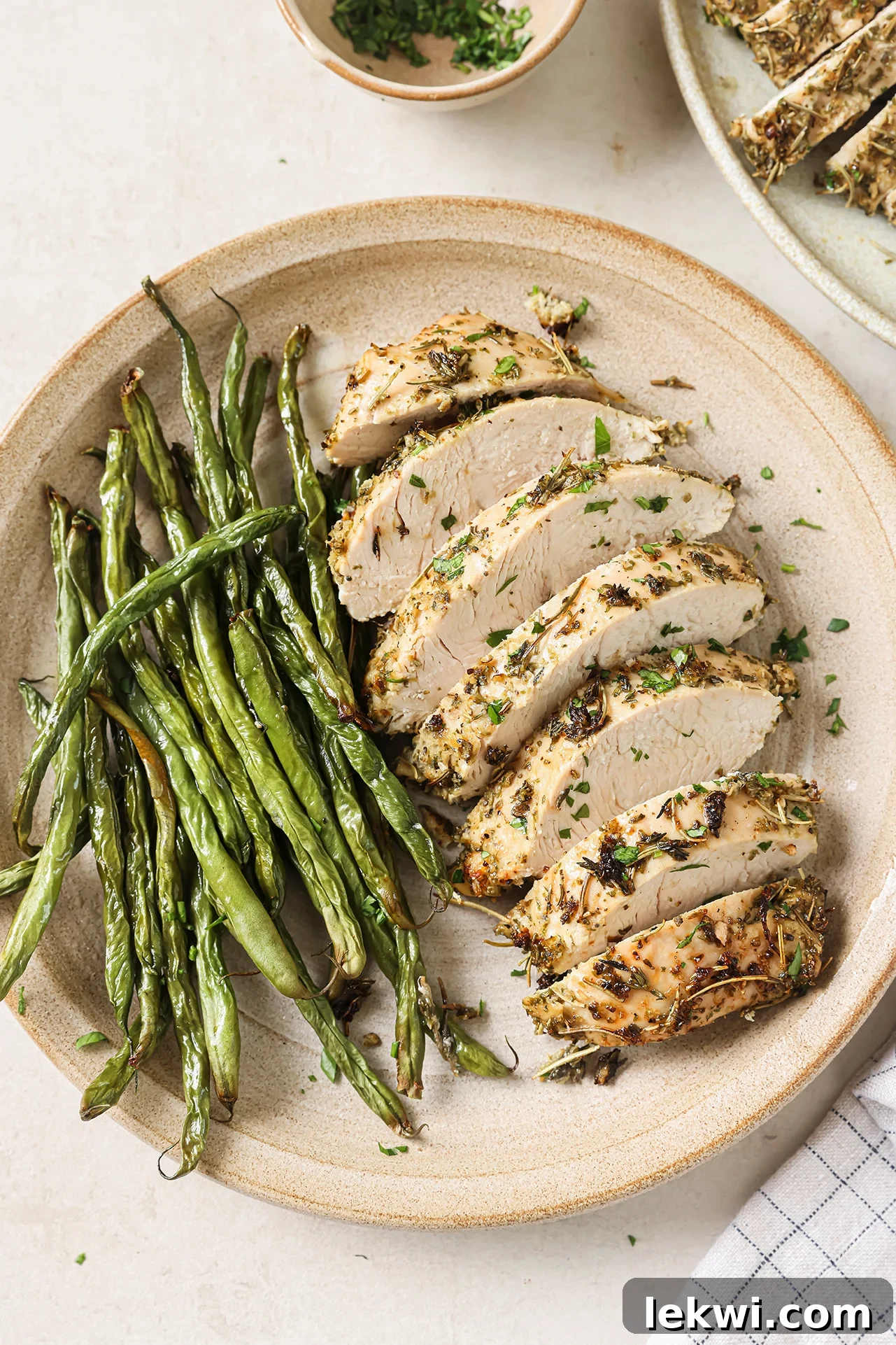
Recipe Details:
- Yield: 8 servings
- Prep Time: 10 minutes (plus marinating time)
- Cook Time: 45 minutes
- Total Time: 55 minutes (plus marinating time)
- Author: Michelle
Ingredients:
- 2 turkey tenderloins, about 1 lb each
- 1 ½ tbsp apple cider vinegar
- 1 tbsp maple syrup (optional, for flavor pop)
- 1 tbsp coconut sugar (optional, for flavor pop)
- 3 cloves garlic, minced
- 2 tsp dried sage
- 3 tsp fresh thyme (or 1 tsp dried)
- 2 tsp dried rosemary
- 2 tsp dried parsley
- Salt and freshly ground black pepper, to taste
- 2 tbsp avocado oil
Instructions:
- Add the turkey tenderloins to a large bowl and pat them thoroughly dry with paper towels.
- In a separate small bowl, combine the apple cider vinegar, maple syrup, coconut sugar (if using), minced garlic, dried sage, fresh thyme, dried rosemary, dried parsley, salt, and pepper. Pour this mixture over the tenderloins, ensuring all sides are well-coated. Cover the bowl and marinate in the fridge for 2-3 hours, or for best results, overnight.
- When ready to cook, preheat your oven to 375°F (190°C) and line a baking sheet with parchment paper.
- Transfer the marinated tenderloins to the prepared baking sheet. Drizzle with avocado oil. Bake in the preheated oven for 40-45 minutes, or until the internal temperature of the thickest part of the tenderloin reaches 165°F (74°C) when checked with an instant-read thermometer.
- Remove the tenderloins from the oven and allow them to rest on the baking sheet for 10 minutes before slicing. Resting ensures the juices redistribute, keeping the turkey moist and tender. Slice against the grain and serve warm.
Notes:
- Storage: Store cooked turkey in an airtight glass container in the fridge for 2-3 days. It can also be frozen for up to 4 weeks.
- Reheating: To reheat, place in an oven-safe dish with a splash of broth, cover with foil, and warm in a 300°F (150°C) oven for a few minutes until heated through.
Nutritional Information (Estimated):
Serving: 1 serving, Calories: 215kcal, Carbohydrates: 4g, Protein: 22.4g, Fat: 12.3g, Fiber: 0.3g
All nutrition facts are estimated and will vary based on specific ingredients and preparation methods.
We hope you love this easy and flavorful turkey tenderloin! It’s a fantastic recipe to have in your repertoire for healthy, delicious meals any day of the week. Don’t forget to share your creations with us online!