This post contains affiliate links. Learn what that means, here.
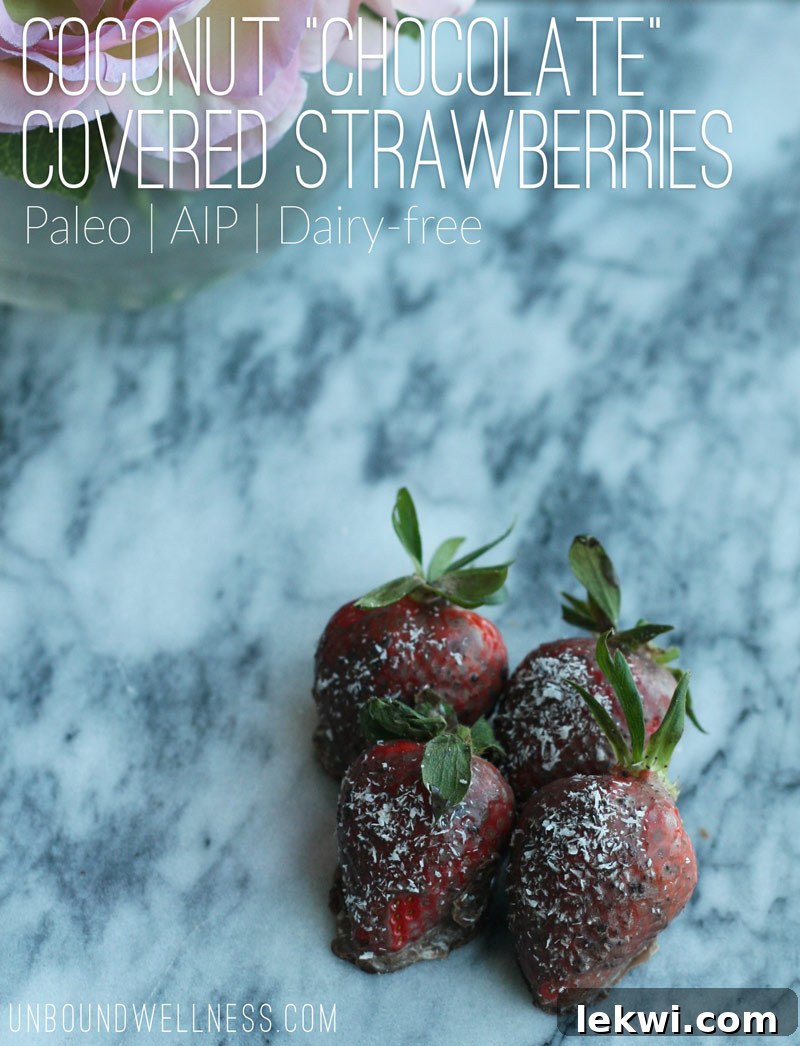
Indulge Guilt-Free: Paleo & AIP Coconut Carob Covered Strawberries for Valentine’s Day
There’s something undeniably enchanting about chocolate covered strawberries. They embody romance, sweetness, and a touch of elegance, making them the quintessential treat for special occasions like Valentine’s Day. The perfect marriage of luscious, juicy strawberries and rich, creamy “chocolate” coating creates a delightful sensory experience that’s hard to resist. However, for those navigating dietary restrictions, particularly the Autoimmune Protocol (AIP) or a Paleo lifestyle, enjoying this classic dessert can often feel out of reach due to common hidden ingredients.
That’s where this extraordinary recipe for Coconut Carob Covered Strawberries comes in. Designed with your well-being in mind, these delightful bites are not only compliant with both Paleo and AIP guidelines but also incredibly simple to make. They offer all the beloved sweetness and refreshing taste of traditional chocolate-dipped strawberries, but without any of the problematic ingredients that can trigger sensitivities or inflammation. Imagine savoring a rich, satisfying treat that truly nourishes your body while still capturing the spirit of celebration. These handcrafted delicacies are poised to become your new favorite healthy indulgence.
Why Homemade & Healthy Matters: Unmasking the Issues with Conventional Chocolate Covered Strawberries
At first glance, store-bought chocolate covered strawberries might seem like a harmless indulgence, even for individuals with some food sensitivities. After all, what could be simpler than fruit coated in chocolate? Unfortunately, the reality is often far less wholesome. Many commercially prepared chocolate products, including those used for dipping strawberries, are laden with ingredients that can be detrimental to health, especially for those managing autoimmune conditions or committed to a clean eating philosophy.
One of the most pervasive culprits is soy, frequently used as an emulsifier (often in the form of soy lecithin or soybean oil) to achieve a smooth, stable chocolate consistency. While seemingly innocuous, soy is a major concern on the Autoimmune Protocol and for anyone striving to reduce inflammatory triggers. Unfermented soy, which is common in processed foods, is a significant endocrine disruptor, meaning it can interfere with hormone function. This is particularly problematic for individuals with thyroid conditions like Hashimoto’s disease, where soy can further aggravate an already sensitive system and potentially exacerbate symptoms. Historically, soy was consumed only after proper fermentation, a process that neutralizes many of its problematic compounds, making it safer for consumption. However, the soybean oil or soy lecithin found in most commercial chocolates offers none of these benefits, making it an unhealthy choice regardless of pre-existing conditions. Our recipe ensures your peace of mind by being completely soy-free, offering a genuinely clean alternative.
Beyond soy, conventional chocolate coatings often contain an array of other questionable ingredients. These can include unhealthy industrial seed oils (like canola, sunflower, or corn oil) which are often highly processed, inflammatory, and high in omega-6 fatty acids, throwing off the body’s delicate balance. Furthermore, many commercial chocolates are packed with excessive refined sugars, artificial flavors, and preservatives that contribute to systemic inflammation and can sabotage efforts toward optimal health. By making your own at home, you gain complete control over every ingredient, ensuring that your Valentine’s Day treat is pure, beneficial, and perfectly aligned with your wellness goals. This commitment to clean, simple ingredients is what truly elevates these coconut carob covered strawberries, transforming them from a mere dessert into a truly health-supporting indulgence.
The AIP-Friendly Secret: Discovering the Magic of Carob
When adhering to the Autoimmune Protocol, one of the most frequently missed flavors is chocolate. Traditional cacao, while offering many health benefits, is typically excluded during the elimination phase of the AIP due to its potential to act as a stimulant and sometimes trigger sensitivities in vulnerable individuals. This can make finding satisfying “chocolatey” treats a significant challenge. However, the world of AIP-friendly ingredients offers a fantastic alternative: carob powder.
Carob is derived from the pods of the carob tree and has been used for centuries as a natural sweetener and chocolate substitute. Unlike cacao, carob is naturally caffeine-free and lacks the stimulating compounds found in chocolate, making it a perfect choice for those who need to avoid stimulants or are sensitive to them. Its flavor profile is distinct yet wonderfully complementary to what one expects from a chocolate-like treat – it’s naturally sweet, with warm, earthy, and subtly caramel notes. When combined with coconut oil, carob powder creates a rich, decadent coating that mimics the beloved texture and appeal of chocolate, satisfying those cravings without any of the AIP no-nos.
For this recipe, carob powder is the star ingredient that allows us to achieve that familiar “chocolate” experience in a completely AIP-compliant manner. Even for those who can tolerate cacao, carob offers a unique and delicious flavor that is worth exploring. It’s a fantastic pantry staple for anyone following a restricted diet, providing versatility for various dessert applications. The specific carob powder I wholeheartedly recommend and use in my kitchen is this one, known for its high quality and excellent flavor, ensuring your treats turn out perfectly every time.
Sweetness Without the Sugar Rush: Embracing Natural Flavors
In our quest for healthy indulgence, minimizing added sugars is paramount, especially when following protocols like AIP or simply aiming for a balanced diet. Many traditional desserts, including conventional chocolate covered strawberries, rely heavily on refined sugars that can lead to energy crashes, inflammation, and other health issues. But what if we told you that nature has already provided the perfect amount of sweetness?
Strawberries, in their raw, natural state, are incredibly sweet, juicy, and flavorful all on their own. Their vibrant taste needs no embellishment. By allowing the natural sweetness of the fresh strawberries to shine, we eliminate the need for any additional sweeteners in our carob coating. This not only makes the recipe simpler but also dramatically healthier, reducing the glycemic load and allowing your body to enjoy the pure, unadulterated flavors of real food. This approach champions the idea that healthy eating doesn’t mean sacrificing taste; rather, it means appreciating and enhancing the inherent deliciousness of whole ingredients.
Reducing added sugar intake has a multitude of health benefits, including improved energy levels, better mood stability, and a reduced risk of chronic diseases. For those managing autoimmune conditions, regulating blood sugar is crucial for managing symptoms and promoting overall wellness. These Coconut Carob Covered Strawberries prove that a truly satisfying dessert doesn’t require a mountain of sugar. Instead, it celebrates the inherent sweetness of nature, creating a treat that is both deeply enjoyable and genuinely good for you. It’s a testament to how simple, clean ingredients can create the most profound and delicious culinary experiences, perfect for a celebration of love and health.
Your Delicious & Healthy Valentine’s Day Treat: The Recipe
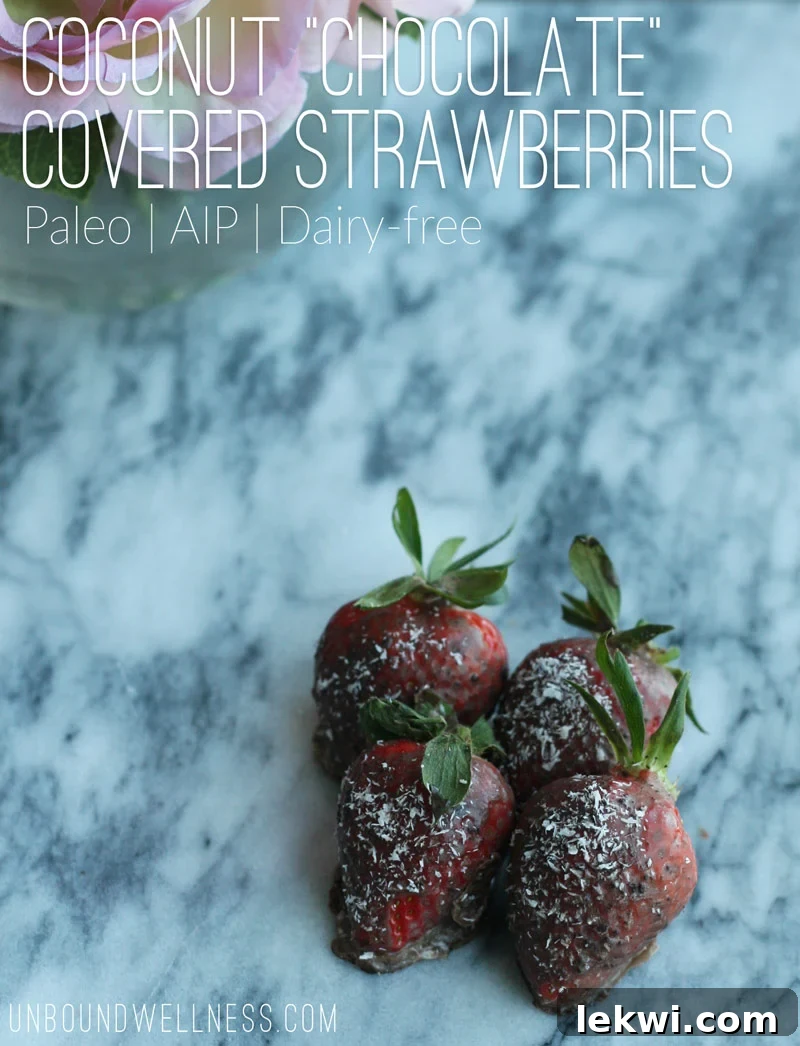
Valentines Day Coconut “Chocolate” Covered Strawberries | Autoimmune Paleo
These delightful treats are quick to prepare and perfect for a thoughtful, healthy indulgence. The combination of fresh strawberries, creamy coconut oil, and earthy carob creates a flavor profile that is both comforting and exciting, proving that healthy eating can be incredibly delicious.
Ingredients
- 6 large, fresh strawberries (choose ripe, firm ones for best results)
- 3 tablespoons organic virgin coconut oil (ensure it’s melted before measuring if solid)
- 2 teaspoons high-quality carob powder (for that rich, chocolate-like flavor)
- 1 teaspoon unsweetened coconut flakes (optional, for added texture and a tropical twist)
Equipment You Might Need
- Small saucepan
- Whisk or fork
- Parchment paper
- Plate or small baking sheet
Instructions
- Prepare the Coating Base: In a small saucepan, gently melt the coconut oil over medium-low heat. Keep a close eye on it to prevent it from overheating; you just want it to become liquid. Once melted, remove it from the heat.
- Create the “Chocolate” Mixture: Add the carob powder to the melted coconut oil in the saucepan. Whisk vigorously until the carob powder is completely incorporated and there are no visible clumps. The mixture should be smooth and uniform.
- Prepare the Strawberries: While the coating mixture is still warm, wash your strawberries thoroughly and pat them completely dry. Excess moisture will prevent the coating from adhering properly. Line a plate or small baking sheet with parchment paper; this will prevent the strawberries from sticking as they chill.
- Dip the Strawberries: Hold a strawberry by its stem or the green leaves. Dip it into the carob mixture, turning it gently to coat about two-thirds to three-quarters of the berry. Expect the coating to be relatively thin – this is normal for a soy-free, clean coating.
- Place and Repeat: Carefully place the dipped strawberry back onto the prepared parchment paper. Repeat the dipping process with the remaining strawberries.
- Finalize the Coating (Optional): If you have any carob mixture remaining, you can use a spoon to drizzle it over the dipped strawberries for an extra layer of flavor and aesthetic appeal.
- Add Toppings: Immediately after dipping, sprinkle the optional unsweetened coconut flakes over the wet carob coating. This will help them adhere as the coating sets.
- Chill to Perfection: Transfer the plate of coated strawberries to the refrigerator. Chill for at least 30 minutes, or until the carob coating has completely hardened and set.
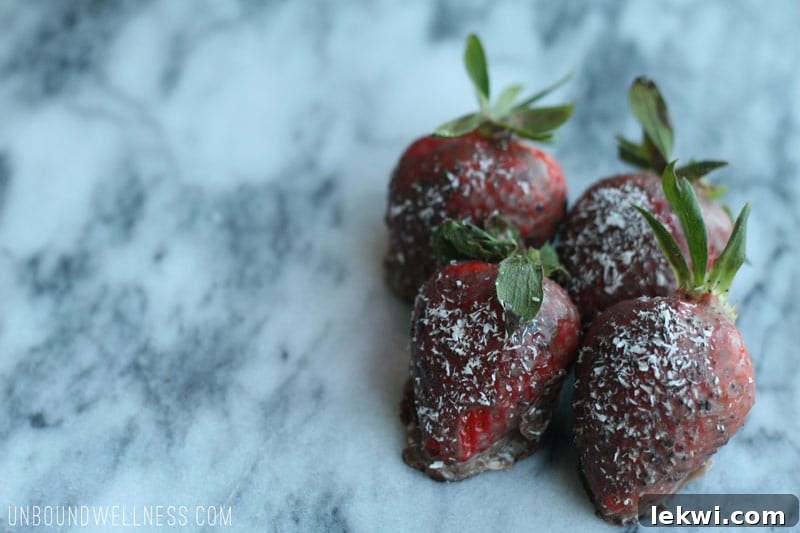
Important Note: These homemade AIP Coconut Carob Covered Strawberries will not have the thick, waxy coating often seen on store-bought varieties. This is a characteristic of using natural, soy-free ingredients. The coating is intentionally lighter, offering a delicate crunch that complements the fresh strawberry perfectly, and ensuring you get all the flavor without any of the undesirable additives. Embrace the lighter coating – it’s a sign of a truly wholesome treat!
Health Benefits Beyond Indulgence: Why This Treat is Good for You
These Coconut Carob Covered Strawberries are more than just a delicious dessert; they are a beacon of healthy indulgence, packed with benefits that support your overall well-being, especially if you’re managing an autoimmune condition or simply seeking cleaner eating. Here’s a breakdown of why this treat is truly good for you:
- Autoimmune Protocol (AIP) Friendly: By using carob instead of cacao and carefully selecting other compliant ingredients, this recipe adheres strictly to AIP guidelines, making it safe for those in the elimination phase or on a modified AIP diet. This helps reduce inflammation and support gut healing.
- Paleo Compliant: Free from grains, legumes, dairy, and refined sugars, these strawberries fit perfectly into a Paleo lifestyle, promoting nutrient-dense eating and avoiding common allergens and inflammatory foods.
- Soy-Free: A critical benefit for anyone concerned about endocrine disruptors and unfermented soy, particularly those with Hashimoto’s thyroiditis. This recipe completely bypasses soy, offering a cleaner, safer option.
- Sugar-Free (No Added Sugar): Leveraging the natural sweetness of ripe strawberries, this treat avoids the pitfalls of refined sugars, helping to maintain stable blood sugar levels and reduce sugar cravings.
- Healthy Fats from Coconut Oil: Coconut oil provides beneficial medium-chain triglycerides (MCTs), which are easily digestible and can provide a quick source of energy. It also contributes to satiety and supports a healthy metabolism.
- Antioxidants from Strawberries: Strawberries are rich in Vitamin C and other antioxidants that combat free radicals, reduce oxidative stress, and support immune function.
- Naturally Caffeine-Free: Carob, unlike chocolate, contains no caffeine, making this a perfect dessert for any time of day, without fear of impacting sleep or aggravating stimulant sensitivities.
Enjoying these treats allows you to celebrate and indulge without compromising your health goals, making them an ideal choice for a guilt-free Valentine’s Day or any day you crave something special and nourishing.
Tips for Perfect AIP Coconut Carob Covered Strawberries
Achieving the best results with your homemade AIP Coconut Carob Covered Strawberries is easy with a few simple tips:
- Strawberry Quality: Always start with fresh, firm, and ripe strawberries. Overly soft or bruised berries won’t hold up well to dipping and chilling. Ensure they are completely dry before coating to allow the carob mixture to adhere properly.
- Coconut Oil Consistency: If your coconut oil is solid, gently melt it before measuring. For the carob coating, the oil should be warm enough to be completely liquid but not hot, as too much heat can cause the carob powder to clump or seize.
- Carob Powder Blending: Whisk the carob powder into the melted coconut oil thoroughly to prevent lumps. A small mini whisk or even a fork works well for this small batch. If the mixture starts to thicken too much while dipping, you can gently warm it again for a few seconds over very low heat.
- Dipping Technique: Hold the strawberry by its green stem (hull) and dip it into the carob mixture. Allow any excess coating to drip off before placing it on the parchment paper. For an elegant touch, you can leave a small portion of the strawberry uncovered at the top.
- Chilling Time: Don’t rush the chilling process. Allowing the strawberries to chill for at least 30 minutes (or longer) ensures the coating hardens completely, preventing a messy experience when you bite into them.
- Storage: Store any leftover carob covered strawberries in an airtight container in the refrigerator. They are best enjoyed within 1-2 days, as the strawberries can start to soften over time.
- Experiment with Toppings (AIP Reintroductions): While unsweetened coconut flakes are a fantastic AIP-compliant topping, once you’ve successfully reintroduced other foods, you might consider finely chopped tiger nuts (AIP), or for non-AIP, crushed pistachios or a sprinkle of sea salt for a gourmet touch.
Frequently Asked Questions (FAQ)
Here are some common questions you might have about making these healthy coconut carob covered strawberries:
- Q: Can I use cacao powder instead of carob powder?
A: If you are following the Autoimmune Protocol, cacao (chocolate) is typically excluded in the elimination phase. However, if you have successfully reintroduced cacao into your diet and tolerate it well, you can absolutely substitute cacao powder for carob powder in this recipe for a traditional chocolate flavor. Just ensure it’s unsweetened cacao powder. - Q: How can I make the coating thicker?
A: This recipe is designed for a lighter coating, which is characteristic of using natural, soy-free ingredients. For a slightly thicker coating, you can try chilling the first layer for 10-15 minutes and then dipping the strawberries a second time, allowing for more carob mixture to adhere. Keep in mind it still won’t be as thick as commercial versions due to the lack of emulsifiers like soy. - Q: How long do these last, and how should I store them?
A: These coconut carob covered strawberries are best enjoyed fresh, ideally within 1-2 days. Store them in a single layer in an airtight container in the refrigerator to prevent condensation and keep the coating firm. - Q: Can I use other fruits?
A: Yes! While strawberries are classic, this carob coating works wonderfully with other fruits. Consider dipping banana slices (ensure they are firm and slightly green for AIP), apple slices (if tolerated), or even orange segments for a different flavor profile. Just make sure the fruit is dry before dipping. - Q: Is there an alternative to coconut oil if I have an allergy?
A: Coconut oil is key to the texture and setting of this coating. Finding an AIP-compliant alternative that behaves similarly can be challenging. Palm shortening (ensure it’s sustainably sourced) might work, but it will alter the flavor and mouthfeel slightly. Always consult your dietary needs and preferences.
These Coconut Carob Covered Strawberries are destined to become a staple in your AIP-friendly treat repertoire. They’re sweet, wonderfully rich, delightfully nostalgic, and simply perfect for celebrating any special occasion or just treating yourself. Enjoy the process of creating them and savor every wholesome bite!
What’s your favorite Valentine’s Day treat that you’ve adapted to be healthy? Share your ideas in the comments below!
This recipe was proudly shared on the Phoenix Helix recipe roundtable. Go check out more amazing AIP-friendly recipes here!