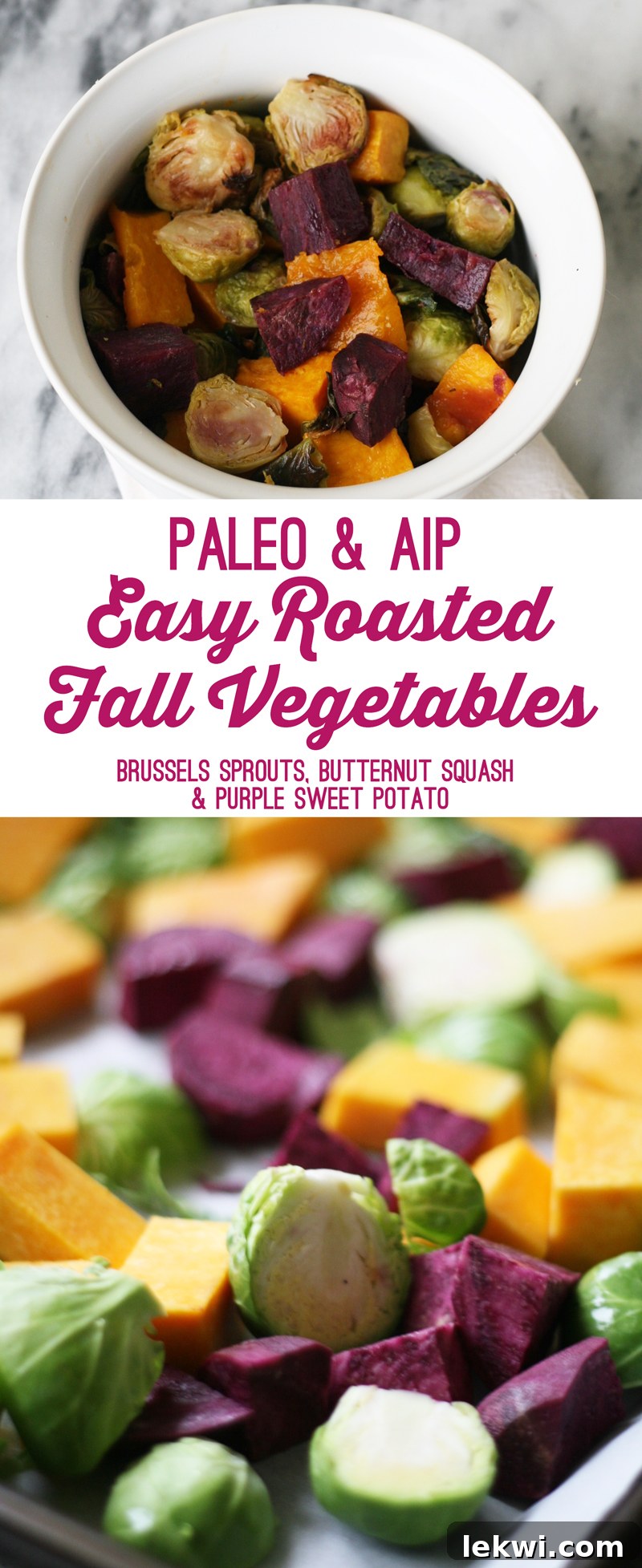
As the leaves begin to change and a crisp coolness fills the air, there’s no denying that fall has truly arrived. This enchanting season, with its vibrant colors and cozy atmosphere, holds a special place in many hearts, mine included. October, in particular, stands out as a month of pure delight. It’s not just a favorite month; it’s a celebration of everything wonderful—from the refreshing weather and comforting attire to, most importantly, the incredible food. As a dedicated foodie and a fervent vegetable lover, I eagerly anticipate the bounty of fresh, seasonal fall vegetables. Think hearty brussels sprouts, sweet butternut squash, and the uniquely beautiful purple sweet potato, all waiting to transform into delicious, nourishing meals.
In the vast world of food blogs and elaborate cookbooks, it’s easy to get caught up in the pursuit of complex, super-composed recipes for complete dishes. While these culinary creations are undoubtedly fantastic for special occasions, the reality is that not every night allows for such extensive kitchen adventures. Most evenings call for simplicity and efficiency. Sometimes, what you truly need is a straightforward combination of protein, vibrant vegetables, and healthy fats. This is precisely why I champion the art of making simple, roasted vegetables. This dish, for instance, is not only incredibly easy and undeniably delicious but also packed with an impressive array of nutrients, making it a perfect cornerstone for any healthy meal.
Why Vegetables Should Be the Base of Your Diet
Despite popular misconceptions, particularly within certain dietary frameworks like Paleo and Autoimmune Paleo (AIP), meat should not be the foundational element of your daily diet. Instead, the true base of a health-promoting diet should overwhelmingly consist of vegetables, thoughtfully balanced with high-quality proteins and beneficial fats. Vegetables are nature’s powerhouses, brimming with essential phytonutrients, vitamins, and minerals that are absolutely vital for maintaining optimal health, supporting cellular function, and boosting overall well-being.
It’s true that our paleo ancestors consumed meat. However, historical and anthropological evidence strongly suggests that their diets were also incredibly rich in a wide variety of plant foods, including tubers, fruits, nuts, and, of course, a vast array of wild vegetables. The modern focus on meat as the primary component of a “paleo” diet often overlooks this crucial fact. Emphasizing vegetables ensures you receive a broad spectrum of micronutrients and fiber, components often less abundant in meat-centric diets. Making vegetables the star of your plate promotes satiety, aids digestion, and provides a sustainable energy source, moving beyond just protein and fat for true nutritional completeness.
How Many Servings of Vegetables Should You Eat a Day?
The optimal number of vegetable servings per day is a topic frequently debated among nutrition experts, with recommended serving sizes often varying. However, one protocol that consistently stands out for its profound impact on health, and which I highly endorse, is Dr. Terry Wahls’ Protocol. Dr. Wahls, a medical doctor who remarkably healed her multiple sclerosis (MS) through a diet rich in nutrient-dense foods, particularly vegetables, advocates for aiming for at least 9 cups of vegetables daily. This seemingly ambitious target is broken down into specific categories to ensure a diverse intake of crucial nutrients.
Dr. Wahls’ recommendations strategically focus on different types of vegetables, each offering unique health benefits. She suggests incorporating:
- 3 cups of sulfur-rich vegetables: This category includes powerhouse options like Brussels sprouts, broccoli, cauliflower, cabbage, and kale. These vegetables are renowned for their detoxifying properties and their ability to support cellular health.
- 3 cups of leafy greens: Think spinach, Swiss chard, collard greens, and more. Leafy greens are incredibly nutrient-dense, packed with vitamins K, A, C, folate, and crucial minerals that support bone health, vision, and immune function.
- 3 cups of colorful vegetables: This vibrant group encompasses a rainbow of produce such as beets, carrots, bell peppers, eggplant, and the aforementioned purple cabbage. These vegetables are rich in various antioxidants and phytonutrients, which offer anti-inflammatory benefits and protect cells from damage.
While starchy vegetables like potatoes also have their place, the core emphasis, in my opinion, should always be on maximizing your intake of non-starchy, fiber-rich, and nutrient-dense greens and colorful varieties. This balanced approach ensures you’re fueling your body with a comprehensive array of vitamins, minerals, and antioxidants necessary for peak performance and long-term health.
Tangible Benefits: Why Vegetables Are Your Health’s Best Friend
The idea of making vegetables the predominant part of one’s diet can initially be surprising for many. However, in my experience helping individuals transition to a more plant-forward eating style, the resulting benefits are consistently profound and transformative. These advantages extend far beyond mere nutrition, touching every aspect of daily life and overall well-being:
- Increased Energy Levels: Vegetables provide sustained energy through their complex carbohydrates and essential micronutrients, helping to stabilize blood sugar and prevent energy crashes often associated with processed foods.
- Enhanced Nutrient Status and Absorption: A diet rich in diverse vegetables ensures a broad intake of vitamins, minerals, and enzymes. Many vegetables also contain compounds that improve the absorption of nutrients from other foods, leading to better overall nutrient status.
- Greater Mental Clarity and Reduced Brain Fog: The antioxidants and anti-inflammatory compounds found in vegetables protect brain cells and support cognitive function. This leads to improved focus, better memory, and a noticeable reduction in the frustrating experience of brain fog.
- Improved Digestion: High fiber content in vegetables acts as a prebiotic, nourishing beneficial gut bacteria. This promotes a healthy gut microbiome, which is crucial for nutrient absorption, immune function, and mental health.
- More Regular Bowel Movements: The insoluble and soluble fiber in vegetables adds bulk to stool and helps it pass smoothly through the digestive tract, preventing constipation and promoting regularity.
- Significantly Lessened Cravings: Nutrient deficiencies can often trigger cravings. By providing a rich array of nutrients, vegetables help satisfy the body’s needs at a cellular level, reducing the urge for unhealthy snacks and processed foods. Their high fiber content also contributes to a feeling of fullness.
- Stronger Immune System: The vitamins (especially Vitamin C and A), minerals, and antioxidants in vegetables are crucial for supporting a robust immune response, helping your body ward off illnesses.
- Better Weight Management: Vegetables are generally low in calories and high in fiber, making them incredibly satiating. Incorporating more vegetables can help you feel full on fewer calories, supporting healthy weight management without deprivation.
- Reduced Inflammation: Many vegetables are potent anti-inflammatory agents, helping to calm chronic inflammation in the body, which is a root cause of numerous chronic diseases.
So, when you consider these remarkable and widespread benefits, the message becomes crystal clear: truly, eat your vegetables. They are not just an optional side dish but a fundamental component for a vibrant, healthy life.
How to Make Easy, Delicious Roasted Vegetables
Hearing the recommendation of 9 cups of vegetables a day might initially feel overwhelming, perhaps even daunting—I certainly would have felt that way a few years ago. However, the key is to view it as a long-term goal and work steadily towards it, rather than expecting an overnight transformation. While salads are the most obvious way to increase vegetable intake, let’s be honest, they aren’t always the most inspiring option every single day. We all need variety and something different to keep our palates engaged and our meals exciting.
This is precisely why I wholeheartedly recommend roasting vegetables. It’s a culinary method that effortlessly transforms humble vegetables into something truly special—fast, incredibly easy, and bursting with intensified flavor. Roasting brings out the natural sweetness and creates delightful caramelized edges, making even the most reluctant vegetable eaters eager for more. For a perfectly roasted vegetable dish, you only need a few essential components:
- Your Choice of Fresh Vegetables: The beauty of roasting lies in its versatility. Almost any vegetable can be roasted to perfection. For a delicious fall medley, consider harder root vegetables and cruciferous options.
- A Healthy Cooking Fat: Options like olive oil, avocado oil, or ghee work wonderfully. They help the vegetables crisp up and absorb fat-soluble vitamins, adding richness and flavor. For strict AIP adherence, coconut oil is an excellent alternative.
- Salt and Flavorful Herbs: Simple sea salt enhances the natural flavors, while a selection of dried or fresh herbs elevates the dish significantly. Think rosemary, sage, thyme, or oregano.
The process truly doesn’t have to be complicated! It’s an incredibly versatile method that allows for endless creativity based on what you have on hand or what’s in season. This simplicity and adaptability are why I’ve fallen in love with my current go-to combination, which I find myself preparing almost weekly. It’s quick to put together, exceptionally easy to cook, and consistently helps me accumulate a significant number of vegetable servings across multiple meals throughout the week.
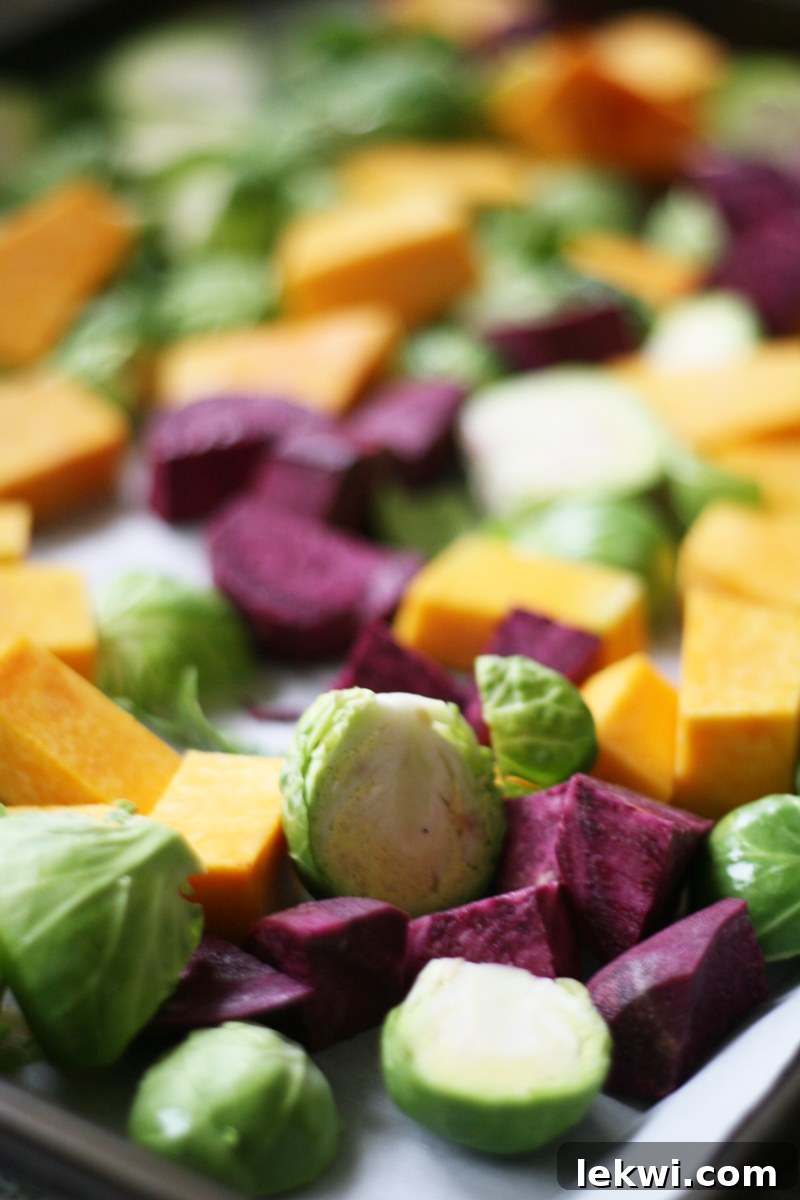
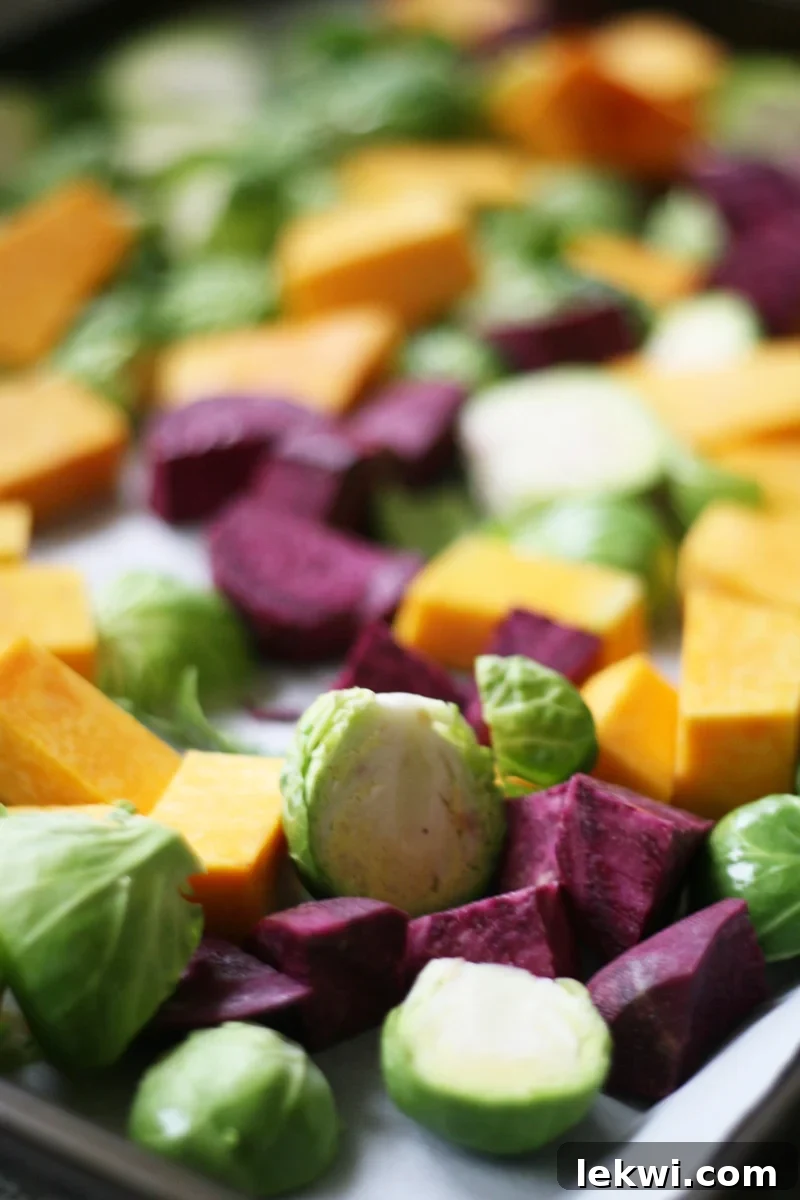
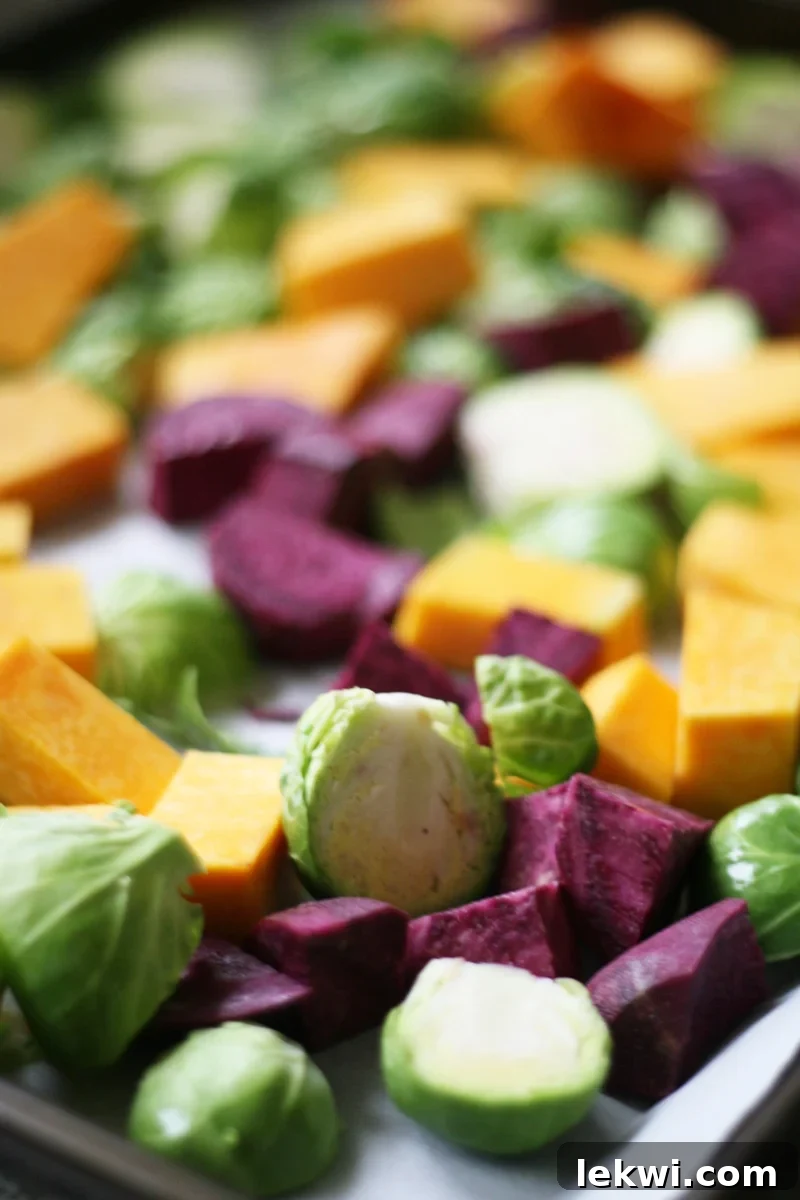
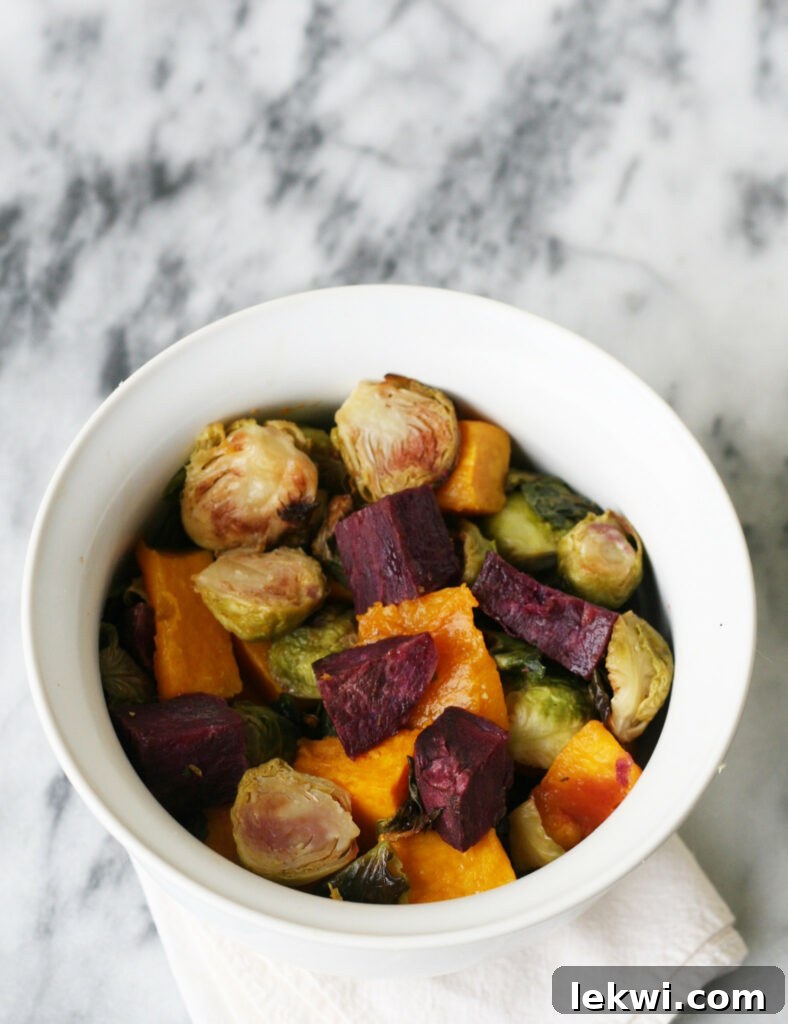
My favorite fall trio includes butternut squash, Brussels sprouts, and purple sweet potatoes. Butternut squash offers a wonderfully balanced sweetness that caramelizes beautifully when roasted. Brussels sprouts, when halved and roasted until tender-crisp, develop an irresistible nutty flavor. And then there are purple sweet potatoes—truly my favorite variety of sweet potato. Their texture is distinctively different from the more common orange sweet potatoes; they are denser and crisp up astonishingly well, offering a satisfying bite. When these star vegetables are paired with aromatic, earthy herbs like sage and fresh rosemary, this vibrant side dish becomes an undeniable fall favorite, perfectly complementing any main course.
Easy Roasted Fall Vegetables (AIP, Paleo)
Michelle
Leave a Review
Pin Recipe
Want to save this for later?
Just drop your name and email below. Then we’ll email it right to your inbox. ✉️
Ingredients
- 1 lb Brussels sprouts, halved
- 1 medium butternut squash, peeled, seeded, and cubed
- 1 medium purple sweet potato, peeled and cubed
- 1 tbsp ghee (or coconut oil for strict AIP)
- 1/2 tsp sea salt
- 1 tsp dried sage
- 2-3 sprigs of fresh rosemary, roughly chopped
Instructions
- Preheat oven to 400°F (200°C).
- Line a large baking sheet with parchment paper for easy cleanup. Arrange the prepped Brussels sprouts, butternut squash, and purple sweet potato evenly on the sheet.
- Drizzle the melted ghee or coconut oil over the vegetables. Sprinkle generously with sea salt, dried sage, and fresh rosemary. Toss everything gently with your hands or a spatula to ensure all the vegetables are thoroughly coated in the fat and seasonings.
- Bake in the preheated oven for 40-45 minutes. Stir the vegetables halfway through baking to ensure even cooking and browning. Continue baking until the vegetables are tender when pierced with a fork and have developed lovely caramelized, crispy edges.
- Remove the baking sheet from the oven. Serve these incredibly flavorful roasted fall vegetables immediately as a delightful and nutritious side dish. They pair beautifully with a variety of proteins such as roasted chicken, grilled beef, pan-seared pork, or flaky baked fish. Enjoy!
Did you Make this Recipe?
Tag @unboundwellness on Instagram and hashtag #unboundwellness!
More Seasonal Fall Vegetables to Explore
The arrival of fall genuinely excites me, not least because of the incredible array of seasonal vegetables it brings. Embracing seasonal eating is not just a trend; it’s a practice deeply rooted in the natural world and, indeed, the true “paleo” way of nourishing ourselves. Eating produce when it’s naturally in season means enjoying ingredients at their peak freshness, flavor, and nutritional value. It’s also often more cost-effective and environmentally friendly. I’m an enthusiastic member of a Community Supported Agriculture (CSA) program, which delivers fresh, organic veggies to my doorstep weekly, and I simply adore the autumn hauls. So, what other delicious produce is in season during fall that you should be adding to your basket?
- Winter Squashes: Beyond butternut, explore acorn, spaghetti, delicata, and pumpkin. These are rich in vitamins A and C, and provide a comforting sweetness to any meal.
- Root Vegetables: Carrots, parsnips, turnips, and radishes (yes, fall radishes are fantastic!) are excellent for roasting, mashing, or adding to stews. They offer grounding flavors and a wealth of minerals.
- Cruciferous Vegetables: In addition to Brussels sprouts, cauliflower (white, purple, and orange varieties), broccoli, and kale are abundant. These are potent sources of sulfur compounds that support detoxification.
- Leafy Greens: Swiss chard, collard greens, mustard greens, and spinach continue to thrive into fall, providing essential vitamins and minerals.
- Apples and Pears: While often thought of as fruits, these are perfect for adding a touch of sweetness to savory dishes, or simply enjoying as a healthy snack. They’re packed with fiber and antioxidants.
- Cabbage: Green, red, and savoy cabbage are versatile and delicious, perfect for slaws, sautés, or roasted wedges.
- Fungi: Mushrooms, particularly wild varieties, become more prevalent in fall, adding umami and unique textures to dishes.
- Beets: Earthy and sweet, beets are fantastic roasted, pickled, or grated raw into salads. They are known for supporting liver health and athletic performance.
There is such an abundance of nutrient-rich goodness available during the fall season. Don’t hesitate to experiment with these ingredients in your cooking. Embrace the natural cycle of the seasons, and let your diet flourish with the diverse and delicious offerings of autumn. Eating seasonally is a wonderful way to reconnect with your food and enhance your overall health and enjoyment of cooking.