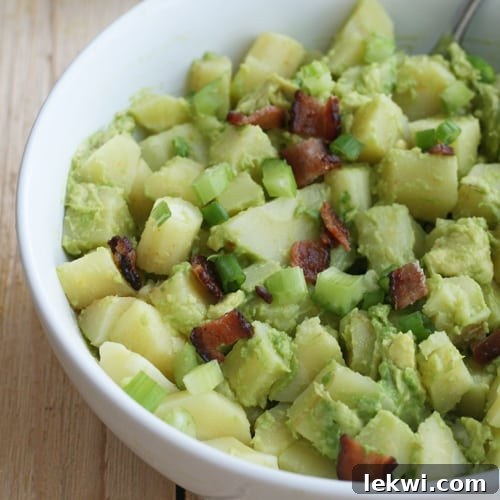
Summer evokes images of sun-drenched days, laughter-filled evenings, and, of course, the quintessential backyard BBQ. And what’s a BBQ without a creamy, comforting potato salad? For years, this classic dish was a staple in my diet, a beloved combination of starchy goodness and rich, savory dressing. However, my journey with Hashimoto’s disease led me to uncover a significant food intolerance: nightshades. Realizing the profound impact eliminating these vegetables had on my health, I made the tough decision to go years without enjoying my favorite potato salad. But this summer, I decided enough was enough. It was time to reclaim this iconic dish, adapting it to fit my needs without compromising on flavor or texture. The result? A truly remarkable AIP Avocado “Potato” Salad, crafted with a secret ingredient that will surprise and delight your taste buds.
Understanding Nightshades: Why Potatoes Might Be Problematic for Some
On the surface, potatoes seem entirely innocuous. They’re a real food, widely consumed, and rarely appear on lists of common allergens. So, why the caution? Potatoes belong to the nightshade family (Solanaceae), a botanical group that includes many common vegetables and spices. The primary concern with nightshades, particularly for individuals with autoimmune conditions or specific sensitivities, lies in compounds called glycoalkaloids, with solanine being the most well-known in potatoes. These compounds can be highly inflammatory for many people, acting as a potential trigger for a variety of unwelcome symptoms.
When consumed by sensitive individuals, glycoalkaloids can irritate the gut lining, potentially contributing to increased intestinal permeability, often referred to as “leaky gut.” This compromised gut barrier can allow undigested food particles and toxins to enter the bloodstream, triggering an immune response that can manifest as systemic inflammation. For those already managing autoimmune diseases, this can lead to flare-ups and exacerbate existing symptoms. Common symptoms and risk factors associated with nightshade intolerance often include:
- Joint Pain and Inflammation: Many report increased stiffness, soreness, or swelling in joints after consuming nightshades.
- Autoimmune Disease: Conditions like Rheumatoid Arthritis, Lupus, Inflammatory Bowel Disease (IBD), and Hashimoto’s Thyroiditis can be significantly impacted. Eliminating nightshades is a core component of protocols like the Autoimmune Protocol (AIP) for a reason.
- Prolonged Food Sensitivities: An inflamed gut can lead to a heightened immune response to other foods.
- Migraines: Some individuals experience headaches or migraines, particularly after consuming certain nightshades.
- Digestive Issues: Symptoms like bloating, gas, stomach pain, and altered bowel habits can also arise.
The nightshade family is broader than many realize, encompassing a range of everyday ingredients:
- Potatoes: Including white potatoes, red potatoes, Yukon gold, and all varieties.
- Tomatoes: All forms – fresh, canned, sauces, pastes, and sun-dried.
- Eggplant: A staple in many Mediterranean and Asian cuisines.
- Bell Peppers: Red, green, yellow, and orange varieties.
- All Chili Peppers and Red Spices: This includes cayenne pepper, paprika, chili powder, and most hot sauces (which derive heat from capsaicin, another nightshade compound).
- Goji Berries: Often lauded as a superfood, but still a nightshade.
- Ashwagandha: An adaptogenic herb that is also part of the nightshade family.
Understanding and addressing nightshade intolerance has been a pivotal step in my personal health journey. Eliminating nightshades from my diet, in alignment with the Autoimmune Protocol, has yielded some of the most significant improvements in my overall well-being. While initially challenging – breaking a decades-long french fry addiction was no small feat – discovering delicious and satisfying alternatives has made it an entirely sustainable and rewarding choice.
The Parsnip Advantage: A Superior Nightshade-Free “Potato” Substitute
When considering alternatives for a traditional potato salad, many instinctively turn to sweet potatoes. While sweet potatoes are indeed a fantastic, nutrient-dense root vegetable and a suitable option for many nightshade-free dishes, I’ve found an even better contender for mimicking the classic potato salad experience: the humble parsnip.
Parsnips, often overlooked in the produce aisle, possess a unique set of characteristics that make them truly shine as a potato substitute. Their flavor profile is subtly sweet with an earthy, nutty undertone, which, surprisingly, is much closer to a white potato than the distinct sweetness of a sweet potato. But where parsnips truly excel is in their texture. When cooked, they become tender yet retain a pleasant firmness, providing that desirable starchy, creamy mouthfeel that is so characteristic of traditional potato salad. Unlike sweet potatoes, which can become mushy or overly sweet in a savory salad, parsnips hold their structure beautifully and absorb the dressing’s flavors without overpowering them.
Beyond their remarkable similarity to potatoes, parsnips offer their own impressive nutritional benefits. They are an excellent source of dietary fiber, which supports digestive health and satiety. They also provide a good dose of vitamins, including Vitamin C and K, and minerals like potassium and manganese. This makes them not just a clever substitute, but a genuinely nutritious addition to your diet.
My enthusiasm for parsnips extends beyond just this salad. I’ve developed recipes for incredibly crispy and satisfying parsnip fries, demonstrating their versatility. Whether prepared with avocado oil or rich duck fat, they prove that you don’t need potatoes to enjoy a fantastic fry. Despite their culinary merits, parsnips remain somewhat under the radar. I often find myself explaining what these “white carrots” are to curious cashiers, and I’ve even memorized their produce code at my local grocery store to streamline my shopping experience. It’s safe to say I’m #teamparsnips, and I take their potential pretty seriously! So, while we might call this an AIP Avocado “Potato” Salad, it’s truly a celebration of the parsnip, a versatile root vegetable ready to step into the culinary spotlight. Don’t worry, your guests will likely be too busy enjoying its deliciousness to notice the difference!
Elevating the Flavors: The Irresistible Duo of Bacon and Avocado
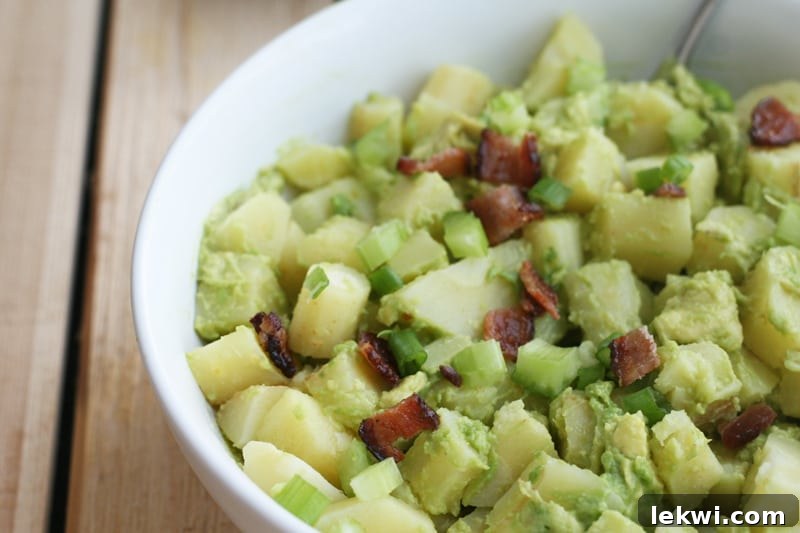
To truly capture the essence of a classic potato salad and elevate this AIP-friendly version, I turned to two beloved ingredients known for their incredible flavor and texture contributions: crispy bacon and creamy avocado. These additions transform a simple root vegetable salad into a decadent and satisfying side dish that’s impossible to resist.
First, let’s talk about bacon. Is there anything it doesn’t improve? In this “potato” salad, bacon isn’t just an optional garnish; it’s a star player. The savory, smoky notes of crispy bacon infuse the entire salad with a depth of flavor that is simply unmatched. Each bite offers a delightful crunch, providing a textural contrast to the tender parsnips and creamy dressing. For those adhering to the Autoimmune Protocol, it’s essential to choose sugar-free and nitrate-free bacon to ensure it aligns with AIP guidelines. This small detail ensures all the incredible flavor without any inflammatory additives, making it a perfect complement to our nightshade-free base.
Then there’s the avocado, the namesake ingredient that brings this salad its luscious creaminess. Traditional potato salads often rely on mayonnaise, which typically contains eggs and sometimes inflammatory oils, making it unsuitable for many on AIP. Avocado, however, steps in beautifully to create a rich, smooth, and naturally dairy-free dressing. When mashed and mixed with a touch of apple cider vinegar, it forms a vibrant, flavorful emulsion that coats every piece of parsnip, delivering that familiar satisfying richness. Beyond its textural contribution, avocado is a nutritional powerhouse, packed with healthy monounsaturated fats, fiber, potassium, and an array of vitamins (K, C, B5, B6, E). It’s the perfect whole-food ingredient to make this salad both incredibly delicious and wonderfully nourishing. Together, the smoky bacon and creamy avocado create a symphony of flavors and textures, making this AIP Avocado “Potato” Salad an absolute showstopper at any gathering.
AIP Avocado “Potato” Salad: Your New Summer Favorite
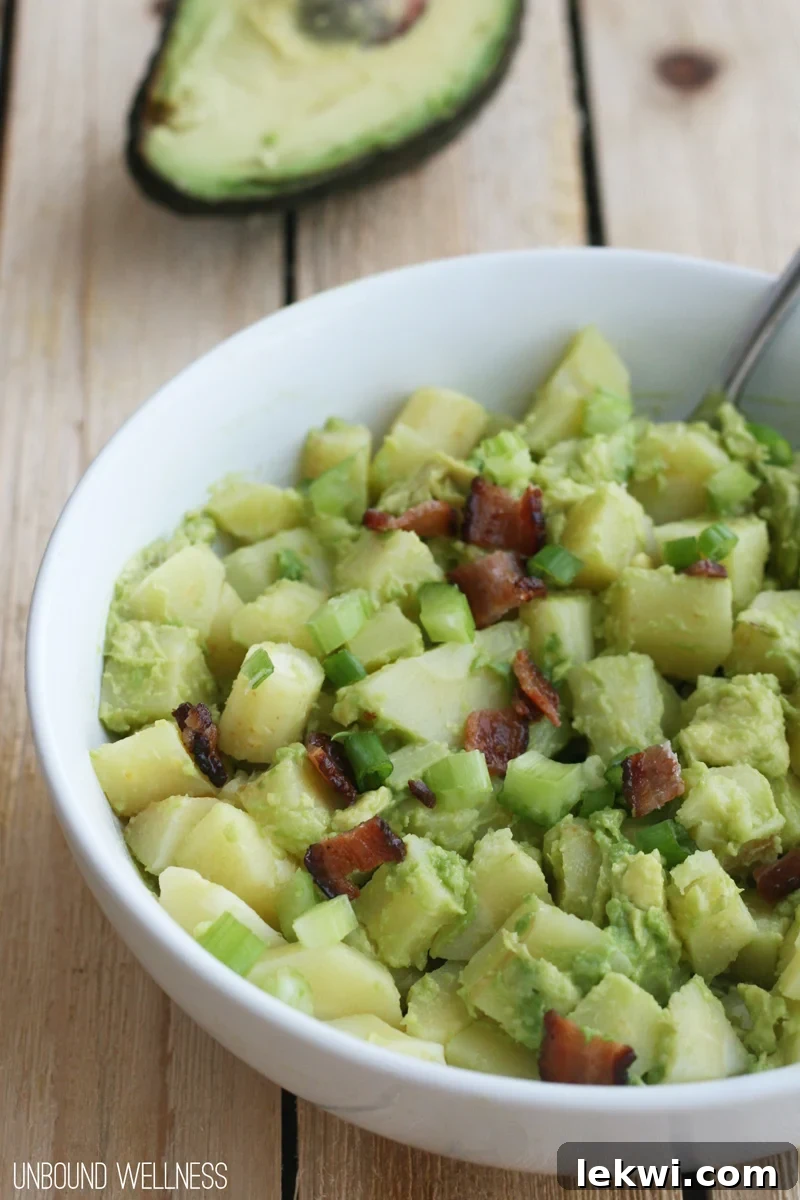
Ready to ditch the nightshades without sacrificing flavor? This AIP Avocado “Potato” Salad is creamy, savory, and incredibly satisfying. It’s the perfect side dish for your next BBQ, picnic, or simply as a refreshing addition to your weekly meal prep. Made with wholesome, AIP-compliant ingredients, this recipe proves that healthy eating can be absolutely delicious.
Recipe Details
- Prep time: 15 minutes
- Cook time: 10 minutes
- Chill time: 2-3 hours
- Servings: 4-6
- Dietary Info: AIP, Paleo, Whole30, Nightshade-Free, Dairy-Free, Gluten-Free
INGREDIENTS
- 1 ½ lbs parsnips, peeled and cut into 1-inch chunks
- 3-4 strips crispy bacon, cooked until very crispy and then chopped (ensure sugar-free and nitrate-free for AIP)
- 1 large stalk celery, finely chopped
- ½ large avocado (or 1 small avocado), ripe
- 1 tbsp green onion (scallion), finely chopped (green parts only)
- 1 tsp apple cider vinegar
- ½ tsp sea salt (or more, to taste)
INSTRUCTIONS
- Prepare the Parsnips: Set a medium pot of water on medium-high heat and bring it to a gentle, rolling boil. Carefully add the peeled and chopped parsnips to the boiling water. Boil for 10-12 minutes, or until the parsnips are fork-tender but not mushy. It’s crucial they retain some structure. Once tender, strain them well and set them aside in a large bowl to cool completely. Cooling is important to prevent the avocado from browning and to ensure the salad has the best texture.
- Make the Avocado Dressing: In a separate medium-sized bowl, add the ripe avocado and apple cider vinegar. Mash thoroughly with a fork until the mixture is smooth and creamy. The apple cider vinegar helps to brighten the flavor and prevent the avocado from oxidizing too quickly.
- Combine Ingredients: Once the parsnips have cooled, add them to the bowl with the mashed avocado mixture. Incorporate the chopped crispy bacon, finely chopped celery, and chopped green onion.
- Season and Mix: Sprinkle in the sea salt. Gently stir all the ingredients together until everything is well combined and the parsnips are evenly coated with the creamy avocado dressing. Be careful not to mash the parsnips further.
- Chill and Serve: Cover the bowl with plastic wrap or transfer the salad to an airtight glass container. Chill in the refrigerator for at least 2-3 hours. This allows the flavors to meld beautifully and ensures the salad is served refreshingly cold. Serve chilled and savor every delicious, nightshade-free bite!
Notes & Tips:
- Bacon Quality: For strict AIP, always check labels to ensure your bacon is sugar-free and free of nitrates/nitrites.
- Avocado Ripeness: Use a perfectly ripe avocado for the best creamy texture and flavor in the dressing.
- Make Ahead: This salad tastes even better the next day, once the flavors have had time to fully develop. Store leftovers in an airtight container in the refrigerator for up to 2-3 days.
- Add-ins: Feel free to experiment with other AIP-friendly additions like finely chopped red onion (if tolerated), fresh dill, or chives for extra flavor.
- Serving Suggestion: This “potato” salad is fantastic alongside grilled chicken, fish, or any BBQ fare.
Embrace Flavor, Embrace Wellness
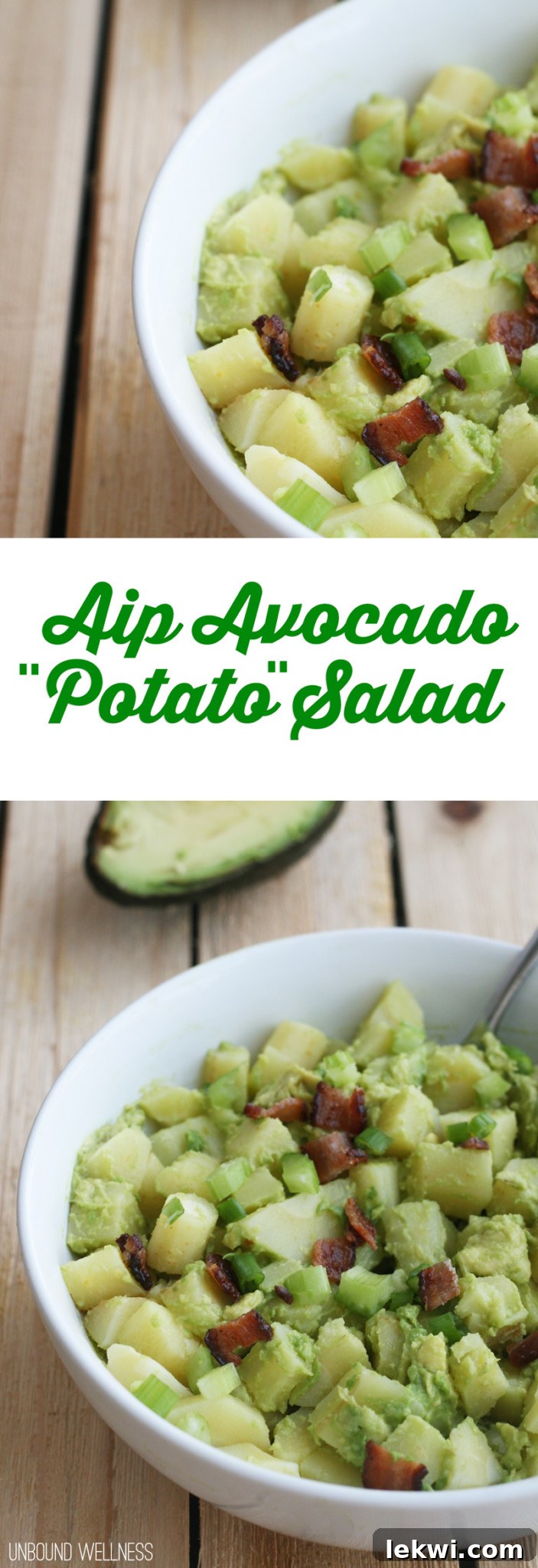
Navigating dietary restrictions, especially those as comprehensive as the Autoimmune Protocol, can sometimes feel daunting. The thought of giving up cherished comfort foods like potato salad might even seem like a sacrifice too great. However, as this AIP Avocado “Potato” Salad beautifully demonstrates, it’s entirely possible to recreate beloved classics in a way that nourishes your body without compromising on taste or enjoyment. By understanding your body’s unique needs and embracing creative culinary solutions, you can continue to savor delicious meals and participate in joyous gatherings, like summer BBQs, feeling your absolute best.
This recipe is more than just a dish; it’s a testament to the power of thoughtful ingredient choices and a celebration of reclaiming joy in your food journey. So, go ahead, whip up a batch of this nightshade-free, creamy, and utterly delightful “potato” salad. Share it with friends and family, and watch their surprise when they discover the secret ingredient that makes it so unexpectedly delicious. Here’s to a summer filled with flavor, wellness, and countless happy, healthy memories!