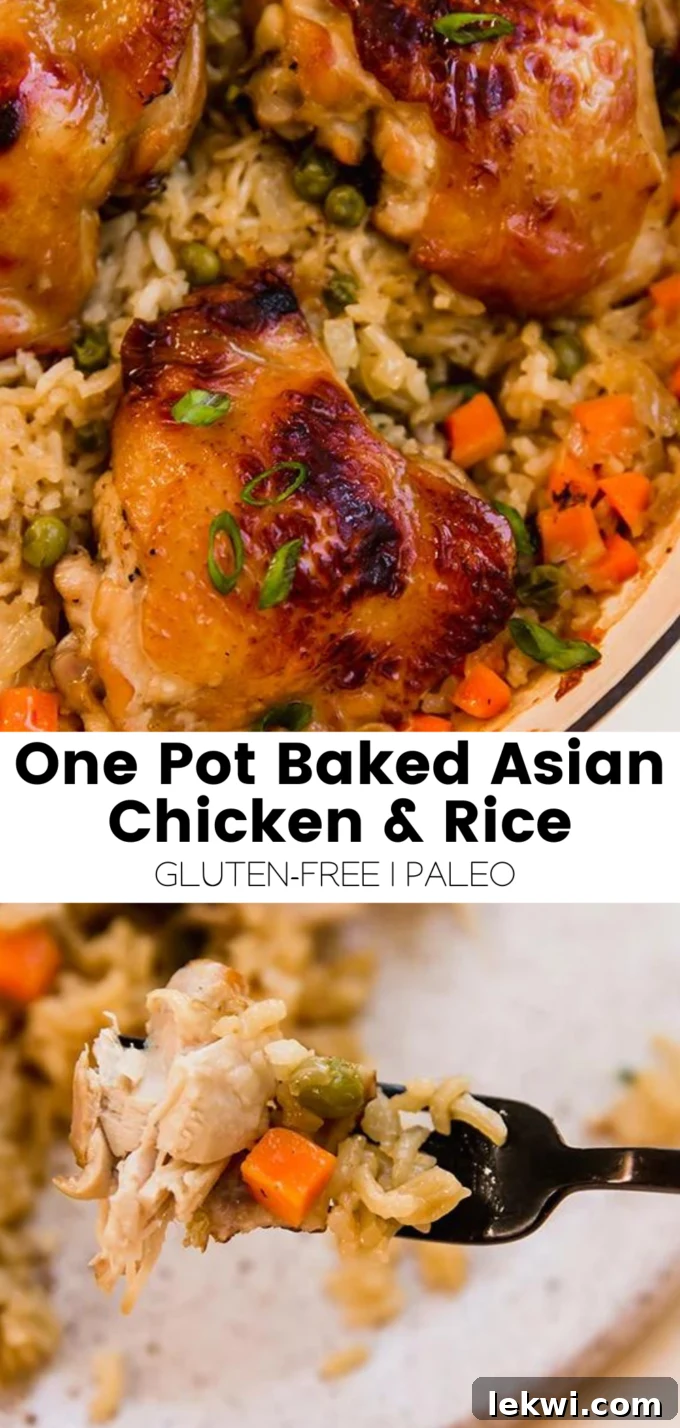
One-Pot Baked Asian-Inspired Chicken & Rice: Your New Favorite Weeknight Meal
Discover the ultimate in comfort and convenience with this irresistible one-pot baked Asian-inspired chicken and rice recipe. Perfectly seasoned and cooked to tender perfection, this dish promises a flavorful journey that’s incredibly easy to prepare, making it an ideal choice for busy weeknights or efficient meal prep. Say goodbye to endless dishes and hello to a truly satisfying culinary experience!
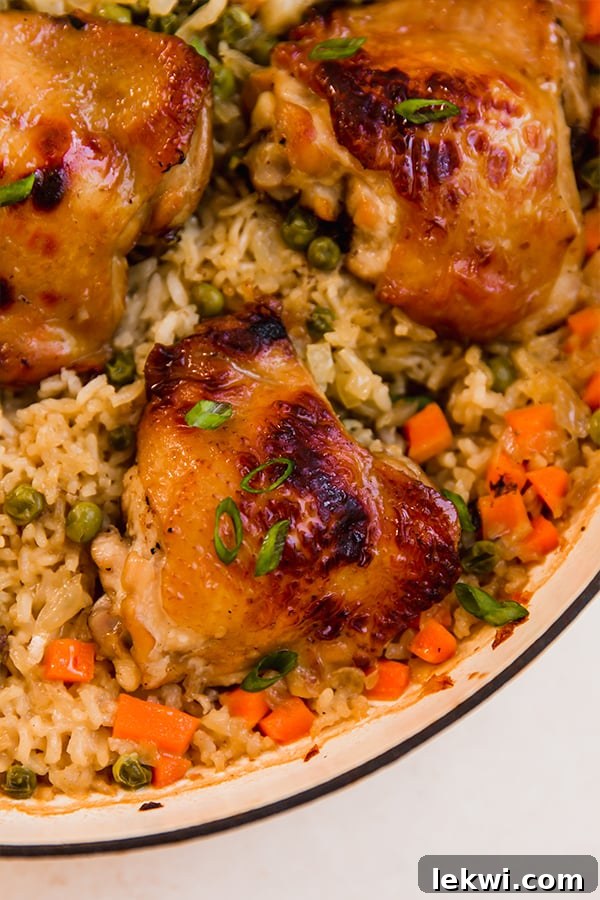
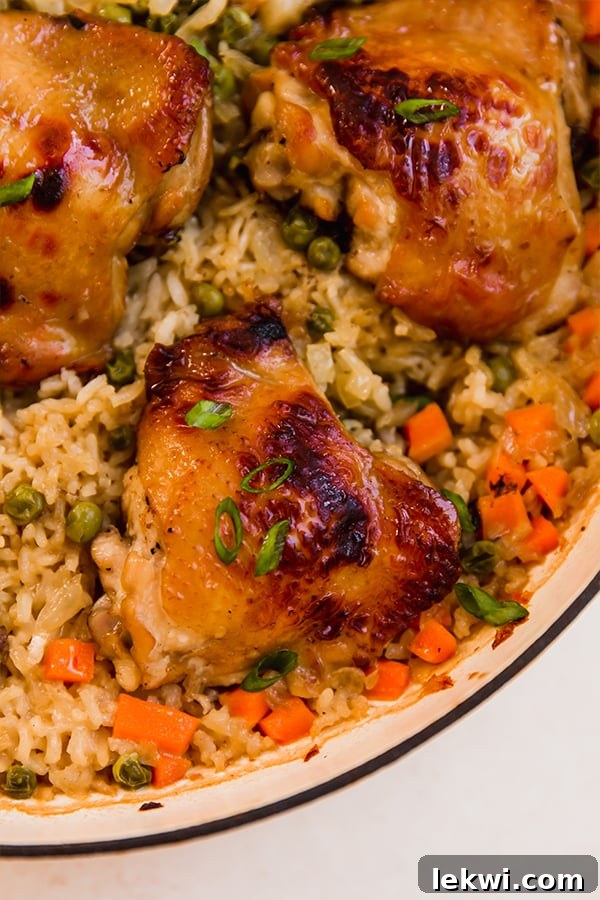
There’s an undeniable warmth and nostalgia associated with a classic plate of chicken and rice. It’s a dish that evokes feelings of home and hearty satisfaction. But what if you could elevate this timeless comfort food with vibrant, aromatic Asian flavors, all while keeping the preparation incredibly simple? This recipe does just that. We’ve taken the beloved chicken and rice concept and infused it with a rich, savory, and slightly sweet Asian-inspired marinade that transforms every bite into an explosion of taste. The best part? It all comes together in a single pot, minimizing cleanup and maximizing flavor. Whether you’re seeking a delicious and straightforward weeknight dinner or an efficient meal prep solution to streamline your busy schedule, this one-pot wonder is designed to fit seamlessly into your routine, leaving you with a delicious, restaurant-quality meal without the fuss.
The beauty of a one-pot meal lies in its ability to marry flavors as ingredients cook together, creating a depth that’s hard to achieve otherwise. In this dish, the succulent chicken thighs render their savory juices into the rice, which in turn absorbs the fragrant marinade and broth, creating a harmonized symphony of tastes. Each component contributes to a cohesive and incredibly satisfying meal, making it a staple you’ll want to revisit again and again.
Essential Ingredients for Your One-Pot Asian Chicken and Rice
Crafting this flavorful dish starts with selecting the right ingredients. Each component plays a vital role in building the layered taste profile and ensuring a perfect texture. Here’s a detailed look at what you’ll need:
- Chicken Thighs: The Heart of the Dish. For unparalleled flavor and tenderness, we highly recommend using bone-in, skin-on chicken thighs. The bone contributes to a richer broth as it cooks, infusing the rice with deeper savory notes. Meanwhile, the skin crisps beautifully when seared, adding a delightful textural contrast and locking in moisture, resulting in fall-off-the-bone tender meat. If you prefer, boneless, skinless thighs can be used for quicker cooking, but adjust cooking times accordingly to prevent drying them out, and be aware you might lose some of the rich flavor depth.
- The Flavorful Marinade Base: Coconut Aminos, Coconut Sugar, Avocado Oil, and Rice Vinegar. These four ingredients form the foundation of our incredibly aromatic marinade.
- Coconut Aminos: A fantastic soy-free alternative to soy sauce, coconut aminos offer a similar umami depth with a slightly sweeter profile and less sodium. It’s a key player in delivering that authentic Asian flavor while being suitable for various dietary preferences.
- Coconut Sugar: Providing a subtle sweetness that balances the savory and tangy notes, coconut sugar caramelizes beautifully, contributing to the rich color of the chicken. Brown sugar is a suitable substitute if coconut sugar is unavailable.
- Avocado Oil: With its high smoke point and neutral flavor, avocado oil is perfect for searing the chicken and sautéing vegetables. It ensures a nice crust without imparting any unwanted taste.
- Rice Vinegar: This adds a crucial touch of tang and brightness, cutting through the richness of the chicken and balancing the sweetness of the coconut sugar. It’s essential for a well-rounded flavor.
- Aromatic Vegetables: Carrots, Onion, Garlic, and Peas. These fresh vegetables are not just for added nutrients and color; they are fundamental for building the aromatic base of the dish.
- Carrots and Onion: When sautéed, they release their natural sugars, creating a sweet and savory foundation.
- Garlic: An indispensable ingredient in Asian cuisine, minced garlic provides a pungent, aromatic kick that elevates the entire dish.
- Peas: Added towards the end, peas contribute a burst of fresh flavor and vibrant green color, along with a touch of sweetness.
- Chicken Broth: The Liquid Gold. Chicken broth is vital for cooking the rice and infusing it with even more flavor. Using a good quality broth (or homemade chicken bone broth for extra depth and nutrients) will significantly impact the final taste of your dish.
- Jasmine Rice: The Perfect Canvas. Jasmine rice is chosen for its fragrant aroma and slightly sticky, fluffy texture when cooked, which is characteristic of many Asian rice dishes. Its delicate flavor perfectly complements the bold marinade. Unfortunately, this particular recipe is not well-suited for cauliflower rice due to the difference in liquid absorption and texture, which would drastically alter the desired outcome.
- Fresh Ginger: A Zesty Kick. Grated fresh ginger adds a warm, spicy, and incredibly fragrant element that is quintessential in Asian cooking. It provides a bright, zesty contrast that cuts through richness.
- Green Onion: The Finishing Touch. Chopped green onions are used as a garnish, adding a fresh, mild oniony flavor and a pop of color right before serving.
Mastering the One-Pot Baked Asian Chicken and Rice: Step-by-Step Guide
Creating this delicious and easy meal is straightforward. Follow these steps for a perfectly cooked, flavor-packed dish:
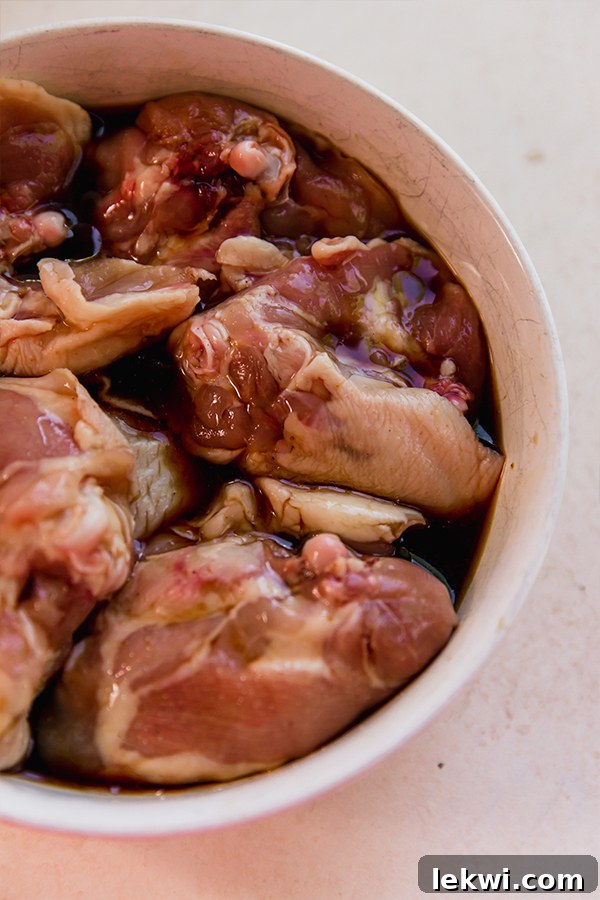
Step 1: Marinate the Chicken for Maximum Flavor. In a spacious bowl, combine your coconut aminos, rice vinegar, avocado oil, coconut sugar, and a pinch of salt and pepper to create the marinade. Whisk until well combined. Add the bone-in, skin-on chicken thighs, ensuring each piece is thoroughly coated. Allow the chicken to marinate in the refrigerator for at least one hour to let the flavors fully penetrate the meat. For even deeper flavor, you can marinate it for up to four hours, or even overnight.
Step 2: Achieve Crispy Skin by Searing. Preheat your oven to 400°F (200°C). While the oven heats, place a large, oven-safe cast iron skillet (or a Dutch oven) over medium-high heat on your stovetop. Add a touch of avocado oil if needed. Remove the marinated chicken from the bowl, allowing any excess marinade to drip off. Carefully place the chicken thighs skin-side down into the hot skillet. Sear for 4-5 minutes per side, or until the skin is beautifully golden brown and crispy. This crucial step not only renders the fat but also develops a deep, savory flavor through the Maillard reaction. Once seared, remove the chicken from the skillet and set it aside, reserving any remaining marinade from the bowl.
Step 3: Build the Aromatic Vegetable Base. Into the same skillet, add the diced carrots, onion, minced garlic, and grated ginger. Sauté these aromatics over medium heat for about 3-5 minutes, stirring occasionally, until the onion becomes translucent and the mixture is wonderfully fragrant. This step softens the vegetables and releases their sweet and pungent flavors, creating a rich foundation for the rice.
Step 4: Infuse the Rice with Broth and Marinade. Pour the chicken broth into the skillet, along with about 1/3 cup of the reserved excess marinade. Bring the mixture to a rolling boil and let it simmer for 4-5 minutes, allowing the flavors to meld and deepen. Then, add the jasmine rice and peas to the pot, stirring gently to ensure the rice is fully submerged and coated by the flavorful liquid. This ensures even cooking and absorption.
Step 5: Arrange the Chicken for Baking. Carefully place the seared chicken thighs back into the skillet, arranging them skin-side up on top of the rice mixture. Positioning them skin-side up allows the skin to remain crispy and prevents it from becoming soggy during the baking process.
Step 6: Bake to Perfection. Securely place the lid on your skillet and transfer it to the preheated oven. Bake for approximately 35 minutes, or until the rice is tender and fully cooked, and the chicken has reached an internal temperature of 165°F (74°C). The covered environment allows the rice to steam perfectly while the chicken finishes cooking through.
Step 7: Rest, Garnish, and Serve. Once baked, remove the skillet from the oven and, without lifting the lid, allow it to rest for 10 minutes. This resting period is crucial for the rice to absorb any remaining moisture and for the chicken juices to redistribute, ensuring maximum tenderness and flavor. Finally, remove the lid, garnish generously with fresh chopped green onions, and serve immediately. Enjoy your magnificent one-pot creation!
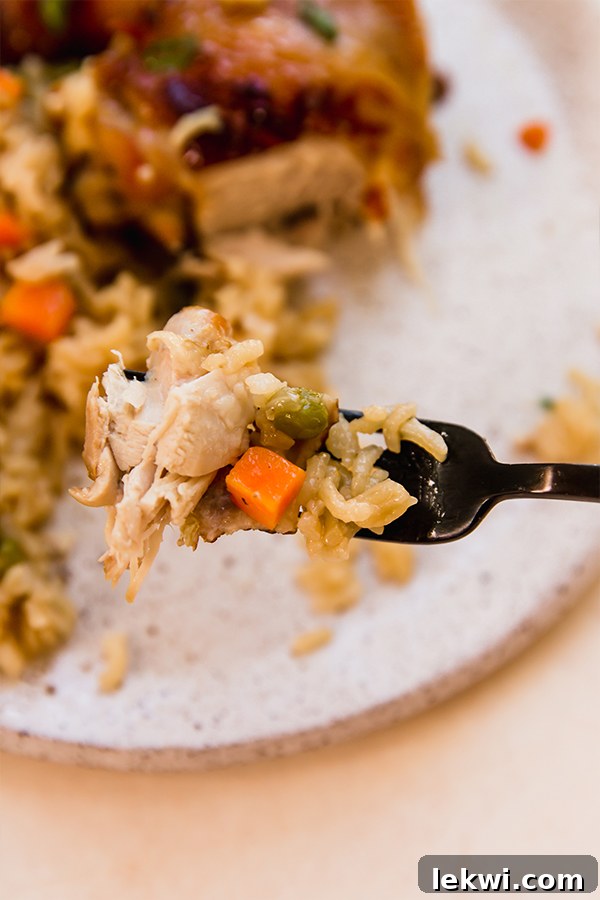
Tips & Tricks for Perfecting Your One-Pot Asian Chicken & Rice
To ensure your dish turns out perfectly every time, here are some invaluable tips and tricks:
- Choose the Right Cookware: An Enamel Cast Iron Skillet is Key. The secret to this recipe’s success lies in its one-pot nature, transitioning seamlessly from stovetop to oven. An enamel cast iron skillet or a Dutch oven is highly recommended. These materials offer superior heat retention and even heat distribution, which is crucial for both searing the chicken and baking the rice evenly. The enamel coating also makes for easier cleanup. While a stainless steel oven-safe skillet can be used as an alternative, cast iron remains the top recommendation for optimal results. Ensure your skillet has a tight-fitting lid to properly steam the rice.
- Consider an Optional Glaze for Added Shine and Flavor. This recipe is incredibly flavorful on its own, but if you desire an extra layer of sweetness and a beautiful glossy finish on your chicken, you can easily create an optional glaze. After removing the chicken to sear, if you have extra marinade, you can boil it down (adding about 2 tablespoons more coconut aminos if desired) for 5-7 minutes until it thickens slightly and reaches a safe temperature of 165°F (74°C) to kill any bacteria. Drizzle this glaze over the chicken just before serving or during the last few minutes of baking for a stunning presentation and boosted flavor.
- Don’t Skimp on Marinating Time. While an hour is good, longer marination (up to 4 hours or even overnight) will yield much more flavorful and tender chicken. The acids in the marinade tenderize the meat while infusing it with deep, savory-sweet notes.
- Adjust Spice Levels. If you enjoy a bit of heat, consider adding a pinch of red pepper flakes to the marinade or a drizzle of sriracha when serving.
- Serving Suggestions. This dish is a complete meal on its own, but it also pairs wonderfully with a side of steamed greens like bok choy or broccoli, lightly drizzled with sesame oil.
Frequently Asked Questions
Can you use cauliflower rice instead of jasmine rice?
While many recipes adapt well to cauliflower rice for a grain-free option, this particular one is best enjoyed with traditional jasmine rice. The liquid-to-rice ratio and cooking method are specifically designed for how jasmine rice absorbs moisture and achieves its desired fluffy, slightly sticky texture. Cauliflower rice has a different cellular structure and water content, which would result in a very different texture and potentially a watery dish. If you’re looking for grain-free chicken and rice options, explore other recipes that are specifically formulated for cauliflower rice, or consider other delicious grain-free chicken dishes available on our website.
How long does this stay fresh? How do you reheat it?
This One-Pot Baked Asian Chicken & Rice stores beautifully! You can keep any leftovers in an airtight container in the refrigerator for 3-4 days. When reheating, for best results, gently warm it on the stovetop over low heat in a pot with a splash of chicken broth or water to prevent drying out the rice. Stir occasionally until heated through. Alternatively, you can reheat individual portions in the microwave, covering them loosely to retain moisture.
Can I use boneless, skinless chicken thighs?
Yes, you can. However, as mentioned, bone-in, skin-on thighs provide more flavor and tenderness due to the bone and fat. If using boneless, skinless chicken, you might need to adjust the searing and baking times slightly (they will cook faster) and ensure you don’t overcook them to keep them juicy. You might also miss out on the crispy skin texture. Consider adding a bit more oil to the pan when searing if using leaner cuts.
What if I don’t have coconut aminos?
Coconut aminos provide a unique, slightly sweeter, and less salty umami flavor. If you don’t have them, you can substitute with low-sodium soy sauce or tamari (for a gluten-free option). Keep in mind that soy sauce is saltier, so you might want to reduce the added salt in the marinade and adjust to taste.
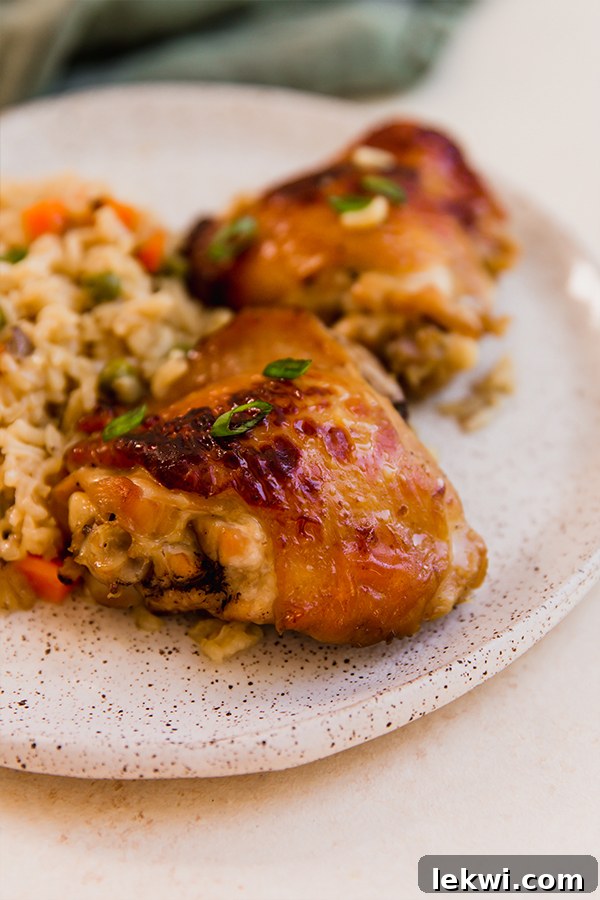
You’ll also love these delicious recipes…
- Easiest One Pot Baked Chicken and Rice
- Ground Beef and Cauliflower Rice Enchilada Bowls
- Easy Salmon Fried Rice
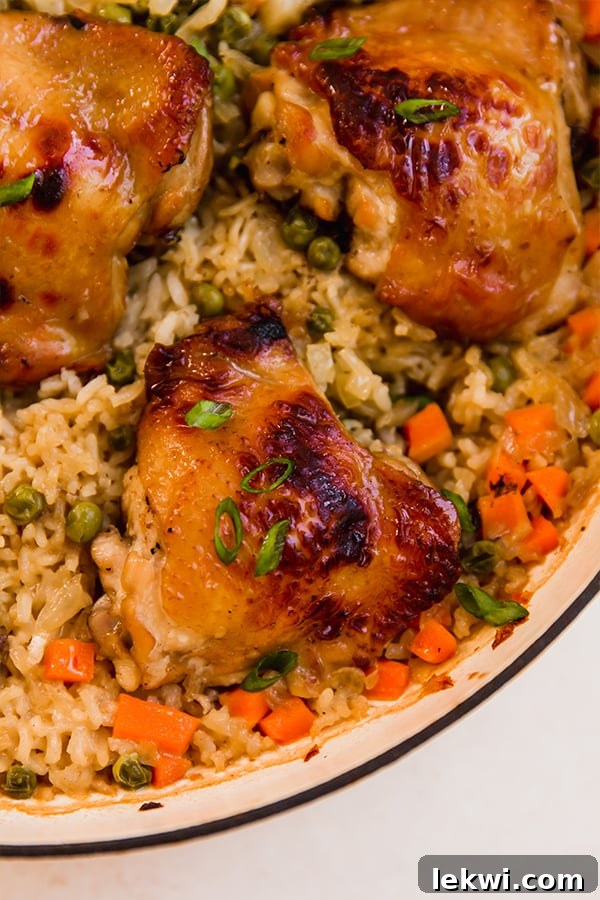
One Pot Baked Asian Chicken & Rice
Leave a Review
Pin Recipe
Ingredients
For the marinade
- ½ cup coconut aminos
- 1 tbsp rice vinegar
- 1 tbsp avocado oil
- 1 tbsp coconut sugar
- Salt and pepper to taste
For the chicken and rice
- 2 lbs chicken thighs, bone-in and skin on
- ½ cup carrots, diced
- 1 white onion, diced
- 1 clove of garlic, minced
- 2 tsp ginger, grated
- 2 cups chicken broth
- ⅓ cup peas
- 1 cup jasmine rice
- 2 tbsp green onion, chopped
Instructions
-
Using a large bowl, prepare the marinade by combining the coconut aminos, rice vinegar, avocado oil, coconut sugar, and salt & pepper. Add the chicken and toss to coat thoroughly. Allow to marinate in the fridge for at least an hour for best flavor.
-
Preheat the oven to 400 F (200 C). Using a large, oven-safe cast iron skillet (or Dutch oven), heat a small amount of avocado oil over medium-high heat on the stovetop.
-
Allow some of the chicken marinade to drip off the chicken before transferring the chicken, skin side down, to the hot skillet. Cook for 4-5 minutes on each side or until the skin is crisp and golden brown. Remove the chicken from the skillet and set it aside, reserving any excess marinade from the bowl.
-
Add the diced carrots, onion, minced garlic, and grated ginger to the skillet. Sauté for a few minutes until fragrant and the onion is translucent and softened.
-
Pour in the chicken broth and about 1/3 cup of the reserved excess marinade. Bring the liquid to a boil and let it simmer for 4-5 minutes. Add the jasmine rice and peas to the pot and gently stir to ensure all of the rice is evenly covered by the broth. Place the seared chicken thighs back into the pot, skin side up.
-
Put the lid on the skillet and transfer it to the preheated oven. Bake for 35 minutes, or until the rice is tender and fully cooked, and the chicken reaches an internal temperature of 165 F (74 C).
-
Remove the skillet from the oven and allow it to rest, with the lid on, for 10 minutes. This helps the rice absorb remaining moisture and the chicken juices to redistribute. Finally, remove the lid, garnish with fresh chopped green onion, and serve immediately.
Notes
If you’d like a glaze on the chicken, add about 2 tbsp more coconut aminos to the excess marinade and boil it on the stovetop for 5-7 minutes until it slightly thickens and reaches 165 F (74 C) to ensure any bacteria are killed. Drizzle this glaze over the chicken at the end of cooking if desired.
All nutritional information are estimations and will vary based on specific ingredients and brands used. Estimations do not include optional ingredients or variations.