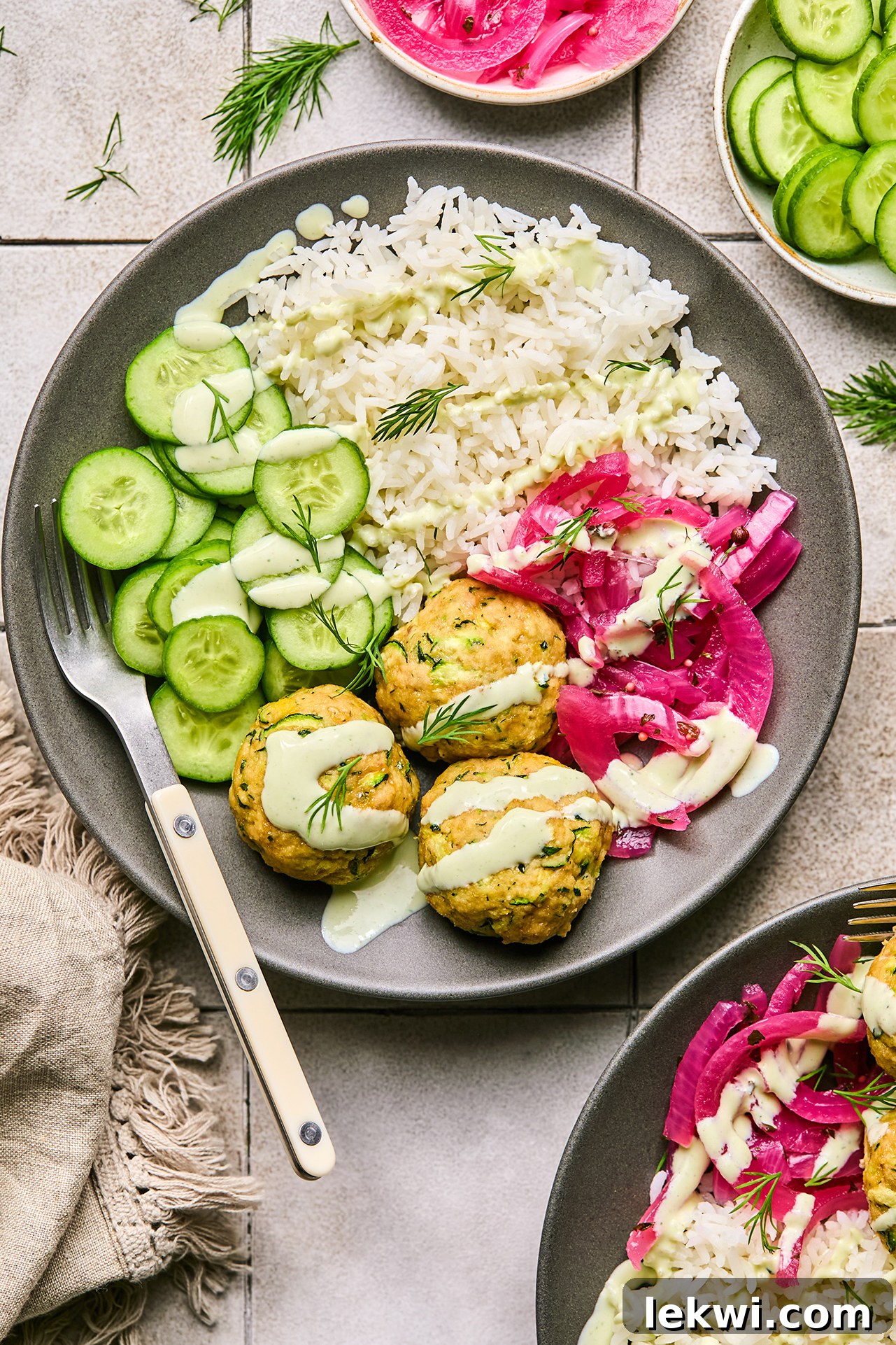
Deliciously Healthy Gluten-Free Turkey Feta Meatballs with Hidden Veggies
Are you tired of the same old dinner routine? Looking for a fresh, flavorful, and healthy meal that’s also incredibly easy to prepare? Look no further! These gluten-free turkey feta meatballs are a culinary revelation, blending lean ground turkey with vibrant Mediterranean flavors and sneaky, nutrient-rich vegetables. They’re not just incredibly simple to make; they’re also a fantastic option for meal prepping, ensuring you have wholesome, delicious meals ready to go throughout your busy week.
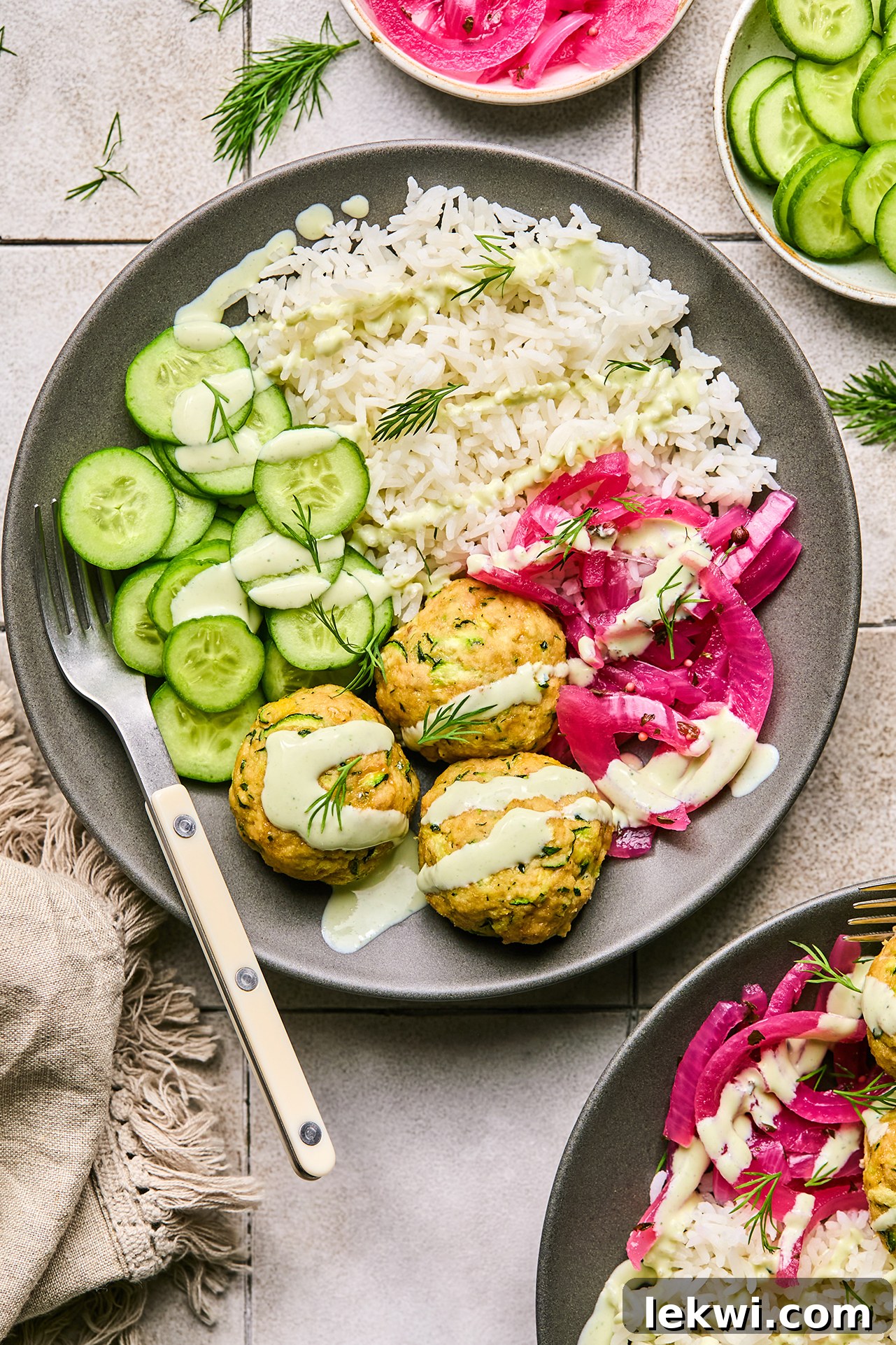
Life can get hectic, and finding ourselves in a dinner rut is a common experience for many home cooks. I know I’ve been there countless times! That’s why I’m always on the hunt for innovative yet simple recipes that excite the taste buds and nourish the body. My recent experiment with this Turkey Feta Meatball recipe turned into an absolute favorite, much to my delight and the enthusiastic response from my followers on Instagram. The overwhelming requests prompted me to share this gem, and I can’t wait for you to try it! Serve these delectable meatballs with zesty Greek lemon sweet potatoes or a refreshing easy vinegar cucumber salad for a perfectly balanced and unforgettable meal.
These quick & easy Turkey Feta Meatballs are not only loaded with flavorful herbs and cheese but also cleverly hide a generous serving of vegetables! They are truly destined to become a beloved staple in your weekly meal prep repertoire.
Table of Contents
- Why You’ll Adore These Turkey Feta Meatballs
- The Star Ingredients for Your Meatballs
- Smart Substitutions & Modifications
- Step-by-Step Guide: Crafting Your Gluten-Free Turkey Feta Meatballs
- Expert Tips & Tricks for Perfect Meatballs
- Frequently Asked Questions (FAQs)
- Explore More Greek-Inspired Dishes
Why You’ll Adore These Turkey Feta Meatballs
There’s so much to love about this recipe, from its incredible flavor profile to its health benefits and sheer versatility. It’s more than just a meal; it’s an experience that brings the vibrant tastes of the Mediterranean right to your table, all while keeping things light, nutritious, and incredibly satisfying.
- Mediterranean Flavor Perfection: It’s no secret that Greek and Mediterranean cuisine has captivated palates worldwide, consistently topping charts as one of the most popular and healthiest diets globally. This recipe embodies everything wonderful about Mediterranean flavors – the freshness of herbs like dill and parsley, the subtle tang of lemon, and the salty richness of feta cheese. These elements combine to create a deeply aromatic and savory profile that is both comforting and exotic. If you’ve enjoyed other reader favorites like my Greek Lemon Chicken Soup, you’ll find a similar, irresistible charm in these meatballs. They offer a delightful escape from mundane meals, infusing your plate with sunshine and vibrant taste.
- Hidden Veggies for Extra Goodness: We all strive to eat more vegetables, and this recipe makes it effortless – even for picky eaters! Finely shredded zucchini is seamlessly incorporated into the meatball mixture, adding moisture, fiber, and essential nutrients without altering the texture or strong flavor. It’s a clever way to boost your daily vegetable intake, making these meatballs not just delicious but also a powerhouse of health. You won’t even notice the veggies are there, but your body will certainly thank you for them!
- A Thoughtful Choice for Lactose Sensitivity: For many, traditional dairy can be a source of discomfort. That’s why this recipe thoughtfully utilizes goat and sheep feta. While goat cheese isn’t entirely lactose-free, it is significantly lower in lactose compared to conventional cow’s milk cheese. This often makes it a more tolerable option for individuals with moderate lactose intolerance. As someone who experiences this sensitivity, I’ve personally found that I can enjoy goat cheese in moderation, especially when paired with a helpful enzyme supplement like Hilma. This allows you to savor the unique, tangy flavor of feta without the worry of digestive upset.
- Naturally Gluten-Free & Wholesome: In an age where gluten sensitivities are common, having delicious gluten-free options is paramount. These meatballs are crafted without any traditional breadcrumbs, relying instead on a clever blend of coconut and almond flours to bind them perfectly. This not only makes them naturally gluten-free but also adds a wholesome, nutrient-dense quality to your meal. They’re a fantastic choice for anyone following a gluten-free lifestyle, or simply looking for healthier alternatives without compromising on taste or texture.
- Perfect for Meal Prep and Weeknight Dinners: Time is a precious commodity, and this recipe is designed with efficiency in mind. The meatballs come together quickly and cook efficiently, making them ideal for busy weeknights when you need a fast and satisfying meal. Moreover, they are outstanding for meal prepping. Make a large batch at the beginning of the week, and you’ll have a versatile protein component ready to be enjoyed in various ways – in bowls, wraps, or alongside salads. This recipe empowers you to eat well, even when your schedule is packed.
The Star Ingredients for Your Turkey Feta Meatballs
Crafting exceptional meatballs starts with high-quality ingredients. Each component in this recipe plays a crucial role in achieving the perfect flavor and texture. Pay attention to freshness, and you’re already halfway to a fantastic meal!
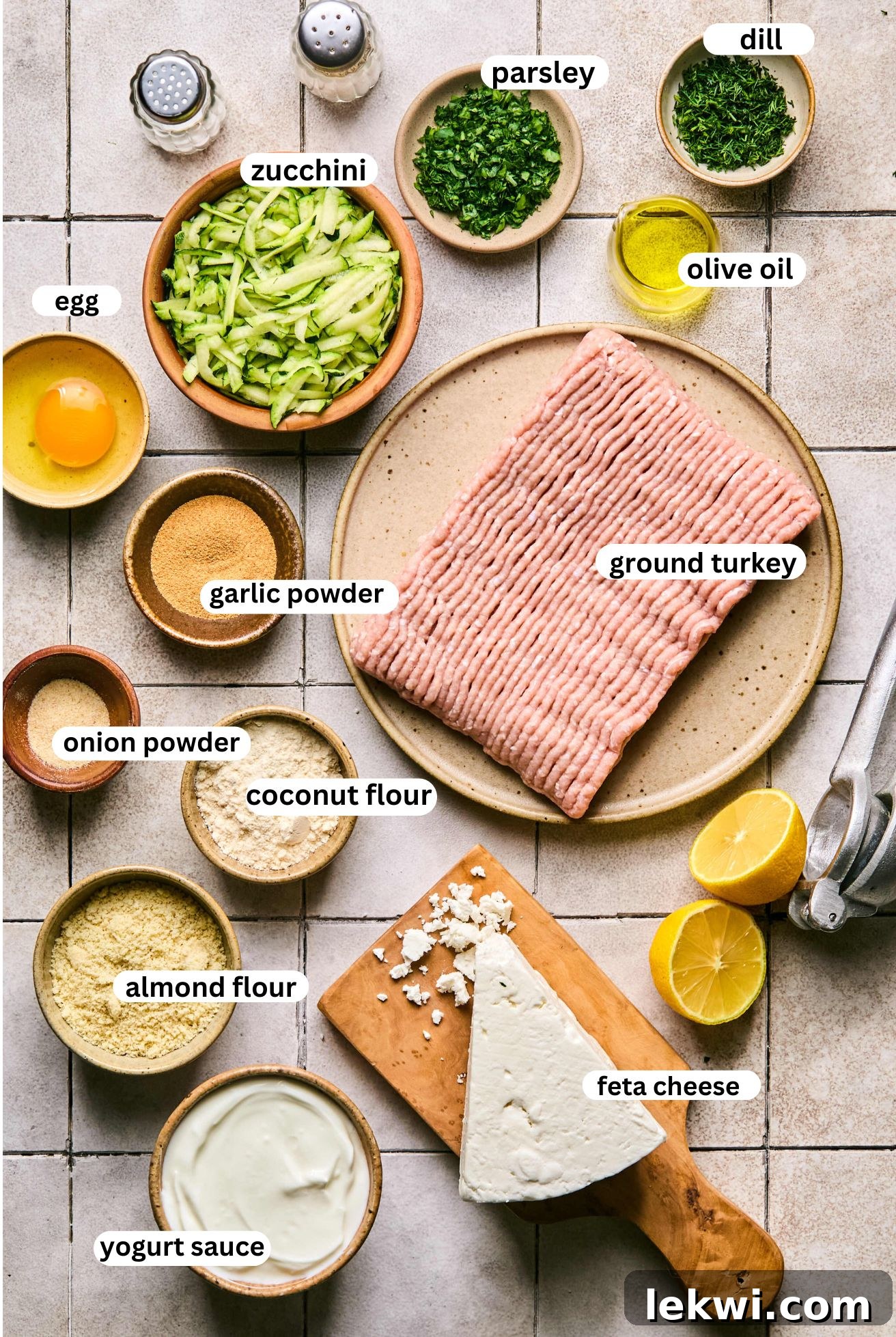
- Ground Turkey: Opt for lean ground turkey for a healthier, lighter meatball base. It’s an excellent source of protein and takes on the Mediterranean flavors beautifully. Ensure it’s fresh for the best results, as moisture content can affect binding.
- Coconut Flour & Almond Flour: This dynamic duo replaces traditional breadcrumbs, making these meatballs gluten-free and adding a boost of fiber. Coconut flour is highly absorbent, helping to bind the mixture and manage moisture, especially from the zucchini. Almond flour adds structure and a subtle nutty flavor, ensuring a tender and cohesive meatball.
- Egg: A single egg acts as a crucial binder, holding all the ingredients together and preventing the meatballs from falling apart during cooking. It also adds a touch of richness.
- Zucchini: Our secret weapon for hidden veggies! When shredded and thoroughly squeezed, zucchini adds incredible moisture and nutritional value without a strong vegetable taste, making these meatballs extra tender and healthy.
- Coconut Yogurt: For the creamy, tangy sauce. I highly recommend a high-quality brand like Culina for its rich texture and pure flavor, which complements the savory meatballs perfectly. Choose an unsweetened variety.
- Fresh Herbs (Parsley & Dill): These are the heart of the Mediterranean flavor. Fresh parsley brings a vibrant, clean note, while fresh dill offers a distinctive, slightly anise-like aroma that is quintessential in Greek cuisine. Don’t skip these for authentic taste!
- Goat and Sheep Feta: This blend provides that characteristic salty, tangy kick that elevates the meatballs. As mentioned, goat and sheep milk feta is often better tolerated by those with lactose sensitivities, offering all the flavor benefits without the potential discomfort of cow’s milk feta. You can find a good goat and sheep milk blend feta here, but if you tolerate it well, regular cow’s milk feta will also work.
- Garlic Powder & Onion Powder: These pantry staples provide a foundational layer of savory aromatic flavor, essential for any delicious meatball. They offer concentrated flavor without adding extra moisture.
- Olive Oil & Lemon Juice: Olive oil adds richness, helps the meatballs brown beautifully, and contributes to the Mediterranean profile. Fresh lemon juice brightens all the flavors, cutting through the richness and adding a lovely tang to both the meatballs and the sauce.
- Salt & Pepper: The essential seasoning duo to enhance and balance all the other flavors. Season generously, tasting as you go.
Smart Substitutions & Modifications for Your Meatballs
This recipe is incredibly flexible, allowing for various dietary needs or simply what you have on hand. Feel free to experiment with these thoughtful substitutions to make it perfectly yours without sacrificing flavor or quality.
- Alternative Flours for Binding: While almond and coconut flour create an excellent gluten-free binder, you might be able to use cassava flour as a substitute for almond flour if you have a specific allergy or preference. Cassava flour has a different absorbency, so if using, start with slightly less than the almond flour amount and add more if needed to reach the desired consistency. I haven’t personally tested this, so results may vary, but it’s a popular gluten-free alternative.
- Different Ground Meats: Ground chicken is an excellent, lean alternative to ground turkey. It has a very similar texture and will absorb the Mediterranean flavors equally well. For a richer flavor, or if you prefer red meat, ground lamb could also be a delicious, traditional Greek-inspired option, though it will alter the fat content and overall taste profile. If using lamb, you might need a tiny bit more binder if the mixture feels too loose.
- Egg-Free Options: If you need to make this recipe egg-free, a “flax egg” is a common and often effective substitute. To make one, combine 1 tablespoon of ground flaxseed meal with 3 tablespoons of water and let it sit for 5-10 minutes until it forms a gel-like consistency. This can often mimic the binding properties of an egg in meatball recipes. While I haven’t personally tried it for this specific recipe, it’s a good starting point for experimentation.
- Feta Alternatives for Dairy-Free: If you’re completely dairy-free, you can explore excellent plant-based feta alternatives available in many grocery stores. Brands like Violife or Daiya offer options that can mimic the texture and tang of traditional feta. Alternatively, you can omit the feta entirely and enhance the tangy flavor with an extra squeeze of lemon juice or a pinch of nutritional yeast for a cheesy umami note without any dairy.
- Boost the Veggies (Even More!): Beyond zucchini, consider finely grating other vegetables into the mixture for an extra nutritional punch. Carrots, finely chopped or shredded spinach (ensure it’s squeezed dry), or even finely minced bell peppers can all be incorporated. The key is to ensure any added vegetables are very finely processed to blend seamlessly into the meatballs and not disrupt their tender texture.
- Herb Variations: While dill and parsley are classic, feel free to experiment with other Mediterranean herbs. A touch of fresh oregano or mint can add another layer of authentic Greek flavor. Dried herbs can also be used, but remember that their flavor is more concentrated, so use about half the amount of fresh herbs.
Step-by-Step Guide: Crafting Your Gluten-Free Turkey Feta Meatballs
Making these delicious meatballs is straightforward and enjoyable. Follow these simple steps, accompanied by visual aids, to achieve perfect results every time. Full detailed instructions, including exact measurements, are also available in the dedicated recipe card section below.
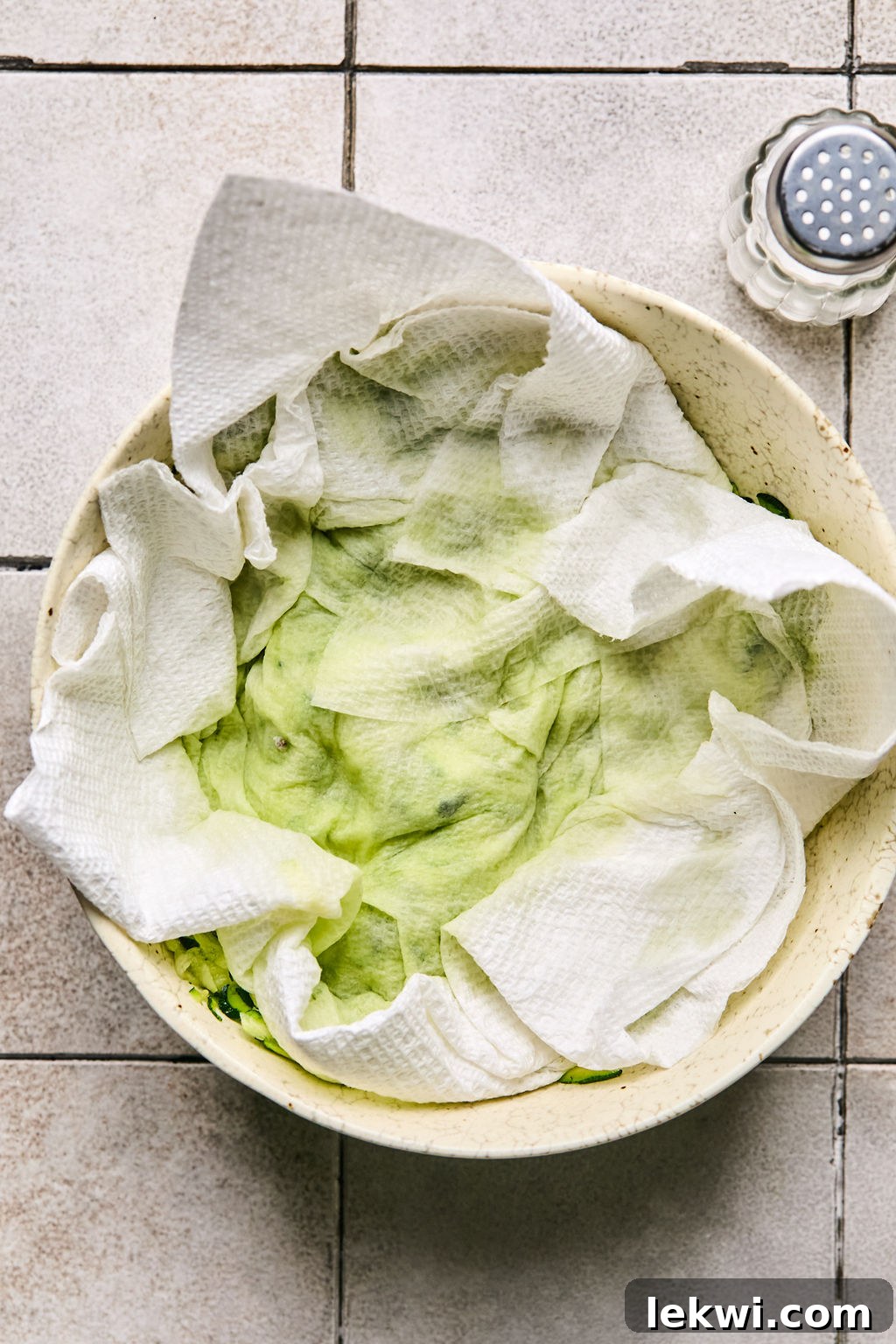
Step One: Prepare the Zucchini and Oven. Begin by preheating your oven to a steady 400°F (200°C). Line a large baking sheet with parchment paper, then lightly grease it with cooking spray or a drizzle of olive oil to prevent any sticking during baking. Next, take your medium zucchini and finely shred it. Place the shredded zucchini in a bowl, sprinkle it lightly with salt, and let it sit for about 5 minutes. This crucial step utilizes osmosis to draw out excess moisture, preventing your meatballs from becoming watery. After 5 minutes, firmly squeeze out as much liquid as possible from the zucchini using a paper towel or a clean kitchen cloth. This ensures your meatballs hold their shape beautifully and have a tender, not mushy, texture.
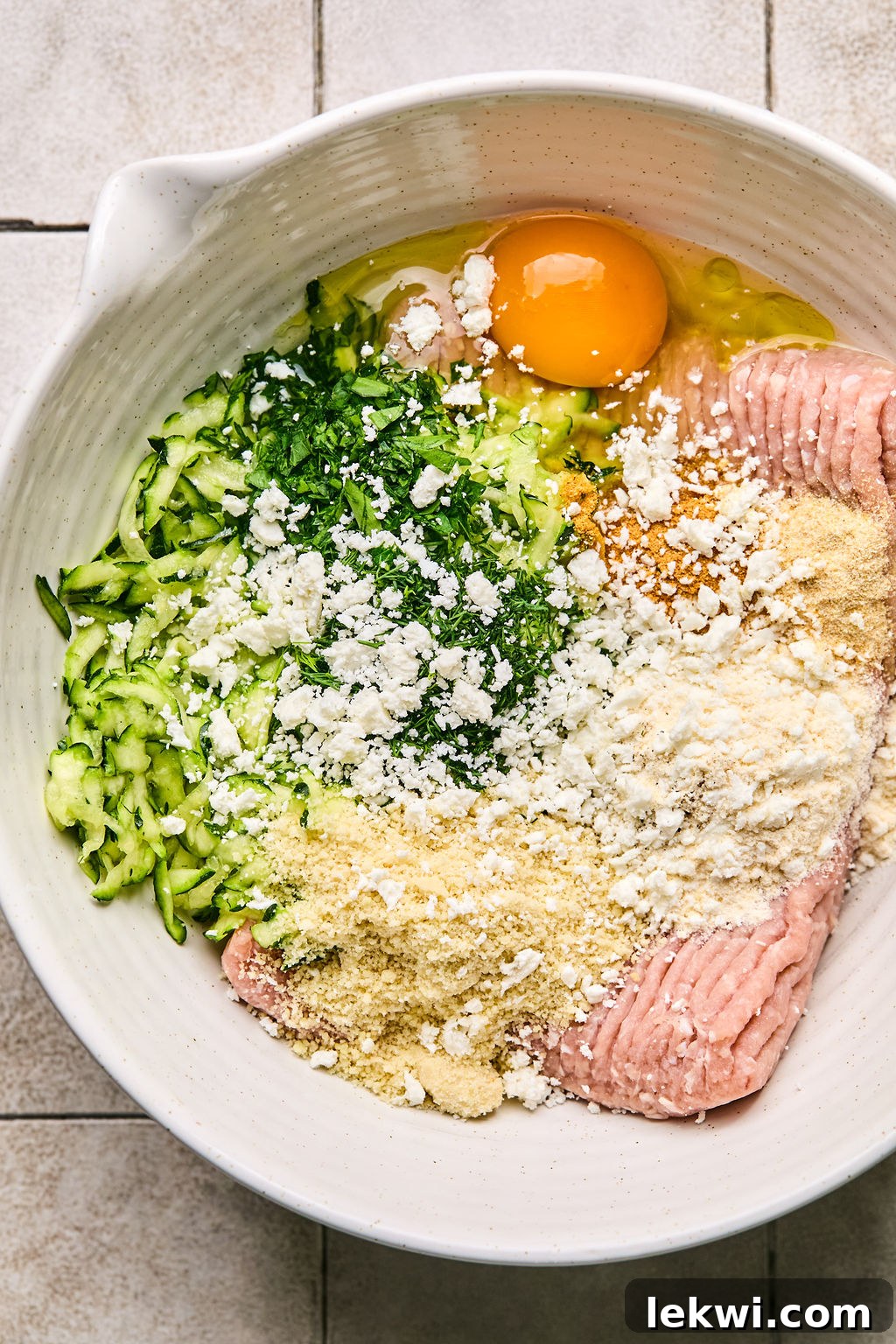
Step Two: Combine the Meatball Ingredients. In a large mixing bowl, the foundation of your meatballs begins. Add the thoroughly squeezed shredded zucchini, followed by the fresh herbs – chopped parsley and dill. Next, incorporate the essential dry seasonings: salt, pepper, onion powder, and garlic powder. Drizzle in the olive oil and fresh lemon juice for added moisture and zing. Now, add the almond flour, coconut flour, and the egg, which will act as the primary binders. Finally, crumble the goat and sheep feta cheese directly into the bowl. Aim for finely crumbled feta so it distributes evenly throughout the mixture, ensuring a burst of tangy flavor in every bite.
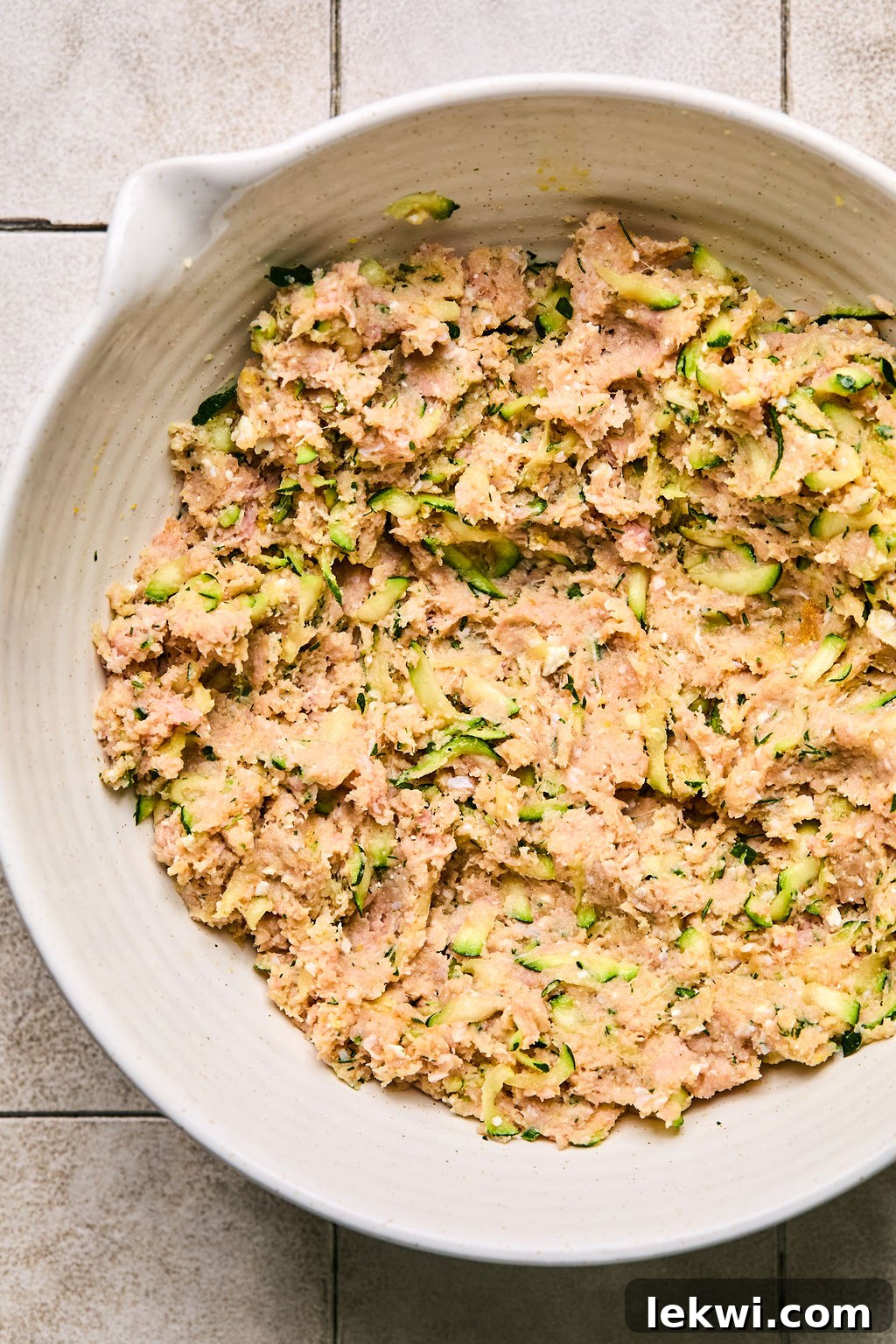
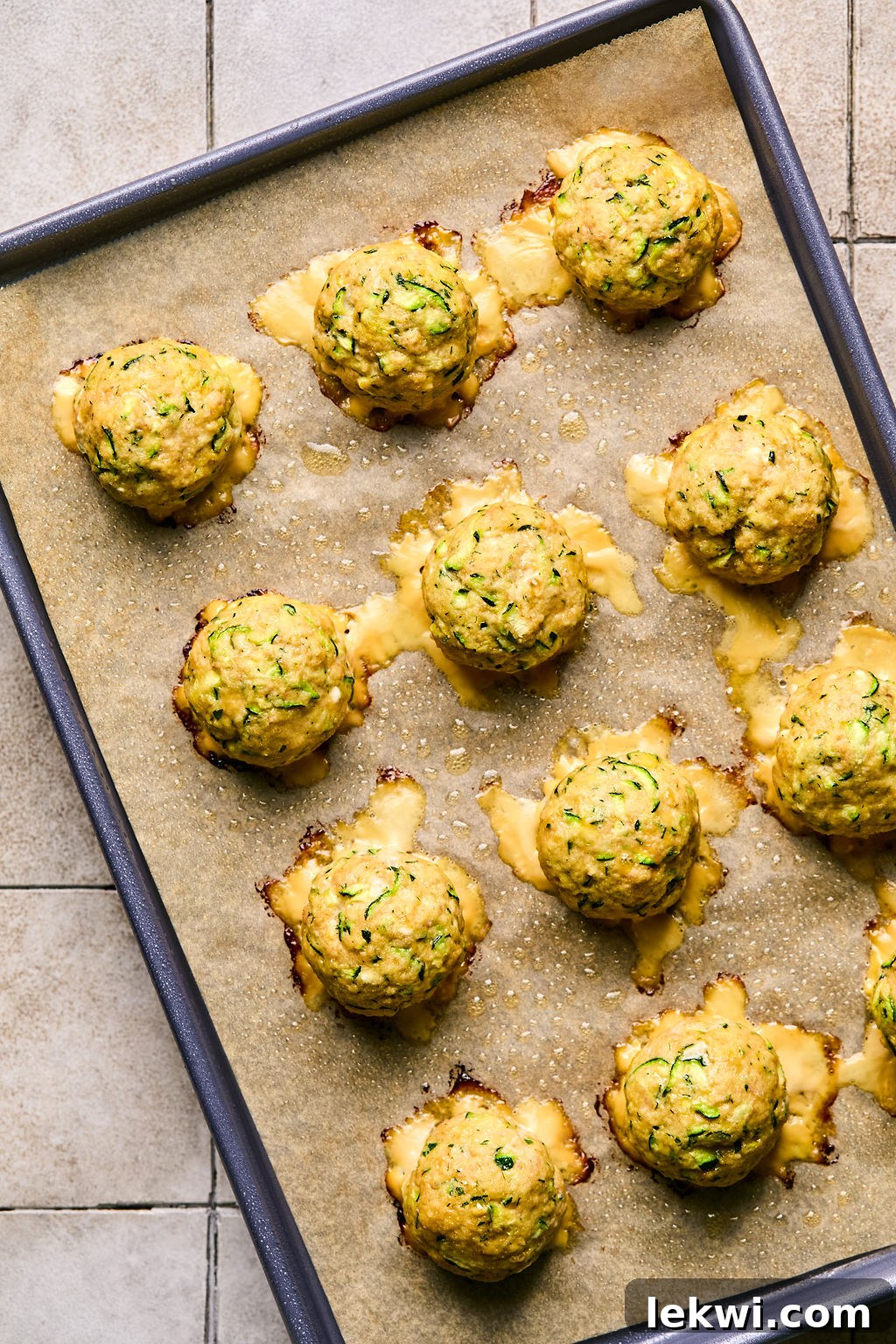
Step Three: Mix and Shape the Meatballs. Add the ground turkey to the bowl with all the other prepared ingredients. Now, using your clean hands (or disposable food-safe gloves for easier cleanup), gently mix everything until just combined. The key here is to avoid overmixing, as this can lead to tough, dense meatballs. Mix just until no dry spots remain and the ingredients are evenly distributed. Once combined, use a meatball scoop (or a standard cookie scoop, about 1.5-2 tablespoons) to portion out approximately 12-14 meatballs. Roll them gently between your palms to form round, uniform meatballs. This not only ensures even cooking but also makes for a more appealing presentation. Arrange them on your prepared baking sheet, leaving a little space between each one. Lightly spray the tops with a bit of avocado oil or olive oil for extra browning and flavor during baking.
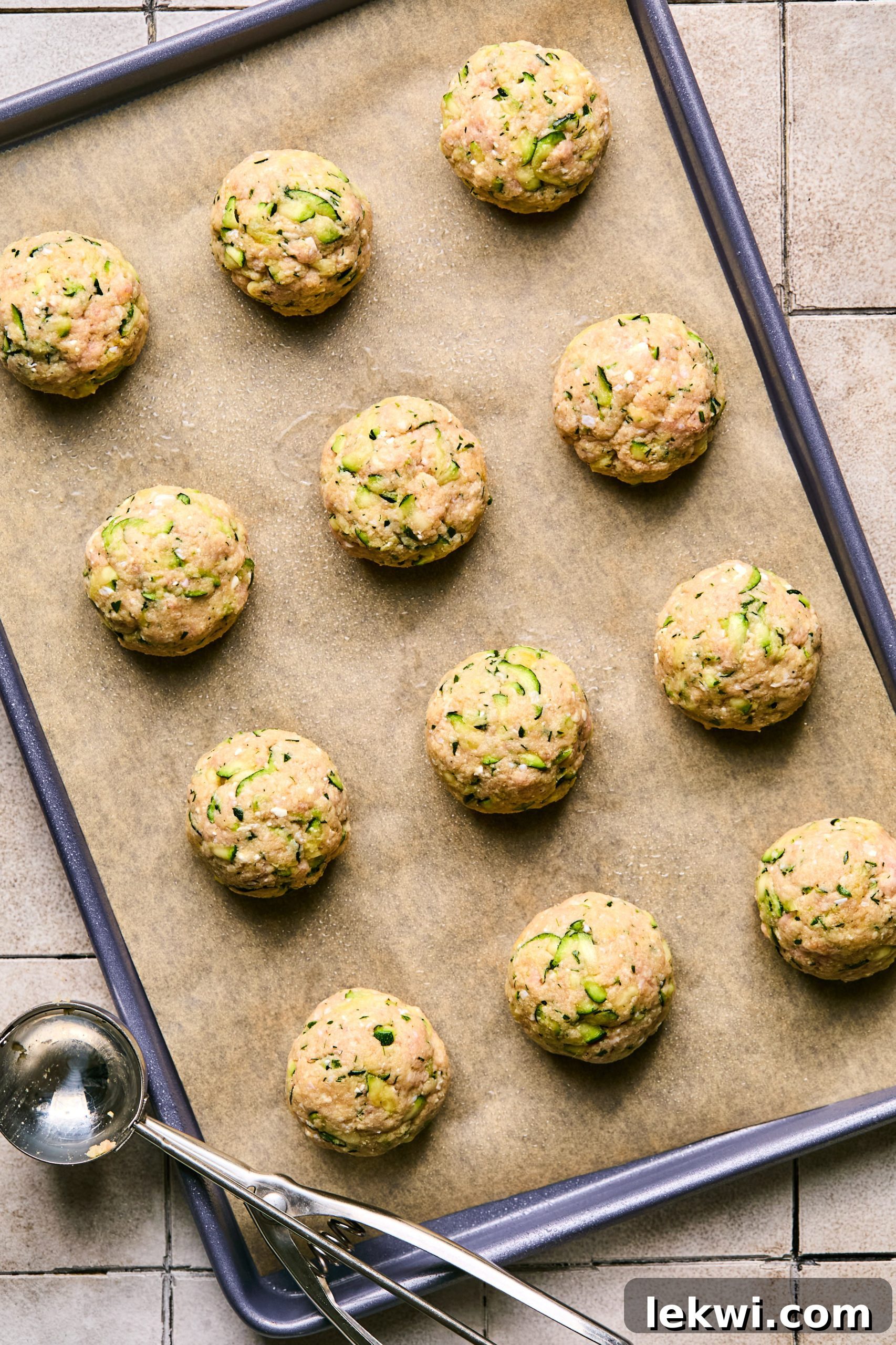
Step Four: Bake to Perfection. Carefully transfer the baking sheet with your formed meatballs to the preheated oven. Bake the meatballs for approximately 30 minutes. To ensure even cooking and beautiful golden-brown exteriors on all sides, gently flip the meatballs halfway through the cooking time (around the 15-minute mark). The meatballs are fully cooked when their internal temperature reaches 165°F (74°C) as measured with a reliable meat thermometer. This internal temperature guarantees they are safe and delicious to eat. Once cooked, remove them from the oven and set them aside to cool slightly while you prepare the accompanying sauce and elements for your meal.
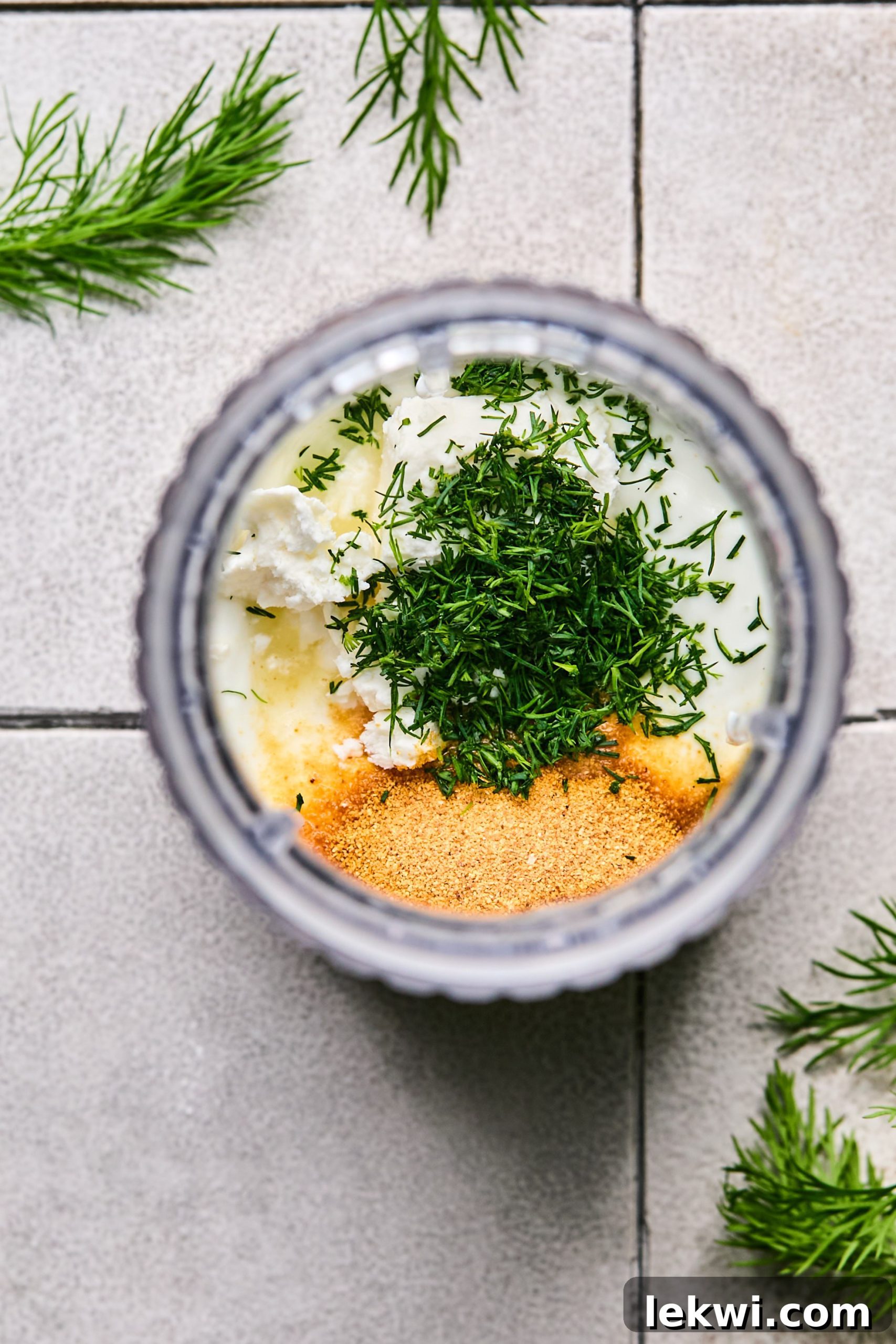
Step Five: Prepare the Creamy Yogurt Sauce. While your meatballs are baking, it’s the perfect time to create the irresistible, tangy yogurt sauce. In a tall mixing cup or a small, deep bowl, combine all the sauce ingredients: the creamy coconut yogurt, a second cube of goat/sheep feta cheese, fresh lemon juice for brightness, a dash of garlic powder, and the fragrant fresh dill. Use an immersion blender (for the smoothest result) or a whisk to blend these ingredients until they are completely smooth and well incorporated. Taste and adjust the salt as needed to achieve your desired flavor balance. This sauce adds a wonderful cooling and tangy contrast to the savory meatballs.
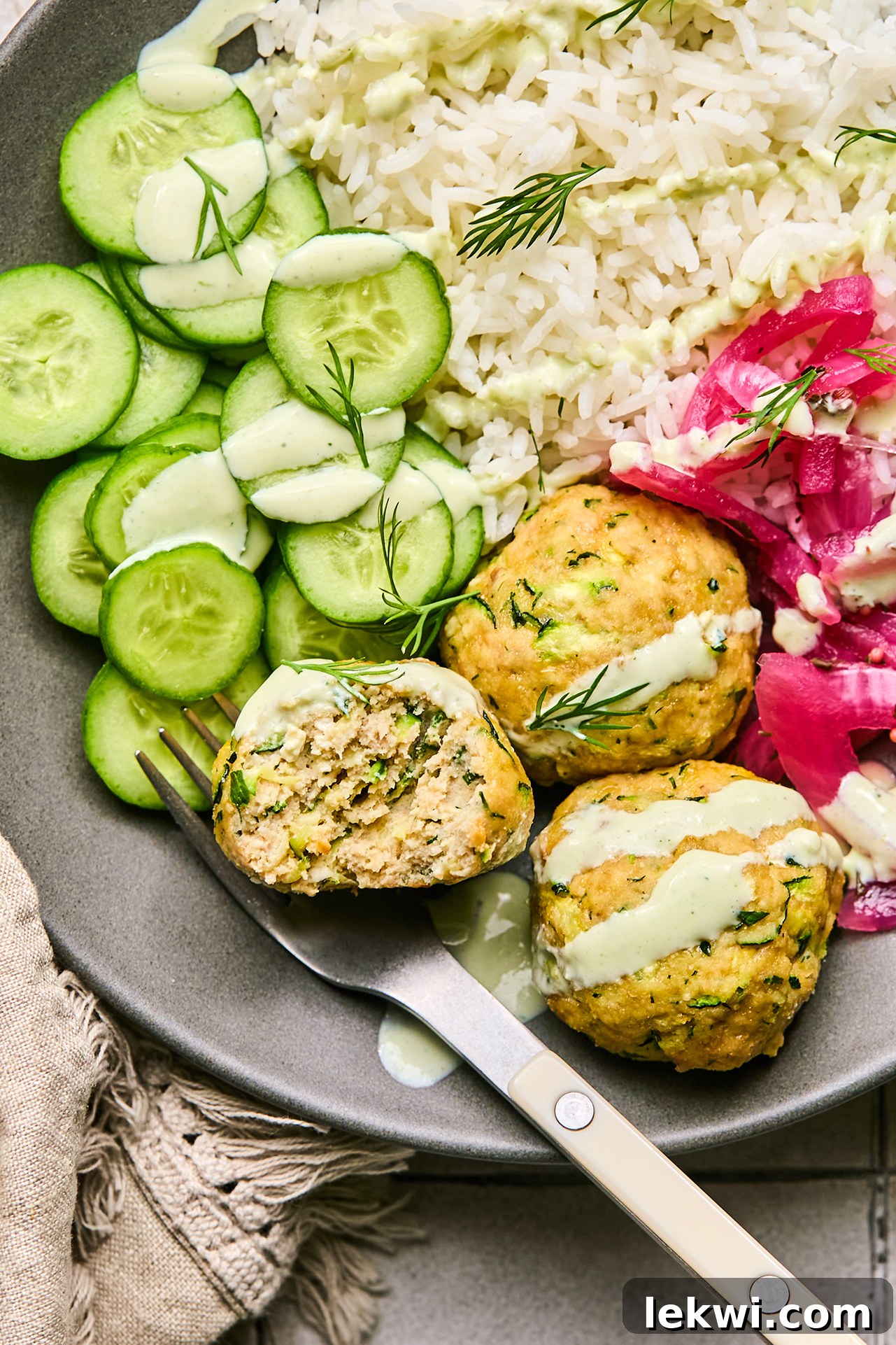
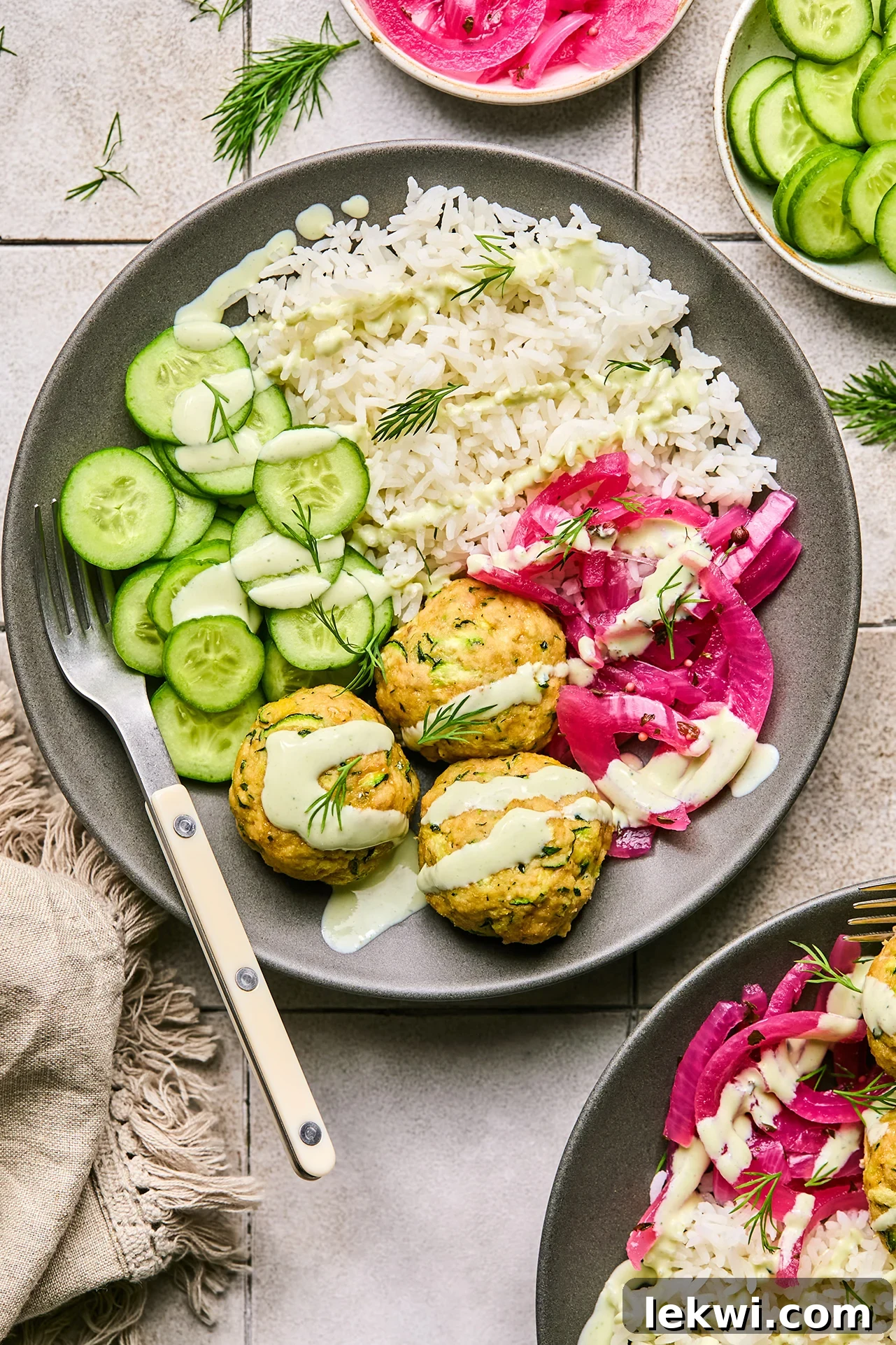
Step Six: Assemble Your Delicious Bowls. Now for the best part – serving and enjoying your culinary creation! Arrange your individual bowls with about 3-4 cooked turkey feta meatballs. Complement them with a generous side of fluffy white rice (or cauliflower rice for a lower-carb option), crisp chopped cucumber, and tangy pickled onions for a burst of flavor. Finally, drizzle liberally with your freshly made, creamy yogurt sauce. Garnish with a sprinkle of fresh dill or parsley for an extra touch of freshness and visual appeal. Enjoy your wholesome, flavor-packed meal that’s perfect for any day of the week!
Expert Tips & Tricks for Perfect Meatballs Every Time
Achieving consistently delicious results with meatballs often comes down to a few key techniques and considerations. Keep these expert tips in mind to ensure your turkey feta meatballs are always a triumph – juicy, tender, and full of flavor.
- Mastering Moisture Management with Turkey: Ground turkey can vary significantly in moisture content depending on its leanness and whether it was previously frozen. Previously frozen turkey tends to release more water, so you might need to slightly increase the amount of coconut flour – a fantastic binder – to achieve the right consistency. Conversely, if you’re using very fresh, lean ground turkey, you might need a little less coconut flour. The key is to add the flour gradually and adjust as you mix, looking for a mixture that holds its shape well without being overly sticky or dry. It should be firm enough to roll without crumbling.
- The Secret to Uniformity: For even cooking and a professional presentation, consistency in size is absolutely crucial. Using a cookie scoop (or dedicated meatball scoop) is a game-changer. It not only speeds up the shaping process but ensures that each meatball cooks at the same rate, preventing some from being undercooked while others are overdone. This means every bite will be perfectly tender and juicy.
- Clean Hands, Better Meatballs: Working with ground meat can be a bit messy. Donning a set of disposable food-safe gloves not only keeps your hands clean but also helps to prevent the meat mixture from sticking to your skin. Additionally, cooler hands can help prevent the meat’s fat from rendering too early during mixing, which contributes to a better texture in the final cooked meatball.
- Avoid Overmixing: This is a golden rule for all meatball recipes. While it’s important to ensure all ingredients are well combined and evenly distributed, overmixing the meatball mixture can lead to tough, dense, and chewy meatballs. Mix just until everything is incorporated, then stop. Gentle handling ensures a tender, juicy, and succulent result.
- Excellent for Meal Prep & Storage: These meatballs are exceptionally well-suited for meal prep! Once cooked and completely cooled, store them in an airtight container in the refrigerator for up to 3-4 days. They also freeze beautifully. To freeze, arrange cooked and cooled meatballs in a single layer on a baking sheet to flash freeze for about an hour, then transfer them to a freezer-safe bag or container for up to 2-3 months. When ready to enjoy, reheat gently in the oven at a lower temperature or in the microwave until warmed through.
- Serving Versatility Beyond the Bowl: While they are fantastic in bowls with rice, cucumber, and pickled onions, don’t limit your creativity! These turkey feta meatballs are also delicious tucked into warm pita bread with fresh greens and extra yogurt sauce, served as elegant appetizers with a vibrant dipping sauce, or even crumbled over a fresh Greek salad for an added protein boost. They also pair wonderfully with pasta, quinoa, or roasted vegetables.
Frequently Asked Questions (FAQs) About Turkey Feta Meatballs
Got questions about making and enjoying these flavorful gluten-free turkey feta meatballs? We’ve got answers to some of the most common queries, ensuring your cooking experience is smooth and successful.
Feta is an incredibly versatile cheese that complements a variety of meats beautifully! In this recipe, it pairs perfectly with lean ground turkey, adding a salty tang that elevates the flavor profile and creates a light, fresh Mediterranean taste. Beyond turkey, feta is also a fantastic match for ground chicken, adding a bright twist to poultry dishes. For a more traditional Greek experience, it’s often used with ground lamb, creating rich and savory dishes that are deeply satisfying.
When it comes to meatballs, the “best” cheese often depends on the flavor profile you’re aiming for. Parmesan is a timeless classic, offering a sharp, nutty, and savory depth that’s a winner in Italian-style meatballs. However, for a unique and vibrant twist, feta cheese is absolutely perfect! Its creamy texture and distinctive salty, tangy flavor infuse the meatballs with a delightful Mediterranean character that is both refreshing and satisfying, making it an excellent choice for recipes like these turkey feta meatballs.
Achieving perfectly bound meatballs without relying on breadcrumbs is simpler than you might think, making them naturally gluten-free. I’ve discovered that a strategic blend of almond flour and coconut flour works wonders. Almond flour provides a good base and helps hold everything together, while coconut flour is incredibly absorbent, effectively soaking up excess moisture (especially from ingredients like zucchini) and acting as a powerful binder. An egg also plays a crucial role in binding the ingredients cohesively, ensuring your meatballs stay intact and tender during cooking without falling apart.
Absolutely! While baking provides a hands-off approach and ensures even cooking, these meatballs can certainly be pan-fried or air-fried for different textures and faster cooking times. To pan-fry, heat a generous amount of olive oil in a large skillet over medium heat. Cook the meatballs in batches, turning occasionally, until golden brown on all sides and cooked through (reaching 165°F internally). For air frying, preheat your air fryer to 375°F (190°C). Arrange the meatballs in a single layer in the basket (work in batches if necessary) and air-fry for 12-15 minutes, shaking the basket halfway, until cooked through and nicely browned and crispy on the outside.
Yes, these turkey feta meatballs are generally a fantastic option for kids! The inclusion of “hidden” shredded zucchini means they’re getting extra nutrients without even realizing it, which is a win for any parent. The mild flavor of turkey, combined with the herbs and tangy feta, is usually well-received by younger palates. You can serve them alongside their favorite rice or pasta, or even on their own as a fun finger food. If your children are sensitive to the strong flavor of dill, you can reduce its amount or substitute with extra parsley for a milder taste.
Explore More Greek-Inspired Dishes
If you’ve fallen in love with the vibrant flavors of these Turkey Feta Meatballs, then you’re in for a treat! The Mediterranean culinary tradition is rich with delicious, wholesome recipes that celebrate fresh ingredients and bold seasonings. Here are a few more Greek-style dishes from my kitchen that I think you’ll adore and want to add to your rotation:
- Tzatziki Chicken Salad (dairy-free): A refreshing and creamy chicken salad, reimagined with a dairy-free tzatziki dressing. Packed with crisp cucumber, fresh herbs, and tender chicken, it’s perfect for light lunches, wraps, or as a side dish, offering a burst of Greek flavor without the dairy.
- Greek Lemon Chicken Soup (Paleo): Warm, comforting, and bright with citrus, this hearty soup is a Paleo take on the classic Avgolemono. It’s nourishing, incredibly flavorful with a delicate lemon tang, and wonderfully soothing – a perfect bowl of goodness on any day, especially when you need a little pick-me-up.
- Greek Chicken Burgers: Juicy chicken patties infused with traditional Greek flavors like oregano, garlic, and fresh mint, topped with your favorite fresh toppings and a dollop of creamy tzatziki. These burgers are a healthier and incredibly flavorful alternative to your usual burger night, perfect for grilling, pan-frying, or baking.
If you tried these Gluten-Free Turkey Feta Meatballs or any other recipe on my blog, please take a moment to leave a 🌟 star rating and share your experience in the 📝 comments section below. Your feedback means the world to me and helps others discover delicious, healthy recipes. Thanks for stopping by!
Recipe: Gluten-Free Turkey Feta Meatballs
Yields: 4 servings
Prep Time: 10 mins
Cook Time: 30 mins
Total Time: 40 mins
Author: Michelle
These turkey feta meatballs are gluten-free and made with hidden veggies! They’re easy to make and are perfect for meal prep and easy dinners.
Ingredients
For the Meatballs:
- 1 medium zucchini, shredded
- 1 lb ground turkey
- 2 tsp fresh parsley, chopped
- 2 tsp fresh dill, chopped
- 2 tsp garlic powder
- 1 tsp onion powder
- Salt & pepper, to taste
- 2 tsp olive oil
- 1 tsp lemon juice
- 3 tbsp almond flour
- 2 tbsp coconut flour
- 1 egg
- 1 cube (about 1oz) goat/sheep feta cheese, crumbled
For the Yogurt Sauce:
- ½ cup coconut yogurt (unsweetened)
- 1 cube (about 1oz) goat/sheep feta cheese
- ½ tbsp lemon juice
- 1 tsp garlic powder
- 1 tsp fresh dill, chopped
- Salt to taste
For Serving (The Bowls):
- Pickled onions
- White rice (or substitute cauliflower rice for a lower-carb option)
- Cucumber, chopped
- Yogurt sauce (prepared above)
Instructions
- Prepare the Oven & Zucchini: Preheat your oven to 400°F (200°C). Line a large baking sheet with parchment paper and lightly grease it. Shred the zucchini and place it in a bowl. Lightly salt the shredded zucchini and let it sit for 5 minutes. Firmly squeeze out any excess water using a paper towel or clean kitchen cloth.
- Combine Meatball Ingredients: In a large mixing bowl, add the squeezed zucchini, ground turkey, chopped fresh parsley, chopped fresh dill, garlic powder, onion powder, salt, pepper, olive oil, lemon juice, almond flour, coconut flour, and egg. Crumble the goat/sheep feta cheese finely into the bowl.
- Mix and Shape Meatballs: Using your hands, gently mix all the ingredients until just combined. Be careful not to overmix. Use a meatball scoop (or a standard cookie scoop) to portion out 12-14 meatballs. Roll them gently into uniform spheres and place them on the prepared baking sheet. Lightly spray the tops of the meatballs with avocado oil or olive oil.
- Bake Meatballs: Transfer the baking sheet to the preheated oven. Bake for 30 minutes, flipping the meatballs halfway through to ensure even browning. The meatballs are cooked when their internal temperature reaches 165°F (74°C). Set aside.
- Make the Yogurt Sauce: While the meatballs are baking, add all the yogurt sauce ingredients (coconut yogurt, feta cheese cube, lemon juice, garlic powder, fresh dill, and salt to taste) to a tall mixing cup. Blend with an immersion blender or whisk until smooth and well incorporated.
- Assemble and Serve: Serve the cooked meatballs in bowls, about 3-4 meatballs per serving. Accompany them with a side of cooked rice (or cauliflower rice), chopped cucumber, and pickled onions. Drizzle generously with the freshly made yogurt sauce and enjoy!
Notes
Adjust coconut flour based on turkey moisture: The amount of coconut flour needed can vary. Previously frozen ground turkey often contains more moisture, so you might need to add a bit more coconut flour as a binder. For fresh turkey, you might need slightly less. Adjust as you mix to achieve a consistency that holds its shape well – the mixture should be firm enough to roll without crumbling but not overly dry.
Nutrition Information (Estimated per serving)
- Serving: 1 serving
- Calories: 280 kcal
- Carbohydrates: 5.6 g
- Protein: 26.9 g
- Fat: 15 g
- Fiber: 1.8 g
- Sugar: 5.6 g
All nutrition facts are estimated and will vary based on specific ingredients and preparation methods.
Did You Make This Recipe?
Tag @unboundwellness on Instagram and use the hashtag #unboundwellness! We love seeing your delicious creations!