
This post contains affiliate links. Learn what that means here. Also please note that I am not a doctor, and check out my disclaimer.
My personal journey into the world of holistic health began with a diagnosis of Hashimoto’s thyroiditis. Initially, I believed my path was solely focused on managing this autoimmune condition, balancing hormones, and optimizing thyroid function. For a long time, I lived in denial about my chronic digestive issues, dismissing them as normal quirks and unrelated to my thyroid health. However, a profound realization dawned on me: true healing for my Hashimoto’s would remain elusive until I confronted and transformed my gut health. This pivotal insight propelled me onto an extensive and dedicated journey to restore my gut, a path that ultimately reshaped my entire lifestyle.
I immersed myself in knowledge, devouring countless books, listening to every relevant podcast, consulting various medical professionals, and even pursuing formal education in nutrition. Gradually, my entire being evolved, adopting a lifestyle deeply rooted in gut health principles. Now, I’m here to share the invaluable lessons I’ve learned, offering you 50 powerful ways to heal your gut and unlock a new level of well-being.
A common but dangerous misconception is that gut health pertains exclusively to digestion. Many believe that if they don’t experience overt symptoms like bloating, gas, or acid reflux, their gut health is perfectly fine. This couldn’t be further from the truth. Our gut serves as the epicenter of our body’s interconnected systems, influencing an astonishing array of functions and aspects of our overall health, including:
- Mood Regulation: The gut-brain axis plays a crucial role in our emotional state and mental well-being.
- Mental Health: Conditions like anxiety and depression are increasingly linked to gut dysbiosis.
- Weight Management: A balanced microbiome impacts metabolism, appetite, and fat storage.
- Energy Levels: Gut health affects nutrient absorption, which directly fuels our body’s energy production.
- Joint Health: Inflammation originating in the gut can manifest as pain and stiffness in the joints.
- Hormonal Balance: The gut influences hormone production, detoxification, and regulation throughout the body.
- Skin Clarity: Conditions such as acne, eczema, and psoriasis often have roots in compromised gut health.
- Cravings: An imbalanced gut microbiome can drive cravings for unhealthy foods.
- Digestive Issues: Beyond the obvious, subtle digestive discomfort can signal underlying problems.
- Autoimmunity: Conditions like Hashimoto’s, lupus, and rheumatoid arthritis are strongly associated with leaky gut syndrome.
- And many more systemic functions…
It’s not just individuals grappling with chronic illnesses, like myself, who stand to benefit from gut healing. In truth, virtually everyone can experience significant improvements from short-term gut repair strategies and adopting a lifestyle that actively promotes and maintains a healthier gut long-term.
Embarking on this journey is not always easy, and the path can often feel unclear and overwhelming. That’s precisely why I’ve compiled this comprehensive, straightforward, and at times, slightly “sassy” list. It distills everything I’ve learned through my personal battle with leaky gut and my professional insights as a nutritional therapy practitioner. Consider this your essential guide to transforming your gut health.
Unlocking Optimal Well-being: 50 Powerful Ways To Heal Your Gut

Gut Healing Diet Tips: Nourish Your Way to Health
1. Sip bone broth like a boss from your chalice.
Bone broth is an unparalleled superfood for gut healing. Rich in collagen, gelatin, and beneficial amino acids like glutamine, it actively works to repair and seal the gut lining. Regular consumption can reduce inflammation, support nutrient absorption, and provide a soothing balm to a distressed digestive system. Making homemade bone broth weekly is a simple yet profoundly effective ritual I recommend to all my clients, ensuring you harness its full gut-healing potential. Here’s my favorite recipe to guide you.
2. Feed your beneficial gut bacteria with precision.
Cultivating a thriving ecosystem of good bacteria in your gut is paramount to optimal gut health. A balanced gut microbiome is central to digestion, nutrient synthesis, and protection against pathogens. To nourish these essential microbes, incorporate fermented foods such as sauerkraut, kefir (dairy or non-dairy), homemade yogurt, beet kvass, and other cultured vegetables into your diet. These foods are rich in probiotics that support microbial diversity. However, it’s crucial to note that individuals with severe bacterial overgrowths or histamine intolerance may initially struggle with fermented foods. In such cases, it’s wise to temporarily avoid them, with the ultimate goal being to heal to a point where they can be gradually reintroduced.
3. Feast on easy-to-digest, gut-healing, and nutrient-dense foods.
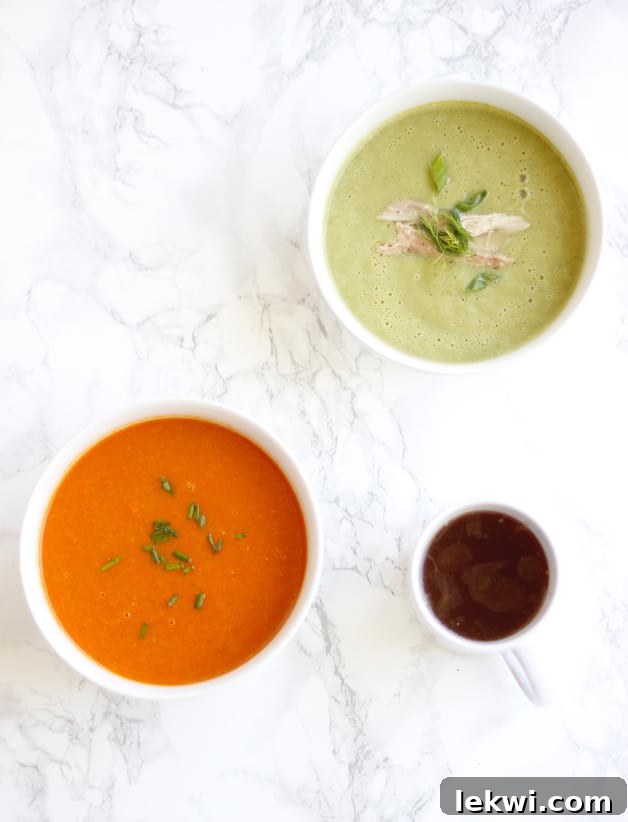
This principle cannot be overstressed. Not all “healthy” foods are inherently easy for a compromised gut to digest. For instance, while vegetables are undeniably nutritious, raw vegetables can be particularly challenging for sensitive digestive systems. For those with gut issues, many common vegetables, and even their preparation methods, can cause discomfort. Experiment with vegetables that are thoroughly cooked and pureed into soups, as this breaks down their fibers, making them much gentler on your digestive tract. I highly recommend introducing pureed veggie soups (like this carrot soup, and more found in my 30-day gut healing guide) to significantly ease digestion. For protein sources, opt for meats slow-cooked in broth, such as pot roast or beef stew. This cooking method breaks down tough muscle fibers and connective tissues, rendering the protein more accessible and easier for your body to absorb.
4. Be a nutrient seeker first and foremost.
While eliminating inflammatory foods like gluten and soy often receives significant attention, the true power of sustainable wellness lies in what you *do* eat rather than what you *don’t*. Embracing nutrient-dense foods, even those less “glamorous” like sardines and liver, is paramount. Shift your perspective to view food as a primary source of nutrients and nourishment—a gift to be grateful for. Our hormones, enzymes, and every cell in our body are built from the components we ingest. When eating to heal your gut, cultivate a mindset that food is medicine, ensuring every meal provides your body with the essential building blocks it desperately needs for repair and regeneration.
5. Exile gluten, soy, and processed foods permanently.
These three categories represent some of the most detrimental offenders to gut health, warranting their distinct emphasis. Gluten, soy, and highly processed foods are notorious for damaging the delicate gut lining and promoting systemic inflammation. Avoiding them long-term is often crucial for sustained gut healing. Processed foods, far removed from their natural state, are laden with artificial additives, excessive sugars, unhealthy oils, and chemicals that actively harm rather than nourish your gut microbiome and integrity. Modern gluten and soy, frequently genetically modified, can trigger inflammatory responses and contribute to leaky gut syndrome, making their exclusion a cornerstone of a gut-healing diet.
6. Chew your food mindfully, 30-40 times per bite.
This might sound excessive, but remember: your stomach lacks teeth. Inadequate chewing significantly impairs digestion and nutrient absorption. When food isn’t properly masticated, your stomach has to work harder, leading to inefficient enzyme and acid production. Thorough chewing is the crucial first step in the digestive process, breaking down food mechanically and signaling the release of digestive enzymes, ensuring your body can extract maximum nourishment and minimize digestive strain.
7. Temporarily eliminate key inflammatory triggers.
To give your gut a chance to heal, a temporary elimination of common irritants can be highly effective. This usually includes:
- Gluten: A protein known to trigger inflammation and gut damage in many.
- Soy: Often allergenic and can interfere with nutrient absorption.
- Processed Food: Lacking nutrients and full of harmful additives, sugars, and unhealthy fats.
- Processed Sugar: Feeds pathogenic bacteria and promotes inflammation.
- Grains (including corn): Can be difficult to digest and contain antinutrients for sensitive individuals.
- Alcohol & Caffeine: Both can irritate the gut lining and disrupt sleep patterns crucial for healing.
- Legumes: Contain lectins and phytates that can be challenging for compromised guts.
- Potentially nuts, seeds, nightshades, and eggs: These may also need temporary removal, depending on individual sensitivities (refer to tip #9 for personalized approaches).
This temporary elimination phase allows you to identify your unique triggers and provides a clean slate for gut repair.
8. Focus on the proper preparation of all your foods.
The wisdom of traditional diets, such as the GAPS protocol, highlights the critical importance of *how* food is prepared. For instance, raw almonds are metabolically distinct from almonds that have been soaked and sprouted, a process that neutralizes enzyme inhibitors and enhances digestibility. Similarly, fried meats are far less digestible and potentially inflammatory compared to meats slow-cooked to tender perfection. Prioritize slow-cooked meats or those cooked at lower temperatures, well-cooked vegetables (steamed, roasted, or stewed), and nuts/seeds that have been properly soaked and sprouted. These preparation methods not only make foods significantly easier on your digestive system but also boost the bioavailability of their vital nutrients.
9. Consider structured, temporary gut healing protocols like AIP, GAPS, or Low-FODMAP, then customize further. Your journey is uniquely yours!
There is no universal “one-size-fits-all” protocol for gut healing. We are all distinct bio-individuals, necessitating a highly personalized approach. While these templates offer excellent starting points, I urge you to customize them to fit your specific needs and sensitivities.
- AIP (Autoimmune Protocol): Specifically designed to reduce inflammation and symptoms in individuals with autoimmune diseases.
- GAPS (Gut and Psychology Syndrome): Often utilized for autism, ADHD, and a wide range of chronic digestive and psychological issues, focusing on intensely nourishing the gut.
- Low-FODMAP: Highly beneficial for managing symptoms of Irritable Bowel Syndrome (IBS) by reducing fermentable carbohydrates.
These protocols are merely frameworks. If you discover other food intolerances, have unique dietary needs, or find combining elements of different approaches proves most effective, empower yourself to do what is necessary for *your* healing. You don’t need to conform to a rigid box; flexibility and intuition are your allies.
10. Sip raw celery juice first thing in the morning (and/or water with lemon/apple cider vinegar).
Starting your day with raw celery juice on an empty stomach is an excellent practice for stimulating stomach acid production, which is crucial for efficient digestion. Stomach acid is your first line of defense against pathogens and essential for breaking down proteins and absorbing minerals. Similarly, a glass of warm water with fresh lemon juice or a teaspoon of apple cider vinegar (ACV) can offer similar benefits. I recommend drinking 16 ounces of raw celery juice each morning and diligently monitoring its positive impact on your digestion and overall vitality.
11. Find reliable sources of high-quality, pastured meats.
When it comes to protein sources, merely “organic” isn’t sufficient for optimal gut health. “Organic” primarily signifies that animals consume organic feed, but ideally, we want animals consuming their natural, species-appropriate diets. Just like humans, animals can suffer from consuming processed diets; feed often contains grains and soy that are inflammatory. Seek out grass-fed and pasture-raised meats. These animals graze on natural pastures, resulting in meat that is richer in nutrients, healthier fats (like Omega-3s), and free from inflammatory compounds. Many local farms offer excellent sources, and various online suppliers can also provide high-quality options delivered directly to your door.
12. Regularly eat organ meats and wild-caught fish, alongside daily well-cooked vegetables and healthy fats.
Incorporating nutrient powerhouses like organ meats, such as liver from high-quality sources, is essential. They are incredibly dense in vitamins (especially B vitamins), minerals, and other vital cofactors necessary for profound healing. Wild-caught fish (not farmed) provides anti-inflammatory Omega-3 fatty acids and essential minerals. Aim to eat these often to supply your body with the concentrated nourishment it needs to repair. Even if raw vegetables exacerbate your symptoms, prioritize well-cooked vegetables daily, ideally with every meal. Cooking helps break down plant fibers, making them easier to digest while still providing crucial phytonutrients, vitamins, and minerals. For healthy fats, focus on sources like avocados, coconut oil, high-quality olive oil, grass-fed ghee (if tolerated), and the natural fats from pasture-raised animal products. Fats are indispensable for controlling inflammation, supporting hormone production, and aiding nutrient absorption. Avoid pro-inflammatory, highly processed seed oils.
13. Moderate your fruit intake.
If you are contending with any form of gut bacterial dysbiosis, it’s prudent to approach even natural sugars, including those found in fruit, with caution. While fruit provides beneficial vitamins and antioxidants, its sugar content (fructose) can feed undesirable bacteria or yeast in an imbalanced gut, potentially worsening symptoms. First, work with a practitioner to identify the root cause of any dysbiosis. Regardless, as a general guideline during the healing phase, try to limit fruit consumption to 1-2 servings per day, favoring low-fructose options like berries and avoiding excessive intake of high-sugar fruits.
14. Avoid eating the same foods every single day.
The convenience of modern grocery stores often leads us to consume the same limited range of foods day in and day out. However, our bodies, and especially our gut microbiomes, thrive on diversity. A truly paleo, ancestral way of eating naturally involved eating seasonally, ensuring a broader spectrum of nutrients and microbial exposure. Consistently eating the same foods, particularly when your gut health is compromised, can lead to the development of new sensitivities or reactions to those very foods you rely upon. Practice eating with the seasons and aim to rotate your foods on approximately a 4-day cycle, or at least only eat the same foods a couple of times a week. For example, if you enjoy sweet potatoes on Monday, try to wait until Friday before consuming them again. This isn’t about rigid perfection, and occasional deviations are fine. The core principle is to maintain mindfulness and ensure you’re incorporating a diverse array of foods into your diet each week, enriching your microbiome and reducing the risk of developing intolerances.
15. Learn how to meticulously balance your meals.
Achieving optimal digestion and long-term satiety involves skillfully balancing your macronutrient ratios within each meal. The goal is to prevent drastic blood sugar spikes from excessive carbohydrates or energy crashes from insufficient fat and protein. This is a highly individualized process that requires careful tuning and self-observation. A good starting point is to fill approximately 40% of your plate with non-starchy vegetables, 30% with healthy fats, and 30% with high-quality protein. From there, pay close attention to how you feel after eating, how hungry you become between meals, and how your digestion responds. Adjusting these ratios based on your body’s signals will lead to improved energy, stable mood, and better gut function.
16. Stop excessively chugging water with meals.
Conventional diet culture often promotes drinking large quantities of water during meals to curb appetite. However, this practice can actually be detrimental to digestion. Consuming excessive liquids with food can dilute your stomach acid and digestive enzymes, impairing their ability to break down food efficiently. Instead, take small sips of water with your meals if needed, and make an effort to drink the majority of your daily water intake between meals, allowing your digestive juices to remain concentrated and effective.
Gut Healing Lifestyle Interventions: Cultivating a Healing Environment
17. Eat in a relaxed state and stop stressing around food.
This is arguably one of the most critical, yet often overlooked, aspects of gut healing. Our bodies are designed to digest food optimally when in a relaxed, parasympathetic state—often referred to as “rest and digest.” If you’re eating while watching distressing news, stuck in traffic, rushing to work, or surrounded by unpleasant company, your body remains in a sympathetic “fight or flight” mode, immediately impairing digestion. Make it a non-negotiable routine to eat in a calm, peaceful environment. Turn off electronic devices 10 minutes before eating, take a few deep breaths, offer a silent prayer or blessing, and cultivate genuine gratitude for the nourishment before you. This simple shift can dramatically improve digestion and nutrient absorption.
18. Focus on learning how to stop feeling left out and truly enjoy your new way of eating.
Adopting a restrictive healing diet can often bring feelings of isolation or deprivation, especially in social settings. It’s crucial to proactively address these emotions. Instead of focusing on what you “can’t” have, shift your perspective to appreciate the abundance of delicious, nourishing foods you *can* enjoy. Explore new recipes, experiment with flavors, and educate others gently about your dietary choices. Building confidence in your new lifestyle and finding joy in preparing wholesome meals will transform feelings of exclusion into empowerment and genuine satisfaction.
19. Actively eliminate unnecessary stressors from your life.
Stress is a pervasive and powerful inhibitor of gut healing. Chronic stress directly impacts the gut lining, alters the microbiome, and impairs digestive function. While eliminating all stress is impossible, focusing on reducing *unnecessary* stressors is a vital starting point. Begin by identifying the “lowest hanging fruit” – those stressors that can be realistically removed or mitigated with effort. This might involve finding a less congested route to work, delegating tasks, setting boundaries, or consciously carving out time for relaxation. Continuously work towards minimizing stress to create a more favorable internal environment for gut repair.
20. Practice daily and weekly self-care rituals.
Self-care is not a luxury; it is a fundamental component of any healing journey. A relaxed body is a body primed for healing. Integrate small, daily self-care practices into your routine, such as a 15-minute walk with loved ones, 10 extra minutes of quiet reflection in the morning, or gentle stretching. Complement these with larger weekly practices, like attending a solo yoga class, enjoying a long bath, or meeting a friend for tea. These consistent acts of self-nurturing signal safety to your nervous system, reducing stress hormones and fostering a state conducive to gut regeneration.
21. Focus on something bigger than yourself to gain perspective.
In my experience, one of the most potent catalysts for healing and releasing the burden of my own illness has been directing my focus outwards. Whether nurturing my spiritual connection with a higher power or dedicating myself to helping thousands of others through my work, this outward perspective offers incredible relief. Realizing that there is so much more to life than our individual struggles provides immense perspective, reduces self-focus, and allows the body to relax and engage in its natural healing processes.
22. Practice daily gratitude to shift your focus.
There is always something to be grateful for, regardless of current challenges. Cultivating a habit of gratitude shifts your mental energy from negative experiences to positive ones, leaving less space for worry and stress. When we actively seek out the good, we retrain our brains to perceive more positivity. I’ve personally found immense blessings in maintaining a weekly gratitude journal, consistently reminding me of the simple joys and abundance in my life. This practice promotes a parasympathetic state, beneficial for gut health.
23. Take potential adrenal fatigue seriously.
Adrenal fatigue, or more accurately, HPA axis dysfunction, refers to a state where your adrenal glands struggle to keep up with chronic stress. This can have a profound impact on gut health, as the stress response directly influences digestive function, gut permeability, and the balance of the microbiome. Symptoms like persistent fatigue, difficulty sleeping, anxiety, and cravings can signal adrenal imbalance. Addressing underlying stress and supporting adrenal function through diet, lifestyle, and targeted supplements (under professional guidance) is a crucial, often overlooked, aspect of comprehensive gut healing.
24. Actively shift your mindset when it comes to gut healing.
Your mindset profoundly influences your body’s ability to heal. Approaching gut healing with a defeatist attitude, constant worry, or skepticism can impede progress. Instead, cultivate a mindset of hope, perseverance, and self-compassion. Believe in your body’s innate capacity to heal, celebrate small victories, and view setbacks as learning opportunities rather than failures. A positive and resilient mindset creates an internal environment more conducive to repair and regeneration, reinforcing the mind-body connection.
25. Adopt a healthy, consistent exercise routine.
Regular physical activity is vital for a healthy body and a healthy gut, but it’s important to find what works for *you*. Movement aids digestion, reduces stress, promotes lymphatic flow (which is essential for detoxification), and can positively influence the gut microbiome. This doesn’t mean grueling workouts; it could be daily walking, attending a gentle yoga class, practicing light weightlifting, or any activity you genuinely enjoy. The key is consistency and finding a form of movement that energizes, rather than depletes, you, ensuring it supports your healing journey.
26. Socialize with others who are on the same healing journey.
Finding a supportive community is invaluable when navigating a complex healing path. Connecting with others who understand your struggles, share similar experiences, and offer encouragement can significantly alleviate feelings of isolation. The internet provides an incredible platform to find like-minded individuals, whether through online forums, social media groups (searching relevant hashtags), or reaching out to fellow bloggers. Sharing ideas, celebrating progress, and commiserating over challenges with a supportive community can fortify your resolve and enhance your healing journey.
27. Prioritize general socialization and human connection.
Beyond specific healing communities, human beings are inherently social creatures who thrive on connection. While introverts like me might find constant social interaction overwhelming, it’s essential to find ways to foster meaningful relationships. This might involve dedicating regular family time, planning special moments with your spouse, or simply enjoying a quiet cup of tea with a close friend once in a while. Even small, consistent doses of genuine human connection can profoundly impact your mental and emotional well-being, which in turn positively influences your gut and overall health.
28. Find a way to make your gut-healing lifestyle sustainable for *you*.
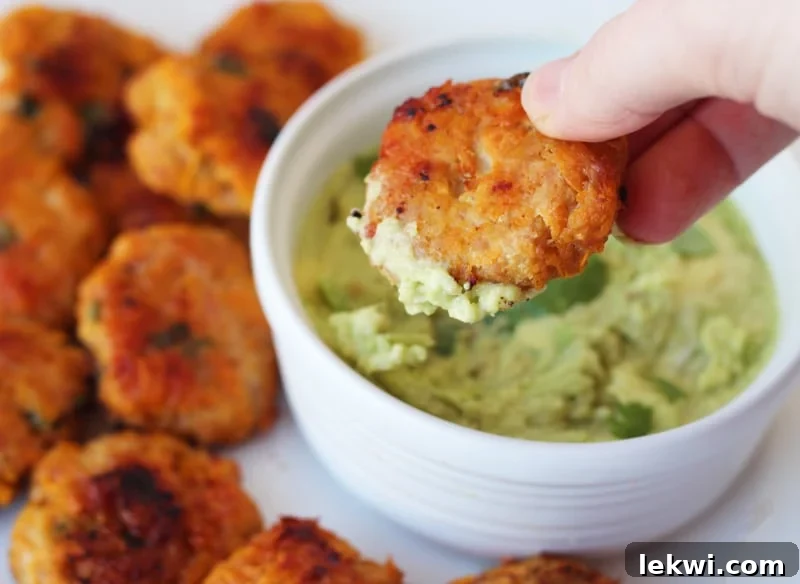
No two healing journeys are identical, and while external advice is invaluable, ultimately, you must customize your approach to fit your unique life. If a particular aspect of a protocol isn’t working or feels unsustainable, be empowered to adjust it. Making modifications for the sake of long-term adherence is far more effective than rigidly following a plan you cannot maintain. One of the best ways to ensure sustainability is to discover and create delicious, enjoyable recipes that align with your healing principles. This is why I focus on developing comfort food recipes that are fun to eat, easy to make, and fully compliant with a healing lifestyle, such as my popular Sweet Potato Chicken Poppers.
29. Try implementing Castor Oil Packs for liver and gallbladder support.
Castor oil packs are a traditional remedy gaining renewed appreciation for their ability to support liver and gallbladder function. These organs are crucial for detoxification and the efficient digestion of fats, which directly impacts gut health. Applying a castor oil pack can help stimulate circulation, promote detoxification pathways, and reduce inflammation in the abdominal area. As with any therapeutic intervention, it’s always prudent to consult with a healthcare professional before starting new practices.
30. Take your sleep seriously as a foundational pillar of health.
Adequate, restorative sleep is not a luxury; it is a fundamental requirement for healing and maintaining optimal health. During sleep, your body undertakes essential repair processes, balances hormones, and regenerates cells. Chronic sleep deprivation can exacerbate inflammation, impair gut barrier function, and negatively impact the gut microbiome. Prioritize 7-9 hours of quality sleep each night by establishing a consistent sleep schedule, creating a dark and cool sleep environment, and winding down with relaxing activities before bed. For more in-depth guidance, consider resources like “Go to Bed” by The Paleo Mom.
31. Consider asking your doctor about coffee enemas.
Coffee enemas are a complementary therapy sometimes used to support detoxification, particularly liver and gallbladder function. They involve introducing organic, therapeutic-grade coffee into the colon, which is believed to stimulate bile flow and aid in the excretion of toxins. This practice is specific and not for everyone. It is imperative to only pursue this with direct approval and guidance from your doctor, as it carries potential risks if not performed correctly or if contraindicated by existing health conditions.
32. Consciously switch out toxic home care products and makeup.
Our homes are often filled with an array of chemicals in cleaning products, personal care items, and cosmetics that can negatively impact our health, including our gut and endocrine system. These toxins contribute to our overall body burden, potentially disrupting hormonal balance, triggering inflammation, and stressing detoxification pathways. Gradually transition to non-toxic alternatives for cleaning supplies and beauty products. My favorite brands that prioritize clean ingredients include 100 Percent Pure for cosmetics and Norwex for eco-friendly cleaning solutions. This simple swap significantly reduces your daily exposure to harmful chemicals.
33. Make it a habit to get outside daily.
Connecting with nature offers a wealth of benefits for both physical and mental well-being, all of which indirectly support gut health. Daily exposure to natural light helps regulate your circadian rhythm, which is crucial for sleep and digestive regularity. Spending time outdoors can boost Vitamin D levels, reduce stress hormones, and expose you to beneficial microbes in the environment, enriching your own microbiome. Even a short walk in a park or sitting in your garden can provide a powerful reset and contribute to a more balanced internal state.
Gut Healing Gadgets & Must-Haves: Equipping Your Kitchen for Wellness
34. Invest in an Instant Pot and/or a good quality slow cooker.
These kitchen appliances are invaluable tools for anyone on a gut-healing journey. Both the Instant Pot (a multi-cooker that functions as a pressure cooker and slow cooker) and a traditional slow cooker excel at preparing nutrient-dense, easily digestible meals with minimal effort. They are perfect for making deeply nourishing bone broths, tenderizing tough cuts of meat, and creating comforting stews and pureed soups. Their ability to break down ingredients enhances digestibility and nutrient extraction, making them absolute must-haves for a gut-friendly kitchen.
35. Acquire a powerful high-speed blender.
A high-speed blender is another essential kitchen gadget for gut healing. Tools like a Vitamix can effortlessly process ingredients into incredibly smooth textures, which is crucial for individuals with compromised digestion. They are perfect for preparing pureed vegetable soups, nutrient-dense smoothies, and sauces that are easy on the gut. By breaking down fibers into fine particles, a high-speed blender helps ensure maximum nutrient absorption and reduces digestive effort.
36. Stock your pantry with turmeric, ginger, and other soothing herbs.
Certain herbs and spices possess remarkable anti-inflammatory and digestive-supportive properties. Turmeric, with its active compound curcumin, is a potent anti-inflammatory agent that can help soothe gut inflammation. Ginger is renowned for its ability to calm nausea, aid digestion, and reduce gut spasms. Keep these, along with other gut-friendly herbs like cinnamon, oregano, and rosemary, readily available in your pantry. Incorporating them into your daily cooking can significantly contribute to a more balanced and comfortable digestive system.
37. Get some great cookbooks dedicated to gut health.
Having a collection of reliable cookbooks tailored to gut healing can be a game-changer. They provide inspiration, practical recipes, and structured guidance, making adherence to a healing diet much easier and more enjoyable. Look for books that emphasize whole, unprocessed ingredients and offer options for various dietary protocols. Excellent starting points include:
- The Healing Kitchen
- Nourishing Broth
- The Heal Your Gut Cookbook
Gut Healing Supplementation & Support: Targeted Assistance
38. Work closely with a qualified doctor or functional medicine practitioner.
While diet and lifestyle changes are profoundly impactful for improving general wellness and quality of life, when it comes to genuinely healing your body and addressing underlying conditions, the guidance of a personalized, one-on-one medical professional is invaluable and irreplaceable. There is simply no substitute for expert medical oversight. A skilled functional doctor can help diagnose root causes, interpret lab results, and tailor a treatment protocol specifically for you. For guidance on finding such a professional, refer to my blog post on finding a good doctor.
39. Get legit functional testing done to understand your unique situation.
The principle here is clear: “Test, don’t guess!” Relying on assumptions without proper investigation can lead to ineffective protocols and prolonged suffering. If you suspect you have Small Intestinal Bacterial Overgrowth (SIBO), pursue a breath test. If you’re concerned about gut dysbiosis, parasites, or fungal overgrowths, a comprehensive stool test can provide critical insights into your gut microbiome’s composition and function. Functional testing provides objective data, allowing your practitioner to develop a truly effective, targeted treatment plan rather than a generalized approach.
40. Consider targeted digestive supplement support.
For many individuals with compromised gut health, digestive support supplements can offer significant relief and aid in the healing process. These may include digestive enzymes to assist in breaking down food, betaine HCL to boost stomach acid production, or bile salts to support fat digestion. However, selecting the appropriate supplements and dosages requires expert knowledge. This is an area where working directly with your doctor or a qualified nutritionist is absolutely essential to ensure the right protocol for your specific needs, avoiding potential harm from incorrect usage.
41. Ensure your mineral status, especially zinc, is balanced.
Minerals are fundamental to countless bodily functions, and their balance is critical for gut healing. Zinc, in particular, plays a vital role in immune function and the integrity of the gut lining. A damaged gut lining is essentially a wound, and if you are deficient in zinc, your body’s ability to properly repair and heal this wound is severely compromised. Addressing mineral deficiencies, especially zinc, is a key component of comprehensive gut repair. This is another crucial area where functional testing and professional guidance from a doctor can identify imbalances and recommend appropriate supplementation.
42. Bring in gut-supportive elements like collagen.
Collagen, a key protein found abundantly in bone broth, is available as a convenient supplement and offers remarkable support for gut health. It is rich in specific amino acids, such as glycine, proline, and glutamine, which are vital for repairing and maintaining the integrity of the gut lining. Regular collagen supplementation can help reduce gut permeability (leaky gut), soothe inflammation, and support the overall structure and function of the digestive tract. It’s an easy and effective addition to a gut-healing regimen.
43. Take a high-quality, targeted probiotic supplement.
Probiotics, beneficial live microorganisms, are essential for restoring and maintaining a healthy gut microbiome. A high-quality probiotic supplement can help rebalance the gut flora, displace pathogenic bacteria, support immune function, and improve digestive symptoms. However, not all probiotics are created equal. It’s important to choose a probiotic with diverse strains, sufficient potency, and ideally, one recommended by your doctor based on your specific gut issues. While food sources of probiotics are excellent, targeted supplementation can provide a more concentrated and specific approach to rebalancing your gut.
Gut Healing Education: Empowering Yourself with Knowledge
44. Educate the heck out of yourself about gut health.
Knowledge is power, especially when it comes to your health. While it’s crucial to avoid self-diagnosing or self-treating complex conditions, understanding the intricate workings of your body and the principles of gut health is incredibly empowering. The more you learn, the better equipped you’ll be to ask informed questions of your healthcare providers, make conscious lifestyle choices, and advocate for your own well-being. Never stop learning, reading, and expanding your understanding of how your body functions and heals.
45. Learn how digestion is actually supposed to work efficiently.
Many individuals unknowingly suffer from suboptimal digestion because they don’t understand the physiological process. Bad digestion inevitably leads to poor gut health. Take the time to educate yourself on the entire digestive cascade, from proper chewing and stomach acid production to enzymatic breakdown and nutrient absorption in the small intestine. Understanding each step allows you to identify where breakdowns might be occurring and implement targeted strategies to optimize your digestion, thus mastering your overall gut health. Resources like NIDDK’s information on the digestive system are great starting points.
46. Work diligently to find your individual root cause.
True healing is only possible when you identify and address the underlying root cause of your gut issues, rather than merely masking symptoms. This requires diligent investigation and often a partnership with a skilled functional practitioner. By following steps #44 (educating yourself), #38 (working with a doctor), and #39 (getting functional testing), you can delve deep into why you’re experiencing gut problems. This comprehensive approach allows for targeted interventions that genuinely heal, leading to sustainable health, instead of a temporary alleviation of symptoms.
47. Grab my e-book, The 30 Day Autoimmune Makeover Guide, written by yours truly.
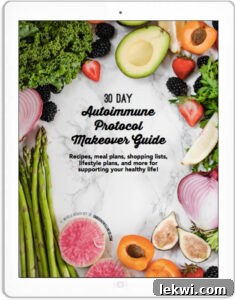
I specifically crafted this comprehensive e-book for individuals committed to nourishing their bodies, eliminating inflammatory foods, and actively healing their gut. It’s a practical guide packed with easy-to-follow meal plans, essential shopping lists, delicious recipes, and invaluable tips—all designed to be anti-inflammatory and supportive of gut repair. Consider it your trusted companion on the path to revitalized health, offering a structured yet flexible approach to reclaiming your well-being.
48. Read the following foundational books on gut health.
To deepen your understanding and gain diverse perspectives on gut health, I highly recommend diving into these insightful books. They cover various aspects from stomach acid to the microbiome, providing a solid educational foundation for your healing journey:
- Why Stomach Acid Is Good For You
- Eat Dirt
- Gut
- Nourishing Traditions
49. Follow these influential blogs for ongoing education and support.
Staying current with the latest research and practical advice from leading experts is crucial. These blogs offer a wealth of information, recipes, and community support for various aspects of gut healing and holistic health:
- The Paleo Mom
- Chris Kresser
- Gutsy By Nature
- Phoenix Helix
- Dr. Axe
50. Listen to these insightful podcasts for auditory learning.
Podcasts offer a fantastic way to absorb information while on the go. Tune into these shows for in-depth discussions, expert interviews, and practical tips on gut health, nutrition, and functional medicine:
- Balanced Bites
- Paleo Women
- Revolution Health Radio
And a bonus 51: Never, ever give up on your healing journey!
Embracing good gut health is not merely a temporary protocol; it is a profound and continuous lifestyle commitment. It demands ongoing learning, the consistent formation of positive habits, and an unwavering dedication to striving for optimal health. Only through this sustained effort does good health become truly sustainable and deeply integrated into your life for the long term. View this journey not as a finite challenge, but as an evolving partnership with your body, where perseverance and self-compassion are your most powerful allies.