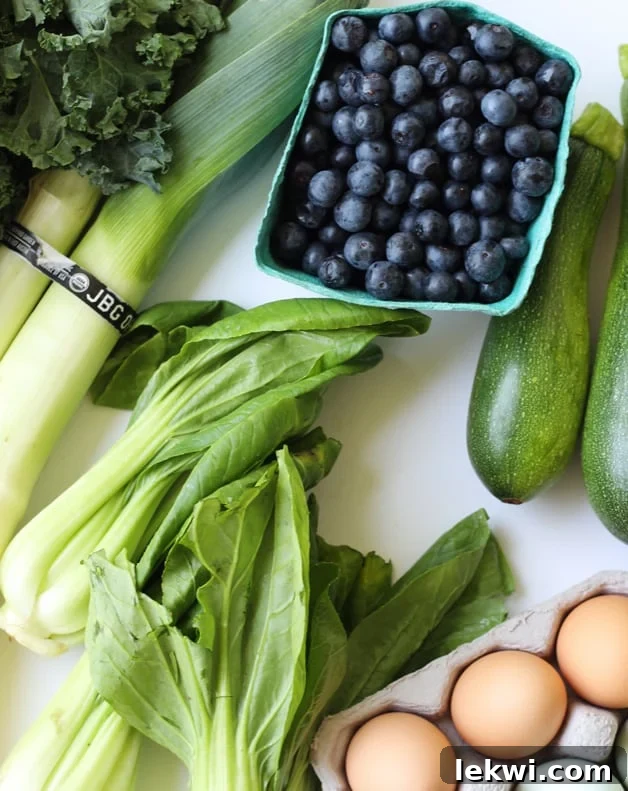
This blog post is purely informational. I am not a doctor or dietitian. Please consult a qualified healthcare professional for all medical advice and before making any dietary changes.
Unlock Optimal Health: A Comprehensive Guide to the Rotation Diet
Are you looking for an innovative way to introduce more variety into your meals, enhance your nutrient intake, and proactively manage potential food sensitivities? The rotation diet might be the transformative dietary strategy you’ve been searching for. This approach focuses on cycling through different foods over a set period, promoting a diverse intake that can offer numerous health benefits, from improved gut health to a reduced risk of developing new food intolerances. Let’s delve deeper into understanding and effectively implementing this powerful dietary practice.
What Exactly Is a Rotation Diet?
At its core, a rotation diet involves strategically varying the foods you consume, typically cycling them every three to four days. This systematic approach ensures that you’re not eating the same foods continuously, which is crucial for overall wellness. It’s important to clarify that a rotation diet is not a quick fix for existing food intolerances; rather, it’s a supportive tool. It helps you identify potential triggers by observing your body’s reactions when foods are reintroduced after a break. Furthermore, it plays a vital role in calming inflammation while your gut heals and significantly reduces the likelihood of developing new sensitivities by preventing overexposure to specific food proteins.
This dietary philosophy moves beyond the conventional focus on calories, rigid restriction, or the pursuit of nutritional perfection. Instead, its primary objective is fostering a rich and varied eating pattern. By embracing a rotation diet, you are prioritizing diversity, flexibility, and a more holistic approach to nourishing your body.
Why Embrace Food Rotation? The Core Benefits
The concept of rotating your foods is deeply rooted in both biological design and nutritional science. Modern diets often lead us astray from what our bodies are naturally programmed to thrive on. Here’s why adopting a rotational eating pattern is profoundly beneficial:
1. We Are Biologically Designed for Dietary Diversity
For millennia, human beings ate with the seasons and according to local availability. Our ancestors did not have year-round access to avocados flown in from distant lands or an endless supply of any single food item. Nature dictates seasonality, and our biology evolved to adapt to and benefit from this natural fluctuation of food sources. Eating what was local, fresh, and in season meant a naturally varied diet. In contrast, modern dietary habits, often driven by convenience and global food supply chains, frequently lead to repetitive eating patterns.
Consider the stark difference: a century ago, diets were inherently more diverse. Today, many individuals rely on a very limited number of staples. Consuming the same foods daily goes against this ancient wisdom. A rotation diet brings us back to this fundamental principle, aligning our eating habits with our biological blueprint and promoting a more harmonious relationship with nature’s bounty.
2. Enhanced Nutrient Diversity and Spectrum of Benefits
Relying on a handful of “superfoods” for all your nutritional needs can lead to significant gaps in your nutrient intake. For instance, if avocado is your go-to fat source every day, you might be missing out on the unique fatty acid profiles, antioxidants, and phytochemicals found in olive oil, coconut oil, grass-fed beef tallow, or nuts and seeds. Each food boasts a distinct nutrient profile – a unique blend of vitamins, minerals, phytonutrients, enzymes, and fiber.
Our ancestors typically consumed hundreds of different food items over the course of a year. In stark contrast, many modern diets consist of perhaps 20 different foods in a weekly rotation, if that much. This lack of variety can lead to a narrow spectrum of nutrient intake, potentially leaving your body deficient in essential compounds needed for optimal health and vitality. A rotation diet encourages you to explore a wider range of foods, ensuring you receive a broader spectrum of nutrients, which is vital for robust immune function, cellular health, and overall vibrancy.
3. Proactive Management of Food Intolerances
One of the most compelling reasons to adopt a rotation diet, especially for those with sensitive digestive systems or autoimmune conditions, is its role in managing food intolerances. Repeated exposure to the same food, even a seemingly healthy one, can sometimes trigger an immune response in susceptible individuals. Over time, this constant exposure can lead to the development or exacerbation of sensitivities.
By rotating foods, you give your immune system and digestive tract a break from specific food proteins. This intermittent exposure reduces the likelihood of your body mounting a chronic inflammatory response, helping to keep existing sensitivities at bay and preventing new ones from forming. It allows your gut lining to heal and recover, fostering a healthier gut microbiome and a more resilient digestive system.
Practical Guide: How to Successfully Implement a Rotation Diet
Embarking on a rotation diet requires a strategic approach, but with thoughtful planning, it can become a sustainable and rewarding practice.
Work Closely with a Healthcare Practitioner
Before making any significant dietary changes, especially if you have pre-existing health conditions or suspected food intolerances, it is imperative to seek guidance from a qualified doctor, dietitian, or nutritionist. This article provides general informational concepts, but personalized medical advice is crucial for your unique health journey. A professional can help tailor a plan to your specific needs, monitor your progress, and ensure your diet remains balanced and safe.
Begin with a 3-4 Day Rotation Cycle
When you’re exploring new foods or trying to understand your body’s reaction to certain items, a 3-4 day rotation is often considered the “gold standard.” This timeframe allows sufficient time for your digestive system to process a food and for any potential reaction to manifest and then subside before reintroducing that same food. While individual sensitivities and digestive speeds vary, this duration provides a good starting point for observation and adjustment. It’s a methodical way to identify triggers and establish tolerance.
So, what does this look like in practice? Imagine a simple 4-day cycle for your main protein and vegetable sources:
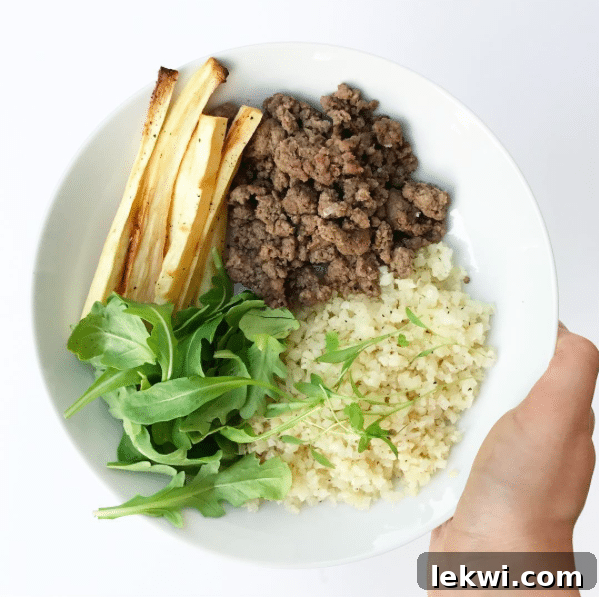
Monday – Bison (protein), cauliflower (vegetable), arugula (greens), cilantro (herb), parsnip (root vegetable), coconut oil (fat)
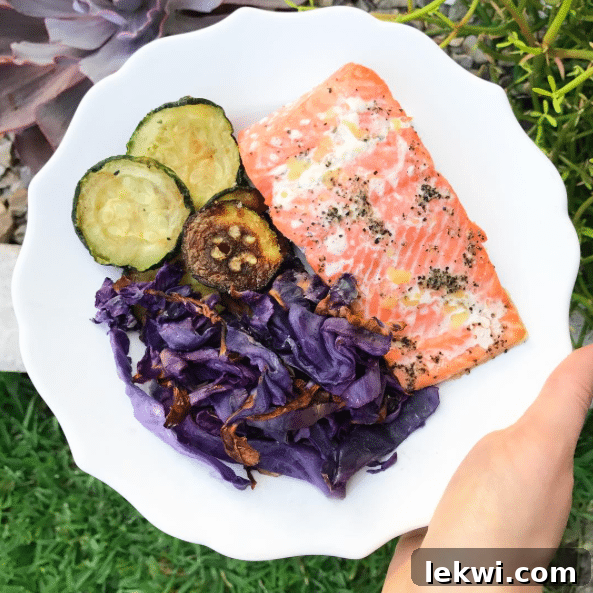
Tuesday – Salmon (protein), zucchini (vegetable), cabbage (vegetable), ghee (fat), blueberries (fruit)
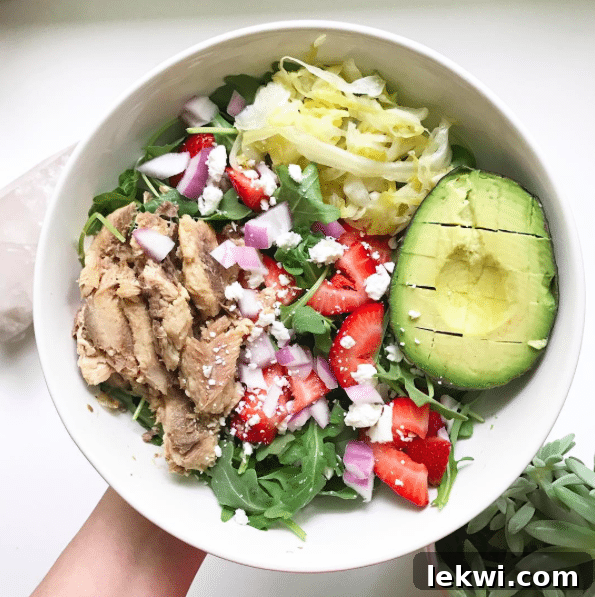
Wednesday – Sardines (protein), onion (vegetable), mixed greens (greens), kraut (fermented food), avocado (fat/fruit), strawberries (fruit) (Note: The original image shows cheese, which is not typical for many healing diets, but can be reintroduced for some individuals.)
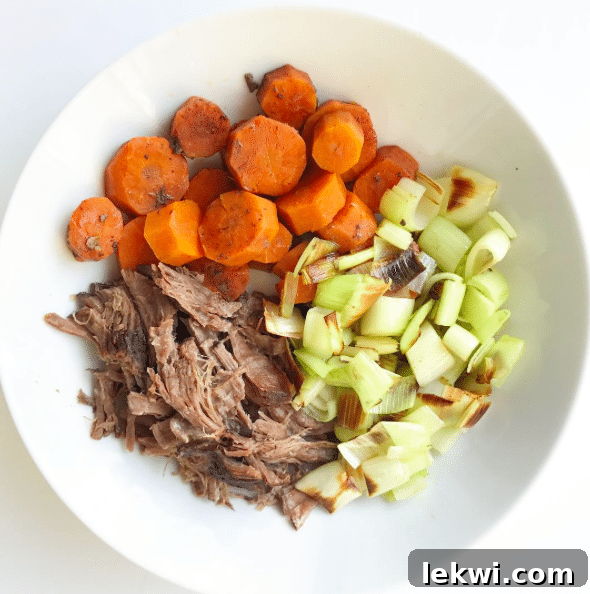
Thursday – Beef (protein), leeks (vegetable), carrots (root vegetable), beef tallow (fat), apples (fruit)
On Friday, you would begin the cycle anew, allowing you to reintroduce bison and the other Monday foods. This doesn’t mean you *only* eat Monday’s specific meal again; rather, it signifies the next opportunity to include those food categories in your diet, continuing the rotation.
Track Your Intake and Plan Ahead
Successful rotation starts with meticulous planning. Dedicate some time each week, perhaps on a Saturday, to map out your meals for the upcoming week. Consider your schedule: are there busy evenings? Will you be dining out? Document your planned meals for each day. Sundays can then be utilized for meal prepping, ensuring you have ingredients and pre-cooked components ready. Simple tools like the notes app on your phone or a dedicated food journal can be incredibly helpful for outlining your rough plan.
Equally important is tracking your symptoms throughout the week. Pay attention to how your body feels after consuming certain foods. Over time, consistent tracking will reveal patterns, helping you pinpoint any foods that don’t agree with you and adjust your rotation accordingly.
Simplify Your Meals for Easier Rotation
While aesthetically pleasing Instagram bowls brimming with seven different vegetables might look appealing, they can complicate a rotation diet significantly. When you’re trying to manage food cycles, simplicity is your ally. Structure your meals around a single protein source, one to two vegetables, and a healthy fat. This streamlined approach makes meal prepping more manageable, tracking easier, and provides greater flexibility for rotating different ingredients. Simple meals can be just as delicious and satisfying while being far more conducive to a rotational eating strategy.
Your Freezer: An Indispensable Ally
The freezer is a powerful tool for maintaining your rotation diet and minimizing food waste. Let’s say you prepare a large batch of nourishing soup on Monday, packed with various vegetables. You’ve enjoyed it, but don’t want to consume the same soup on Tuesday or Wednesday, preferring to wait until Friday for reintroduction. Instead of letting it spoil, freeze individual portions! Most foods, including meatballs, soups, stews, and roasted vegetables, freeze remarkably well, especially if stored for a week or two. Utilizing your freezer allows you to prepare larger quantities of a food and then space out its consumption, perfectly aligning with your rotation schedule.
Embrace Seasonal Eating
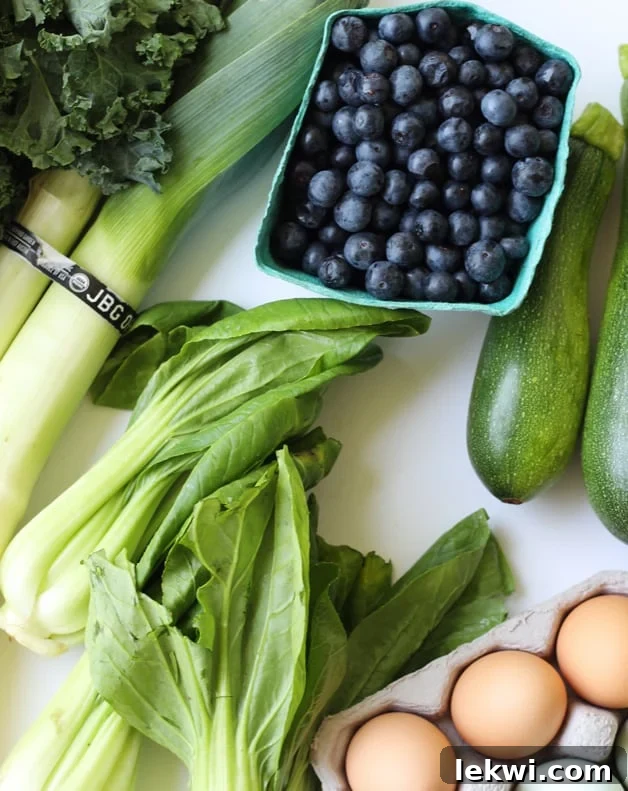
Eating seasonally is not only what nature intended but also an excellent complement to a rotation diet. Make regular visits to your local farmers market or conduct quick online searches every few weeks to discover what fruits, vegetables, and herbs are currently in season. Incorporating seasonal produce adds natural variety to your diet, often offers superior flavor and nutrient density, and can be more cost-effective. Even if you maintain a four-day rotation, ensuring the foods within that rotation are seasonal aligns better with biological rhythms and provides fresher, more vibrant ingredients. For example, enjoying watermelon or pumpkin when they are naturally abundant, rather than out of season, enhances your appreciation and intake during their peak nutritional windows.
Don’t Overcomplicate It, Especially at First
It’s easy to get bogged down by the nuances: “Are beef and bison too similar for rotation? What about chicken and turkey? Should all cruciferous vegetables be rotated separately?” While these are valid questions for more advanced practitioners, when you’re just starting, the goal is to cultivate variety and establish the habit. Begin with broader categories. The beauty of a rotation plan is that you gradually learn your body’s unique triggers. If you notice a reaction after consuming chicken and turkey close together, then you can refine your approach. Initially, focus on breaking the pattern of eating the exact same foods day in and day out, building a foundation of dietary diversity.
Perfection Is Not the Goal
It’s crucial to remember that a rotation diet is about progress, not perfection. If you inadvertently eat sweet potato two or three days in a row, it’s not the end of the world. Don’t be discouraged or self-critical. The aim is to prevent chronic overexposure, not to rigidly adhere to an unbreakable schedule for the rest of your life. If you have a slip-up, simply aim to take a longer break from that food in the following week or two. The ultimate objective is to ensure you’re not consuming the same foods relentlessly every single day, fostering a sustainable pattern of variety without unnecessary stress. Minor deviations are perfectly acceptable; the emphasis remains on consistent variety over absolute perfection.
It’s Challenging Initially, But Becomes a Habit
When first adopting a rotation diet, the level of conscious effort can feel overwhelming. Monitoring every food, every oil, every spice can lead to feelings of obsession and exhaustion. For some, this intense focus might even trigger unhealthy eating patterns, making it a practice to reconsider. However, like any new health endeavor – whether going gluten-free, starting a running routine, or learning a new skill – the initial phase is the hardest. It demands deliberate attention and consistency.
But rest assured, with persistence, it will become second nature. Over time, you’ll naturally gravitate towards varied choices without having to think about it constantly. For example, you might find you no longer crave cauliflower every day and instinctively space out its consumption. It takes patience and commitment to transition from a conscious effort to an effortless habit, but the benefits to your long-term health are well worth the journey.
Is This a Lifelong Commitment? Adapting Your Rotation Diet
As mentioned, the daily practice of rotating foods eventually transforms into an ingrained habit. Personally, and what is generally recommended, is to follow the rotation more strictly during the initial phases, especially if you are adhering to a structured healing protocol. This helps establish the routine and allows you to gain insights into your body’s responses. Once the habit is formed and your system has stabilized, you can transition to a more mindful approach.
With experience, you’ll intuitively understand which foods your body tolerates well and which require more careful rotation. For instance, you might discover that beef and salmon are consistently well-received, while reintroductions like certain nuts or cheeses demand greater vigilance. You will undoubtedly find your unique rhythm, but the guiding principle of maximizing dietary variety remains an excellent template to follow throughout your wellness journey.
Is a Rotation Diet Suitable for Everyone?
While the principles of dietary variety are universally beneficial, a strict rotation diet isn’t appropriate for every individual. It may not be ideal for those already on extremely limited diets due to severe allergies or multiple intolerances, as further restriction could be counterproductive. Similarly, individuals with a history of disordered eating or those who find dietary restrictions triggering should approach this strategy with extreme caution and professional guidance.
Furthermore, if you are just beginning to transition to a whole-foods-based diet, it’s often more beneficial to first establish a foundation of healthy, unprocessed eating before introducing the complexities of a rotation schedule. However, regardless of individual circumstances, the fundamental lesson from a rotation diet – the importance of conscious food variety and avoiding repetitive eating – is a valuable insight for everyone seeking improved health and wellness.