This post contains affiliate links.
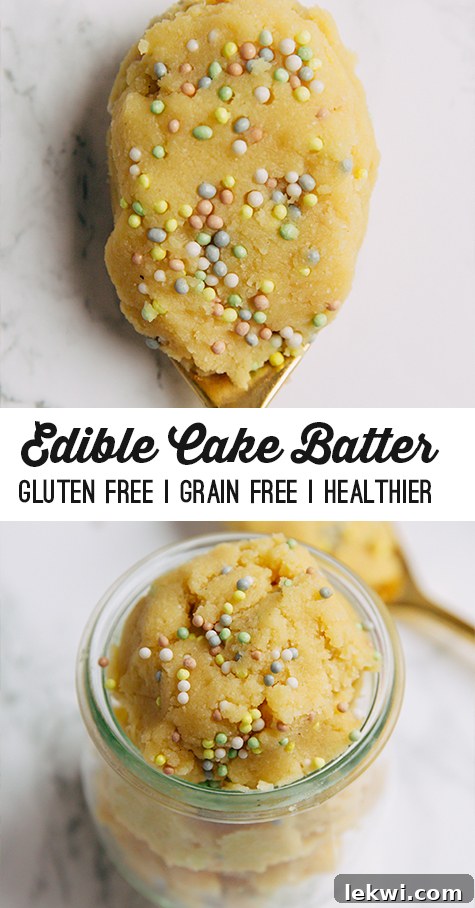
Are you a fan of licking the spoon after making a cake? If you’ve ever dreamt of indulging in raw cake batter without the guilt or the risk, then your dreams are about to come true! This delectable edible cake batter recipe is designed to be your perfect no-cook snack, offering all the delightful flavors of a rich vanilla cake without the need for an oven. It’s not just convenient; it’s also thoughtfully crafted to be entirely gluten-free, dairy-free, and can be easily adapted to be paleo-friendly, making it a versatile treat for a wide range of dietary preferences.
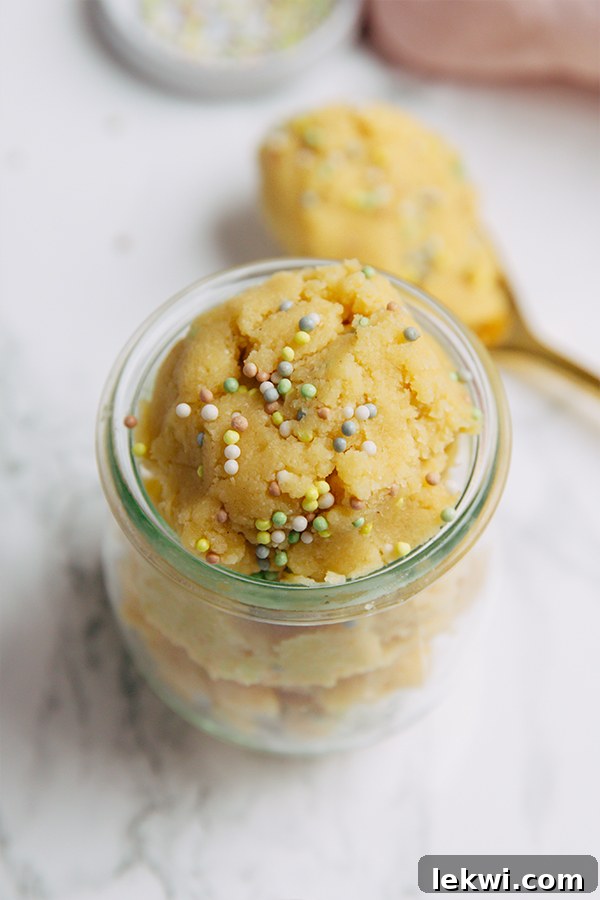
Indulge Safely: The Ultimate Gluten-Free Edible Cake Batter Recipe
That familiar craving for something sweet, something rich, something reminiscent of a freshly baked vanilla cake often hits when you least expect it. But who has the time, or the energy, to bake a whole cake just for a few bites of that glorious batter? We’ve all been there! That’s where this incredible edible cake batter steps in, offering a luxurious solution that satisfies your sweet tooth instantly and effortlessly. Imagine sinking your spoon into a bowl of creamy, vanilla-infused goodness – that’s precisely the experience this recipe delivers, entirely raw and ready to enjoy.
This isn’t just any cake batter. It’s specifically formulated to be safe for consumption straight from the bowl, eliminating common concerns associated with raw flour and eggs found in traditional cake mixes. We’ve replaced conventional flour with gluten-free alternatives and ensured no raw eggs are involved, paving the way for a worry-free dessert experience. Beyond its safety and convenience, this edible cake batter is a fantastic option for those navigating specific dietary needs. It’s naturally gluten-free, dairy-free (thanks to ghee, which is free of lactose and casein, or coconut oil), and with a simple swap, it becomes entirely paleo-friendly. This means more people can enjoy the nostalgic delight of cake batter without compromise.
Why Go No-Bake with Your Cake Batter?
The appeal of edible cookie dough and cake batter has surged in recent years, and for good reason. The pure, unadulterated joy of scooping up spoonfuls of sweet, uncooked goodness is an experience many cherish. Our gluten-free edible cake batter taps into this universal love, providing a safe and wholesome way to relive those childhood memories. It’s an ideal treat for a quick snack, a late-night indulgence, or even a fun dessert for parties where you want something unique and easy to serve. The no-cook aspect also means minimal cleanup and maximum enjoyment, fitting perfectly into busy lifestyles.
The Thoughtful Ingredients for This Wholesome Recipe
Creating a delicious and dietary-friendly edible cake batter starts with selecting the right ingredients. Each component plays a crucial role in achieving that coveted cake-like texture and rich vanilla flavor, all while adhering to gluten-free, dairy-free, and potential paleo guidelines. Here’s a closer look at what makes this recipe special:
- Almond Flour: This provides the primary structure and a delicate, nutty flavor that complements the vanilla beautifully. It’s a fantastic gluten-free alternative, contributing to a tender and soft batter consistency.
- Coconut Flour: Known for its incredible absorbency, coconut flour is essential here. It helps to soak up excess moisture from the wet ingredients, preventing the batter from becoming too sticky or greasy, and adds a subtle sweetness and depth.
- Ghee (Clarified Butter): Ghee is a fantastic dairy-free fat that brings a rich, buttery flavor often associated with traditional baked goods. Since it’s clarified, it’s free of lactose and casein, making it suitable for many with dairy sensitivities. It contributes significantly to the indulgent mouthfeel.
- Maple Syrup: Our choice of sweetener, maple syrup, offers a natural, unrefined sweetness with lovely caramel undertones. It also contributes to the smooth, flowing consistency of the batter.
- Vanilla Extract: The star flavor! High-quality vanilla extract is crucial for replicating that classic vanilla cake essence. It adds warmth and aromatic depth, truly making this batter taste like your favorite cake.
- Sprinkles: While optional, sprinkles add a festive touch, bringing in both visual appeal and a fun textural element. We’ll discuss how to choose healthier, naturally colored options later on.
Crafting Your Delicious Gluten-Free Edible Cake Batter: A Simple Guide
One of the best features of this edible cake batter is how incredibly easy it is to make. With just a few simple steps and minimal equipment, you’ll have a delightful treat ready in minutes. No complex techniques or long baking times—just pure, simple indulgence.
- Combine Dry Ingredients: Begin by taking a medium-sized mixing bowl. Add the almond flour and coconut flour. Whisk or stir them together thoroughly until they are well combined. This step is crucial to ensure there are no clumps of flour, which could lead to an uneven texture in your finished batter. A smooth, uniform flour base is key for the best results.
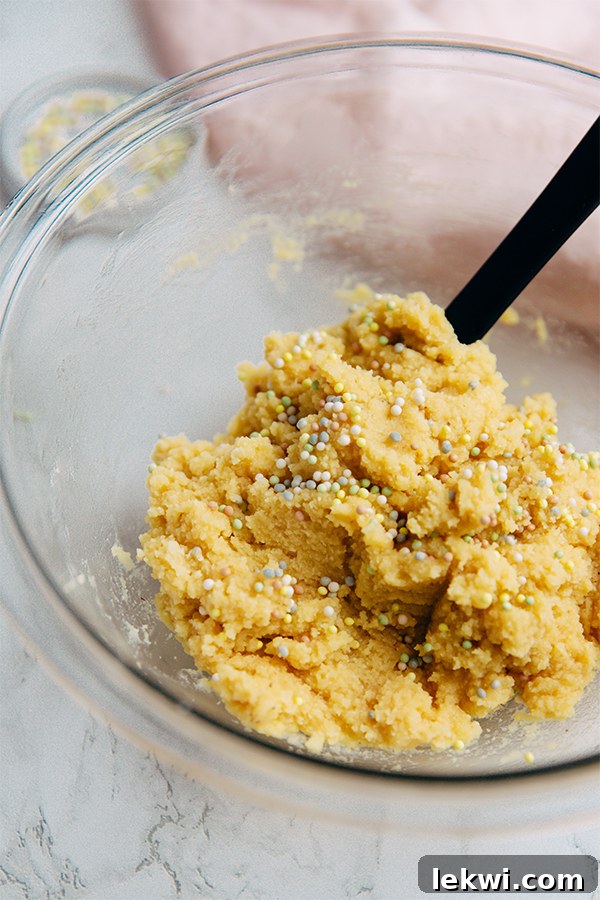
- Fold in Wet Ingredients: Once your dry ingredients are perfectly mixed, it’s time to introduce the wet components. Gently fold in the melted ghee (or coconut oil), maple syrup, and vanilla extract. Stir these ingredients together patiently, working them into the flour mixture until a soft, pliable batter begins to form. Continue mixing until everything is fully incorporated and the batter is smooth and consistent.
- Add a Splash of Fun (Sprinkles!): Now for the festive part! Carefully stir in your chosen sprinkles. Mix them gently until they are evenly distributed throughout the batter, adding vibrant pops of color and a playful crunch. This step is entirely optional, but highly recommended for that classic cake batter aesthetic and an extra layer of enjoyment.
- Serve and Store: Your gluten-free edible cake batter is now ready to be enjoyed immediately! Grab a spoon and dive in. If you have any leftovers, or if you prefer a chilled treat, transfer the batter to an airtight container and refrigerate. It will stay fresh and delicious for about 3-4 days.
Frequently Asked Questions About Your Edible Cake Batter
To ensure you get the most out of your gluten-free edible cake batter, here are answers to some common questions you might have:
How Do You Enjoy This Delicious Cake Batter?
The beauty of edible cake batter is its versatility! The most straightforward and arguably the most satisfying way to enjoy it is straight from the bowl with a spoon. Embrace the inner child and savor every spoonful! But the fun doesn’t stop there. You can also use this decadent batter as a dip for a variety of treats. Think about pairing it with gluten-free cookies, graham crackers, fruit slices, or even pretzels for a sweet and salty contrast. It can also be rolled into small balls for a quick bite-sized dessert or used as a spread on toast for a truly indulgent breakfast or snack. Don’t be afraid to get creative!
Can This Edible Batter Be Baked into a Cake or Cupcakes?
While this recipe delivers all the flavor of cake batter, it is specifically formulated for raw consumption and is not designed for baking. The primary reason is the absence of leavening agents like eggs or baking soda/powder. These are crucial ingredients that react with heat to create the light, airy structure of a baked cake. Without them, this batter would not rise or properly set when baked, likely resulting in a dense, flat, and unappealing texture rather than a fluffy cake. So, stick to enjoying it raw and leave the baking for traditional cake recipes!
What’s the Best Way to Store Edible Cake Batter, and How Long Does It Stay Fresh?
Proper storage is key to maintaining the freshness and quality of your edible cake batter. The best method is to transfer it to a glass, airtight container and store it in the refrigerator. When stored correctly, this batter will remain fresh and delicious for approximately 3-4 days. It’s important to note that because the recipe contains ghee (or coconut oil), the fat will naturally firm up when chilled. This means the batter’s texture will become firmer and more dense when cold, compared to its softer, more pliable state when fresh. While it’s still absolutely delicious chilled, for the best experience, you might want to let it sit at room temperature for 10-15 minutes before serving to soften slightly. I haven’t personally tried freezing it, but I’m confident it would freeze well in an airtight container for longer storage, though thawing might alter the texture slightly.
Which Sprinkles Are Best for This Recipe?
Finding truly healthier sprinkle options can be a bit of a challenge in the market. Many conventional sprinkles are made with corn starch and artificial colors, which might not align with specific dietary needs or preferences. For a long time, I struggled to find sprinkles that were free from corn or nightshades (like paprika-derived colors), which I personally have intolerances to. However, the good news is that there are now better alternatives emerging! The sprinkles I highly recommend and use are those colored with natural extracts from ingredients like curcumin, red cabbage, beet, and turmeric. These real food colorings provide vibrant hues without the questionable additives. I often find them at health food stores like Natural Grocers, but they are also becoming more widely available online and in other grocery stores. Choosing naturally colored sprinkles allows you to add that fun, festive touch without compromising on your wellness goals. (For reference, I have used this brand successfully).
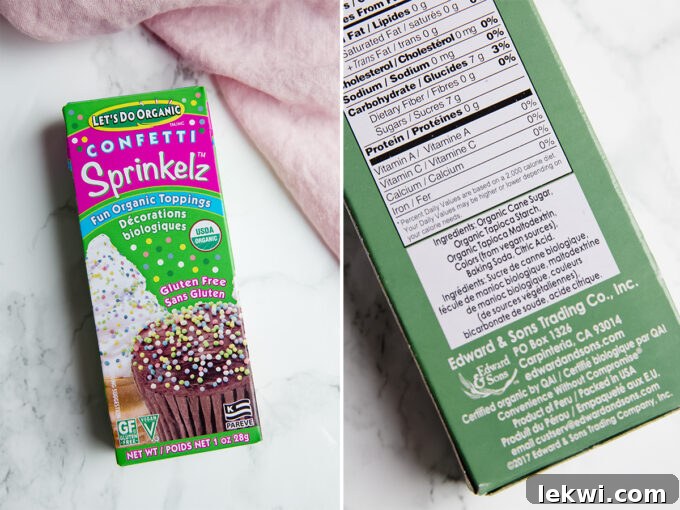
Can You Omit the Sprinkles, and What Are Some Good Alternatives?
Absolutely! While sprinkles add a delightful visual and textural element, they are entirely optional. If you can’t find a brand that meets your dietary requirements or simply prefer not to use them, the batter will still be incredibly delicious. For those looking for an alternative that offers a similar aesthetic or an added textural dimension, shredded coconut is an excellent choice. It mimics the look of sprinkles quite well and introduces a lovely, subtle coconut flavor that pairs wonderfully with the vanilla. Other great alternatives include mini chocolate chips (ensure they are dairy-free if needed), finely chopped nuts (if not adhering to a nut-free diet), or even a swirl of dairy-free chocolate sauce on top once served.
Dietary Adjustments: Making This Recipe Work for You
This recipe is designed with flexibility in mind, allowing for several substitutions to accommodate various dietary needs without sacrificing flavor or enjoyment.
Can You Make This Recipe Nut-Free? What About Coconut-Free?
Achieving a nut-free version of this edible cake batter is certainly possible by swapping the almond flour. The best alternative for a nut-free and AIP (Autoimmune Protocol) friendly option would be tigernut flour. Tigernut flour is not actually a nut but a tuber, making it safe for those with nut allergies. It does have a slightly grittier texture than almond flour, so you might notice a subtle difference, but it performs remarkably well as a gluten-free and nut-free flour. Be sure to sift it well to minimize grittiness. Experimenting with tigernut flour is definitely worth a try for a delicious nut-free treat.
Regarding coconut-free, it’s a bit more challenging with this specific recipe. Coconut flour plays a critical role in absorbing the excess moisture from the ghee and maple syrup. Its unique absorbency helps achieve the desired soft, pliable batter consistency. Without it, the batter might become too wet or oily. Therefore, I generally do not recommend swapping out the coconut flour in this particular formulation, as it would significantly alter the texture and potentially the overall success of the recipe. If you have a severe coconut allergy, it might be best to explore other recipes that are naturally coconut-free.
Can You Make This Without Ghee?
Ghee, or clarified butter, is a wonderful ingredient in this recipe because it provides a rich, buttery flavor that is quintessential to cake. As it’s clarified, it removes most of the lactose and casein, making it suitable for many who avoid dairy. However, if you need a strictly dairy-free or vegan option, or simply prefer a different flavor profile, you can absolutely substitute ghee with coconut oil. When using coconut oil, ensure it is melted and cooled slightly before incorporating it into the batter. Keep in mind that coconut oil will impart a distinct coconut flavor to the batter, which can be a lovely addition but will change the overall taste slightly from the original ghee-based version. Choose virgin coconut oil for a stronger coconut flavor or refined coconut oil for a more neutral taste.
Can You Use Honey or Agave Instead of Maple Syrup?
Maple syrup is chosen for its unique flavor and consistency, but other liquid sweeteners can be used. Both honey and agave nectar are generally good substitutes for maple syrup in this recipe, especially if you’re looking for different flavor notes or have them readily available. Honey will lend a distinct floral sweetness, while agave nectar is known for its neutral flavor and lower glycemic index. When making the swap, consider that honey is thicker than maple syrup, so you might need to adjust the amount slightly to achieve the desired batter consistency. Agave nectar is thinner, so a touch less might be needed. While I don’t personally use agave syrup extensively, from a functional perspective, either option should work effectively in binding the ingredients and providing sweetness.
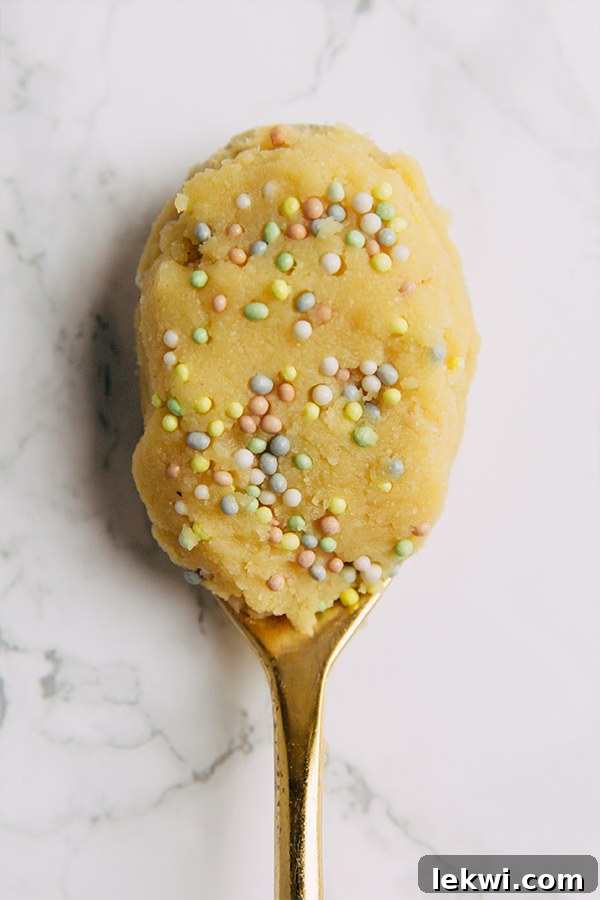
You’ll also love these fantastic gluten-free and paleo-friendly treats:
- Paleo Chocolate Chip Cookies: A classic comfort food made healthy and delicious.
- Edible Cookie Dough: Another delightful no-bake treat for cookie dough enthusiasts.
Gluten-Free Edible Cake Batter (Healthier, No Cook)
Want to save this for later?
Just drop your name and email below, and we’ll send it right to your inbox. ✉️
Ingredients
- ¾ cup almond flour, see notes for AIP swap
- ¼ cup + 1 tbsp coconut flour
- ¼ cup maple syrup
- ¼ tsp vanilla extract, sub vanilla bean powder
- 3 tbsp ghee, melted (sub coconut oil)
- 2-3 tsp sprinkles, I use this brand, see notes to omit
Instructions
-
Stir the almond flour and coconut flour together until well combined to ensure there are no clumps.
-
Fold in the wet ingredients and stir until a soft batter forms.
-
Fold in the sprinkles and stir until well combined.
-
Enjoy immediately or store chilled for 3-4 days.
Notes
All nutritional information are estimations and will vary. Estimations do not include optional ingredients.
Calories: 167kcal,
Carbohydrates: 18.1g,
Protein: 3.9g,
Fat: 3.8g,
Fiber: 3.1g