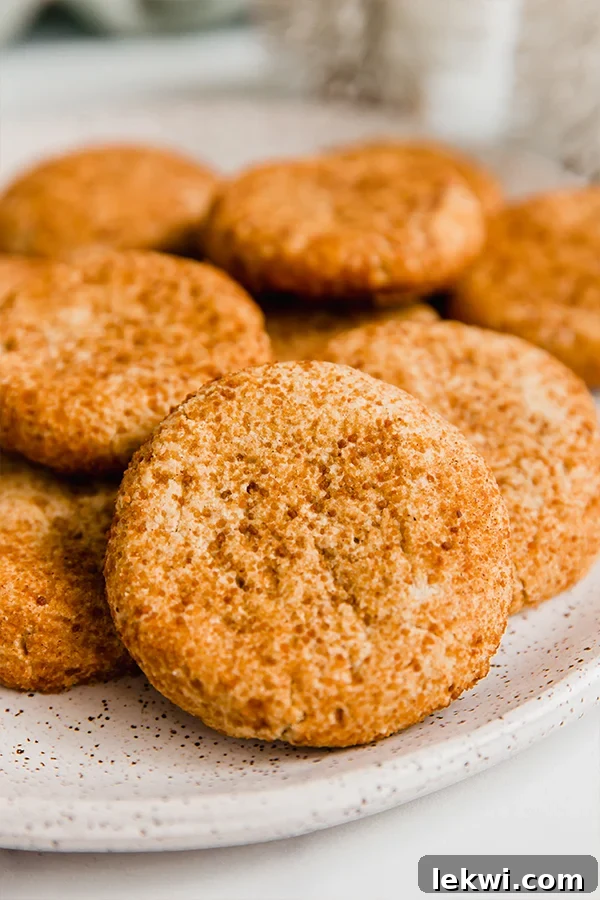
Deliciously Tangy Gluten-Free Snickerdoodle Cookies: AIP, Dairy-Free & Grain-Free Perfection
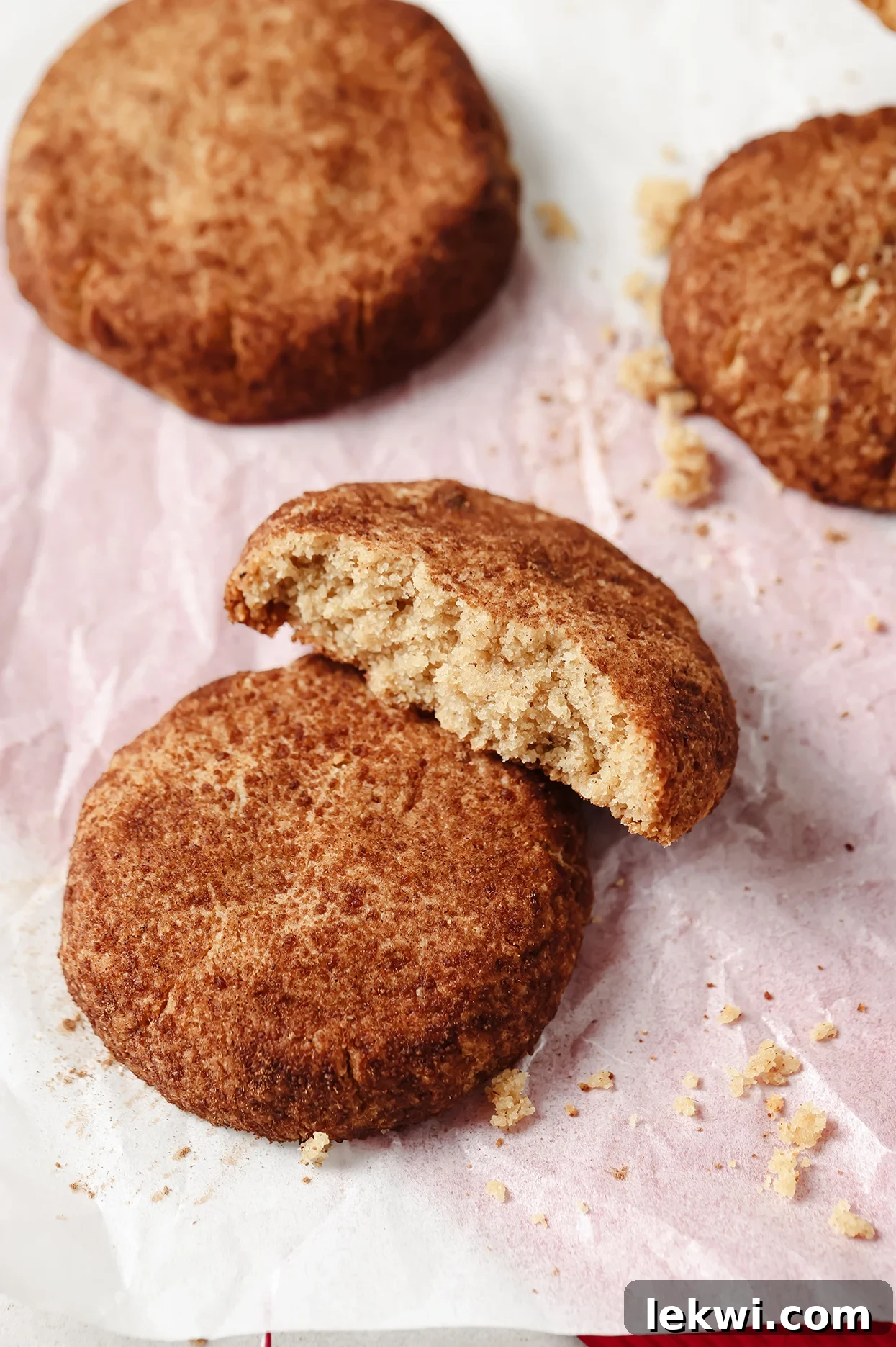
For many, the mention of snickerdoodles evokes a wave of comforting nostalgia – those soft, chewy, melt-in-your-mouth cookies generously coated in a shimmering cinnamon-sugar embrace. It’s a classic treat that perfectly balances sweetness with a delicate tangy note, making it a beloved staple, especially during the festive holiday season. However, for individuals navigating dietary restrictions such as gluten intolerance, dairy allergies, or following specific protocols like the Autoimmune Protocol (AIP), enjoying such a cherished dessert often feels out of reach. The good news? You no longer have to miss out on this delightful experience.
This revolutionary recipe for gluten-free snickerdoodle cookies redefines what’s possible in allergy-friendly baking. Crafted with care, these cookies are not only exceptionally soft and bursting with that signature cinnamon sugar flavor, but they also boast an ideal tang that snickerdoodle enthusiasts adore. What makes them truly stand out is their comprehensive dietary compliance: they are entirely dairy-free, grain-free, and even AIP-friendly. This means a broader audience can indulge in the joy of baking and eating snickerdoodles, without compromise. Forget the bland, crumbly imitations; prepare yourself for a healthier version that tastes just as, if not more, incredible than traditional recipes.
Imagine the aroma of cinnamon filling your kitchen as these golden-brown beauties bake to perfection. These AIP-friendly snickerdoodles are poised to become your new holiday favorite, joining the ranks of other beloved treats like AIP cut-out sugar cookies and AIP gingerbread cookies. They are the quintessential addition to any cookie platter, bringing warmth and cheer to every bite. Get ready to impress friends and family with a cookie that caters to diverse needs while delivering an unforgettable taste.
Celebrate the season and everyday moments with these delightful AIP, dairy-free, egg-free, and gluten-free snickerdoodle cookies! This easy and healthier version ensures everyone can enjoy the classic taste without dietary concerns.
Table of Contents
- Recipe Ingredients
- Substitutions & Dietary Notes
- How to Make Perfect Snickerdoodle Cookies
- Expert Tips & Tricks for Success
- Common Questions & FAQs
- More Gluten-Free & AIP Cookie Recipes to Explore
Essential Recipe Ingredients for AIP Snickerdoodles
Crafting these exceptional gluten-free, dairy-free, and AIP-friendly snickerdoodles relies on a precise selection of ingredients, each playing a crucial role in achieving the perfect texture and flavor. Below is a detailed look at the key components. For exact measurements and quantities, please refer to the complete recipe card at the end of this article.
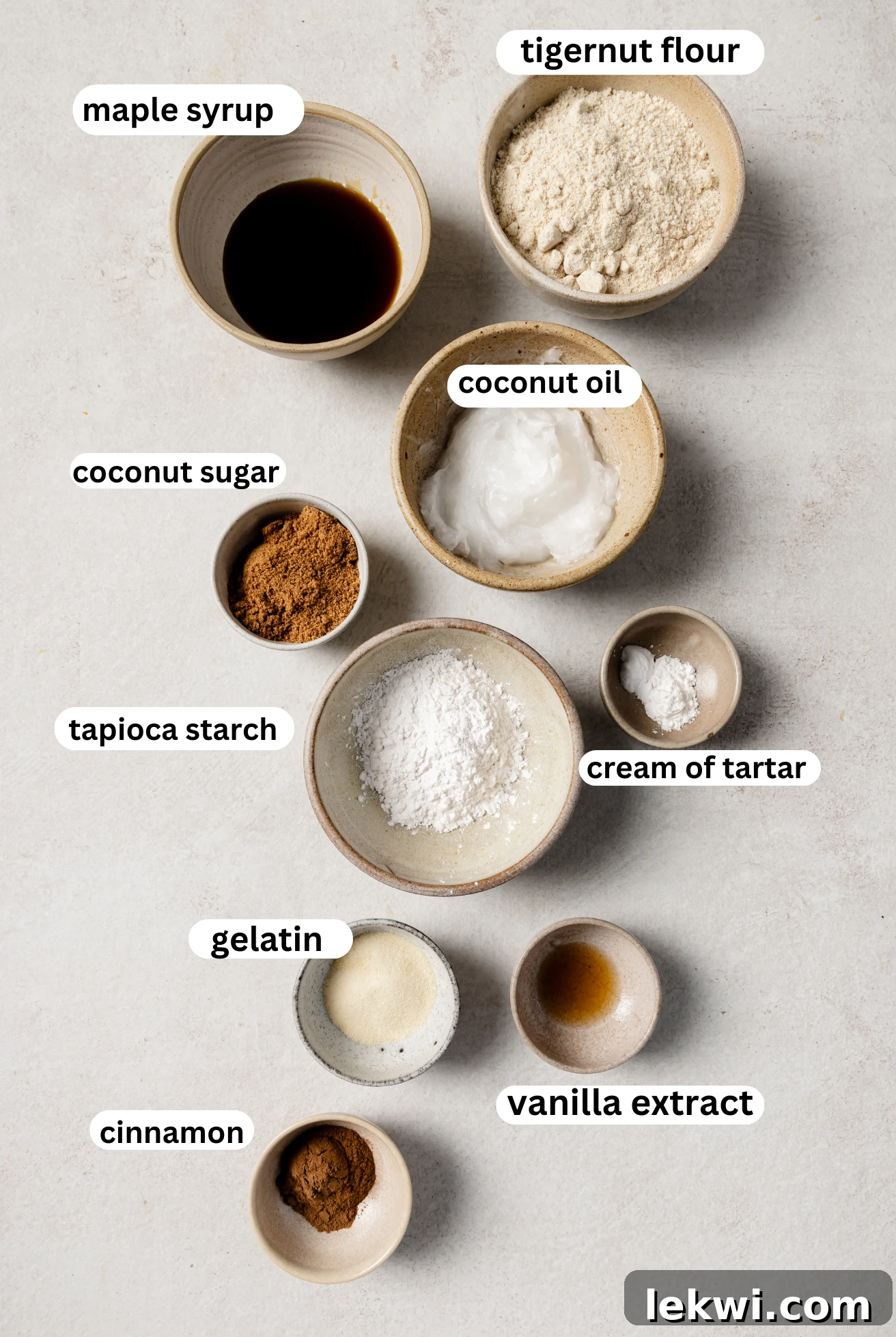
- Tigernut Flour: This remarkable flour is a cornerstone of our grain-free and nut-free recipe. Derived from a small tuber, tigernut flour imparts a subtly sweet, earthy flavor and contributes to the soft, chewy texture that is characteristic of a great snickerdoodle. It’s an excellent alternative for those with nut allergies and provides a rich source of resistant starch, beneficial for gut health. Its unique properties make it ideal for achieving the desired crumb without gluten.
- Tapioca Starch: Also known as tapioca flour, this ingredient is vital for achieving the light, airy texture and slight crispness that balances the chewiness. It helps bind the ingredients together, creating a dough that is easy to work with and cookies that don’t crumble easily. It also gives the cookies that slight elasticity.
- Gelatin: In this recipe, dry gelatin acts as an essential binder and helps create a tender, soft interior. It’s important to use dry gelatin powder and not attempt to substitute with an “egg-replacer” or a gelatin egg, as the latter would introduce too much moisture and drastically alter the cookie’s consistency. Gelatin is a fantastic AIP-compliant ingredient that boosts the structural integrity of these egg-free cookies.
- Baking Soda: A crucial leavening agent that works in conjunction with cream of tartar to create the classic snickerdoodle rise and slight chewiness.
- Cream of Tartar: This distinctive ingredient is what gives snickerdoodles their signature tangy flavor and contributes to their soft, pillowy texture. It reacts with baking soda to produce carbon dioxide, helping the cookies puff up beautifully. It’s non-negotiable for an authentic snickerdoodle experience, adding that unique “zing.”
- Maple Syrup & Coconut Sugar: Our chosen natural sweeteners. Maple syrup provides moisture and a delicate sweetness, while coconut sugar contributes a caramel-like note and forms the essential cinnamon-sugar coating. These unrefined sugars keep the recipe AIP-friendly while delivering satisfying sweetness.
- Coconut Oil: Used in its softened state, coconut oil replaces traditional butter, making these cookies entirely dairy-free. Its mild flavor is complementary to the other ingredients, and it helps create a rich, tender crumb. Ensure it’s softened but not melted for the best dough consistency.
- Vanilla Extract: A touch of vanilla enhances the overall flavor profile, adding warmth and depth that complements the cinnamon beautifully.
- Ground Cinnamon: The star of the show! Generously used in both the cookie dough and the exterior coating, cinnamon is central to the snickerdoodle experience. Use a good quality ground cinnamon for the best flavor.
Substitutions & Dietary Notes
While this recipe is carefully formulated for optimal results, especially for those following AIP and other dietary restrictions, a few substitutions are possible if certain ingredients are unavailable or if you have different dietary needs. Always remember that substitutions can alter the final texture and flavor, so proceed with care.
- Baking Powder (as an alternative to Cream of Tartar + Baking Soda): If you find yourself without cream of tartar, you can use baking powder as a substitute. In this case, you would omit the baking soda entirely. Keep in mind that most commercially available baking powders contain cornstarch, which is not grain-free. If you need to maintain a strict grain-free diet, seek out a corn-free baking powder alternative. The tang might be slightly different, but it will still yield a delicious cookie.
- Honey: While maple syrup is recommended for its neutral flavor, a liquid sweetener like honey could potentially be used. However, honey has a more distinct flavor and a different sweetness profile, which might subtly change the taste of your snickerdoodles. Start with a smaller amount and adjust to taste, keeping in mind consistency.
- Palm Shortening: If coconut oil isn’t preferred or available, palm shortening is another AIP-compliant, dairy-free fat that can be used. Ensure it’s sustainably sourced. This may result in a slightly different texture, possibly a bit flakier.
- Flour Blends (General Note): This recipe is specifically developed for tigernut flour. While it might be tempting to use other gluten-free flours like almond flour or cassava flour, direct substitution without significant adjustments to liquid and other ingredients is generally not recommended as it will drastically change the texture and moisture content. If you are experimenting with other flours, it’s best to look for recipes specifically formulated for them.
How to Make Perfect Gluten-Free Snickerdoodle Cookies: Step-by-Step Guide
Creating these delightful snickerdoodles is a straightforward process, even for beginner bakers. Follow these simple, illustrated steps to ensure your cookies turn out beautifully soft, tangy, and perfectly coated. For the full, printable recipe with precise measurements, scroll down to the recipe card.
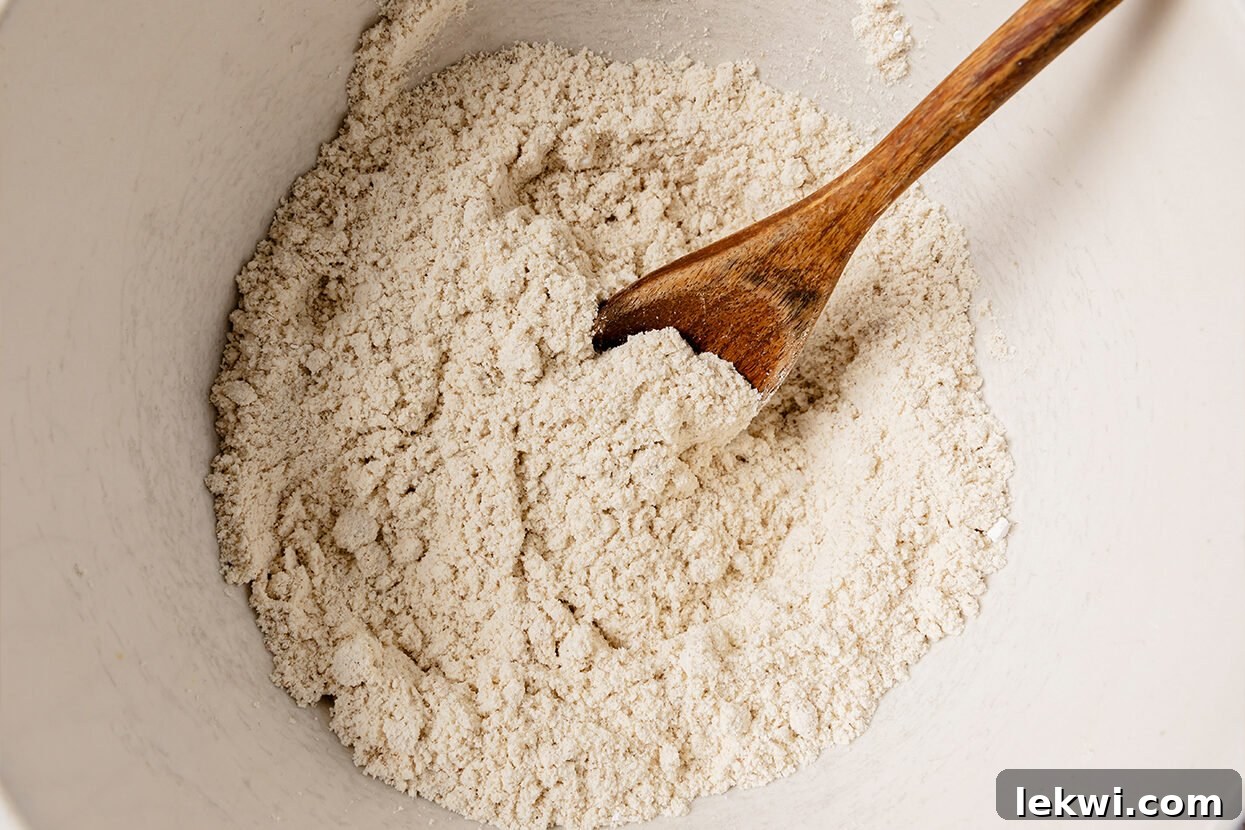
Step One: Prepare the Dry Ingredients. Begin by preheating your oven to 375°F (190°C) and lining a baking sheet with parchment paper to prevent sticking. In a large mixing bowl, meticulously sift together the tigernut flour, tapioca starch, gelatin, baking soda, and cream of tartar. Sifting is a crucial step here as it helps remove any lumps from the flours and ensures all the dry ingredients are uniformly combined, leading to a consistent cookie texture.
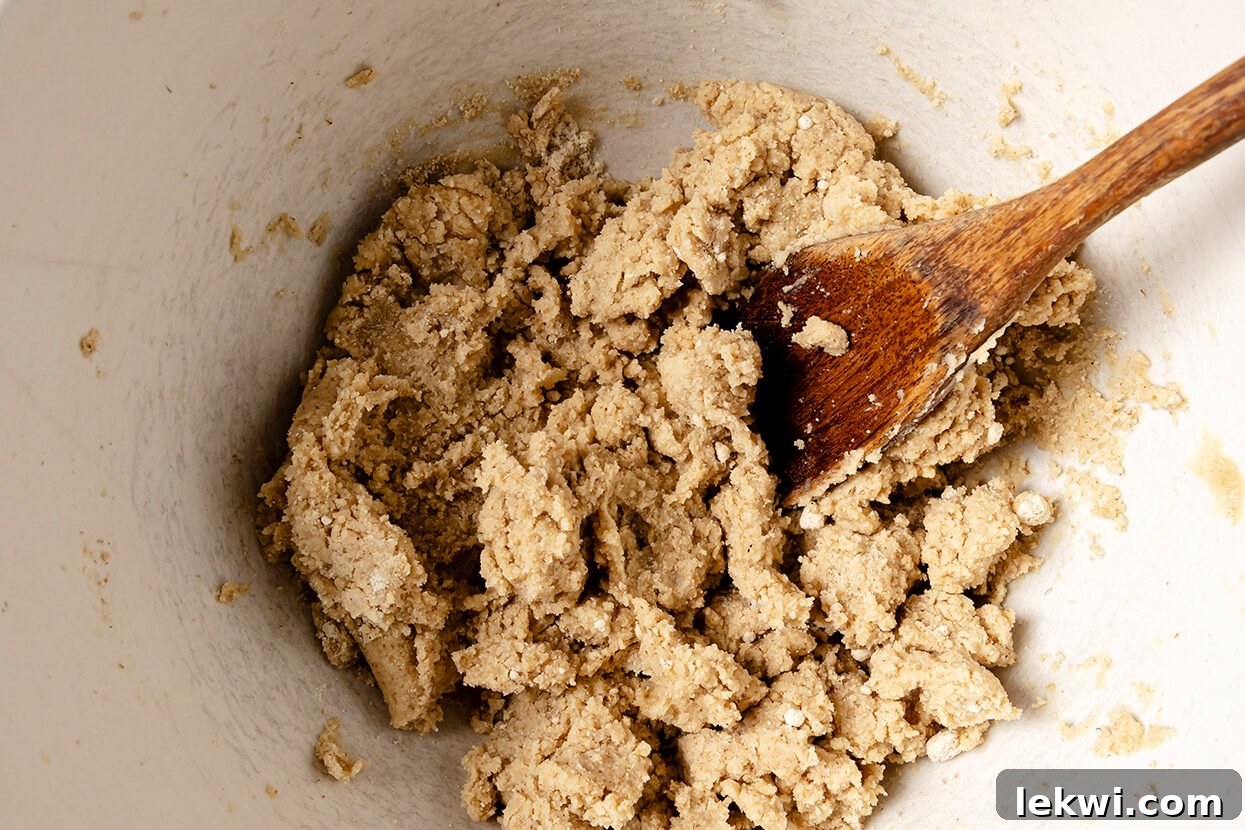
Step Two: Combine Wet and Dry Ingredients. To the sifted dry ingredients, add the vanilla extract, maple syrup, and softened coconut oil. Using a sturdy spoon or a rubber spatula, stir the mixture thoroughly until all ingredients are well combined and a cohesive dough forms. The dough should be soft but pliable enough to roll without being overly sticky. Ensure there are no streaks of dry flour remaining.
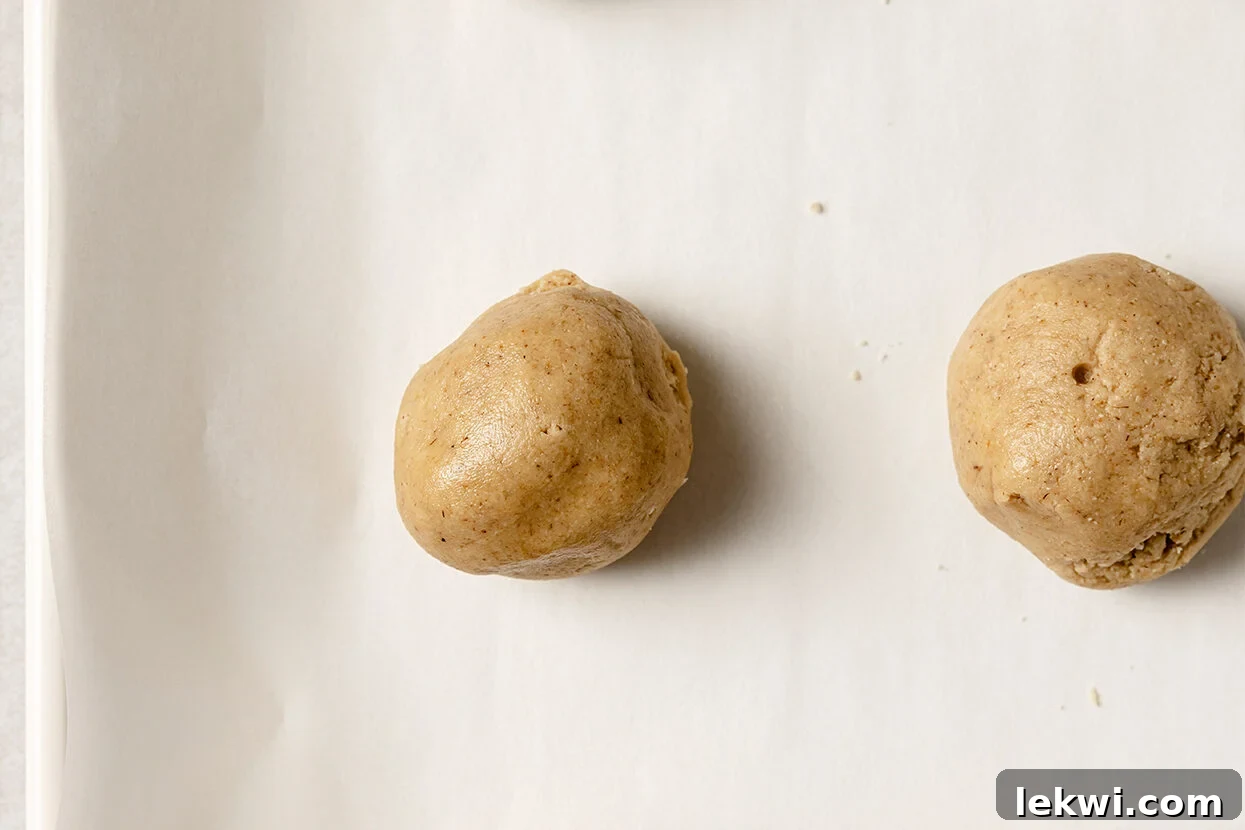
Step Three: Form the Cookie Dough Balls. In a separate small bowl or shallow plate, combine the cinnamon and coconut sugar thoroughly to create your delicious coating. Now, take the cookie dough and roll it into 7-8 small, uniform balls. Aim for consistency in size to ensure even baking. A cookie scoop can be incredibly helpful for this step, but your hands will work just fine.
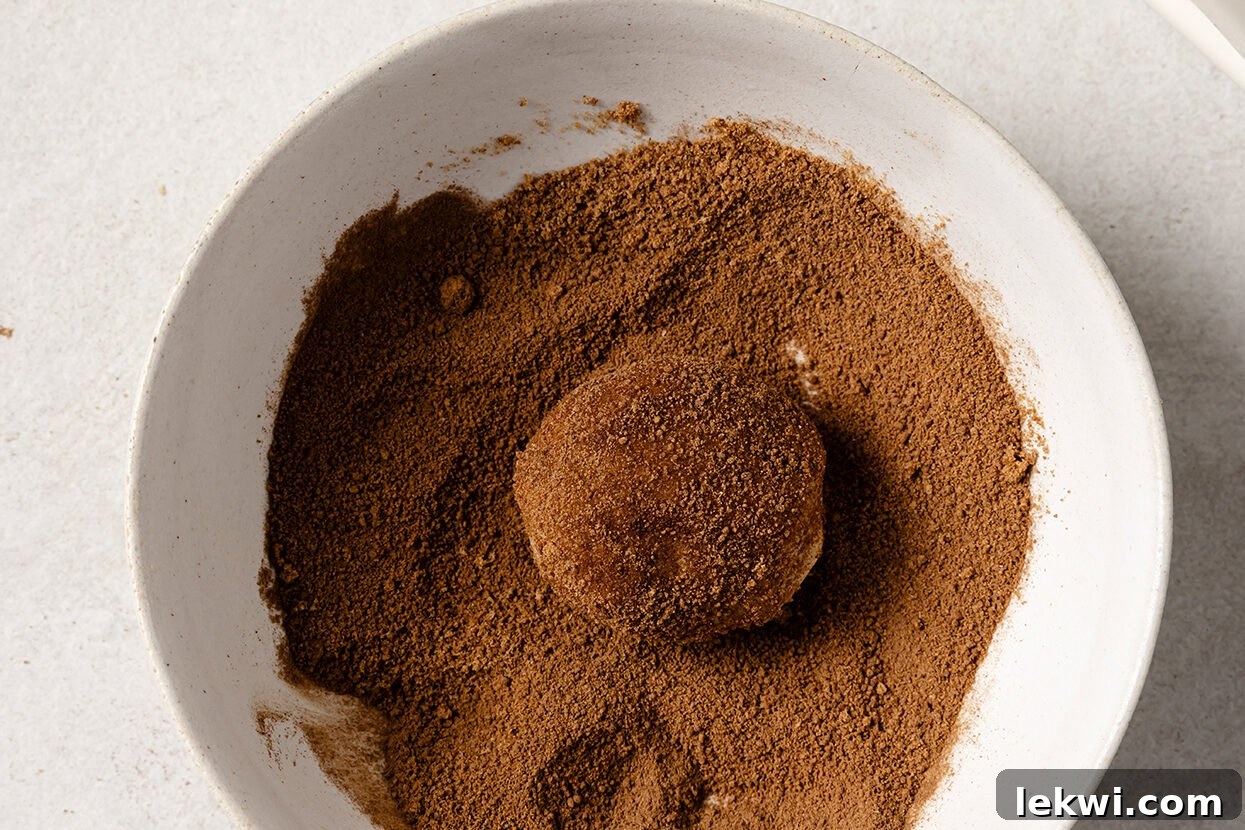
Step Four: Coat in Cinnamon Sugar. Take each dough ball and roll it generously in the prepared cinnamon-sugar mixture. Make sure each ball is lightly but completely coated. This coating is what gives snickerdoodles their distinctive look and flavor, forming a wonderfully sweet and spiced crust as they bake.
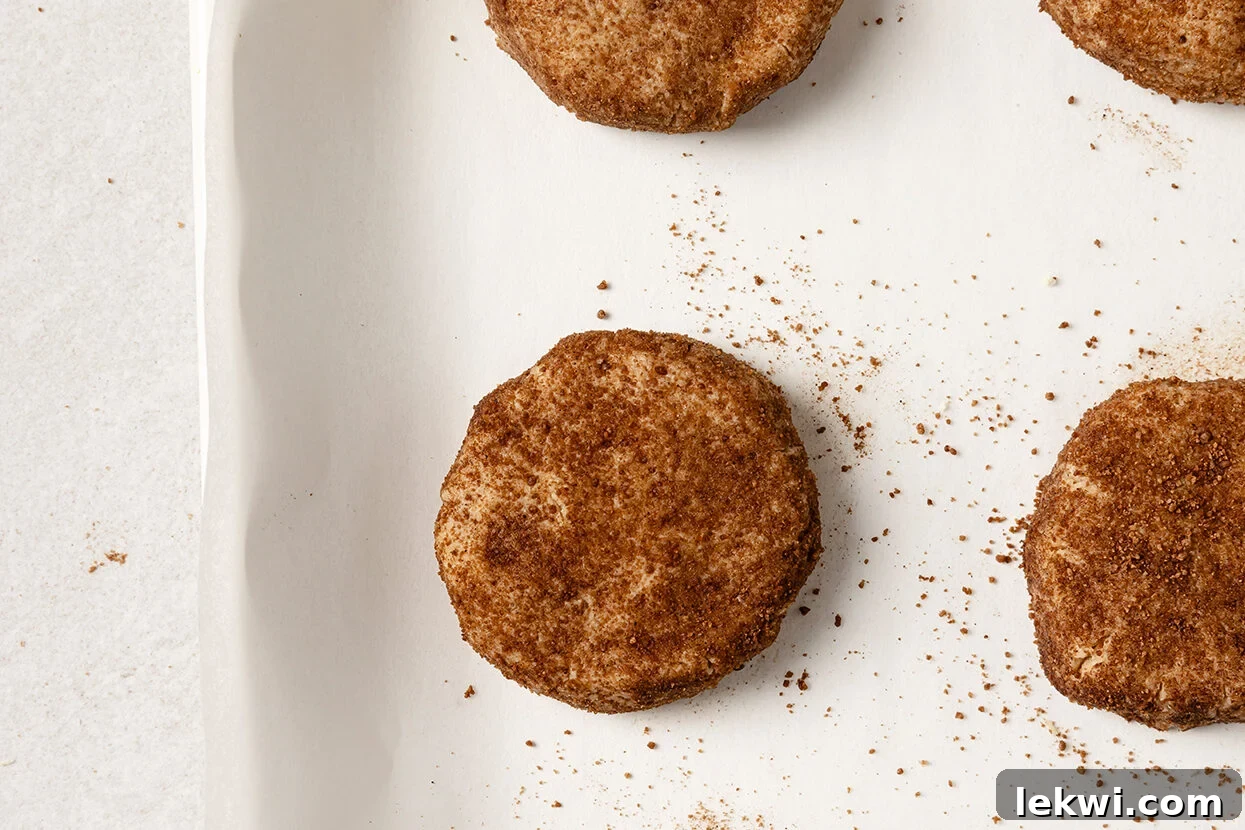
Step Five: Flatten and Arrange on Baking Sheet. Place the coated dough balls onto your prepared baking sheet, ensuring they are evenly spaced to allow for proper spreading during baking. Use the palm of your hand or the bottom of a glass to lightly press down each dough ball into a disk shape. This flattening helps achieve the classic snickerdoodle crackled top and ensures even baking.
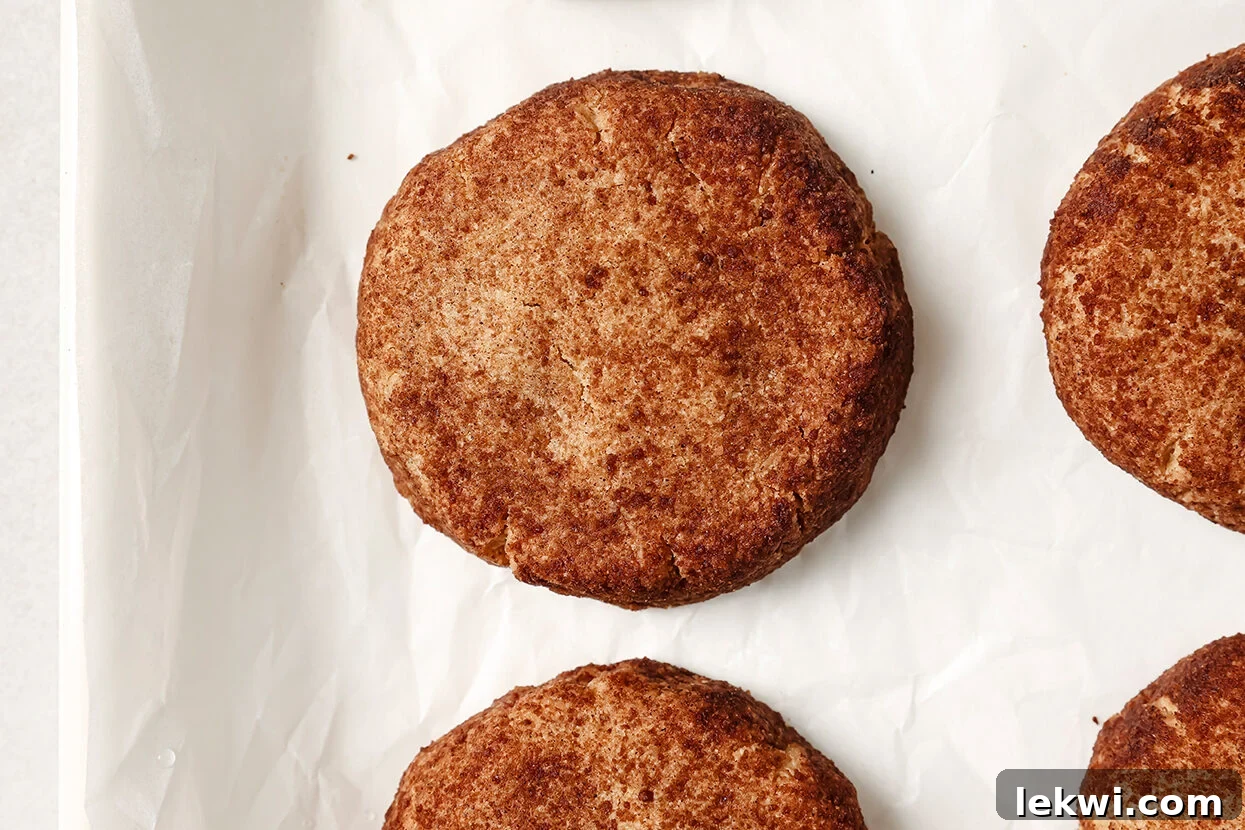
Step Six: Bake and Cool. Transfer the baking sheet to your preheated oven and bake for approximately 10-12 minutes. Baking time may vary slightly depending on your oven, so keep an eye on them. The cookies should appear set around the edges and slightly puffed, but still soft in the center. Avoid overbaking to maintain their chewiness. Once baked, remove the cookies from the oven and carefully transfer them to a wire cooling rack to cool completely. Cooling on a rack is important for preventing sogginess and allowing the cookies to firm up properly. Once fully cooled, store them in an airtight container in the fridge, or simply enjoy them immediately!
Expert Tips & Tricks for Gluten-Free Snickerdoodle Success
Achieving the perfect gluten-free snickerdoodle is easy with a few helpful pointers. These tips will ensure your cookies come out beautifully every time, offering that ideal balance of soft chewiness and tangy sweetness.
- Invest in a Quality Cookie Scoop: For uniformly sized cookies that bake evenly, a cookie scoop is an invaluable tool. It simplifies the process of portioning the dough, leading to professional-looking results. Beyond snickerdoodles, a good cookie scoop is versatile for various recipes, from sweet treats like caramel apple cookies to savory delights like sweet potato chicken poppers or honey garlic meatballs. It’s a small investment that yields big returns in your kitchen efficiency.
- Accurate Flour Measurement (Spoon and Level Method): When measuring tigernut flour, or any gluten-free flour, the “spoon and level” method is highly recommended. Instead of scooping your measuring cup directly into the flour bag, use a spoon to lightly fill your measuring cup, then level it off with a straight edge (like a knife). Tigernut flour, in particular, can be prone to clumping, and this method helps prevent over-packing the flour, which could result in dense, dry cookies. Precise flour measurement is key to achieving the desired texture in gluten-free baking.
- Ensure Coconut Oil is Softened, Not Melted: The consistency of your coconut oil is critical. It should be soft and creamy, similar to softened butter, but not liquid. If your coconut oil is too warm and melted, the dough may become too loose and difficult to handle. If it’s too solid, it won’t incorporate properly. If needed, gently warm it until it reaches the right consistency.
- Don’t Overbake: Gluten-free cookies can go from perfectly baked to overly dry very quickly. Watch your snickerdoodles closely during the last few minutes of baking. They should be set around the edges but still appear soft in the center. They will continue to firm up as they cool on the baking rack.
- Cool Completely for Best Texture: Resist the urge to move or eat the cookies immediately after they come out of the oven. Gluten-free cookies, especially those made with alternative flours, need time to set and develop their final texture. Cooling completely on a wire rack allows them to achieve their ideal soft, chewy consistency.
- Proper Storage: For optimal freshness, store these gluten-free snickerdoodles in an airtight container in the refrigerator. This helps maintain their soft texture and extends their shelf life, ensuring you can enjoy them for several days.
Common Questions About Gluten-Free Snickerdoodle Cookies
While it’s certainly possible to make delicious snickerdoodles using almond flour, this specific recipe has been carefully crafted and tested to work optimally with tigernut flour. Tigernut flour has unique properties, including its ability to absorb moisture and contribute to a specific texture, that differ significantly from almond flour. Directly substituting almond flour for tigernut flour in this recipe without adjusting other ingredients (like liquid content) would likely lead to a very different result in terms of consistency and texture. If almond flour is your preferred option, we recommend seeking out a recipe specifically developed for almond flour to ensure the best outcome.
The charmingly whimsical name “snickerdoodle” is thought to have a loose German origin, derived from “Schneckennudeln,” which translates to “snail noodles” or “crinkly noodles.” This name likely morphed into “snickerdoodle” over time, inspired by the characteristic crinkly, sugary tops of these delightful cookies. The name itself perfectly captures the playful spirit of this classic treat!
AIP stands for Autoimmune Protocol, which is a dietary and lifestyle approach designed to help manage autoimmune conditions. An AIP-friendly diet focuses on nutrient-dense foods while eliminating common inflammatory triggers like grains, dairy, eggs, nuts, seeds, nightshades, and refined sugars. This snickerdoodle recipe is specifically formulated to adhere to AIP guidelines, making it a safe and delicious treat for those following the protocol.
Yes, absolutely! This recipe uses gelatin as a binder and to help achieve the desired texture, making these snickerdoodles completely egg-free. This is particularly beneficial for individuals with egg allergies or those following the AIP diet, which typically excludes eggs during the elimination phase.
To maintain their optimal freshness and soft texture, store any leftover gluten-free snickerdoodle cookies in an airtight container in the refrigerator. They will stay fresh for up to 3-5 days. For longer storage, you can freeze them in a freezer-safe bag or container for up to 2-3 months. Thaw at room temperature or gently warm them for a fresh-baked taste.
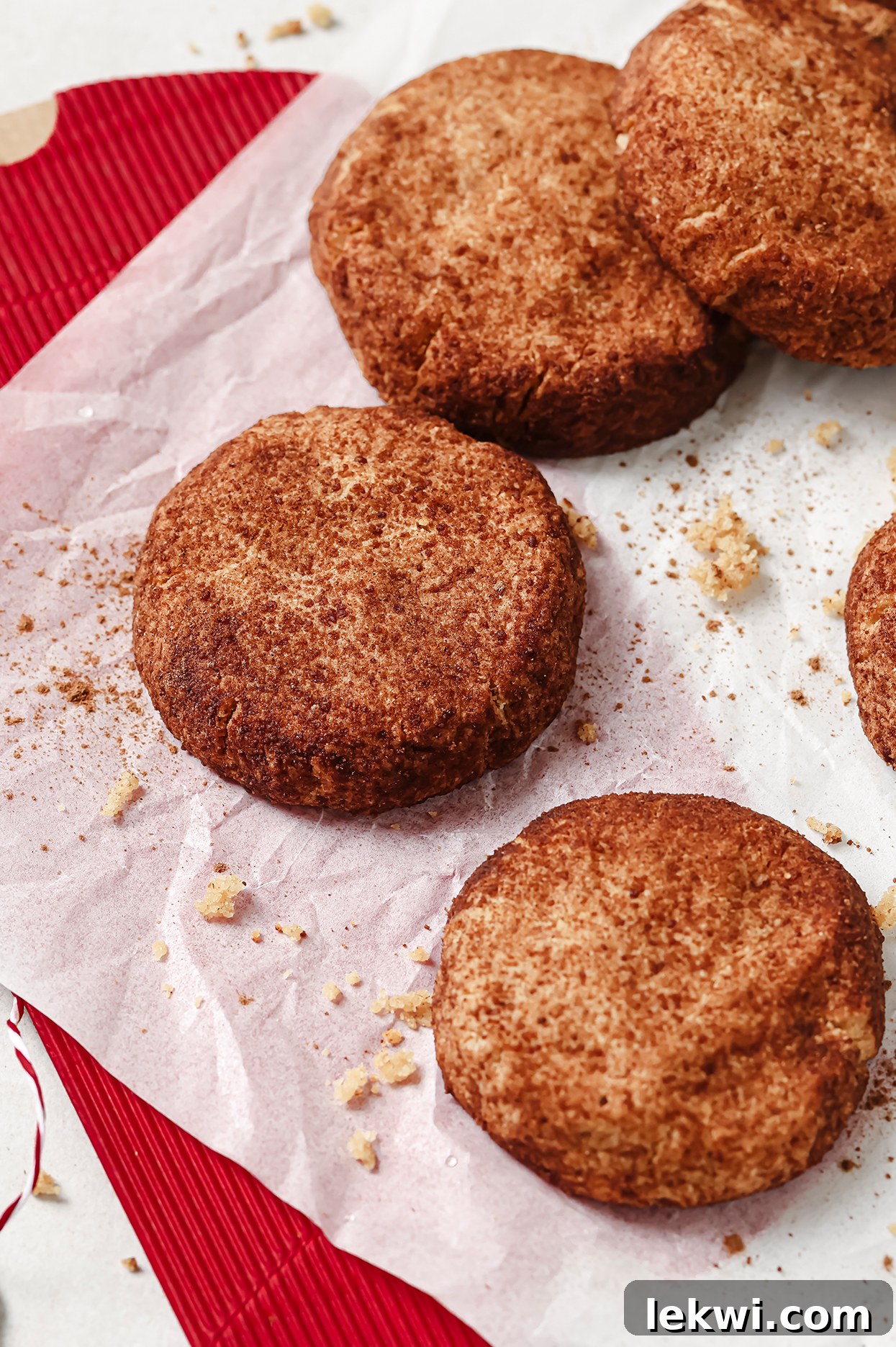
More Gluten-Free & AIP Cookie Recipes to Explore
If you’ve fallen in love with these gluten-free snickerdoodles, you’ll be thrilled to discover other delicious and dietary-friendly treats. Expand your repertoire with these related recipes that offer similar health benefits and irresistible flavors:
- Pumpkin Snickerdoodles: A seasonal twist on the classic, perfect for autumn celebrations.
- Caramel Apple Cookies: Combining the sweet flavors of caramel and apple in a wholesome cookie.
- Paleo Gingersnap Cookies: Spicy, chewy, and wonderfully aromatic – a true comfort cookie.
- Apple Cinnamon Sugar Donut Holes: A fun, bite-sized treat reminiscent of classic apple donuts.
- Snickerdoodle Latte: Extend the snickerdoodle experience beyond cookies with this cozy beverage.
If you tried these Gluten-Free Snickerdoodles or any other recipe on our blog, please leave a ⭐ star rating and let us know how it went in the 🗌️ comments below. Your feedback truly helps others discover and enjoy these wholesome creations. Thank you for visiting!
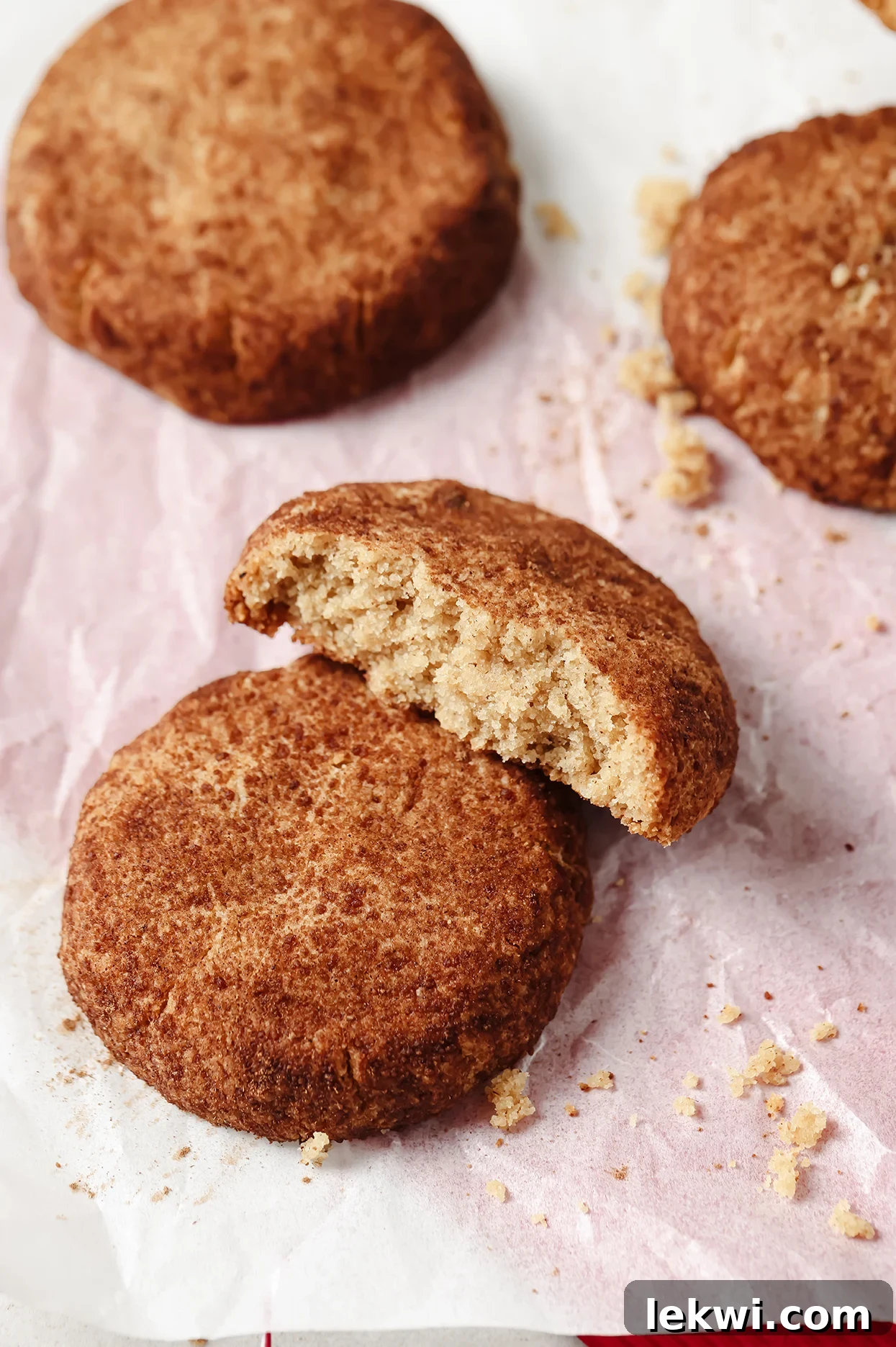
Gluten-Free Snickerdoodle Cookies
Rating: 5 out of 5 stars (based on 7 reviews)
These gluten-free Snickerdoodle cookies are soft cinnamon sugar cookies with the perfect little tang! They’re dairy-free, grain-free and are even AIP-friendly.
Yield: 7 cookies
Prep Time: 10 minutes
Cook Time: 10 minutes
Author: Michelle
Leave a Review
Pin Recipe
Ingredients
- 1 cup tigernut flour
- ¼ cup tapioca starch
- 1 tbsp gelatin (dry powder)
- ⅛ tsp baking soda
- ½ tsp cream of tartar
- ¼ cup maple syrup
- ⅓ cup coconut oil, softened
- ½ tsp vanilla extract
- 2 tsp cinnamon (for coating)
- 2 tbsp coconut sugar (for coating)
Instructions
- Preheat your oven to 375°F (190°C). Line a baking sheet with parchment paper.
- In a large bowl, sift together the tigernut flour, tapioca starch, gelatin, baking soda, and cream of tartar. Ensure all dry ingredients are well combined.
- Pour vanilla extract, maple syrup, and softened coconut oil into the dry mixture. Stir thoroughly until a cohesive, pliable dough forms, with no dry streaks remaining.
- In a separate small bowl or shallow plate, combine the 2 tsp cinnamon and 2 tbsp coconut sugar to create the coating mixture.
- Roll the cookie dough into 7-8 small, uniform balls. Roll each dough ball generously in the cinnamon-sugar mixture until it is lightly but completely coated.
- Place the coated dough balls on the prepared baking sheet, ensuring they are evenly spaced. Use the palm of your hand or the bottom of a glass to lightly press down each ball into a disk shape.
- Bake in the preheated oven for 10-12 minutes. The cookies should be set around the edges but still appear soft in the center.
- Remove from the oven and transfer the cookies to a wire cooling rack to cool completely. This step is essential for them to firm up properly.
- Store cooled cookies in an airtight container in the refrigerator for best freshness, or enjoy them immediately.
Recipe Notes
- If cream of tartar is unavailable, you can substitute with baking powder. In this case, omit the baking soda. Remember that most baking powder contains cornstarch; for a strictly grain-free recipe, seek out a corn-free baking powder.
- When measuring flour, use the spoon and level method (spoon flour into the measuring cup and level it off) to avoid over-packing, especially with tigernut flour which can clump.
Nutrition Information (Estimated Per Serving)
Serving: 1 cookie, Calories: 196kcal, Carbohydrates: 18.7g, Protein: 2g, Fat: 14.3g, Fiber: 5.7g
All nutrition facts are estimated and will vary.
Want to save this recipe for later?
Just drop your name and email below, and we’ll send it straight to your inbox! ✉️