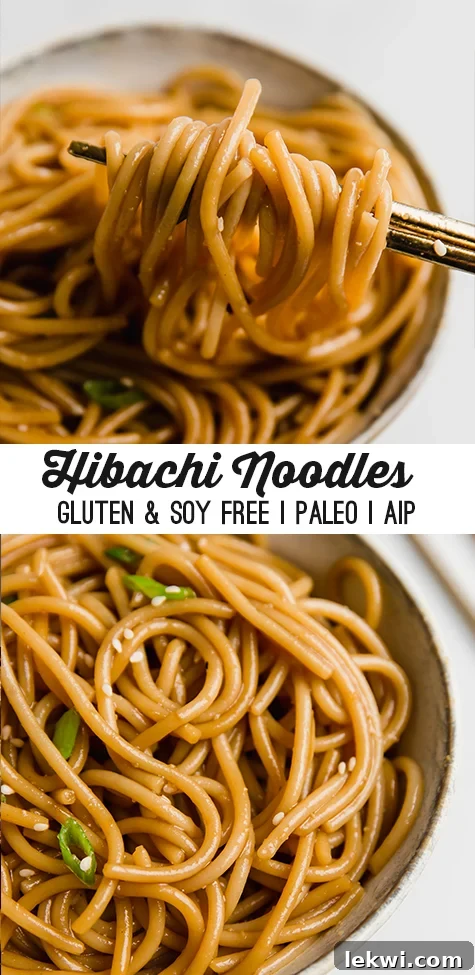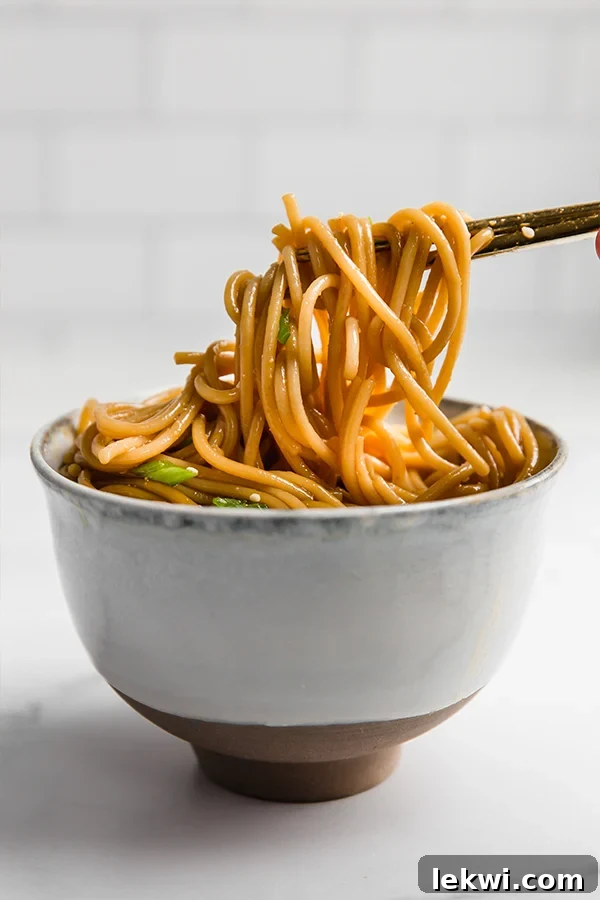
Welcome to your new favorite kitchen adventure! Imagine the sizzling delight of restaurant-quality hibachi noodles, but crafted right in your own home with a wholesome, health-conscious twist. This ultimate recipe guide will show you how to recreate the magic of Japanese steakhouse hibachi noodles, meticulously designed to be gluten-free, paleo, and even vegan-friendly. Get ready to embark on a culinary journey that promises incredible flavor without compromising your dietary needs.
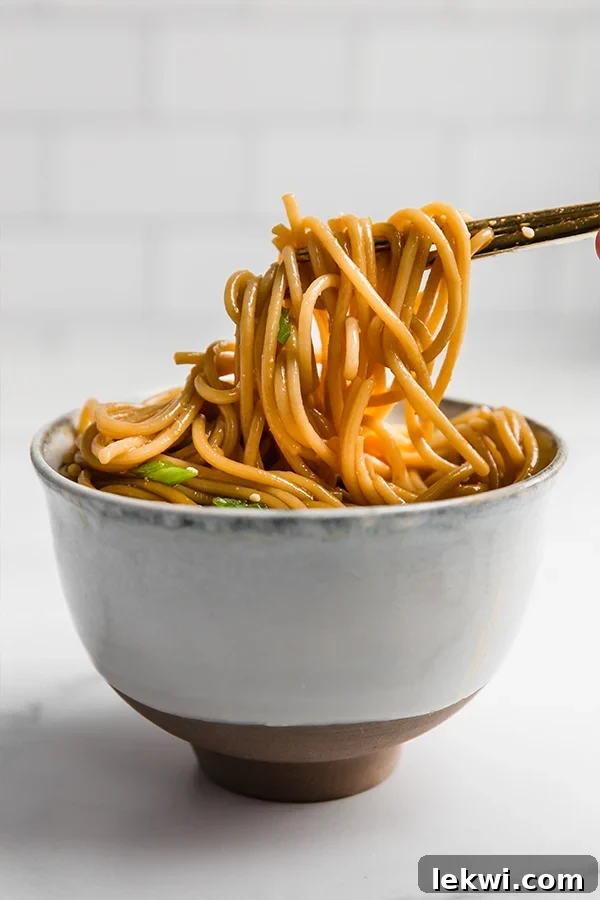
Savor the Flavor: The Ultimate Guide to Homemade Benihana Style Hibachi Noodles (Gluten-Free, Paleo, Vegan Options)
There’s an undeniable allure to a hibachi grill dinner. The vibrant atmosphere, the theatrical cooking, and of course, the incredibly delicious food – especially those irresistible hibachi noodles! As someone who once worked at a Japanese steakhouse, I can attest to the sheer joy and addiction to these flavorful strands of pasta. The sweet, savory, and tangy sauce-coated noodles are a staple, often served alongside grilled meats and vegetables.
For many years, embracing a gluten-free and soy-free lifestyle meant saying goodbye to such restaurant favorites. The thought of never again enjoying those iconic hibachi noodles was disheartening. However, a quest for a healthier alternative led to the creation of this recipe, and I promise you, it delivers on taste, texture, and ease. This homemade version not only rivals the authentic experience but also caters to a range of dietary preferences, making it paleo, easily adaptable for AIP (Autoimmune Protocol), and entirely vegan.
Unveiling the Magic of Hibachi Noodles: A Culinary Journey from Grill to Home Kitchen
Hibachi, derived from the Japanese word for “fire bowl,” refers to a cooking style where food is prepared on an open-top, heated grill surface, often right in front of diners. This interactive experience is a cornerstone of Japanese steakhouses, making the meal as much about entertainment as it is about taste. Among the various dishes served, hibachi noodles stand out for their delightful simplicity and profound flavor. Traditionally, they are made with yakisoba noodles and a rich, soy-based sauce infused with garlic, ginger, and a hint of sweetness.
The beauty of recreating this dish at home lies in your ability to control every ingredient, ensuring it aligns perfectly with your health goals and dietary restrictions. Many traditional Asian-inspired dishes rely heavily on soy sauce and refined sugars, which can be problematic for those with sensitivities or specific dietary plans. Our recipe carefully sidesteps these common culprits, offering a vibrant and equally satisfying alternative that is both delicious and nourishing.
Crafting Your Perfect Hibachi Noodle Sauce: The Heart of the Dish
The secret to exceptional hibachi noodles isn’t just in the cooking method; it’s profoundly in the sauce. This sweet, savory, and subtly tangy concoction coats every strand of noodle, transforming a simple ingredient into a flavor powerhouse. Our sauce mimics the traditional profile but utilizes ingredients that are kinder to your gut and body, making it a star player in our health-conscious version.
Essential Ingredients for the Sauce (and Why They Work)
- Coconut Aminos: This is our superstar soy-free replacement for traditional soy sauce. Made from the sap of coconut blossoms, coconut aminos offer a rich, salty, and slightly sweet umami flavor that is remarkably similar to soy sauce, but without the soy or gluten. It’s a game-changer for anyone following paleo, AIP, or gluten-free diets.
- Apple Cider Vinegar: Providing that essential tangy brightness, apple cider vinegar cuts through the richness and adds a delightful zing to the sauce. Opt for raw, unfiltered apple cider vinegar for added health benefits, though any variety will work for flavor.
- Garlic Paste: Fresh garlic is non-negotiable for authentic hibachi flavor. Garlic paste ensures a smooth, intense garlic infusion throughout the sauce, rather than chunky bits of minced garlic. If you don’t have paste, simply mince 3 cloves of fresh garlic very finely for a comparable result.
- Coconut Sugar: To achieve the signature sweetness without using refined sugars, we turn to coconut sugar. It has a lower glycemic index and a caramel-like flavor that beautifully complements the other savory ingredients in the sauce. It’s a natural, unrefined sweetener that aligns perfectly with paleo and health-focused eating.
- Salt & Black Pepper: Essential seasonings that enhance all the other flavors. Use a good quality sea salt. For those following the AIP protocol, remember to omit black pepper.
Choosing Your Noodles: Gluten-Free & Dietary Friendly Options
While traditional hibachi restaurants often use yakisoba noodles, the beauty of homemade hibachi noodles lies in your ability to choose the pasta that best suits your dietary needs. The goal is a noodle that can absorb the rich sauce while maintaining a pleasant chew.
- Gluten-Free Spaghetti: For a classic “spaghetti” like texture that holds up well, any high-quality gluten-free spaghetti works wonderfully. Look for brands made from brown rice or corn.
- Jovial Brown Rice Spaghetti: A fantastic choice for a reliable gluten-free option. It cooks perfectly al dente and has a neutral flavor that allows the hibachi sauce to shine.
- Jovial Cassava Pasta: This is the ideal option for those following strict AIP or paleo diets. Made from cassava, it’s grain-free and holds its texture well, providing a satisfying bite without any inflammatory ingredients.
When cooking your chosen noodles, always follow package directions, but aim for al dente. Overcooked noodles can become mushy and won’t properly absorb the sauce.
Assembling Your Hibachi Feast: Beyond the Noodles
Once your sauce is prepared and your noodles are cooked, a few additional ingredients bring the entire dish together, creating that authentic hibachi experience.
- Ghee or Butter: The fat used for sautéing is crucial for adding richness and helping the sauce cling to the noodles. Ghee (clarified butter) is a great option for paleo and adds a wonderful nutty flavor. Traditional butter can also be used.
- Coconut Oil: For a completely vegan and AIP-compliant option, coconut oil works beautifully. Its mild flavor won’t overpower the sauce, and it provides a smooth sautéing medium.
- Sesame Seeds & Green Onion: These are your finishing touches, adding both visual appeal and a burst of fresh flavor. Toasted sesame seeds offer a subtle crunch and nutty aroma. Freshly chopped green onions provide a mild, oniony bite and vibrant color. Remember to omit sesame seeds if you are following AIP.
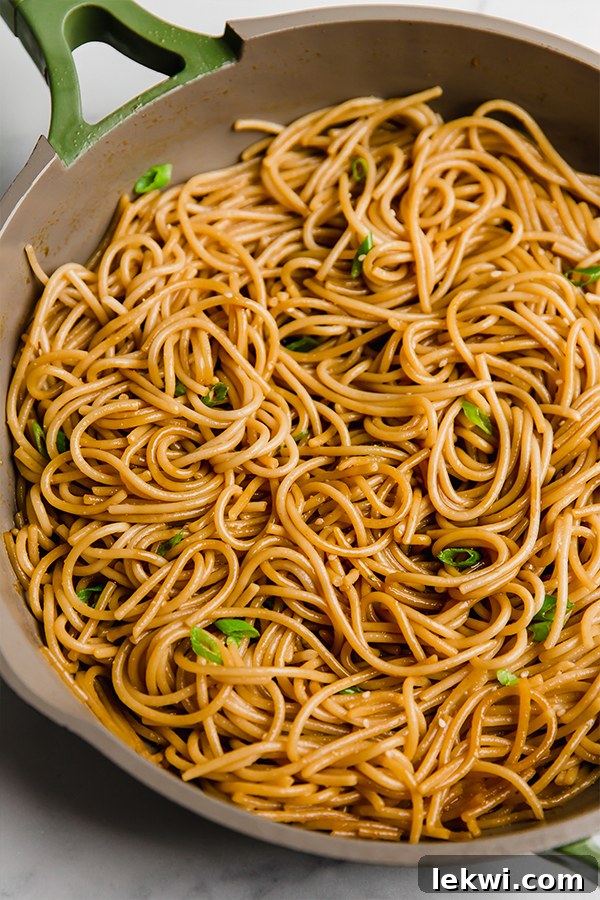
Step-by-Step: How to Master Homemade Hibachi Noodles Like a Pro
Creating these delicious hibachi noodles at home is surprisingly simple, requiring just a few steps. Follow this detailed guide to ensure perfect results every time.
Prepare Your Flavorful Sauce
The sauce is the soul of this dish, so let’s get it right. In a medium-sized bowl, combine the coconut aminos, apple cider vinegar, garlic paste (or finely minced garlic), coconut sugar, salt, and black pepper (if using). Whisk these ingredients vigorously until the coconut sugar is fully dissolved and the sauce is well-integrated. Taste and adjust seasonings as needed – you might want a little more sweetness or tang depending on your preference. Set this mixture aside; allowing it to rest briefly can help the flavors meld even more deeply.
Cook Your Chosen Noodles to Perfection
Bring a large pot of salted water to a rolling boil. Add your chosen gluten-free spaghetti or cassava pasta, ensuring there’s enough water for the noodles to move freely. Cook according to the package instructions until the noodles are al dente – firm to the bite, but cooked through. Avoid overcooking, as mushy noodles won’t have the desired texture. Once cooked, drain the noodles thoroughly. There’s no need to rinse gluten-free pasta unless specified by the manufacturer, as the starch helps the sauce adhere better.
The Sizzle and Combine: Bringing it All Together
Heat your ghee, butter, or coconut oil in a large, deep pan or skillet over medium heat. Allow the fat to melt and shimmer slightly, but don’t let it smoke. Add the cooked and drained spaghetti to the pan. Immediately pour the prepared sauce mixture over the noodles. Using tongs or a large spoon, toss and stir the noodles continuously. The goal is to thoroughly coat every strand with the flavorful sauce. Continue to stir and sauté for 2-3 minutes, allowing the noodles to absorb the sauce and heat through completely. You’ll notice the noodles develop a beautiful glaze as they cook.
Garnish and Serve
Once the noodles are perfectly coated and heated, transfer them to serving bowls. Garnish generously with toasted sesame seeds (if not AIP) and freshly chopped green onions. Serve immediately to enjoy the best texture and flavor. These noodles are fantastic on their own or as a vibrant side dish to your favorite hibachi-inspired main course.
Frequently Asked Questions About Homemade Hibachi Noodles
What makes hibachi noodles so unique?
Hibachi noodles gain their unique appeal from a combination of factors: the savory, sweet, and tangy sauce that coats them; the often interactive and theatrical cooking method on a flat-top grill (even when recreated at home); and their versatile ability to pair with various proteins and vegetables. Our homemade version captures this essence by focusing on a perfectly balanced sauce and well-cooked noodles, ensuring that every bite delivers that restaurant-quality satisfaction.
Can I add protein or vegetables to my hibachi noodles?
Absolutely! Adding protein and vegetables is a fantastic way to turn these noodles into a complete and even more satisfying meal.
- Proteins: Cooked cubed chicken, shrimp, thinly sliced beef (like sirloin or flank steak), or even tofu can be added. Simply cook your protein of choice separately until done, then toss it into the pan with the noodles and sauce during the final combining step. You might want to reserve a little extra sauce to ensure everything is well coated.
- Vegetables: Enhance the nutritional value and texture by incorporating finely chopped or thinly sliced vegetables. Broccoli florets, shredded carrots, sliced mushrooms, diced onions, bell peppers (for those not on AIP), or even snap peas would be excellent additions. Sauté them briefly in a separate pan or in the same pan before adding the noodles, until they are tender-crisp. Then combine with the noodles and sauce.
Best practices for making hibachi noodles ahead of time and reheating?
While these noodles are undeniably at their best when served fresh, they can be prepared ahead of time and reheated with excellent results.
- Storage: Allow the cooked noodles to cool completely before transferring them to an airtight glass container. Store them in the refrigerator for up to 3-4 days.
- Reheating: To reheat, place the noodles in a pan over medium-low heat. Add a tablespoon or two of water or extra coconut aminos to help loosen them up and prevent sticking. Stir gently and cook until the noodles are thoroughly warmed through and softened to your liking. Avoid high heat, which can dry them out or cause them to stick to the pan.
What main dishes pair well with these delectable noodles?
These versatile hibachi noodles make an excellent side dish for a variety of Asian-inspired main courses. Their savory profile complements grilled meats, stir-fries, and even some lighter seafood dishes. Consider serving them alongside:
- Teriyaki Chicken Stir-Fry: The sweet and savory notes of teriyaki chicken perfectly complement the tang and umami of the noodles.
- Hibachi Chicken: For a truly authentic hibachi experience, serve the noodles with tender, grilled hibachi chicken.
- Mongolian Beef: The rich, slightly spicy flavors of Mongolian beef create a dynamic contrast with the simpler, yet deeply flavorful noodles.
- Grilled Shrimp or Salmon: A lighter protein option that allows the noodles to shine.
- Steamed or Roasted Vegetables: Broccoli, asparagus, or green beans can add a fresh, crisp element to the meal.
Unlock More Asian-Inspired Favorites
If you’ve fallen in love with these homemade hibachi noodles, you’ll be thrilled to explore other delicious and healthy Asian-inspired recipes that cater to similar dietary needs:
- Ground Beef Ramen Noodle Stir Fry
- Japchae | Korean Noodle Stir Fry
- Beef and Broccoli Lo Mein
- Chicken and Ramen Stir Fry
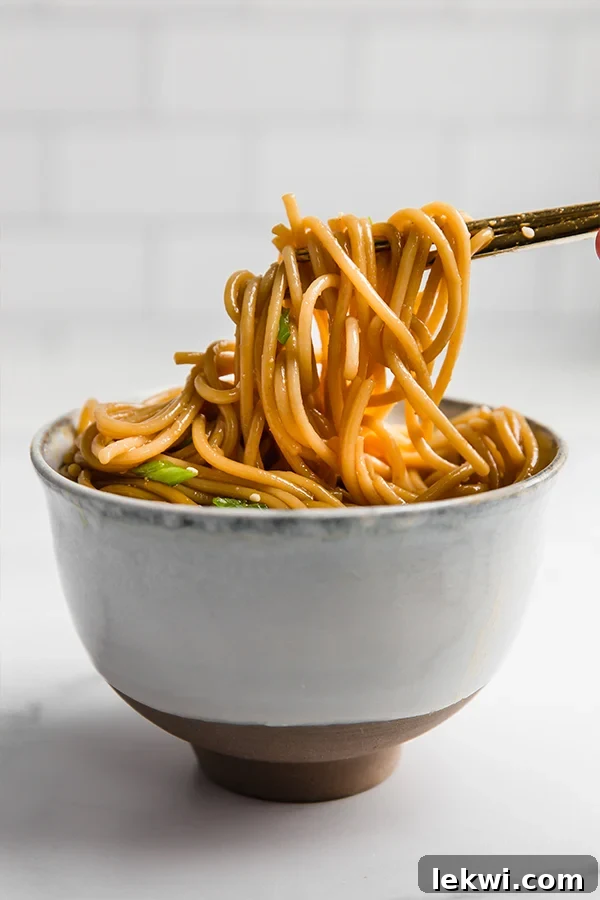
The Best Benihana Style Homemade Hibachi Noodles (Gluten free)
4 servings
Michelle
Ingredients
- ¼ cup coconut aminos
- 1 tsp apple cider vinegar
- 1 tbsp garlic paste, sub 3 cloves garlic, minced
- 1 tbsp coconut sugar
- ⅓ tsp salt
- ¼ tsp black pepper, omit for AIP
- 3 tbsp ghee, sub coconut oil for AIP/vegan
- 12 oz gluten-free spaghetti, cooked through (use Jovial Brown-rice for GF, or Jovial cassava pasta for AIP/paleo)
- 2 tsp sesame seeds, omit for AIP
- 1 tbsp green onion, chopped
Instructions
- In a medium bowl, whisk the coconut aminos, garlic paste, apple cider vinegar, coconut sugar, and salt and pepper together. Set aside.
- Heat the ghee in a large deep pan over medium heat until melted. Add the cooked spaghetti and top with the sauce mixture. Stir to coat until the pasta is thoroughly coated.
- Serve topped with sesame seeds and green onion.
Notes
All nutritional information are estimations and will vary. Estimations do not include optional ingredients.
Nutritional Information (Estimated per Serving):
- Serving: 1 serving
- Calories: 229kcal
- Carbohydrates: 36.2g
- Protein: 1.5g
- Fat: 10.1g
- Fiber: 1.5g
Why You’ll Love This Recipe
These homemade hibachi noodles are more than just a meal; they’re an experience. They bring the excitement and flavors of a Japanese steakhouse right to your dining table, but with the added peace of mind that comes from knowing exactly what ingredients are going into your food. Whether you’re managing dietary restrictions or simply looking for a delicious, easy-to-make weeknight dinner, these noodles are sure to become a cherished family favorite. Enjoy the rich, savory, and perfectly balanced flavors that will have everyone asking for seconds!