Are you tired of the same old breakfast routine? Do you often find yourself scrambling for a healthy morning meal, or perhaps realizing you’re not getting enough vegetables to start your day strong? Many of us face these dilemmas, feeling stuck in a breakfast rut that lacks both variety and vital nutrients. But what if we told you there’s a simple, delicious, and incredibly versatile solution that will not only revitalize your breakfast but also significantly boost your daily vegetable intake?
This comprehensive, step-by-step guide is designed to transform your mornings by introducing you to the world of ultimate freezer-friendly veggie breakfast hashes. This innovative approach to meal prep allows you to create vibrant, nutrient-packed vegetable blends ahead of time, ensuring a wholesome and satisfying breakfast is always within reach. Get ready to bid farewell to dull mornings and embrace a revolutionary way to fuel your day!
The concept is simple yet transformative: prepare individual vegetable packs, freeze them, and then transform them into delectable hashes whenever hunger strikes. This method is not just about convenience; it’s about empowering you to make healthier choices effortlessly. Imagine waking up knowing a flavorful, veggie-loaded meal is just minutes away, without any last-minute chopping or extensive cooking. This guide will walk you through everything, from selecting the best vegetables to mastering various cooking methods, ensuring your breakfast game is forever changed.
Why Freezer-Friendly Veggie Breakfast Hashes Are a Game Changer
Incorporating freezer-friendly vegetable hashes into your meal rotation offers a multitude of benefits that extend beyond just convenience. These versatile packs are designed to simplify your mornings while ensuring you kickstart your day with a nourishing and satisfying meal.
1. Effortless Meal Prep for Busy Lifestyles
One of the standout advantages of these veggie hashes is the ease of preparation. In just about 15-20 minutes, you can prep several batches of vegetable packs, setting yourself up for healthy breakfasts throughout the week or even month. This significantly cuts down on daily cooking time, making it ideal for busy individuals or anyone who wants to enjoy a delicious, homemade meal without the morning rush. The ability to double or triple your batches means you’ll always have a supply of wholesome vegetables readily available, reducing the temptation for less healthy options.
2. A Foundation for Healthy Eating
At their core, these hashes are packed with a diverse array of vegetables, making them one of the healthiest bases you can choose for breakfast. Starting your day with a generous serving of veggies provides essential vitamins, minerals, and dietary fiber. This not only supports digestive health but also contributes to sustained energy levels and a feeling of fullness, helping to prevent those mid-morning energy slumps. It’s an excellent way to effortlessly increase your daily vegetable intake and foster a more balanced diet.
3. Unmatched Versatility and Customization
The beauty of freezer breakfast hashes lies in their incredible versatility. The possibilities for customization are truly endless, allowing you to tailor each meal to your taste preferences, dietary needs, or whatever ingredients you have on hand. You can easily switch up the types of vegetables, experiment with different proteins (like eggs, bacon, or ground turkey), and add a variety of herbs and spices to create unique flavor profiles every time. This adaptability ensures that your breakfast never gets boring and always feels fresh and exciting.
Choosing Your Vegetables: Crafting the Perfect Hash Packs
The key to a truly outstanding freezer breakfast hash starts with selecting the right vegetables and creating balanced combinations. We’ve curated a few delicious themes to inspire your meal prep, but feel free to mix and match based on your preferences and what’s in season.
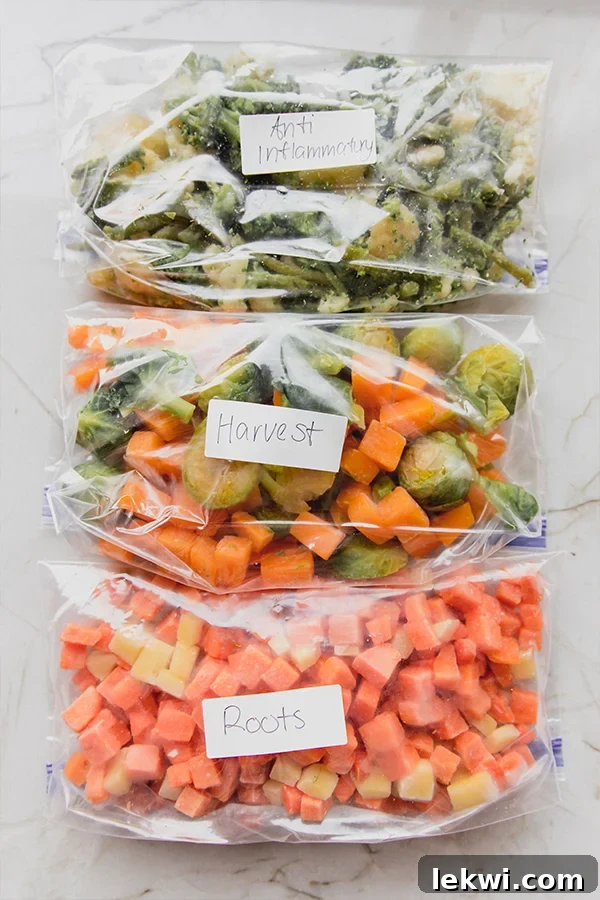
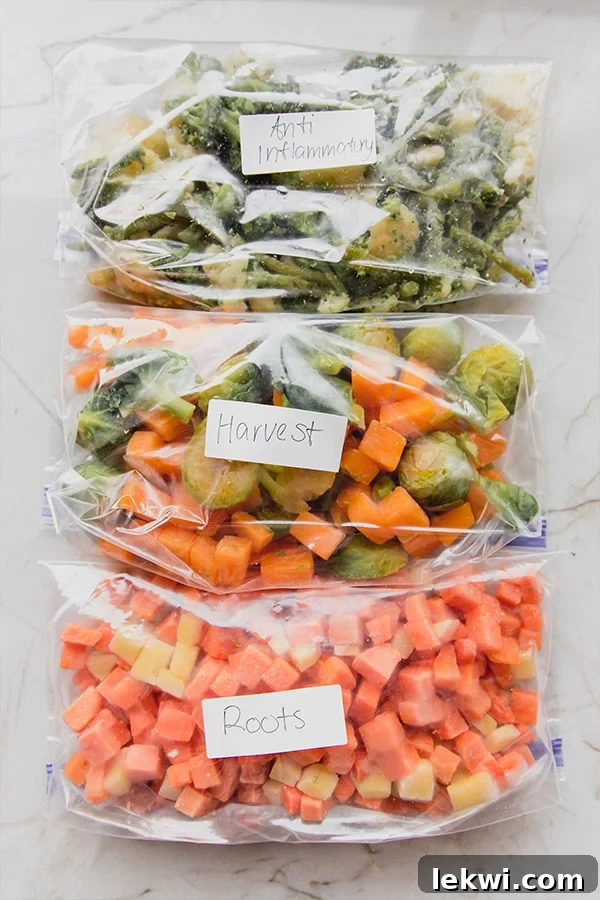
- The Anti-Inflammatory Boost Hash: This vibrant blend focuses on vegetables known for their anti-inflammatory properties, providing a healthful start to your day.
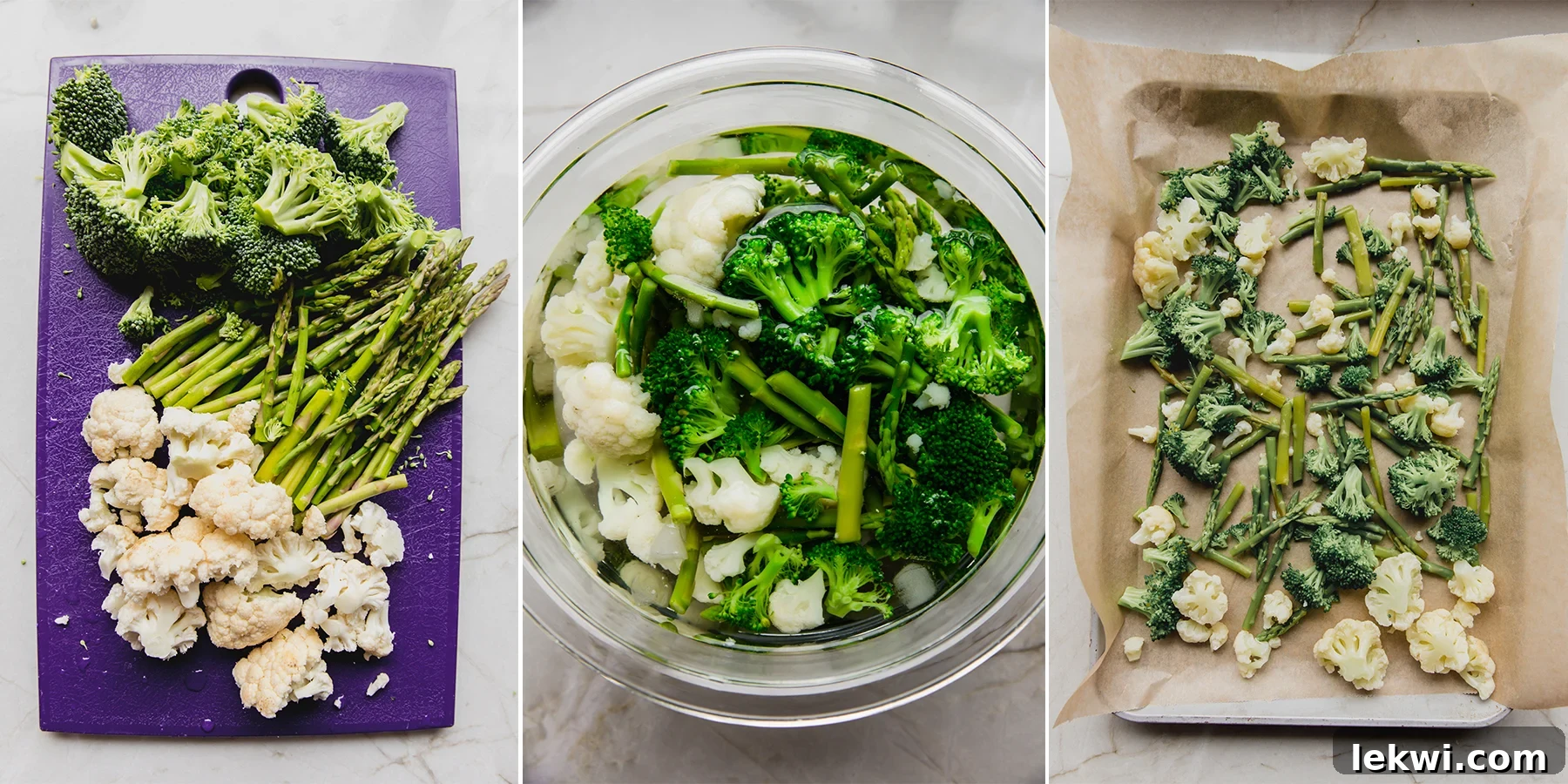
- Vegetables: Broccoli florets, cauliflower florets, and chopped asparagus. These offer a good mix of textures and nutrients.
- Why it works: Rich in antioxidants and fiber, perfect for supporting overall wellness.
- The Hearty Harvest Hash: Perfect for cooler months or when you crave something comforting and subtly sweet.
- Vegetables: Cubed butternut squash and halved Brussels sprouts.
- Why it works: Butternut squash adds a natural sweetness and creamy texture, while Brussels sprouts provide a savory crunch and are packed with vitamins.
- The Nourishing Root Hash: A grounding and wholesome option, rich in complex carbohydrates and earthy flavors.
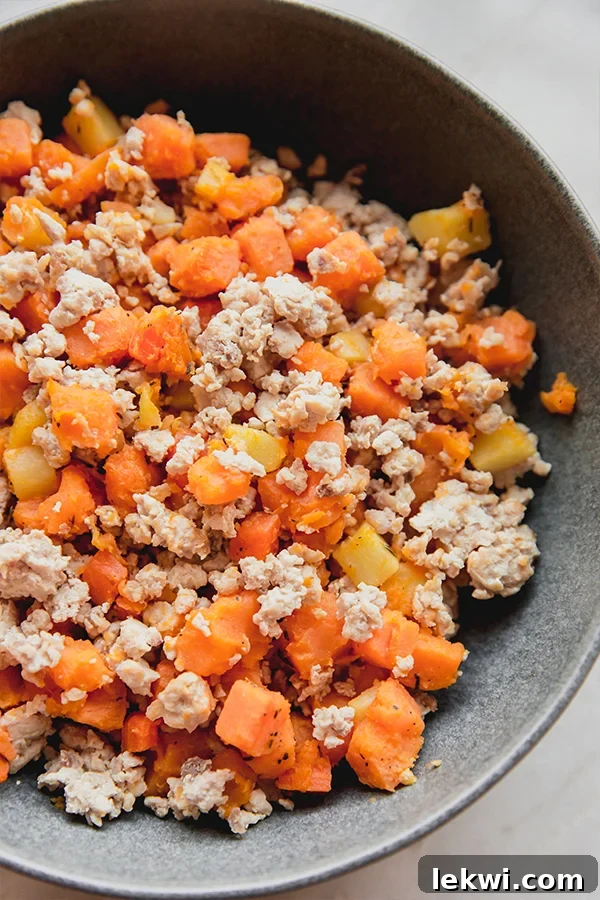
- Vegetables: Peeled and diced sweet potato, carrots, and parsnip.
- Why it works: Root vegetables are excellent sources of energy and fiber, offering a sweet and savory depth to your hash.
Elevating Your Hash with Proteins and Flavor Boosters
While the vegetables form the delicious foundation, adding proteins and aromatic herbs can transform your hash into a complete, satisfying meal. Don’t limit yourself to these suggestions; think of them as starting points for culinary creativity!
- Proteins: To make your hash a complete meal, consider adding cooked proteins. Options like savory ground turkey, crispy bacon, breakfast sausage, or perfectly cooked eggs (fried, scrambled, or poached on top) are fantastic choices. For plant-based options, cooked lentils, black beans, or crumbled tofu can add a hearty touch.
- Herbs & Spices: Fresh herbs like thyme, rosemary, parsley, and chives can add bright, fresh notes. For dried spices, think garlic powder, onion powder, smoked paprika, or a pinch of chili flakes for a kick. Seasoning with salt and freshly ground black pepper (omit pepper for AIP diets) is always essential to bring out the best flavors.
- Extra Add-ins: Consider diced onions, bell peppers, or mushrooms added to your veggie packs for even more flavor and nutrition. A squeeze of lemon juice or a dash of hot sauce after cooking can also brighten things up.
The Master Guide: How to Prep Freezer Vegetable Packs
Properly preparing your vegetables for freezing is crucial for maintaining their texture, flavor, and nutritional value. This blanching and flash-freezing method ensures your veggies will cook up perfectly crisp, not mushy, when you’re ready to make your hash.
- Step 1: Precision Chopping for Even Cooking. Begin by thoroughly washing all your chosen vegetables. Then, peel and chop them into uniform, bite-sized pieces. This step is more important than you might think; consistent sizing ensures that all the vegetables cook evenly, both during the initial blanching phase and when you eventually turn them into a hash. Aim for pieces roughly ¼ to ½ inch in size.
- Step 2: Blanching – The Secret to Preserving Quality. Bring a large pot of water to a rolling boil. Carefully add your chopped vegetables to the boiling water. Let them boil for precisely 5 minutes. This process, known as blanching, is vital. It partially cooks the vegetables, brightens their color, and, most importantly, deactivates enzymes that can cause them to lose flavor, color, and texture during freezing. You want them to be just barely softened, still retaining a slight crispness.
- Step 3: The Ice Bath Shock – Halting the Cooking Process. Immediately after 5 minutes, strain the blanched vegetables from the hot water. Transfer them directly into a large bowl filled with ice water (an “ice bath”). Let them sit in the ice bath for 5 minutes. This rapid cooling, or “shocking,” immediately stops the cooking process, preventing them from becoming overcooked and mushy. It also helps to lock in their vibrant color and firm texture, which is key for a delicious hash.
- Step 4: Ensuring Complete Dryness for Optimal Freezing. After the ice bath, drain the vegetables thoroughly. Spread them out in a single layer on a clean kitchen towel or several layers of paper towels. Gently pat them completely dry. This step is critical; any excess moisture on the vegetables will turn into ice crystals in the freezer, leading to freezer burn and a degraded texture. Ensure they are as dry as possible before moving to the next step.
- Step 5: Flash Freezing and Smart Storage. Arrange the completely dry vegetables in a single layer on a large baking sheet. This “flash freezing” step prevents them from clumping together, allowing you to easily portion them out later. Place the baking sheet in the freezer for at least 2-3 hours, or until the vegetables are solid. Once frozen solid, transfer the individual vegetable pieces into freezer-safe bags or airtight containers. Label each bag with the type of vegetables and the date, then return them to the freezer. They can be stored for up to 3 months, ready to be transformed into a delicious hash whenever you desire.
Transforming Frozen Veggies into Delicious Hashes: Three Dynamic Cooking Methods
Now that your freezer is stocked with wholesome veggie packs, it’s time to learn how to turn them into hot, satisfying breakfast hashes. We’ll explore three versatile cooking methods, each offering a slightly different texture and convenience level. Remember, the golden rule for all these methods is to cook the vegetables directly from frozen – do not defrost them first!
1. Stovetop Sauté for Quick & Crispy Hashes
The stovetop method is perfect for a fast, flavorful hash with lovely crisp edges. It’s ideal for when you want to combine your veggies with pre-cooked proteins for a truly speedy meal.
- Preparation: Choose a large, deep skillet or cast-iron pan that can hold your veggie pack in a single layer. Heat 1-2 tablespoons of high-smoke-point oil, such as avocado oil, over medium-high heat until shimmering.
- Cooking the Veggies: Carefully add your frozen veggie pack to the hot skillet. Spread them out in an even layer. Sauté for 8-10 minutes, stirring occasionally. The key is to allow the vegetables to sit undisturbed for a few minutes between stirs to develop that desired golden-brown crispness. Continue cooking until they are tender-crisp and lightly browned.
- Adding Protein & Seasoning: Once the vegetables reach your desired texture, stir in your cooked protein of choice – perhaps half a pound of cooked ground turkey or chicken sausage. Season generously with salt, pepper, and your favorite fresh or dried herbs (like thyme or rosemary). Toss everything together to combine and heat through for another 1-2 minutes. Serve immediately!
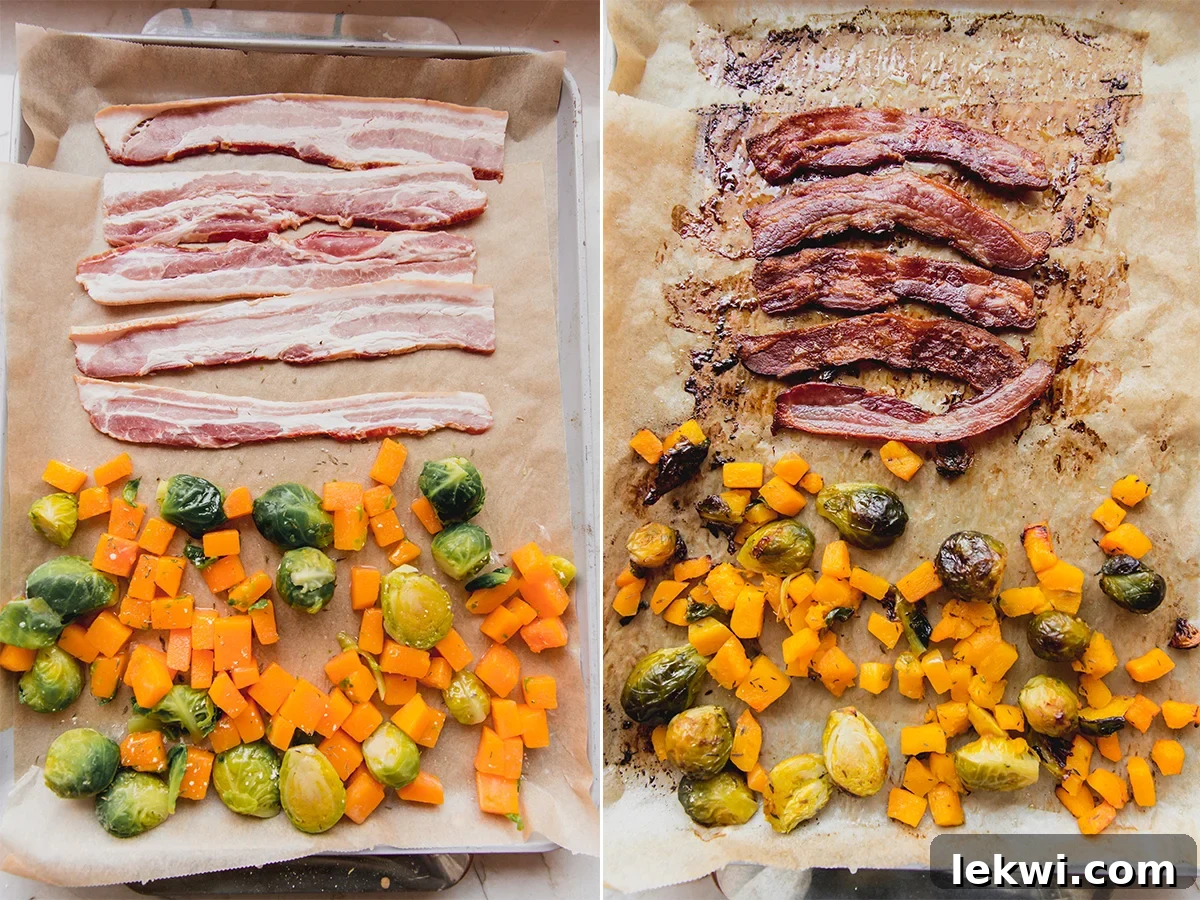
2. Oven-Baked Bacon Hash: Crispy Perfection on a Sheet Pan
For a hands-off approach that yields perfectly crispy vegetables and bacon, the oven-baked sheet pan method is a fantastic choice. This is great for feeding a crowd or when you prefer not to stand over the stove.
- Preheat & Prepare: Preheat your oven to 400°F (200°C). Line a large sheet pan with parchment paper for easy cleanup.
- First Bake (Veggies): Empty one frozen veggie pack onto the prepared sheet pan. Drizzle with avocado oil and season generously with salt and pepper. Spread the vegetables into an even layer. Bake for 10 minutes to give the veggies a head start on cooking and crisping.
- Adding Bacon & Second Bake: After 10 minutes, remove the sheet pan from the oven. Using a spatula, carefully push the partially cooked vegetables to one side of the pan, creating space. Lay 4-5 strips of bacon (or your desired amount) in a single layer on the other side of the pan. Return the sheet pan to the oven and continue baking for another 20 minutes, or until the bacon is perfectly crisp and the vegetables are tender and golden-brown. Keep an eye on the bacon to prevent burning.
- Finish & Serve: Once cooked, remove from the oven. You can chop the bacon and mix it with the vegetables directly on the pan, or serve separately. Season with fresh herbs like chopped parsley or chives for a burst of flavor.
3. Effortless Sheet Pan Eggs & Vegetables: A Complete Breakfast
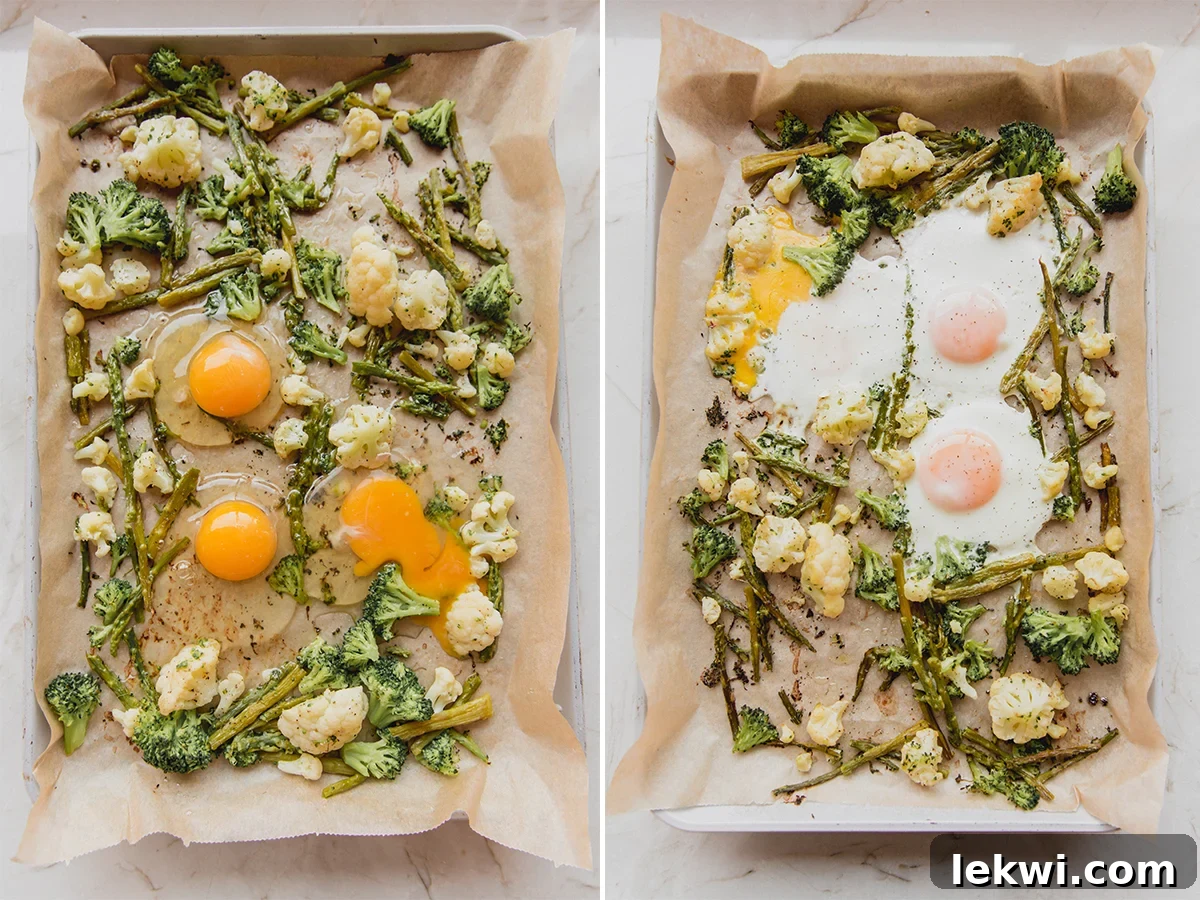
This method combines your prepped veggies with eggs all on one sheet pan, creating a convenient and hearty breakfast. It’s perfect for a weekend brunch or a more substantial weekday meal.
- Preheat & Prepare: Preheat your oven to 375°F (190°C). Line a large sheet pan with parchment paper.
- Bake the Veggies: Spread one frozen veggie pack onto the sheet pan in an even layer. Drizzle with avocado oil and season with salt and pepper. Bake for 20 minutes, or until the vegetables are tender and lightly crisp around the edges.
- Adding Eggs & Final Bake: Remove the sheet pan from the oven. Create small wells or spaces among the vegetables, then carefully crack 2-3 eggs (or more, depending on servings) directly onto the sheet pan. Return the pan to the oven for approximately 8-12 minutes, or until the eggs are cooked to your desired doneness – runny, jammy, or firm yolks.
- Season & Enjoy: Once the eggs are cooked, remove the sheet pan from the oven. Season the eggs and vegetables with a final sprinkle of salt, pepper, and fresh herbs (such as chives or dill). Serve directly from the pan or transfer to plates.
Expert Tips for Freezer Hash Success
To ensure your freezer breakfast hash experience is consistently delicious and hassle-free, keep these invaluable tips and tricks in mind:
- Mix It Up, But Mind the Cook Times: Feel free to experiment with different vegetable combinations! The beauty of these packs is their versatility. However, when swapping or adding vegetables, try to stick with ingredients that have similar cook times. This ensures everything cooks evenly and prevents some veggies from becoming mushy while others remain undercooked. For instance, harder root vegetables (like carrots or potatoes) will cook similarly, whereas delicate leafy greens might require a separate addition later in the cooking process.
- Always Cook from Frozen: The Golden Rule: This is arguably the most crucial tip for any frozen vegetable. A common mistake is to defrost frozen vegetables before cooking them. This will inevitably lead to a mushy, watery texture. Instead, always add your vegetable packs directly to a hot pan or oven from frozen. The rapid heat will cook them quickly, allowing them to crisp up beautifully and retain their structure, just like fresh vegetables.
- Don’t Overcrowd Your Pan: Whether using a skillet or a sheet pan, avoid overcrowding the cooking surface. When vegetables are packed too tightly, they steam instead of roast or sauté, preventing them from browning and crisping. Cook in batches if necessary, or use a larger pan to ensure a single, even layer.
- Season Generously: Vegetables need seasoning! Don’t be shy with salt and pepper. Consider adding other spices like garlic powder, onion powder, paprika, or even a pinch of cayenne for extra flavor dimension. Season both before cooking and adjust as needed after.
- Experiment with Oils: While avocado oil is a great neutral choice with a high smoke point, you can also experiment with olive oil for a richer flavor (especially if cooking at lower temperatures) or even a bit of butter for added richness at the end.
- Batch and Label: When making your freezer packs, create several at once. This maximizes your prep time. Always label your freezer bags or containers with the contents (e.g., “Anti-Inflammatory Hash Mix”) and the date it was prepared. This helps you keep track of your stock and ensures you use them within their optimal timeframe (typically up to 3 months).
- Consider Your Cookware: A good quality cast-iron skillet or a sturdy baking sheet can make a significant difference in how evenly and effectively your hash cooks and crisps.
Can You Use Store-Bought Frozen Vegetables?
Technically, yes, you can absolutely use store-bought frozen vegetables to make breakfast hashes. Many people do, and it’s a convenient option when you’re short on time. I often use them myself for quick weeknight meals. However, there’s a common issue you might encounter: inconsistent cuts.
When you buy pre-packaged frozen vegetables, the pieces are often cut in varying sizes. This unevenness can lead to a less-than-ideal cooking experience, resulting in some pieces being burnt while others remain undercooked or soft. If you have the time to freeze your own vegetables using the blanching method outlined above, you’ll generally achieve much better results because you have complete control over the size and uniformity of the cuts. This control ensures a more even cook and a superior texture, making your homemade freezer hash packs a truly worthwhile endeavor.
Beyond Breakfast: Creative Ways to Enjoy Your Veggie Hash
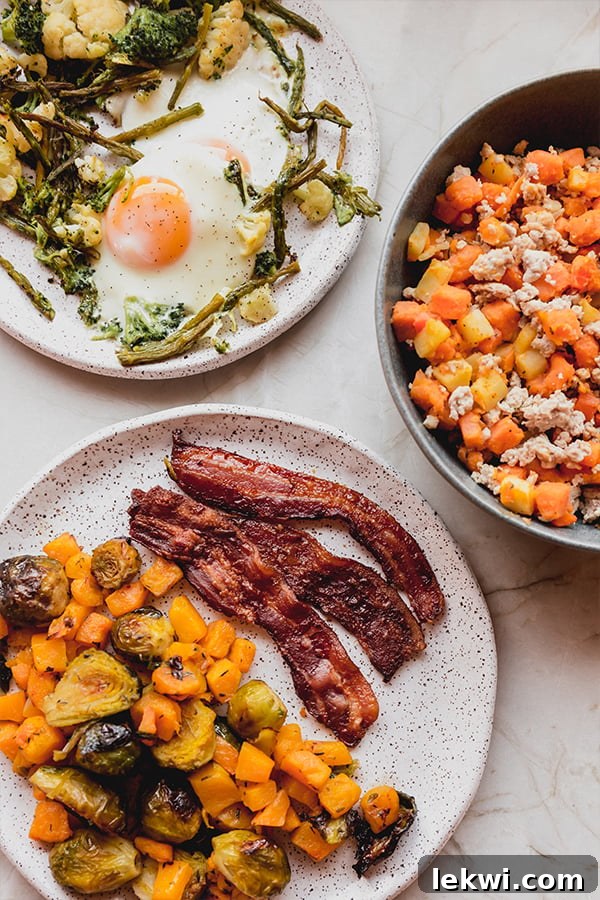
While these veggie packs are designed to revolutionize your breakfast, their versatility extends far beyond the morning meal. Don’t limit yourself! A prepared veggie hash can be a fantastic base for quick and healthy lunches or dinners too.
- Lunch Bowls: Serve a warm veggie hash over a bed of greens, topped with a fried egg, avocado, or a dollop of hummus for a satisfying lunch.
- Dinner Sides: Use the hash as a vibrant and nutritious side dish alongside grilled chicken, fish, or a plant-based protein.
- Burrito or Wrap Fillings: Incorporate your cooked hash into breakfast burritos, wraps, or even quesadillas for a portable and flavorful meal.
- Soup Base: Add a cooked hash to broths or stews for an instant boost of flavor and vegetables.
Conclusion: Embrace a Healthier, Happier Breakfast Routine
Say goodbye to boring breakfasts and hello to a world of flavor, nutrition, and unparalleled convenience with freezer-friendly veggie breakfast hashes. This guide has equipped you with all the knowledge and techniques to effortlessly incorporate more vegetables into your diet, simplify your morning routine, and enjoy delicious, homemade meals any day of the week.
By investing a little time in meal prep now, you’re investing in healthier, happier mornings for weeks to come. So, gather your favorite vegetables, get chopping, and discover how truly transformative this simple method can be. Your future self (and your taste buds!) will thank you!
You’ll Also Love These Related Recipes:
- Carrot Bacon Breakfast Hash
- Mexican-Inspired Breakfast Hash
Freezer Vegetable Breakfast Hash {3 Ways}
4
servings
15
45
Michelle
Ingredients
For the Anti-Inflammatory Veggie Pack
- 1 ½ cup broccoli florets
- 1 ½ cup cauliflower florets
- 1 bunch asparagus, chopped
For the Harvest Veggie Pack
- 2 cups butternut squash, cubed
- 2 cups Brussels sprouts, halved
For the Root Veggie Pack
- 1 ½ cup sweet potato, peeled and diced
- 1 ½ cup carrots, peeled and diced
- 1 cup parsnip, peeled and diced
To Build the Hashes (per serving)
- 1 frozen veggie pack (approx. 3-4 cups)
- 2 tbsp avocado oil
- Your protein of choice: 4-5 strips of bacon, ½ lb cooked ground turkey, or 2-3 eggs
- Salt and pepper (omit pepper for AIP)
- Fresh herbs: thyme, rosemary, parsley, or chives
Instructions
To Make the Freezer Veggie Packs
- Peel and chop the vegetables to similar, bite-sized pieces.
- Bring a large pot of water to a boil and add the vegetables. Boil for 5 minutes to just barely soften (blanch).
- Strain the vegetables and immediately transfer them to an ice bath for 5 minutes to stop the cooking process.
- Completely dry the vegetables using a clean kitchen towel or paper towels.
- Spread the dried vegetables in an even layer on a baking sheet and freeze until solid (flash freeze). Once frozen, transfer to a freezer bag. Keep frozen for up to 3 months before using.
For the Stovetop Veggie Hash
- Using a large, deep skillet, heat 1-2 tbsp of avocado oil over medium-high heat.
- Carefully add the frozen veggies to the hot skillet and sauté for 8-10 minutes, stirring occasionally, until lightly crisp and tender.
- Stir in your cooked protein (e.g., ground turkey) and season with herbs, salt, and pepper to taste. Heat through for another 1-2 minutes.
For the Bacon Veggie Sheet Pan Hash
- Preheat the oven to 400°F (200°C) and line a large sheet pan with parchment paper. Empty a frozen veggie pack onto the sheet pan, drizzle with avocado oil, and season with salt and pepper. Bake for 10 minutes.
- Remove the sheet pan from the oven and carefully move the vegetables to one side of the pan.
- Add the bacon strips to the other side of the pan and return to the oven for 20 minutes, or until the bacon is crisp and the vegetables are golden.
- Season with fresh herbs before serving.
For the Egg and Veggie Sheet Pan Hash
- Preheat the oven to 375°F (190°C) and line a large sheet pan with parchment paper. Empty a frozen veggie pack onto the sheet pan, drizzle with avocado oil, and season with salt and pepper. Bake for 20 minutes or until lightly crisp and tender.
- Remove the sheet pan from the oven. Crack 2-3 eggs directly onto the sheet pan among the vegetables and return to the oven for about 8-12 minutes, or until eggs are cooked to your liking.
- Season with fresh herbs before serving.
Notes
For AIP (Autoimmune Protocol) diet: omit eggs and black pepper.