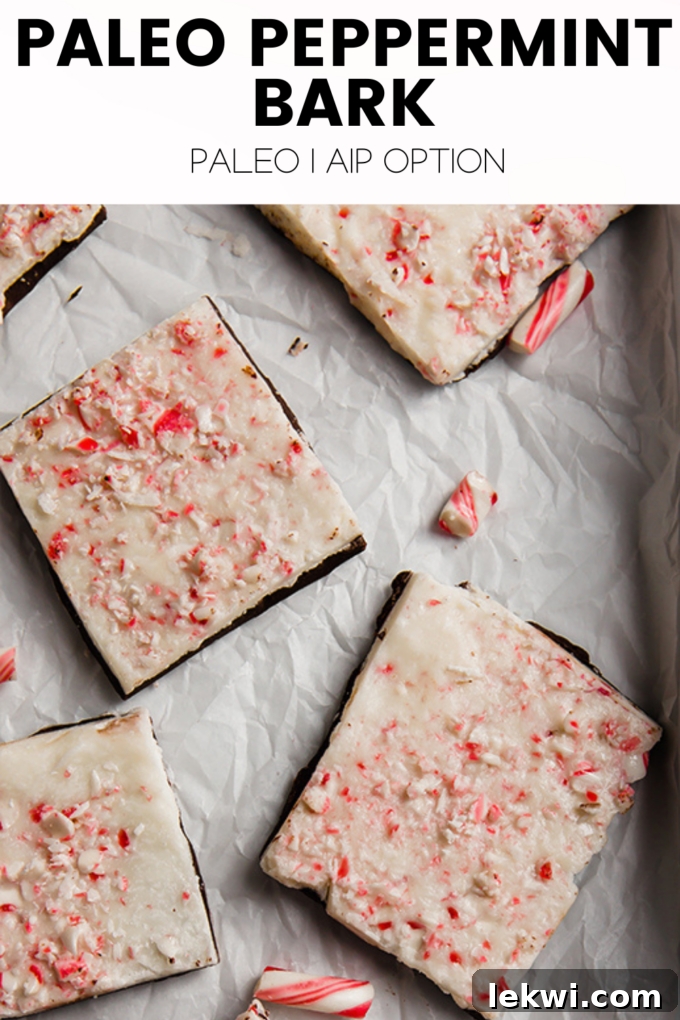
Deliciously Dairy-Free: The Ultimate Paleo Peppermint Bark Recipe
Embrace the festive spirit with a classic holiday treat, reimagined for modern dietary needs! This Paleo Peppermint Bark offers a guilt-free indulgence, meticulously crafted to be dairy-free and suitable for a paleo lifestyle. For those following the Autoimmune Protocol (AIP), we’ve included easy modifications, ensuring everyone can enjoy this refreshing and sweet delight. Forget the compromises often associated with dietary restrictions; this recipe proves that wholesome ingredients can deliver extraordinary flavor and texture, perfectly capturing the essence of the holiday season.
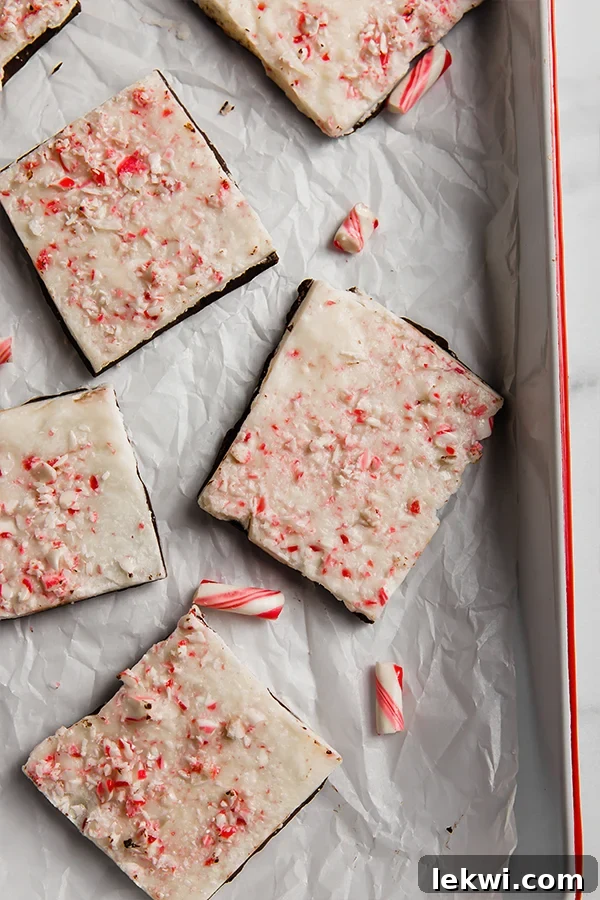
Peppermint bark is a quintessential holiday confection, renowned for its striking layers of dark and white chocolate, infused with cool peppermint, and often topped with crunchy candy cane pieces. Traditionally, this festive favorite is made with dairy-based milk chocolate and white chocolate, along with candy canes that frequently contain corn syrup and artificial dyes. While undeniably delicious, these ingredients can be problematic for individuals managing food sensitivities or specific dietary plans. This recipe offers a refreshing, health-conscious alternative, making it possible for everyone to partake in this beloved seasonal tradition without worry.
Why Choose Paleo Peppermint Bark? A Healthier Holiday Indulgence
The beauty of this paleo peppermint bark lies in its thoughtful ingredient substitutions, which transform a traditional sugar-laden, dairy-heavy treat into a surprisingly wholesome option. By swapping conventional white chocolate for a luscious coconut butter blend, we eliminate dairy entirely, making this recipe perfect for those with lactose intolerance or dairy allergies. Furthermore, by opting for high-quality dairy-free chocolate chips and naturally sweetened elements, we reduce the overall refined sugar content, aligning it with paleo principles. This approach ensures you can enjoy a delightful treat that supports your well-being, rather than hindering it.
Beyond being dairy-free, this recipe also embraces the paleo philosophy, focusing on whole, unprocessed ingredients. This means no artificial flavors, colors, or hydrogenated oils often found in commercial peppermint barks. Instead, you’ll find pure, natural goodness that nourishes your body while satisfying your sweet cravings. The result is a peppermint bark that not only tastes incredible but also leaves you feeling energized and content, a stark contrast to the sugar crash often experienced with conventional holiday sweets. It’s truly a celebration of flavor and health.
Essential Ingredients for Crafting Your Paleo Peppermint Bark
Creating this exquisite paleo peppermint bark requires a few simple yet powerful ingredients, each playing a crucial role in achieving that perfect balance of flavor and texture. The layers are carefully constructed to mimic the classic version while adhering strictly to dairy-free and paleo guidelines.
The Decadent Dark Chocolate Layer
- Dairy-Free Chocolate Chips: The foundation of our bark. Look for high-quality brands like Enjoy Life that are certified dairy-free and often soy-free. For a truly rich flavor, choose chocolate chips with a higher cocoa content (70% or more). If you’re following the AIP protocol, carob chips are an excellent substitute, offering a similar depth of flavor without the inflammatory compounds found in cocoa. Ensure your choice is free from emulsifiers or stabilizers that might contain hidden dairy or soy.
- Coconut Oil: A vital component for achieving the smooth, pourable consistency of the melted chocolate. Coconut oil helps the chocolate set beautifully and adds a subtle richness that complements the peppermint flavor. Use unrefined, virgin coconut oil for the best quality and mildest flavor.
- Peppermint Extract: This provides the signature refreshing kick. Quality matters here; a pure peppermint extract will deliver a clean, vibrant flavor. Start with the recommended amount and adjust to your preference, as potency can vary between brands.
The Creamy Coconut Butter “White Chocolate” Layer
This innovative layer replaces traditional white chocolate, which is typically loaded with dairy and refined sugar. Coconut butter, also known as coconut manna, is simply puréed coconut meat, offering a naturally sweet, rich, and creamy texture that melts in your mouth.
- Coconut Butter: The star of the white layer. When melted, it creates a smooth, luscious base that mimics white chocolate perfectly. It’s naturally sweet and brings a delightful tropical undertone that pairs wonderfully with peppermint. Ensure it’s warmed gently to a pourable consistency.
- Coconut Oil: A small amount of additional coconut oil helps to make the coconut butter layer even smoother and easier to spread, contributing to a pristine, even layer atop the chocolate.
- Honey: A natural, paleo-friendly sweetener that adds just the right touch of sweetness to balance the richness of the coconut butter. If you prefer a stricter AIP approach or wish to use another natural sweetener, maple syrup can be a suitable alternative, though it may subtly alter the flavor profile.
- Peppermint Extract: Infuses the white layer with that unmistakable cool, minty flavor, creating a harmonious blend with the chocolate layer.
The Festive Toppings
The topping is where you add that final visual flourish and textural contrast, enhancing both the look and feel of your peppermint bark.
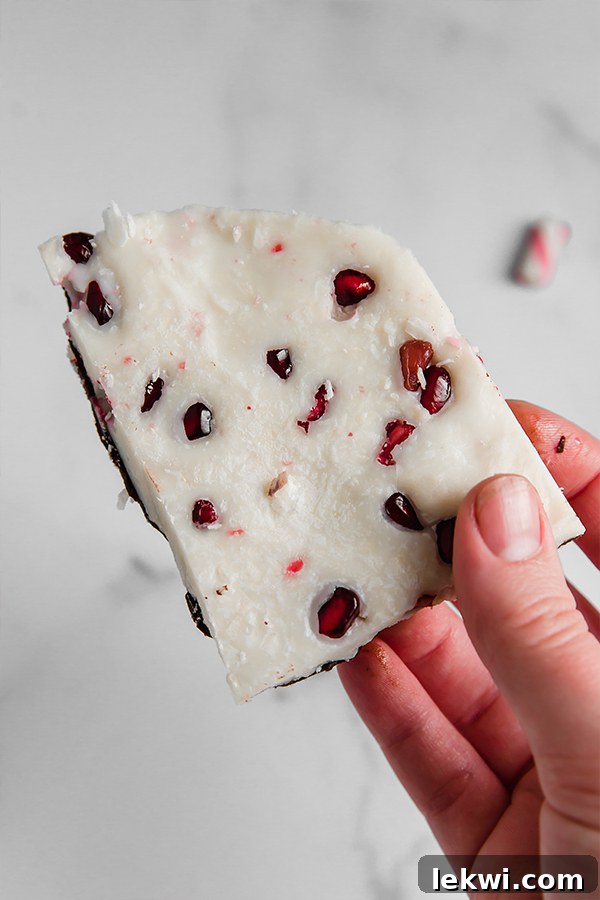
- Pomegranate Seeds: For an AIP-compliant and naturally beautiful topping, pomegranate seeds are an absolute delight. Their vibrant red hue provides a stunning contrast to the white and dark layers, and their slight tartness and juicy burst add a unique, refreshing element that traditional peppermint bark simply can’t offer. It’s a wholesome and unexpectedly delicious twist.
- Candy Canes (Optional, if Tolerated): If you’re not strictly AIP or sensitive to corn syrup/dyes, you can use crushed candy canes for the traditional crunch. Opt for organic, naturally colored candy canes, like those from YumEarth, to minimize artificial ingredients. These still deliver that nostalgic holiday charm and satisfying crunch.
Crafting Your Paleo Peppermint Bark: A Step-by-Step Guide
Making this paleo peppermint bark is a surprisingly straightforward process, perfect for a fun holiday baking project. Follow these detailed steps to ensure your bark turns out perfectly every time.
1. Prepare Your Baking Dish
Begin by lining an 8×8-inch baking pan with parchment paper. Ensure the parchment paper extends up the sides, creating small “handles” that will make it easy to lift the hardened bark out of the pan later. This simple step is crucial for effortless removal and clean edges.
2. Create the Rich Dark Chocolate Layer
In a heatproof bowl, combine your dairy-free chocolate chips and 1 tablespoon of coconut oil. Melt this mixture using a double boiler method (placing the bowl over a pot of simmering water, ensuring the bowl does not touch the water). Alternatively, you can melt it gently in the microwave, heating in 30-second intervals and stirring thoroughly between each, until completely smooth and liquid. Once melted, stir in ½ teaspoon of peppermint extract until well combined. The aroma alone will transport you to a winter wonderland!
3. Pour and Chill the Chocolate Base
Carefully pour the melted chocolate mixture into your prepared baking pan, using a spatula to spread it evenly into a thin, consistent layer. Place the pan in the refrigerator for 1 to 2 hours, or until the chocolate has completely hardened. This step is essential to prevent the layers from mixing and to achieve a crisp, clean separation.
4. Prepare the Creamy Coconut Butter Layer
Once the chocolate layer is firm, it’s time to prepare the luscious white layer. In a clean, heatproof bowl, combine the coconut butter and 2 tablespoons of coconut oil. Melt these ingredients together using the same double boiler method until they are smooth and entirely liquid. Coconut butter can be quite firm at room temperature, so gentle, consistent heat is key to achieving a silky texture. Stir in 1 tablespoon of honey and ½ teaspoon of peppermint extract until thoroughly blended. The mixture should be velvety smooth and aromatic.
5. Layer and Decorate
Pour the melted coconut butter mixture evenly over the hardened dark chocolate layer. Gently tilt the pan from side to side to help the coconut butter spread into a uniform layer. Work relatively quickly, as the cold chocolate layer will cause the coconut butter to begin setting. Immediately, sprinkle your chosen toppings – either crushed candy canes or vibrant pomegranate seeds – over the still-soft coconut butter layer. This ensures they adhere nicely. Transfer the pan back to the refrigerator for another 1 to 2 hours, or until both layers are completely firm.
6. Slice and Serve Your Festive Treat
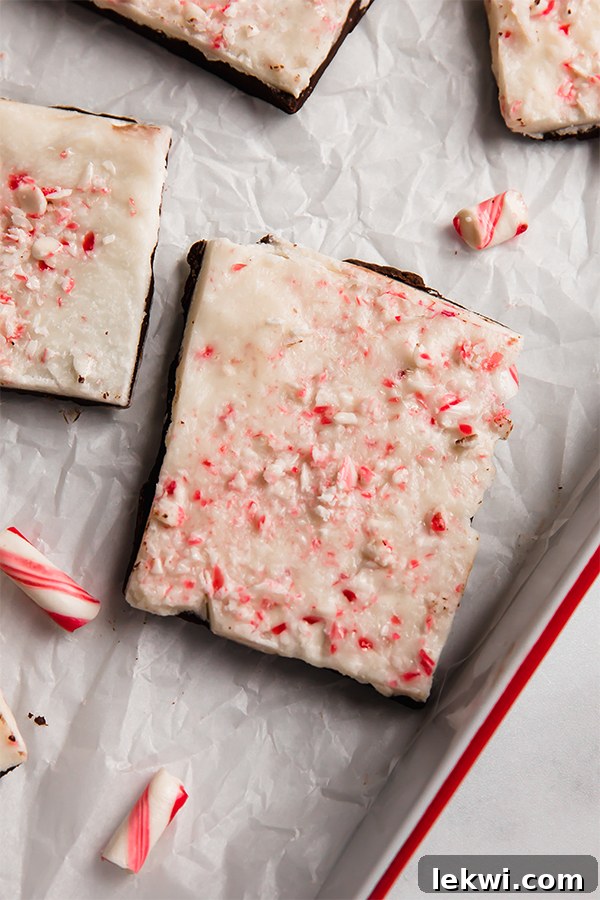
Once thoroughly hardened, remove the bark from the refrigerator. Using the parchment paper handles, carefully lift the entire slab of bark out of the pan. Place it on a cutting board and, with a sharp knife, slice it into pieces of your desired size. Irregular, rustic shards often look the most appealing! Serve chilled for the best texture and flavor. This paleo peppermint bark is perfect for sharing, gifting, or simply enjoying as a well-deserved holiday treat.
Making Your Peppermint Bark AIP-Compliant: Simple Swaps
For those navigating the Autoimmune Protocol (AIP), enjoying holiday treats can often feel restrictive. However, this paleo peppermint bark recipe is wonderfully adaptable, allowing you to easily convert it into a fully AIP-compliant dessert. The key lies in two simple ingredient swaps that maintain the spirit and flavor of the original.
The Carob Alternative for Chocolate
The most significant adjustment for AIP is replacing chocolate (cocoa) with carob. Cocoa is often avoided on AIP due to its stimulant properties and potential inflammatory components. Carob, derived from the pods of the carob tree, offers a similar rich, earthy flavor profile without the problematic compounds. You can either find AIP-friendly carob chips or, for a truly homemade touch, create your own carob “chocolate” layer using carob powder, coconut oil, and a natural sweetener. This substitution ensures your bark is free from common AIP triggers while still delivering a satisfying dark layer.
Pomegranate: A Burst of AIP-Friendly Flavor
Traditional candy canes, with their corn syrup and artificial dyes, are not AIP-compliant. This is where pomegranate seeds shine as a brilliant and flavorful alternative. Beyond being AIP-friendly, pomegranate seeds add a wonderful pop of color and a delightful tangy sweetness that complements the minty layers beautifully. The juicy burst of each seed provides a textural contrast that is surprisingly enjoyable and adds an extra layer of gourmet sophistication to your bark. It’s an upgrade that enhances the overall taste experience while keeping your recipe wholly aligned with AIP principles.
Tips for Success and Variations
To ensure your paleo peppermint bark is a show-stopping success and to explore exciting new flavors, consider these additional tips and variations.
Achieving the Perfect Two-Layer Separation
The key to distinct layers is patience. Ensure your first chocolate layer is completely hardened before pouring the coconut butter layer. If the chocolate is still soft, the layers will meld together, resulting in a less defined bark. Conversely, ensure your coconut butter mixture is not too hot when poured, as excessive heat can melt the base layer. A quick chill in the freezer for 15-20 minutes after the first layer is poured can speed up the hardening process without compromising quality.
Storage and Shelf Life
Store your paleo peppermint bark in an airtight container in the refrigerator for up to 2 weeks. The coconut oil and coconut butter will keep it firm and fresh. You can also freeze individual pieces for up to 1-2 months, making it an excellent make-ahead holiday treat. When serving from the freezer, allow it to sit at room temperature for a few minutes to slightly soften for optimal texture.
Creative Variations to Try
- Citrus Zest: Add a teaspoon of orange or lemon zest to either the chocolate or coconut butter layer for a bright, zesty counterpoint to the peppermint.
- Nutty Crunch: If not AIP, sprinkle finely chopped toasted nuts like almonds or pistachios over the top for added texture and flavor.
- Spice it Up: A pinch of cinnamon or a tiny dash of cayenne pepper (if tolerated) can add warmth and depth to the chocolate layer, creating a unique flavor profile.
- Different Extracts: Experiment with almond extract or even a touch of vanilla extract in the coconut butter layer for a different aroma.
Frequently Asked Questions About Paleo Peppermint Bark
Can I use a different sweetener instead of honey?
Yes, for the coconut butter layer, maple syrup is a fantastic paleo-friendly alternative to honey. It will yield a slightly different flavor profile but will still be delicious. For AIP, ensure any sweetener used is compliant.
How long does the peppermint bark take to set?
Each layer typically takes 1-2 hours to harden completely in the refrigerator. If you’re in a hurry, you can place the pan in the freezer for about 30-45 minutes per layer, but watch it closely to prevent freezing solid.
My coconut butter is very hard. How do I melt it?
Coconut butter often solidifies, especially in cooler temperatures. To melt it, you can either place the jar in a bowl of warm water (like a gentle double boiler) or scoop out the desired amount and melt it in a heatproof bowl over simmering water or in the microwave in short bursts, stirring frequently until smooth.
Is this recipe suitable for vegans?
This recipe is dairy-free and gluten-free. To make it strictly vegan, simply substitute honey with maple syrup in the coconut butter layer.
Can I make a larger batch?
Absolutely! This recipe can easily be doubled or tripled. Just ensure you use a larger baking pan (e.g., a 9×13-inch pan for a double batch) and adjust chilling times if necessary.
More Delicious Paleo & AIP Holiday Treats
If you loved this paleo peppermint bark, you’re in for a treat! Here are a few more wholesome and delectable recipes to keep your holiday season festive and healthy:
- Peppermint Mocha Collagen Pudding
- Chocolate Peppermint Truffles
- Paleo Thin Mint Cookies
Paleo Peppermint Bark Recipe
This delightful Paleo Peppermint Bark is the perfect dairy-free and AIP-friendly take on a holiday classic. Enjoy layers of rich chocolate and creamy coconut butter, infused with refreshing peppermint.
Yield: 9+ servings
Author: Michelle
Nutrition Facts (Estimated per serving): Serving: 1g, Calories: 361kcal, Carbohydrates: 30.1g, Protein: 3.2g, Fat: 26.4g, Fiber: 4g. All nutrition facts are estimated and will vary.
Ingredients
For the chocolate layer
- 1 cup dairy-free chocolate chips (sub homemade carob chips for AIP)
- 1 tbsp coconut oil
- ½ tsp peppermint extract
For the coconut butter layer
- 1 cup coconut butter
- 2 tbsp coconut oil
- 1 tbsp honey (sub maple syrup for vegan)
- ½ tsp peppermint extract
For topping
- 5-6 crushed organic candy canes (if tolerated)
- Or, pomegranate seeds (for paleo/AIP)
Instructions
- Line an 8×8-inch baking pan with parchment paper and set aside.
- Combine the chocolate chips and 1 tbsp coconut oil in a heatproof bowl. Melt over a double boiler method or in the microwave until fully liquid. Add ½ tsp peppermint extract and combine.
- Pour the chocolate layer into the pan and allow to harden in the fridge for 1-2 hours.
- Once the chocolate has hardened, melt the coconut butter and 2 tbsp coconut oil together in a double boiler until liquid. Stir in 1 tbsp honey and ½ tsp peppermint extract.
- Pour the coconut butter layer over the chocolate. Lightly tip the pan to evenly spread the coconut butter. Top with crushed candy canes or pomegranate seeds and transfer to the fridge to harden for 1-2 hours.
- Once hardened, carefully slice into pieces of your desired size. Serve chilled.
This post originally appeared on Unbound Wellness in 2016 and was updated in 2021.