Are you feeling overwhelmed by conflicting information about nightshades? You’re not alone. Often perceived as healthy staples, nightshade vegetables can surprisingly trigger inflammation and exacerbate chronic conditions for some individuals. This comprehensive guide will illuminate the world of nightshades, detailing what they are, why you might consider avoiding them, identifying common symptoms of intolerance, revealing where they might be lurking in your diet, and offering delicious, easy-to-implement substitution strategies to help you navigate a nightshade-free lifestyle with confidence.
From the vibrant bell pepper celebrated for its vitamin C content to the versatile tomato lauded as a cancer fighter, and the humble potato serving as a dietary cornerstone, nightshade vegetables appear to be universally beneficial, nutrient-dense additions to any healthy diet. However, for a significant portion of the population, these seemingly innocuous foods can be anything but benign. Many individuals discover that consuming nightshades leads to uncomfortable inflammation, digestive distress, and the aggravation of various chronic illnesses, turning these dietary staples into silent triggers.
Understanding Nightshade Vegetables: A Comprehensive List for Optimal Health
Nightshade vegetables belong to the vast botanical family known as Solanaceae, a diverse group encompassing over 2,700 species. While many plants within this family are inedible or even toxic, a select number have become integral parts of global cuisines and traditional medicine. Understanding which foods fall under the nightshade umbrella is the first crucial step in identifying potential dietary triggers and making informed choices for your well-being.
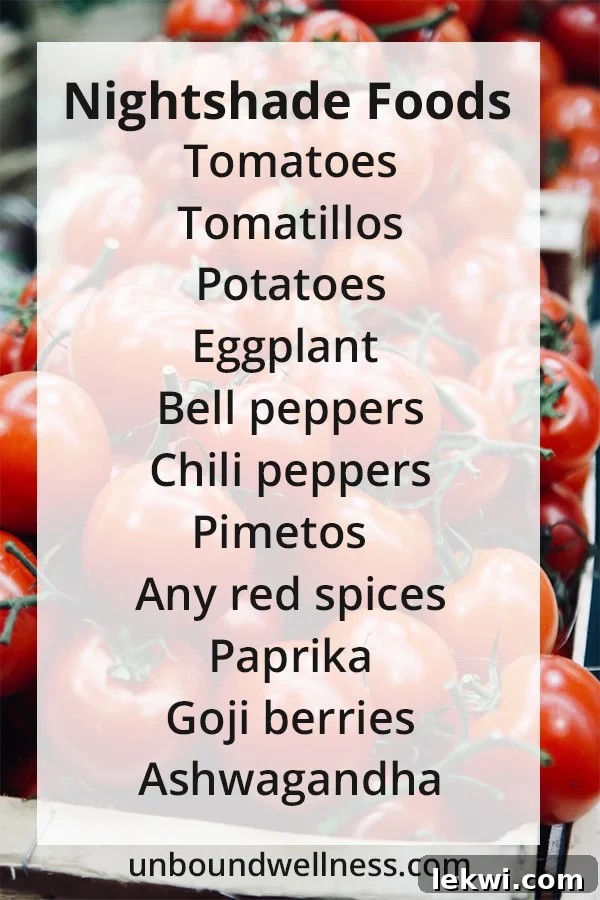
Here is a detailed list of common nightshade foods you might encounter:
- Tomatoes: This ubiquitous fruit (often used as a vegetable) includes all varieties, such as Roma, cherry, beefsteak, and heirlooms. Also, be mindful of processed tomato products like marinara sauce, ketchup, tomato paste, sun-dried tomatoes, and salsa.
- Tomatillos: These small, green, paper-husked fruits are key ingredients in many Mexican dishes, particularly salsa verde.
- Potatoes: Most common varieties like white, red, Yukon Gold, and russet potatoes are nightshades. It’s important to remember that sweet potatoes, yams, and regular potatoes are entirely different plant families.
- Eggplant (Aubergine): A popular vegetable in Mediterranean, Middle Eastern, and Asian cuisines, recognized for its unique texture and ability to absorb flavors.
- All Peppers: This category is broad and includes sweet bell peppers (green, red, yellow, orange), hot peppers such as jalapeños, serranos, habaneros, poblanos, and cayenne peppers.
- Red Spices and Powdered Peppers: Many common spice blends derive their color and heat from nightshade ingredients. These include chili powder, cayenne powder, red pepper flakes, curry powder (often contains cayenne), and paprika (sweet, smoked, or hot). Always check ingredient labels on spice mixtures.
- Pimentos: These sweet, mild peppers are often used for stuffing olives or as garnishes.
- Goji Berries: Also known as wolfberries, these bright red-orange berries are popular in superfood mixes and traditional Chinese medicine.
- Ground Cherries: While sharing a name with regular cherries, ground cherries are small, tart fruits enclosed in a papery husk, distinct from their stone fruit counterparts.
- Ashwagandha: An adaptogenic herb widely used in Ayurvedic medicine, often found in supplements aimed at stress reduction and energy balance.
- Tobacco: Though not a food, tobacco is a prominent member of the nightshade family and contains nicotine, an alkaloid that can affect the nervous system. While not consumed as food, its presence in the family highlights the diverse nature of Solanaceae.
Clearing Up Confusion: Common Foods Mistaken for Nightshades (But Are Not!)
Given the complexity of botanical classifications, it’s easy to mistakenly categorize certain foods as nightshades. To avoid unnecessary dietary restrictions, here’s a helpful list of common items that are frequently confused but are definitively *not* nightshades:
- Zucchini: A popular summer squash, zucchini belongs to the cucurbit family, completely unrelated to nightshades.
- Sweet Potatoes: Often confused with regular potatoes, sweet potatoes are members of the morning glory family (Convolvulaceae) and are a safe alternative for those avoiding nightshades.
- Mushrooms: Fungi, not plants, mushrooms belong to an entirely different biological kingdom.
- Onions: These flavorful bulbs are part of the lily family (Amaryllidaceae).
- Black Pepper: While often used for heat, black pepper is derived from the Piperaceae family and does not contain nightshade alkaloids.
Unpacking the Debate: Are Nightshades Inherently Inflammatory? Should You Avoid Them?
The question of whether nightshades are inflammatory is not a simple yes or no. For the vast majority of people, nightshade vegetables are indeed healthy, offering a rich supply of vitamins, minerals, and antioxidants. They contribute significantly to a balanced and nutritious diet, and there’s no blanket recommendation for everyone to eliminate them. Many individuals consume nightshades regularly without any adverse effects whatsoever.
However, scientific research and anecdotal evidence strongly suggest that for certain sensitive individuals, nightshades can be potent inflammatory triggers. These reactions are not universal but are significant enough to warrant consideration, especially for those experiencing chronic health issues. The key lies in understanding your own body and its unique response.
Specific groups of people who *may* experience issues with nightshades and should consider an elimination trial include:
- Rheumatoid Arthritis and Other Joint Issues: Many individuals with chronic joint pain, arthritis, or stiffness report significant improvement in symptoms after removing nightshades from their diet.
- Digestive Issues (“IBS”): Those suffering from irritable bowel syndrome (IBS), leaky gut syndrome, Crohn’s disease, or general digestive discomfort like bloating, gas, or pain may find relief by avoiding nightshades.
- Autoimmune Diseases: Individuals diagnosed with autoimmune conditions such as Hashimoto’s thyroiditis, Graves’ disease, lupus, multiple sclerosis, or psoriasis often report flare-ups linked to nightshade consumption.
- Chronic Pain Syndromes: Some people with fibromyalgia or unexplained chronic pain may also find nightshades to be a contributing factor to their symptoms.
The potential for nightshades to cause inflammation is attributed to several compounds they contain:
- Glycoalkaloids: Found predominantly in potatoes (especially green potatoes) and eggplant, glycoalkaloids like solanine and chaconine can potentially disrupt gut barrier function and increase intestinal permeability, often referred to as “leaky gut.” This can lead to digestive distress and allow undigested food particles or toxins to enter the bloodstream, triggering systemic inflammation and immune responses. A study published in the journal *Journal of Agricultural and Food Chemistry* (source 1) highlighted the impact of potato glycoalkaloids on intestinal health. While toxic effects are rare at typical consumption levels, sensitivity can occur with much smaller amounts for some individuals.
- Saponins: These compounds, also present in nightshades, are known to form complexes with nutrients and can impair digestion and limit the absorption of vital vitamins and minerals. Research, such as that detailed in *The Journal of Nutrition* (source 3), suggests their potential to impact gut integrity and nutrient uptake.
- Capsaicin: The compound responsible for the heat in chili peppers, capsaicin, is widely recognized for its anti-inflammatory and pain-relieving properties in topical applications. However, when ingested, especially in sensitive individuals or large quantities, it can irritate the gastrointestinal tract, leading to burning sensations, stomach upset, and inflammation for some. Its dual nature is a classic example of how a compound can have varying effects depending on the individual and context (source 4).
It’s crucial to understand that individual responses to these compounds vary widely due to genetic predispositions, existing gut health, and overall immune system function. Therefore, while nightshades offer health benefits for many, their potential to exacerbate symptoms in sensitive individuals warrants careful consideration.
Identifying Nightshade Intolerance: Common Symptoms to Watch For
Recognizing the signs of nightshade intolerance can be challenging because symptoms can be subtle, varied, and often mimic those of other conditions. Unlike an immediate allergic reaction, nightshade sensitivity often manifests as a delayed or cumulative response, making it difficult to connect directly to the food consumed. However, by paying close attention to your body’s signals, you can begin to identify potential triggers. Common symptoms reported by individuals with nightshade intolerance include:
- Joint Pain and Stiffness: One of the most frequently cited symptoms, ranging from mild aches to severe, debilitating pain, especially in the hands, knees, and hips.
- Increased Inflammation: General systemic inflammation, which can manifest as swelling, redness, and discomfort throughout the body.
- Chronic Fatigue: Persistent tiredness or low energy levels that don’t improve with rest, often a sign of the body’s ongoing struggle with inflammation.
- Migraines and Headaches: Frequent or severe headaches and migraines can sometimes be linked to dietary triggers, including nightshades.
- Skin Flares and Rashes: Conditions like eczema, psoriasis, acne, or unexplained rashes can worsen or appear after consuming nightshades.
- Digestive Distress: A wide range of gastrointestinal symptoms, including bloating, gas, stomach pain, acid reflux, constipation, diarrhea, or symptoms resembling Irritable Bowel Syndrome (IBS).
- Aggravation of Preexisting Conditions: Worsening of symptoms related to any underlying autoimmune disease or chronic illness.
- Muscle Pain and Weakness: Unexplained muscle aches, tenderness, or a feeling of overall weakness.
- Mood Disturbances: Some individuals report irritability, anxiety, or difficulty concentrating.
You might be thinking, “I have one of these conditions, but I don’t feel a difference when I eat tomatoes or peppers.” This was a common sentiment for many, including myself. It’s easy to dismiss a food sensitivity if the reaction isn’t immediate or dramatic. However, a lack of an obvious, acute reaction doesn’t necessarily mean a food isn’t inflammatory for your body. What often happens in chronic inflammatory states is that our bodies become so accustomed to a baseline level of inflammation that we cease to notice the subtle nuances or additional burdens that specific foods impose. The body is constantly working to manage this inflammation, and adding a nightshade sensitivity to the mix can push it further without a clear signal.
This is precisely why structured elimination diets, such as the Autoimmune Protocol (AIP), are considered the gold standard for accurately identifying food intolerances. These protocols involve a temporary period of removing all potential inflammatory foods, including nightshades, to allow the body to “anti-inflame” and reset. After this elimination phase, foods are systematically reintroduced one by one, allowing you to clearly observe any reactions and definitively determine whether a specific food, like a nightshade, triggers symptoms. This methodical approach provides clarity that simply observing daily eating habits often cannot.
Decoding Labels: Where Nightshade Ingredients Stealthily Hide in Your Food
Embarking on a nightshade-free diet requires more than just avoiding obvious tomatoes or potatoes. Many nightshade ingredients are clever masqueraders, hiding in otherwise seemingly healthful or innocuous processed foods. Becoming a meticulous label reader is essential to successfully navigate this dietary shift. After years of identifying these sneaky culprits, I’ve developed a keen eye for where they typically lurk:
Common Hiding Spots for Potato Starch:
Potato starch is a popular thickening agent and binding ingredient in many gluten-free products, which can be a trap for those avoiding nightshades.
- Gluten-Free Baked Goods: Frequently found in gluten-free bread, pizza crusts, crackers, muffins, and other baked goods to provide structure and texture.
- Thickeners: Used in some soups, sauces, gravies, and processed foods as a natural thickener. Always check ingredient lists for “potato starch” or “modified food starch” if the source isn’t specified.
- Processed Meats: Can sometimes be used as a filler or binder in deli meats and sausages.
The Covert Presence of Nightshade Spices:
Red spices are derived from peppers and are widespread in many cuisines, often giving food its vibrant color and characteristic heat.
- Mexican and Indian Cuisines: These culinary traditions heavily feature chili powder, cayenne, and paprika. When ordering out, it’s safer to assume these spices are present unless explicitly stated otherwise.
- Sausages and Hot Dogs: Paprika is an incredibly common ingredient in most sausages, hot dogs, and cured meats, both for color and flavor. Look for “paprika,” “chili powder,” or “red pepper” on the label.
- Breakfast Sausages and Seasoning Blends: Many pre-seasoned breakfast sausages and general seasoning mixes (e.g., barbecue rubs, Cajun seasoning) will contain nightshade-derived spices.
- Anything “Spicy”: A general rule of thumb: if a product is described as spicy, hot, or zesty, there’s a very high probability it contains nightshade peppers or spices. This includes hot sauces, flavored chips, and many snack foods.
Where Tomatoes May Be Concealed:
Tomatoes, in various forms, are a common additive for flavor and acidity.
- Vegetable Broth and Bouillon: Many commercially prepared vegetable broths and bouillon cubes contain tomatoes or tomato paste for depth of flavor.
- Seasoning Blends: Italian seasoning blends, all-purpose seasoning salts, and even some herb mixes may include dried tomato powder.
- Pre-Made Sauces and Dressings: Be wary of salad dressings, barbecue sauces, and some marinades that might use tomato as a base or flavor enhancer.
Making a habit of reading every ingredient label, even for products you’ve previously purchased, is crucial, as formulations can change without notice. When dining out, don’t hesitate to ask your server or the chef about ingredients to ensure your meal is truly nightshade-free.
Mastering Nightshade-Free Cooking: Delicious Substitution Strategies
Embracing a nightshade-free diet does NOT mean sacrificing flavor or your favorite dishes forever! With a little creativity and knowledge of clever substitutions, you can easily replicate the tastes and textures of nightshade-heavy meals. The goal is to discover new culinary horizons and enjoy food that supports your body’s healing journey. Here are some of my favorite ways to “fake it” and enjoy robust, flavorful meals without nightshades:
Creative Alternatives for Tomatoes and Tomato-Based Dishes:
The umami, acidity, and vibrant color of tomatoes can be challenging to replace, but these alternatives offer excellent results:
- “Nomato” Sauce: The ultimate tomato substitute! This versatile sauce typically combines pureed carrots, beets (for color), broth, and aromatic vegetables like onions and garlic, seasoned with herbs. It perfectly mimics marinara sauce for pasta, pizza, or as a base for stews. Master your own homemade Nomato sauce recipe for endless possibilities.
- Chili Without the Heat: Enjoy hearty chili by swapping traditional chili powder for nightshade-free alternatives. This instant pot nomato chili offers all the comfort without the inflammatory peppers.
- Enchilada Sauce Reimagined: Don’t miss out on Mexican flavors! A nightshade-free enchilada sauce can be crafted using ingredients like pumpkin puree, broth, and a blend of nightshade-free spices. Try this delicious zucchini chicken enchilada casserole, which features a custom nightshade-free sauce you won’t find at most restaurants.
- Lasagna, Re-engineered: Yes, nightshade-free lasagna is possible and incredibly satisfying. Layer a rich Nomato sauce with ground meat, vegetables, and grain-free/dairy-free “ricotta” alternatives. This one-pot lasagna skillet recipe is a game-changer, being grain-free, dairy-free, and delightfully nightshade-free!
- Beetroot and Carrot Puree: For dishes requiring a red hue and a touch of sweetness and earthiness, a blend of cooked beetroot and carrots can work wonders.
Replacing Eggplant in Your Meals:
Eggplant’s unique texture makes it a favorite, but it’s easily replaced by other versatile vegetables:
- Zucchini: With a similar spongy texture that absorbs flavors beautifully, zucchini is an excellent stand-in for eggplant in many recipes. It works well in stir-fries, gratins, or grilled dishes. For a twist on eggplant parmesan, try these crispy baked low-carb zucchini fries.
- Portobello Mushrooms: For a “meaty” texture in dishes like burgers or as a base for fillings, large grilled portobello mushroom caps can be a fantastic nightshade-free option.
Smart Substitutions for Potatoes:
While white potatoes are off-limits, there’s a wealth of root vegetables that can fill the void:
- Sweet Potatoes: These versatile, naturally sweet tubers are not nightshades and make excellent replacements for white potatoes in almost any application.
- Delicious sweet potato tater tots.
- Savory sweet potato chicken poppers.
- Crispy sweet potato fries.
- Plantains: A staple in many tropical cuisines, plantains can be used green (starchy, like potatoes) or ripe (sweet). They can be fried, baked, or mashed.
- Rutabaga (Swede): This root vegetable has a slightly sweet and earthy flavor and a firm texture, making it a great alternative for roasting, mashing, or adding to stews.
- Cauliflower: For mashed “potatoes” or a lighter alternative in curries and stews, steamed and pureed cauliflower is an excellent low-carb, nightshade-free choice.
Flavorful Alternatives for Red Spices:
Recreating warmth and depth without chili powder or paprika is simpler than you think with these aromatic spices:
- Cumin: A deeply earthy and warm seed spice (note: not AIP-compliant in the initial elimination phase, but nightshade-free). Cumin adds a wonderful depth to dishes. Be aware that it’s green, so don’t be surprised if your “chili” takes on an unexpected hue – it’s just the cumin working its magic!
- Black Pepper: Another seed spice (also not AIP, but nightshade-free), black pepper offers a classic pungent heat and can be used liberally to add a kick to any dish.
- Turmeric: This vibrant golden spice is a true powerhouse. I use turmeric *constantly* to replace red spices because it imparts a beautiful color, a subtle peppery warmth, and a wealth of anti-inflammatory benefits. It’s fantastic in curries, soups, and roasted vegetables. This turmeric chicken curry recipe showcases its incredible flavor and color in a completely nightshade-free curry.
- Ginger: Fresh or ground ginger adds a spicy, pungent warmth that can substitute for some of the heat found in peppers.
- Garlic Powder & Onion Powder: These aromatic powders provide savory depth without any nightshade content.
- Mustard Powder: Offers a sharp, pungent flavor that can add a spicy note to rubs and sauces.
Experimentation is key! Don’t be afraid to try different combinations of these spices and vegetables to create new, exciting flavors that fit your dietary needs and preferences.
Healing and Reintroduction: Can Nightshade Intolerance Be Reversed?
The journey with nightshade intolerance often leads to a natural question: is this a permanent dietary restriction, or can my body heal enough to reintroduce these foods? The answer, like many aspects of health, is nuanced and deeply personal. It is 100% possible for many individuals to heal their gut and immune system to a point where they can tolerate nightshades again, at least in moderation. This outcome largely depends on your body’s unique healing capacity, the severity of your initial reaction, and the underlying causes of your sensitivity.
For some, like myself, certain nightshades might remain lifelong triggers. While I’ve found some flexibility with tomatoes in small amounts, I still experience a strong, unmistakable reaction to red spices, peppers, and potatoes. This bio-individuality highlights that what works for one person may not work for another. It’s not a failure if full reintroduction isn’t possible; it’s simply listening to your body’s specific needs.
Many people do successfully reintroduce nightshades. The key often lies in following a comprehensive healing protocol that focuses on gut health, reducing systemic inflammation, and supporting overall immune function. Elimination protocols like the Autoimmune Protocol (AIP) are exceptional tools for this. AIP provides a structured framework for eliminating highly inflammatory foods, allowing the gut to repair and the immune system to calm down. After a sustained period of healing, carefully reintroducing foods one at a time can reveal true intolerances and, importantly, identify foods that your body can now handle.
The reintroduction phase is critical. It involves testing one nightshade food at a time, in small quantities, over a period of days, while meticulously monitoring for any returning symptoms. This slow and deliberate process is essential for understanding your body’s renewed capacity. If a food triggers symptoms, it indicates your body isn’t ready, or it may never be a suitable food for you. If no symptoms arise, you can gradually increase the quantity and frequency.
Ultimately, there is immense hope for improvement and greater dietary flexibility. Whether you achieve full reintroduction or discover a select few nightshades you can enjoy in moderation, the process of understanding your body better is invaluable. This guide has aimed to empower you with the knowledge and practical strategies to navigate nightshade intolerance successfully, showing you the vast opportunities to substitute, adapt, and thrive on a diet that truly nourishes you.
This article was originally published in August 2018 and was updated in December of 2019, and further expanded in May 2024 for enhanced clarity and detail.