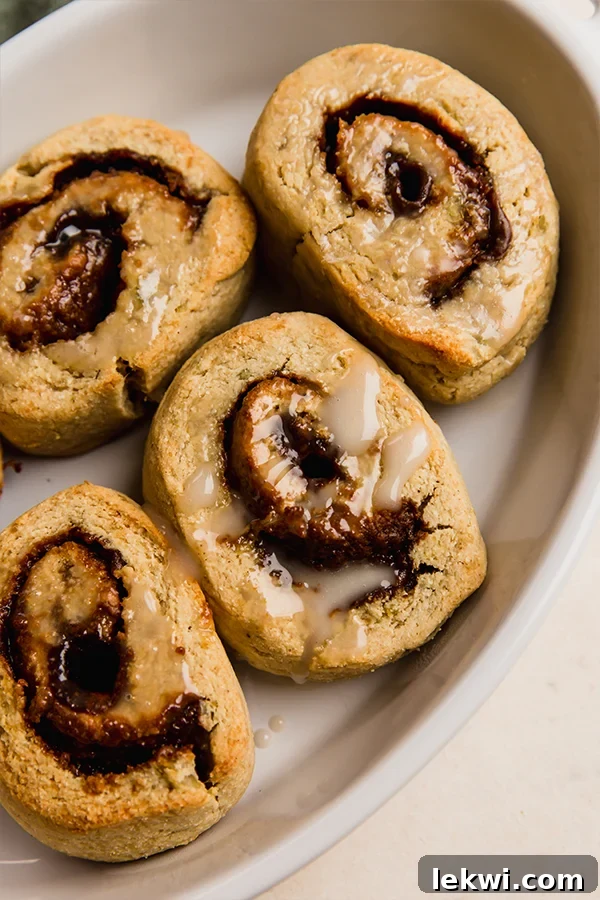
Indulge in the festive spirit with these incredible gluten-free gingerbread cinnamon rolls, crafted with a unique sweet potato dough. This recipe is not only entirely grain-free but also adheres to the Autoimmune Protocol (AIP), making it a truly exceptional treat for everyone. Imagine sinking your teeth into soft, pillowy rolls bursting with the warm, comforting flavors of gingerbread – a perfect blend of holiday cheer and deliciousness.
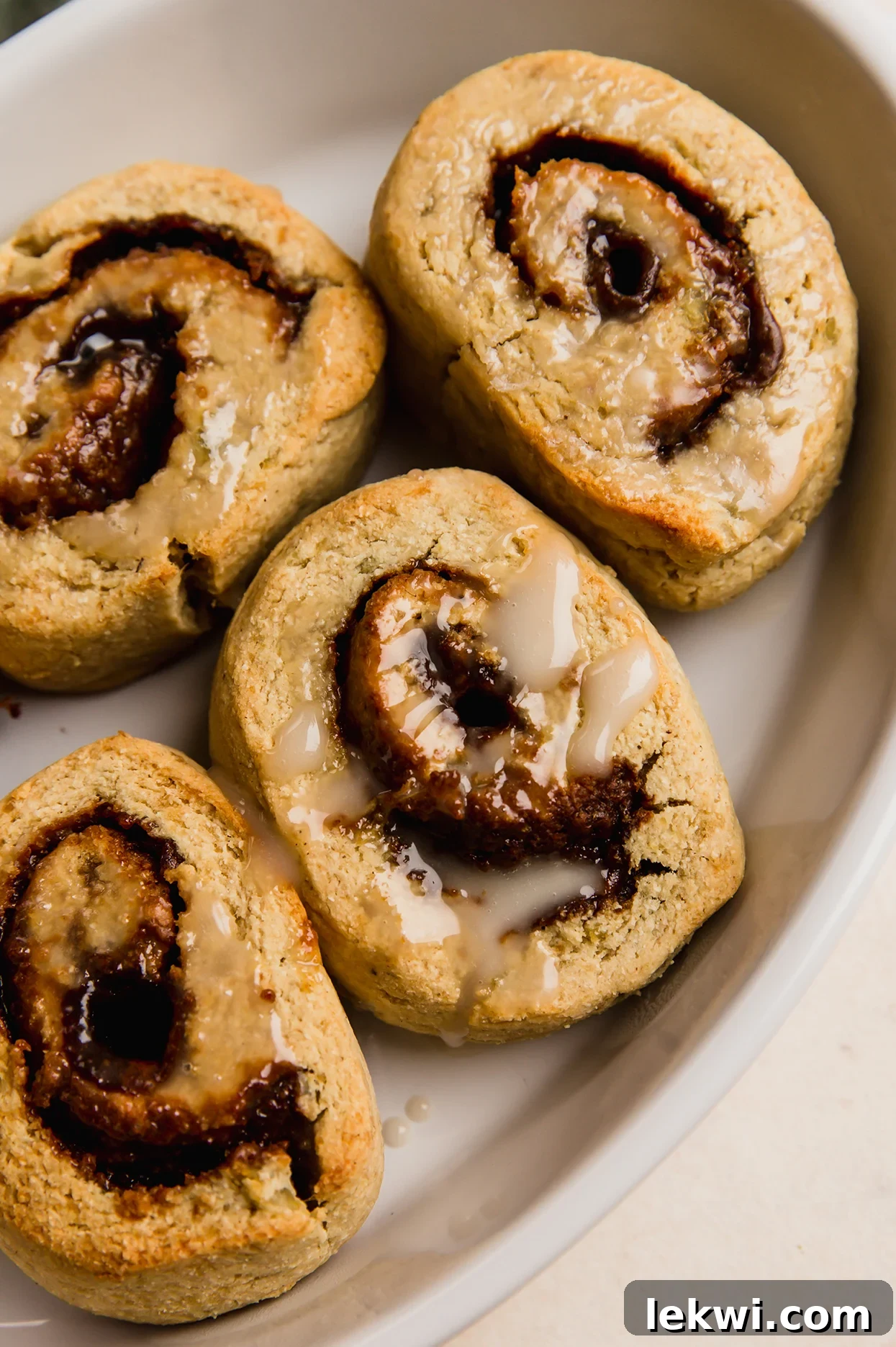
There’s a special kind of magic that comes with a fresh batch of cinnamon rolls, especially when it’s Christmas morning or any cozy holiday gathering. Creating a truly exceptional grain-free version can often feel like an impossible task, but this recipe for gingerbread cinnamon rolls stands out as virtually perfect in both texture and taste. For those who adore the classic AIP cinnamon rolls and cherish the distinct spice of AIP gingerbread cookies, this recipe marries the best of both worlds, bringing an irresistible holiday twist to a beloved breakfast pastry.
These gingerbread cinnamon rolls are wonderfully soft, perfectly sweet, and incredibly flavorful, capturing the essence of traditional cinnamon rolls with an added festive flair. They are also completely gluten-free, egg-free, grain-free, and AIP-compliant, making them a delicious and inclusive option for many dietary needs.
Table of contents
- Why you’ll love these gingerbread cinnamon rolls
- Recipe Ingredients
- How to make Gingerbread Cinnamon Rolls
- Tips & Tricks for Perfect Rolls
- How to Prep Ahead for Easy Baking
- Recipe FAQS about AIP Gingerbread Cinnamon Rolls
Why You’ll Love These Gingerbread Cinnamon Rolls
These unique gingerbread cinnamon rolls are more than just a sweet treat; they’re a celebration of flavor, texture, and mindful baking. Here are just a few reasons why they will quickly become a favorite in your kitchen:
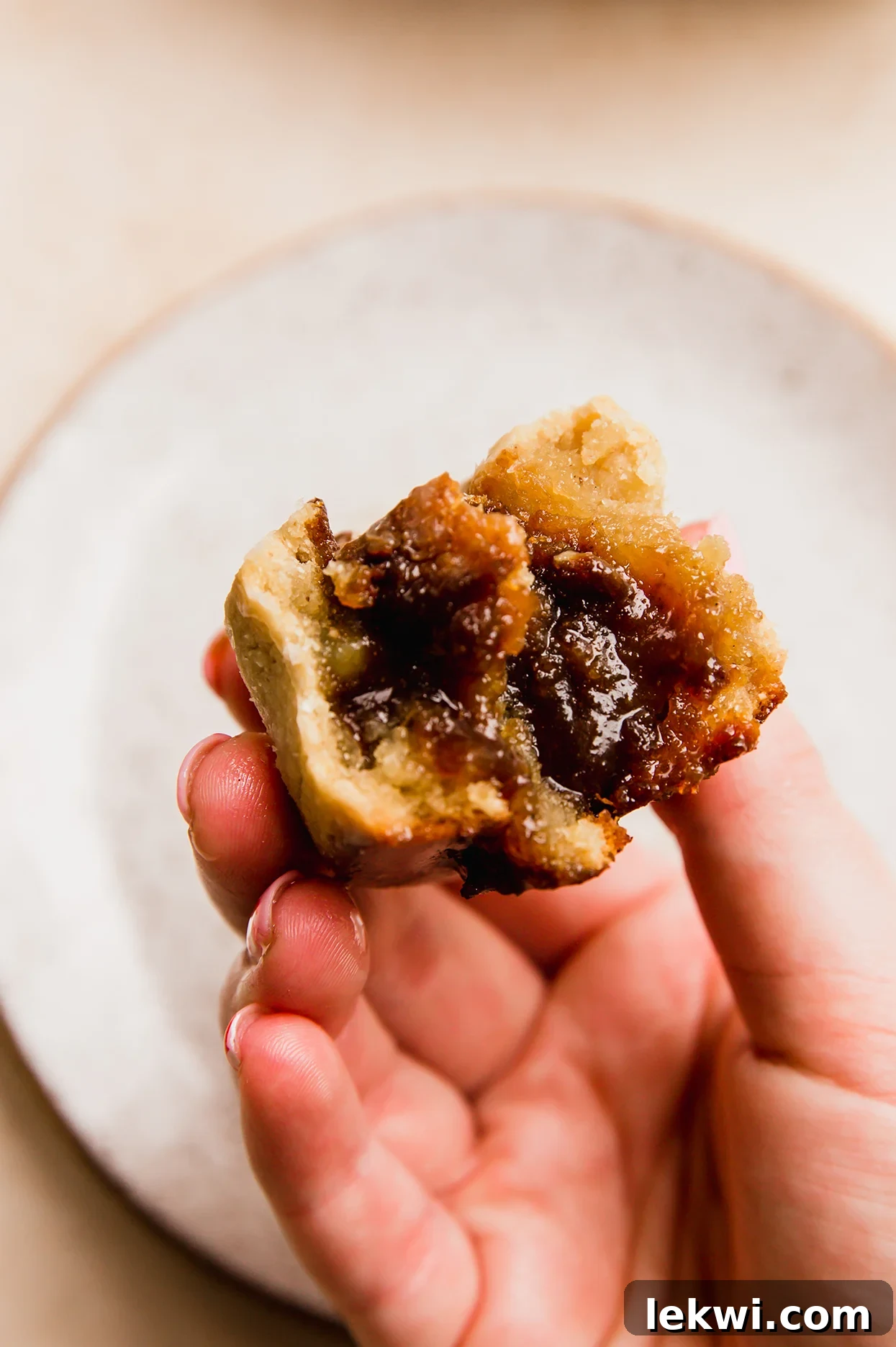
- Irresistible Gingerbread Vibes: The star of this recipe is undoubtedly the gingerbread-flavored filling. It’s an ingenious twist that elevates the humble cinnamon roll into a truly festive masterpiece. The rich molasses, combined with a medley of warm spices like ginger and cinnamon, creates a gooey, sweet, and slightly spicy filling that perfectly complements the soft dough. Every bite delivers that nostalgic, comforting warmth associated with holiday baking, making them an ideal indulgence for chilly mornings or cozy evenings. You’ll wonder why you haven’t always added gingerbread to your cinnamon rolls!
- No Yeast, No Rise Needed: Say goodbye to long waiting times and unpredictable yeast activation! This recipe is a game-changer for busy bakers because it requires absolutely no rising. The innovative sweet potato dough comes together quickly and easily, eliminating the need for yeast and the lengthy proofing process. This means you can whip up these delectable cinnamon rolls much faster, making them perfect for impromptu baking sessions or when you need a delicious treat without all the fuss and planning. It’s convenience without compromising on that coveted pillowy soft texture.
- Dietary-Friendly & Inclusive: Finding delicious baked goods that cater to multiple dietary restrictions can be a challenge, but these gingerbread cinnamon rolls tick all the boxes. They are completely gluten-free, grain-free, egg-free, and AIP-compliant, making them suitable for individuals with various sensitivities and dietary preferences. This inclusivity means everyone at your table can enjoy a decadent, homemade cinnamon roll, fostering a sense of shared joy during mealtimes. You can serve them with confidence, knowing they are made with wholesome, carefully selected ingredients.
- Soft, Pillowy Texture: Despite being grain-free and yeast-free, these rolls achieve an incredibly soft and pillowy texture that rivals traditional cinnamon rolls. The secret lies in the unique sweet potato dough, which provides structure and moisture, resulting in a tender crumb that simply melts in your mouth. This isn’t just a “good for gluten-free” recipe; it’s genuinely a fantastic cinnamon roll recipe that happens to be gluten-free and AIP.
Essential Recipe Ingredients for Your Gingerbread Cinnamon Rolls
Crafting these extraordinary gluten-free, grain-free, and AIP gingerbread cinnamon rolls requires a thoughtful selection of ingredients. Each component plays a crucial role in achieving the perfect texture and flavor profile. Below is a detailed look at the key ingredients and why they are essential:
- Japanese Sweet Potato: This ingredient is the unsung hero of our dough. The idea to incorporate Japanese sweet potato comes from the brilliant minds behind Grazed & Enthused, and for good reason—it works wonders! Its distinct starchiness and lower water content compared to other sweet potato varieties provide essential structure to the dough without imparting an overpowering flavor. What you taste is pure cinnamon roll deliciousness, not sweet potato. While you can experiment with other sweet potato types, Japanese sweet potatoes are highly recommended to prevent the dough from becoming too wet and ensure optimal texture.
- Tigernut Flour, Coconut Flour, and Arrowroot Starch: This precise blend of flours is meticulously balanced to create a dough that is both pliable and tender, mimicking the qualities of traditional wheat flour.
- Tigernut Flour: A naturally sweet, fiber-rich, and allergy-friendly flour that contributes to the dough’s chewiness and structure.
- Coconut Flour: Highly absorbent, coconut flour helps bind the dough and adds a delicate sweetness. Its fibrous nature also contributes to the soft texture.
- Arrowroot Starch: A fantastic thickener and binder, arrowroot starch (which can be easily substituted 1:1 with tapioca starch) ensures the dough is smooth and the final rolls are wonderfully tender. This specific combination is crucial for the success of this grain-free and AIP recipe, and substitutions beyond arrowroot to tapioca are not recommended without extensive testing.
- Baking Powder: As this recipe is yeast-free, baking powder acts as the primary leavening agent. It reacts with moisture and heat to create air bubbles within the dough, giving our cinnamon rolls their characteristic fluffiness and tender crumb without any rising time. Ensure your baking powder is fresh for the best results.
- Palm Shortening: This ingredient is key to achieving that wonderfully cakey and rich texture in the cinnamon rolls. Palm shortening provides stability and helps create a moist interior. While some might consider coconut oil as an alternative, it hasn’t been tested with this recipe, and palm shortening is specifically chosen for its consistent performance in yielding the desired cake-like consistency.
- Coconut Sugar, Blackstrap Molasses, Cinnamon, and Ginger: These ingredients are the heart of the gingerbread flavor and the sweet, gooey filling.
- Coconut Sugar: A less refined alternative to brown sugar, it provides a deep, caramel-like sweetness to both the dough and the filling.
- Blackstrap Molasses: Essential for authentic gingerbread flavor, molasses adds a distinct richness, deep color, and a slight tang that balances the sweetness. It’s what gives gingerbread its signature taste.
- Cinnamon and Ginger: These iconic spices are fundamental to the gingerbread profile. Ground cinnamon brings warmth and classic spice, while ground ginger delivers that characteristic zesty, slightly peppery kick that defines gingerbread. Together, they create a wonderfully aromatic and flavorful filling.
Refer to the comprehensive recipe card below for precise measurements and quantities of all ingredients.
How to Make Gingerbread Cinnamon Rolls: A Step-by-Step Guide
Creating these delightful gluten-free gingerbread cinnamon rolls is a straightforward process, designed to be accessible even without yeast and lengthy rise times. Follow these simple steps, accompanied by visual cues, to bake a batch of warm, festive treats:
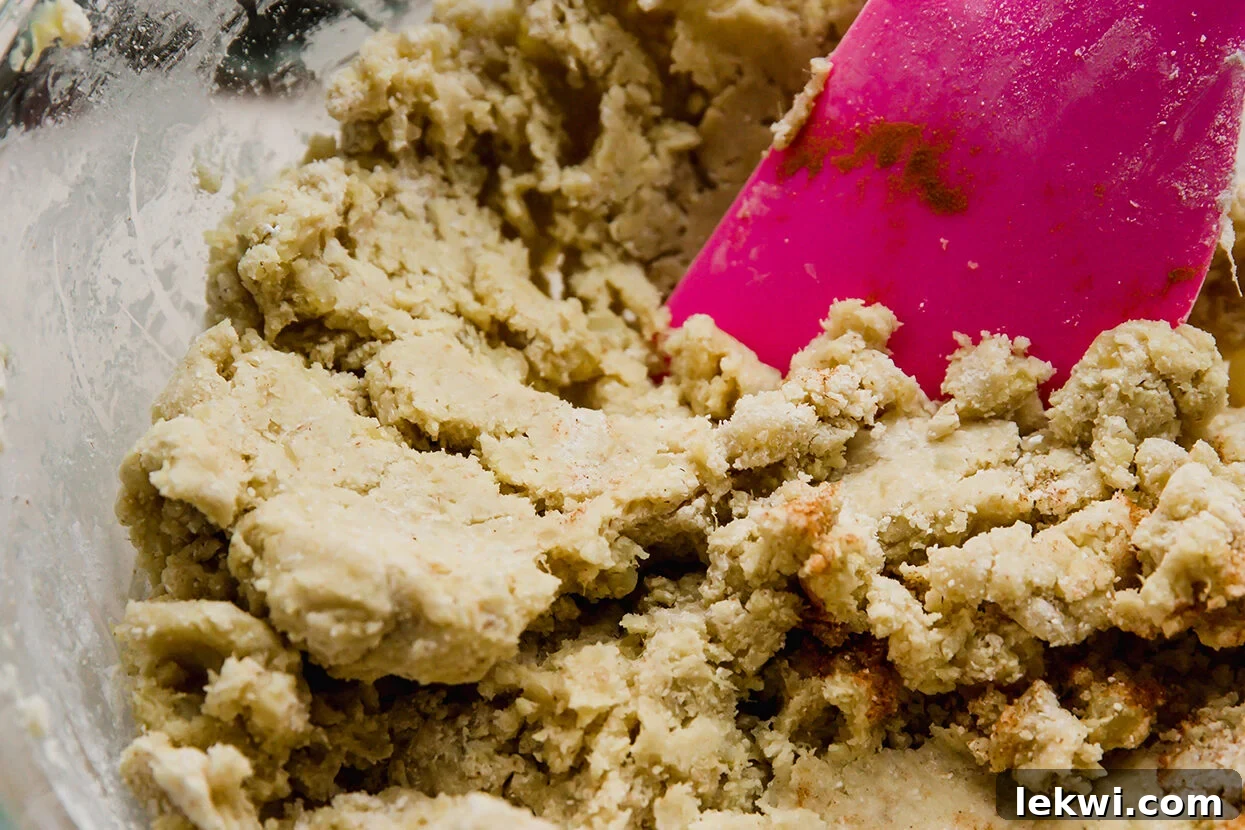
Step One: Prepare the Dough. Begin by thoroughly combining all the wet ingredients in a large mixing bowl until smooth. In a separate bowl, whisk together all the dry ingredients. Gradually add the dry mixture to the wet ingredients, stirring continuously until a cohesive, soft dough forms. Ensure there are no dry pockets and the dough is uniform.
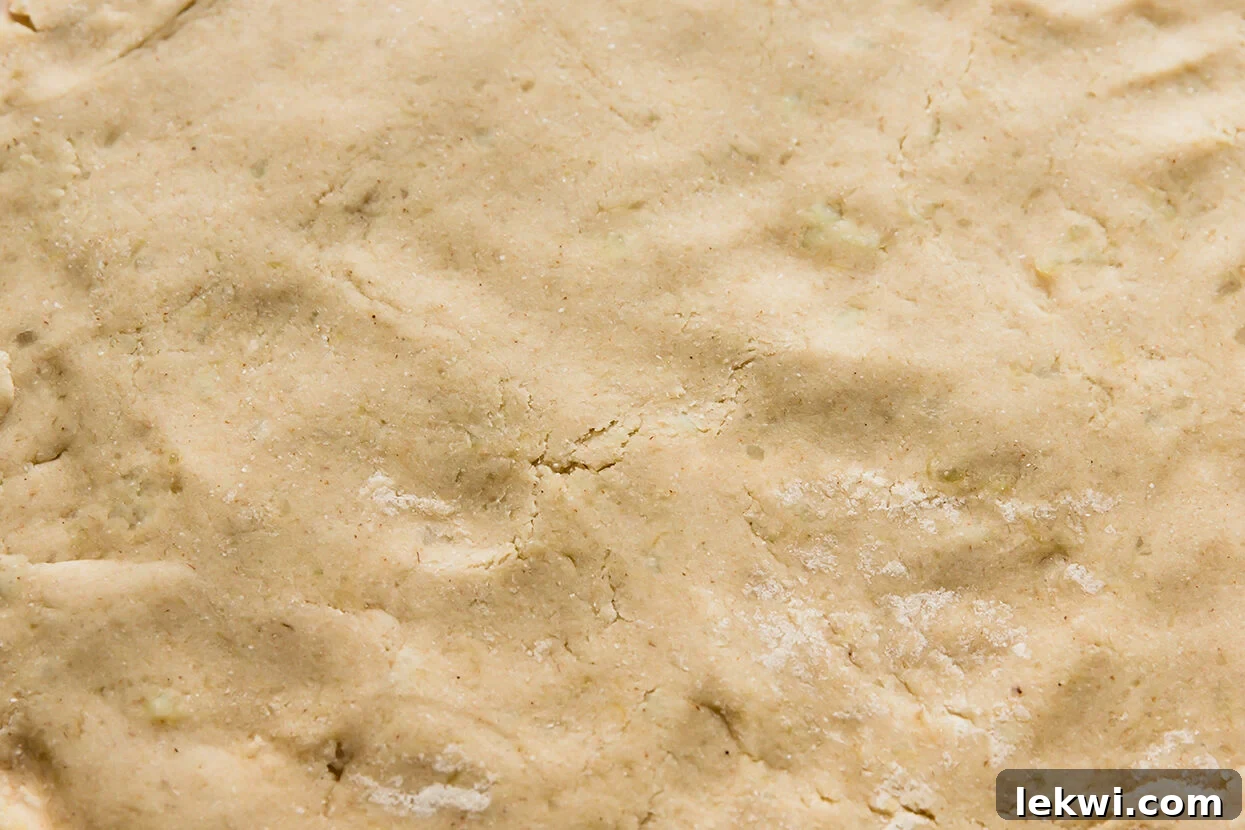
Step Two: Roll Out the Dough. Lay a large piece of parchment paper on a clean work surface. Lightly dust the parchment paper with arrowroot starch to prevent sticking. Transfer the prepared dough onto the floured parchment paper. Using a rolling pin, gently roll the dough into a large, even rectangle, aiming for approximately 1/4-inch thickness. Consistency in thickness is key for even baking.

Step Three: Form the Log. Once the dough is rolled out and evenly covered with the gingerbread filling (which you’ll prepare and spread in between steps two and three, as detailed in the full recipe card), use the parchment paper to aid you in carefully rolling the dough into a tight cylinder. Roll slowly and deliberately, using your fingers to gently patch any small holes or cracks that may appear along the seam. The goal is to form a uniform log, approximately 2.5 inches in diameter and 9 inches in length.

Step Four: Slice the Rolls. For perfectly shaped cinnamon rolls, reach for unflavored dental floss. Slide a piece of floss underneath the dough log, cross the ends over the top, and pull firmly to slice through the dough. This method creates clean, defined spirals without squishing the delicate layers. You should yield about 8 evenly sized cinnamon rolls from your log.

Step Five: Bake to Perfection. Arrange the sliced cinnamon rolls on your prepared baking sheet, ensuring they are spaced apart to allow for even baking. Lightly brush or spray the tops of the rolls with a touch of coconut oil for a golden finish. Transfer the baking sheet to your preheated oven and bake for 30-35 minutes, or until the rolls are beautifully golden brown and firm to the touch. The kitchen will fill with an irresistible gingerbread aroma!

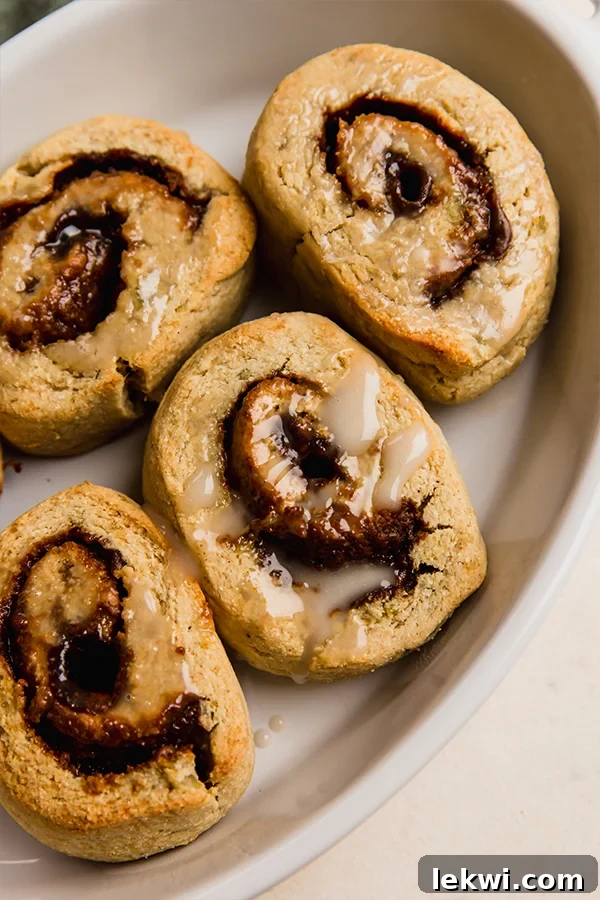
Step Six: Frost and Enjoy! Once baked, remove the cinnamon rolls from the oven and allow them to cool slightly on the baking sheet. While still warm, generously drizzle them with your desired frosting – a simple melted coconut butter icing is perfect for maintaining the AIP compliance and adding a delightful creamy finish. Serve warm and savor every bite of these homemade, festive, and wholesome treats!
Tips & Tricks for Perfect Gluten-Free Gingerbread Cinnamon Rolls
Achieving bakery-quality gluten-free and AIP cinnamon rolls is easier than you think with these helpful tips and tricks. Pay attention to these details to ensure your gingerbread rolls turn out perfectly every time:
- Stick with Japanese Sweet Potato: This is a non-negotiable for the best results. Japanese sweet potatoes have a unique starch content and drier texture compared to other sweet potato varieties. Using other types, especially the moister orange-fleshed varieties, can lead to a dough that is too wet and difficult to handle, affecting the overall structure and pliability of your rolls. Invest in Japanese sweet potatoes for that ideal, tender dough.
- Choose Your Coconut Flour Wisely: Not all coconut flours are created equal. Different brands can vary significantly in their absorbency, which can drastically impact your dough’s consistency. For this specific recipe, it has been rigorously tested and optimized using Anthony’s Coconut Flour. If you use a different brand, you might need to slightly adjust the liquid content to achieve the right dough texture. Start with the recommended amount and add a tiny bit more liquid (like maple syrup or water) if the dough feels too dry and crumbly, or a pinch more arrowroot if it’s too sticky.
- Use Unflavored Dental Floss for Cutting: This might sound like an unconventional tool, but it’s a secret weapon for perfectly shaped cinnamon rolls. Dental floss glides through the delicate dough without compressing it, preserving the beautiful spiral shape and preventing the filling from squishing out. Just make sure it’s *unflavored* floss – no one wants minty gingerbread! A sharp, non-serrated knife can also work, but floss yields a cleaner cut.
- Don’t Overwork the Dough: Gluten-free doughs, especially those without traditional elastic gluten, can become tough if overmixed. Once your dough comes together and is uniform, stop mixing. Minimal handling ensures a tender, soft roll.
- Parchment Paper is Your Best Friend: For rolling out and rolling up the dough, parchment paper is indispensable. It prevents sticking, makes transferring the dough much easier, and allows you to use the paper itself to help guide the dough into a tight cylinder. Lightly flouring it with arrowroot starch provides an extra layer of non-stick insurance.
- Evenly Spread the Filling: To ensure every bite is packed with that delicious gingerbread flavor, spread the filling all the way to the edges of the rolled-out dough. This creates a consistent layer of spice and sweetness throughout the entire spiral.
How to Prep Ahead for Easy Holiday Baking
While most traditional cinnamon roll recipes benefit from an overnight rise, these gluten-free, yeast-free versions behave a bit differently. Leaving the raw dough in the fridge overnight can cause it to dry out and affect its texture. However, you can still do some smart prep work to make your morning baking much smoother and quicker:
- Prep the Mashed Sweet Potato Ahead: This is arguably the most time-consuming part of the entire recipe. You can easily cook, peel, and mash your Japanese sweet potatoes a day or two in advance. Store the mashed sweet potato in an airtight container in the refrigerator. Having this ready means you can quickly mix the dough and assemble the rolls when you’re ready to bake, significantly cutting down on morning prep time for fresh cinnamon rolls.
- Bake the Night Before and Serve the Next Day: If you prefer to enjoy freshly baked rolls without any morning effort, you can bake them completely the night before. Once they have cooled, store them in an airtight container at room temperature (for up to 24 hours) or in the refrigerator (for up to 2-3 days). In the morning, simply warm them gently in the oven or microwave until heated through. They will still be wonderfully soft and flavorful. Avoid baking them several days in advance, as they are best enjoyed within the first 1-2 days for optimal freshness and texture.
- Assemble and Freeze (Unbaked): If you want to go a step further, you can assemble the rolls (cut into spirals) and arrange them on a parchment-lined baking sheet. Freeze them until solid, then transfer the frozen rolls to an airtight freezer-safe bag or container. When ready to bake, you might need to let them thaw slightly on the counter before baking at the specified temperature, potentially adding a few minutes to the bake time.
Recipe FAQS About AIP Gingerbread Cinnamon Rolls
Absolutely! That’s the beauty and convenience of this particular recipe. The unique sweet potato dough formulation, combined with baking powder as a leavening agent, is specifically designed to create wonderfully pillowy and soft cinnamon rolls without any yeast or the need for a lengthy rising period. This makes the baking process much faster and more straightforward.
Yes, cinnamon is a compliant spice on the Autoimmune Protocol (AIP) diet. This means you can enjoy the warm, aromatic flavor of cinnamon in these rolls without any concerns about adhering to the AIP guidelines. The combination of cinnamon and ginger in the filling is perfectly suited for an AIP lifestyle.
For best results, store any leftover gingerbread cinnamon rolls in an airtight container at room temperature for up to 24 hours. If you need to keep them longer, they can be refrigerated for up to 2-3 days. Reheat gently in the microwave for 15-30 seconds or in a preheated oven at 300°F (150°C) for 5-10 minutes until warmed through and soft again.
While the recipe is carefully balanced for AIP compliance and optimal texture, some minor substitutions might be possible. As mentioned, tapioca starch can be used interchangeably with arrowroot starch (1:1 ratio). However, substituting the unique flour blend (tigernut, coconut, arrowroot) or the Japanese sweet potato is not recommended without extensive testing, as it would significantly alter the dough’s consistency and final outcome. Always consult the recipe notes and tips for specific guidance on modifications.
Explore More Gluten-Free & Gingerbread Delights…
If you loved these festive gingerbread cinnamon rolls, be sure to explore more delicious and wholesome recipes designed to satisfy your cravings while adhering to dietary needs:
- Classic AIP Cinnamon Rolls: A staple for those seeking a traditional cinnamon roll experience, completely AIP.
- Paleo Sweet Potato Gingerbread: Another fantastic way to enjoy the warmth of gingerbread, made with wholesome sweet potato.
- Gluten-Free Gingerbread French Toast: Elevate your breakfast with a delightful gingerbread twist to classic French toast.
- AIP Gingerbread Cookies: The quintessential holiday cookie, perfectly crafted for AIP guidelines.
If you tried these Gluten Free Gingerbread Cinnamon Rolls or any other recipe on my blog, please consider leaving a 🌟 star rating and let us know how it went in the 📝 comments below. Your feedback is greatly appreciated!
AIP Gingerbread Cinnamon Rolls
Leave a Review
Pin Recipe
Want to save this for later?
Drop your name and email below, and we’ll send the recipe right to your inbox! ✉️
(Please note: This is a placeholder for an email signup form. To receive the recipe directly to your inbox, please provide your first name and email address in the form that would appear here.)
Ingredients
For the Cinnamon Rolls
- ¼ cup palm shortening
- ⅓ cup maple syrup
- 1 & 1/2 cup mashed Japanese sweet potatoes
- ½ cup arrowroot starch
- ½ cup coconut flour
- ¼ cup tigernut flour
- 1 tsp baking powder
- 1 tbsp gelatin
- 1 tsp cinnamon
For the Filling & Topping
- 5 tbsp coconut sugar
- 1 tbsp blackstrap molasses
- 1 tsp cinnamon
- ¾ tsp ground ginger
- 2 tbsp coconut butter, melted (for icing)
Instructions
-
Preheat your oven to 375°F (190°C). Line a large baking sheet with parchment paper and lightly grease it with coconut oil or palm shortening.
-
In a large bowl, cream together the palm shortening and maple syrup until well combined and smooth. Add the mashed Japanese sweet potato and stir thoroughly until fully incorporated.
-
In a separate bowl, whisk together the arrowroot starch, coconut flour, tigernut flour, baking powder, gelatin, and 1 tsp of cinnamon. Pour the dry ingredients into the bowl with the wet ingredients. Stir everything together until a cohesive dough forms. Avoid overmixing.
-
Lay out a large piece of parchment paper on a clean surface. Lightly dust the parchment paper with arrowroot starch. Place the dough onto the paper and use a rolling pin to roll it out into a large rectangle, aiming for a thickness of about 1/4 inch.
-
Prepare the filling: In a small bowl, combine the coconut sugar, blackstrap molasses, 1 tsp of cinnamon, and ground ginger. Stir well until the ingredients are thoroughly mixed. The molasses may cause some clumping, which is perfectly fine. Evenly spread this gingerbread filling mixture over the rolled-out dough rectangle, extending it close to the edges.
-
Using the parchment paper as an aid, carefully and slowly roll up the dough from one long side into a tight cylinder. As you roll, gently use your fingers to patch any small holes or cracks that might appear. The finished log should be approximately 2.5 inches in diameter and about 9 inches long.
-
To cut the cinnamon rolls, take a piece of unflavored dental floss. Slide it underneath the dough log at your desired cutting point, cross the ends of the floss over the top of the log, and pull to slice cleanly through the dough. Repeat this process to create about 8 evenly sized cinnamon rolls.
-
Arrange the cut cinnamon rolls on the prepared baking sheet, ensuring they are spaced evenly apart. Lightly brush or spray the tops of the rolls with coconut oil. Transfer the baking sheet to the preheated oven and bake for 30-35 minutes, or until the rolls are golden brown and firm to the touch.
-
Once baked, remove the cinnamon rolls from the oven and let them cool slightly on the baking sheet. If desired, top them generously with melted coconut butter as a delicious AIP-friendly icing before serving. Enjoy warm!
Notes
 Did you Make this Recipe?Tag @unboundwellness on Instagram and hashtag #unboundwellness!