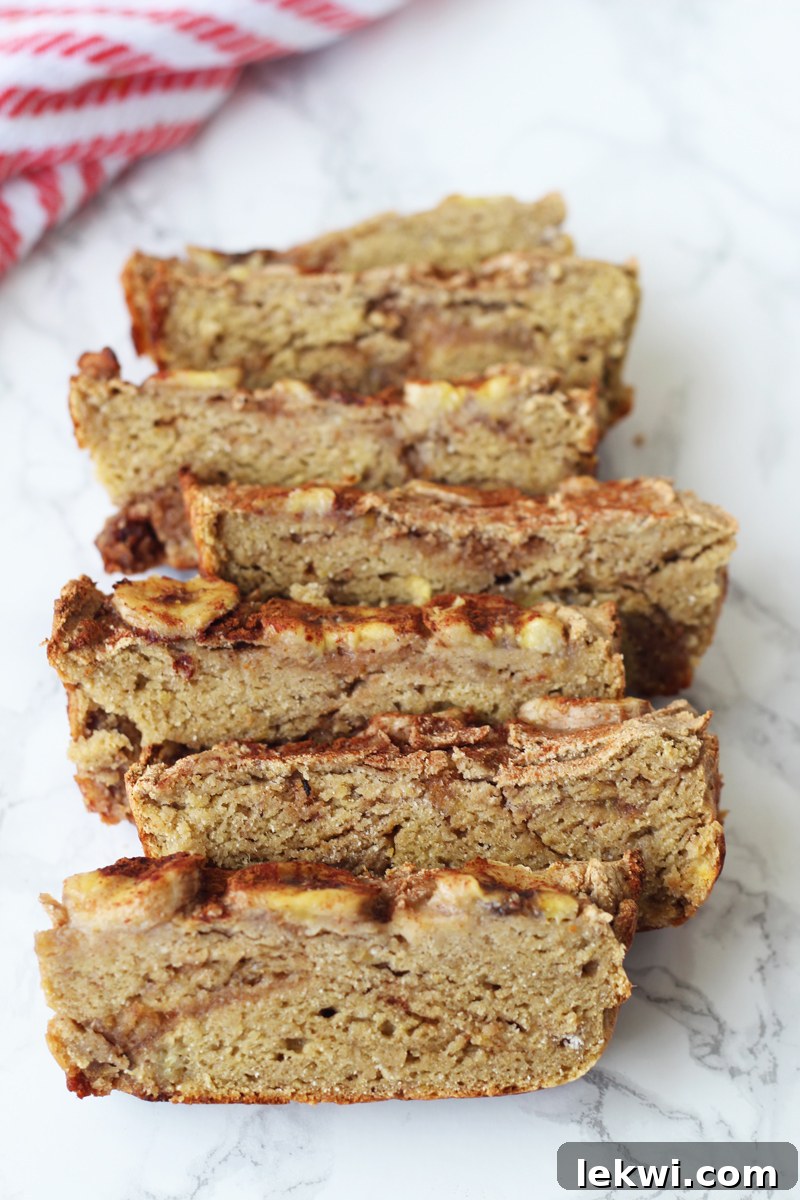
Plantain Banana Bread: Your Ultimate Guide to a Delicious, Healthy & Allergy-Friendly Treat
There’s something uniquely comforting about a slice of warm banana bread. For many, it evokes cherished childhood memories, the scent of cinnamon and sweet fruit filling the kitchen. While I grew up with a fondness for classic chocolate chip cookies, my appreciation for banana bread truly blossomed in high school. A single bite of a homemade loaf shared at an event was all it took – I was completely captivated. It quickly ascended to the top of my favorite sweet treats, a position it has held dear for years.
However, my dietary journey led me to embrace a Paleo and Autoimmune Protocol (AIP) lifestyle, which meant saying goodbye to gluten, grains, eggs, dairy, and refined sugars. This change, while incredibly beneficial for my health, posed a significant challenge for enjoying many of my beloved foods, including that simple, satisfying banana bread. I often found that “healthy” alternatives fell short, either being overly complicated to prepare or simply failing to capture the authentic texture and flavor I craved. That is, until I embarked on a mission to create my own version, a truly revolutionary Plantain Banana Bread that is both Paleo and AIP compliant.
The Quest for the Perfect Paleo, AIP, and Vegan Banana Bread
The journey to recreating a classic comfort food within strict dietary guidelines is often fraught with trial and error. Traditional banana bread recipes rely heavily on ingredients like wheat flour, eggs, dairy, and conventional sugar, all of which are off-limits on Paleo and especially AIP diets. The challenge was to find substitutes that not only complied with these protocols but also contributed to a final product that was genuinely delicious, moist, and held together beautifully without being dense or crumbly.
Many attempts at gluten-free and egg-free baking can result in disappointments. Cakes and breads can be too delicate, fall apart easily, or possess an undesirable gummy texture. My goal was not just to make a banana bread, but to create the banana bread that satisfied all my cravings and stood up to the memory of its traditional counterpart. This led me to a rather unconventional, yet brilliant, ingredient: the humble plantain. It was a discovery that would forever change my approach to allergy-friendly baking.
Why Plantains are a Game-Changer in Gluten-Free Baking
So, why plantains? To be frank, they are absolutely awesome, particularly for anyone navigating the complexities of AIP or Paleo eating. Before embarking on the AIP journey, plantains were entirely off my culinary radar. Now, I realize I was missing out on years of their incredible versatility and nutritional benefits. Plantains are essentially a starchier, less sweet relative of the banana, offering a unique texture and binding quality that makes them invaluable in alternative baking.
When green, plantains are often prepared as savory dishes, like crispy chips or tostones, showcasing their firm, starchy nature. As they ripen and turn yellow with black spots, they become sweeter and softer, perfect for baking applications. Their high starch content is the secret weapon in this recipe, providing a structure and binding power that is essential when eggs, gluten, and grains are absent. This inherent starchiness helps the bread hold together perfectly, creating a satisfying, sliceable loaf without the need for traditional binders like eggs or even gelatin eggs. This is precisely why this recipe earns its “easy” classification – the plantains do most of the heavy lifting in terms of structure, allowing for a simple, mix-and-bake process.
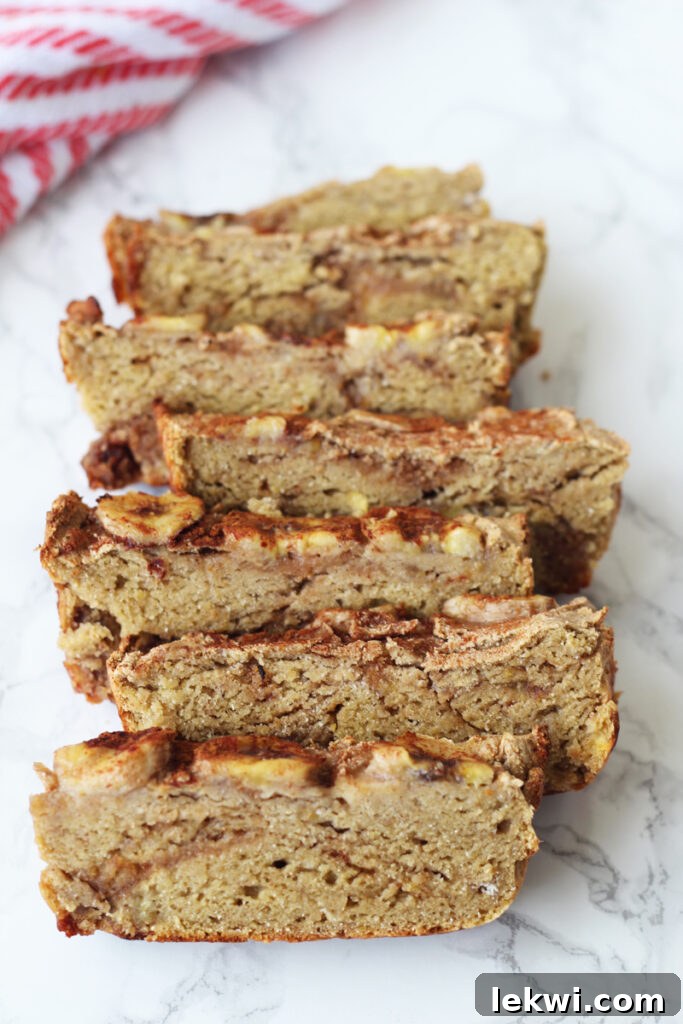
Diving Deep into Our Allergy-Friendly Ingredients
Every ingredient in this Plantain Banana Bread recipe has been carefully selected to ensure it meets the strict requirements of Paleo, AIP, and Vegan diets, while simultaneously contributing to an outstanding flavor and texture profile. Let’s explore the magic behind each component.
The Dynamic Duo: Plantains and Ripe Bananas
Our foundation relies on the perfect balance of two potassium-rich fruits. The yellow plantains, with their developing black spots, provide the crucial starchiness and body, transforming into a smooth, thick base when blended. This starch is key to the bread’s structural integrity. Complementing them are very ripe bananas, which bring the quintessential banana flavor and a natural sweetness. The riper your bananas, the sweeter and more aromatic your bread will be, reducing the need for excessive added sweeteners. This combination ensures a naturally moist and flavorful loaf that’s both hearty and comforting.
Flour Power: Coconut, Cassava, and Tapioca Starch Explained
Achieving the right texture in gluten-free, grain-free baking often requires a blend of alternative flours. In this recipe, we use a trio designed for success:
- Coconut Flour: Known for its high fiber content and remarkable absorbency, coconut flour helps to create a soft, crumbly texture. A little goes a long way, and its subtle sweetness complements the fruit flavors beautifully. It’s also a fantastic source of healthy fats.
- Cassava Flour: Derived from the cassava root, this flour is an excellent grain-free alternative to wheat flour. It has a neutral flavor and a fine texture, contributing to the bread’s overall structure and preventing it from becoming too dense. It’s a staple in AIP baking for good reason.
- Tapioca Starch: Also known as tapioca flour, this ingredient is crucial for adding elasticity and chewiness, mimicking the role of gluten. It helps to bind the ingredients together, creating a lighter, less crumbly bread that holds its shape beautifully. Together, these flours create a harmonious blend that is both delicious and compliant with our dietary needs.
Natural Sweetness and Healthy Fats: Coconut Sugar and Coconut Oil
To enhance the natural sweetness of the fruit, we incorporate coconut sugar. This unrefined sugar alternative boasts a lower glycemic index compared to table sugar and contributes a subtle caramel-like flavor. It’s an AIP-compliant sweetener that provides just the right amount of sweetness without being overpowering. For our healthy fat, coconut oil is the star. It adds moisture, richness, and aids in the bread’s tender crumb. Opt for virgin coconut oil for the best flavor and nutritional benefits.
The Warmth of Cinnamon and the Lift of Baking Soda
No banana bread is complete without the warm, inviting aroma and taste of cinnamon. This spice is a match made in heaven with banana and plantain, infusing the bread with a “cinnamon sugar” quality that is both nostalgic and incredibly appealing. Beyond flavor, cinnamon also contributes to the bread’s beautiful golden-brown color. Baking soda, our chosen leavening agent, reacts with the natural acids in the fruits to create lift and a tender, airy crumb, ensuring your loaf isn’t too heavy.
Crafting Your Masterpiece: Easy Steps to Plantain Banana Bread Perfection
One of the most appealing aspects of this Plantain Banana Bread is its simplicity. Despite meeting several complex dietary requirements, the preparation process is remarkably straightforward, making it accessible even for novice bakers. You don’t need fancy equipment or advanced techniques – just a few basic kitchen tools and a desire for delicious, wholesome goodness.
Preparation is Key
Before you even start mixing, a little preparation goes a long way. Preheating your oven to the correct temperature (375°F or 190°C) ensures an even bake from the moment your loaf enters the heat. Lining your loaf pan with parchment paper is a game-changer for easy removal, preventing sticking and making cleanup a breeze. A light greasing with coconut oil further guarantees that your beautiful bread will slide out effortlessly once cooled.
Blending for a Smooth Foundation
The core of this recipe is the smooth, well-combined fruit mixture. Using a high-speed blender or a food processor is crucial for achieving the right consistency. You want to thoroughly mash and combine the ripe plantains and bananas until they form a homogenous, creamy puree. This step is vital for a consistent texture in your finished bread. Don’t rush it; ensure there are no large lumps of fruit remaining.
Mixing and Matching Flavors
Once your fruit base is ready, transfer it to a spacious mixing bowl. This is where all the dry ingredients come into play. Add the coconut flour, cassava flour, tapioca starch, melted coconut oil, coconut sugar, cinnamon, and baking soda. Stir everything together until just combined. Overmixing gluten-free batters can sometimes lead to a tougher texture, so mix until no dry streaks remain but avoid excessive stirring. The dough will be thick, which is exactly what we want!
Baking to Golden Perfection
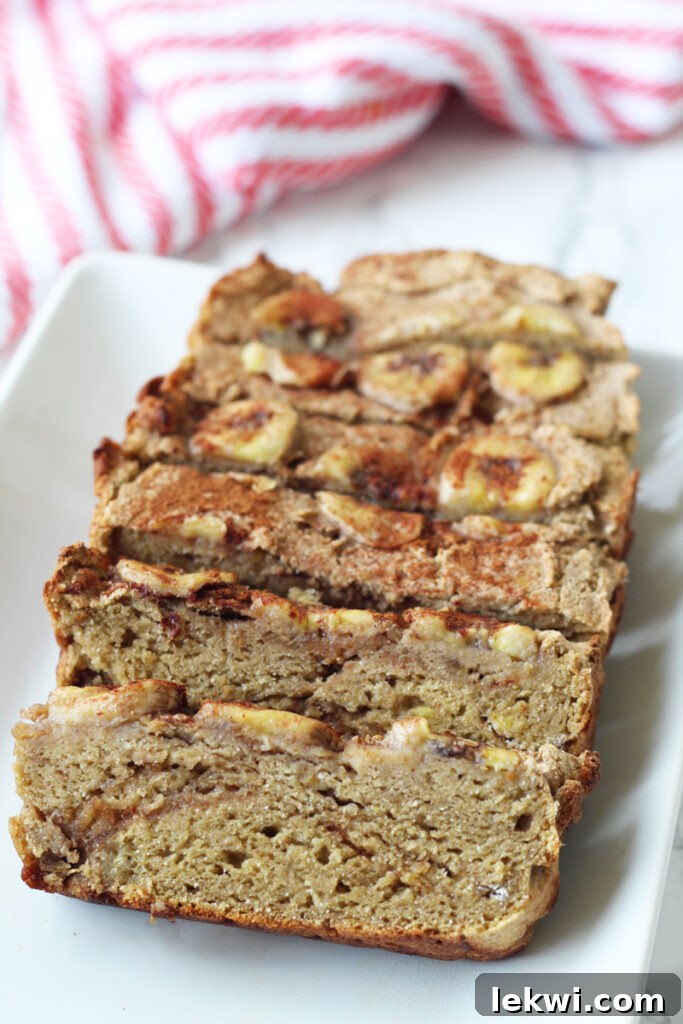
Pour your prepared dough into the lined and greased loaf pan. Use a spatula to gently smooth out the top, creating an even surface for baking. This is also the perfect moment to add any optional toppings, such as thinly sliced banana rounds or an extra sprinkle of cinnamon, which will caramelize beautifully as it bakes. Bake for approximately 40 minutes, or until a toothpick inserted into the center comes out clean. The top should be golden brown and the edges slightly pulled away from the pan. Once out of the oven, resist the urge to slice immediately! Allowing the bread to cool in the pan for a bit, then fully on a wire rack, is essential for its final structure to set. This patience will be rewarded with perfectly sliceable, delicious bread.
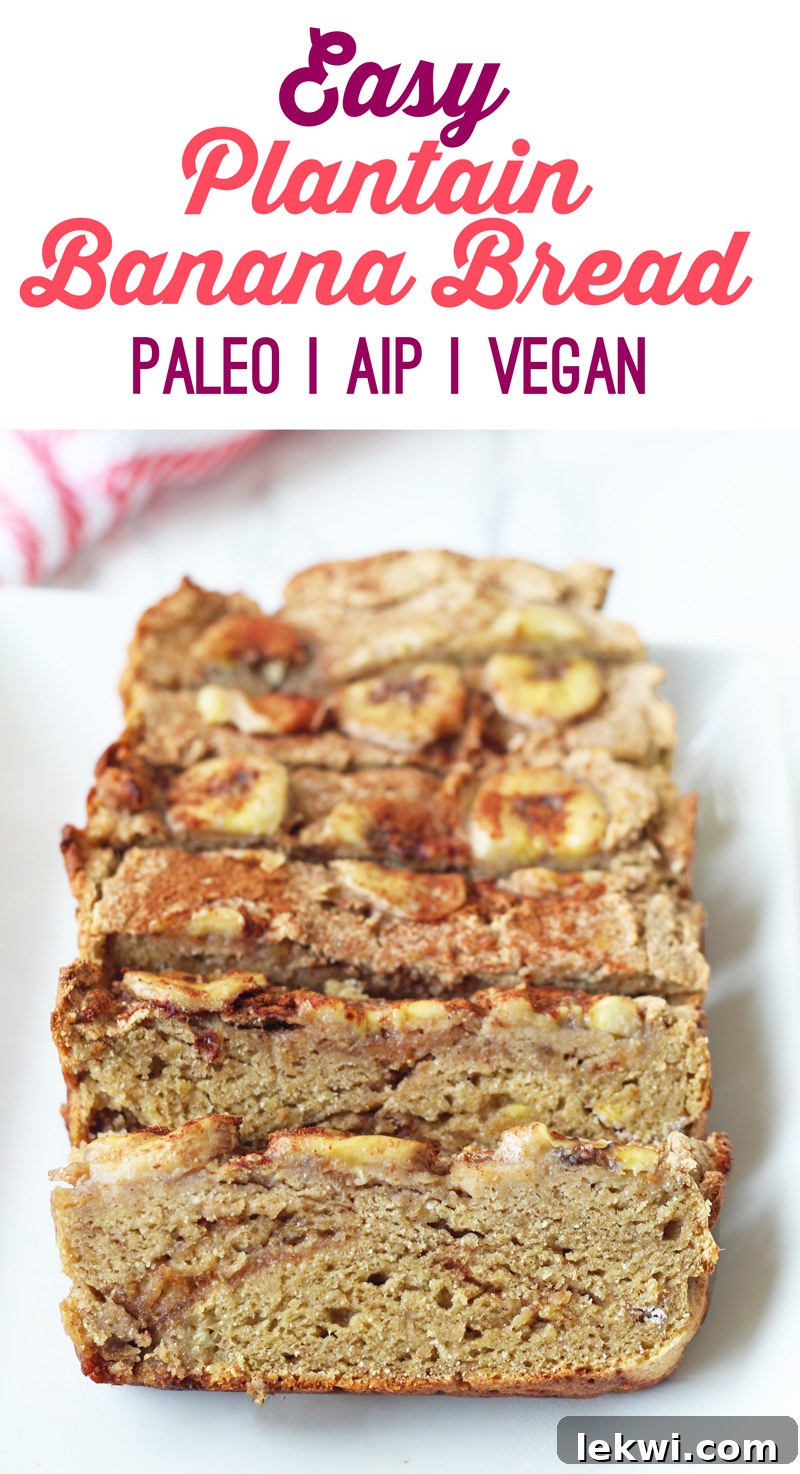
Customize Your Loaf: Toppings and Variations for Every Palate
While this Plantain Banana Bread is incredibly satisfying on its own, one of its greatest joys lies in its versatility. You can personalize your loaf with a variety of toppings and additions, adapting it to your taste preferences or specific dietary needs.
Classic Toppings: Sliced Banana and a Dusting of Cinnamon
For a simple yet elegant finish, I love arranging thin slices of a not-overly-ripe banana on top of the dough before baking. As the bread bakes, these banana slices gently caramelize, adding a beautiful visual appeal and an extra layer of sweet, fruity flavor. A final sprinkle of cinnamon over the top before baking will enhance that warm, inviting aroma and create a delightful “cinnamon sugar” crust. This classic combination is always a winner and showcases the star ingredients.
Sweet Additions: Carob Chips or Shredded Coconut
If you’re craving a little extra sweetness or texture within the bread itself, consider stirring in some additions to the batter:
- Carob Chips (for AIP): For those strictly adhering to the AIP protocol, carob chips are an excellent alternative to chocolate. They offer a mild, naturally sweet, and slightly earthy flavor that complements the banana and cinnamon wonderfully. Be sure to find AIP-compliant carob chips, typically free from dairy, soy, and refined sugars.
- Shredded Coconut: Unsweetened shredded coconut adds a lovely textural element and a subtle tropical note to the bread. It toasts slightly during baking, releasing its natural oils and enhancing the overall aroma and mouthfeel.
Beyond AIP: Chocolate Chips, Nuts, and Spices
If you are following a Paleo or Vegan diet but do not need to adhere to the stricter AIP guidelines, a world of other delicious variations opens up:
- Chocolate Chips: For classic banana bread lovers, high-quality dark chocolate chips (dairy-free for vegans) are a fantastic addition. They melt into pockets of rich, bittersweet goodness throughout the loaf.
- Chopped Nuts: Walnuts or pecans are traditional partners to banana bread. If tolerated (and not on AIP), a handful of chopped nuts can add a delightful crunch and earthy flavor.
- Other Spices: A pinch of nutmeg or allspice can further deepen the warm spice profile, adding another layer of complexity to your banana bread.
Remember, the beauty of homemade baking is the ability to customize. Feel free to experiment with combinations that excite your taste buds!
Savoring Your Creation: Serving Suggestions and Storage Tips
The moment your Plantain Banana Bread emerges from the oven, filling your home with its irresistible aroma, is truly magical. But how best to enjoy and preserve this wholesome delight?
Warm from the Oven or Toasted to Perfection
There are two primary schools of thought when it comes to enjoying banana bread, and both are equally delightful. I personally adore a slice that has cooled just enough to handle, allowing the flavors to meld and the texture to firm up slightly. The warmth, the softness, and the gentle spice are utterly divine.
My husband, on the other hand, prefers a thinner slice, toasted under the broiler until the edges are slightly crisp and the interior is warm and soft. This brings out a different dimension of flavor and texture, adding a delightful crunch that contrasts with the tender crumb. Experiment to find your personal preference!
Perfect Pairings: Ghee, Coconut Butter, or Homemade Jam
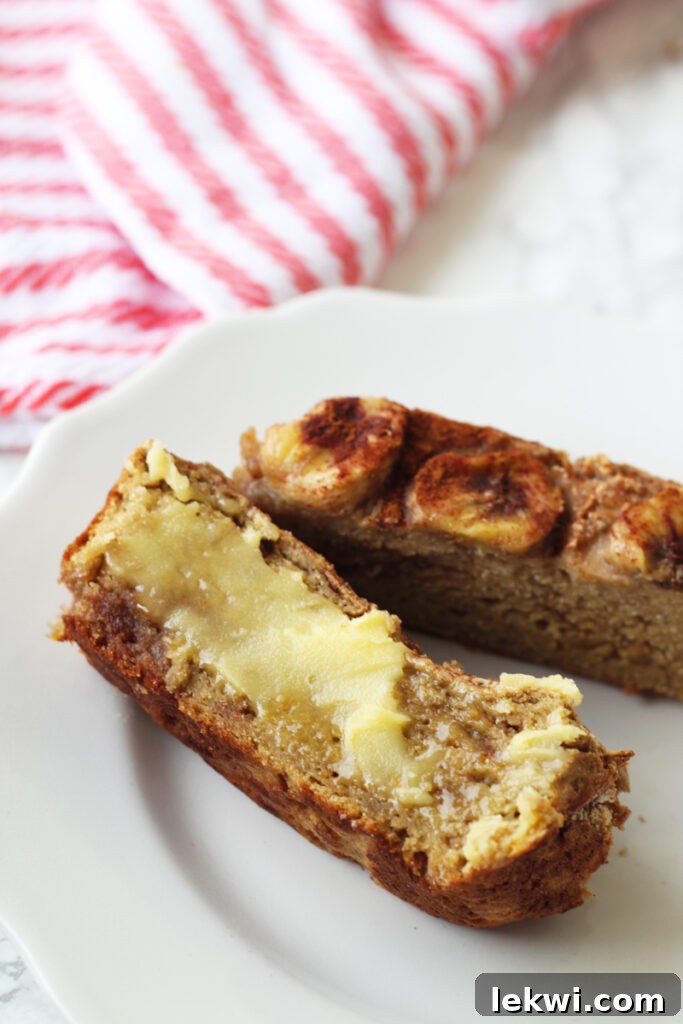
While this bread is fantastic on its own, a spread can elevate the experience. If you tolerate dairy and are on a Paleo diet, a generous dollop of ghee or grass-fed butter melts beautifully into the warm slices, adding a rich, nutty depth. For a strictly AIP and Vegan option, a smear of coconut oil or creamy coconut butter is heavenly. Coconut butter, with its slightly sweet, concentrated coconut flavor, enhances the tropical notes of the plantains and bananas. Alternatively, a homemade fruit jam, free from refined sugars, can add a burst of fruity tang that complements the sweet bread perfectly.
Storing Your Delicious Bread
To keep your Plantain Banana Bread fresh and delicious, allow it to cool completely before storing. Once cool, wrap the loaf tightly in plastic wrap or place it in an airtight container. It will stay fresh at room temperature for up to 2-3 days. For longer storage, you can refrigerate it for up to a week. For even longer preservation, slices can be individually wrapped and frozen for up to 2-3 months. Simply thaw at room temperature or gently reheat in a toaster oven when ready to enjoy.
The Recipe: Plantain Banana Bread (Paleo, AIP, Vegan)
Yields: 1 loaf
Prep time: 10 minutes
Cook time: 40 minutes
Ingredients
- 2 yellow plantains with black spots (very ripe)
- 2 very ripe bananas
- ½ cup coconut flour
- ¼ cup cassava flour
- ¼ cup tapioca starch
- 3 tbsp melted coconut oil (plus extra for greasing)
- 2 tbsp coconut sugar
- 1 tsp ground cinnamon
- ¾ tsp baking soda
Optional Toppings:
- 1 sliced banana (not overly ripe, for topping)
- Extra sprinkle of cinnamon
- AIP-compliant carob chips or unsweetened shredded coconut
Instructions
- Preheat your oven to 375°F (190°C).
- Line a standard loaf pan with parchment paper, leaving an overhang on the sides for easy removal. Lightly grease the parchment paper with coconut oil.
- In a high-speed blender or food processor, add the peeled yellow plantains and very ripe bananas. Blend until thoroughly combined and mashed into a smooth, consistent puree.
- Scoop the plantain-banana mixture into a large mixing bowl.
- Add the remaining ingredients to the bowl: coconut flour, cassava flour, tapioca starch, melted coconut oil, coconut sugar, cinnamon, and baking soda.
- Stir all ingredients together with a spatula until they are well combined and no dry streaks of flour remain. The batter will be thick.
- Pour the dough into the prepared loaf pan and gently smooth out the top with the spatula to create an even surface.
- If using optional toppings, arrange sliced banana and/or sprinkle extra cinnamon over the top of the dough.
- Bake for 40 minutes, or until a toothpick inserted into the center of the loaf comes out clean. The bread should be golden brown.
- Remove the loaf from the oven and allow it to cool in the pan for at least 15-20 minutes before carefully lifting it out using the parchment paper overhang.
- Transfer the bread to a wire rack to cool completely before slicing. This helps the bread set and prevents it from crumbling.
- Serve warm with your favorite spread or enjoy plain.
Nutrition facts are estimated and will vary based on specific ingredients and preparation.
Final Thoughts: A Sweet, Wholesome Delight for Everyone
This Plantain Banana Bread is more than just a recipe; it’s a testament to the fact that dietary restrictions don’t have to mean sacrificing flavor or comfort. It’s a sweet, cinnamon-infused delight that evokes nostalgic feelings of home baking, yet it’s entirely compliant with Paleo, AIP, and Vegan lifestyles. The subtle sweetness, the moist texture, and the ease of preparation make it a true kitchen hero.
Whether you’re following a specific dietary protocol or simply looking for a healthier, delicious alternative to traditional banana bread, this recipe is sure to become a cherished favorite. It’s a wonderful way to use up ripe fruit and enjoy a guilt-free treat that the whole family, even those without dietary restrictions, will adore. So go ahead, bake a loaf, fill your home with its incredible aroma, and rediscover the joy of homemade banana bread.
Enjoy this wholesome goodness! <3