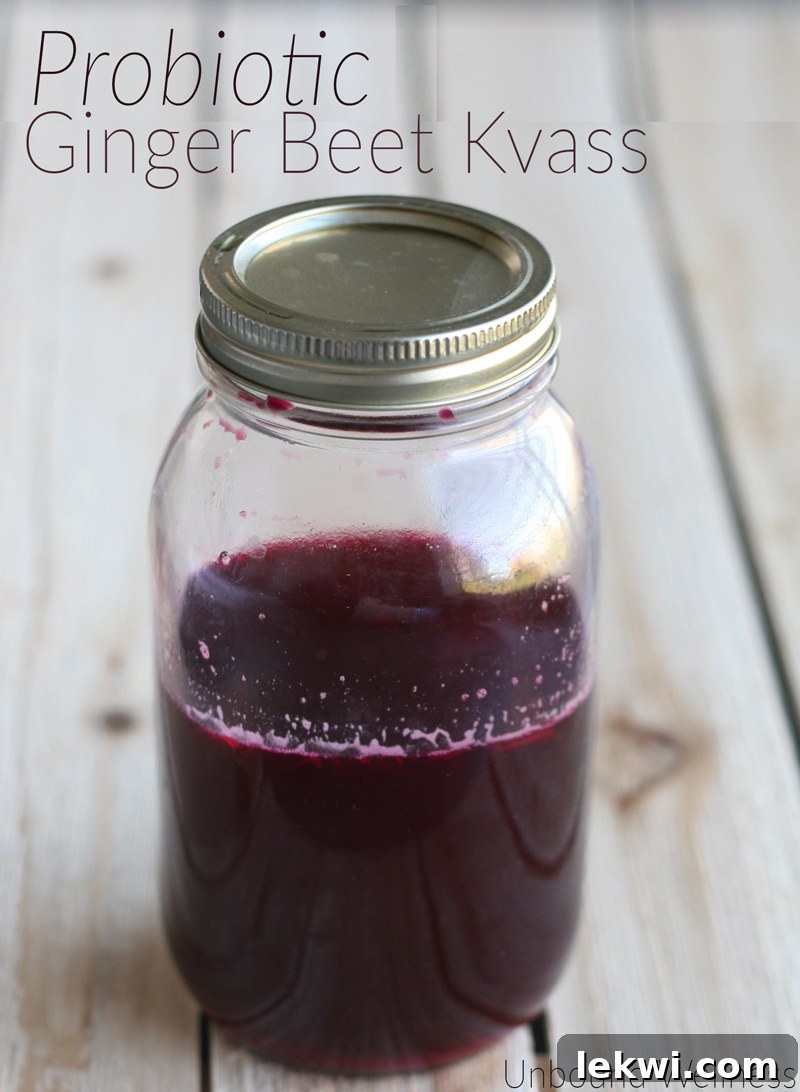
In the vast and vibrant world of fermented foods, certain beverages have undoubtedly captured the spotlight. Kombucha, with its effervescent charm and diverse flavor profiles, has become a household name, synonymous with modern wellness. You’ll find countless brands lining grocery store shelves, and an ever-growing community of enthusiasts brewing their own batches at home. However, while kombucha holds a special place for many, there’s a lesser-known, yet incredibly potent and remarkably simple fermented drink that deserves just as much, if not more, recognition: Ginger Beet Kvass. Prepare to have your perceptions shifted, as this vibrant, earthy tonic is not only surprisingly delicious but also boasts a powerful array of health benefits, often surpassing those of its more popular counterparts. It’s significantly easier to prepare than kombucha, incredibly cost-effective, and arguably, a more profound source of probiotics and targeted nutrients for optimal health.
Why Embrace Fermented Foods? The Probiotic Powerhouse for Gut Health
The buzz surrounding probiotics and fermentation isn’t just a fleeting health trend; it’s a rediscovery of ancient wisdom. Long before the advent of refrigeration, fermentation was a vital technique for preserving food, extending its shelf life while simultaneously imbuing it with incredible nutritional benefits. These traditional foods, rich in beneficial microorganisms, were a cornerstone of ancestral diets, deeply integrated into daily life not as a supplement, but as a fundamental component of sustenance and well-being. Today, we understand the science behind this age-old practice: fermented foods are teeming with probiotics, live microorganisms that play an indispensable role in maintaining our gut flora – the complex ecosystem within our digestive tract.
A balanced and diverse gut microbiome is absolutely crucial for overall health. It’s the engine room of our body, influencing everything from nutrient absorption and digestion to immune function and even our mood. When this delicate balance is disrupted, a state known as dysbiosis, it can pave the way for a myriad of health issues. These can range from common digestive complaints like bloating, gas, and indigestion to more severe conditions such as autoimmune diseases, chronic inflammation, and even mood disorders like anxiety and depression. While we are born with a foundational set of gut flora, our modern lifestyles, characterized by processed foods, antibiotics, and environmental toxins, constantly challenge this delicate balance. Our ancestors intuitively understood the need to replenish and fortify their gut health through regular consumption of fermented foods, ensuring a continuous supply of fresh, diverse probiotics.
But why go through the effort of consuming fermented foods when probiotic pills are so readily available? This is a common question, and the answer lies in the profound difference between a laboratory-isolated supplement and a living, synergistic food. Fermented foods offer a complex matrix of different probiotic strains, enzymes, and prebiotics (fibers that feed beneficial bacteria), all working together in harmony. This holistic approach often leads to greater efficacy and a wider range of benefits compared to isolated strains found in many supplements. For instance, it’s widely suggested that a single serving of a potent fermented food like sauerkraut can deliver a probiotic punch equivalent to many jars of probiotic capsules. Beyond their superior probiotic content, fermented foods are a more traditional, natural, and often far more economical way to nourish your gut and support your overall health. They are food as medicine, in its most authentic form.
Unveiling the Unique Benefits of Ginger Beet Kvass: Beyond Probiotics
So, what sets Ginger Beet Kvass apart in the crowded landscape of probiotic beverages? While its fermented nature undeniably makes it rich in beneficial bacteria, its true power lies in the unique synergy of its primary ingredients: beets and ginger. This combination delivers a host of targeted health benefits that go far beyond general gut support, particularly shining a light on liver and gallbladder health – two organs often overlooked in our pursuit of wellness.
In our modern dietary landscape, many individuals unknowingly suffer from sluggish fat digestion. This often stems from years of consuming low-fat diets, which can cause the gallbladder to become inactive, or from a diet rich in poor-quality, processed fats that challenge its function. The bile produced by our gallbladder, essential for emulsifying and digesting fats, can become thick and stagnant, failing to flow efficiently even when we transition to a diet of healthy, high-quality fats. This is where beets step in as a true hero. Beets are rich in compounds like betaine, which act as powerful cholagogues, naturally stimulating bile production and promoting its healthy flow. By getting the bile moving smoothly, beet kvass dramatically improves fat digestion.
The implications of improved fat digestion are profound and far-reaching. Beyond simply alleviating immediate digestive distress like post-meal bloating and discomfort, it addresses a multitude of “mystery symptoms” that many people experience daily. Think chronic dry skin and hair, which can often be a sign of poor absorption of fat-soluble vitamins (A, D, E, K). Consider persistent bloating, despite a seemingly healthy diet. Or perhaps hormonal imbalances, as many hormones are fat-based. Improved fat digestion also enhances nutrient absorption across the board, helps with satiety after meals, and supports overall metabolic function. The list of symptoms linked to compromised fat digestion is extensive, highlighting just how vital proper gallbladder and liver function are to our well-being.
Complementing the powerful properties of beets, ginger adds another layer of digestive brilliance. Ginger is renowned for its potent anti-inflammatory and digestive stimulant properties. It helps soothe the digestive tract, reduce nausea, and promote healthy peristalsis – the rhythmic contractions that move food through your gut. Its warm, spicy notes also add a delightful depth of flavor to the kvass, making it an enjoyable tonic to consume. Together, the fermented goodness, the liver and gallbladder support from beets, and the digestive aid from ginger create a truly exceptional and multifaceted health drink that stands head and shoulders above many other fermented options.
Crafting Your Own Ginger Beet Kvass: A Simple & Rewarding Recipe
Making your own Ginger Beet Kvass is a surprisingly straightforward process, requiring minimal ingredients and equipment. The beauty of this recipe lies in its simplicity and the powerful health benefits it yields.
Ingredients
- 1 large organic purple beet, scrubbed clean (no need to peel, the skin contains beneficial microbes)
- 1 large organic golden beet, scrubbed clean (while purple beets are fantastic, golden beets add a slightly sweeter, milder flavor profile and a beautiful color. If unavailable, use another purple beet.)
- 1 tablespoon fresh ginger, grated or finely minced (use a microplane for best results to release its full flavor and medicinal compounds)
- 1 tablespoon high-quality sea salt (Celtic sea salt or Himalayan pink salt are excellent choices, providing essential trace minerals that support fermentation, unlike refined table salt)
- 1/4 cup of juice from unpasteurized sauerkraut or another lacto-fermented vegetable (this acts as a starter culture, inoculating your kvass with beneficial bacteria to kickstart fermentation. Ensure it’s live and unpasteurized.)
- Approximately 4-5 cups of filtered water, enough to fill a half-gallon (64 oz) glass jar (the exact amount will depend on the size of your beets, ensuring they are fully submerged).
Instructions
- Begin by preparing your beets. Chop them into approximately 1-inch cubes. The size isn’t critical, but uniform pieces help with even fermentation. Place these beet cubes along with the freshly grated ginger into a clean, half-gallon glass jar. Ensure your jar is thoroughly clean and sanitized to prevent unwanted mold growth.
- Next, add the sauerkraut juice (your starter culture) and the sea salt to the jar. The salt helps to create a favorable environment for the beneficial lactic acid bacteria, discouraging unwanted pathogens.
- Pour in enough filtered water to completely cover the beets and ginger, leaving about an inch or two of headspace at the top of the jar. This space allows for gas expansion during fermentation.
- Cover the mouth of the jar with a clean, breathable kitchen cloth or a coffee filter. Secure it tightly with a rubber band. This allows air to circulate, which is important for the initial stage of fermentation, while keeping out dust and insects. Avoid airtight lids at this stage, as gas buildup can create pressure.
- Place the jar in a cool, dry place away from direct sunlight. A pantry or kitchen counter (if not too warm) works well. Allow it to ferment for at least 3 days. During this time, you’ll start to observe signs of active fermentation: small bubbles rising to the surface, a slight fizz, and a subtle tangy aroma developing. You may even see a thin, white film (kahm yeast) form on the surface; this is generally harmless, but if you see fuzzy, colored mold, discard the batch.
- After 3-7 days, or when the kvass reaches your desired level of tanginess, remove the cloth. Taste a small amount; if it’s pleasantly sour and slightly fizzy, it’s ready. If you prefer a stronger flavor, let it ferment for an extra day or two. Once satisfied, cap the jar tightly with an airtight lid.
- Transfer the sealed jar to the refrigerator. Chilling the kvass slows down the fermentation process significantly, preserving its flavor and probiotic content. Your homemade Ginger Beet Kvass is now ready to enjoy!
Enjoying Your Homemade Kvass: Serving Suggestions & Beyond
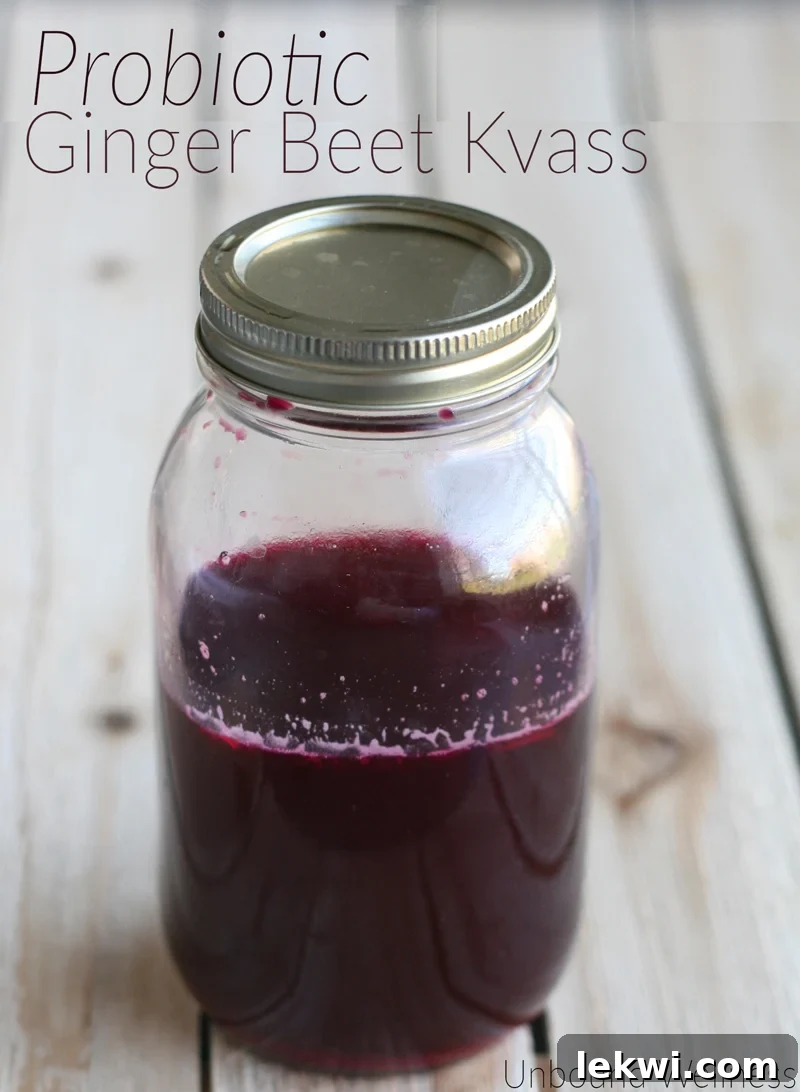
Once your vibrant Ginger Beet Kvass is ready, you’ll want to savor every drop. While it might be tempting to drink the entire batch at once, it’s best consumed in moderation to maximize its benefits and make your supply last. I typically recommend starting with just a few sips, or about half of a small glass, daily. This allows your digestive system to gradually adjust to the influx of new probiotics and enzymes. Its distinct, earthy, and slightly spicy flavor is wonderfully refreshing on its own, making it a far more enjoyable and holistic way to get your daily probiotics than simply swallowing a pill.
Beyond daily maintenance, I’ve found kvass to be an invaluable aid for occasional digestive discomfort. If I indulge in a particularly rich or high-fat meal and start to feel a hint of sluggishness or discomfort, a quick swig of Ginger Beet Kvass often provides immediate relief. This is thanks to its powerful ability to stimulate bile flow, which helps break down fats more efficiently, easing the burden on your digestive system.
There are many creative ways to incorporate this potent tonic into your routine. You can enjoy it as a small, invigorating tonic shot first thing in the morning to kickstart digestion. For a more refreshing drink, mix a splash of kvass with sparkling water and a squeeze of lemon or lime. It can also be incorporated into salad dressings for a tangy, probiotic boost, or even used sparingly as a marinade for meats, adding tenderizing enzymes and a unique flavor. The fermented beet pieces left behind in the jar after the kvass is consumed are also edible! They retain a delightful tang and can be chopped and added to salads, sandwiches, or even blended into smoothies for an extra probiotic kick.
Stored in an airtight container in the refrigerator, your homemade Ginger Beet Kvass will remain fresh and potent for several weeks, if not months, continuing its slow fermentation process at a much-reduced rate. This makes it an incredibly sustainable and beneficial addition to any health-conscious kitchen.
Embracing Ginger Beet Kvass is more than just adding another fermented drink to your diet; it’s about investing in a traditional, powerful, and delicious tonic that specifically targets vital aspects of your digestive health, particularly liver and gallbladder function. It’s a simple, affordable, and incredibly effective way to support your gut and overall well-being, offering benefits that extend far beyond what many mainstream probiotic options can provide.
What’s your favorite fermented food, or are you ready to try making Ginger Beet Kvass for the first time? Share your thoughts and experiences in the comments below!