This post contains affiliate links. Learn what that means here.
For many, the thought of travel conjures images of spontaneous adventures, new culinary experiences, and carefree exploration. However, for those navigating chronic health conditions or adhering to specific healing diets like the Autoimmune Protocol (AIP) or Paleo, travel can often feel like a formidable challenge. From battling jet lag to meticulously planning every meal, the road ahead can seem daunting. Yet, with the right preparation and mindset, traveling while maintaining your health commitments is not only possible but can also be incredibly rewarding.
I used to believe I wasn’t a frequent traveler, but as my schedule fills with trips for work, pleasure, and family visits, I’ve embraced the reality of being an avid explorer. Over the years, I’ve embarked on numerous journeys, both domestically and internationally, to Europe and Asia. Since committing to a Paleo and modified Autoimmune Protocol lifestyle to manage Hashimoto’s and support my gut health, I’ve become an expert in navigating the complexities of travel food. This journey of discovery has equipped me with invaluable insights, which I am thrilled to share in this comprehensive AIP/Paleo travel food guide.
The effort required for meticulous planning might seem extensive, but I assure you, it is 100% worth it. A common question I encounter is whether I “take a break from my diet” while on the road. My unequivocal answer is “no.” This isn’t merely a diet designed for aesthetics; it’s a fundamental lifestyle choice vital for my health, happiness, and overall well-being. My body’s intolerances and sensitivities do not take a vacation, and while the temptation to indulge in unrestricted eating might be strong, the subsequent reactions and discomfort are simply not worth it. I prioritize enjoying my travels feeling vibrant and energized, sustained by my own carefully prepared food, rather than risking illness from unfamiliar ingredients. Everyone has unique priorities, but for me, feeling well is an indispensable part of a fulfilling travel experience.
My travels since adopting AIP and Paleo have been incredibly varied. I’ve experienced trips with full, well-equipped kitchens, alongside overseas adventures where access to a fridge or cooking facilities was non-existent. I’ve enjoyed meals out at supportive restaurants and, conversely, relied entirely on food packed within my suitcase. Each journey presents its own set of circumstances, demanding flexibility and resourcefulness. Regardless of the scenario, these proven strategies have consistently helped me stay on track.
Mastering Paleo & AIP Travel Food: Essential Tips
The Ultimate Travel Food Checklist
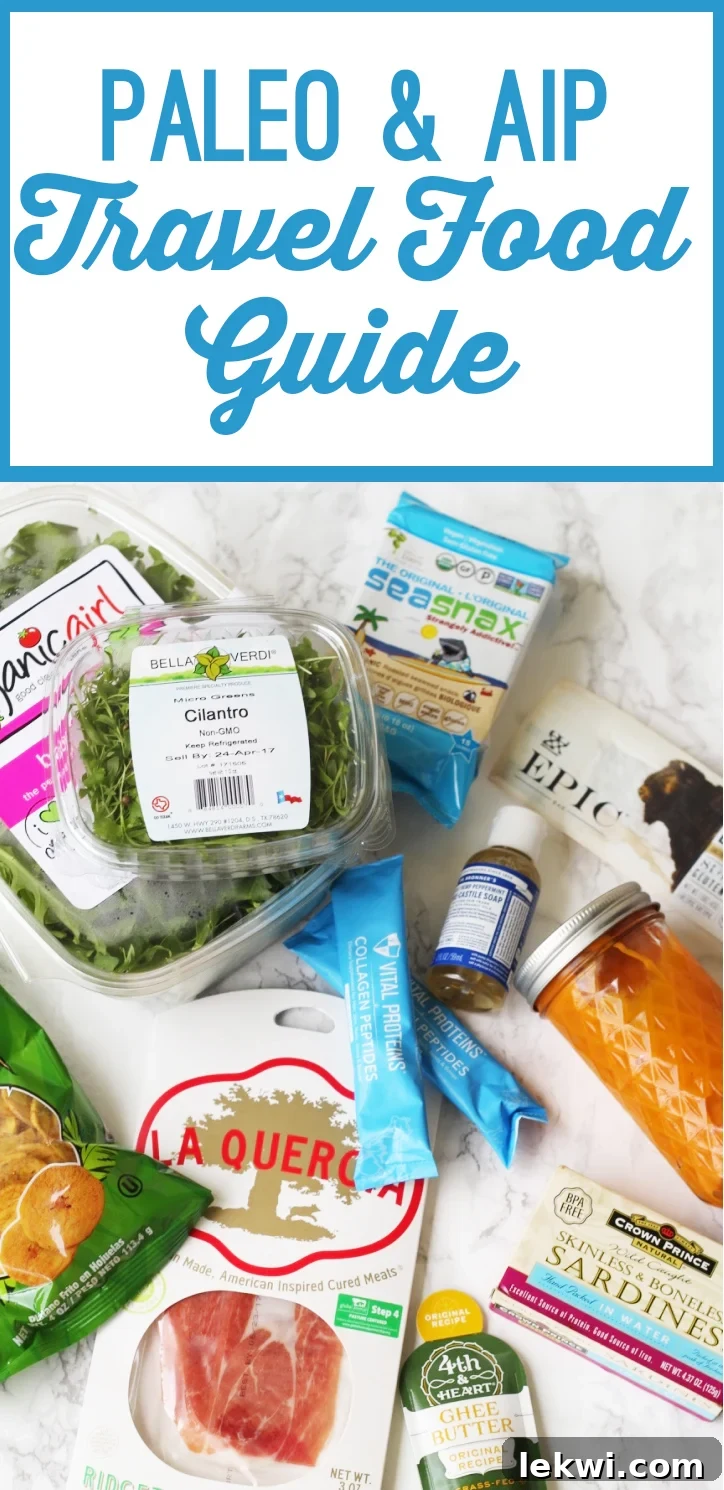
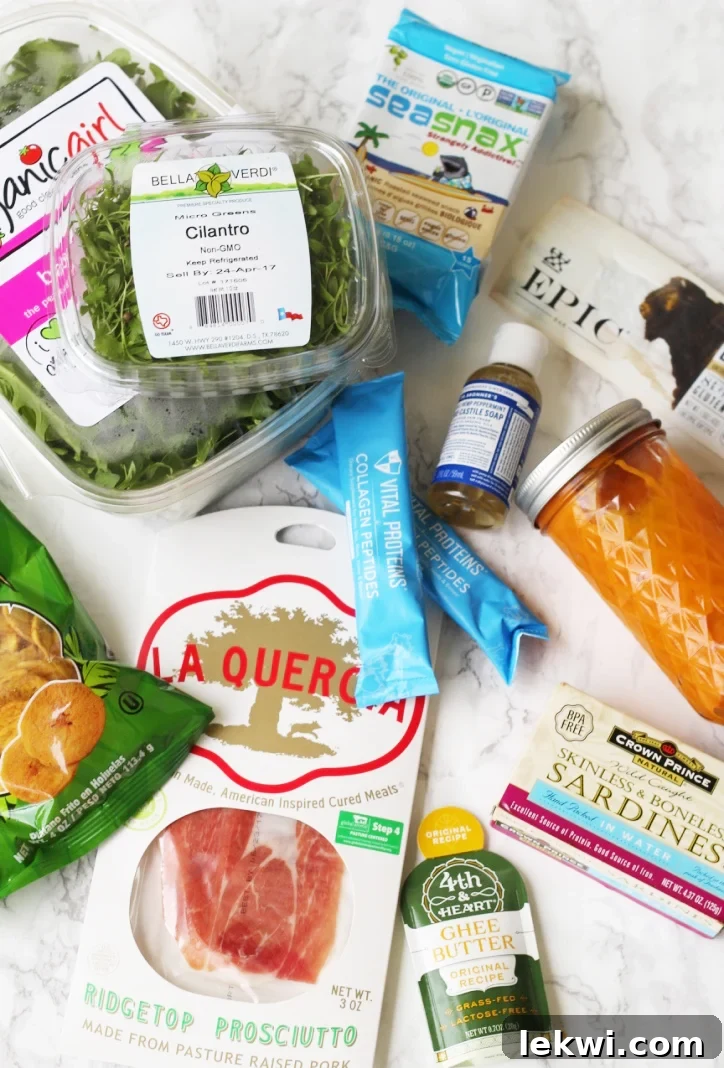
Creating a detailed food checklist is the cornerstone of successful AIP/Paleo travel. Thinking through every potential meal and snack ensures you’re prepared for any situation, from unexpected delays to limited dining options. Prioritize non-perishable, nutrient-dense items that require minimal preparation.
Fruits & Vegetables (Fresh & Packaged)
- Fresh Sliced Carrots: An excellent source of fiber and vitamins, these are crunchy, hydrating, and easy to pack.
- Fresh Celery Sticks: Similar to carrots, celery offers hydration and a satisfying crunch, perfect for a quick snack.
- Bagged Arugula or Herbs: If you have access to a cooler, fresh greens can elevate any simple meal. Keep them crisp with ice packs.
- Baby Food (Additive-Free): A surprisingly versatile option, these pureed fruit and vegetable pouches are shelf-stable, easy to consume, and free from common allergens. Look for single-ingredient varieties.
- Seasnax Seaweed Packs: Light, crispy, and savory, seaweed snacks are a fantastic way to get minerals on the go. Ensure they are made with AIP-compliant oils.
- Vital Proteins Collagen Veggie Blend: A convenient way to boost your vegetable intake and provide collagen protein, especially when fresh produce is scarce.
Starches (Energy-Boosting & Portable)
- Plantain Chips: A delicious and satisfying alternative to potato chips, plantain chips offer complex carbohydrates for sustained energy. Choose brands cooked in compliant oils like coconut oil or palm oil.
- Sweet Potato Chips: Another excellent whole-food starch, sweet potato chips provide natural sweetness and fiber. Again, check oil ingredients carefully.
Fats (Essential for Satiety & Flavor)
- Single Serve Coconut Oil Packs: Perfect for adding healthy fats to coffee, tea, or cooked meals, these individual portions are mess-free and convenient.
- Ghee On-the-Go from 4th & Heart: While not strictly AIP (as it contains dairy), many on Paleo enjoy ghee for its rich flavor and high smoke point. These travel-friendly packets are a personal favorite for adding flavor to simple dishes.
- Travel Size Olive Oil: A small bottle of quality olive oil can transform a plain salad or cooked vegetable dish into a flavorful meal.
Proteins (Crucial for Muscle & Satiety)
- Homemade Beef Jerky: Preparing your own jerky ensures it’s free from undesirable additives, sugars, and non-compliant spices. You can easily customize it to be AIP-compliant by omitting ingredients like blueberries if preferred.
- EPIC Bars: These savory meat bars offer a convenient source of protein. Ensure you select flavors that are compliant with your specific dietary needs, checking for ingredients like nightshades or seeds.
- Canned Sardines or Salmon: A fantastic source of omega-3 fatty acids and protein, canned fish is shelf-stable, requires no refrigeration until opened, and can be eaten straight from the can.
- Prosciutto: A flavorful and thinly sliced cured meat that can be a quick protein boost. Look for varieties with minimal ingredients and no added sugars or preservatives.
- Frozen Pot Roast & Veggies: If you have access to a mini cooking device and can keep it cold, pre-cooked and frozen meals like pot roast can be incredibly comforting and nourishing.
- Frozen Bone Broth Soups: Bone broth is a cornerstone of gut healing. Freezing portions allows them to double as ice packs initially and then be reheated in a mini crockpot for a warm, restorative meal.
- Vital Proteins Collagen On-the-Go Packs: These unflavored collagen peptides dissolve easily into any beverage, providing essential amino acids for gut health, skin, and joints. They are truly indispensable for travel.
Supplements (Support & Protection)
- Digestive Enzymes: Crucial for supporting digestion, especially when your routine is disrupted or if you consume anything slightly off-plan.
- Betaine HCL: Supports stomach acid production, which is vital for nutrient absorption and preventing indigestion.
- Activated Charcoal: A lifesaver for potential digestive upsets or exposure to toxins. It can help absorb and eliminate unwanted substances from the gut.
Other Essential Travel Gear
- Ice Packs: Essential for keeping perishable foods cold. You can bring frozen ice packs on a plane as long as they remain frozen solid through security.
- Cooler: The right cooler is key for temperature control. I use a compact soft-sided cooler for shorter trips and a rolling cooler for longer journeys or when carrying more perishables.
- Mini-Crockpot or Hot Logic Oven: These portable cooking devices are game-changers for heating meals in hotel rooms or even in your car. They allow you to enjoy warm, nourishing food without a full kitchen.
- Reusable Water Bottle: Staying hydrated is paramount, especially when traveling. Carry a reusable bottle and refill it frequently.
- Travel Size Soap (and sponge/brush): For washing any reusable utensils or containers, maintaining hygiene is crucial.
- Reusable Utensils & Containers: Reduce waste and ensure you always have safe eating tools. Silicone bags or stainless steel containers are excellent options.
When it comes to packing food, I always err on the side of bringing more than I anticipate needing. On a business trip to Indonesia, despite my careful planning, I found my appetite was significantly affected by jet lag, leading to a surplus of untouched food. However, I was immensely grateful to have too much rather than too little, especially since opportunities to eat out or visit a grocery store were non-existent. Overpacking food provides a safety net against unexpected hunger, delays, or lack of suitable options, ensuring your well-being remains a top priority.
Inspiring Meal Ideas for AIP/Paleo Travelers
Warm & Nourishing: Sit-Down Meal with a Cooking Device
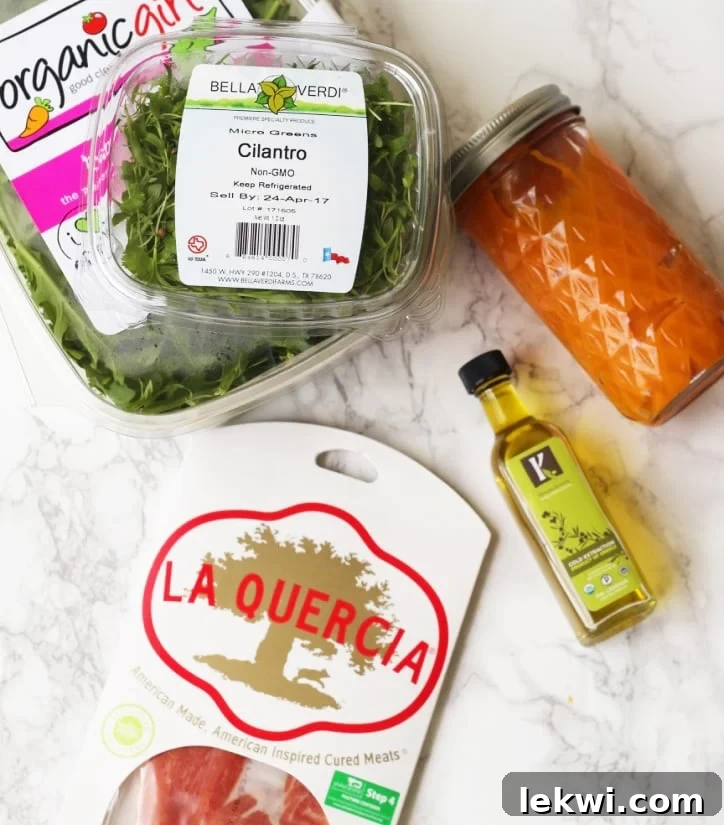
Even without a full kitchen, a mini-crockpot or hot logic oven can transform your travel meals. Imagine a comforting carrot and bone broth soup, gently heated in your mini crockpot. Pair this with a vibrant side salad featuring fresh arugula, aromatic cilantro, thin slices of compliant prosciutto, all drizzled with your trusted travel olive oil. This setup allows for warm, home-cooked meals that nourish your body and soul, even in a hotel room.
Effortless & Fresh: Simple Salad
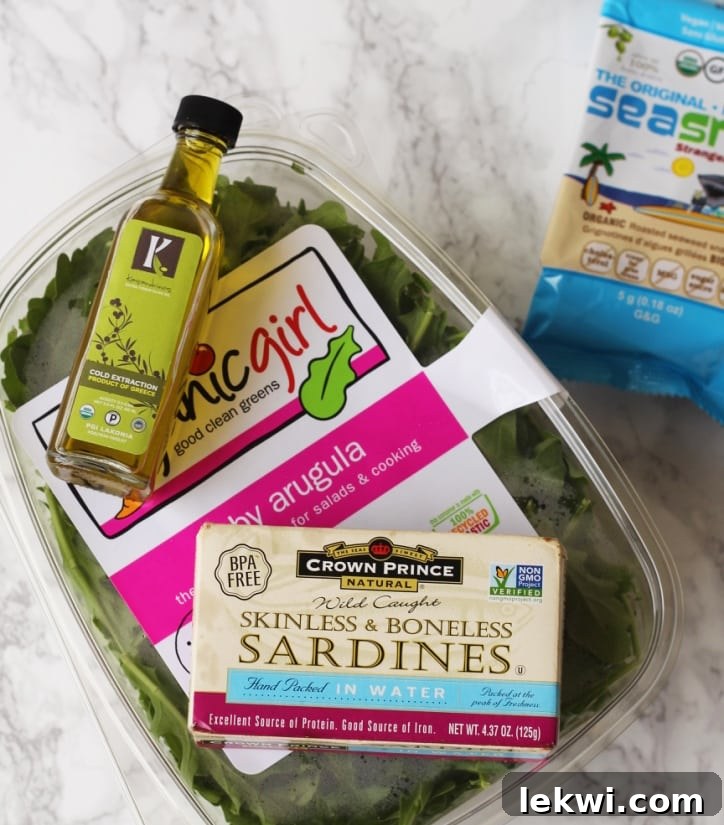
For a quick and incredibly easy meal that doesn’t require any cooking, a simple salad is a perfect choice. Combine fresh greens and herbs (if available), add a protein source like canned sardines, and enhance the flavor with a dash of your travel olive oil and a sprinkle of crunchy Sea Snax. This meal is not only nutrient-dense but also incredibly adaptable to whatever fresh ingredients you might find or have packed.
Ready-to-Eat: On-the-Go Snacks & Lunch
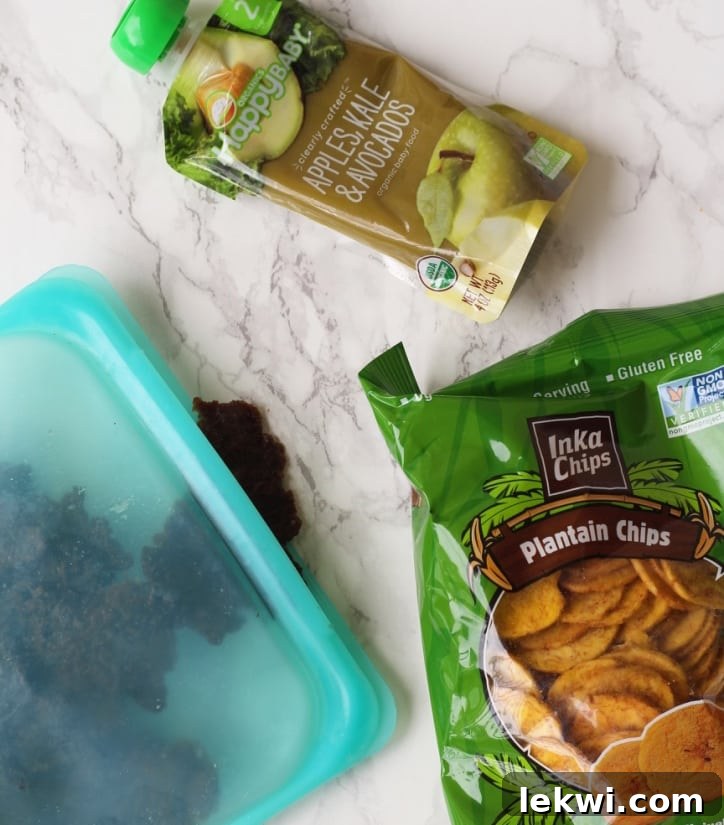
When you’re out exploring or facing long travel segments, having readily available snacks and mini-meals is crucial. A combination of homemade beef jerky, crunchy plantain chips, and a convenient baby food pouch can provide a satisfying and compliant lunch. These items are perfect for a picnic in a park, a quick bite between flights, or simply for staving off hunger until your next planned meal.
Emergency Essentials: Purse-Friendly Power-Ups
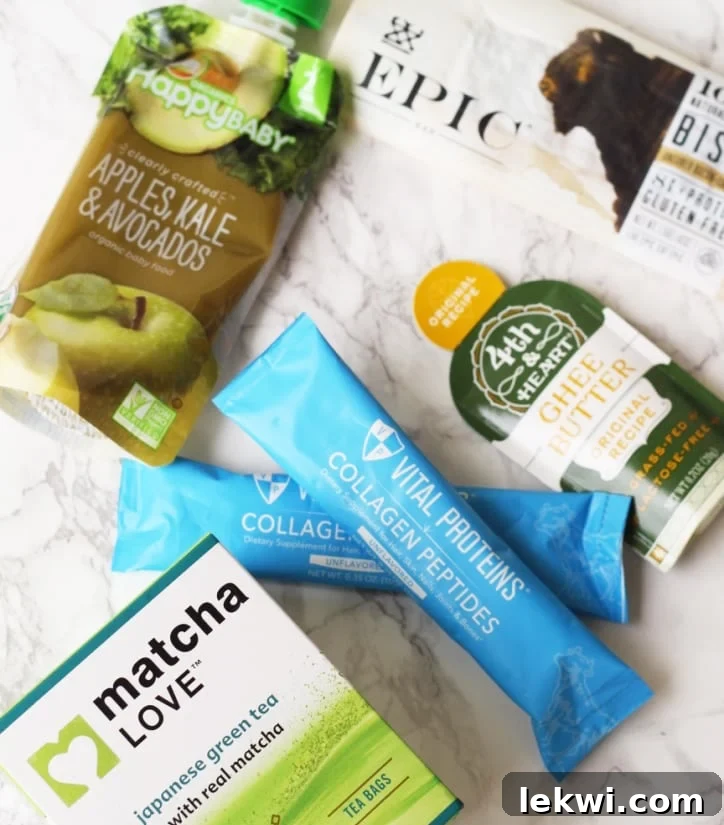
Beyond full meals, it’s wise to carry a selection of immediate hunger solutions in your purse or day bag. I always keep some vital proteins collagen packets, a soothing tea bag (like matcha), an EPIC bar for quick protein, a travel-sized ghee packet, and an emergency baby food pouch. These essentials are invaluable for bridging gaps between meals, managing unexpected delays, or simply ensuring you always have a compliant option on hand when hunger strikes.
Smart Strategies for Lodging & Eating Out
1. Prioritize Accommodations with a Full Kitchen
Whenever possible, making a full kitchen a non-negotiable requirement for your lodging is the most advantageous strategy. A complete kitchen grants you the freedom to prepare fresh, customized meals daily, significantly reducing your reliance on packed foods and offering greater control over ingredients and preparation methods. Platforms like Airbnb, VRBO, or extended-stay hotels often provide excellent options for apartments or suites equipped with kitchens. This not only supports your dietary needs but can also be a cost-effective choice, as eating out frequently can quickly add up. Before booking, confirm the kitchen amenities, including the presence of a stove, microwave, refrigerator, and basic cooking utensils, to ensure it meets your specific needs.
2. Ingenuity When a Kitchen Isn’t an Option: Cooler & Mini-Cooking Devices
The reality of travel means a full kitchen isn’t always feasible. But don’t despair; you can still eat well and stay on track! My solution for these scenarios involves a reliable travel cooler paired with a compact cooking device. A high-quality cooler, replenished with ice readily available from most hotels, will keep your perishables safe. A mini crockpot or a Hot Logic Oven becomes your personal chef. These devices are lifesavers for reheating pre-cooked meals like frozen bone broth soups, stews, or even warming up leftovers. I’ve found immense comfort in being able to enjoy a warm, nourishing bowl of soup even in the simplest hotel room. This setup empowers you to maintain your dietary integrity, no matter the lodging limitations.
3. Exercising Extreme Caution When Dining Out: The Hidden Risks
Eating out is often a central part of the travel experience, but for those on an AIP or Paleo diet, it requires an elevated level of vigilance. My approach is always to be overly cautious, and I’ve never regretted it. Even if a menu proudly declares an item “gluten-free,” this label alone does not guarantee safety. The risk of cross-contamination in busy kitchens is high, and many restaurants may use non-compliant cooking oils (like canola, soy, or vegetable oils) even for “healthy” dishes. Having worked in numerous restaurants in the past, I’ve seen firsthand that staff are often not adequately educated on the nuances of severe dietary restrictions or the critical importance of preventing cross-contamination. Never assume a dish is safe just because it appears to be. Be proactive: ask detailed questions about ingredients, cooking methods, and potential cross-contact with allergens. Your health is worth the extra inquiry.
4. Diligent Research for Safe Dining Establishments
The good news is that truly safe and delicious restaurants for AIP and Paleo diners do exist; they simply require some dedicated research. Before your trip, invest time in looking for establishments that specialize in whole foods, offer specific allergen menus, or clearly state their commitment to clean eating. Utilize online resources, review sites, and specialized apps (like Find Me Gluten Free, though still verify for AIP specifics). Personal recommendations from local AIP/Paleo communities can also be invaluable. I’ve had wonderful experiences at places like Mission Heirloom in Berkeley, CA, and Picnik in Austin, TX, which are exemplary in their approach to health-conscious dining. Eileen Laird at Phoenix Helix has also compiled an amazing Paleo restaurants guide that serves as an excellent reference. Always call ahead to speak with the manager or chef, explaining your dietary needs in detail to ensure they can accommodate you safely.
5. The “Layer On Your Own” Strategy for Restaurant Meals
When faced with uncertainty regarding cross-contamination, mystery oils, or questionable ingredients at a restaurant, I employ a simple yet effective strategy: order a mostly raw or incredibly plain base meal, and then supplement it with compliant foods from my own stash. For example, I might order a large plain salad with no dressing, ensuring it contains only the simplest, safest vegetables. To this, I’ll add my own travel-sized olive oil for dressing and crumble in an EPIC bar or some homemade jerky for protein. This approach empowers you to enjoy the social aspect of dining out without compromising your health, effectively transforming a potentially risky meal into a safe and satisfying one with your trusted additions.
6. Embrace Flexibility, Prepare Thoroughly, and Enjoy the Journey
While preparation is paramount, it’s equally important not to let the pursuit of perfection overshadow the joy of travel. Don’t stress over the small stuff. We are all human, and occasional slip-ups can happen. It’s not the end of the world if you encounter a minor setback. The key is to prepare as thoroughly as you possibly can, arming yourself with knowledge, compliant foods, and smart strategies. Beyond that, cultivate a mindset of flexibility and self-compassion. Focus on the positive experiences, the new sights, and the cherished memories you’re creating. Remember, the goal is to travel happily and healthily, not to achieve flawless dietary adherence under all circumstances. Enjoy your adventures, knowing you’ve done your best to support your well-being on the road!