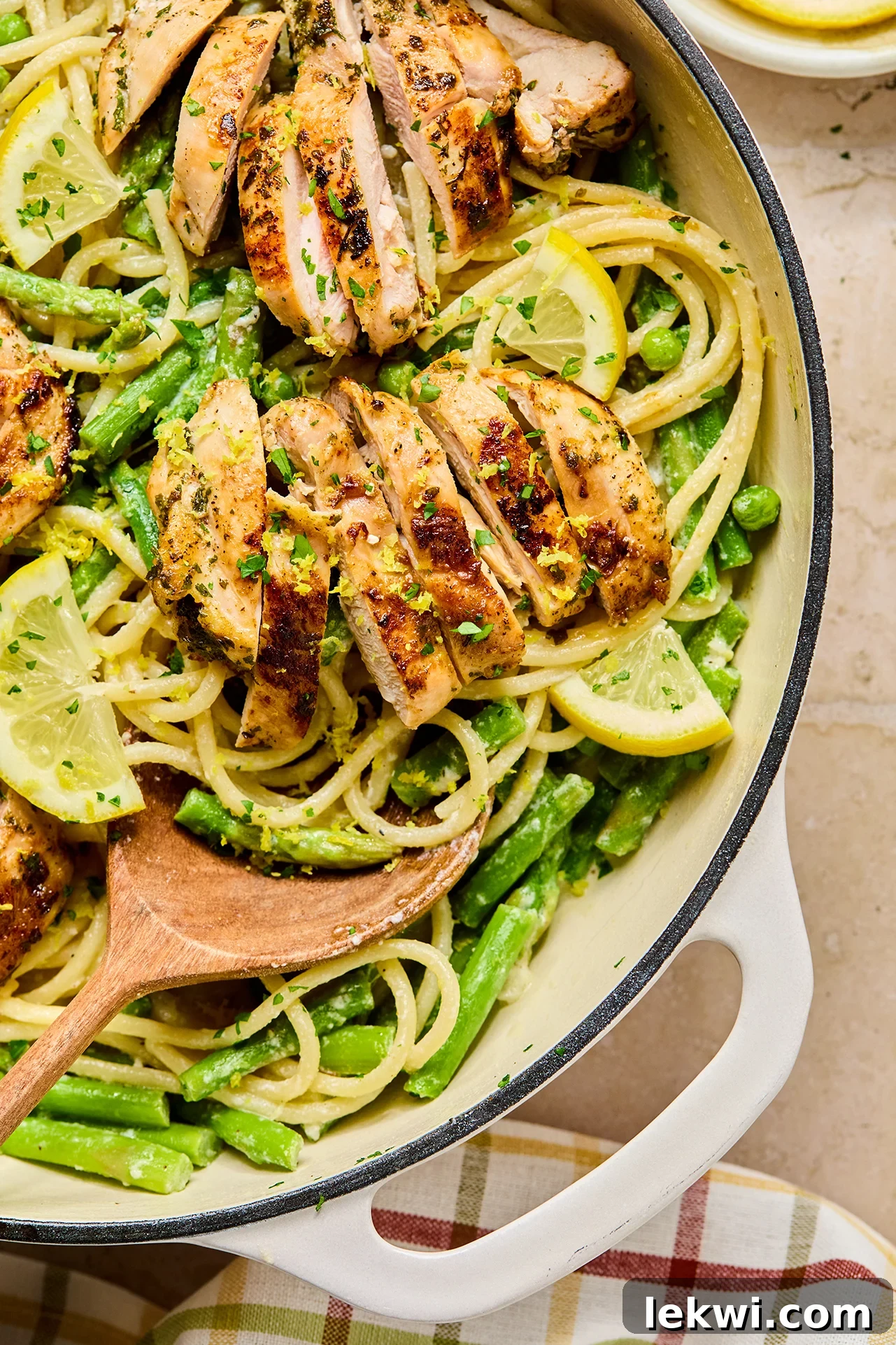
As the days grow longer and nature reawakens, there’s nothing quite like a meal that captures the vibrant essence of spring. This Lemon Goat Cheese Pasta with Chicken is precisely that – a celebration of fresh, bright flavors harmoniously blended into a comforting, yet light, dish. Featuring tender chicken, perfectly al dente gluten-free bucatini, and a luxuriously creamy goat cheese sauce, this recipe offers a nourishing and complete meal perfect for any spring evening. It’s designed to be simple, flavorful, and incredibly satisfying, whether you’re a seasoned chef or a busy home cook looking for a delicious weeknight solution.
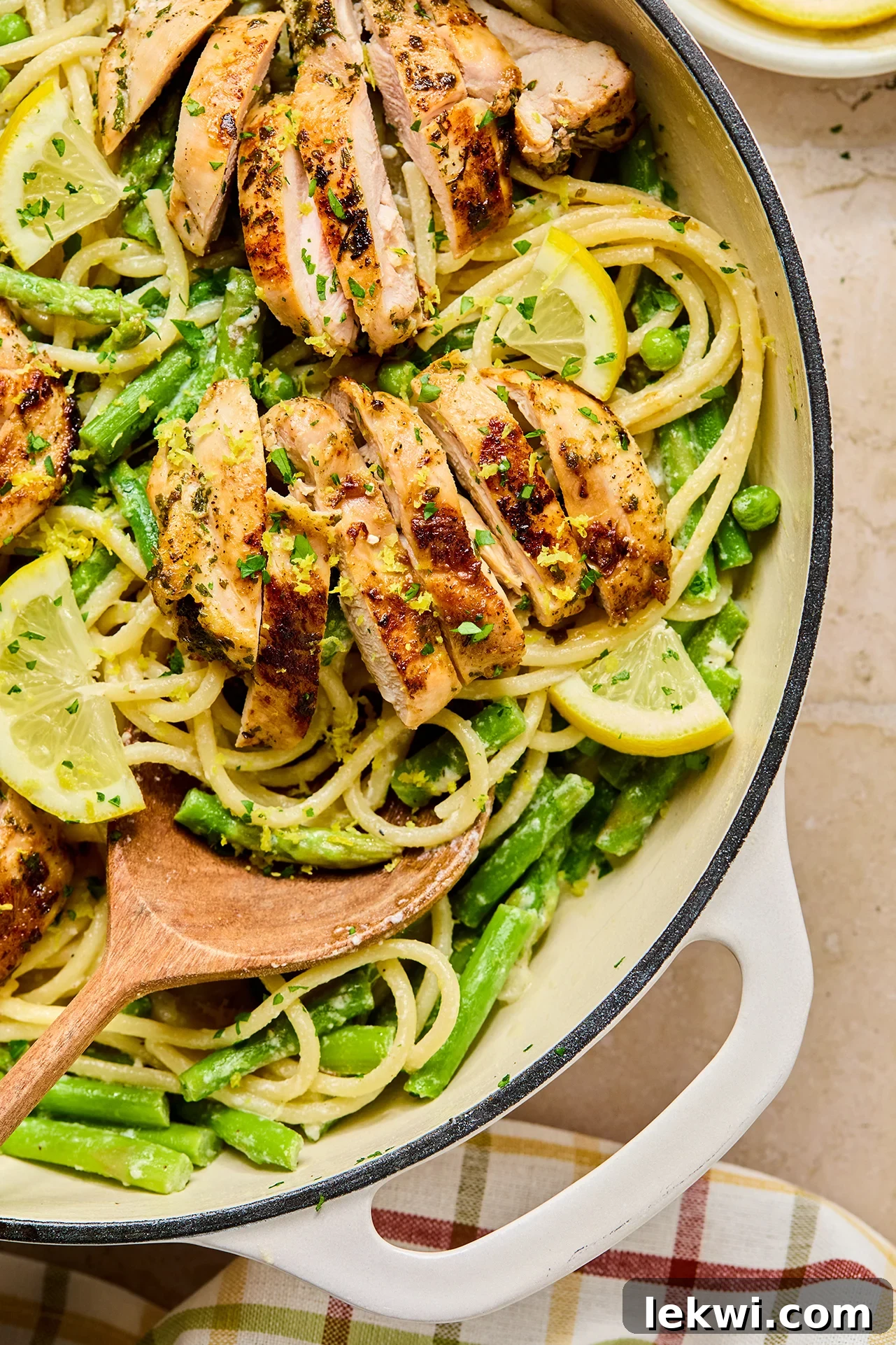
Why You’ll Adore This Lemon Goat Cheese Pasta
Spring is a season of renewal, and its produce reflects this beautifully. From zesty citrus to crisp green vegetables and aromatic herbs, these ingredients are a dream pairing with the unique tang and creaminess of goat cheese. While I’m always a fan of a good pasta dish – like my much-loved lemon chicken pasta bake – this particular recipe elevates spring flavors into a truly memorable experience. Here’s a closer look at why this dish is poised to become a staple in your kitchen:
- Gluten-Free Bucatini for Optimal Sauce Absorption: Bucatini is a pasta lover’s secret weapon. Imagine spaghetti, but with a clever hollow center. This design allows it to perfectly capture and deliver every drop of the rich, creamy goat cheese sauce in each bite, ensuring an explosion of flavor from start to finish. Using a high-quality gluten-free bucatini means everyone can enjoy this textural delight without compromise.
- Goat Cheese: A Delightful Dairy Alternative: For those who are sensitive to dairy, goat cheese can often be a more tolerable option. While it’s not entirely lactose-free, goat cheese naturally contains lower levels of lactose compared to traditional cow’s milk cheeses. This makes it an excellent choice for adding a rich, tangy creaminess to your pasta without the potential discomfort. Its distinct flavor profile also adds a sophisticated depth that complements the lemon and herbs beautifully.
- Effortless One-Pot Cooking for Veggies and Pasta: Say goodbye to multiple pots and excessive cleanup! This recipe smartly streamlines the cooking process by boiling your vibrant spring vegetables – asparagus and peas – directly in the same pot as the pasta. This not only saves time and effort but also infuses the pasta with subtle vegetable flavors. Similarly, the chicken is cooked, and the luscious sauce is prepared in the same pan, maximizing flavor and minimizing dish duty.
- A Perfectly Balanced & Nourishing Meal: This isn’t just a delicious pasta; it’s a well-rounded meal designed to nourish your body. Lean protein from the chicken, complex carbohydrates from the gluten-free pasta, and a host of vitamins and fiber from the fresh spring vegetables ensure you get a balanced intake with every forkful. It’s a meal that truly satisfies on all levels.
- Vibrant and Fresh Spring Flavors: The star of this dish is its bright, invigorating flavor profile. Fresh lemon zest and juice provide a delightful citrusy kick, perfectly balancing the richness of the goat cheese. Combined with aromatic garlic and fresh parsley, this pasta bursts with the quintessential tastes of spring, making it an uplifting and refreshing meal choice.

Key Ingredients for Your Lemon Goat Cheese Pasta
Crafting exceptional flavor begins with quality ingredients. Below are the core components for this dish, along with notes on why they work and potential substitutions to suit your preferences or pantry. For precise measurements and quantities, please refer to the comprehensive recipe card at the end of this article.
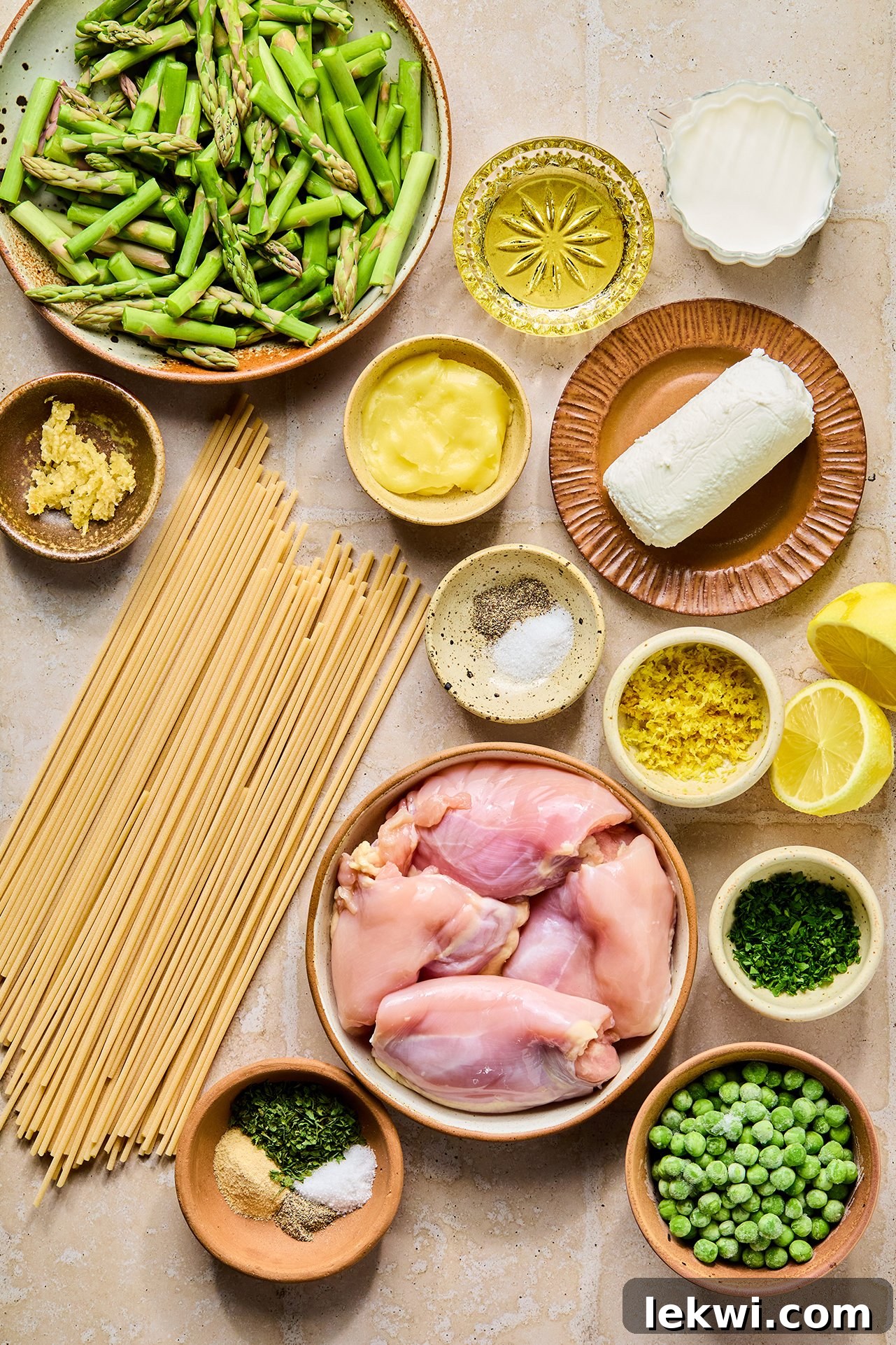
- Chicken Thighs: We opt for chicken thighs because their slightly higher fat content ensures they remain incredibly juicy and flavorful when cooked. They also absorb marinades beautifully. Substitution Idea: For a different protein, shrimp or even salmon would be a fantastic complement to the lemon-goat cheese flavors. Chicken breast can also be used, though it may be less tender. For a vegetarian option, consider chickpeas or pan-seared tofu.
- Almond Milk: This plant-based milk forms the creamy base of our sauce, offering a neutral flavor that allows the lemon and goat cheese to shine. Substitution Idea: Feel free to use other unsweetened plant-based milks like oat milk or cashew milk. For those who tolerate dairy, a light cream or half-and-half would also work.
- Ghee: Clarified butter, or ghee, provides a rich, buttery flavor with a high smoke point, making it excellent for sautéing. It’s also suitable for many who avoid dairy as the lactose and casein have been removed. Substitution Idea: Olive oil is a perfect dairy-free alternative that will still provide a delicious base for sautéing.
- Gluten-Free Bucatini: As highlighted earlier, bucatini’s hollow shape is ideal for soaking up every drop of this flavorful sauce. Substitution Idea: If bucatini isn’t available, any other long, sturdy gluten-free pasta like spaghetti, linguini, or even fettuccine would be a suitable alternative.
- Asparagus and Peas: These vibrant green vegetables are quintessential spring produce. Asparagus adds a slight earthy crunch, while peas provide bursts of sweet freshness. Substitution Idea: Feel free to incorporate other quick-cooking spring vegetables like spinach (add at the very end to wilt) or thinly sliced zucchini.
- Garlic Cloves: The aromatic foundation of our sauce, fresh minced garlic adds depth and warmth. Don’t skimp on the fresh garlic for the best flavor!
- Goat Cheese: The star of the sauce, offering a unique tangy, creamy, and slightly earthy flavor that is less pungent than some other cheeses. It melts beautifully into a luscious sauce.
- Fresh Lemons: Both the juice and zest are crucial. Lemon juice provides a bright acidity that cuts through the richness of the cheese, while the zest delivers an intense, aromatic burst of lemon flavor that is incomparable to bottled juice.
- Dried Parsley & Onion Powder: These seasonings enhance the chicken’s flavor profile, providing an aromatic base.
- Salt & Pepper: Essential for seasoning every component of the dish to perfection. Always taste and adjust as you go!
- Avocado Oil: Used for searing the chicken, avocado oil has a high smoke point and neutral flavor. Substitution Idea: Any high-heat cooking oil like grapeseed oil or another neutral vegetable oil can be used.
How to Make Lemon Goat Cheese Pasta: A Simple Guide
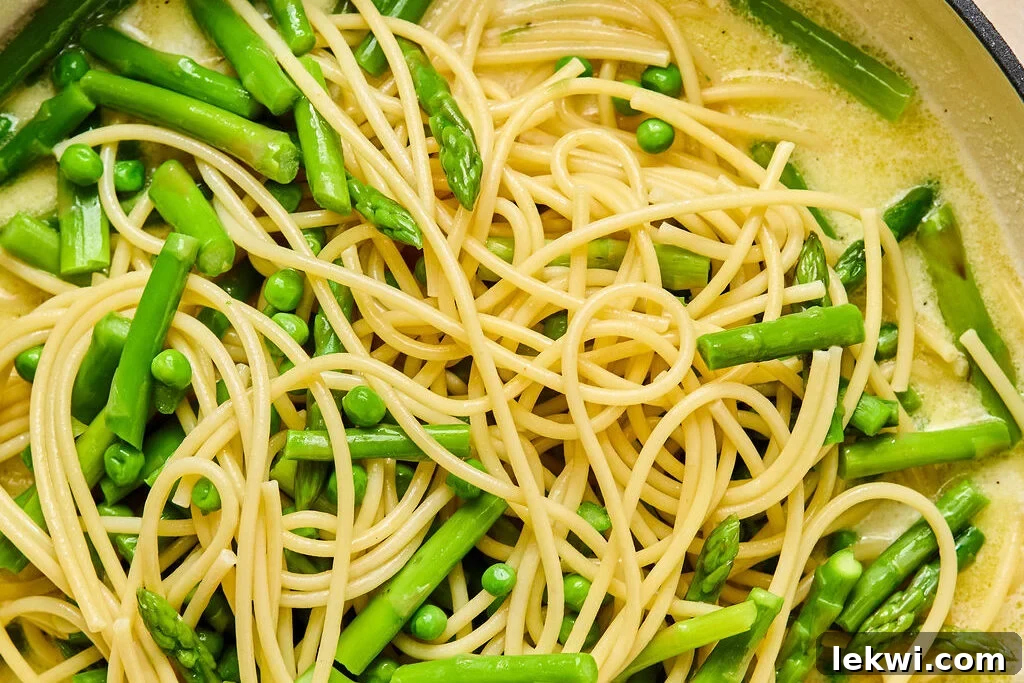
Creating this flavorful pasta dish is incredibly straightforward, thanks to its clever, streamlined cooking method. Follow these simple steps, complete with visual aids, to bring this exquisite spring meal to your table. Detailed instructions, including precise timings, are available in the full recipe card below.
Expert Tips for the Best Lemon Goat Cheese Pasta
Achieving a truly outstanding pasta dish involves a few simple tricks. Keep these tips in mind to ensure your Lemon Goat Cheese Pasta is consistently perfect:
- Always Use Fresh Lemon: While bottled lemon juice is convenient, fresh lemon provides a brighter, more nuanced flavor. Don’t skip the zest – it contains essential oils that deliver a powerful aromatic punch, elevating the entire dish.
- Don’t Overcook the Pasta (or Veggies): Aim for al dente pasta, which means it’s firm to the bite. Overcooked pasta becomes mushy and loses its appealing texture. Similarly, cooking asparagus and peas with the pasta for just the right amount of time ensures they retain their crispness and vibrant color.
- Salt Your Pasta Water Generously: This is a cardinal rule for delicious pasta! The water should taste like the sea. Salting the water seasons the pasta from within, which is crucial since gluten-free pasta can sometimes be bland on its own.
- Embrace the Pasta Water: That reserved starchy pasta water is your best friend for creating a silky, emulsified sauce. The starches in the water help bind the sauce ingredients together, giving it a restaurant-quality consistency. Add it gradually until your sauce reaches your desired thickness.
- Taste and Adjust Seasoning: Don’t be afraid to taste your sauce before combining it with the pasta. Adjust salt, pepper, and lemon juice as needed to suit your palate. The goat cheese itself can vary in saltiness, so tasting is essential.
- Fresh Herbs Make a Difference: While dried parsley is used in the chicken marinade, fresh parsley or even basil as a garnish adds a burst of fresh flavor and a beautiful pop of color to the finished dish.
Delicious Variations and Substitutions
One of the joys of cooking is the ability to adapt recipes to your taste, dietary needs, or what you have on hand. This Lemon Goat Cheese Pasta is incredibly versatile:
- Protein Swaps:
- Shrimp: As mentioned, shrimp is a fantastic alternative. Simply sauté it quickly in the pan after the chicken (or instead of) until pink and cooked through, then add it back at the end.
- Salmon: Flaky salmon fillets would also pair beautifully. Pan-sear or bake them separately and flake them over the pasta.
- Vegetarian Options: For a completely plant-based meal, omit the chicken and consider adding roasted chickpeas, white beans, or pan-seared strips of portobello mushrooms or firm tofu for added protein and texture.
- Vegetable Alternatives: Feel free to swap or add other seasonal vegetables.
- Spinach or Arugula: Stir in a few handfuls of fresh spinach or arugula at the very end; the residual heat will wilt them perfectly.
- Broccoli or Broccolini: Chop finely and add to the pasta water during the last few minutes of cooking.
- Cherry Tomatoes: Halved cherry tomatoes can be added to the sauce to warm through, adding a burst of sweet acidity.
- Dairy-Free Creaminess:
- To make the sauce entirely dairy-free, you could experiment with a cashew cream base (cashews soaked and blended with water) or use a store-bought dairy-free cream cheese alternative mixed with lemon juice and pasta water. Nutritional yeast can also add a cheesy flavor.
- Herb Twists: Beyond parsley, fresh dill or basil would offer delightful variations to the herb profile. A sprinkle of fresh mint could also add a surprisingly refreshing touch.
- Spice it Up: If you enjoy a bit of heat, a pinch of red pepper flakes added with the garlic or as a garnish will give this pasta a subtle kick.
Recipe FAQs
Absolutely! Shrimp is an excellent alternative protein for this recipe. Its delicate flavor and quick cooking time make it a perfect match for the light and zesty lemon-goat cheese sauce and spring vegetables. I would, however, advise against using heavier meats like beef or lamb, as their robust flavors would likely overpower the fresh, bright profile of this dish.
While goat cheese is wonderfully creamy and tangy on its own, its flavor can be amplified and brightened through strategic pairings. In this recipe, the combination of fresh lemon juice and zest provides a vibrant counterpoint to the cheese’s richness. Fresh herbs like parsley (or even dill and basil) add aromatic complexity, while spring vegetables like peas and asparagus introduce sweetness and texture, preventing the sauce from being “one-note.” The garlic also provides a warm, savory base that ties everything together, making the goat cheese flavor truly sing.
Many individuals with lactose intolerance find goat cheese to be more digestible than cheeses made from cow’s milk. This is primarily because goat’s milk naturally contains lower levels of lactose. Additionally, the protein structure in goat’s milk differs from cow’s milk, which some people find easier to process. While it’s not entirely lactose-free, it’s often a preferred choice for those seeking to reduce their lactose intake. However, individual tolerance varies, so it’s always best to consume in moderation and observe how your body reacts.
This pasta dish makes for delicious leftovers! Store any uneaten portions in an airtight container in the refrigerator for up to 3-4 days. The flavors tend to meld even more over time. When reheating, you might want to add a splash of almond milk or a bit of water to loosen the sauce, as it can thicken in the fridge.
Absolutely! To make this recipe vegetarian, simply omit the chicken. You can enhance the protein content and heartiness by adding a can of drained and rinsed cannellini or chickpeas during the last few minutes of cooking the sauce. Roasted vegetables like bell peppers or zucchini would also be a wonderful addition, or even a handful of sun-dried tomatoes for an extra layer of flavor.
Other Zesty Lemon Pasta Recipes to Try
If you’ve fallen in love with the bright, refreshing flavors of lemon in pasta, you’re in for a treat! Here are a few more lemon-infused pasta recipes that are equally delightful:
- Lemon Salmon Pasta: A fantastic pescatarian option packed with healthy fats and vibrant flavors.
- Lemon Chicken Pasta Bake: A hearty and comforting baked pasta dish that’s both gluten-free and dairy-free.
- Lemon Garlic Shrimp Pasta: A quick and easy weeknight meal that highlights the classic pairing of lemon, garlic, and shrimp.
If you tried this Lemon Goat Cheese Pasta or any other recipe on my blog, please consider leaving a star rating and let me know how it went in the comments below. Your feedback helps others discover and enjoy these recipes. Thanks for visiting!
No ratings yet
Lemon Goat Cheese Pasta
This lemon goat cheese pasta is the perfect spring meal. With tender chicken, gluten-free bucatini, and a tangy goat cheese sauce, it’s a nourishing and satisfying whole meal that comes together quickly.
Leave a Review
Pin Recipe
Ingredients
For the Chicken
- 1 lb chicken thighs
- 2 tsp dried parsley
- 1 tsp onion powder
- Salt & pepper, to taste
- Juice of half a lemon
- 2 tbsp avocado oil
For the Pasta and Sauce
- 6 oz gluten-free buccatini (or spaghetti)
- ½ bundle asparagus, chopped
- ⅓ cup peas, frozen
- 2 tbsp ghee (or olive oil)
- 3 garlic cloves, minced
- 4 oz goat cheese
- ½ cup pasta water (reserved from cooking)
- ⅓ cup almond milk (or other plant-based milk/cream)
- Juice of half a lemon
- Salt and pepper, to taste
- 1 tbsp lemon zest, for garnish
- 1 tbsp parsley, fresh, chopped, for garnish
Instructions
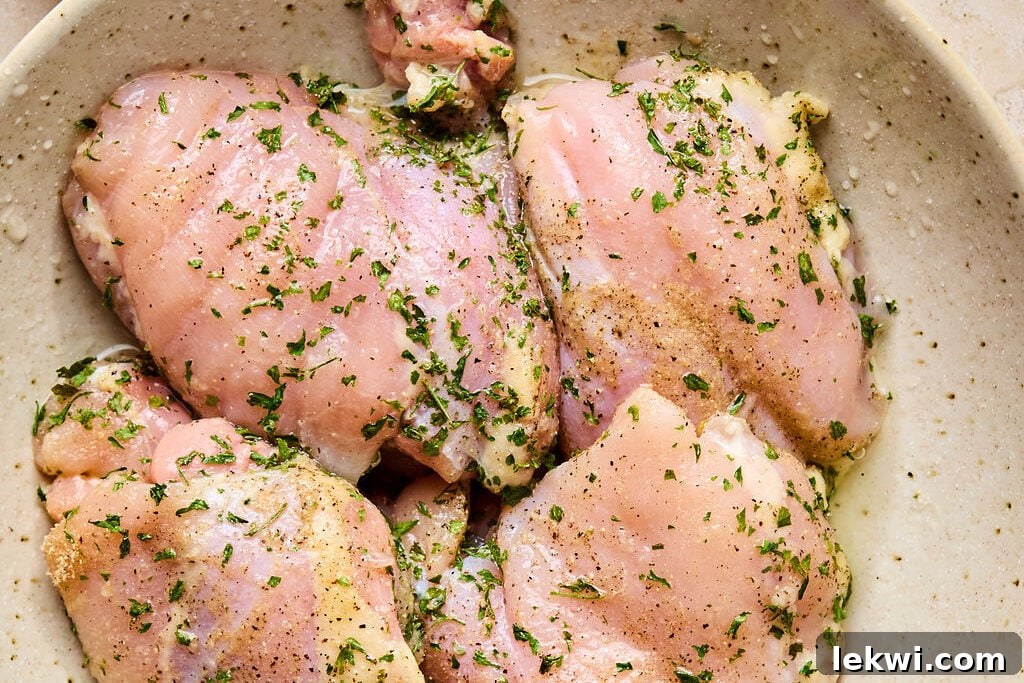
- Season the chicken with dried parsley, onion powder, salt, and pepper. Place in a shallow bowl, top with lemon juice, and marinate for 20-30 minutes.
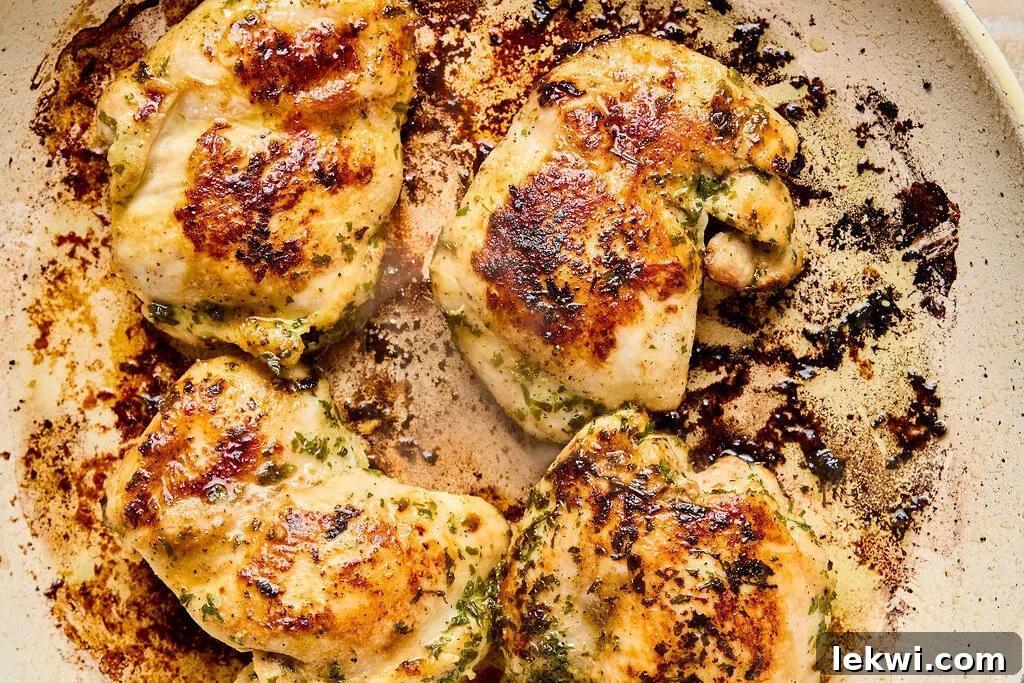
- Heat the avocado oil in a large, deep pan over medium heat until shimmering. Add the chicken and cook for 5-6 minutes on each side, or until cooked through and golden. Set aside, cover, and let rest for about 5 minutes before slicing.
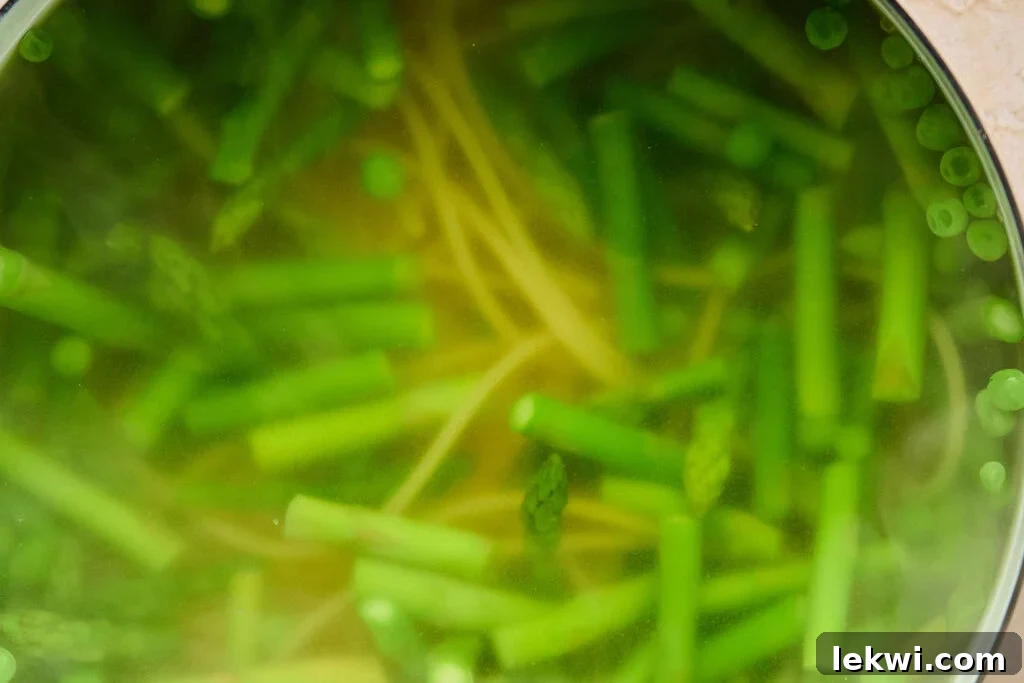
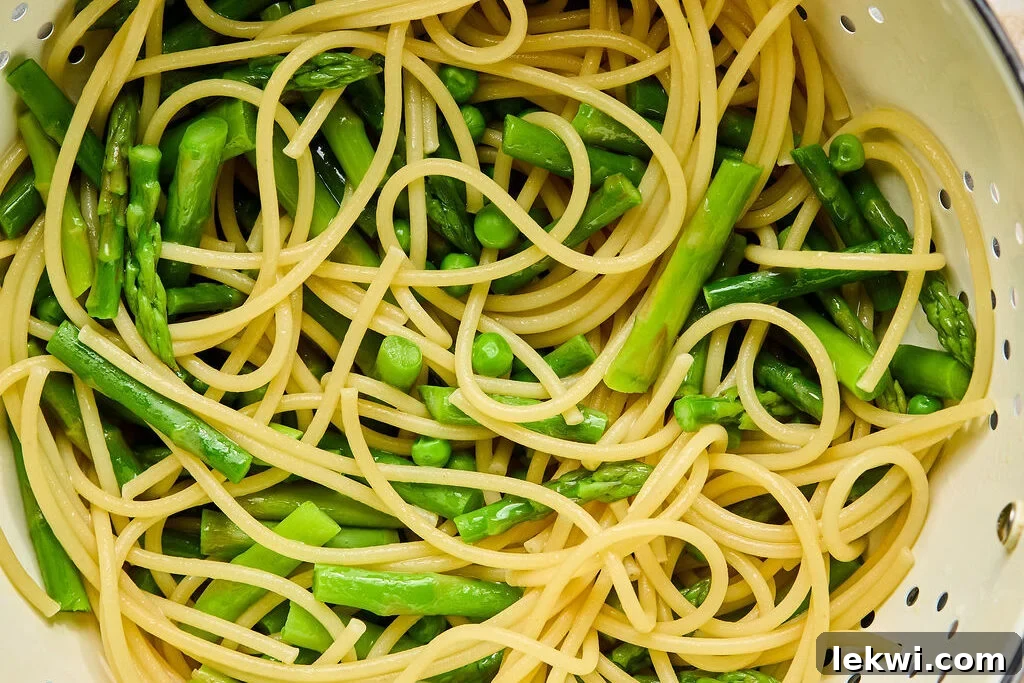
- While the chicken cooks, bring a pot of well-salted water to a boil. Add the pasta, asparagus, and peas. Cook until the pasta is al dente. Reserve ½ cup of pasta water, then strain the pasta and vegetables. Toss with a bit of olive oil to prevent sticking.
- Using the same large pan, add the ghee over medium heat. Sauté the minced garlic for 2-3 minutes until fragrant.
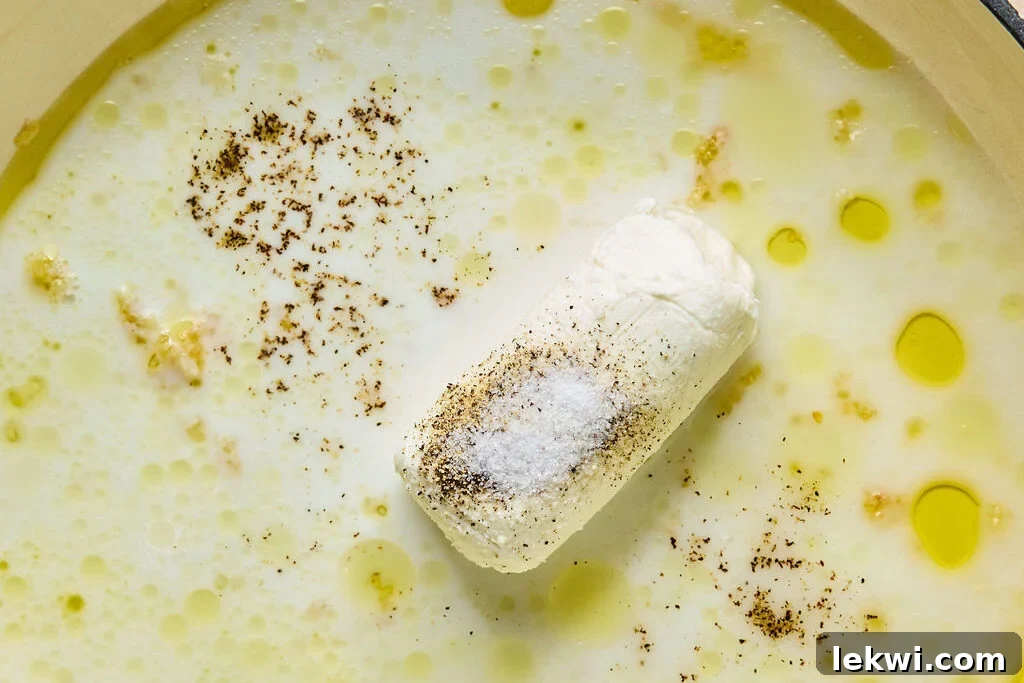
- Pour in the reserved pasta water, almond milk, fresh lemon juice, crumbled goat cheese, and season with salt and pepper. Stir continuously until the goat cheese melts and the sauce becomes creamy and thick.
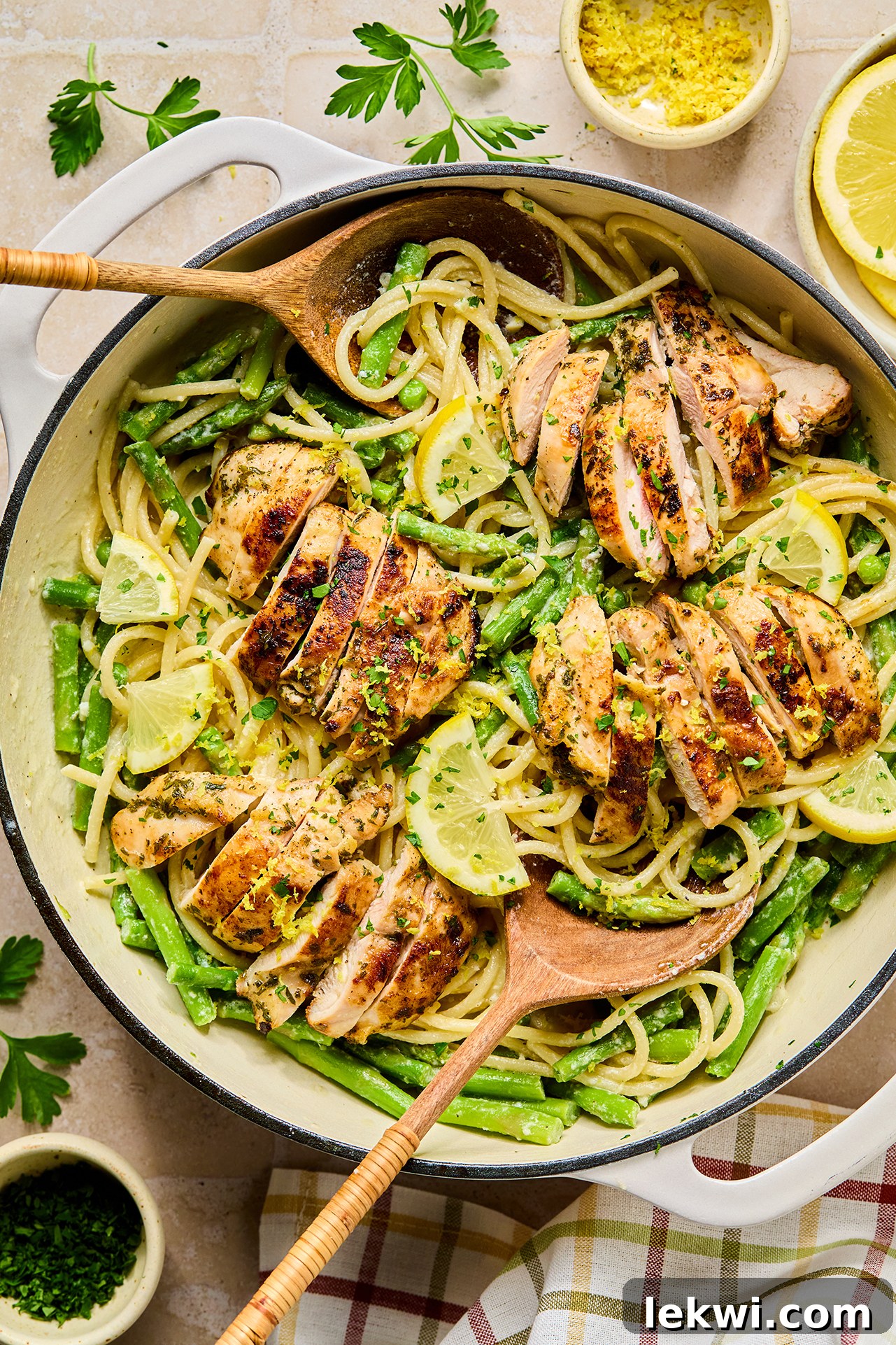
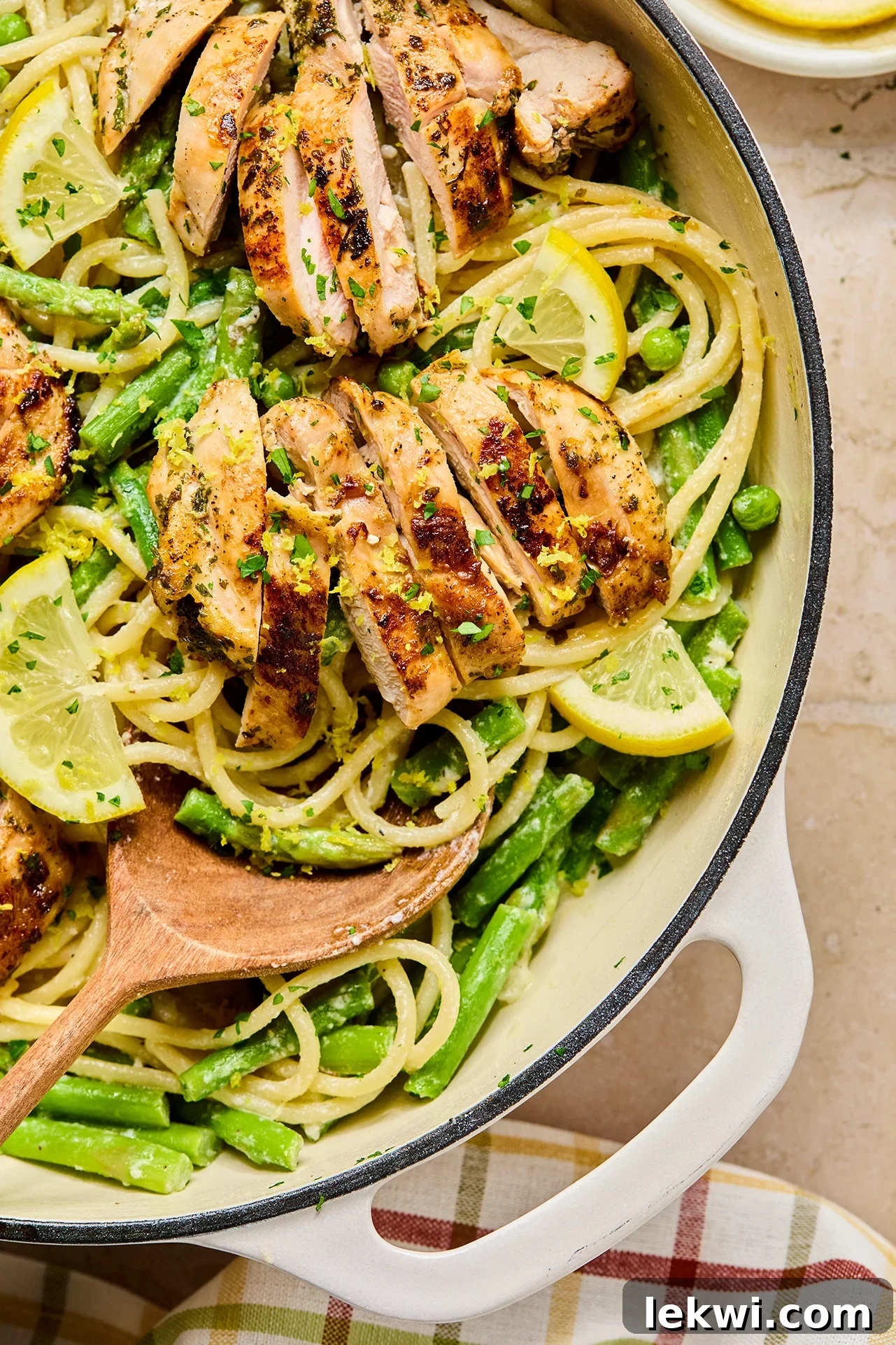
- Add the cooked pasta, asparagus, and peas to the sauce. Toss gently to ensure all ingredients are evenly coated. Serve immediately, garnished with fresh lemon zest, chopped parsley, and the sliced chicken thighs.
Enjoy a visual guide on how to make this delicious pasta:
(Please note: This is a placeholder for the original video content. For the actual video, please refer to the original source or YouTube.)
Notes
Feel free to swap gluten-free bucatini for other pasta shapes like spaghetti or linguini based on availability and preference.
Nutrition Information
Serving: 1g, Calories: 628kcal, Carbohydrates: 35g, Protein: 30g, Fat: 40g, Saturated Fat: 15g, Polyunsaturated Fat: 6g, Monounsaturated Fat: 16g, Trans Fat: 0.1g, Cholesterol: 143mg, Sodium: 225mg, Potassium: 388mg, Fiber: 2g, Sugar: 2g, Vitamin A: 561IU, Vitamin C: 9mg, Calcium: 97mg, Iron: 2mg
All nutrition facts are estimated and will vary based on specific brands and exact measurements of ingredients used. This information is provided for general guidance only.
Did you Make this Recipe?
Tag @unboundwellness on Instagram and hashtag #unboundwellness!
Images by: Sierra Inn