This post contains affiliate links.
For many, pasta is more than just a meal; it’s a comforting ritual, a staple that brings families together, and a versatile foundation for countless culinary creations. The thought of giving up pasta due to dietary restrictions, especially gluten sensitivity or celiac disease, can be truly disheartening. However, the landscape of gluten-free eating has evolved dramatically, offering an array of delicious and satisfying alternatives that promise to help you rediscover your love for pasta.
Beyond the Grain: Exploring the Best Gluten-Free Pasta Varieties
Embarking on a gluten-free journey often feels like saying goodbye to beloved comfort foods, particularly pasta and bread. While the market is flooded with gluten-free options, navigating the grocery store aisle can be overwhelming. Not all gluten-free pastas are created equal; some can be gummy, fall apart, or simply lack the authentic texture and flavor we crave. But fear not! This comprehensive guide will introduce you to the top gluten-free pasta brands and varieties that truly stand out, including three exceptional grain-free choices. Prepare to be amazed by how easily you can integrate delectable pasta back into your diet, without compromising on taste or texture.
Why Consider Gluten-Free (and Grain-Free) Pasta?
The reasons for choosing gluten-free or grain-free pasta are varied and personal. For individuals with celiac disease, eliminating gluten is a medical necessity to prevent damage to the small intestine. Others experience non-celiac gluten sensitivity, which can manifest in symptoms like digestive discomfort, fatigue, or brain fog. Opting for grain-free alternatives further caters to those avoiding grains for various health reasons, such as autoimmune protocols, managing blood sugar levels, or simply seeking a diet with diverse nutrient sources. Regardless of your motivation, the availability of high-quality gluten-free and grain-free pastas means you don’t have to sacrifice the joy of a good pasta dish.
Navigating the Gluten-Free Pasta Aisle: What to Look For
When selecting gluten-free pasta, it’s essential to look beyond the “gluten-free” label. Consider the primary ingredient, as this will significantly influence the pasta’s flavor, texture, and nutritional profile. Common ingredients include brown rice, corn, quinoa, chickpeas, lentils, and cassava. Each offers a unique experience. Additionally, pay attention to the brand’s reputation and any specific cooking instructions, as gluten-free pastas often require slightly different preparation methods than their wheat-based counterparts.
Top Gluten-Free Pasta Varieties That Will Delight Your Palate
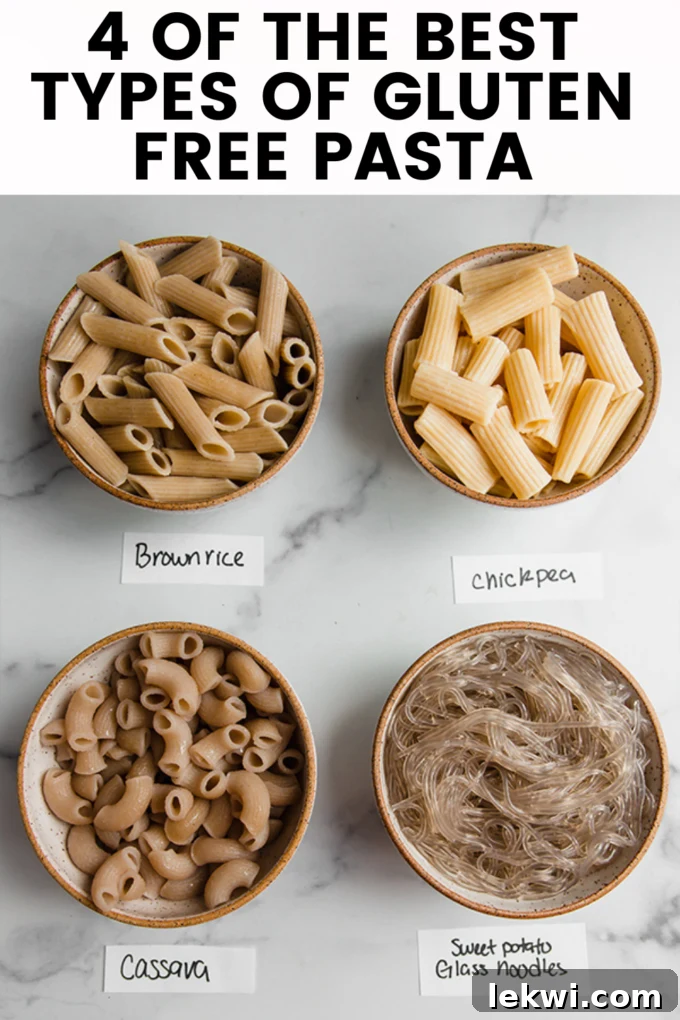
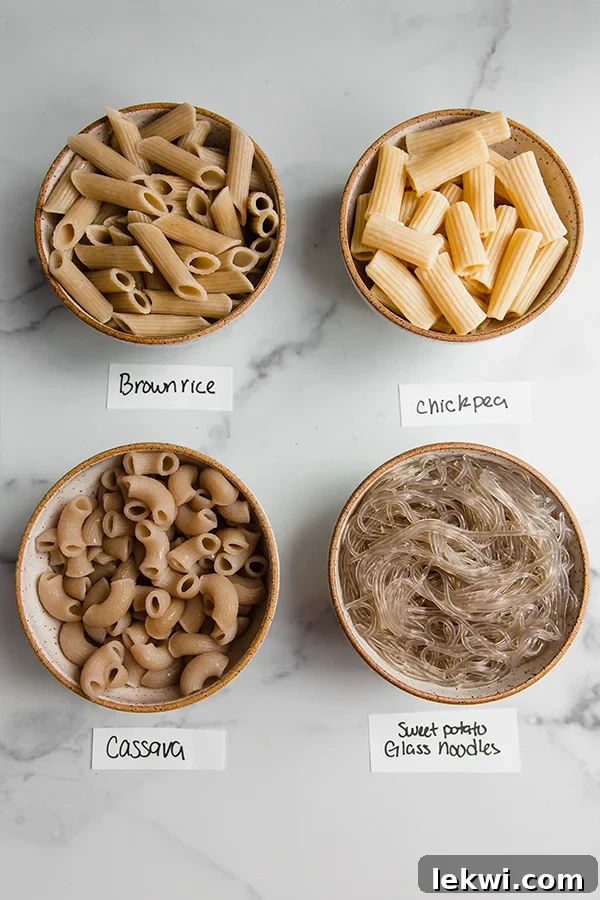
Having explored numerous brands and varieties, we’ve curated a list of the best gluten-free pastas available today. These options consistently deliver on taste, texture, and overall quality, ensuring a satisfying pasta experience every time.
1. Jovial Brown Rice Pasta: The Gold Standard for Gluten-Free
Jovial brown rice pasta consistently receives rave reviews for a reason: it’s arguably the closest you’ll get to traditional wheat pasta in terms of texture and taste. Crafted in Italy, Jovial Foods prides itself on using heritage grains and traditional production methods, and this dedication is palpable in every bite of their brown rice pasta. It offers a firm, al dente bite that holds up beautifully in any sauce, making it a true game-changer for anyone missing classic pasta dishes.
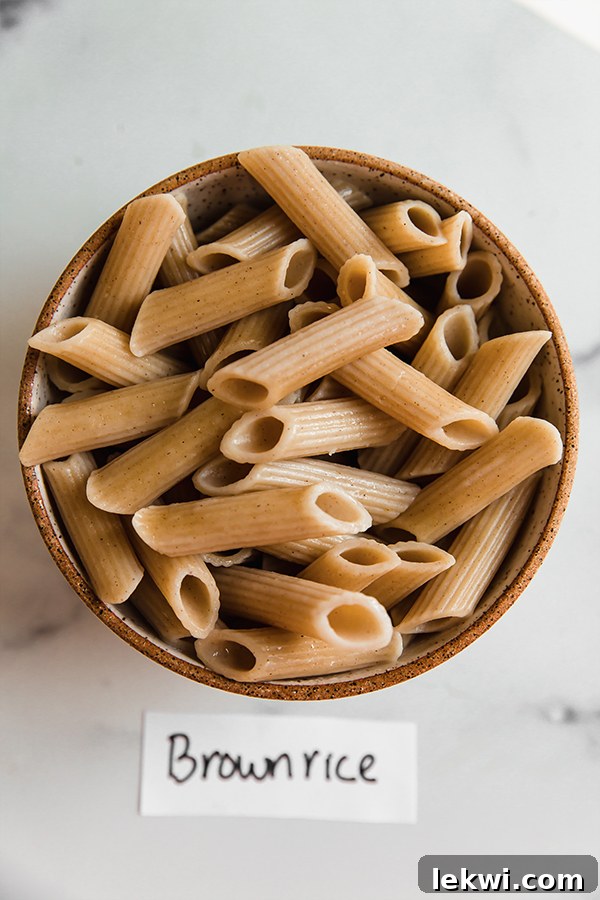
- Ingredients: Organic brown rice flour, water. The simplicity of these ingredients speaks volumes about the pasta’s purity and commitment to quality.
- Flavor/Texture: The flavor is remarkably mild, allowing your sauce to shine without any overpowering notes from the pasta itself. Its texture is firm and elastic, closely mimicking conventional pasta, and it resists becoming mushy, even when slightly overcooked.
- How to Use It: This pasta is incredibly versatile and can be used as a direct substitute for regular pasta in virtually any recipe. Think classic spaghetti with marinara, hearty lasagna, creamy carbonara, or a vibrant pasta salad. It holds its shape well and absorbs sauces beautifully.
- Where to Buy It: Jovial products are widely available. You can purchase them directly from the Jovial website, or find them in major health food stores and supermarkets like Whole Foods and Sprouts.
- Cooking Tips: To achieve the best results, use a generous amount of salted boiling water and stir occasionally to prevent sticking. Avoid overcooking; aim for that perfect al dente bite. Rinsing after cooking is generally not recommended as it can remove beneficial starch that helps sauce adhere.
2. Banza Chickpea Pasta: The Protein-Packed Alternative
Banza Chickpea Pasta has revolutionized the gluten-free and grain-free pasta market by offering a delicious and nutritious option made primarily from chickpeas. This innovative pasta not only delivers on taste and texture but also boasts significantly higher protein and fiber content than traditional pasta. It’s an excellent choice for those looking to add more nutrients to their meals, making your favorite pasta dishes even more wholesome and satisfying.
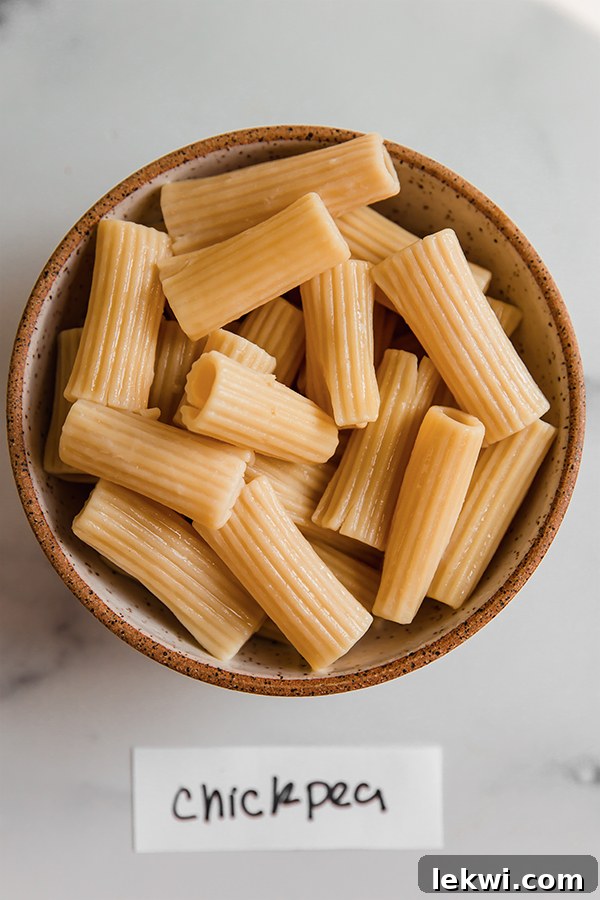
- Ingredients: Chickpea, pea starch, tapioca, xanthan gum. This blend provides a robust structure and a satisfying chew.
- Flavor/Texture: While you can discern a subtle chickpea flavor, it remains mild and complements a wide range of sauces. The texture is firm and satisfying, though it cooks relatively quickly and can be prone to breaking if overcooked. It offers a heartier bite compared to some other gluten-free varieties.
- How to Use It: Banza pasta excels in dishes where its nutritional benefits are highlighted. Use it in quick weeknight meals, cold pasta salads, or any recipe where you want to boost the protein and fiber content without sacrificing flavor. It pairs particularly well with vegetable-heavy sauces or pesto. Be aware that it will produce some foam when boiled, which is completely normal due to its chickpea base.
- Where to Buy It: Banza products are widely distributed and can be found on the Banza website, as well as in most major grocery stores, including Whole Foods and Sprouts.
- Cooking Tips: Due to its quick cooking time, monitor Banza pasta closely to prevent it from becoming too soft. Cook until al dente, drain immediately, and toss with your sauce. The slight foaming during boiling is normal and does not affect the pasta’s quality.
3. Jovial Cassava Pasta: The True Grain-Free Champion
Another triumph from Jovial Foods, their cassava pasta is a remarkable innovation for those seeking a truly grain-free and gluten-free option. Cassava, a root vegetable, creates a pasta that is incredibly digestible and suitable for even the most sensitive stomachs. Available in a variety of beloved shapes like spaghetti, fusilli, and elbows, this pasta opens up a world of possibilities for grain-free cooking, making it an indispensable pantry item for many.
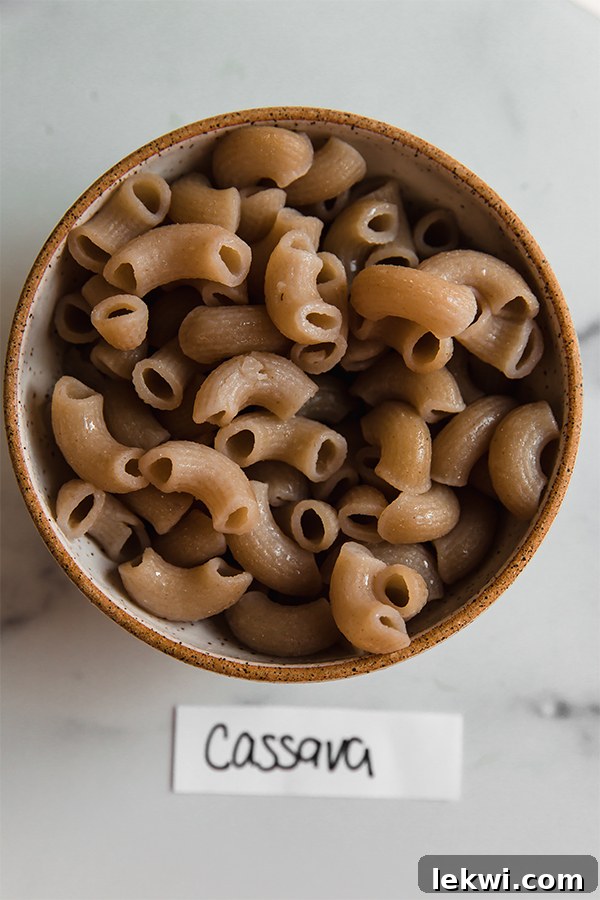
- Ingredients: Organic Cassava Flour, Water. The minimalist ingredient list ensures a clean, natural product.
- Flavor/Texture: This pasta boasts a very mild flavor with just a faint, earthy hint of cassava that doesn’t detract from your sauce. Its texture is notably softer and more delicate than many other gluten-free pastas, offering a pleasant mouthfeel that can vary slightly depending on cooking time. It’s tender yet holds together well.
- How to Use It: Jovial cassava pasta excels in traditional pasta dishes, particularly those with creamy sauces, cheese, or baked preparations like macaroni and cheese, casseroles, or pasta bakes. Its delicate texture makes it a hit with children and those who prefer a softer pasta.
- Where to Buy It: You can purchase this grain-free delight directly from the Jovial website or find it in health-focused grocery stores and larger supermarkets such as Whole Foods and Sprouts.
- Cooking Tips: Given its softer texture, it’s crucial to cook cassava pasta al dente and avoid overcooking, as it can become too soft. Pay close attention to package instructions and test for doneness frequently.
4. Korean Sweet Potato Glass Noodles: An Exotic and Versatile Gem
For an entirely different pasta experience that is both grain-free and offers a subtle vegetable boost, consider Korean sweet potato glass noodles (also known as “Japchae noodles” or “dangmyeon”). Made purely from sweet potato starch, these translucent noodles have a unique chewy, springy texture that is incredibly satisfying. While traditionally used in Asian stir-fries, their versatility extends to various culinary applications, adding an exciting new dimension to your gluten-free repertoire.
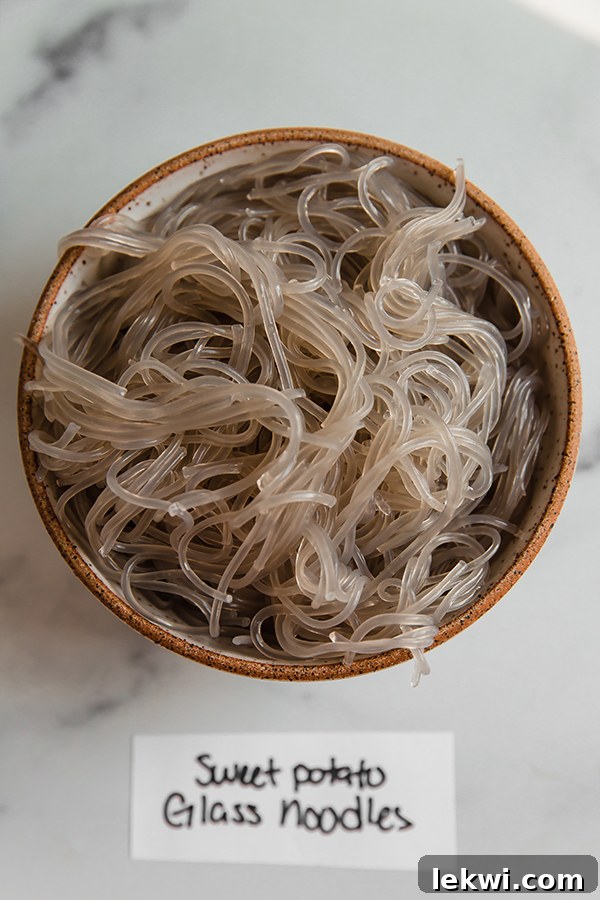
- Ingredients: Sweet potato starch. A wonderfully simple and natural ingredient.
- Flavor/Texture: These noodles have a distinct chewy, almost gelatinous bite that is unlike any other pasta. Their flavor is very mild with a faint sweetness from the sweet potato, allowing them to readily absorb the flavors of the sauces and ingredients they are cooked with. They are slippery and fun to eat!
- How to Use It: Korean sweet potato glass noodles are exceptional in stir-fries, especially the famous Korean dish Japchae, where they are tossed with vegetables and savory sauces. They also work wonderfully in cold noodle salads, soups, and as a gluten-free base for Asian-inspired main courses.
- Where to Buy It: You can purchase these unique noodles online through various retailers, or find them readily available at your local Asian market, often in the dried noodle or specialty ingredients aisle.
- Cooking Tips: Glass noodles typically need to be soaked in hot water or boiled briefly until tender and translucent. Be careful not to overcook them, as they can become too soft. Drain well and rinse if desired, especially for cold dishes.
General Tips for Cooking Gluten-Free Pasta to Perfection
Achieving perfectly cooked gluten-free pasta requires a few simple adjustments from traditional methods. Follow these tips for the best results:
- Use Ample Water: Always use a large pot with plenty of water. This allows the pasta to circulate freely and prevents sticking.
- Salt the Water Generously: Just like regular pasta, salting the boiling water adds flavor to the pasta itself.
- Don’t Overcook: Gluten-free pastas can go from al dente to mushy very quickly. Follow package directions closely and start tasting a minute or two before the suggested cook time.
- Stir Frequently: Especially during the initial minutes of cooking, stir the pasta to prevent it from clumping together or sticking to the bottom of the pot.
- Consider Rinsing (or Not): Some gluten-free pastas, particularly those made from corn or rice, can release a lot of starch. Rinsing them briefly after draining can sometimes improve texture, especially for cold salads. However, for hot dishes where you want the sauce to cling, avoid rinsing.
- Serve Immediately: Gluten-free pasta tends to firm up and lose its ideal texture as it cools. For the best experience, serve it hot and fresh with your favorite sauce.
Which Gluten-Free Pasta Reigns Supreme? Making Your Personal Choice
The “best” gluten-free pasta is ultimately a matter of personal preference and depends on what you’re looking for in a dish. If your goal is to replicate the experience of traditional wheat pasta as closely as possible, Jovial Brown Rice Pasta is, in my opinion, the top contender. Its unparalleled texture and mild flavor make it incredibly versatile and satisfying.
However, if you prioritize a protein boost and robust texture, Banza Chickpea Pasta is an excellent choice. For those strictly avoiding grains or seeking a delicate, easily digestible option, Jovial Cassava Pasta is a superb innovation. And if you’re keen to explore unique textures and Asian-inspired cuisine, Korean Sweet Potato Glass Noodles offer an exciting and healthy twist.
Reclaiming Your Love for Pasta: A Final Word
Going gluten-free doesn’t mean you have to bid farewell to your beloved pasta dishes. With the incredible advancements in gluten-free food production, there are now numerous delicious and high-quality options available. The pastas highlighted in this guide represent the pinnacle of taste, texture, and versatility in the gluten-free world. Whether you’re dealing with dietary restrictions or simply looking to diversify your meals, these varieties provide a fantastic way to enjoy pasta again, ensuring that comfort and culinary delight remain firmly on your menu. Don’t hesitate to experiment and discover your new go-to gluten-free favorite!