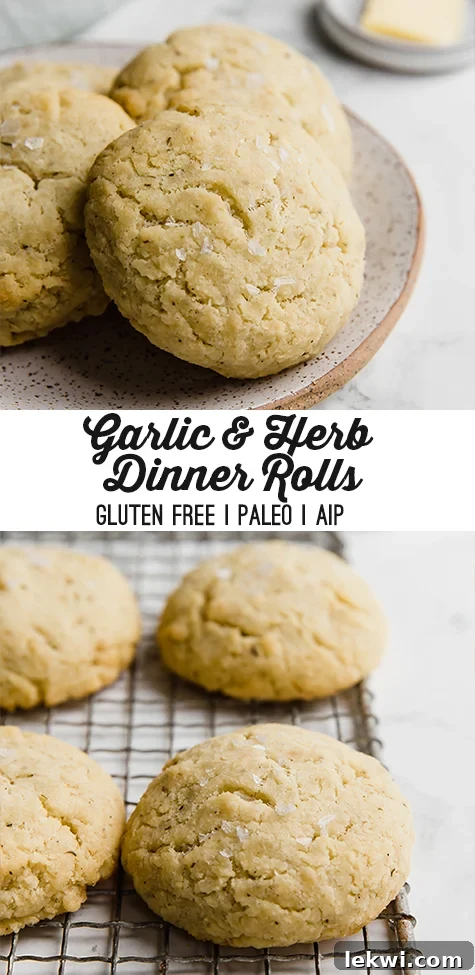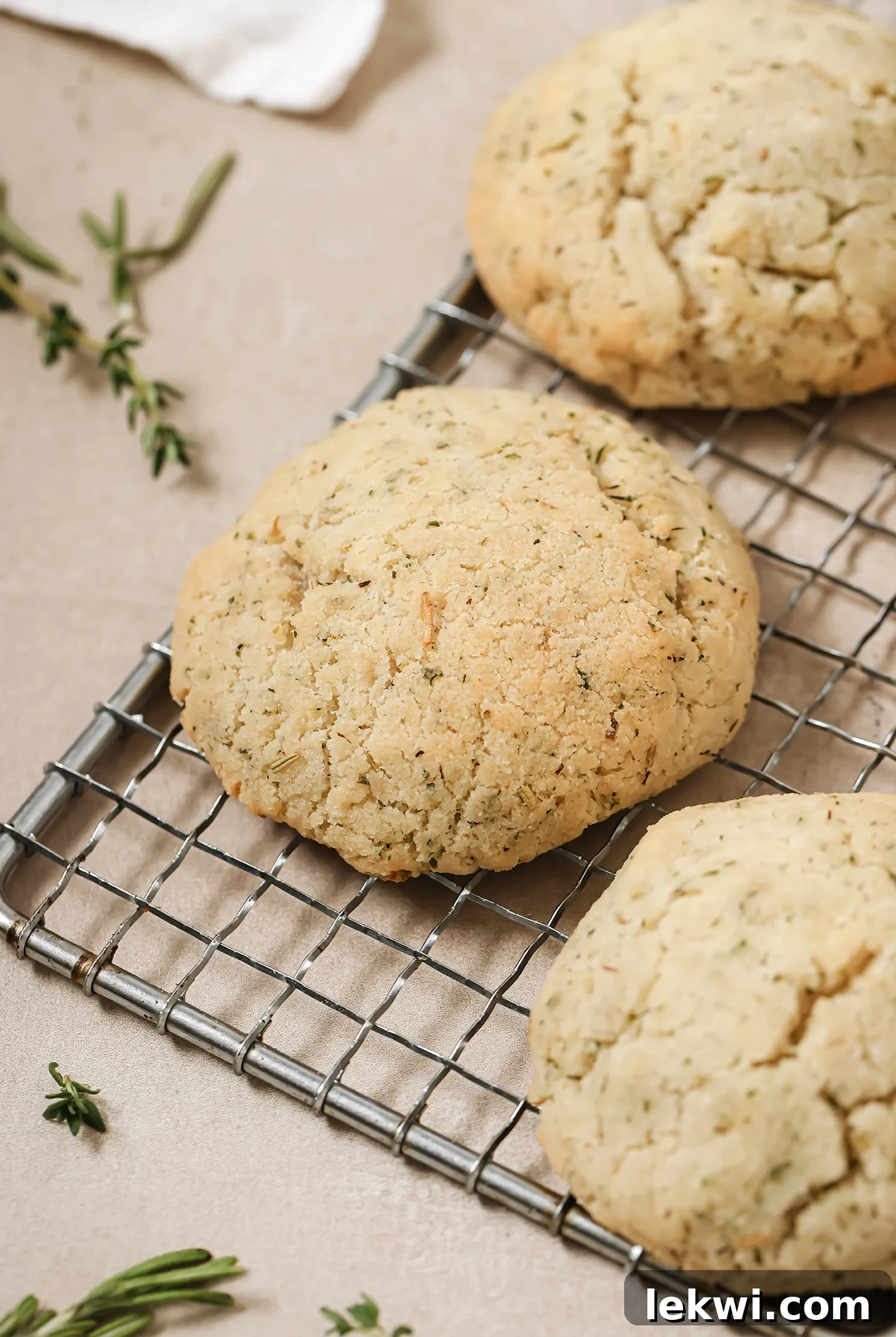
Presenting the ultimate recipe for AIP Garlic & Herb Dinner Rolls – the perfect wholesome addition to your Sunday dinner or any festive holiday gathering! This meticulously crafted recipe is not only entirely grain-free and egg-free but also fully compliant with the Autoimmune Protocol (AIP), ensuring a delicious and safe option for those with specific dietary needs.
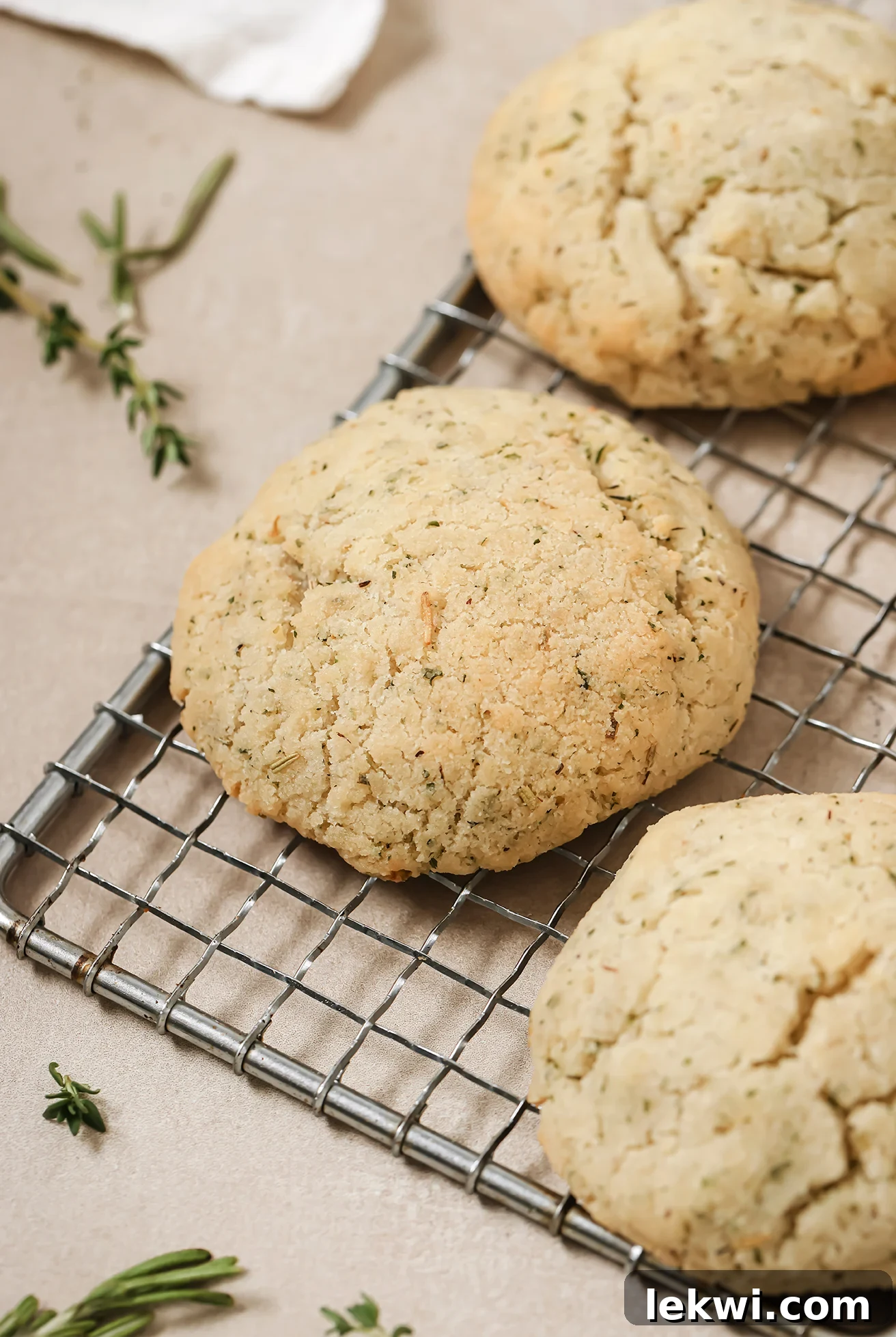
For too long, finding a truly satisfying bread roll recipe that adheres to strict dietary guidelines, particularly the Autoimmune Protocol, felt like an impossible quest. Especially during the holidays, the absence of a soft, flavorful roll to accompany a hearty meal can leave a significant void. I vividly recall my first holiday seasons navigating gluten-free, and then grain-free, eating; the craving for a classic dinner roll was immense. It’s a staple of comfort food, an essential component of any celebratory feast, and yet, options were scarce or simply underwhelming.
Over the past few years, I’ve experimented with countless ingredient combinations and techniques. While some attempts yielded acceptable results, nothing truly captured the essence of a perfect dinner roll—until now. My vision was clear: a roll with abundant flavor, a delightful texture that’s crisp on the outside and wonderfully soft on the inside, and a richness often missing in restrictive recipes. Taking matters into my own hands proved to be the best decision! I’m thrilled to share these rolls, which are not only paleo, egg-free, and AIP-compliant but also strike that ideal balance of savory flavor and satisfying texture. Get ready to rediscover the joy of bread with these incredible garlic and herb rolls.
Table of Contents
- Why You’ll Love These AIP Dinner Rolls
- The Essential Ingredients for AIP Rolls
- How to Master the AIP Dinner Roll Recipe
- Pro Tips & Tricks for Perfect Rolls
- AIP Dinner Rolls Recipe FAQs
- More Grain-Free AIP Recipes to Explore
Why You’ll Love These AIP Dinner Rolls
These AIP Garlic & Herb Dinner Rolls aren’t just a substitute; they’re a revelation. Crafted with careful consideration for those on the Autoimmune Protocol or with other dietary sensitivities, they bring back the joy of a warm, comforting bread roll without compromising on health or flavor. Here’s why these rolls will become your new go-to:
- Truly Grain-Free & Gluten-Free: Navigating a grain-free or gluten-free diet can be challenging, especially when craving traditional comfort foods like bread. These rolls completely eliminate grains, offering a safe and delicious option for individuals with celiac disease, gluten sensitivity, or those following specific dietary protocols like AIP or Paleo. You won’t believe they’re not made with conventional flour!
- Completely Egg-Free: For many, eggs are a common allergen or an elimination food on the AIP diet. Developing an egg-free roll that still achieves a beautiful texture and structure was a priority. Our innovative use of a gelatin egg substitute ensures these rolls are perfectly bound and rise without a single egg, making them ideal for those with egg allergies or sensitivities.
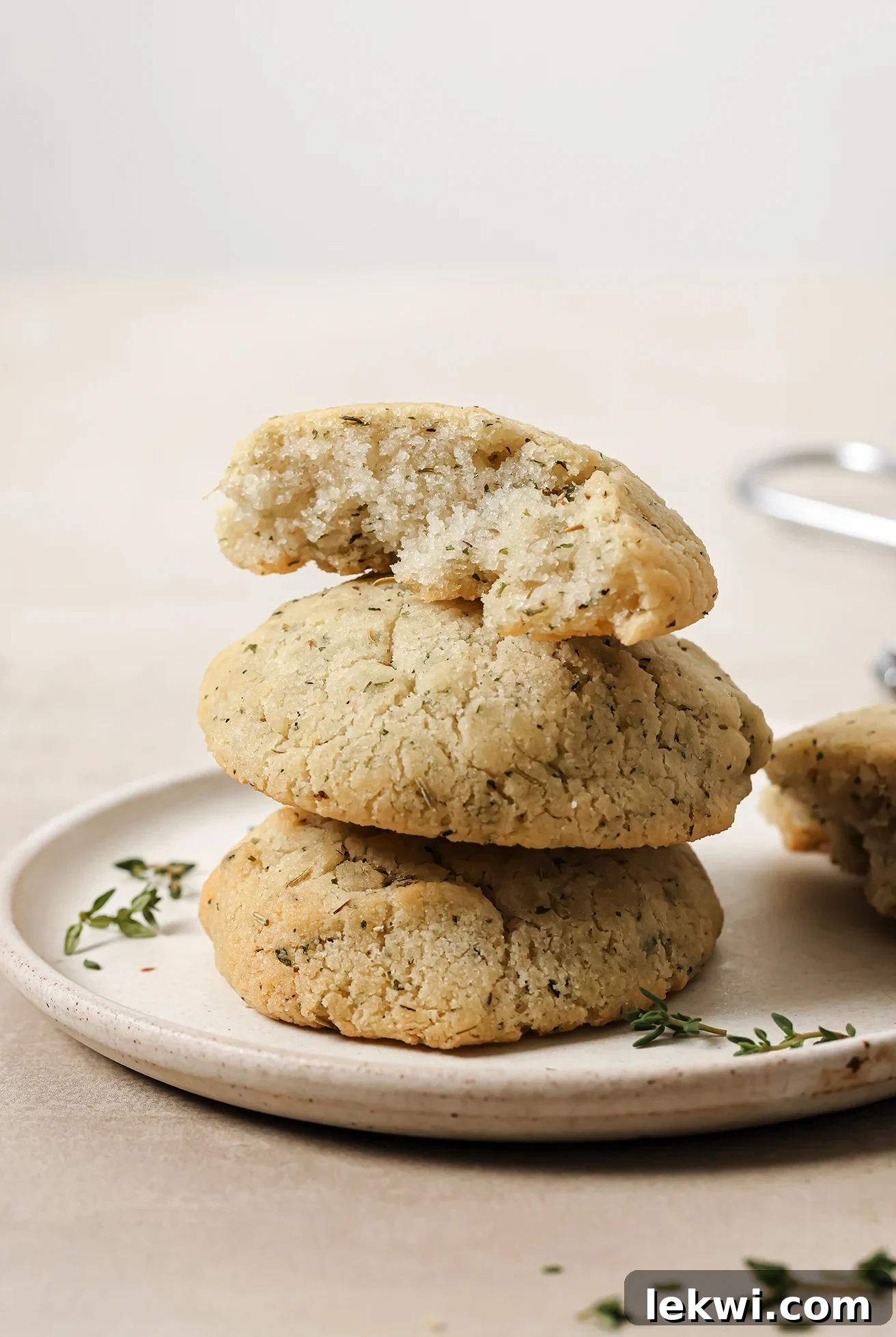
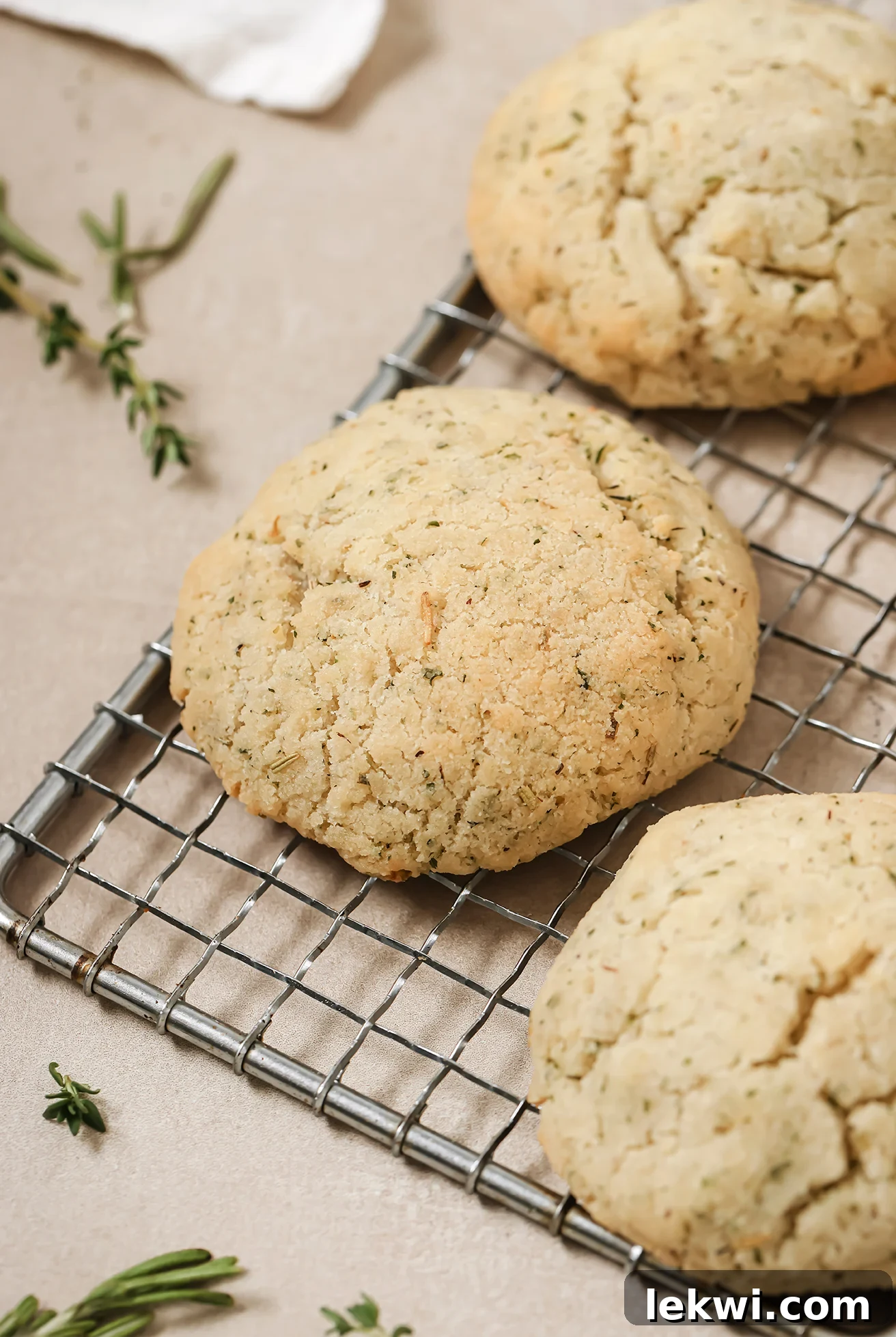
- Authentic Bready Goodness: Say goodbye to dense, gummy, or crumbly grain-free breads. These rolls boast a wonderfully satisfying texture that truly mimics traditional bread. They develop a delicate, slightly crisp crust when baked, while the interior remains wonderfully soft, light, and just “bready” enough to tear and soak up your favorite sauces. The unique combination of flours and fats creates a delightful chewiness that you’d expect from a classic dinner roll.
- Bursting with Flavor, Never Bland: Unlike many allergen-friendly baked goods that can often taste bland, these rolls are anything but! The generous inclusion of garlic and a vibrant blend of dried herbs—thyme and rosemary—infuses every bite with a savory, aromatic pop of flavor. This thoughtful seasoning elevates the rolls from a simple side dish to a star component of your meal, ensuring they are truly enjoyable and satisfying.
- Perfect for Any Occasion: Whether it’s a quiet weeknight meal, a bustling Sunday family dinner, or a special holiday feast, these rolls are versatile. Their robust flavor profile makes them an excellent accompaniment to stews, roasted meats, soups, or simply enjoyed with a pat of AIP-compliant butter or ghee.
- Simple & Rewarding to Make: Despite their impressive results, these rolls are surprisingly straightforward to prepare. With clear, step-by-step instructions, even novice bakers can achieve success, making the process enjoyable and the outcome incredibly rewarding.
The Essential Ingredients for AIP Garlic & Herb Dinner Rolls
Creating AIP-compliant baked goods often requires a thoughtful selection of flours and binders that can replicate the properties of gluten and eggs. Each ingredient in this recipe plays a crucial role in achieving the perfect flavor and texture. Understanding their function will help you appreciate the magic behind these delightful dinner rolls.
- Tapioca Starch: This is a cornerstone ingredient for achieving that desirable “bready” texture that actually stretches and pulls, similar to traditional wheat flour. Tapioca starch provides elasticity and a light chewiness that is essential for a great roll. While arrowroot starch might work as a potential substitute (though not tested for this specific recipe), it tends to yield a slightly different texture, often less chewy. Cassava flour, on the other hand, would be far too dense and result in a heavy, brick-like roll, so it is not recommended. Stick with tapioca for the best results!
- Coconut Flour: Known for its exceptional absorbency, coconut flour is vital for balancing the moisture content in this recipe and providing necessary structure. It helps to create a soft crumb while preventing the rolls from becoming overly sticky or gummy. Due to its unique properties and high absorbency, I have not tried this recipe without coconut flour and cannot confidently recommend a swap that would yield the same successful results. It’s a key player in the overall texture.
- Gelatin and Water (The Egg Substitute): This clever combination forms our indispensable egg substitute, making these rolls entirely egg-free. When bloomed in cold water and then gently heated, gelatin creates a viscous, binding agent that mimics the emulsifying and structural properties of eggs. It helps hold the dough together and contributes to the roll’s internal structure, ensuring a tender and cohesive crumb. Be sure to use a high-quality, unflavored gelatin powder.
- Olive Oil and Palm Shortening: The inclusion of both these fats is strategic for achieving a rich flavor and a wonderfully tender, fluffy texture. Olive oil provides a fruity depth and moisture, while palm shortening, a solid fat at room temperature, contributes to a lighter, more airy crumb by creating pockets within the dough. While this recipe will technically work by simply doubling the olive oil, incorporating the palm shortening genuinely enhances the fluffiness and tenderness, making for a superior roll. Ensure you use sustainably sourced palm shortening if possible.
- Baking Soda: Our primary leavening agent! When combined with an acidic ingredient (like apple cider vinegar), baking soda produces carbon dioxide gas, which creates bubbles in the dough, helping the rolls to rise and become light and airy.
- Apple Cider Vinegar: This acidic ingredient activates the baking soda, triggering the chemical reaction that provides the necessary lift for the rolls. It also adds a subtle tang that complements the savory herbs without being noticeable in the final taste.
- Garlic Powder, Dried Thyme, Dried Rosemary, and Salt: These aromatic additions are what truly make these rolls shine. Garlic powder provides a foundational savory note, while thyme and rosemary infuse the rolls with classic, earthy, and fragrant herbal flavors. A pinch of salt enhances all the other flavors, bringing them to life. Feel free to adjust the amounts of herbs to your preference, or experiment with other AIP-compliant dried herbs like oregano or marjoram.
How to Master the AIP Dinner Roll Recipe
Creating these delightful AIP dinner rolls is a straightforward process, but paying attention to each step ensures perfect results every time. Follow these detailed instructions to bake your way to warm, flavorful, and incredibly satisfying grain-free, egg-free rolls.
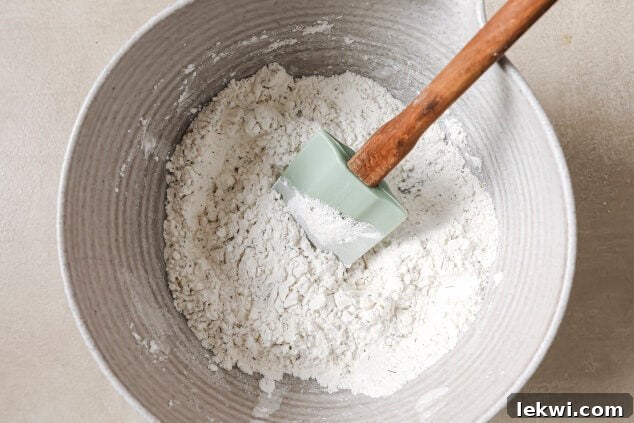
Step One: Prepare the Dry Mix. Begin by preheating your oven to 350°F (175°C). Line a small baking sheet with parchment paper and lightly grease it to prevent sticking. In a medium-sized mixing bowl, combine the coconut flour, tapioca starch, and baking soda. It’s crucial to sift these ingredients together to ensure there are no lumps and that they are thoroughly aerated. This step is key for a consistent, light texture. Once sifted, stir in the garlic powder, dried thyme, and dried rosemary, along with a pinch of salt. Make sure all the dry ingredients are uniformly blended.
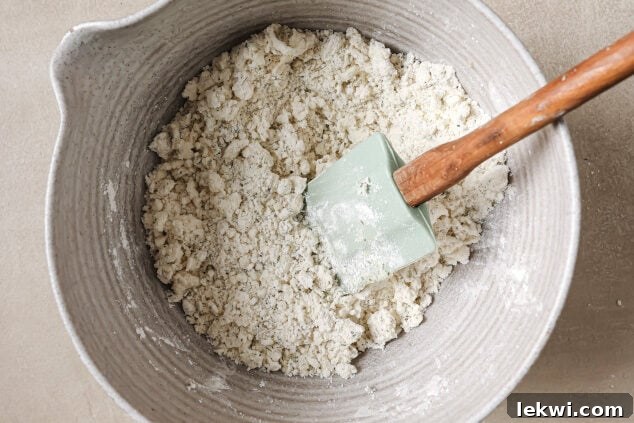
Step Two: Incorporate Fats and Acid. To the dry ingredient mixture, add the olive oil, apple cider vinegar, and palm shortening. Using a silicone spatula, pastry blender, or even your fingertips (if they’re cool), gently “cut in” the palm shortening. The goal is to break the shortening into small, pea-sized pieces and distribute it evenly throughout the dry ingredients. Continue working the mixture until it resembles coarse crumbs or wet sand. The mixture should still appear mostly dry but lightly coated with the cooking fats and vinegar. Avoid overmixing at this stage.
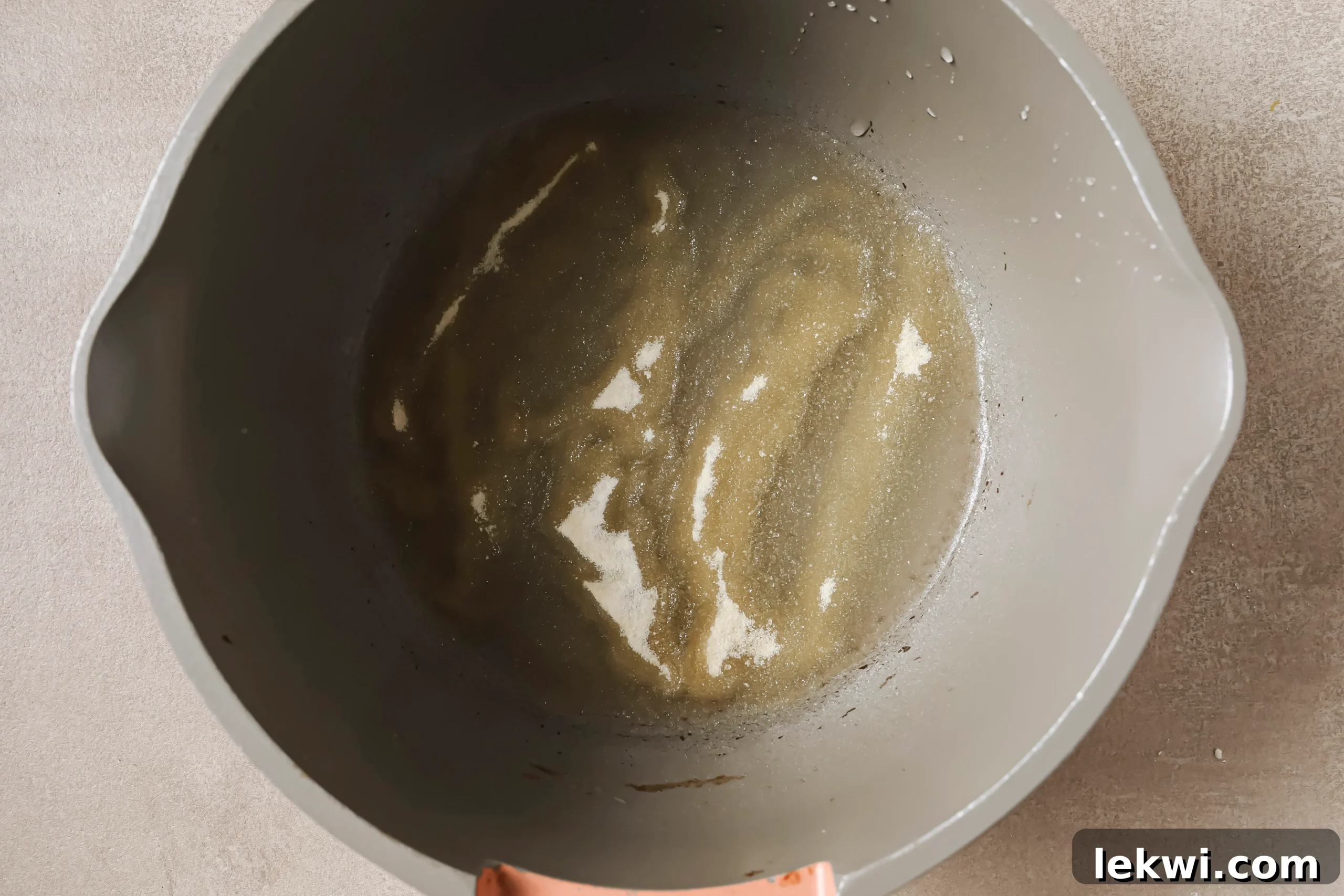
Step Three: Prepare the Gelatin Egg. In a small, clean pot, pour the measured water. Evenly sprinkle the gelatin powder over the surface of the water. Do not stir it in immediately. Allow this mixture to “bloom” undisturbed for about 5-10 minutes, or until the gelatin has absorbed the water and a firm, jelly-like mass has formed. This step is crucial for activating the gelatin properly and ensuring it will emulsify smoothly.
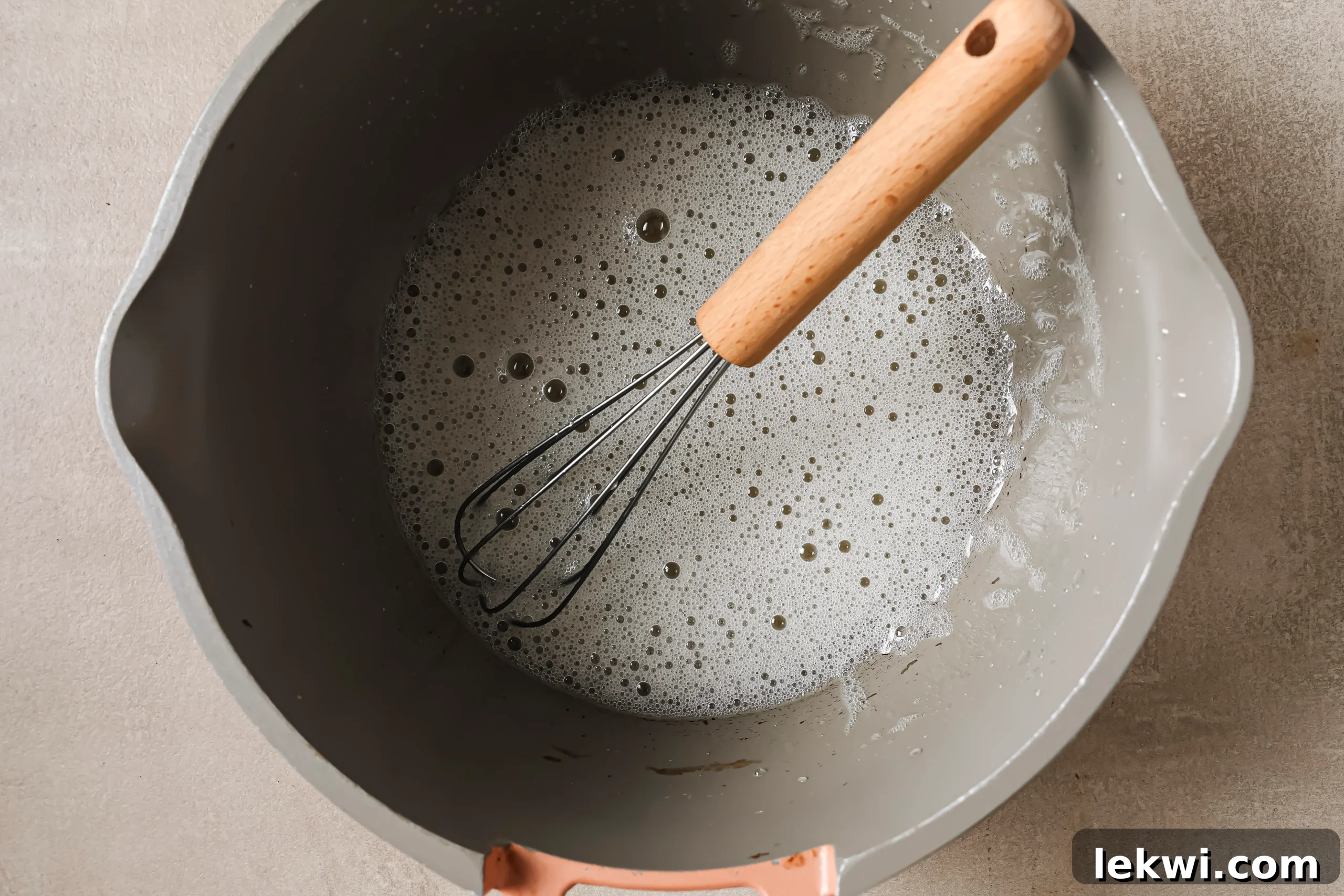
Step Four: Heat and Combine Gelatin. Transfer the pot containing the bloomed gelatin to your stovetop and set the heat to medium-low. Gently heat the mixture, stirring continuously with a whisk, until the gelatin has completely dissolved and returned to a liquid state. Be vigilant and ensure it does not boil or burn. Once fully liquid, increase the whisking speed to vigorous until the mixture becomes light, foamy, and frothy, resembling beaten egg whites. This frothing adds air, contributing to a lighter roll. Immediately, while still warm and frothy, add this gelatin egg mixture to your dry dough ingredients and stir thoroughly until everything is fully combined into a cohesive dough. Work quickly as the gelatin will start to set as it cools.
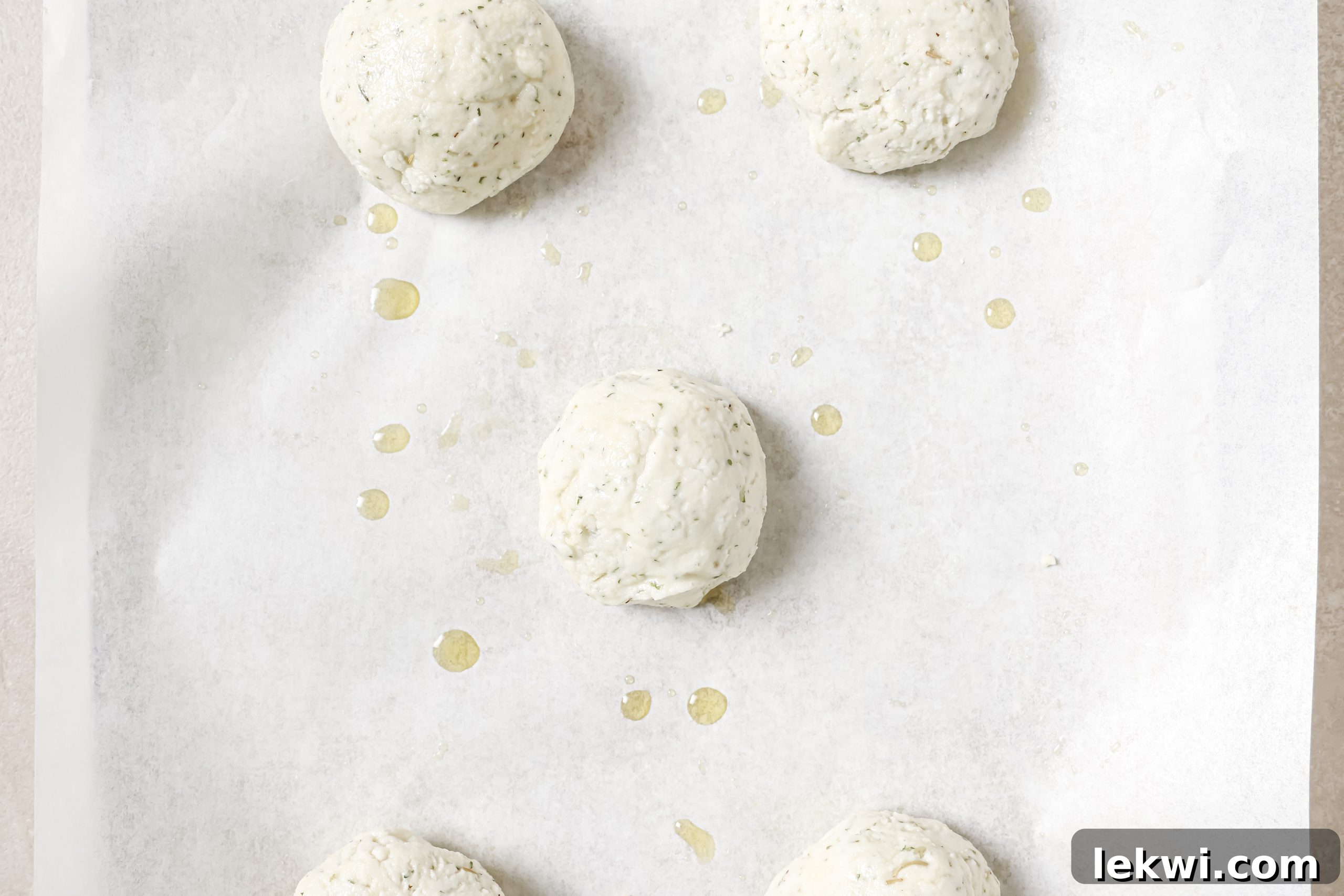
Step Five: Form the Dinner Rolls. Lightly coat your hands with a little extra olive oil – this will prevent the dough from sticking. Divide the dough into 4 to 5 equal portions. Gently roll each portion between your palms to form small, round dinner rolls. Aim for a consistent size and shape to ensure even baking. Carefully place the formed rolls onto the prepared baking sheet, leaving a small space between each. The dough should be pliable and easy to work with.
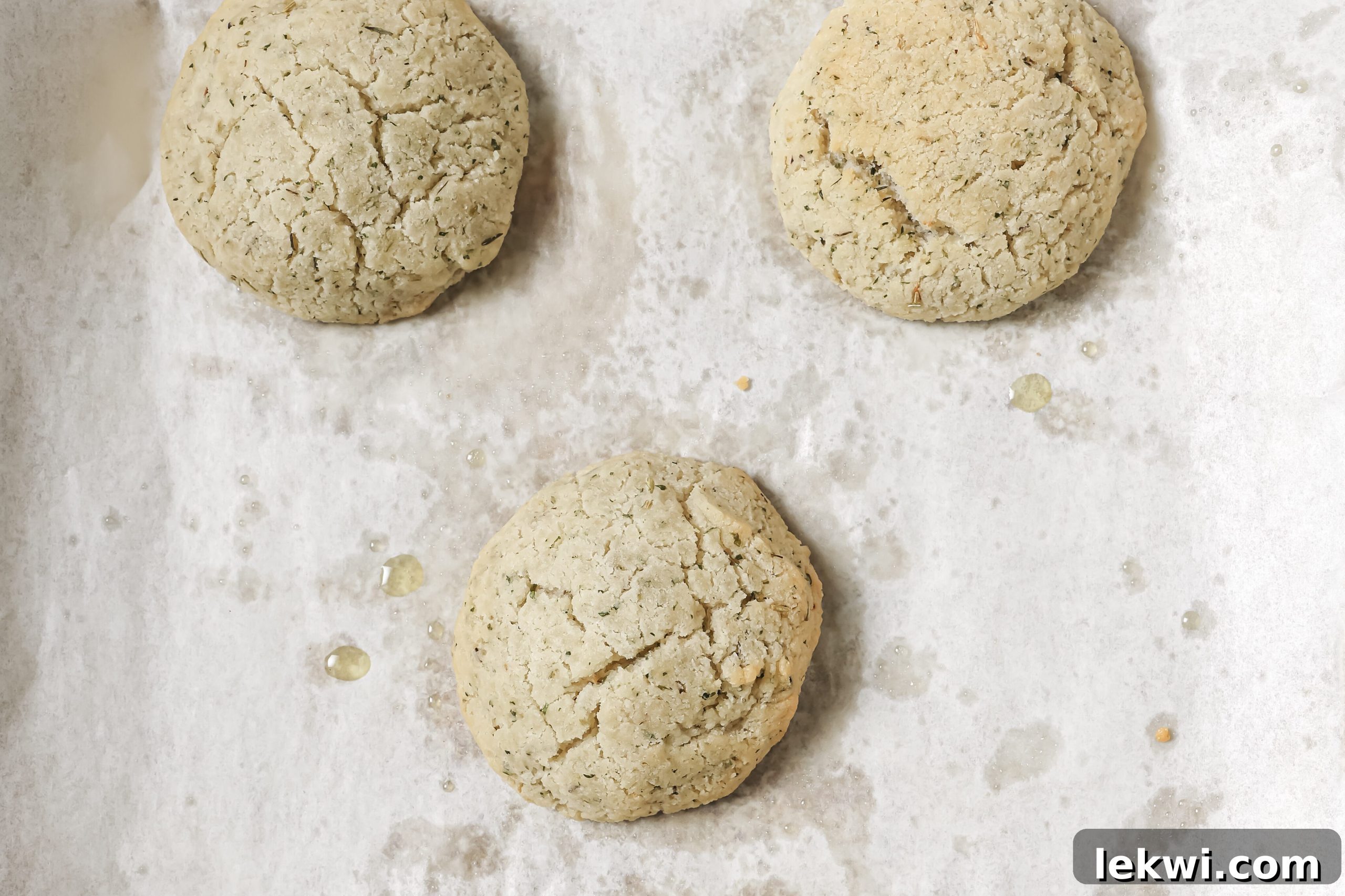
Step Six: Bake to Golden Perfection. Place the baking sheet with the formed rolls into your preheated 350°F (175°C) oven. Bake for approximately 18-20 minutes, or until the rolls are beautifully golden brown on top and feel firm to the touch. The bottoms should also be crisp. Baking times can vary slightly depending on your oven, so keep an eye on them. Once baked, remove the rolls from the oven and transfer them to a wire rack. Allow them to cool for at least 20 minutes before serving. This cooling period is crucial for the internal structure to set. Just before serving, sprinkle with a generous amount of flaky salt to taste. Serve warm and enjoy these fresh, flavorful AIP rolls!
Pro Tips & Tricks for Perfect Rolls
Achieving outstanding results with these AIP Garlic & Herb Dinner Rolls is easy with a few simple techniques and considerations. Here are some pro tips to ensure your rolls are absolutely perfect every time:
- Don’t Skip the Flaky Salt: Seriously, this isn’t just an optional garnish—it’s a flavor enhancer and a textural delight! Finishing your warm rolls with a sprinkle of flaky sea salt (like Maldon) provides a beautiful crunch and a burst of savory saltiness that contrasts perfectly with the tender interior and herbal flavors. It truly elevates the entire experience. Keep flaky salt on hand for these and other recipes; it makes a world of difference.
- Harness the Power of a Spice Blend: To save time and ensure a perfectly balanced flavor profile, consider using a high-quality AIP-compliant garlic & herb seasoning blend. Brands like Primal Palate offer excellent organic blends that are free from common allergens and irritants, making them a perfect shortcut for this recipe. If you prefer to mix your own, combine equal parts garlic powder, onion powder (if tolerated on your AIP stage, otherwise omit), dried thyme, dried rosemary, and a touch of dried oregano or marjoram.
- Ensure Accurate Measurements: Baking, especially with alternative flours, relies on precision. Use proper measuring techniques (e.g., spooning flour into a measuring cup and leveling it off) to ensure the correct ratios of tapioca starch and coconut flour. Too much or too little of either can significantly alter the texture.
- Warmth is Key for Gelatin: When incorporating the frothy gelatin egg into the dry ingredients, ensure it’s still warm. This helps it mix seamlessly with the other ingredients before it begins to set. Work quickly after the gelatin has frothed to integrate it into the dough.
- Don’t Overwork the Dough: While you want the ingredients to be well combined, excessive kneading or handling can make the rolls tough. Mix just until a cohesive dough forms.
- Even Roll Size for Even Baking: Try to make your rolls roughly the same size and thickness. This ensures they all bake uniformly, preventing some from being undercooked while others are overdone.
- Cool Before Slicing: While tempting to dive in immediately, allowing the rolls to cool for at least 20 minutes on a wire rack is essential. This allows the internal structure to set properly, preventing a gummy texture and ensuring they hold their shape when sliced or pulled apart.
- Storage Suggestions: These AIP Garlic & Herb Dinner Rolls are truly best enjoyed fresh, ideally on the day they are baked. If you have leftovers, store them in an airtight container at room temperature for up to 1-2 days. For longer storage, they can be frozen (see FAQ).
AIP Dinner Rolls Recipe FAQs
Got questions about making these delicious AIP Garlic & Herb Dinner Rolls? We’ve got answers to help you achieve perfect results and navigate common queries.
These rolls are most definitely best when enjoyed fresh, straight from the oven! The texture and flavor are at their peak when warm. I highly recommend preparing them shortly before you plan to serve dinner for the ultimate experience. However, you can prep some components in advance. For example, you can measure and combine all the dry ingredients ahead of time and store them in an airtight container. When you’re ready to bake, you’ll just need to prepare the gelatin egg, add the fats, and then proceed with forming and baking the rolls.
While I specifically developed this recipe to be egg-free for AIP compliance, real eggs may also work if you don’t have egg sensitivities or are not on the AIP diet. However, I haven’t personally tested this variation. Keep in mind that real eggs have significantly less moisture overall compared to a gelatin egg. If you choose to use regular eggs, you would likely need two standard large eggs. You may also need to adjust the amount of coconut flour: add an extra tablespoon of coconut flour if the dough mixture appears too wet, or a splash of water (about 1-2 teaspoons) if it seems too dry and crumbly after mixing. Monitor the dough consistency closely when making this substitution.
It’s a common observation with many allergen-friendly baked goods! Because these rolls are completely gluten-free, grain-free, egg-free, and yeast-free, they simply won’t achieve the same kind of dramatic rise or airy height that you would get from a traditional yeast-leavened bread like a Parker House roll or a fluffy brioche. Gluten provides structure and elasticity for significant rise, and yeast creates abundant gas bubbles. Without these components, the rise will be more modest. Rest assured, this is perfectly normal and expected for this type of recipe. Despite not being exceptionally tall, they are still incredibly delicious, boast a fantastic texture, and offer all the satisfying “bready” goodness you crave!
Yes, these rolls can be frozen, though they are best fresh. Allow fully baked rolls to cool completely. Wrap each roll individually in plastic wrap, then place them in a freezer-safe bag or container. They can be frozen for up to 1-2 months. To reheat, thaw them at room temperature, then warm in a preheated oven at 300°F (150°C) for about 5-10 minutes, or until heated through and slightly crisp.
The consistency of the dough can sometimes vary slightly depending on humidity, how finely your flours are milled, or the exact measurement of liquids. If your dough feels too sticky to handle, add an extra teaspoon or two of tapioca starch or coconut flour (start with tapioca). If it’s too dry and crumbly, add a splash (about 1-2 teaspoons) of extra olive oil or water until it comes together into a workable dough that can be easily formed into rolls. Adjust very gradually to avoid over-correcting.
For this recipe, it’s essential to use unflavored, grass-fed gelatin powder (often labeled as “gelatin powder” or “bovine gelatin”). Collagen peptides or hydrolyzed collagen will not work as they do not have the gelling properties necessary to create the egg substitute. Ensure your gelatin is free from any added sugars, flavors, or anti-caking agents to remain AIP compliant.
More Grain-Free AIP Recipes to Explore
If you loved these AIP Garlic & Herb Dinner Rolls, you’ll be thrilled to discover more delicious and compliant recipes to expand your grain-free and AIP culinary repertoire. Here are some other fantastic options:
- AIP “Corn”bread: A savory, comforting bread that perfectly mimics traditional cornbread, without any actual corn!
- Cranberry Pumpkin Bread: A delightful, subtly sweet bread perfect for breakfast or a snack, bursting with autumnal flavors.
- “Corn”bread Stuffing: An essential holiday side dish, reimagined to be completely AIP-compliant and utterly delicious.
If you tried this AIP Garlic & Herb Dinner Rolls Recipe or any other recipe on my blog, please leave a 🌟 star rating and let me know how it went in the 📝 comments below. Your feedback means the world! Thanks for visiting!
AIP Garlic & Herb Dinner Rolls
4
-5 rolls
10
mins
15
mins
Michelle
Leave a Review
Pin Recipe
Want to save this for later?
Just drop your name and email below. Then we’ll email it right to your inbox. ✉️
Ingredients
- ¾ cup tapioca starch
- ¼ cup + 1 tbsp coconut flour
- ⅛ tsp baking soda
- 1 tsp garlic powder
- ½ tsp dried thyme
- ½ tsp dried rosemary
- Pinch of salt
- 2 tbsp olive oil, plus extra for coating your hands
- 1 tsp apple cider vinegar
- 2 tbsp palm shortening
- ½ cup water
- 2 tbsp gelatin powder
- Salt flakes to taste
Instructions
-
Preheat your oven to 350°F (175°C). Line a small baking sheet with parchment paper and lightly grease it to ensure the rolls do not stick.
-
In a medium bowl, combine the tapioca starch, coconut flour, garlic powder, dried thyme, dried rosemary, and baking soda. Whisk these dry ingredients thoroughly until they are well combined and lump-free.
-
Add the olive oil, apple cider vinegar, and palm shortening to the dry mixture. Use a silicone spatula, pastry blender, or your fingers to ‘cut in’ the palm shortening until it is broken into small pieces and evenly distributed throughout the dry ingredients, resembling coarse crumbs. Lightly stir to combine all ingredients until the mixture is cohesive but still appears dry.
-
To prepare the gelatin egg, pour the water into a small pot. Evenly sprinkle the gelatin powder over the water’s surface and let it sit for 5-10 minutes until it blooms and hardens into a jelly-like consistency. Transfer the pot to the stove and heat over medium-low heat. Stir continuously until the gelatin completely liquefies. Increase whisking speed to vigorous until the mixture becomes frothy and foamy.
-
Immediately add the warm, frothy gelatin egg to the dough mixture. Stir quickly and thoroughly until all ingredients are fully combined and a uniform dough forms. The dough will start to set as it cools, so work efficiently.
-
Lightly coat your hands with a bit of olive oil to prevent sticking. Divide the dough into 4-5 equal portions. Roll each portion into a small, round dinner roll shape and place them onto the prepared baking sheet.
-
Bake in the preheated oven for 18-20 minutes, or until the rolls are golden brown on top and firm to the touch. Remove from the oven and allow to cool on a wire rack for at least 20 minutes before serving. This cooling time is important for the rolls’ texture. Finish with a sprinkle of flaky salt to taste and serve fresh!
Notes
Serving:
1
roll
,
Calories:
198
kcal
,
Carbohydrates:
20.6
g
,
Protein:
4
g
,
Fat:
12
g
,
Fiber:
2.6
g
Did you Make this Recipe?
Tag @unboundwellness on Instagram and hashtag #unboundwellness!