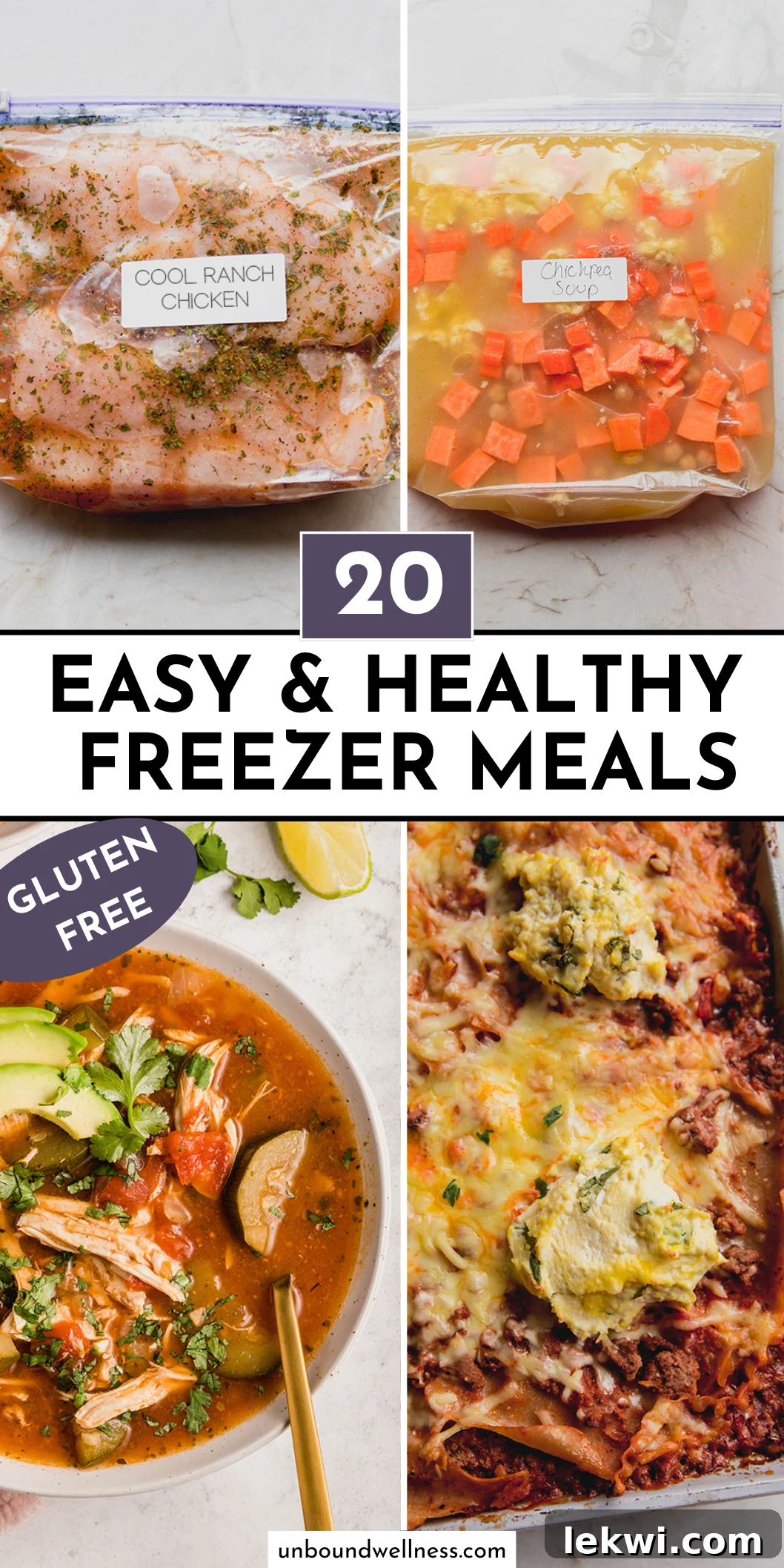
Welcome to the ultimate guide for effortless, healthy eating! Whether you’re a new parent navigating the exciting chaos of postpartum life, a busy professional juggling work and home, or simply someone passionate about smart meal planning, these 20 healthy freezer meals are designed with you in mind. This comprehensive collection focuses on delicious, wholesome recipes that are not only gluten-free but also predominantly dairy-free, ensuring they cater to a wide range of dietary preferences and needs. Prepare to reclaim your kitchen time and savor homemade goodness with minimal effort!
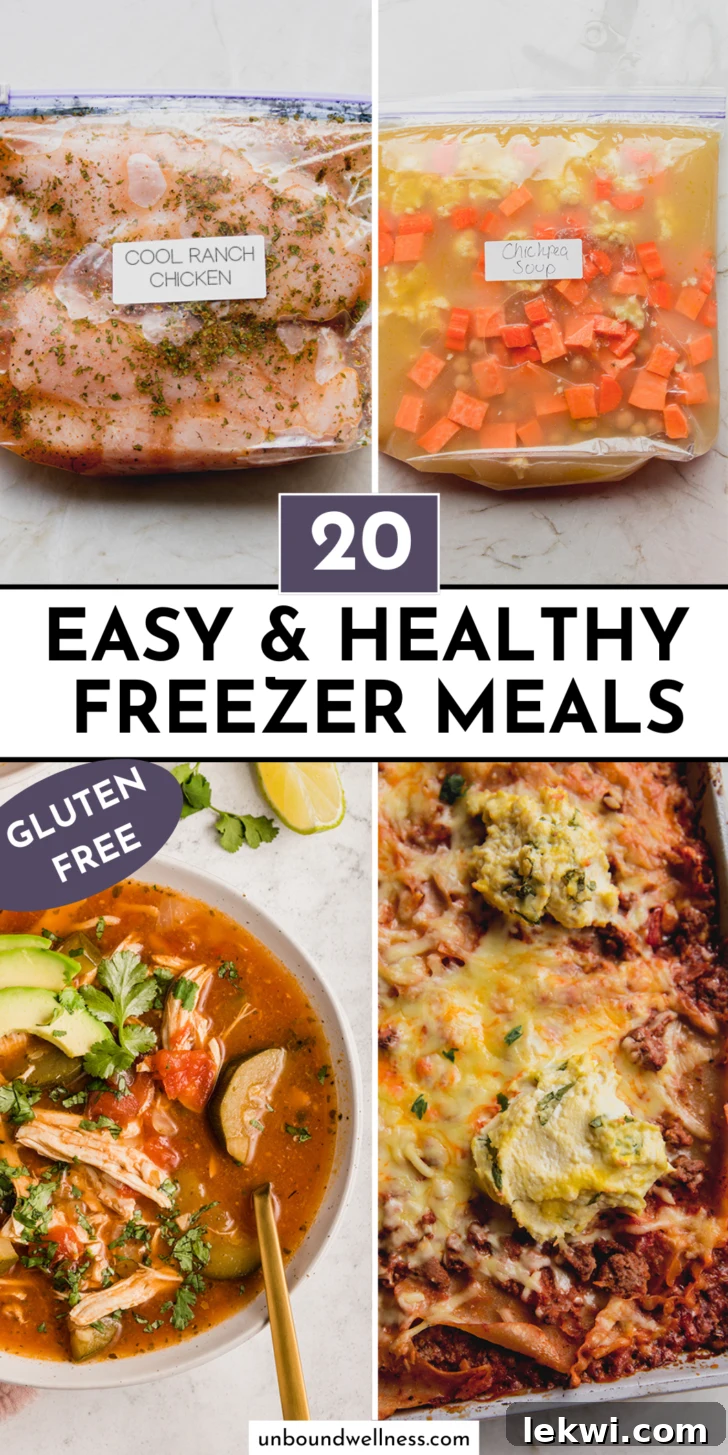
Demystifying Freezer Meals: Your Ultimate Time-Saving Solution
Freezer meals are much more than just pre-cooked dinners; they are a strategic approach to meal preparation that empowers you to have nutritious, homemade food ready whenever hunger strikes. Imagine a weeknight when you’re exhausted, or a morning when you barely have five minutes – with freezer meals, a wholesome dish is just a reheat or a quick cook away. They are a game-changer for expectant parents preparing for the arrival of a baby, individuals with demanding schedules, or anyone looking to minimize daily cooking stress.
For those with dietary restrictions, like gluten or dairy sensitivities, freezer meals offer unparalleled control. Instead of relying on potentially unsafe takeout options or the generosity of meal trains that might not accommodate specific diets, you can curate your own selection of safe and delicious dishes. This allows you to enjoy the foods you love, tailored precisely to your health requirements, without compromising on flavor or convenience. It’s about eating well on your own terms, effortlessly.
Freezer meals offer incredible versatility, broadly falling into two main categories. You can either fully cook a meal, portion it, and freeze it for simple reheating later, or you can assemble the raw ingredients into a freezer-safe package, ready to be cooked fresh on the day you plan to eat it. This diverse collection of recipes features a wonderful blend of both methods, ensuring you have options for every preference and situation!
Table of Contents
- Demystifying Freezer Meals: Your Ultimate Time-Saving Solution
- Discovering Healthy Meals Perfect for Freezing
- Foods to Avoid Freezing: What Doesn’t Hold Up?
- Essential Freezer Food Safety & Texture Guidelines
- Raw vs. Fully Cooked: The Best Way to Freeze Your Meals
- Choosing the Right Containers for Your Freezer Meals
- Top Freezer Meal Prep Tips & Clever Tricks 🤓
- 20 Irresistible Healthy Gluten-Free Freezer Meals
- Bonus Freezer-Friendly Snacks!
Discovering Healthy Meals Perfect for Freezing
When it comes to building your freezer meal stash, many healthy and delicious dishes lend themselves beautifully to freezing. The key is to choose recipes that maintain their texture and flavor after being frozen and reheated. Generally, meals with a good amount of liquid or those that are well-bound tend to freeze best. Here are some fantastic healthy options:
- Breakfast Burritos: Easily assembled with eggs, vegetables, and your choice of protein, then wrapped and frozen.
- Homemade Breakfast Sausages: Prep a big batch of these savory patties to grab and reheat.
- Baked Pastas (Gluten-Free): Dishes like lasagna or ziti, particularly those with rich sauces, freeze and bake wonderfully.
- Hearty Casseroles: Think shepherd’s pie, chicken and rice bakes, or vegetable gratins – perfect comfort food from the freezer.
- Slow Cooker Meals: Prepare ingredients in a bag, freeze, then dump into the slow cooker for a minimal-effort dinner.
- Wholesome Soups and Stews: From chicken noodle to lentil soup, these become even more flavorful after freezing and thawing.
- Chilis: A classic freezer favorite, chilis are robust and reheat beautifully, often improving with time.
- Meatballs or Meatloaf: Cooked or raw, these protein bases are versatile and freeze exceptionally well.
Foods to Avoid Freezing: What Doesn’t Hold Up?
While many foods are excellent candidates for freezing, some simply don’t stand up well to the process, leading to undesirable texture changes or a significant loss of flavor. Knowing what to avoid is as important as knowing what to freeze:
- Raw Leafy Greens: Romaine, cabbage, arugula, and lettuce become watery, limp, and lose their crispness when frozen raw due to their high water content.
- Plain Cooked Pasta or Rice: Without a sauce, these tend to dry out, become gummy, or develop an unpleasant grainy texture upon reheating. They are best frozen *with* a sauce.
- Fried Foods: The crispy coating of fried foods will become soggy and unappetizing after freezing and thawing.
- High Water Content Vegetables (Raw): Cucumbers, celery, and radishes, when frozen raw, will turn mushy due to ice crystal formation breaking down their cell walls.
- Previously Frozen Foods: Once food has been thawed, refreezing it can degrade its quality, affect texture, and, most importantly, pose a food safety risk.
- Mayo-Based Salads: Potato salad, pasta salad, or coleslaw made with mayonnaise or similar emulsified dressings will separate and curdle when frozen, resulting in an oily, unappeating mess.
- Milk-Based Sauces: Dairy-rich sauces, especially those with high fat content, can separate, become grainy, or develop an off-texture when frozen and thawed. Coconut milk or nut-based alternatives often fare better.
- Soft Cheeses: Cream cheese, cottage cheese, and soft goat cheese can become crumbly and watery. Harder cheeses generally freeze better.
Essential Freezer Food Safety & Texture Guidelines
Ensuring your freezer meals are not only delicious but also safe to eat is paramount. Following these key safety and texture notes will help you get the most out of your meal prep efforts:
- Never Re-freeze Previously Thawed Food: This is a critical rule for both safety and maintaining food texture. When food thaws, bacteria can multiply. Refreezing won’t kill these bacteria, and they can continue to grow once thawed again. Additionally, freezing and thawing twice severely impacts the food’s texture, making it mushy or unpleasant. Always ensure food is fresh before its first freeze.
- Avoid Adding Frozen Food Directly to a Slow Cooker: This is a significant food safety concern. A slow cooker heats slowly, meaning frozen food can spend an extended period in the “danger zone” (between 40°F and 140°F / 4°C and 60°C), where harmful bacteria multiply rapidly. Always fully thaw ingredients in the refrigerator overnight before adding them to a slow cooker to ensure safe cooking temperatures are reached quickly.
- Cool Foods Completely Before Freezing: Placing hot food directly into the freezer can raise the freezer’s internal temperature, potentially thawing other frozen items and affecting their quality. It also creates condensation, which can lead to ice crystals and freezer burn. Allow cooked meals to cool completely at room temperature (within two hours) before transferring them to the freezer.
- Portion Smartly: Freeze meals in the portion sizes you plan to eat. Thawing and reheating large batches repeatedly can diminish quality and increase food safety risks. Smaller portions also thaw faster, reducing the time food spends in the danger zone.
- Prevent Freezer Burn: Freezer burn occurs when food is exposed to air, leading to dehydration and discoloration. Always use airtight containers or heavy-duty freezer bags, and remove as much air as possible. A double layer of protection (e.g., wrapping in plastic wrap then foil, or using a freezer bag inside a container) can offer extra defense.
- Label Everything Clearly: Don’t underestimate the importance of clear labels! Include the dish name, the date it was frozen, and reheating instructions. This saves time and prevents mystery meals from lingering in your freezer too long.
Raw vs. Fully Cooked: The Best Way to Freeze Your Meals
The decision to freeze meals raw or fully cooked largely depends on the specific recipe, your preferences, and how you plan to finish the dish. Both methods offer distinct advantages:
Freezing Raw Ingredients (Prep-Ahead Method):
I personally often find that the texture and flavor are superior when ingredients are prepped, frozen raw, and then cooked fresh on the day of consumption. This method is particularly effective for recipes destined for the slow cooker or instant pot. For instance, chopping vegetables and portioning meat with sauces and spices into a freezer bag means you have a “dump and cook” meal ready to go. This approach:
- Preserves Texture: Vegetables, especially those with higher water content, tend to hold their structure better when frozen raw and then cooked. Freezing already cooked vegetables can often lead to a softer, sometimes mushy texture upon reheating.
- Enhances Flavor: When ingredients cook together for the first time after thawing, the flavors meld and develop more intensely, much like a freshly prepared meal.
- Mimics Fresh Cooking: For those who enjoy the act of cooking but want to cut down on prep time, this method provides the satisfaction of a “freshly cooked” meal with minimal effort on the day.
- Ideal for Slow Cookers: Raw meal components freeze beautifully and are perfectly suited for the long, slow cooking process that tenderizes meats and infuses flavors.
Freezing Fully Cooked Meals (Cook-Ahead Method):
This method is fantastic for ultimate convenience – simply thaw and reheat. It works best for:
- Casseroles and Baked Pastas: Dishes like lasagna, enchiladas, or shepherd’s pie are often baked, cooled, and then frozen whole or in portions. They reheat well in the oven, developing a nice crust.
- Soups and Stews: These liquid-rich dishes hold up exceptionally well to freezing and thawing. The flavors often deepen, making them even more delicious.
- Meat-Only Dishes: Cooked pulled pork, shredded chicken, or chili can be frozen and reheated with excellent results, then served with fresh sides.
Ultimately, the “best” method is subjective. For many of the recipes in this roundup, I lean towards the raw-prep-and-freeze method for its superior texture and flavor preservation, especially concerning vegetables. However, for certain dishes, having a completely cooked meal ready to simply warm up can be a lifesaver. Consider the type of ingredients and your desired outcome when choosing your freezing strategy.
Choosing the Right Containers for Your Freezer Meals
Selecting the appropriate freezer containers is crucial for maintaining the quality, safety, and longevity of your make-ahead meals. The right container can prevent freezer burn, ensure easy thawing, and maximize your freezer space. Here are some popular and effective options:
- Glass Pyrex Containers: These are a staple in my kitchen for storing leftovers and are excellent for freezer meals.
- Pros: They are durable, reusable, easy to clean, and can go directly from freezer to oven (check specific product instructions for thermal shock safety) or microwave. Glass is non-reactive and won’t absorb food odors or stains. Their transparency allows you to easily see what’s inside.
- Cons: Glass containers take up more space in your freezer and can be heavy. They are also prone to increasing the risk of freezer burn if not filled adequately, as the trapped air can lead to ice crystal formation. For best results, fill them as close to the top as possible, leaving just a little headspace for expansion if liquid is involved.
- Silicone Baggies (e.g., Stasher Bags): I absolutely adore my stasher bags for their versatility and eco-friendliness!
- Pros: These reusable bags are incredibly durable, flexible, and freeze food beautifully. They are dishwasher-safe, making cleanup a breeze, and can be used for sous vide, microwave, and oven cooking (check heat limits). Their flexibility allows them to conform to tight spaces in the freezer, and you can freeze liquids flat to save even more room.
- Cons: While an excellent long-term investment, silicone bags can be cost-prohibitive if you’re looking to stock up for a month’s worth of meals. However, even owning a few can make a significant difference in reducing single-use plastic waste.
- Heavy-Duty Freezer Bags: The classic choice for many freezer meal preppers.
- Pros: Inexpensive, widely available, and highly efficient for space-saving. They allow you to press out most of the air, significantly reducing the risk of freezer burn, especially when freezing raw meal components or flattened liquids.
- Cons: They are single-use plastic, which is a consideration for environmental impact. Ensure you use bags specifically labeled “freezer safe” as thinner storage bags may not prevent freezer burn effectively.
- Aluminum Foil Pans: Ideal for baked casseroles that you plan to cook and serve in the same dish.
- Pros: Convenient for gifting meals, easy cleanup (disposable), and can go straight from freezer to oven.
- Cons: Not reusable, can be flimsy, and require good sealing with foil and plastic wrap to prevent freezer burn.
When selecting your containers, prioritize airtight seals, durability, and convenience for your lifestyle. A mix of different types might be the most practical solution for a diverse freezer meal collection.
Top Freezer Meal Prep Tips & Clever Tricks 🤓
Mastering the art of freezer meals goes beyond just choosing the right recipes. These practical tips and tricks will help streamline your process, ensure food safety, and maximize the deliciousness of your make-ahead meals:
- Always Defrost in a Casserole Dish or Bowl: I’ve learned this lesson the hard way one too many times, especially when defrosting raw meat! Even with freezer-safe packaging, there’s always a slight chance of a leak, which can create a sticky mess and, more critically, risk cross-contamination in your refrigerator. Placing your freezer meals, particularly those with raw meat or significant liquid, in a bowl or casserole dish during thawing is the safest bet to catch any potential drips and prevent food safety hazards.
- Utilize a Baggy Holder for Easy Filling: Baggy holders are an absolute lifesaver! Before discovering these, I often found myself awkwardly attempting to fill freezer bags alone, resulting in frustrating spills and wasted ingredients. These ingenious holders keep your freezer bags stable and wide open, freeing both of your hands to scoop ingredients efficiently and cleanly. They transform a potentially messy chore into a quick and simple task.
- Label Everything Explicitly: Don’t rely on memory! Clearly label each freezer meal with the date it was prepared, the name of the dish, and any specific cooking or reheating instructions. This prevents guesswork, ensures food is consumed within its optimal timeframe (generally 3-6 months for best quality), and makes busy weeknights even smoother.
- Freeze Liquids Flat: For soups, stews, or slow cooker marinades in freezer bags, lay them flat on a baking sheet to freeze. Once solid, you can stack them vertically like files, saving significant freezer space and allowing for quicker, more even thawing.
- Portion Control is Key: Freeze meals in the exact portion sizes you anticipate needing. This avoids having to thaw and reheat more food than necessary, which can impact texture and flavor. Individual portions are perfect for single servings, while larger family-sized portions are great for shared meals.
- Prep Ingredients in Batches: When you’re already chopping onions, dicing carrots, or browning ground meat for one recipe, consider prepping extra for other freezer meals. This kind of bulk preparation saves time and effort in the long run.
- Blanch Vegetables Before Freezing (for best texture): If you plan to freeze raw vegetables like broccoli, green beans, or carrots on their own, blanching them first helps preserve their color, texture, and nutritional value. Dip them in boiling water briefly, then immediately plunge them into ice water before freezing.
- Double-Wrap for Extra Protection: For items prone to freezer burn, such as casseroles or meats, consider wrapping them first in plastic wrap and then in aluminum foil or placing them in a freezer bag within a rigid container. This extra layer provides an additional barrier against air exposure.
- Thaw Safely: The safest way to thaw most freezer meals is in the refrigerator overnight. For quicker thawing, use the cold water method (place sealed food in a sink of cold water, changing water every 30 minutes) or use the defrost setting on your microwave, cooking immediately after. Never thaw food at room temperature.
- Don’t Overcook Before Freezing: If you’re freezing a partially cooked meal (like some casseroles), slightly undercook components like pasta or rice. They will finish cooking during the reheating process, preventing them from becoming mushy.
By incorporating these simple yet effective tips into your freezer meal routine, you’ll be well on your way to a more organized kitchen, stress-free mealtimes, and a continuous supply of healthy, homemade deliciousness.
20 Irresistible Healthy Gluten-Free Freezer Meals
Get ready to stock your freezer with these incredible, wholesome, and easy-to-prepare gluten-free recipes. From breakfast power-ups to comforting slow cooker dinners and satisfying baked dishes, this list has everything you need for stress-free meal times!
Freezer-Friendly Breakfasts
Freezer Breakfast Burrito
Get the Freezer Breakfast Burrito Recipe
Blueberry Sweet Potato Breakfast Sausage
Get the Blueberry Sweet Potato Breakfast Sausage Recipe
Sweet Potato and Beef Breakfast Taquitos
Get the Sweet Potato and Beef Breakfast Taquito Recipe
Freezer Vegetable Breakfast Hash {3 Ways}
Get the Freezer Breakfast Vegetables Hash (3 Ways) Recipe
Freezer-Friendly Slow Cooker Meals
Slow Cooker Chicken Marsala
Get the Slow Cooker Chicken Marsala Recipe
Slow Cooker Chicken Cacciatore
Get the Slow Cooker Chicken Cacciatore Recipe
Slow Cooker Beef Stew
Get the Slow Cooker Beef Stew Recipe
Paleo Slow Cooker Indian Butter Chicken
Get the Paleo Butter Chicken Recipe
Slow Cooker Golden Chickpea and Veggie Soup
Get the Chickpea Soup Recipe
Slow Cooker Ranch Chicken Tacos
Get the Slow Cooker Ranch Chicken Taco Recipe
Gluten Free Pizza Soup
Get the Pizza Soup Recipe
Slow Cooker Mongolian Beef
Get the Slow Cooker Mongolian Beef Recipe
Instant Pot Chicken No-Tortilla Soup (Paleo, Whole30, Keto)
Get the Chicken No-Tortilla Soup Recipe
Slow Cooker Teriyaki Pork Tenderloin and Vegetables
Get the Teriyaki Pork Tenderloin Recipe
Hawaiian Chicken Bowls
Get the Hawaiian Chicken Recipe
Slow Cooker Cilantro Lime Chicken Tacos
Get the Slow Cooker Chicken Tacos Recipe
Asian Inspired Chili (Paleo, Whole30, AIP)
Get the Asian Inspired Chili Recipe
Freezer-Friendly Baked Meals
Gluten Free Sheet Pan Lasagna
Get the Gluten-Free Sheet Pan Lasagna Recipe
Sweet Potato Shepherd’s Pie
Get the Sweet Potato Shepherd’s Pie Recipe
Freezer-Friendly Chicken Enchiladas (Paleo & AIP option)
Get the Chicken Enchilada Recipe
Bonus Freezer-Friendly Snacks!
Who says freezer prep is just for main meals? Having healthy, ready-to-eat snacks on hand can be just as beneficial for managing hunger and cravings, especially for new moms or anyone with a busy lifestyle. These delicious treats freeze beautifully, providing a quick and wholesome option when you need it most. To freeze these, simply prepare them as directed in their respective recipes, allow them to cool completely if baked, and then wrap them tightly in an airtight container or freezer-safe bag before placing them in the freezer.
- Collagen Cookie Dough Bites: These no-bake bites are packed with protein and healthy fats, making them a perfect grab-and-go snack. Freeze them for a cool, chewy treat.
- Paleo Chocolate Chip Cookies: Enjoy the classic comfort of chocolate chip cookies with a paleo twist. Bake a batch, freeze the extras, and then simply thaw or gently warm for a delightful dessert or snack.
- Paleo Thin Mints: These refreshing minty chocolate cookies are surprisingly freezer-friendly. Just a note: if you’re a breastfeeding mom, it’s advisable to omit peppermint oil as it can sometimes affect milk supply. Rest assured, these cookies are still wonderfully delicious as plain chocolate cookies without the mint!
- Samoa Truffles: Inspired by the popular cookie, these decadent truffles offer a taste of indulgence that’s also healthy. They freeze wonderfully and are perfect for satisfying a sweet tooth.
- Energy Balls/Bites: Most energy ball recipes, often made with oats, nuts, seeds, and dried fruit, are fantastic for freezing. They maintain their texture well and offer a quick energy boost.
- Muffins or Scones: Baked goods like gluten-free muffins or scones can be baked, cooled, and frozen. Thaw them overnight or briefly reheat for a fresh-baked taste.
- Homemade Fruit Popsicles: While not a traditional “snack” in the baked sense, fruit popsicles made with real fruit and no added sugar are a refreshing and hydrating freezer treat, especially for new moms looking for something cool and easy.
Embrace the power of your freezer to simplify your healthy eating journey, ensuring you always have wholesome and delicious options readily available for both meals and snacks. Happy prepping!