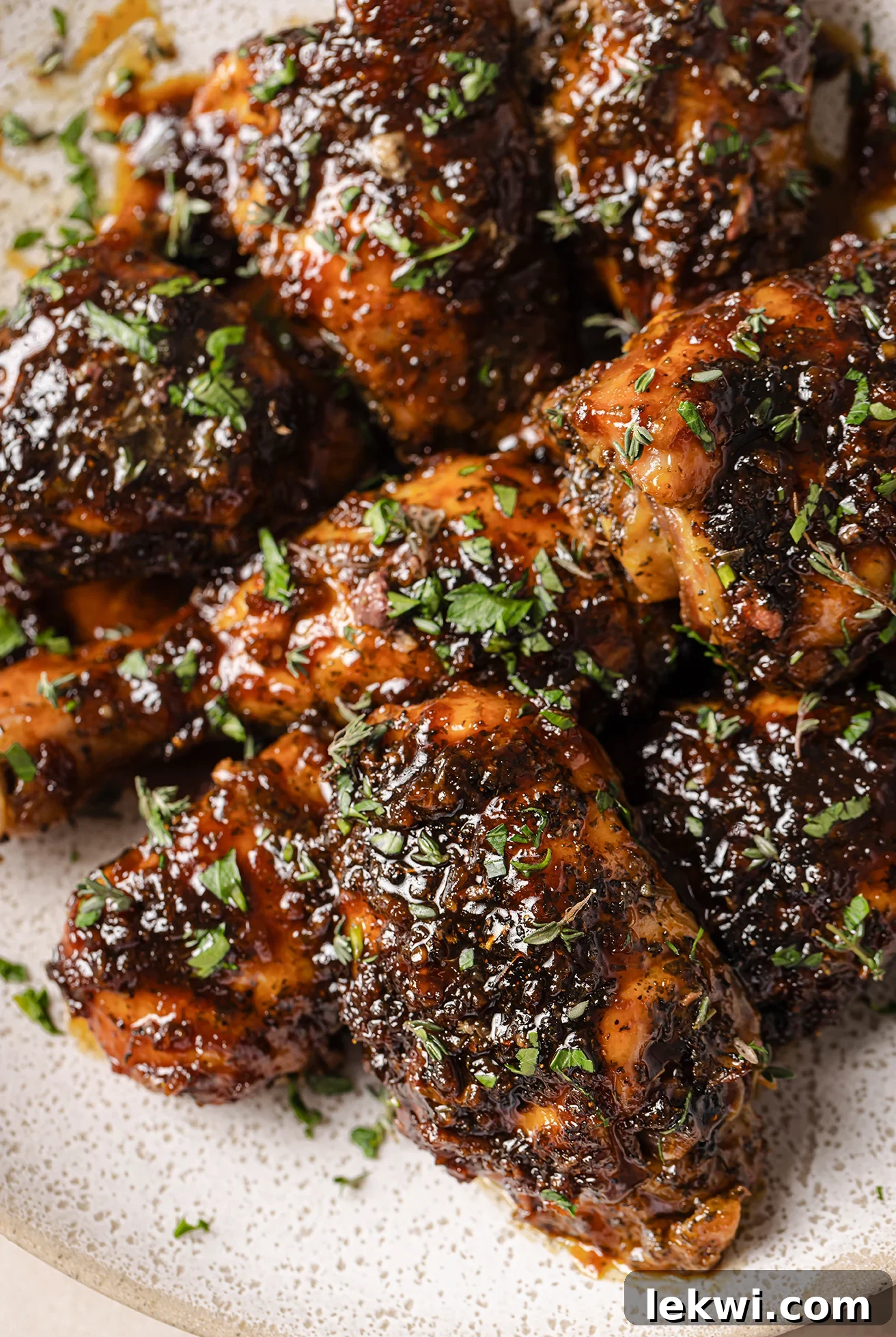
Welcome to your new favorite holiday dish or crowd-pleasing appetizer: incredibly succulent, oven-baked turkey wings! Forget the stress of a whole turkey if you’re hosting a smaller gathering or simply craving that irresistible turkey flavor without the fuss. These aren’t just any turkey wings; they’re infused with a delightful blend of herbs and spices and finished with a shimmering, sweet-tangy orange glaze that will have everyone asking for your secret. Best of all, this recipe is naturally gluten-free and dairy-free, making it a fantastic option for various dietary needs, crafted with only the most straightforward ingredients.
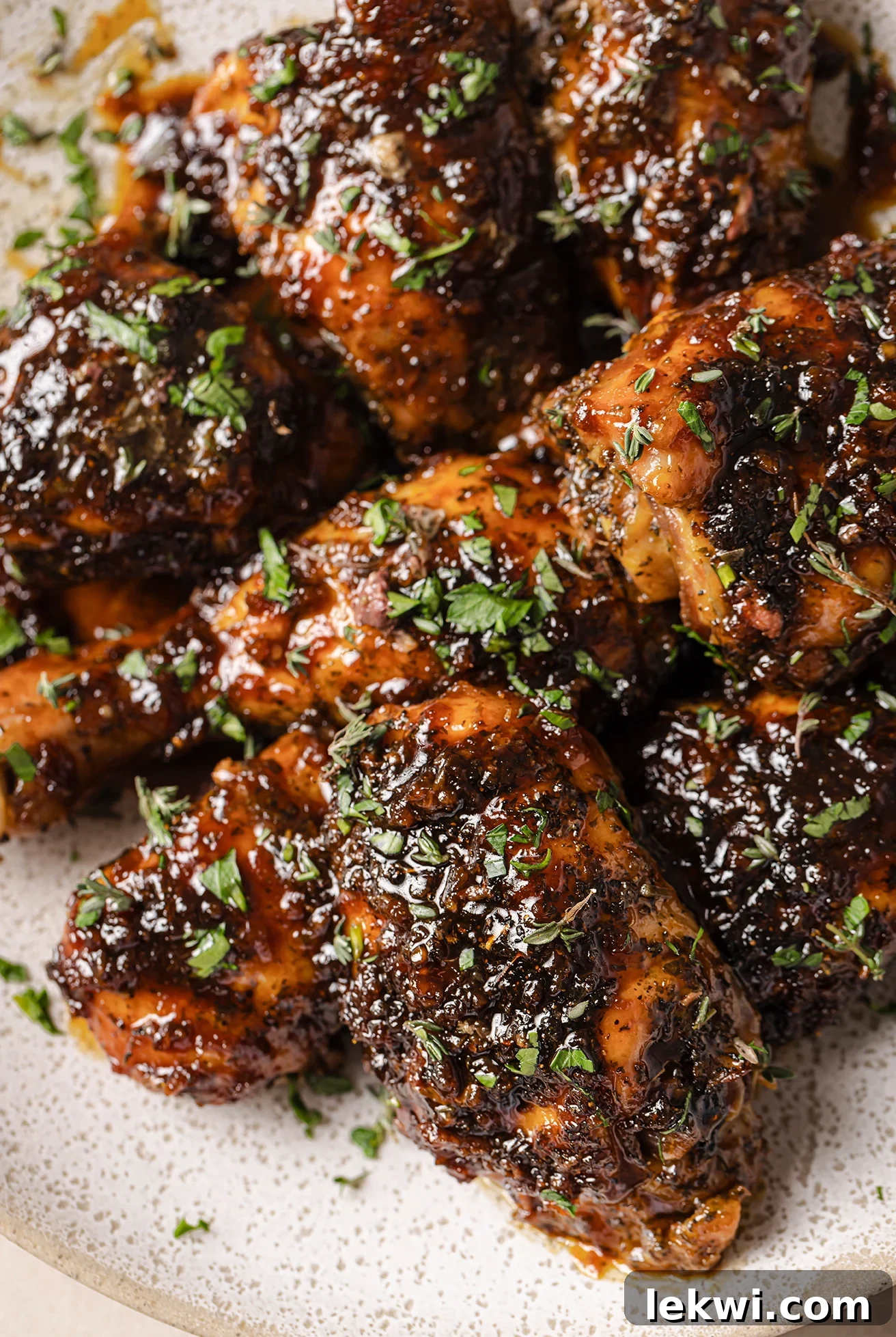
While my roots may not be deeply Southern, I’ve wholeheartedly embraced the rich culinary traditions of the South, finding joy in classics like Southern Fried Cabbage & Sausage and Sausage Balls. There’s an undeniable charm and comfort in Southern cooking, and tender, juicy turkey wings are no exception. Often enjoyed for their rich flavor and fall-off-the-bone texture, they embody a sense of hearty hospitality. As the holiday season approaches, I knew it was the perfect moment to share my unique take on this beloved dish, elevating it with a bright, citrusy twist.
These baked turkey wings are my modern interpretation of a timeless classic, adorned with a luxurious orange glaze that makes them absolutely essential for your holiday table!
Table of contents
- Why You’ll Adore These Baked Turkey Wings
- Essential Recipe Ingredients
- Thoughtful Substitutions and Flavor Variations
- Crafting Perfect Baked Turkey Wings: A Step-by-Step Guide
- Pro Tips & Tricks for Success
- Delightful Serving Suggestions
- Baked Turkey Wings FAQs
- More Irresistible Thanksgiving Turkey Recipes to Explore…
Why You’ll Adore These Baked Turkey Wings
There are countless reasons why these baked turkey wings will become a staple in your culinary repertoire, especially during the festive season. They offer the comforting familiarity of a traditional holiday meal with a fresh, accessible approach.
- Effortless Preparation for Maximum Flavor: Don’t let the impressive appearance fool you; these baked turkey wings are remarkably simple to prepare. They deliver an incredible depth of flavor with very little hands-on effort, allowing you more time to enjoy your guests or relax during the holidays. The majority of the cooking is passive oven time, making it a perfect set-it-and-forget-it dish.
- The Ideal Alternative to a Whole Turkey: While I truly cherish my recipe for orange herb whole turkey, preparing an entire bird can be daunting for smaller gatherings or if you simply prefer a less demanding culinary project. These turkey wings offer all the deliciousness of a holiday turkey without the extensive commitment. They’re fantastic for intimate dinners, a potluck contribution, or even as a flavorful weeknight meal. For another easy turkey option, consider my baked turkey tenderloin.
- Remarkably Versatile for Any Occasion: One of the best aspects of these turkey wings is their versatility. They’re substantial enough to serve as a show-stopping main course when paired with your favorite seasonal vegetables. Alternatively, cut them into smaller portions, and they transform into an incredibly flavorful appetizer, perfect for holiday parties, game day celebrations, or any festive gathering where you want to offer something a little more special than typical finger foods.
Essential Recipe Ingredients
Crafting these delectable baked turkey wings requires only a handful of readily available ingredients, allowing the natural flavors of the turkey and the bright orange glaze to truly shine. Each component plays a crucial role in creating the tender meat and crispy skin that characterize this dish.
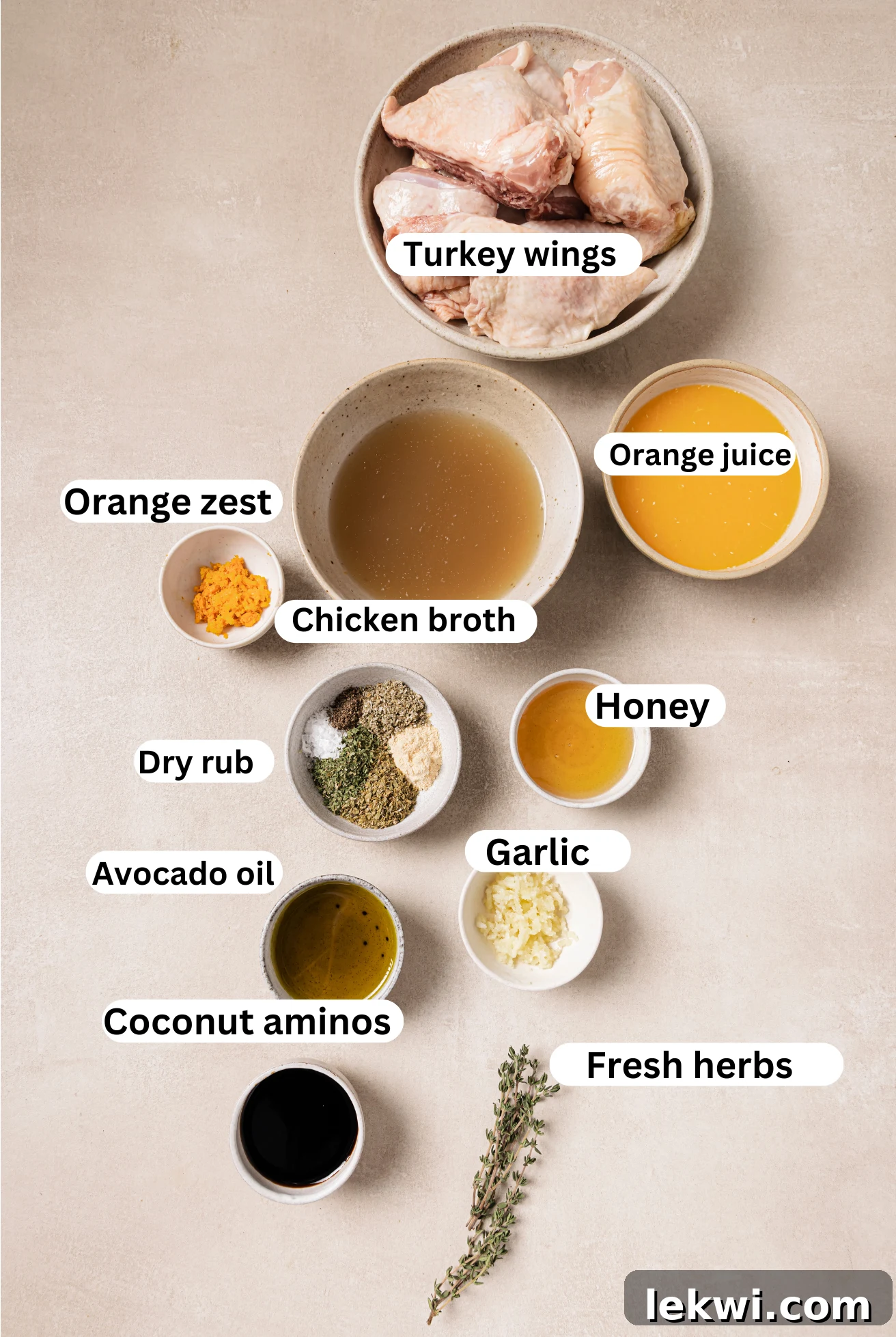
- Turkey Wings: The star of our dish! Look for fresh, plump turkey wings at your local butcher or grocery store. During the holiday season, they are usually more abundant. You can often find them whole or already separated into drumettes and flats. Whole wings will require a bit more cooking time but yield a more impressive presentation.
- Flavorful Dry Rub: This essential blend of herbs and spices is what infuses the turkey with its initial layer of incredible savory flavor. Our dry rub typically includes onion powder, dried parsley, dried oregano, and dried sage, along with salt and pepper (omit pepper for AIP diets). These spices complement turkey beautifully, creating an aromatic crust that enhances the meat as it bakes.
- Chicken Broth: Used during the initial baking phase, chicken broth is key to keeping the turkey wings moist and tender. It creates a steamy environment in the covered baking dish, preventing the meat from drying out while also contributing to a richer pan sauce that will be partially used in our glaze. You can use low-sodium broth to control the overall saltiness of the dish.
- Decadent Orange Glaze Ingredients: This homemade custom glaze is what truly sets this recipe apart. It’s a harmonious blend of sweet, tangy, and savory notes:
- Orange Juice: Provides a vibrant, citrusy base and natural sweetness. Freshly squeezed orange juice will offer the best flavor.
- Coconut Aminos: A savory, slightly sweet, and salty seasoning often used as a soy sauce alternative. It adds umami depth to the glaze without gluten or soy.
- Honey: Contributes a rich, natural sweetness that balances the tang of the orange juice and the savory notes of the coconut aminos, helping the glaze achieve a beautiful sheen.
- Orange Zest & Minced Garlic: These are added at the end of the glaze preparation to provide a burst of fresh aromatic flavor that truly brightens the dish.
Thoughtful Substitutions and Flavor Variations
One of the joys of cooking is the ability to adapt recipes to suit your taste preferences or what you have on hand. These baked turkey wings are incredibly forgiving and open to a few delightful adjustments:
- Maple Syrup for Honey: If you’re out of honey or prefer a different type of natural sweetener, pure maple syrup makes an excellent swap. It will impart a slightly different, earthier sweetness to the orange glaze, which can be equally delicious and festive, especially during the autumn months.
- Liquid Aminos for Coconut Aminos: You can certainly substitute liquid aminos for coconut aminos in the glaze. However, keep in mind that liquid aminos typically have a higher sodium content. You may need to adjust the amount of added salt in your dry rub or glaze to taste, ensuring the dish isn’t overly salty. Always taste as you go!
- Rosemary for Thyme: While I lean towards thyme for its subtle, peppery notes that complement turkey wonderfully, fresh rosemary is another fantastic herb that pairs beautifully with poultry. If you love the robust, piney aroma of rosemary, feel free to use it in your dry rub or as a fresh garnish. Both herbs offer a distinctly aromatic experience.
- Smoked Paprika for an Extra Kick: As someone who doesn’t personally tolerate nightshades, I typically omit paprika. However, if you’re able to enjoy it, a teaspoon of smoked paprika added to the dry rub would be a phenomenal addition. It introduces a beautiful smoky depth and a vibrant color, enhancing the overall savory profile of the turkey wings. For those who enjoy a little heat, a pinch of cayenne pepper could also be mixed into the rub.
- Spice it Up: Beyond paprika, consider adding a dash of chili powder, a pinch of red pepper flakes, or a tiny bit of ground ginger to the dry rub for an extra layer of warmth and complexity.
- Citrus Zest Variety: While orange zest is featured for its bright, sweet notes, you could experiment with lemon or lime zest in the glaze for a different citrus profile. Lemon zest would add a sharper, more tart element, while lime offers a distinct aromatic zing.
Crafting Perfect Baked Turkey Wings: A Step-by-Step Guide
Achieving perfectly tender, juicy, and crispy baked turkey wings with a glistening glaze is simpler than you might think. Follow these clear steps to create a show-stopping dish:
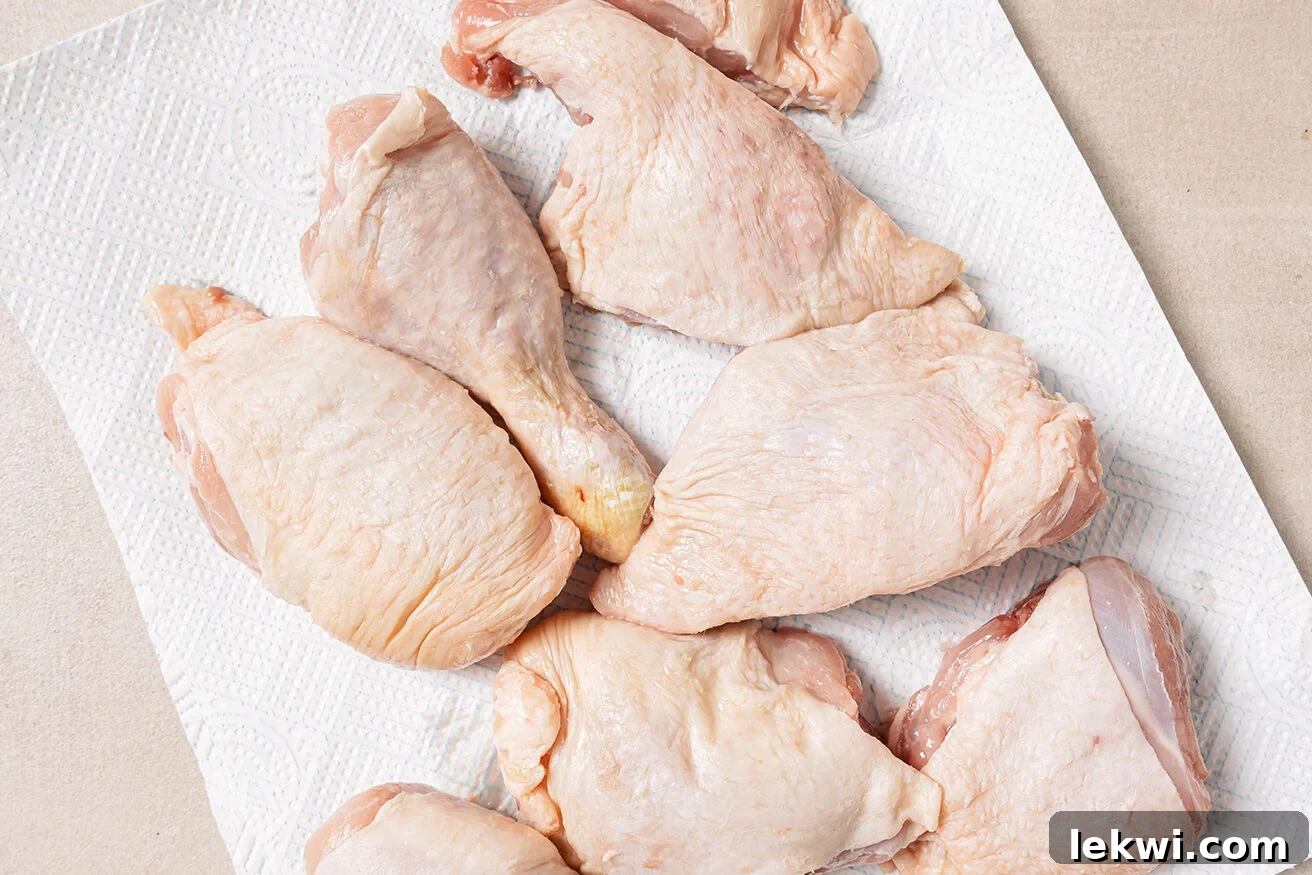
Step one: Prepare the Turkey. Begin by thoroughly patting the turkey wings dry with paper towels. This crucial step removes excess moisture, which is essential for achieving that coveted crispy skin during baking. Once dry, place the wings in a large mixing bowl.
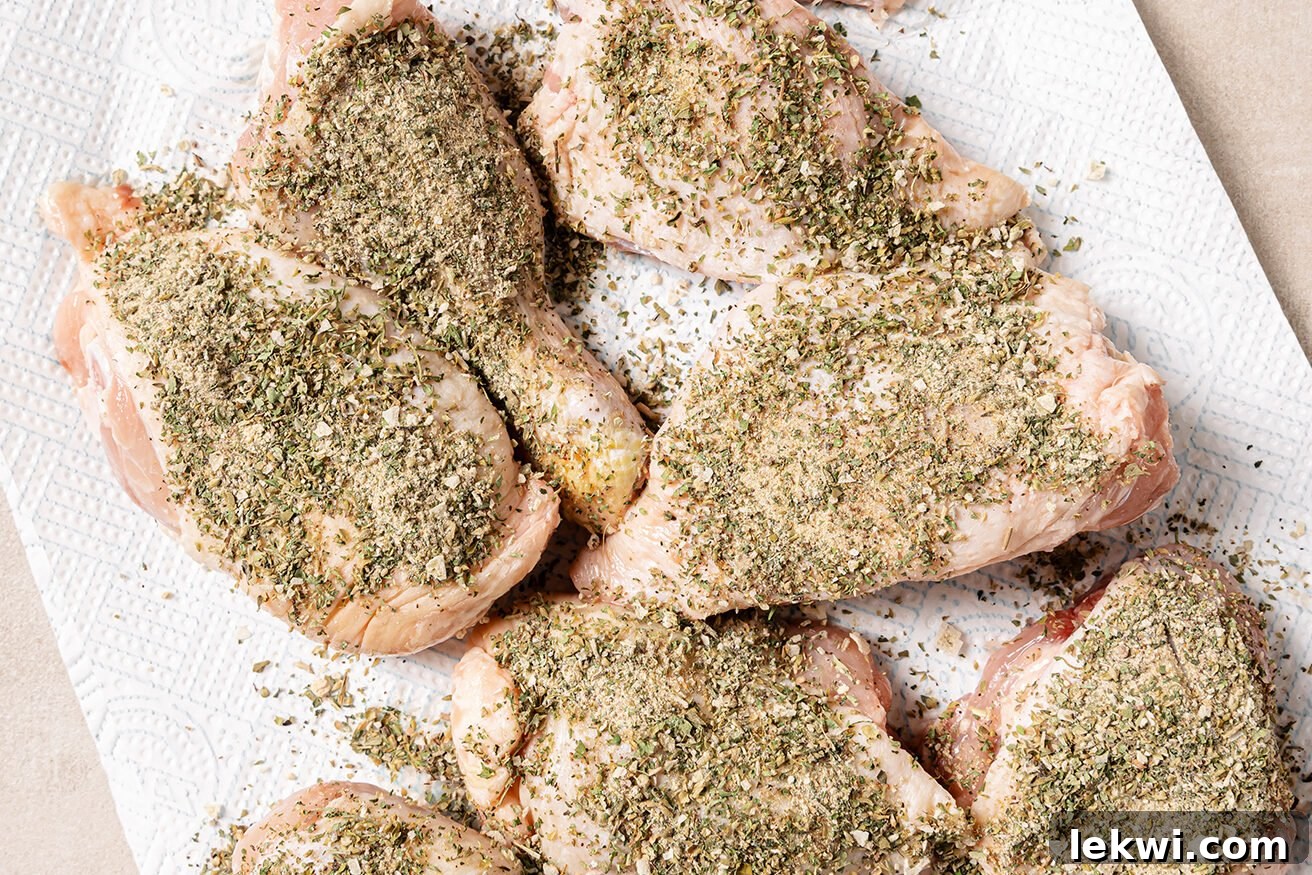
Step two: Apply the Dry Rub. In a separate small bowl, combine all the ingredients for your dry rub (onion powder, dried parsley, dried oregano, dried sage, salt, and pepper if using). Sprinkle this aromatic mixture generously over the dry turkey wings, tossing them gently to ensure every surface is evenly coated. Allow the seasoned wings to sit at room temperature for about 20 minutes; this allows the flavors to meld and penetrate the meat.
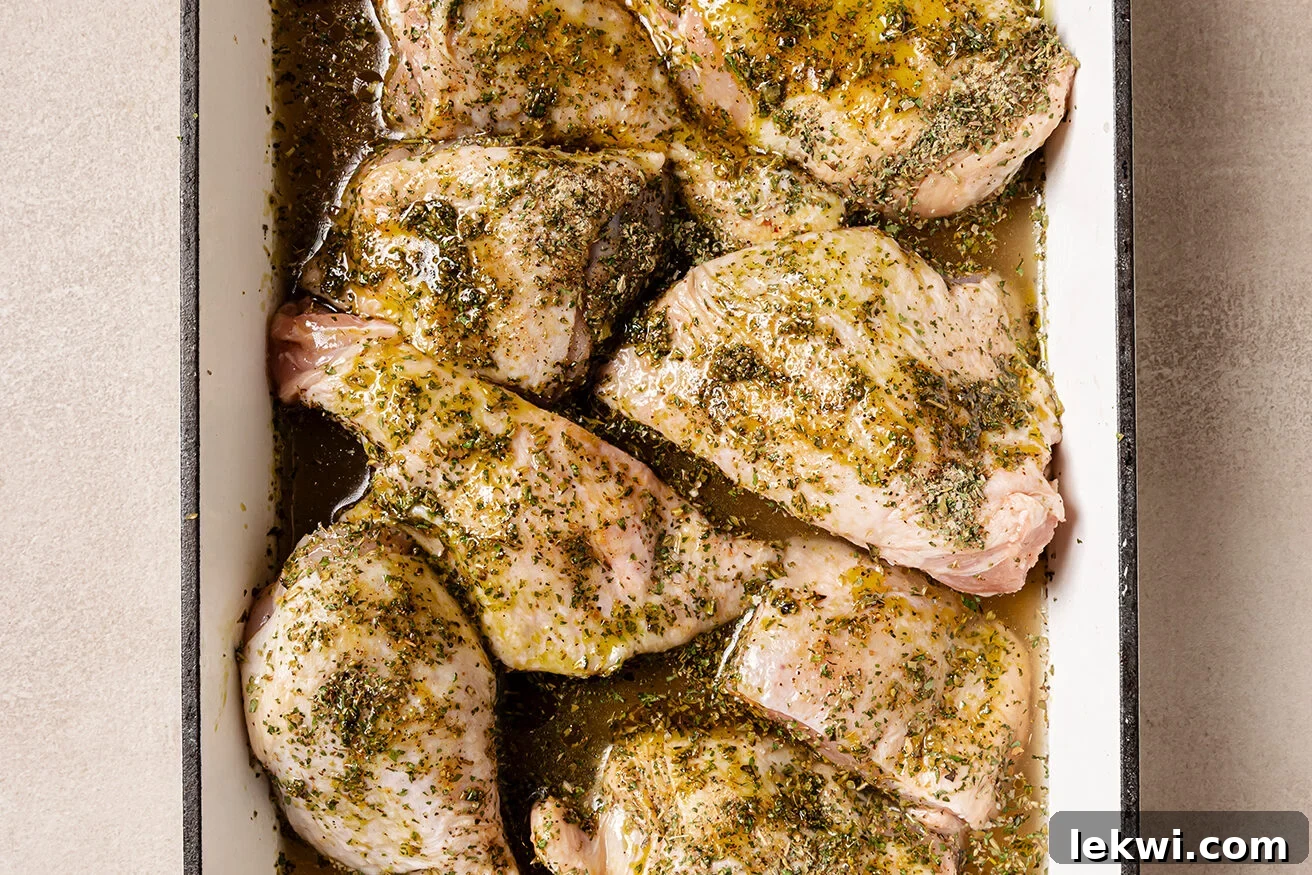
Step three: Prepare for Baking. Transfer the seasoned turkey wings to a sturdy baking dish or casserole. Arrange them in a single layer to ensure even cooking, avoiding any overlapping. Drizzle with avocado oil and pour in the chicken broth, which will create a moist environment for cooking. Cover the dish tightly with aluminum foil to trap the steam and moisture.
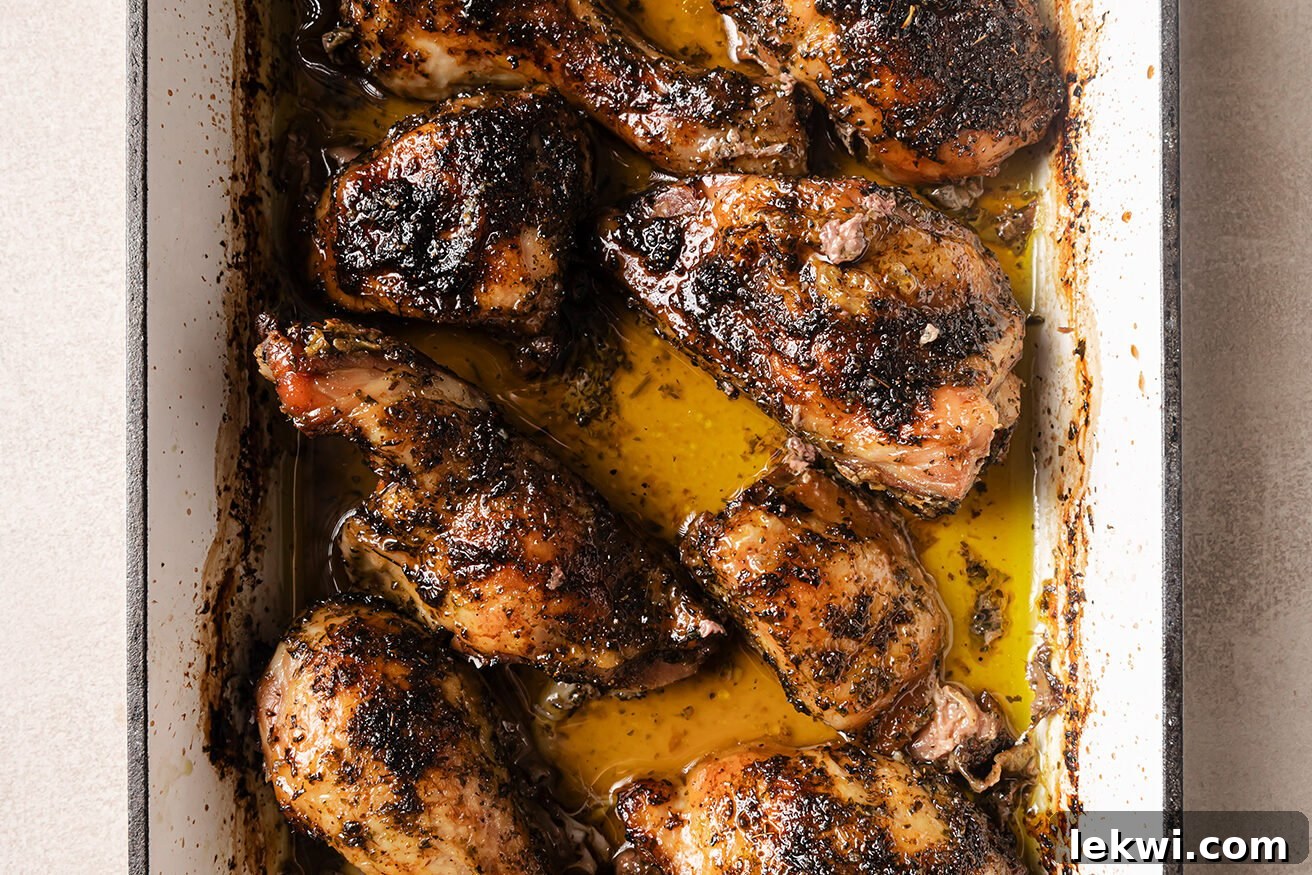
Step four: Bake to Perfection. Preheat your oven to 350°F (175°C). Bake the covered turkey wings for 90 minutes to 2 hours, or until they are very tender. The exact time will depend on the thickness of your wings. During this time, carefully remove the cover every 20-30 minutes and baste the wings with the pan drippings to keep them moist and infuse more flavor.
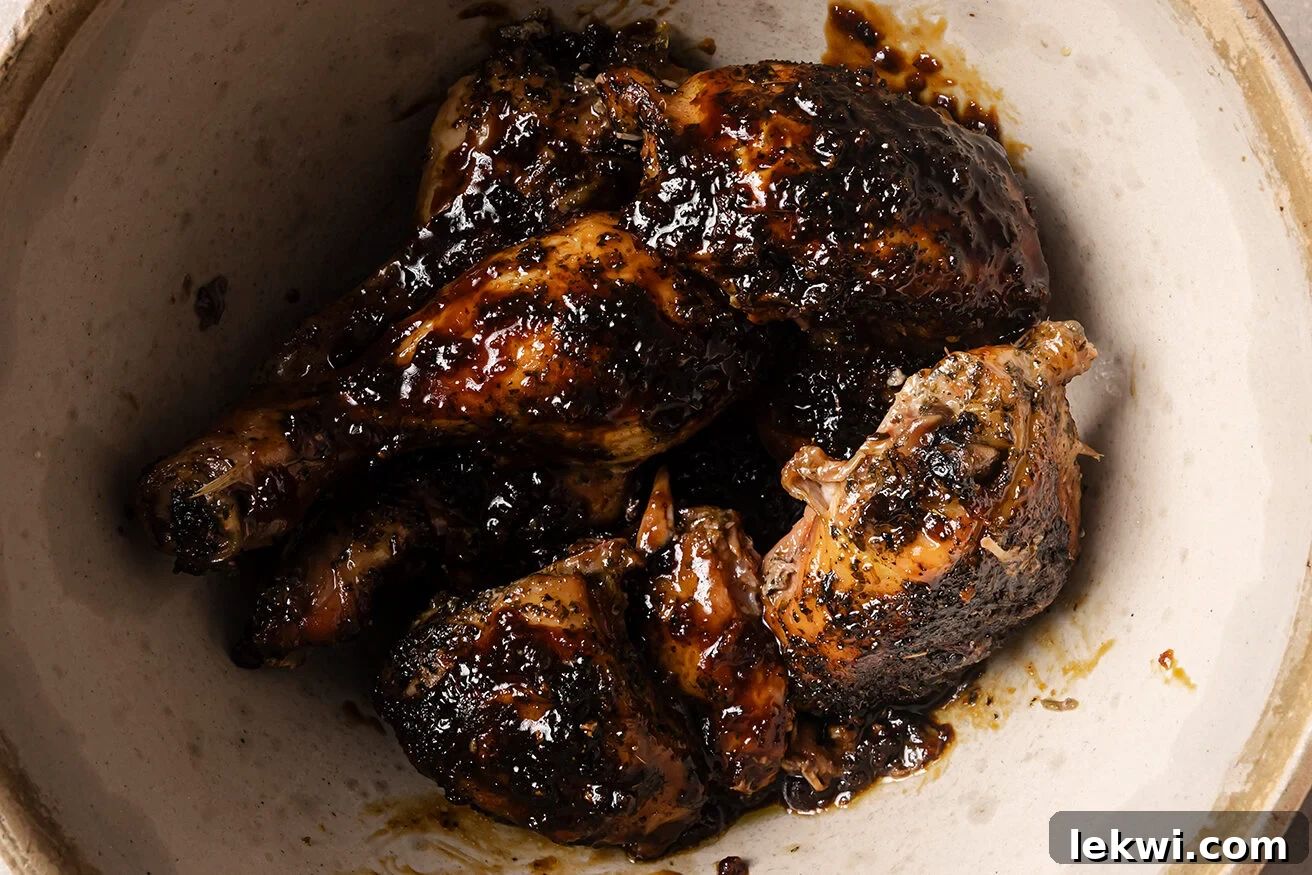
Step five: Glaze and Finish. After the initial covered baking, increase the oven temperature to 400°F (200°C). Remove the foil cover and bake for an additional 15 minutes to allow the skin to crisp up beautifully. The wings should reach an internal temperature of 165°F (74°C) and be tender inside with a crispy exterior. While the wings are resting after baking, prepare your glaze by combining orange juice, coconut aminos, honey, and a spoonful of the flavorful turkey pan drippings in a small saucepan. Simmer until reduced and thickened, then stir in minced garlic and orange zest until fragrant. Toss the cooked turkey wings (drained of excess cooking liquid) in this decadent glaze until evenly coated.
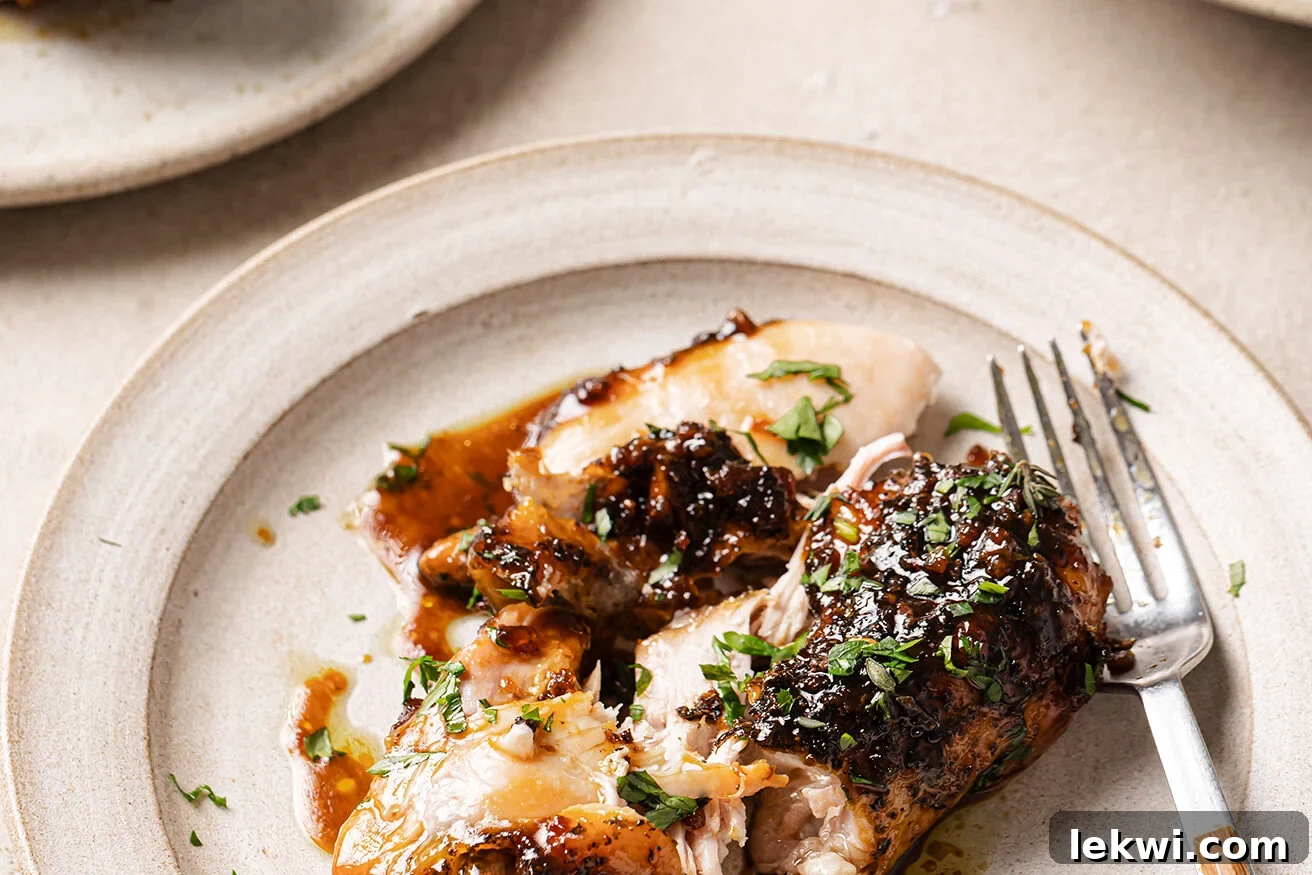
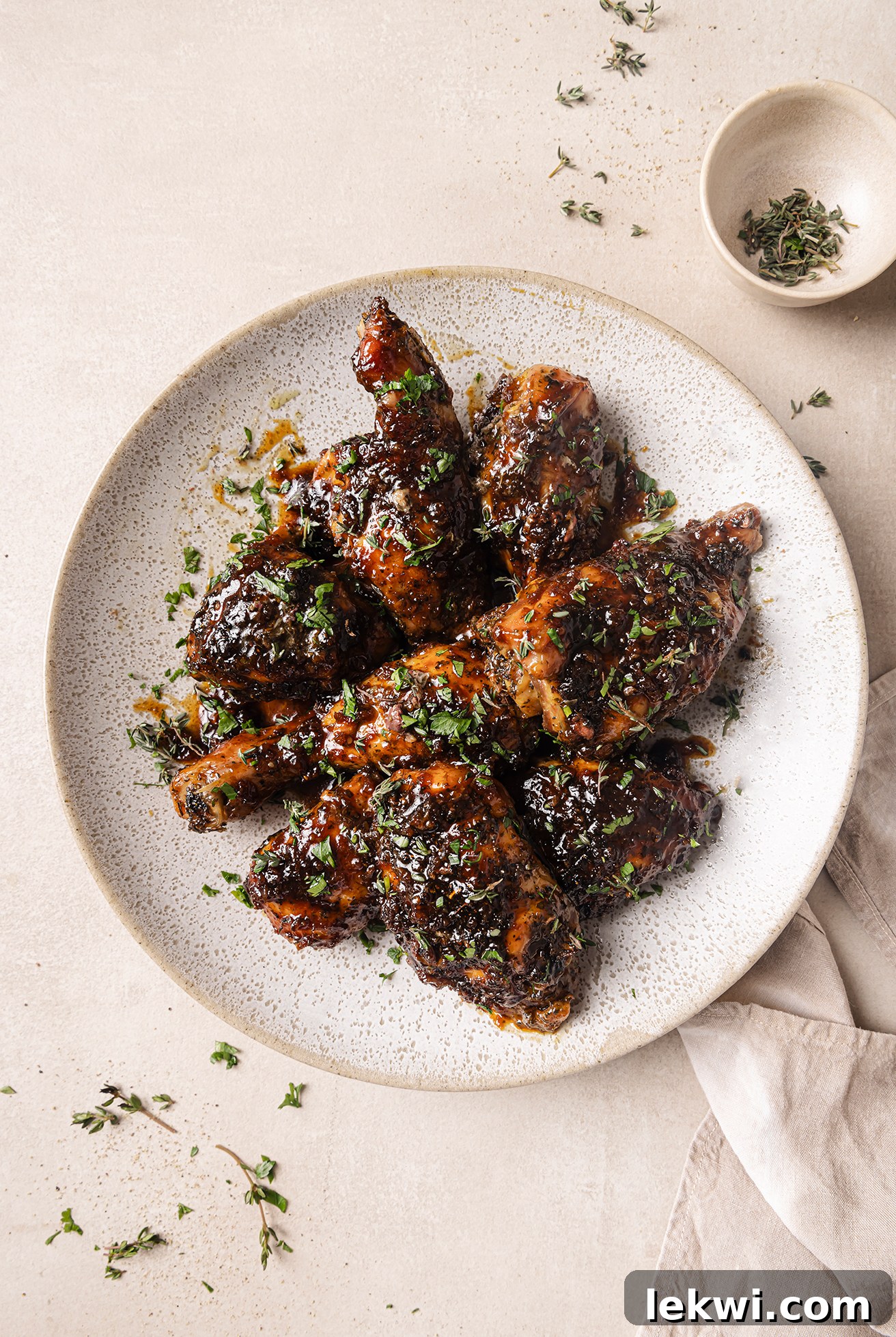
Step six: Serve with Style. Arrange the glazed turkey wings on a beautiful serving platter. Garnish generously with fresh thyme leaves for an aromatic touch and a pop of color. Serve warm and watch them disappear!
Pro Tips & Tricks for Success
Elevate your baked turkey wings from good to absolutely phenomenal with these expert tips and tricks:
- Basting is Your Best Friend: Don’t skip the basting step! Regularly spooning the pan drippings over the turkey wings during baking is crucial for keeping them incredibly moist and infusing them with continuous flavor. This practice also helps create that beautiful, even golden-brown crust. You can use a dedicated turkey baster for ease or simply a large spoon, being careful not to let too much heat escape from the oven.
- The Essential Digital Meat Thermometer: For perfectly cooked poultry every single time, a reliable digital meat thermometer is indispensable. It’s the only way to ensure your turkey wings are cooked to a safe internal temperature of 165°F (74°C) without overcooking them, which can lead to dry meat. Insert the thermometer into the thickest part of the wing, avoiding the bone, for an accurate reading. This guarantees juicy, tender results and optimal food safety.
- Don’t Overcrowd the Pan: For crispy skin and even cooking, it’s vital not to overcrowd your baking dish. Ensure the turkey wings are arranged in a single layer with a little space between each one. If your wings are too packed, they will steam instead of roast, preventing the skin from getting properly crisp. Use two baking dishes if necessary.
- Achieving Extra Crispy Skin: If you desire an even crispier skin, after the initial baking and the final 15 minutes at 400°F (200°C), you can briefly turn on your oven broiler for 2-3 minutes. Keep a very close eye on them, as broiler heat is intense and can burn quickly. This quick burst of high heat will transform the skin into an irresistibly crunchy layer.
- Rest Before Glazing: While the wings are still warm, resting them for 5-10 minutes after baking allows the juices to redistribute throughout the meat, resulting in a more tender and flavorful bite. This is the perfect time to prepare your glaze, ensuring the wings are still warm enough to absorb the glaze beautifully.
Delightful Serving Suggestions
These savory and sweet turkey wings are versatile enough to complement a wide array of side dishes, making them perfect for both casual meals and elaborate holiday feasts. Here are some classic pairings that will create a truly memorable spread:
- Green Bean Casserole: A timeless holiday favorite, a creamy and savory green bean casserole provides a comforting counterpoint to the rich turkey. Its earthy flavors and tender texture perfectly complement the glazed wings.
- Sweet Potato Casserole: The inherent sweetness and creamy texture of sweet potato casserole, especially one with a delicious streusel topping, pair wonderfully with the citrusy glaze of the turkey wings. It’s a classic pairing that celebrates the flavors of the season.
- Garlic & Herb Dinner Rolls: Fluffy, warm dinner rolls, especially those infused with garlic and herbs, are perfect for soaking up any extra glaze or pan drippings. They add a simple yet satisfying element to the meal, providing a welcome contrast in texture.
- Roasted Root Vegetables: A medley of roasted carrots, parsnips, and potatoes tossed with olive oil and herbs offers a rustic and wholesome side. The caramelized sweetness of the roasted vegetables harmonizes beautifully with the turkey.
- Creamy Mashed Potatoes: A classic for a reason! Smooth, buttery mashed potatoes provide a comforting base that allows the rich flavors of the turkey wings to shine.
- Fresh Cranberry Sauce: A tangy, homemade cranberry sauce or relish offers a bright, tart counterpoint to the savory and sweet glaze, cutting through the richness and adding another layer of holiday flavor.
Baked Turkey Wings FAQs
Turkey wings are indeed one of those ingredients whose availability can fluctuate with the seasons. During the peak holiday season, typically November and December, you’ll find them much more readily available in most major grocery store chains. Stores like Sprouts, Whole Foods, and even larger conventional supermarkets often stock them. Outside of the holidays, you might have better luck at a specialty butcher shop, which often carries a wider range of poultry cuts year-round. Don’t hesitate to ask your butcher if they can special order them for you!
Achieving that desirable crispy skin on your turkey wings involves a few key steps. First and foremost, thoroughly patting the turkey wings dry before applying the dry rub is absolutely critical. Moisture on the skin prevents crisping. Secondly, ensure your wings are not overcrowded in the baking dish; they need space for air circulation to roast properly. For an extra boost of crispiness, after the initial covered baking, remove the foil and increase the oven temperature to 400°F (200°C) for the last 15-20 minutes. If they’re still not as crispy as you’d like, you can briefly use the broiler for 2-3 minutes at the very end. Just keep a very close eye on them, as broiler heat is intense and can quickly burn the skin.
Turkey wings are often sold whole, which can be a bit large for some serving preferences. To separate them into more manageable pieces (drumette, flat, and tip), you’ll want to use a sharp butcher knife or a sturdy chef’s knife. Locate the joint where the drumette meets the flat, often forming a “V” shape. Carefully cut through this joint, applying firm pressure, to separate the two sections. Then, repeat the process with the flat, cutting off the small, bony wing tip (which has very little meat but can be saved for stock). This makes them easier to eat and to cook more evenly. If you’re uncomfortable with this, many butchers will happily cut them for you upon request.
Yes, you can certainly do some prep work in advance. You can apply the dry rub to the turkey wings and store them in an airtight container in the refrigerator for up to 24 hours before baking. This actually helps the flavors penetrate the meat even more deeply. For the glaze, you can prepare it a day in advance and store it in the refrigerator. Reheat gently before tossing with the freshly baked wings. While the wings are best served fresh for optimal crispiness, leftovers can be stored and reheated.
Store any leftover baked turkey wings in an airtight container in the refrigerator for up to 3-4 days. To reheat, place them on a baking sheet and warm in a preheated oven at 350°F (175°C) for about 15-20 minutes, or until heated through. For best results and to help restore some crispiness, you can finish them under the broiler for a minute or two, being careful not to burn the glaze.
More Irresistible Thanksgiving Turkey Recipes to Explore…
If you’re planning a full holiday spread or simply love cooking with turkey, you might enjoy these other delicious recipes:
- Cranberry Sweet Potato Turkey Poppers: Perfect for bite-sized appetizers or a lighter meal.
- Cheesecloth Orange Herb Whole Turkey: A classic method for a moist and flavorful whole roasted turkey.
- Easy Oven Baked Turkey Tenderloin: Another fantastic option for a smaller, fuss-free turkey meal.
If you tried these Baked Turkey Wings or any other recipe on my blog, please leave a 🌟 star rating and let me know how it went in the 📝 comments below. Your feedback is invaluable! Thanks for visiting!
Baked Turkey Wings
Leave a Review
Pin Recipe
Want to save this for later?
Just drop your name and email below. Then we’ll email right to your inbox. ✉️
Ingredients
For the wings
- 2 lbs turkey wings
- 1 tsp onion powder
- 2 tsp dried parsley
- 2 tsp dried oregano
- 1 tsp dried sage
- Salt and pepper, omit pepper for AIP
- 2 tbsp avocado oil
- 1 cup chicken broth
For the glaze & topping
- 1 cup orange juice
- 3 tbsp coconut aminos
- 1 tbsp honey
- A spoonful of turkey pan drippings
- 1 tbsp orange zest
- 3 cloves garlic, minced
- 2 tsp fresh thyme
- Pinch of salt and pepper
Instructions
-
Preheat your oven to 350 F (175 C). This moderate temperature allows the turkey to cook slowly and become tender without drying out.
-
Begin by patting the turkey wings thoroughly dry with paper towels. This crucial step ensures crispier skin later. Transfer the dry wings to a large bowl. In a separate small bowl, toss together all the dry seasonings for the rub until well combined. Generously coat the turkey wings with this dry rub, tossing them to ensure every surface is evenly covered. Allow the seasoned wings to sit at room temperature for at least 20 minutes; this helps the flavors penetrate the meat.
-
Arrange the turkey wings in a single layer in a large casserole dish, making sure they don’t overlap to promote even cooking. Drizzle the wings with avocado oil, then pour the chicken broth into the bottom of the dish. Cover the dish tightly with aluminum foil. Transfer to the preheated oven and bake for 90 minutes to 2 hours. The cooking time will vary depending on the thickness of your wings. Throughout this period, carefully remove the cover every 20-30 minutes and baste the turkey wings with the pan drippings to keep them moist and flavorful.
-
After the initial covered baking, increase the oven temperature to 400 F (200 C). Remove the foil cover completely for the last 15-20 minutes of baking. This higher heat and exposure will allow the turkey wings to crisp up, achieving a beautiful golden-brown skin. The wings should be cooked to an internal temperature of 165 F (74 C) when measured in the thickest part of the meat (avoiding bone), ensuring they are both tender and crispy. Remove the wings from the oven and let them rest on a cutting board or clean platter while you prepare the glaze.
-
To make the glaze: While the wings are resting, combine the orange juice, coconut aminos, honey, and a spoonful of the flavorful turkey pan drippings (from the baking dish) in a small saucepan. Bring the mixture to a gentle simmer over medium heat, stirring constantly to combine all ingredients. Continue to simmer until the mixture has reduced and thickened into a glossy, decadent glaze, which typically takes about 5 minutes. Reduce the heat to low, then add the minced garlic and orange zest. Stir well and cook for another minute or so, until the garlic becomes fragrant.
-
Transfer the baked turkey wings (making sure to drain any remaining cooking liquid from the pan) to a large clean bowl. Pour the freshly made orange glaze over the wings and toss gently until each wing is thoroughly and evenly coated with the rich, shimmering glaze.
-
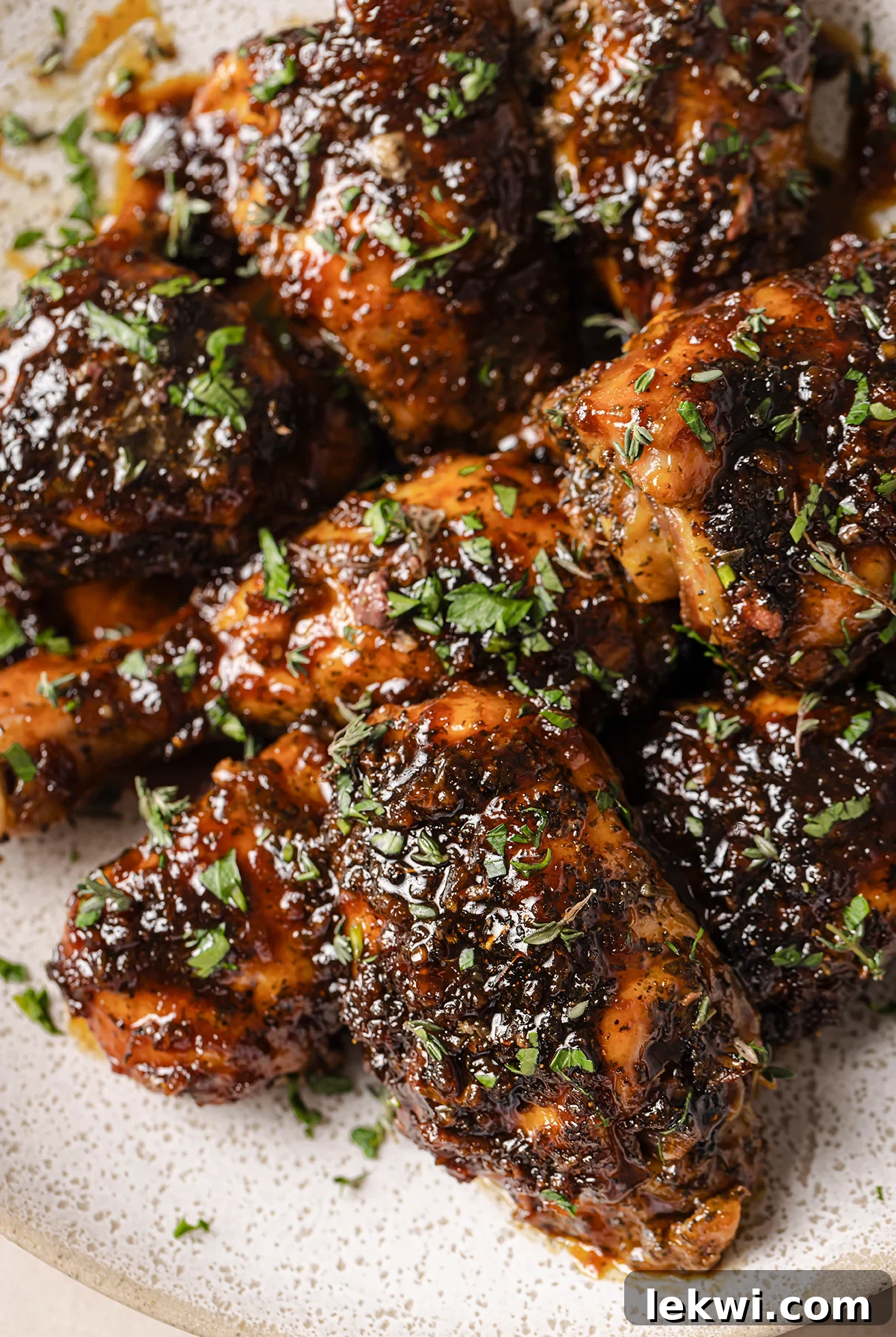
Arrange the beautifully glazed turkey wings on a serving platter. Garnish generously with fresh thyme leaves for an aromatic finish and an elegant presentation. Serve warm immediately and enjoy!
Notes
If you want to add some spice to this recipe, add paprika to the dry rub, and/or top the wings with crushed red pepper flakes during the last 15 minutes of baking for a little kick.
Recommended tools for success include a Turkey baster to keep your wings moist, and a reliable meat thermometer to ensure they are cooked perfectly and safely every time.