This post contains affiliate links.
Classic AIP Cinnamon Rolls: Grain-Free, Dairy-Free, & Paleo Perfection
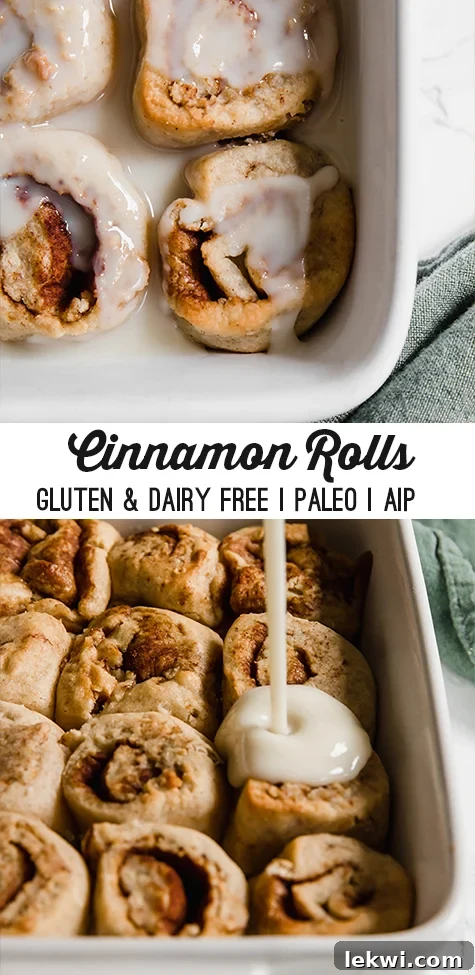
Indulge in the nostalgic comfort of warm, gooey cinnamon rolls, now reimagined for those following a grain-free, dairy-free, Paleo, and AIP-compliant lifestyle! These aren’t just “good for being AIP”; they are truly delicious, satisfying your deepest cravings for that classic sweet treat. Forget the intimidation of specialty baking; we’ve cracked the code to deliver an authentic cinnamon roll experience without any of the typical ingredients that can trigger sensitivities. Prepare to be amazed by their soft texture, rich cinnamon swirl, and decadent icing – a real deal recipe that will quickly become a cherished favorite.
Why These AIP Cinnamon Rolls Are a Game Changer
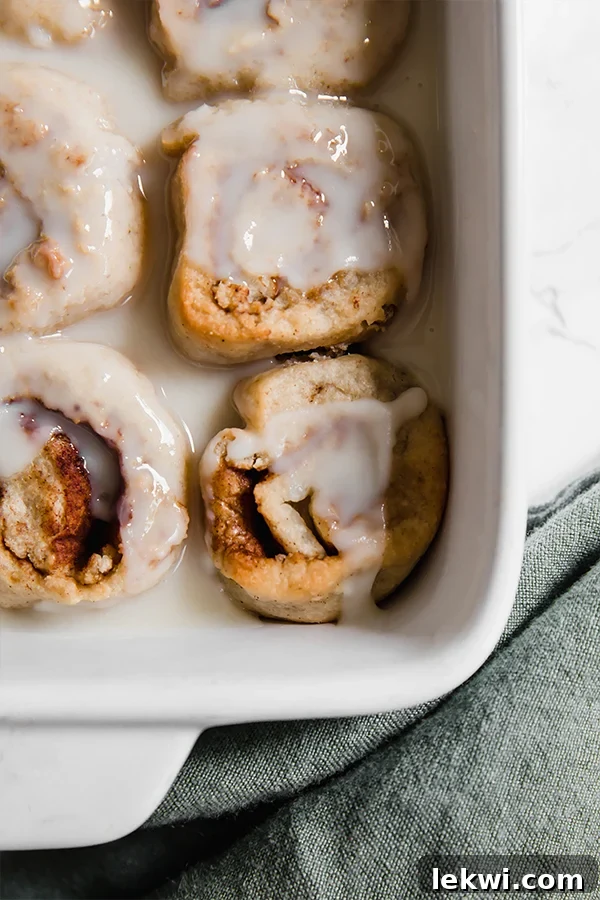
For many, holiday mornings and special occasions just aren’t complete without the irresistible aroma of freshly baked cinnamon rolls. Growing up, I eagerly anticipated my annual treat of pancakes or cinnamon rolls, often indulging in those convenient rolls from a tube – a memory many of us share! When I transitioned to a Paleo and later an Autoimmune Protocol (AIP) diet, I truly missed these comforting delights. The thought of recreating them seemed daunting, almost impossible, given the restrictions. However, after extensive experimentation and fine-tuning, I am thrilled to share a recipe that perfectly captures the essence of those beloved cinnamon rolls. This recipe isn’t just a compromise; it’s a celebration of flavor and texture, proving that dietary limitations don’t mean sacrificing deliciousness. These rolls are soft, sweet, and perfectly spiced, making them ideal for a wholesome breakfast, a special brunch, or a satisfying dessert.
Crafting AIP-compliant baked goods often requires a unique approach to ingredients. Traditional cinnamon rolls rely heavily on wheat flour, butter, and eggs – all of which are excluded from the AIP diet. This recipe skillfully navigates these challenges, using a thoughtful blend of alternative flours and binding agents to achieve a texture that is surprisingly similar to conventional cinnamon rolls. It’s a testament to how creative and satisfying AIP baking can be. Whether you’re managing an autoimmune condition, exploring a Paleo lifestyle, or simply seeking healthier alternatives, these cinnamon rolls offer a guilt-free indulgence that everyone can enjoy.
Understanding the Ingredients for AIP Baking Success
The secret to successful AIP baking lies in understanding the unique properties of alternative ingredients. Each component in this recipe plays a crucial role in achieving the desired taste and texture. I’ve carefully selected these specific ingredients for their ability to deliver a truly authentic cinnamon roll experience while remaining fully compliant with AIP guidelines.
The Unique Flour Blend: Tapioca, Coconut, and Tigernut
- Tapioca Starch: This is a cornerstone of many grain-free baking recipes, and for good reason. Tapioca starch provides the elasticity and chewiness often missing in gluten-free breads and pastries. In these cinnamon rolls, it’s essential for achieving that classic soft, slightly stretchy dough texture that makes a cinnamon roll so satisfying. Its neutral flavor also ensures that the delicious cinnamon and sweet notes shine through. I highly recommend sticking with tapioca starch for this recipe, as substitutes may alter the final texture significantly.
- Coconut Flour: Known for its high fiber content and incredible absorbency, coconut flour is a fantastic grain-free option. It contributes to the structure of the rolls and helps create a tender crumb. Due to its varying absorbency levels across different brands, it’s crucial to measure carefully and be prepared to adjust slightly as noted in the recipe. Starting with the recommended amount and adding more if your dough seems too wet is the best approach.
- Tigernut Flour: A less common but incredibly versatile flour, tigernut flour is a staple in nut-free and AIP baking. Despite its name, tigernuts are not nuts but small tubers, making their flour safe for those with nut allergies. It imparts a slightly sweet, earthy flavor and a wonderfully soft texture, mimicking the richness that traditional wheat flour provides. The combination of tapioca, coconut, and tigernut flours creates a perfectly balanced dough that is both pliable and flavorful.
Binding Agents and Fats: Gelatin, Coconut Oil, and Coconut Butter
- Gelatin (for the Gelatin Egg): Since this recipe is egg-free, gelatin steps in as an ingenious binder. Unlike collagen, which has different properties and won’t yield the same results, gelatin creates a stable, frothy mixture that perfectly emulsifies and binds the dough. It’s crucial for the structure and consistency of these rolls. Preparing the gelatin egg correctly ensures your dough holds together and bakes beautifully.
- Coconut Oil: Used both in the dough and for greasing, melted coconut oil provides essential moisture and richness. It’s a fantastic dairy-free fat that contributes to a tender interior and a slightly crispy exterior when baked. When making the icing, its consistency helps achieve that perfect glaze-like finish.
- Coconut Butter (for the Icing): This creamy, rich ingredient is the star of our AIP-compliant icing. Made from the meat of the coconut, it provides a naturally sweet, buttery flavor and a thick, luxurious texture when melted. Combined with coconut oil, it creates a luscious glaze that hardens slightly as it cools, giving you that authentic cinnamon roll topping experience. If you prefer a different AIP-friendly icing, feel free to substitute.
Natural Sweeteners and Spices: Coconut Sugar & Cinnamon
- Coconut Sugar: As an unrefined sweetener, coconut sugar is an excellent AIP-compliant alternative to brown sugar. It provides a caramel-like sweetness and a fine granular texture that works perfectly for the classic cinnamon roll filling. It disperses beautifully with cinnamon to create that irresistible swirl.
- Cinnamon: The heart and soul of any cinnamon roll! High-quality ground cinnamon is essential for a robust, aromatic filling. Its warm, spicy notes perfectly complement the sweet dough and icing, creating the signature flavor profile we all adore. Don’t skimp on the cinnamon – it’s what makes these rolls truly shine.
Step-by-Step Guide to Making Your AIP Cinnamon Rolls
Making these AIP cinnamon rolls is a delightful process, and following these steps carefully will ensure a perfect batch every time. Embrace the baking journey and enjoy the incredible results!
Preparation is Key
- Preheat your oven to 375°F (190°C). Line a baking sheet with parchment paper, then lightly grease it with coconut oil. This prevents sticking and ensures easy removal. If you opt for a baking dish, remember to grease the dish thoroughly and note that baking times may vary.
- In a large mixing bowl, combine the dry ingredients: sift together the tapioca starch, coconut flour, tigernut flour, and baking soda. Sifting helps to aerate the flours and prevent lumps, leading to a smoother dough.
- In a separate, small bowl, combine 1/3 cup melted coconut oil and 1/3 cup warm water. Allow this mixture to sit for a few minutes. Then, stir in the maple syrup. This liquid base will provide the necessary moisture and sweetness for the dough.
Crafting the Gelatin Egg
- For the gelatin egg, pour 1/4 cup water into a small saucepan. Evenly sprinkle 1 tbsp of gelatin over the water. Allow it to sit for 2-3 minutes; this “blooming” process is essential for the gelatin to properly hydrate and harden.
- Place the saucepan on the stovetop over low heat. Gently warm the mixture until the gelatin completely dissolves and becomes liquid. Be careful not to boil it.
- Remove from heat and, using a whisk or a milk frother, blend the gelatin mixture until it becomes frothy. This frothy gelatin egg is your perfect binder.
Forming the Dough
- Add the frothy gelatin egg mixture into your flour blend along with the maple syrup-oil mixture. Knead the dough well until all ingredients are thoroughly combined. The dough will have a soft, slightly sticky consistency. If it appears excessively wet, refer to the notes section for guidance on adding a bit more coconut flour.
- Prepare your rolling surface: either a clean countertop or a sheet of parchment paper. Lightly coat the surface and your hands with tapioca starch. This prevents the sticky dough from adhering to everything.
- Transfer the dough to the prepared surface and gently press it down into a rectangle, approximately 8-12 inches in size. Aim for an even thickness across the rectangle.
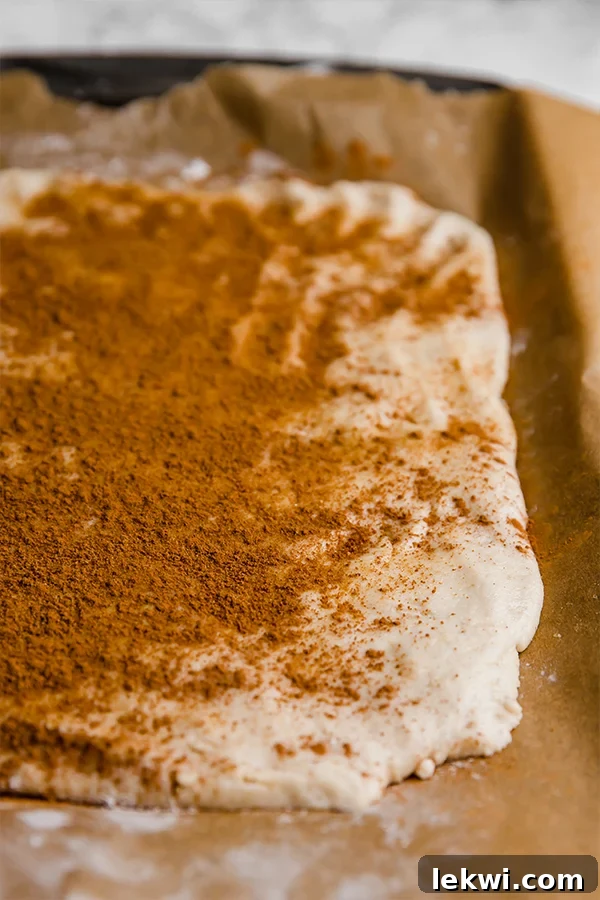
- Now for the irresistible filling: Evenly sprinkle the coconut sugar and cinnamon over the entire surface of the rolled-out dough. Make sure every inch is covered for maximum flavor!
Rolling and Baking to Golden Perfection
- Carefully roll the dough from the long side up. Aim for a relatively tight roll to ensure well-formed spirals.
- Once rolled, slice the dough into 7-8 equal cinnamon rolls. Gently reshape each slice into a perfect circle if needed, to create uniform rolls.
- Arrange the rolls on your prepared baking sheet (or in a baking dish), ensuring they are evenly spaced.
- Bake for 18-26 minutes, or until they are golden brown and fully baked through. The exact baking time may vary depending on your oven and whether you’re using a baking sheet (which typically requires less time) or a deeper baking dish (which may require more time).
- Once baked, carefully transfer the hot cinnamon rolls to a cooling rack. Allow them to cool for 10-15 minutes before adding your icing. This cooling time prevents the icing from melting completely into the hot rolls.
Whipping Up the Luscious Icing
- While the rolls are cooling, prepare your AIP icing. In a small bowl, combine the melted coconut butter and melted coconut oil. Mix them thoroughly until smooth. If desired, you can add 1 tsp of coconut sugar for extra sweetness, or skip it for a less sweet glaze.
- The best way to ensure a smooth, uniform melt for the coconut butter and oil is by using a double boiler method. This gentle heating prevents scorching and ensures a consistent texture.
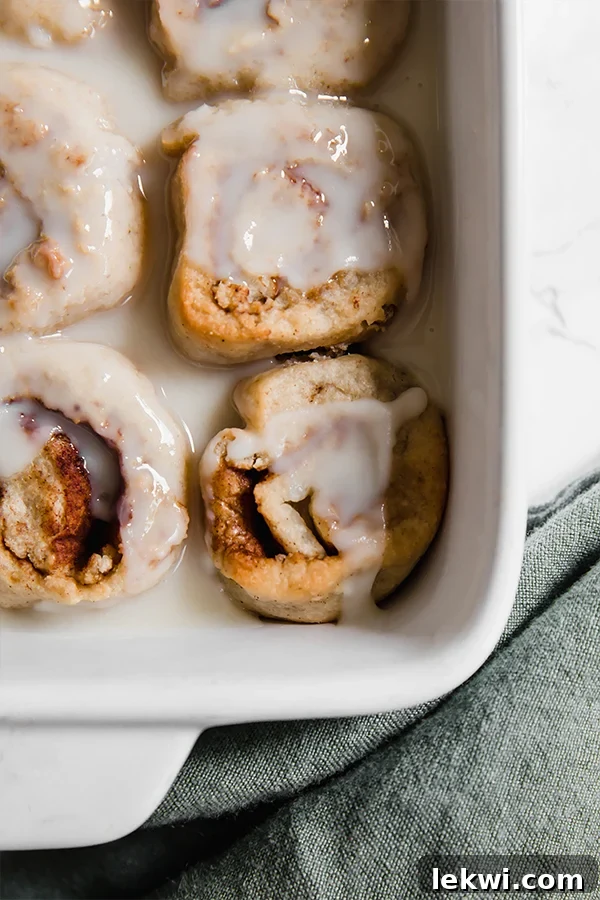
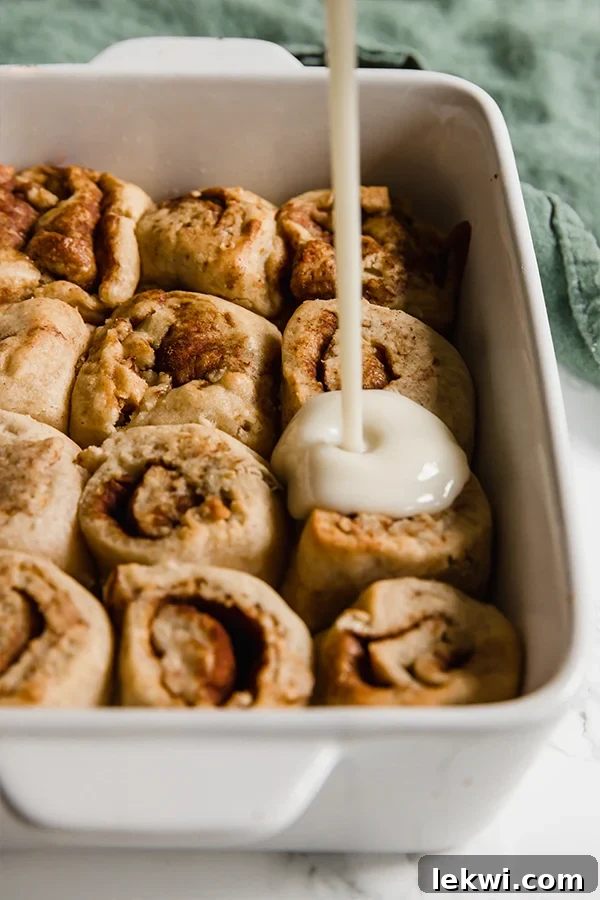
- Generously drizzle or spread the icing over the still-warm (but not hot) cinnamon rolls. The slight warmth will help the icing spread beautifully, and as it cools, it will set into a delightful glaze.
Frequently Asked Questions About AIP Cinnamon Rolls
Can I prepare these cinnamon rolls in advance?
While these AIP cinnamon rolls are undoubtedly at their peak freshness straight from the oven, you can certainly prepare them the night before. This makes them a convenient option for special mornings! Once they are baked and cooled, store them in an airtight glass container in the refrigerator. When you’re ready to enjoy them, gently warm them up. A quick zap in the microwave for 15-30 seconds or a few minutes under the broiler (keep a very close eye on them to prevent burning!) will restore their soft, warm deliciousness. Add the icing just before serving for the best experience.
What about egg substitutions? Can I use a regular egg instead of a gelatin egg?
This recipe was specifically developed with a gelatin egg to ensure it remains AIP-compliant, which means it is completely egg-free. I have not personally tested this recipe with a traditional chicken egg. However, if eggs are tolerated in your diet (meaning you are on a modified AIP or Paleo diet that includes eggs), you could attempt to substitute one regular egg for the gelatin egg. Please be aware that the texture and consistency of the dough might change, as gelatin and eggs have different binding properties. If you decide to try this, proceed with caution and be prepared for potential variations in the final product.
Tapioca vs. Arrowroot: What’s the difference for this recipe?
Tapioca starch is a crucial ingredient in this recipe because of its unique ability to impart a classic, slightly chewy, and elastic texture to the cinnamon rolls. This quality is fundamental to achieving the authentic cinnamon roll mouthfeel. While arrowroot powder is another common AIP-compliant starch, it behaves differently in baking. Arrowroot tends to create a crispier or more delicate texture, which might not yield the desired soft and pliable consistency for these rolls. For the best results and to truly replicate that traditional cinnamon roll texture, I strongly recommend sticking with tapioca starch as specified in the recipe.
Can this recipe be made completely coconut-free?
Coconut flour and coconut oil are integral to the structure, moisture, and flavor of these AIP cinnamon rolls. They contribute significantly to the unique texture and richness of the dough and the luxuriousness of the icing. Unfortunately, I have not found a suitable way to make this recipe successfully without these key coconut ingredients while maintaining the desired texture and overall quality. Coconut flour, in particular, has very distinct absorbent properties that are hard to replicate with other flours in an AIP context. If you have a coconut allergy, this recipe may not be suitable.
Can I use a store-bought frosting?
Absolutely! While the homemade coconut butter and coconut oil icing is designed to be AIP-compliant and delicious, convenience is sometimes key. If you can tolerate non-AIP ingredients or are on a Paleo diet that includes certain store-bought options, using a pre-made frosting can be a great shortcut. For example, I’ve had these rolls with Simple Mills Vanilla Frosting, and it’s absolutely amazing. Please note that Simple Mills frosting is typically Paleo but not AIP, so always check the ingredient list to ensure it meets your specific dietary needs and tolerances.
More AIP & Paleo Sweet Treats You’ll Love
If you’re enjoying these AIP Cinnamon Rolls, you’ll surely love exploring other delightful recipes that fit within a healing lifestyle. Here are some of my other favorites that bring joy without compromising your dietary goals:
- Orange Cranberry Scones: A vibrant and comforting treat perfect for breakfast or afternoon tea.
- Gingerbread Donut Holes: Spiced and sweet, these bite-sized delights are fantastic for holiday gatherings or a special snack.
- Pumpkin Roll: A festive and delicious dessert, perfect for autumn and beyond.

Classic AIP Cinnamon Rolls
Pin Recipe
Ingredients
For the cinnamon rolls
- 1 ¼ cup tapioca starch, plus extra for coating your hands
- ⅓ cup +3-4tbsp coconut flour, see notes
- ¼ cuptigernut flour
- ½ tsp baking soda
- ⅓ cup coconut oil, melted
- ⅓ cup warm water
- ¼ cup maple syrup
- ¼ cup water + 1 tbsp gelatin
- 2 tbsp coconut sugar
- 1 ½ tsp cinnamon
For the icing
- ¼ cup coconut butter, melted (see notes)
- 3 tbsp coconut oil, melted
- 1 tsp coconut sugar, optional
Instructions
-
Preheat the oven to 375 F and line a baking sheet with parchment paper lightly greased with coconut oil. (See notes about using a baking dish instead.)
-
Using a large bowl, sift together the tapioca starch, coconut flour, tigernut flour, and baking soda.
-
Combine the 1/3 cup coconut oil and 1/3 cup warm water in a separate bowl and allow to sit for a few minutes before adding to the flour mixture. Stir in the maple syrup.
-
For the gelatin egg, pour the water into a small saucepan and evenly sprinkle the gelatin over the water. Allow to sit for 2-3 minutes to allow to harden. Place on the stovetop set to low heat until the mixture comes to liquid. Remove from heat. Use a whisk or milk frother to blend the gelatin mixture until frothy.
-
Add the gelatin egg to the dough and knead well until fully combined. The dough will be soft and sticky. See notes if the dough is too wet.
-
Using either a clean surface or a sheet of parchment paper, coat the surface in tapioca starch as well as your hands. Add the dough onto the surface and press down into a rectangle that’s about 8″-12″. Sprinkle the coconut sugar and cinnamon over the dough and evenly disperse.
-
Roll the dough from the long side up. Slice into 7-8 cinnamon rolls. Form each roll into circles.
-
Add to the baking sheet (or dish) and evenly space. Bake for 18-26 minutes or until fully baked through. You’ll need more baking time if you’re using a baking dish, and less if you’re using a baking sheet. Carefully transfer to a cooling rack and allow to cool for 10-15 minutes before topping with an icing of choice.
For the icing
-
Combine the coconut butter and oil and mix well. Top the cinnamon rolls with the icing while still melted.
Notes
You can also use a baking dish for the cinnamon rolls, but you’ll have to add extra coconut oil to the top of the cinnamon rolls to ensure they don’t stick. Cook time may need to be longer.
The best method for melting coconut butter and oil together is using adouble boiler method.
All nutritional information are estimations and will vary. Estimations do not include optional ingredients.