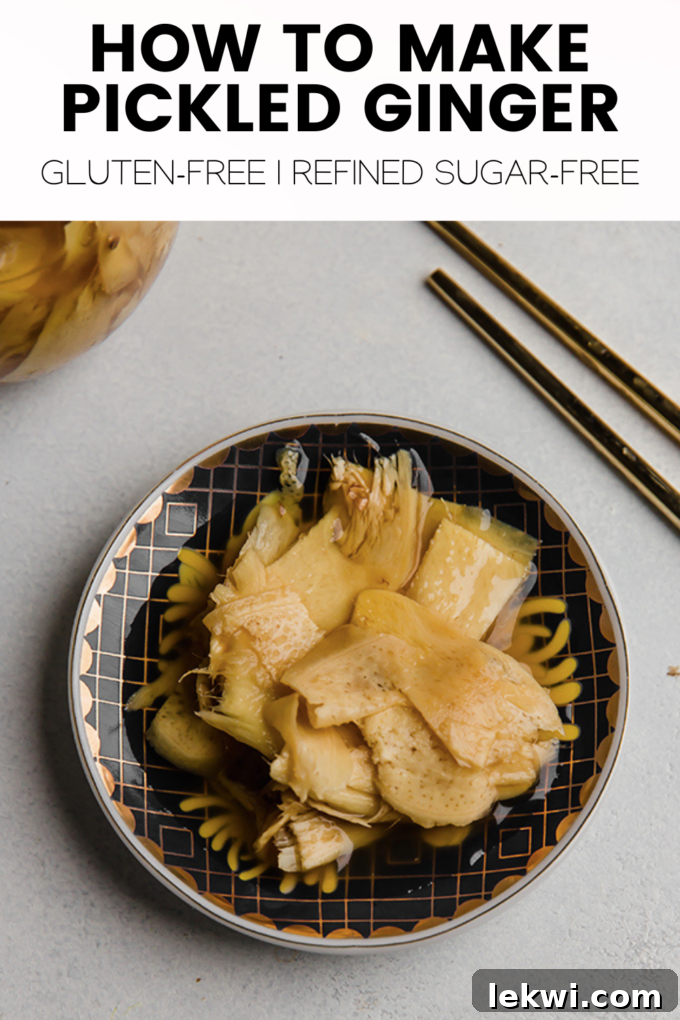
Homemade Pickled Ginger: A Refined Sugar-Free and Gut-Friendly Recipe
Discover how to create your own vibrant, tangy, and subtly sweet pickled ginger right in your kitchen! This recipe offers a simple, fast, and remarkably healthy alternative to store-bought versions, made with wholesome ingredients like apple cider vinegar, coconut sugar, and fresh ginger. Perfect for those seeking to avoid refined sugars and enhance their culinary experience with a gut-friendly condiment.
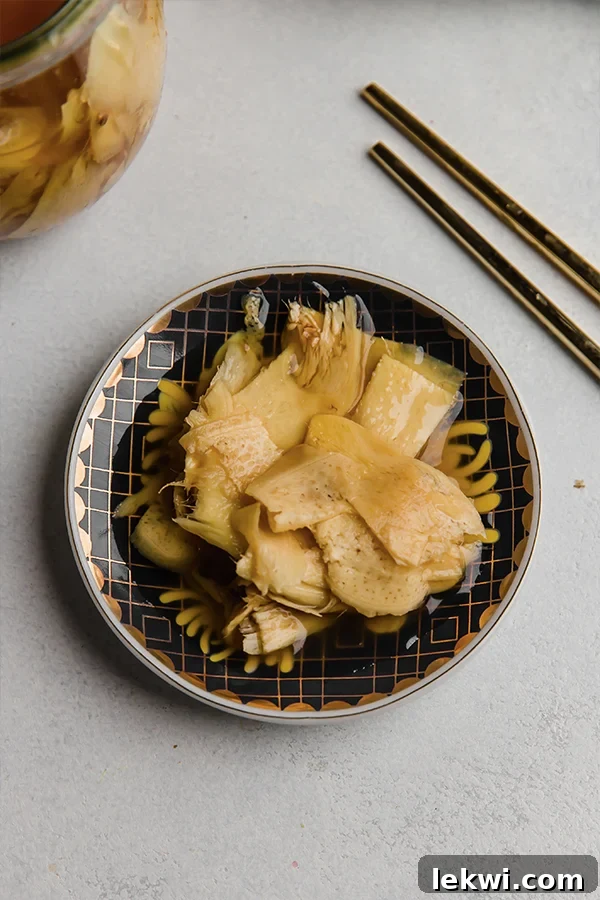
What Exactly is Pickled Ginger? A Culinary Staple Explained
Pickled ginger, often known as Gari in Japanese cuisine, is a beloved condiment made from thinly sliced young ginger that has been marinated in a sweet and sour pickling brine. Traditionally, this brine consists of rice vinegar and sugar, yielding its characteristic pale pink hue and refreshing bite. It’s most famously served alongside sushi and sashimi, acting as a palate cleanser between different types of fish, allowing you to fully appreciate the distinct flavors of each piece. Beyond its traditional role, pickled ginger offers a unique zest that can elevate a wide array of dishes.
However, for individuals mindful of their diet, particularly those avoiding rice vinegar or refined sugars, finding a suitable pre-made pickled ginger can be a challenge. Many commercial brands contain high amounts of processed sugars and other additives. This recipe provides an ideal solution, replacing traditional ingredients with apple cider vinegar and coconut sugar, making it a more gut-friendly and refined sugar-free option that doesn’t compromise on flavor or authenticity.
Why Choose Homemade Pickled Ginger? Beyond Taste
Making your own pickled ginger offers numerous advantages. Foremost, it grants you complete control over the ingredients, ensuring purity and allowing for dietary customizations. You can meticulously select fresh, high-quality ginger and use natural sweeteners, avoiding artificial colors, preservatives, and excessive refined sugar often found in store-bought varieties. Furthermore, the process is surprisingly simple and rewarding, yielding a condiment that’s not only delicious but also packed with potential health benefits. It’s an excellent way to introduce a vibrant, probiotic-rich element to your meals.
The Powerhouse Ingredients for This Quick Pickled Ginger Recipe
Each ingredient in this recipe plays a crucial role, not just in flavor but also in contributing to its healthy profile:
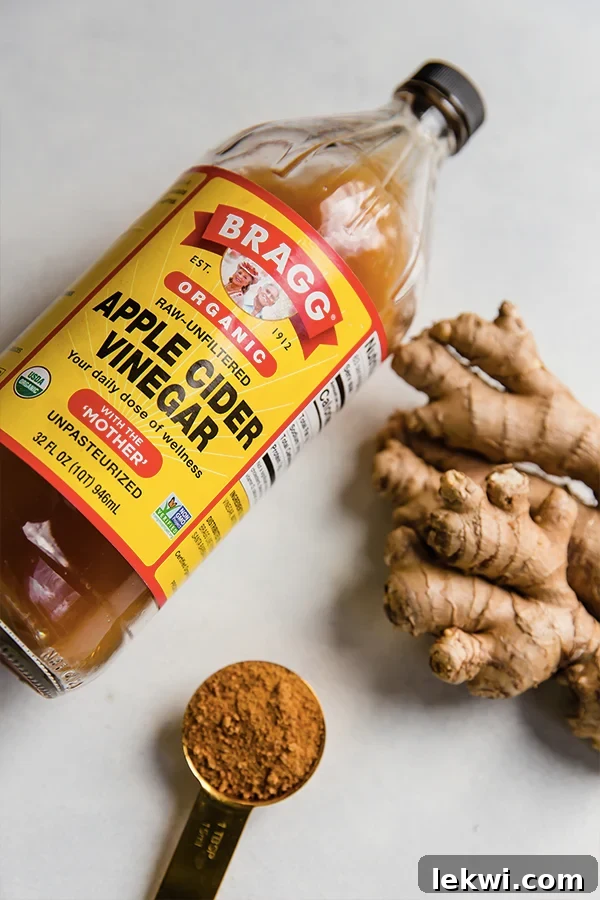
- Fresh Ginger: The star of our recipe, ginger is a renowned superfood. Beyond its pungent, aromatic flavor, ginger is celebrated for its powerful anti-inflammatory and antioxidant properties. It’s often used to alleviate nausea, aid digestion, and boost immunity. Choosing firm, fresh ginger with smooth skin is key to achieving the best texture and flavor for pickling.
- Water: Essential for diluting the vinegar and helping to create the perfect pickling brine consistency.
- Apple Cider Vinegar: A fantastic alternative to traditional rice vinegar. Apple cider vinegar (ACV) brings its own host of health benefits, including supporting gut health with beneficial bacteria, regulating blood sugar, and providing a robust, tangy flavor profile that beautifully complements the ginger. Opt for raw, unfiltered ACV with “the mother” for maximum benefits.
- Coconut Sugar: Unlike many refined sugars found in commercial pickled ginger, coconut sugar is a natural sweetener with a lower glycemic index. It provides a subtle caramel-like sweetness without the harshness of white sugar, making this recipe truly refined sugar-free and a healthier choice for blood sugar management.
- Salt: A fundamental component in any pickling brine, salt not only enhances flavor but also plays a vital role in the preservation process, helping to draw out moisture from the ginger and contribute to its crisp texture.
How to Make Healthy Homemade Pickled Ginger: A Step-by-Step Guide
Creating your own pickled ginger is a straightforward process that yields impressive results. Follow these detailed steps to ensure a perfectly delicious and healthy batch every time.
Preparation: Cleaning and Slicing the Ginger
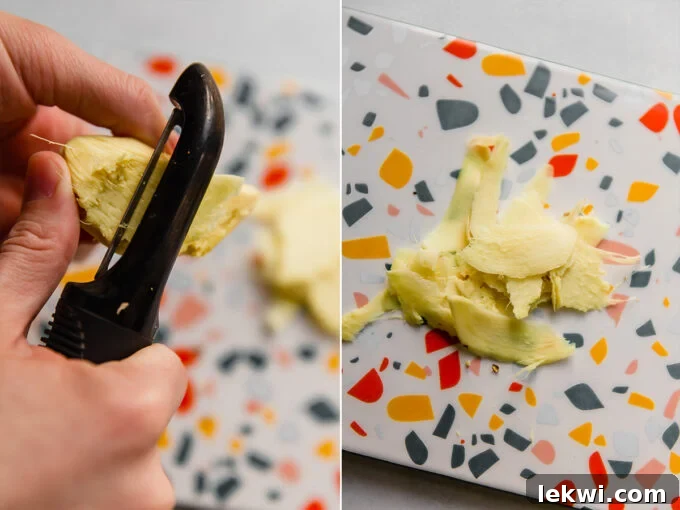
- Wash and peel the ginger: Begin by thoroughly washing the ginger root under cold running water. Use a vegetable peeler or the edge of a spoon to carefully remove the thin skin. For the best pickled ginger, aim to peel the ginger into large, thin pieces. A mandoline slicer is ideal for achieving uniform, paper-thin slices, which is traditional for gari. If you don’t have a mandoline, a very sharp knife and a steady hand will work, but aim for the thinnest slices possible for optimal texture and absorbency of the brine.
Assembly: Jarring the Ginger
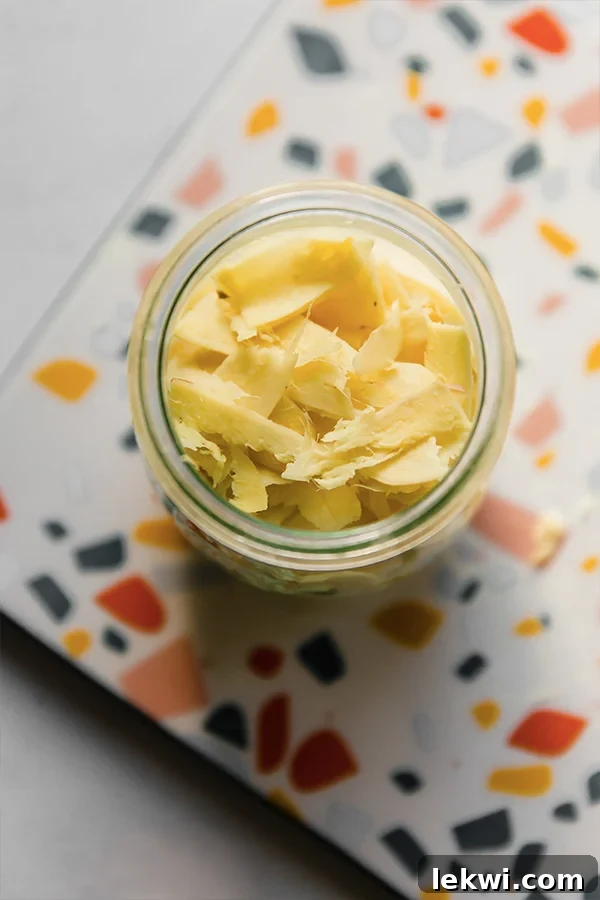
- Add the ginger to a clean glass jar and set it aside: Once your ginger is peeled and thinly sliced, carefully place the slices into a clean, heat-proof glass jar. Ensure the jar is sterilized to maintain the quality and shelf life of your pickled ginger. Pack the ginger loosely, leaving enough space for the pickling liquid to fully immerse it.
Crafting the Pickling Brine
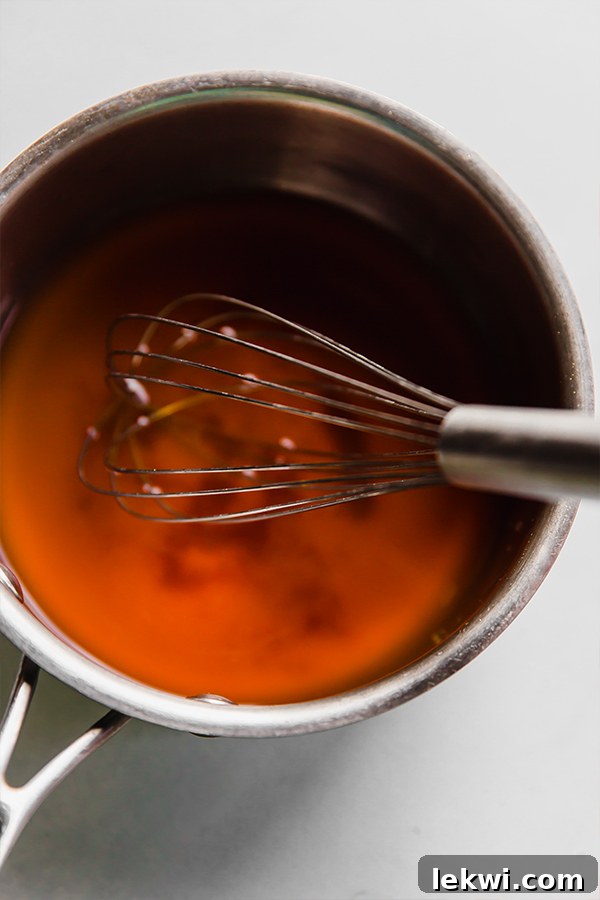
- Combine the brine ingredients and heat: In a small saucepan, combine the water, apple cider vinegar, coconut sugar, and salt. Place the saucepan over medium-high heat on the stove. Whisk the mixture continuously until the coconut sugar completely dissolves into the liquid. Continue heating until the liquid comes to a rolling boil. This ensures all ingredients are well combined and the brine is hot enough for proper pickling.
Infusion and Cooling
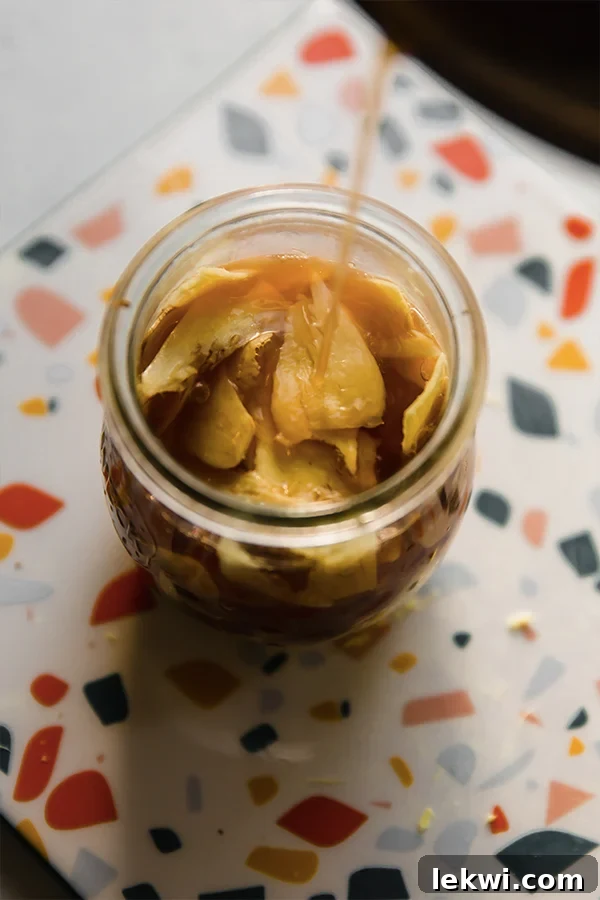
- Pour the hot liquid over the ginger and cool: Carefully pour the hot pickling brine over the ginger slices in the glass jar. Make sure all the ginger is fully submerged in the liquid. Allow the jar to cool completely at room temperature before covering it tightly with a lid. Once cooled, give the jar a gentle swirl and a light shake to ensure the brine is evenly distributed and all ginger slices are thoroughly infused.
Chilling and Serving
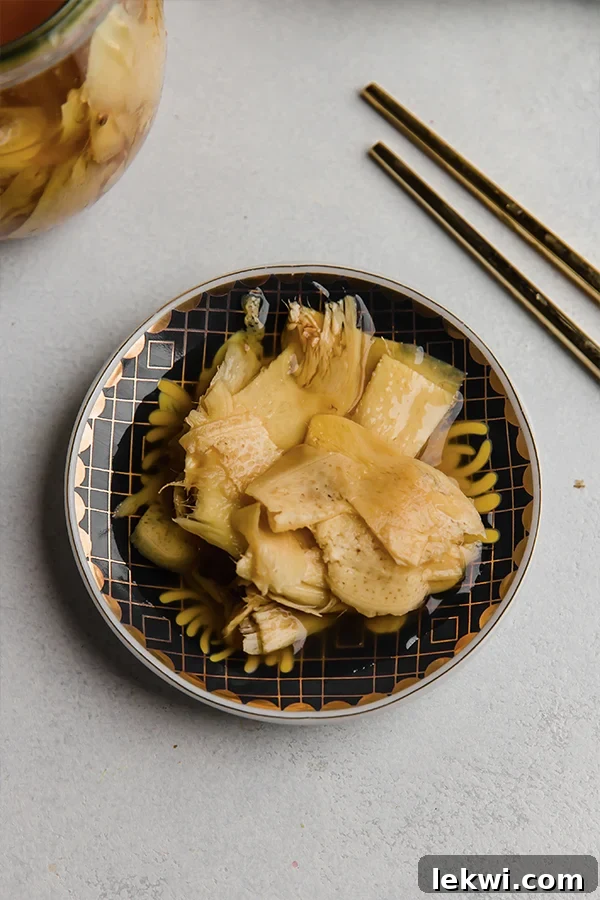
- Store in the fridge and serve chilled: Once the jar has cooled, transfer it to the refrigerator. For the best flavor development, allow the pickled ginger to chill overnight, or for at least 8-12 hours, before enjoying. This crucial step allows the ginger to absorb the tangy-sweet flavors of the brine and for its texture to soften slightly while retaining a pleasant crispness. Serve chilled alongside your favorite dishes. The ginger will have a delightful balance of spicy warmth and a refreshing tang.
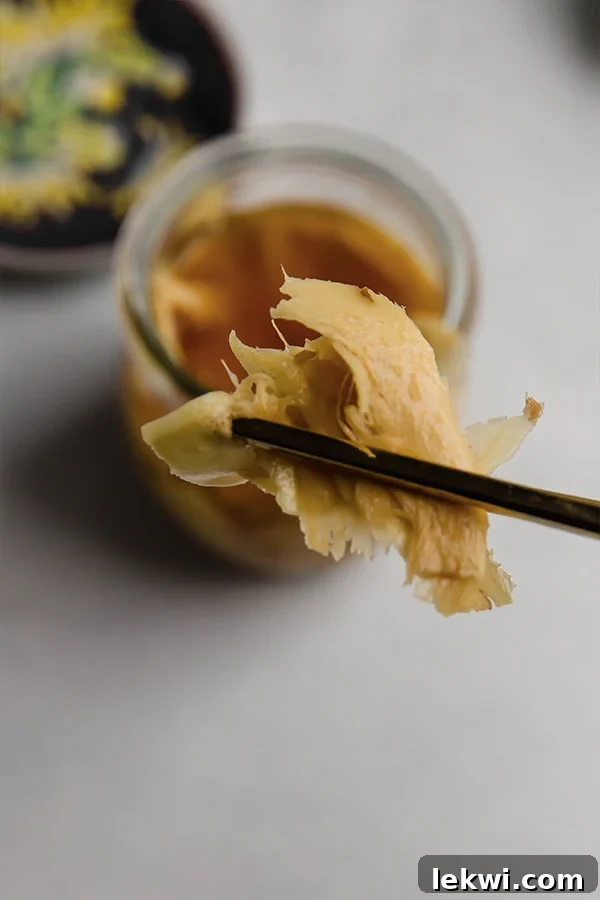
Beyond the Recipe: Tips for the Perfect Pickled Ginger
- Ginger Selection: While any fresh ginger works, young ginger (often found in Asian markets) has thinner skin, less fibrous flesh, and a milder flavor, which can result in a more tender and delicate pickled ginger. It also naturally takes on a beautiful light pink hue when pickled.
- Slicing Technique: Consistency is key for even pickling. As mentioned, a mandoline slicer is your best friend for paper-thin, uniform slices. If using a knife, take your time to slice as thinly and evenly as possible.
- Flavor Customization: Feel free to adjust the sweetness or tanginess to your preference. You can add a little more coconut sugar for a sweeter profile or a splash more apple cider vinegar for extra zing. A pinch of red pepper flakes can add a subtle heat.
- Sterilization: Always use clean, sterilized glass jars to store your pickled ginger. This helps prevent spoilage and extends its shelf life in the refrigerator.
Health Benefits of This Homemade Pickled Ginger
Ginger itself is a nutritional powerhouse, known for its potent anti-inflammatory and antioxidant compounds. It can significantly aid in digestion, reduce nausea, and may even help lower cholesterol levels. When combined with apple cider vinegar, the health benefits multiply. ACV is prized for its acetic acid content, which can improve gut health, support detoxification, and potentially assist with blood sugar regulation. By using coconut sugar, this recipe avoids the detrimental effects of refined sugars, making it a truly wholesome and gut-friendly condiment that allows the natural healing properties of ginger to shine through. It’s a smart addition to a balanced diet, offering flavor without compromise.
How Do You Serve Pickled Ginger? More Than Just Sushi!
While pickled ginger is a classic accompaniment to sushi and sashimi, its versatility extends far beyond. Its zesty, piquant flavor makes it an excellent addition to:
- Poke Bowls: Add a bright, tangy element to fresh fish and veggie bowls.
- Salads: Chop and sprinkle over green salads for an unexpected flavor boost.
- Grilled Meats or Fish: Serve as a vibrant side condiment to cut through richness.
- Stir-fries: Stir in a spoonful towards the end of cooking for a fresh, zingy finish.
- Sandwiches and Wraps: Elevate everyday meals with a punch of flavor.
- Fermented Foods: Pair with other fermented dishes for a synergistic gut-health boost.
Let your culinary creativity lead the way!
How Long Can You Keep This Pickled Ginger in the Fridge?
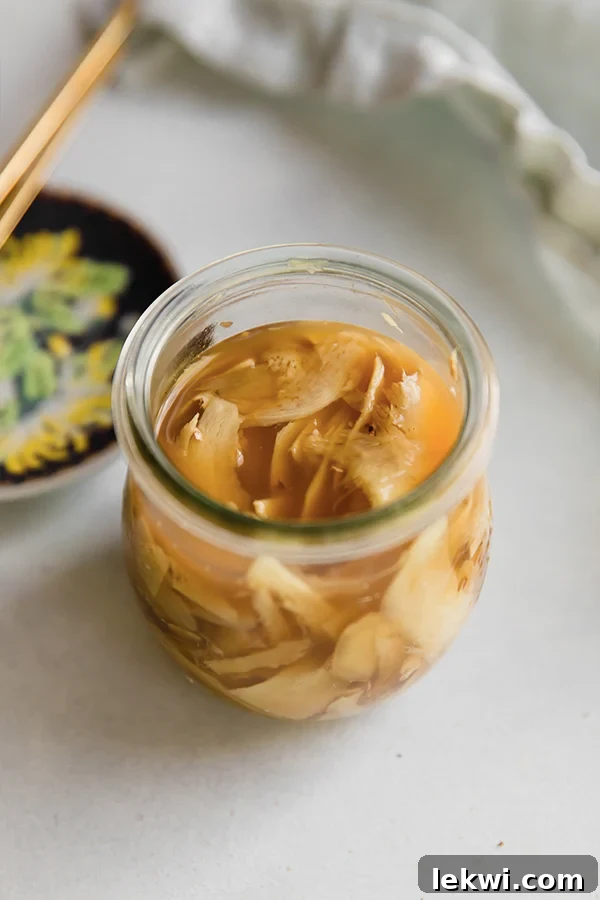
Properly stored in a sealed, sterilized glass jar in the refrigerator, your homemade apple cider vinegar pickled ginger can last for up to a week. While it might technically keep longer, its peak freshness and flavor are best enjoyed within this timeframe. Don’t be surprised if it disappears much faster, though – it’s that delicious!
Frequently Asked Questions About Pickled Ginger
Is pickled ginger good for you?
Absolutely, especially when made at home with wholesome ingredients like in this recipe! Fresh ginger is packed with anti-inflammatory compounds, antioxidants, and digestive aids. By using apple cider vinegar, you add beneficial probiotics, and by replacing refined sugar with coconut sugar, you avoid the negative health impacts associated with high sugar intake. This combination makes homemade pickled ginger a truly beneficial addition to your diet.
Can I use a different type of vinegar?
While apple cider vinegar is chosen for its health benefits and distinct flavor profile in this recipe, you could experiment with other mild vinegars like white wine vinegar or even a very light, unseasoned rice vinegar if you tolerate it. However, the unique qualities of ACV are integral to this specific healthy variation.
What if my ginger isn’t naturally pink?
The natural pink color often seen in commercial pickled ginger comes from either using very young ginger (which has a slightly pink tip) or from artificial food coloring. Our recipe uses fresh ginger, which will turn a pale yellow or creamy white. The focus here is on natural ingredients and health benefits, not artificial coloring.
Can I make a larger batch?
Certainly! You can easily scale this recipe up to make a larger batch. Just ensure you have enough clean, sterilized glass jars to store your pickled ginger and that all slices are fully submerged in the brine. The refrigerator storage time remains the same.
Refined Sugar-Free Pickled Ginger Recipe
8
servings
Michelle
Leave a Review
Pin Recipe
Want to save this for later?
Simply save this page to your bookmarks or print the recipe for easy access!
Ingredients
-
6 oz
fresh ginger -
½ cup
water -
⅓ cup
apple cider vinegar -
3 tbsp
coconut sugar -
¼ tsp
salt
Instructions
-
Wash the ginger well and use a peeler to remove the peel. Continue to peel the ginger into large, thin pieces, ideally using a mandoline for uniform slices.
-
Add the prepared ginger slices to a clean, heat-proof glass jar and set it aside.
-
Combine the water, apple cider vinegar, coconut sugar, and salt in a small saucepan. Place over medium-high heat on the stove, whisking until the sugar dissolves and the liquid boils.
-
Pour the hot liquid over the ginger in the jar and allow the jar to cool completely at room temperature before covering it with a lid. Swirl and lightly shake the jar to combine and ensure that the ginger is fully submerged in the brine.
-
Store the pickled ginger in the fridge overnight before enjoying. For optimal flavor development, a minimum of 8-12 hours of chilling is recommended. Serve chilled. The ginger will be spicy, lightly tangy, and delightfully refreshing.
Notes
Serving: 1serving
,
Calories: 17kcal
,
Carbohydrates: 3.8g
,
Protein: 0.4g
,
Fat: 0.2g
,
Fiber: 0.4g
Did you Make this Recipe?
Share your creation! Tag @unboundwellness on Instagram and use the hashtag #unboundwellness!
You’ll also love these quick and healthy pickled recipes:
- Quick Pickled Cucumbers
- Quick Pickled Onions
- Easy Vinegar Cucumber Salad
Embrace the vibrant flavors and health benefits of homemade pickled ginger. This refined sugar-free recipe is not just a condiment; it’s an easy step towards a healthier, more flavorful kitchen. Enjoy the tangy spice!