When first encountering the Autoimmune Protocol (AIP) diet, it’s completely normal to feel overwhelmed. The extensive list of allowed and restricted foods can seem daunting, leaving many wondering where to begin. However, navigating the AIP diet doesn’t have to be an insurmountable challenge. This comprehensive guide aims to simplify the AIP food list, providing clear explanations, printable PDF resources, and the rationale behind each food category to empower you on your healing journey. My blog already hosts a wealth of AIP recipes, and now I’m thrilled to share this ultimate guide to help you confidently embrace the Autoimmune Protocol.
Understanding the AIP Diet: A Holistic Approach to Autoimmune Healing
What is the Autoimmune Protocol (AIP) Diet and How Does it Work?
The Autoimmune Protocol (AIP) diet is an evidence-based elimination and reintroduction diet specifically designed to help individuals with autoimmune diseases manage their conditions by reducing inflammation and promoting gut healing. The core principle of AIP is to remove common dietary triggers that can exacerbate immune responses and contribute to intestinal permeability, often referred to as “leaky gut.” By temporarily eliminating these potentially problematic foods, the body is given an opportunity to rest, repair, and reduce systemic inflammation, which is a hallmark of autoimmune conditions. This focused approach aims to calm an overactive immune system and alleviate a wide range of autoimmune symptoms.
The AIP diet is typically intended as a short-term therapeutic intervention rather than a permanent lifestyle diet. Following a strict elimination phase, individuals systematically reintroduce foods to identify specific triggers, thereby building a personalized, sustainable diet tailored to their unique sensitivities. For a more exhaustive understanding of its phases, principles, and scientific backing, you can access a full, in-depth guide to the Autoimmune Protocol here.
Does the AIP diet offer benefits for everyone with an autoimmune disease? While it’s not a universal panacea, a significant number of individuals report profound improvements in their symptoms and overall well-being. It’s vital to acknowledge that autoimmune healing is a complex process. Diet is undeniably a powerful component, but it functions within a broader ecosystem of wellness. Other crucial factors include addressing underlying infections and imbalances, optimizing sleep quality, implementing effective stress reduction techniques, ensuring appropriate physical movement, and making sustainable lifestyle changes. Expecting diet alone to resolve all aspects of an autoimmune condition would be an oversimplification.
Nevertheless, the profound impact of food on our health and inflammatory pathways cannot be overstated. In this detailed article, our primary focus will be on the specific foods that are allowed and those that are strictly avoided on the Autoimmune Protocol, complemented by concise explanations of the scientific rationale underpinning these classifications.
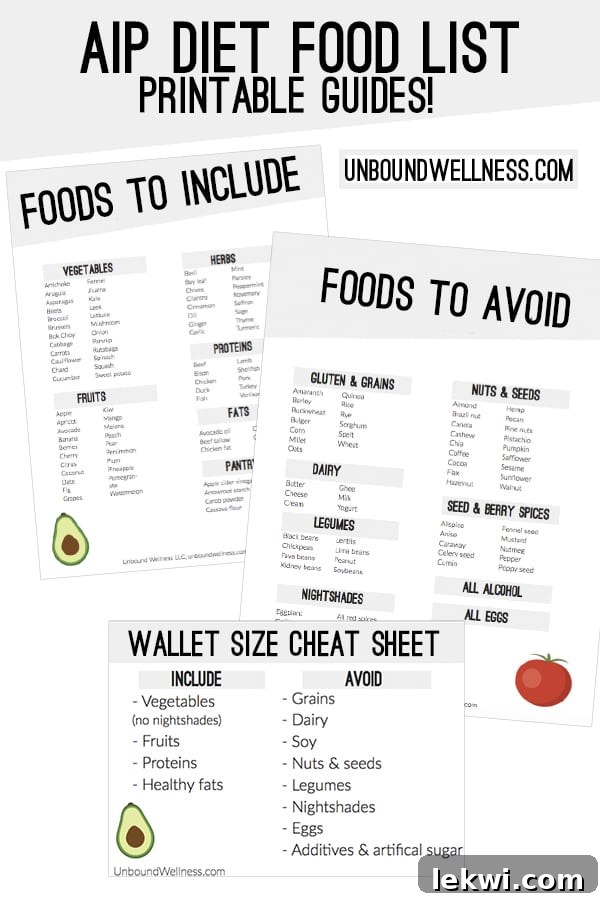
To further assist you, I’ve also created practical, printable PDF guides. These convenient resources are perfect for carrying with you to the grocery store, for meal planning, or simply keeping as a quick reference in your wallet, ensuring you have the essential AIP food list readily available.
Click to Download Your Comprehensive Printable AIP Diet Food Guide (PDF)
Nourishing Your Body: The Essential AIP Diet Food List
The AIP diet, despite its temporary restrictions, is fundamentally a nutrient-dense approach to eating. It champions the consumption of whole, unprocessed foods that are rich in essential vitamins, minerals, antioxidants, and fiber. These vital nutrients are the building blocks your body needs to repair damaged tissues, support robust immune function, and restore overall vitality and balance. By consciously choosing these healing foods, you are actively supporting your body’s natural capacity for recovery.
Vegetables: The Cornerstone of an Anti-Inflammatory Diet
Why they’re important for AIP healing: Vegetables are unparalleled sources of phytonutrients, a wide spectrum of vitamins (including Vitamin C, K, folate), vital minerals (such as potassium and magnesium), and abundant dietary fiber. This rich nutritional profile is instrumental in combating oxidative stress, enhancing natural detoxification processes, and nourishing a diverse and healthy gut microbiome. The fiber content is particularly critical for fostering beneficial gut bacteria, which in turn is essential for repairing intestinal permeability – a common characteristic observed in autoimmune conditions. While the AIP diet includes high-quality animal proteins, it remains profoundly plant-centric, advocating for up to 9 servings of a diverse array of vegetables daily to maximize nutrient intake and fortify gut health.
Allowed Vegetables on AIP:
- Artichoke
- Arugula
- Asparagus
- Avocado (also a healthy fat source)
- Beets
- Broccoli
- Brussels Sprouts
- Bok Choy
- Cabbage (all varieties)
- Carrots
- Cauliflower
- Chard (Swiss chard, rainbow chard)
- Cucumber
- Fennel
- Jicama
- Kale
- Leek
- Lettuce (all varieties including romaine, butter, iceberg, spring mix)
- Mushrooms (button, cremini, shiitake, oyster)
- Onion (red, white, yellow, green)
- Parsnip
- Pumpkin
- Radishes
- Rutabaga
- Spinach
- Squash (winter squash like butternut, acorn, spaghetti; summer squash like zucchini, yellow squash)
- Sweet Potato & Yams
- Turnips
- Watercress
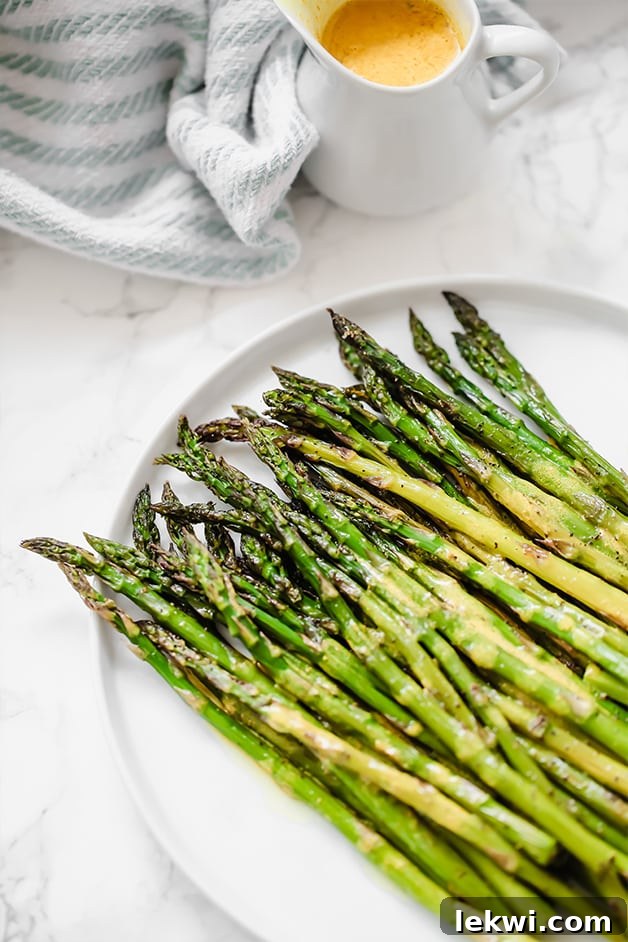
Get a delicious and easy roasted asparagus recipe with turmeric dressing here.
Herbs & Spices: Elevating Flavor and Function
Why they’re important for AIP healing: Beyond their ability to enhance the taste of food, herbs and many non-seed spices are potent sources of antioxidants and anti-inflammatory compounds. Integrating a diverse range of these into your daily meals can significantly boost nutrient absorption, aid in digestion, and provide additional therapeutic benefits, all contributing to the overarching anti-inflammatory goals of the AIP diet. They enable you to create vibrant and flavorful dishes without resorting to non-compliant ingredients, making the diet more enjoyable and sustainable.
Allowed Herbs & Spices:
- Basil
- Bay leaf
- Chives
- Cilantro
- Cinnamon (true Ceylon cinnamon is often preferred for its lower coumarin content)
- Dill
- Garlic (fresh, powder – ensure no anti-caking agents in powder)
- Ginger (fresh or ground)
- Mint
- Oregano
- Parsley
- Peppermint
- Rosemary
- Saffron
- Sage
- Sea salt (unrefined, like Himalayan pink salt or Celtic sea salt)
- Thyme
- Turmeric (fresh or ground)
Fruits: Nature’s Sweetness and Antioxidant Powerhouses
Why they’re important for AIP healing: Fruits are nature’s candy, offering a rich supply of vitamins, minerals, and powerful antioxidants that are crucial for protecting cells from damage and supporting a healthy immune system. Their natural sweetness can effectively satisfy cravings without the need for refined sugars. However, due to their natural fructose content, it is generally advised to consume fruits in moderation on the AIP diet, typically limiting intake to around two servings per day, especially during the initial elimination phase. This practice helps to stabilize blood sugar levels and prevents the potential overgrowth of certain gut bacteria that thrive on sugar.
Allowed Fruits:
- Apple
- Apricot
- Avocado (yes, botanically a fruit!)
- Banana
- Berries (blueberries, raspberries, strawberries, blackberries, cranberries)
- Cherry
- Citrus fruits (lemon, lime, orange, grapefruit, tangerine)
- Coconut (fresh, unsweetened flakes, milk, cream)
- Date (in moderation)
- Fig
- Grape
- Kiwi
- Mango
- Melons (cantaloupe, honeydew, watermelon)
- Nectarine
- Peach
- Pear
- Persimmon
- Pineapple
- Plum
- Pomegranate
Proteins: Essential for Cellular Repair and Sustained Energy
Why they’re important for AIP healing: High-quality animal proteins are a cornerstone of the AIP diet, supplying indispensable amino acids, vital minerals such as iron and zinc, a spectrum of B vitamins, and beneficial healthy fats. These nutrients are absolutely critical for tissue repair, enzymatic function, hormone synthesis, and providing sustained energy. While the role of animal protein is often debated in broader nutritional discourse, the AIP diet strongly advocates for its inclusion as a potent healing food, recognizing its unique and complete nutrient profile. A strong emphasis is placed on sourcing the highest quality options available: grass-fed beef, pasture-raised poultry and pork, and wild-caught fish and shellfish. These superior choices typically boast a more favorable fatty acid balance and fewer inflammatory compounds compared to conventionally raised animals. Always strive to choose the best quality proteins within your budget and geographical accessibility.
Allowed Proteins:
- Beef (grass-fed, organic)
- Bison (grass-fed)
- Bone broth (homemade from compliant bones, rich in collagen and amino acids)
- Organ meats (liver, heart, kidney, etc. – highly nutrient-dense, consider incorporating regularly)
- Chicken (pasture-raised, organic)
- Duck (pasture-raised, organic)
- Fish (wild-caught, low-mercury varieties like salmon, cod, halibut, sardines, mackerel, anchovies)
- Lamb (grass-fed, organic)
- Shellfish (wild-caught: shrimp, crab, scallops, oysters, mussels)
- Pork (pasture-raised, organic)
- Turkey (pasture-raised, organic)
- Venison (wild, organic)
Healthy Fats: Fueling Your Body and Regulating Inflammation
Why they’re important for AIP healing: Healthy fats are unequivocally essential for regulating inflammatory processes throughout the body, acting as crucial carriers for fat-soluble vitamins (A, D, E, K), and promoting profound satiety. They provide a stable and efficient source of energy, are indispensable for hormone production, and maintain the structural integrity of every cell membrane. Incorporating healthy fats into every meal is a key strategy for keeping you full and satisfied, preventing unwanted blood sugar spikes, and actively supporting the body’s intrinsic healing pathways. These fats are particularly vital for optimal brain function and ensuring cell membrane flexibility and responsiveness.
Allowed Fats:
- Avocado oil (excellent for cooking at higher temperatures)
- Beef tallow (rendered from grass-fed beef fat, great for cooking)
- Chicken fat (rendered from pasture-raised chicken, also good for cooking)
- Coconut oil (versatile for cooking, baking, and topical use)
- Duck fat (rendered from pasture-raised duck, adds rich flavor)
- Olive oil (extra virgin, cold-pressed – best for low-heat cooking or as a finishing oil on salads)
- Palm oil (ensure sustainable sourcing, red palm oil offers additional beta-carotene)
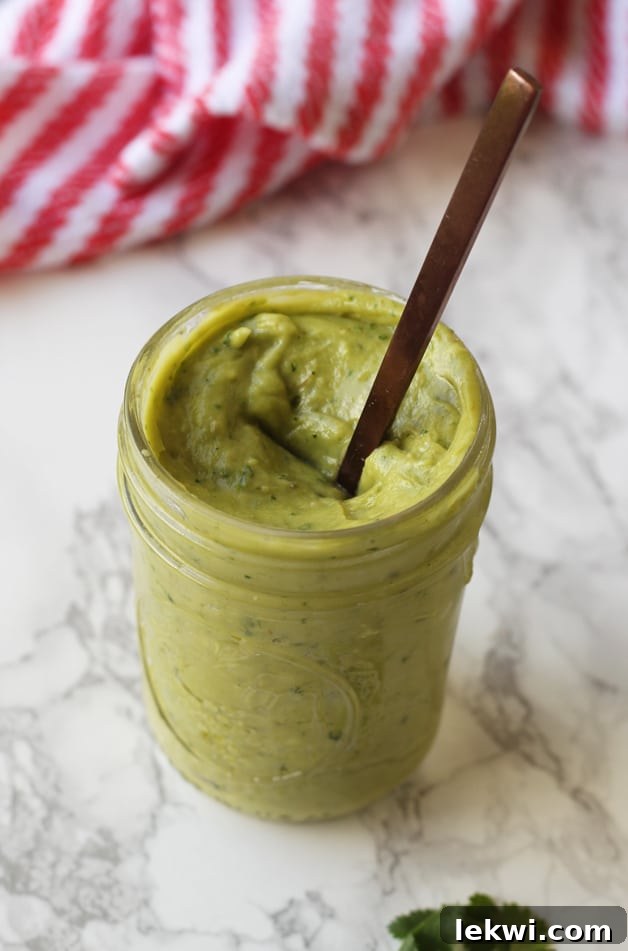
Click to get the vibrant and refreshing cilantro avocado lime sauce recipe, perfect for any AIP meal.
Pantry Staples & Natural Sweeteners: AIP-Friendly Essentials
Why they’re important for AIP healing: Maintaining a well-stocked pantry with AIP-compliant staples significantly eases the preparation of meals, making the diet more manageable and enjoyable. These include alternative flours for baking, natural sweeteners used sparingly, and other ingredients that allow for culinary creativity while adhering strictly to the protocol. They help ensure you can enjoy a variety of textures and flavors without compromising your healing journey. While natural sweeteners are allowed, their consumption should always be in moderation to prevent potential blood sugar fluctuations and minimize any adverse impact on the delicate balance of the gut microbiome.
Allowed Pantry Staples:
- Apple cider vinegar (raw, unfiltered)
- Arrowroot starch/flour
- Carob powder
- Cassava flour
- Coconut flour
- Coconut sugar (in strict moderation)
- Dried fruit (unsweetened, in moderation)
- Gelatin (grass-fed, vital for gut lining repair)
- Honey (raw, local, in strict moderation)
- Maple syrup (pure, Grade A or B, in strict moderation)
- Tapioca starch/flour
- Tigernut flour
Understanding Restrictions: Foods Not Allowed on the AIP Diet
The elimination phase of the AIP diet is meticulously crafted to remove common dietary triggers known to exacerbate autoimmune symptoms and impede gut healing. By temporarily removing these specific food groups, the body receives a much-needed respite from potential irritants, enabling it to channel its energy towards repair and recovery. A deep understanding of the ‘why’ behind each restriction is paramount for dedicated adherence to the protocol and maximizing its healing potential.
Gluten & Grains: Protecting Your Gut Lining
Why they’re not compliant: Gluten, a complex protein found predominantly in wheat, barley, and rye, is a well-established trigger for increased intestinal permeability, commonly known as “leaky gut,” especially in genetically susceptible individuals. For those with autoimmune conditions, gluten can significantly elevate levels of zonulin, a protein that regulates the tight junctions between cells in the gut lining. Elevated zonulin leads to these junctions loosening, allowing undigested food particles, toxins, and microbial components to “leak” into the bloodstream. This infiltration triggers a robust immune response, contributing to chronic systemic inflammation and potentially worsening autoimmune symptoms. Furthermore, even grains that are naturally gluten-free contain compounds such as phytates, lectins, and saponins. These “antinutrients” can be irritating to an already compromised gut and may interfere with nutrient absorption, making it advisable to exclude all grains during the critical initial healing phase of AIP.
Grains & Gluten to Avoid:
- Amaranth
- Barley
- Buckwheat
- Bulgur
- Corn (and corn products like cornstarch, corn syrup)
- Millet
- Oats (even gluten-free oats can cause cross-reactivity for some)
- Quinoa
- Rice (all varieties: brown, white, wild)
- Rye
- Sorghum
- Spelt
- Wheat (and all wheat-containing products: bread, pasta, pastries, couscous)
Dairy: A Common Inflammatory Trigger and Gut Irritant
Why it’s not compliant: Dairy products contain a complex mix of proteins (casein, whey) and sugars (lactose) that can be highly allergenic and inflammatory for many individuals, particularly those battling autoimmune diseases. Casein, especially, has been shown to mimic the molecular structure of gluten, potentially triggering a similar inflammatory cascade in sensitive individuals. Lactose intolerance is also widespread, leading to uncomfortable digestive symptoms such as bloating, gas, and diarrhea. Beyond allergies, dairy can promote intestinal permeability and stimulate an immune response that exacerbates systemic inflammation, making it a critical food group to eliminate during the AIP diet. While some individuals may successfully reintroduce high-quality, fermented dairy after a prolonged period of healing, it is strictly avoided throughout the entire elimination phase.
Dairy Products to Avoid:
- Butter (contains milk solids)
- Cheese (all types: hard, soft, aged)
- Cream (heavy cream, sour cream, creme fraiche)
- Ghee (although clarified, it still contains trace dairy proteins for some sensitive individuals)
- Kefir (dairy-based)
- Milk (cow, goat, sheep, buffalo, etc.)
- Yogurt (dairy-based)
Legumes: Antinutrients and Gut Lining Damage
Why they’re not compliant: Legumes, encompassing beans, lentils, and peanuts, are rich in antinutrients such as lectins, phytates, and saponins. These compounds can be exceptionally difficult for a compromised digestive system to process and have the potential to irritate the gut lining, thus contributing to increased intestinal permeability. Lectins, in particular, can bind to the cells lining the digestive tract, potentially damaging them and hindering efficient nutrient absorption. While traditional preparation methods like soaking and sprouting can mitigate some of these antinutrients, for an autoimmune gut that requires maximum healing, complete avoidance during the elimination phase is strongly recommended to allow for optimal recovery and repair.
Legumes to Avoid:
- Black beans
- Chickpeas (also known as garbanzo beans, used in hummus)
- Fava beans
- Kidney beans
- Lentils (all varieties: green, red, brown)
- Lima beans
- Peanuts (and all peanut products, including peanut butter)
- Soybeans (and all soy products: tofu, tempeh, edamame, soy milk, soy sauce, miso)
- Green beans (botanically legumes, although often treated as vegetables)
- Peas (green peas, snow peas, snap peas – also botanically legumes)
Nightshades: Potential Inflammatory Culprits
Why they’re not allowed: Nightshade vegetables contain a class of compounds known as glycoalkaloids, which include solanine (found in potatoes and tomatoes) and capsaicin (found in peppers). For a subset of individuals, particularly those with inflammatory conditions such as arthritis or specific autoimmune diseases, these compounds can trigger or exacerbate an inflammatory response, intensify joint pain, or irritate the gut lining. Sensitivity to nightshades is highly individual; however, due to their potential to provoke an immune reaction, they are entirely eliminated during the initial phase of AIP. This allows individuals to determine if nightshades are contributing to their specific symptoms during the reintroduction phase.
Nightshade Vegetables & Spices to Avoid:
- Eggplant
- Goji berries
- Ground cherries (distinct from regular sweet or tart cherries)
- All peppers (bell peppers: green, red, yellow, orange; chili peppers: jalapeños, habaneros, cayenne, serranos)
- All red spices derived from peppers (paprika, cayenne pepper, chili powder, red pepper flakes)
- Potato (white potatoes, including sweet potato fries if cooked in non-compliant oils or seasoned with nightshade spices)
- Tomato (and all tomato-derived products: paste, sauce, ketchup, sundried tomatoes)
- Tomatillo
Nuts & Seeds: Gut Irritants and Antinutrients
Why they’re not compliant: Nuts and seeds (which include seed-derived spices) contain several antinutrients such as phytic acid, enzyme inhibitors, and lectins, similar to those found in legumes and grains. These compounds can be irritating to a sensitive gut lining and may interfere with optimal nutrient absorption. Furthermore, many seeds are high in omega-6 fatty acids, and an imbalance in the omega-6 to omega-3 ratio can contribute to a pro-inflammatory state. While traditional methods like soaking, sprouting, and fermenting can reduce the antinutrient content, complete avoidance is recommended during the AIP elimination phase to provide the gut with a comprehensive opportunity for healing. Many individuals find that they can successfully reintroduce properly prepared nuts and seeds during the reintroduction phase, once initial gut healing has occurred.
Nuts & Seeds to Avoid:
- Almond (and almond flour, almond butter, almond milk)
- Brazil nut
- Canola oil (a highly processed seed oil)
- Cashew
- Chia seeds
- Coffee (the bean is a seed, and its compounds can be triggering for many)
- Cocoa/Cacao (the bean is a seed, and often a trigger for sensitive individuals)
- Flax seeds
- Hazelnut
- Hemp seeds
- Macadamia nut
- Pecan
- Pine nuts
- Pistachio
- Pumpkin seeds
- Safflower oil (a seed oil)
- Sesame seeds (and tahini)
- Sunflower seeds
- Walnut
Seed & Berry Spices: Unrecognized Triggers
Why they’re not compliant: These spices are derived from the seeds or berries of plants that contain similar problematic compounds (lectins, saponins) found in whole nuts and seeds. These compounds can trigger gut irritation or an immune response in susceptible individuals. It is crucial to meticulously check the ingredients of all spice blends, as many commercially available mixes often contain these restricted items, even if they aren’t immediately obvious.
Seed & Berry Spices to Avoid:
- Allspice
- Anise (and star anise)
- Caraway
- Celery seed
- Cumin
- Fennel seed
- Juniper berries
- Mustard (seed or prepared mustard containing seeds)
- Nutmeg
- Black Pepper (and white pepper)
- Poppy Seeds
All Alcohol: Detrimental to Healing and Gut Integrity
Why it’s not compliant: Alcohol is a direct gut irritant, capable of damaging the delicate cells lining the digestive tract and significantly increasing intestinal permeability. Furthermore, it places a considerable burden on the liver, an organ vital for detoxification processes, and can profoundly disrupt the fragile balance of the gut microbiome. During the critical AIP elimination phase, the paramount objective is to cultivate the most optimal healing environment for the body. Alcohol consumption directly counteracts this goal. Reintroduction of alcohol, in strict moderation, may only be considered much later in the healing journey, and only once substantial gut integrity and symptom resolution have been firmly established.
All Eggs: A Common and Potent Allergen
Why it’s not compliant: Eggs are widely recognized as one of the most common food allergens and frequently provoke inflammatory responses and gut irritation in individuals with autoimmune conditions. Specifically, the proteins found in egg whites, particularly albumin, are often more problematic and allergenic than those present in the yolk. Consequently, many individuals discover that they can tolerate reintroducing egg yolks much sooner and with greater ease during the reintroduction phase, compared to whole eggs. However, complete avoidance of all eggs (both whites and yolks) is absolutely essential throughout the initial AIP elimination phase to ensure maximum gut rest and to effectively minimize any potential immune triggers.
All Additives and Refined Sugar: No Place in a Healing Diet
Why they’re not compliant: Processed food additives, including various gums (such as guar gum, xanthan gum, carrageenan), artificial colorings, artificial sweeteners (like aspartame, sucralose), flavor enhancers (like MSG), and all forms of refined sugars (e.g., high-fructose corn syrup, white table sugar, cane sugar), are strictly prohibited on the AIP diet. These substances are known to negatively disrupt the gut microbiome, vigorously promote inflammation, and offer absolutely no nutritional value. They can compromise the integrity of the gut lining, disturb the delicate balance of beneficial gut bacteria, and trigger systemic inflammatory responses. While natural sugars such as honey, maple syrup, and coconut sugar are permitted, their consumption must always be in strict moderation to support stable blood sugar levels and foster optimal gut health.
Simplifying Your AIP Journey: Essential Resources and Support
Navigating the intricacies of the AIP diet can indeed feel like a steep learning curve, especially with the detailed nuances of what to include and what to meticulously avoid. Even individuals who have been immersed in the AIP community for years often find themselves double-checking specific items. It’s important to remember: you are not expected to memorize every single item on this extensive list overnight!
Your Pocket-Sized AIP Cheat Sheet: Always on Hand
For those embarking on their AIP journey and requiring a swift, high-level overview, I’ve thoughtfully created a convenient wallet-sized cheat sheet. This invaluable resource can be effortlessly slipped into your purse or pocket, providing an immediate and reliable reference for AIP-compliant foods whenever you’re grocery shopping, dining out, or planning meals on the go. It’s designed to be your quick, practical companion.
Download Your Convenient Wallet-Sized AIP Cheat Sheet Here!
Beyond the List: Practical Meal Support for Your AIP Journey
My blog is a comprehensive repository of delicious, easy-to-follow AIP recipes, meticulously crafted to make your dietary transition smoother and significantly more enjoyable. However, successfully transitioning to a new way of eating often demands more than just recipes; it requires a structured, actionable approach to meal planning and seamless lifestyle integration.
This is precisely why I developed the 30-Day Autoimmune Makeover. This comprehensive, easy-to-follow guide is dedicated to fostering a holistic lifestyle transformation for individuals managing autoimmunity. It encompasses practical lifestyle recommendations, 30 days of meticulously planned meal plans, convenient shopping lists to streamline your grocery trips, and a collection of simple yet incredibly delicious AIP-compliant recipes. This invaluable resource is specifically designed to eliminate guesswork and provide you with a clear, actionable roadmap to successfully integrate the AIP diet into your daily life. Get your copy here today and confidently kickstart your healing journey!
A Holistic Perspective: True Healing Extends Beyond Food
While the AIP diet stands as an exceptionally powerful and effective tool in the comprehensive management of autoimmune conditions and the reduction of systemic inflammation, it is absolutely essential to reinforce that it represents only one vital piece of a much larger wellness puzzle. Genuine, sustainable healing invariably encompasses a broader, more integrated approach to overall well-being. Critical factors such as proactive chronic stress management, optimizing the quality and duration of your sleep, incorporating regular and gentle physical movement, fostering positive social connections, and actively minimizing exposure to environmental toxins all play equally significant and interconnected roles in profoundly supporting your body’s inherent capacity to heal and thrive.
The journey toward autoimmune wellness is inherently comprehensive, demanding thoughtful attention to both what you put on your plate and how you cultivate your overall lifestyle. Be sure to stay connected with us for more profound insights into holistic autoimmune healing. I also wholeheartedly encourage you to explore my podcast, a rich resource offering a wealth of additional supportive information, enlightening expert interviews, and practical, actionable advice meticulously designed to guide you steadfastly on your personal path to unbound wellness.