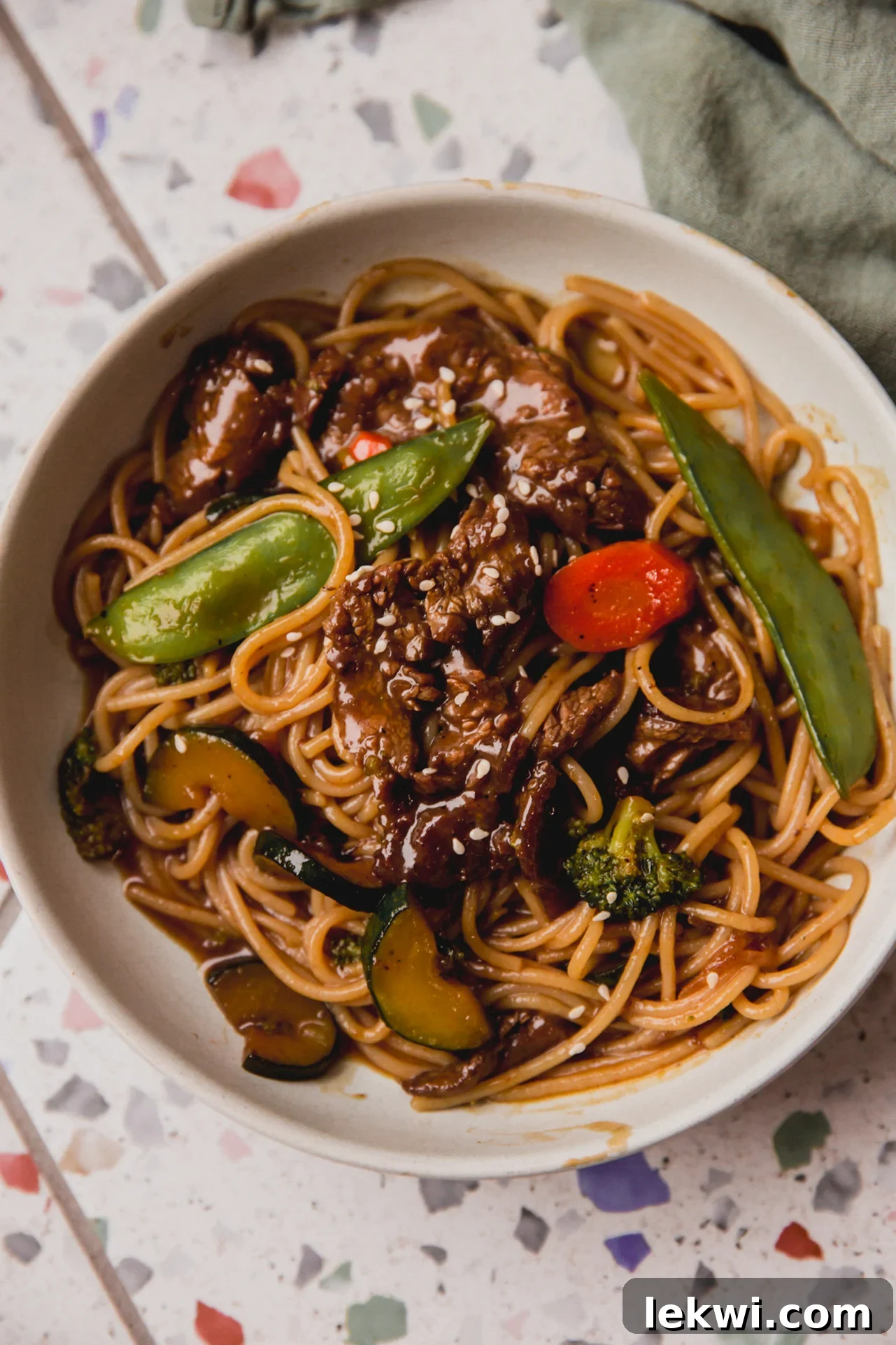
Craving a quick, flavorful, and healthy weeknight meal? This easy **Gluten-Free Beef Noodle Stir Fry** is your answer! Packed with succulent steak, tender gluten-free noodles, and a savory soy-free sauce, it’s a wholesome dish that doesn’t compromise on taste or dietary needs. Forget complicated recipes and lengthy cleanup; this stir-fry comes together in a single pan, making it an ideal choice for busy evenings and a guaranteed family favorite.
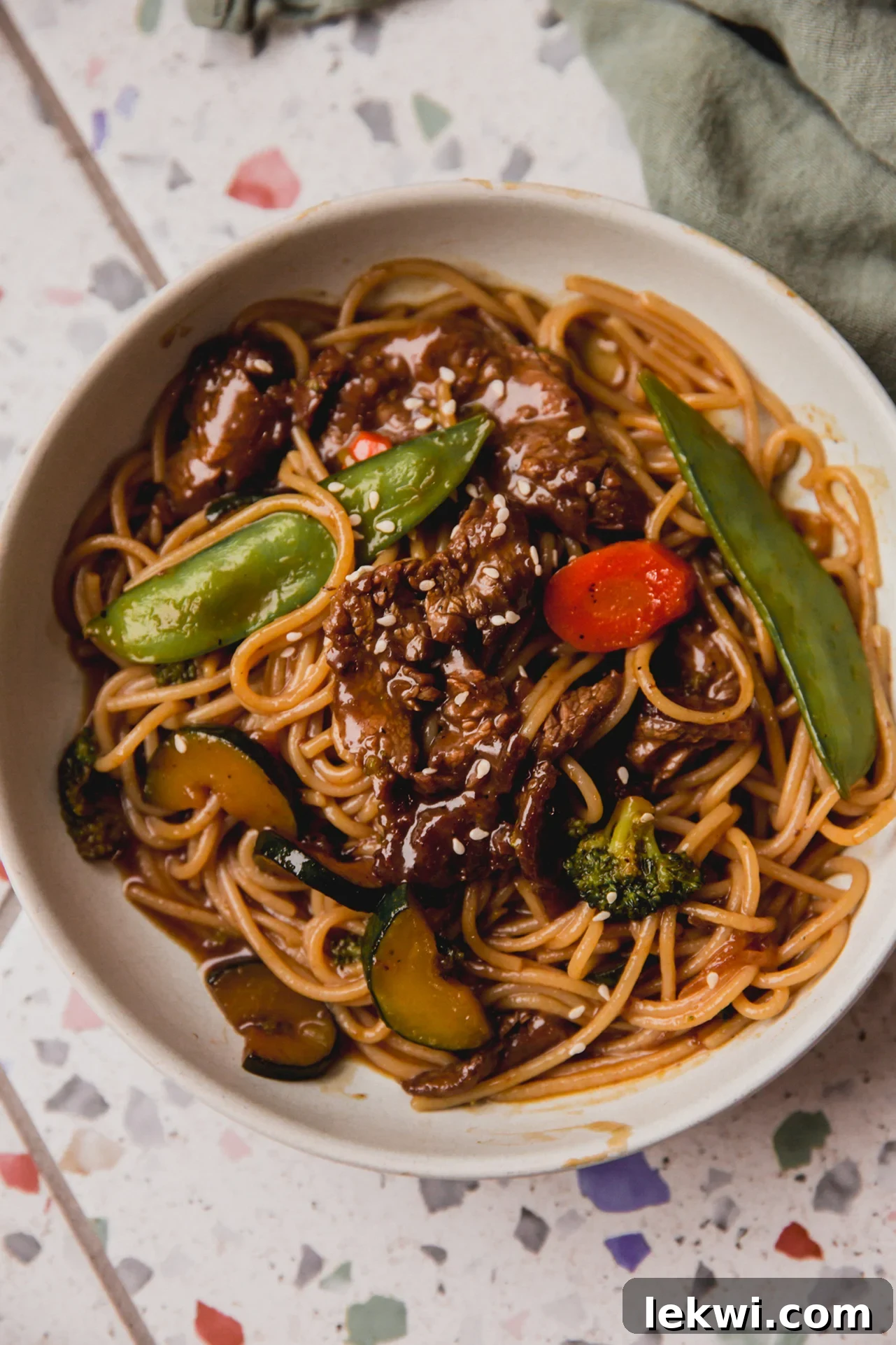
Table of Contents
- Why You’ll Love This Gluten-Free Beef Noodle Stir Fry
- Recipe Ingredients
- How to Make Gluten-Free Beef Noodle Stir Fry
- How to Cut & Cook Flank Steak for Tenderness
- Chef Michelle’s Tips & Tricks
- Other Asian-Inspired Noodle Recipes to Try…
- Recipe Card
Why You’ll Love This Gluten-Free Beef Noodle Stir Fry
Stir-fries are a beloved staple in my kitchen, whether it’s my ground beef and ramen noodle stir-fry or a classic pad woon sen. The combination of protein, fresh vegetables, satisfying noodles, a delectable sauce, and minimal cleanup always makes them a winner. This particular **Gluten-Free Beef Noodle Stir Fry** has quickly become a new family favorite, especially since my entire family (including my 5-year-old) eagerly devours any meal featuring flank steak. I knew I needed to expand my recipe collection to include more delicious and easy flank steak dishes, and this one certainly delivers!
Here’s why this recipe will soon be a star in your weekly rotation:

- Effortless Weeknight Dinner: Designed for speed and simplicity, this stir-fry is perfect for those busy weeknights when you need a wholesome meal on the table fast. With minimal prep and cooking time, you’ll spend less time in the kitchen and more time enjoying your meal.
- A True Family Favorite: This dish is a crowd-pleaser that appeals to all ages. Even my picky 5-year-old gives it his seal of approval, proving that delicious and nutritious meals can indeed be loved by everyone in the family. Its balanced flavors and satisfying textures make it an instant hit.
- Simple, Accessible Ingredients: You’ll appreciate how easily you can find the ingredients for this stir-fry. Beyond fresh flank steak and your favorite stir-fry vegetables, you likely already have pantry staples like gluten-free spaghetti and coconut aminos on hand, making grocery shopping a breeze.
- Complete Meal in One Pan: This recipe effortlessly combines lean protein and an abundance of fresh vegetables with filling noodles, all in a single dish. There’s no need to prepare separate sides or worry about finding a complementary recipe; everything you need for a balanced meal is right here.
- Perfect for Dietary Needs: Catering to specific dietary preferences is a breeze with this naturally **gluten-free and soy-free** recipe. Traditional stir-fries often use soy sauce and wheat-based noodles, but this recipe thoughtfully substitutes them with delicious alternatives like coconut aminos and gluten-free pasta, ensuring everyone can enjoy it without modifications.
- Rich & Satisfying Flavor Profile: The tender flank steak, crisp-tender vegetables, and savory sauce create a symphony of flavors and textures. It’s a wonderfully satisfying meal that feels both comforting and exciting, proving that healthy eating can be incredibly delicious.
Recipe Ingredients
Gathering the right ingredients is key to a successful stir-fry. Below are the core components for this delightful dish. For precise measurements and quantities, please refer to the full recipe card at the bottom of this article.
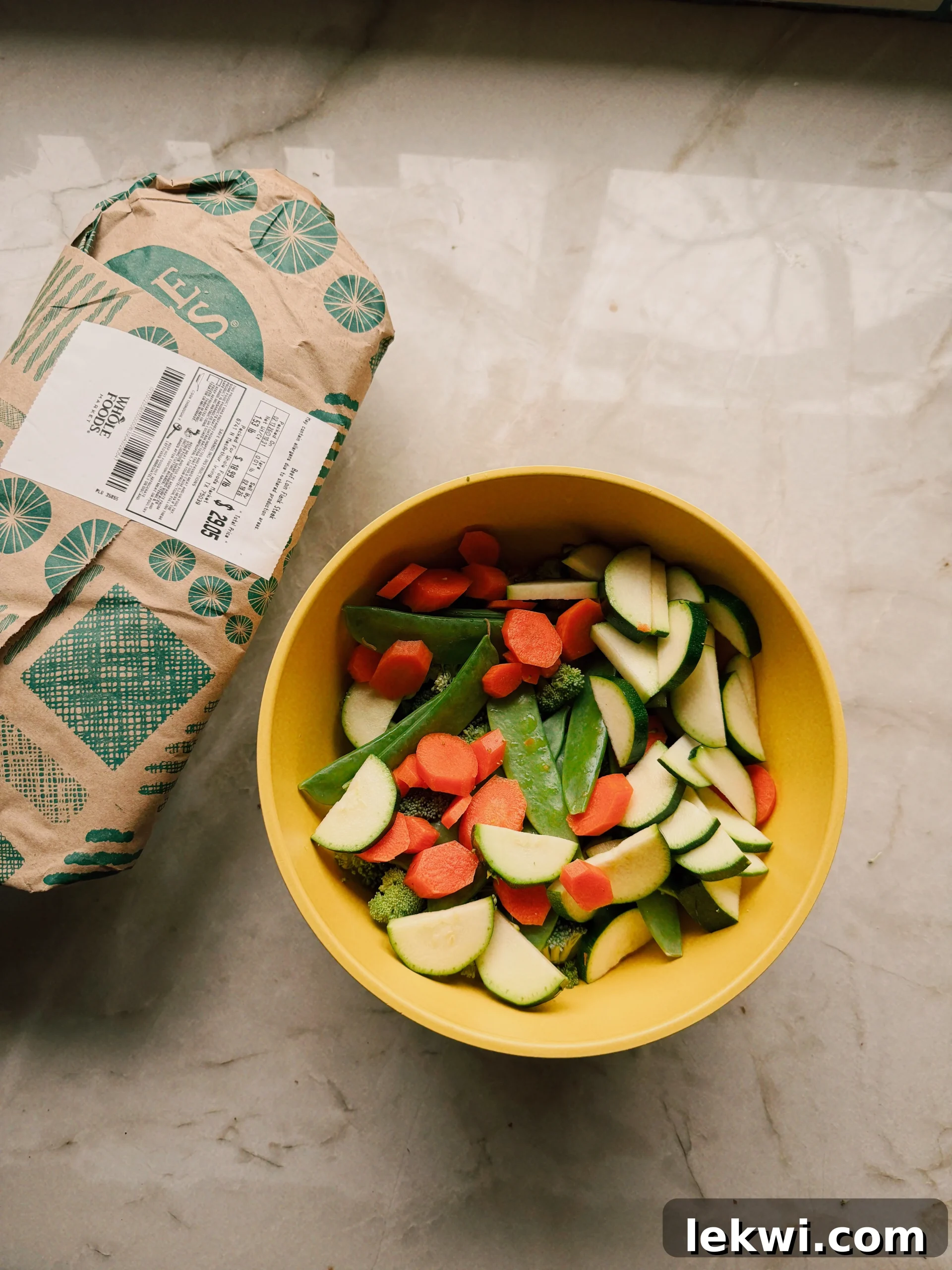
- Flank Steak: This cut of beef is highly recommended for stir-fries due to its rich flavor and ability to become wonderfully tender when sliced and cooked correctly. Its lean profile makes it an excellent source of protein. If flank steak isn’t available, sirloin steak is a suitable alternative that will still yield delicious results.
- Fresh Vegetables: This recipe features a vibrant mix of snow peas, carrots, yellow onion, broccoli florets, and zucchini. These vegetables add essential nutrients, color, and a delightful crunch. The beauty of stir-fries lies in their flexibility, so feel free to customize with your favorite additions like bell peppers, mushrooms, snap peas, bok choy, or cauliflower. Aim for a variety of textures and colors for the best outcome.
- Gluten-Free Spaghetti: While spaghetti might not be the most traditional noodle for a stir-fry, it works beautifully here, providing a familiar and satisfying texture that holds the sauce well. For those who prefer other options, gluten-free rice noodles or even gluten-free ramen noodles can be fantastic substitutes, offering different textures and flavors.
- Coconut Aminos: This is a crucial ingredient for our soy-free sauce, offering a fantastic savory, umami flavor that perfectly mimics traditional soy sauce. Made from the sap of coconut blossoms, it’s a naturally gluten-free and soy-free alternative that’s rich in amino acids.
- Sauce Essentials: Beyond coconut aminos, the sauce is elevated with fresh orange juice for a hint of sweetness and tang, rice vinegar (or apple cider vinegar for a common pantry swap) for acidity, coconut sugar for balance, and grated garlic and ginger for aromatic depth. A touch of arrowroot starch ensures the sauce thickens perfectly, clinging to every noodle and piece of steak.
- Arrowroot Starch: Used both in the sauce as a thickener and to coat the steak, arrowroot starch is a gluten-free alternative to cornstarch that helps create a beautiful crispiness on the beef and a silky texture in the sauce.
- Avocado Oil: With its high smoke point, avocado oil is ideal for stir-frying at high temperatures without burning, ensuring your ingredients cook perfectly.
- Sesame Oil & Sesame Seeds: These are added at the very end to impart a nutty aroma and a final flourish. For those following an Autoimmune Protocol (AIP) diet, omit the sesame oil and seeds and refer to the notes in the recipe card for alternatives.
How to Make Gluten-Free Beef Noodle Stir Fry
Creating this delicious **Gluten-Free Beef Noodle Stir Fry** is simpler than you might think. Follow these straightforward steps, complete with visual guidance, to achieve a perfectly balanced and flavorful meal. Detailed instructions and measurements are available in the recipe card below.
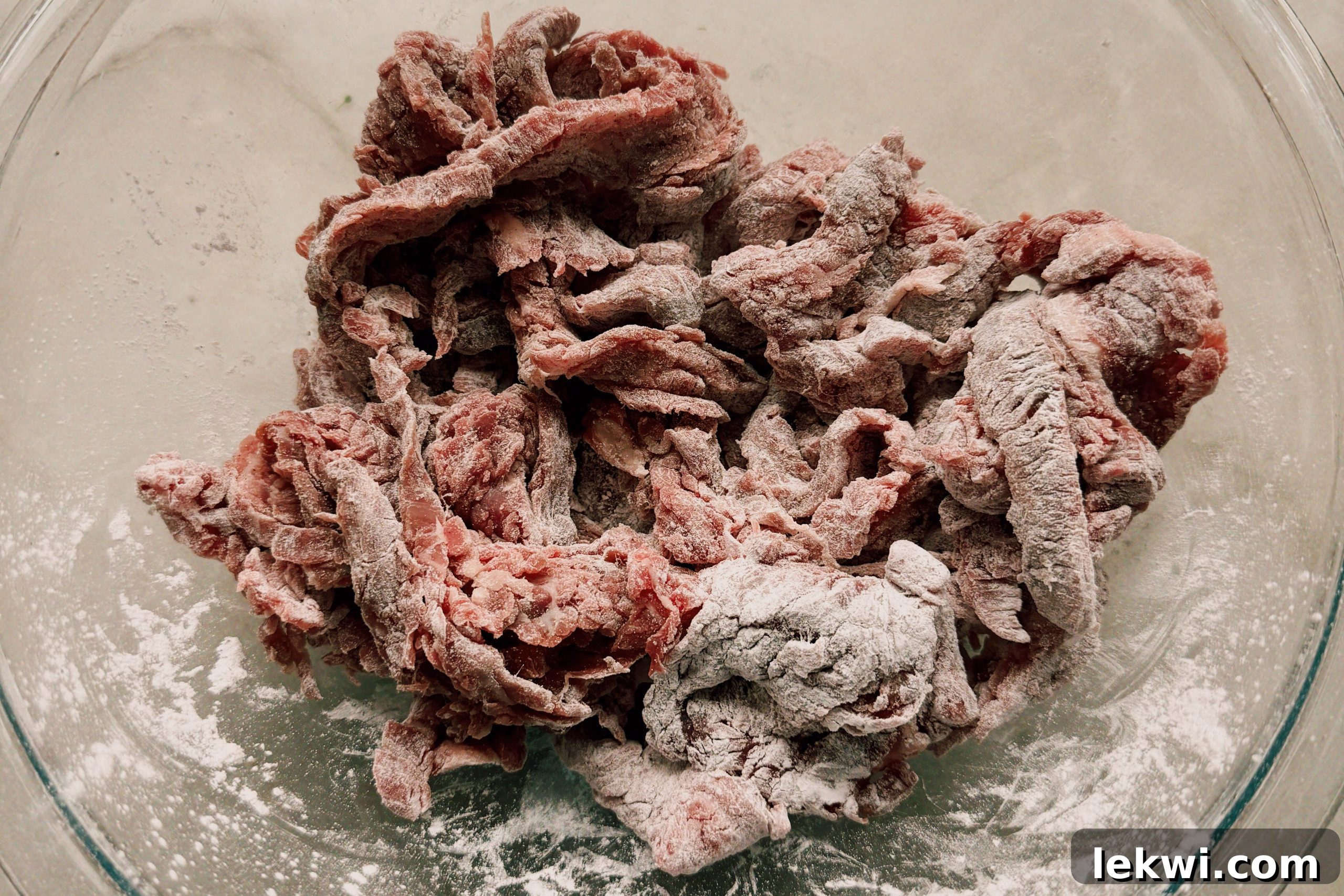
Step One: Prepare the Sauce and Noodles. Begin by whisking together all the sauce ingredients in a small bowl until thoroughly combined and smooth. Set this flavorful mixture aside. Concurrently, bring a pot of salted water to a rolling boil and cook your gluten-free pasta according to package directions until it reaches an al dente texture. Drain the noodles and toss them lightly with a touch of avocado oil to prevent sticking, then set them aside as well. While the pasta cooks, seize the opportunity to slice your flank steak thinly against the grain. Place the sliced steak in a bowl, season generously with salt and pepper, and then toss with 2 tablespoons of arrowroot starch until each piece is evenly coated. This step is crucial for achieving a beautiful crisp sear on the beef.
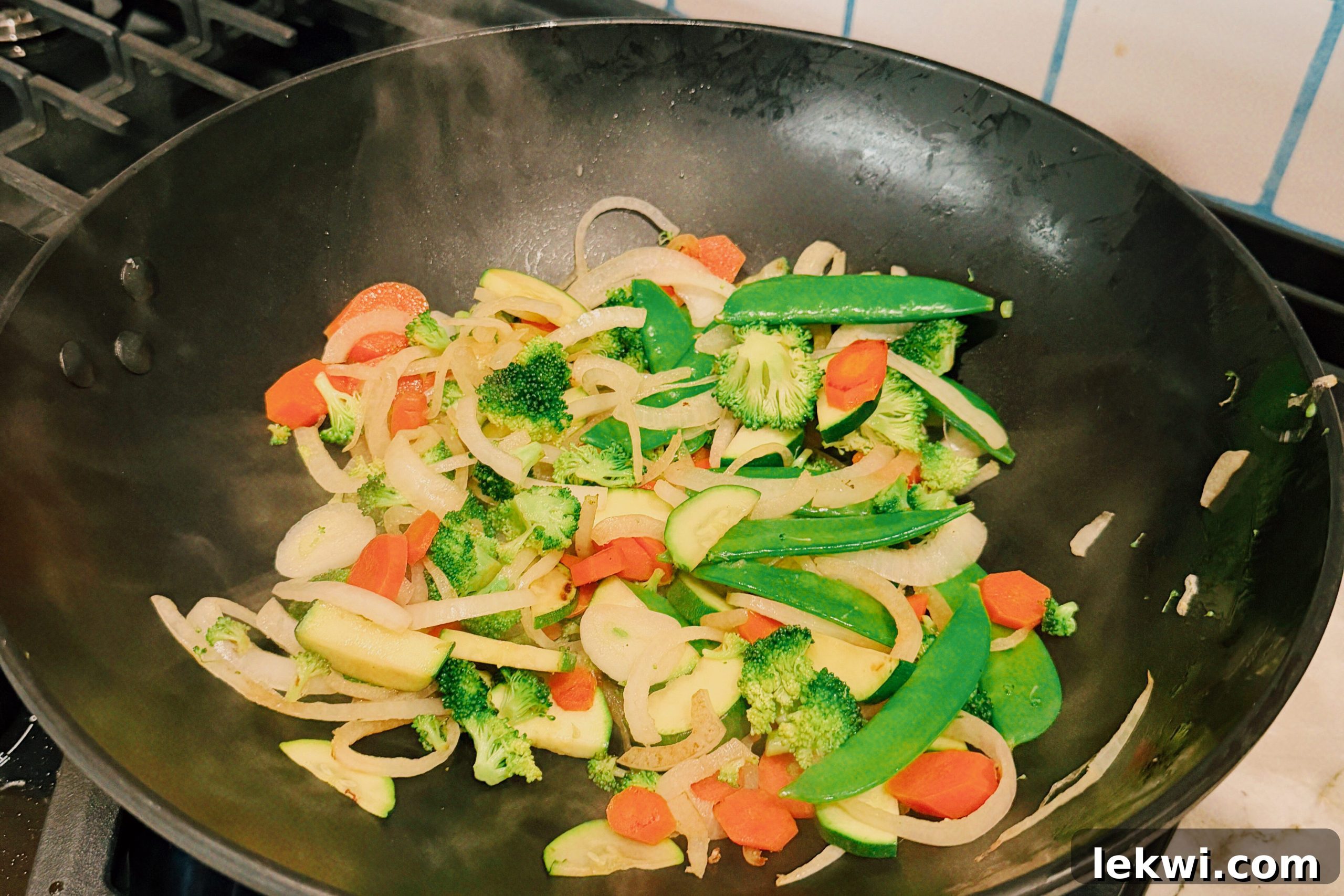
Step Two: Sauté the Vegetables. Heat a large deep pan or a wok over medium-high heat and add 1 tablespoon of avocado oil. Once the oil is shimmering, add your prepared vegetables (onions, snow peas, broccoli, zucchini, carrots). Stir-fry for about 7-8 minutes, or until the onions become translucent and the other vegetables are tender-crisp – still vibrant but with a slight bite. Season the vegetables lightly with salt and pepper to enhance their natural flavors, then transfer them to a separate plate and set aside, reserving the pan for the steak.
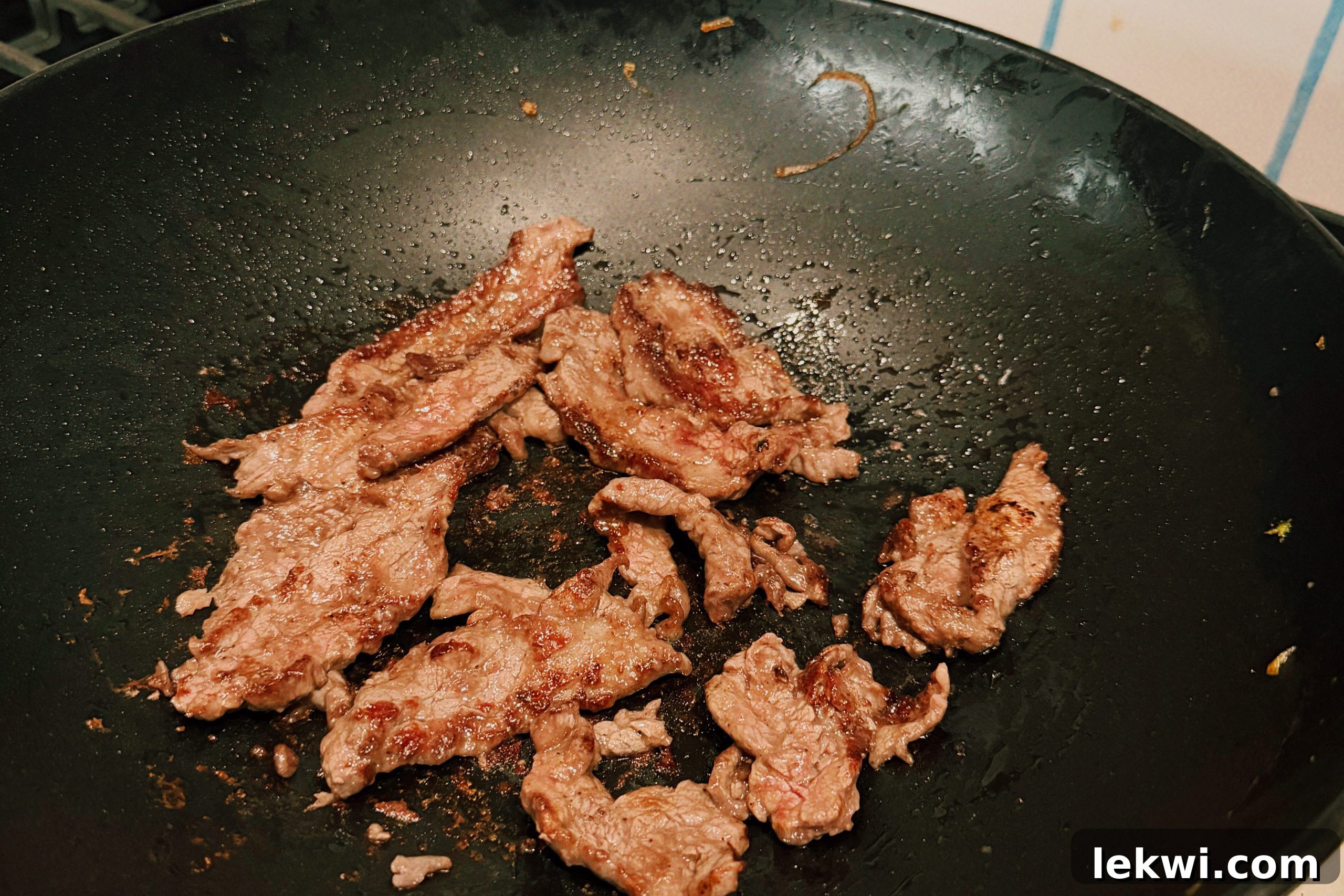
Step Three: Cook the Flank Steak. Return the pan to medium-high heat. If needed, add a little more avocado oil. Add the arrowroot-coated flank steak to the hot pan in a single layer. It’s important not to overcrowd the pan; if necessary, cook the steak in batches to ensure each piece gets a proper sear and becomes deliciously crisp, rather than steaming. Cook for 2-3 minutes on each side until the steak is beautifully browned and cooked to your desired doneness.
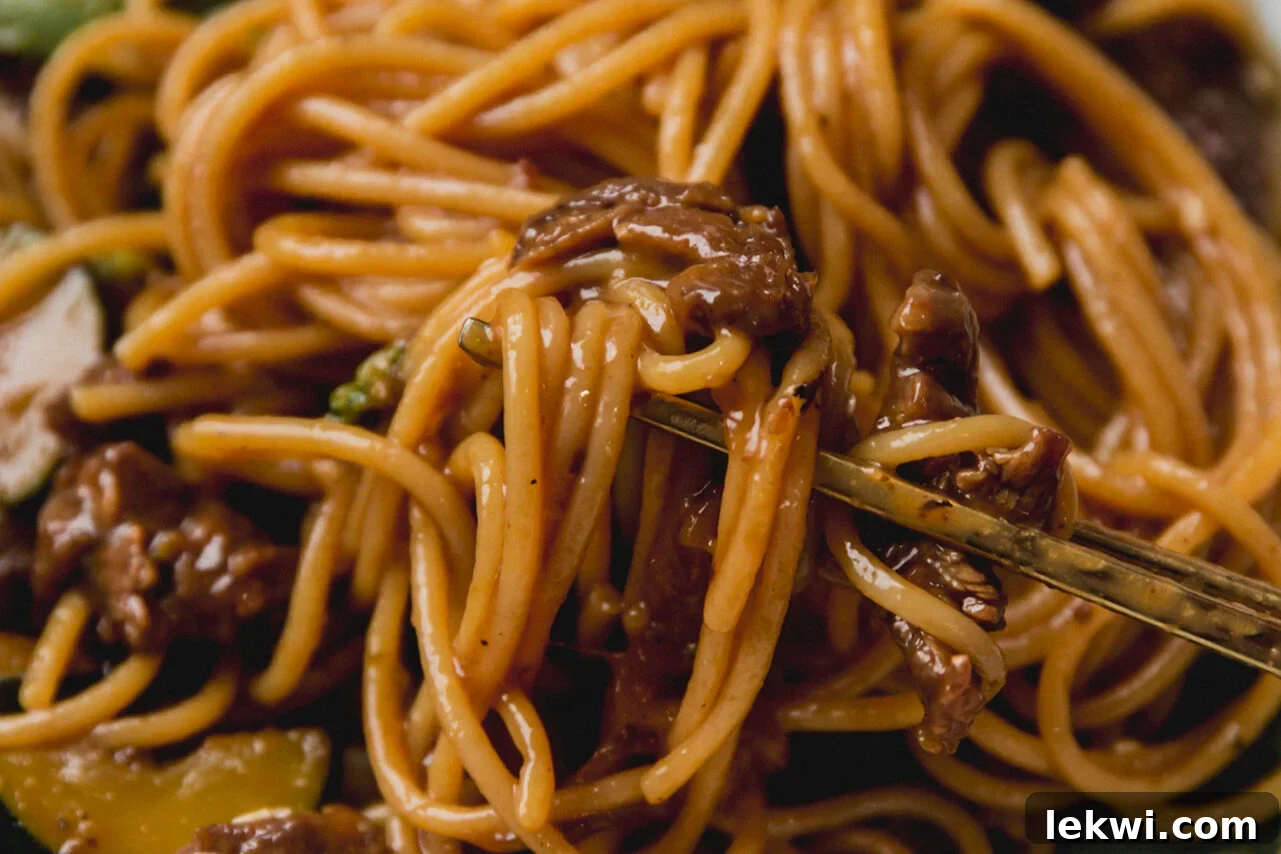
Step Four: Combine All Components. Once the steak is cooked, reduce the heat to low. Return the sautéed vegetables to the pan with the steak. Pour the whisked sauce over everything, followed by the cooked gluten-free noodles. Toss and stir-fry gently to ensure all the vegetables, noodles, and steak are thoroughly coated in the rich, savory sauce. Let it simmer for another 1-2 minutes, allowing the sauce to thicken slightly and the flavors to meld beautifully. Finish the dish by stirring in the sesame oil and sprinkling with sesame seeds just before serving for an added layer of flavor and texture. Serve hot and enjoy!
How to Cut & Cook Flank Steak for Tenderness
Flank steak is a fantastic choice for stir-fries, but it can become chewy if not prepared and cooked correctly. To ensure your beef is perfectly tender and delicious in this **Gluten-Free Beef Noodle Stir Fry**, pay close attention to these critical preparation and cooking techniques:
- Slice Against the Grain: This is arguably the most crucial step for tender flank steak. Before slicing, take a moment to identify the long muscle fibers, or “grain,” that run through the steak. Once located, use a sharp knife to slice the steak very thinly, cutting perpendicularly *across* these fibers. Cutting against the grain shortens the muscle fibers, making the cooked steak much easier and more pleasant to chew. If you cut with the grain, the fibers remain long, resulting in a tough, stringy texture.
- Ensure Thin Slices: Aim for slices that are no thicker than about ¼ inch. Thin slices cook quickly and evenly, preventing the steak from becoming tough due to overcooking. They also absorb the stir-fry sauce more effectively, enhancing the overall flavor.
- Cook in Batches for a Perfect Sear: When cooking flank steak for a stir-fry, it’s essential to avoid overcrowding the pan. If too much meat is added at once, the pan’s temperature will drop significantly, causing the steak to steam rather than sear. Steamed steak will be gray and chewy, lacking that desirable crisp exterior. Instead, cook the steak in an even, single layer, working in two or three batches if necessary. This allows for proper caramelization and a wonderfully crisp texture on each piece.
- High Heat, Quick Cook: Stir-frying demands high heat to cook ingredients rapidly while retaining their crispness and flavor. Flank steak, especially when thinly sliced, benefits from this intense heat for a short period. Cook each batch for only 2-3 minutes per side until beautifully browned and just cooked through.
- Allow the Steak to Rest (Optional but Recommended): While stir-fries are often a fast-paced dish, if you have a moment, letting your cooked steak rest for a few minutes after searing can help redistribute its juices, resulting in an even more tender and flavorful bite.
Chef Michelle’s Tips & Tricks
Mastering any stir-fry is about understanding a few fundamental principles. Here are some of my top tips and tricks to ensure your **Gluten-Free Beef Noodle Stir Fry** turns out perfectly every time, packed with flavor and ideal texture:
- Cook the Pasta Al Dente: This tip is crucial for noodle stir-fries. Cook your gluten-free spaghetti (or chosen noodle) until it’s just shy of being fully cooked – meaning it still has a slight firmness to the bite. This is because the noodles will continue to cook and absorb flavor when you add them to the hot stir-fry sauce. If you overcook them initially, they’ll become mushy in the final dish.
- Embrace Vegetable Customization: This recipe is incredibly versatile when it comes to vegetables. Don’t feel limited to the ones listed; use what you have on hand or what’s in season! Great additions include bell peppers (any color), sliced mushrooms, snap peas, green beans, or even bok choy. The key is to cut them into similar sizes for even cooking and aim for a vibrant mix of colors and textures.
- High Heat is Your Best Friend: For a true stir-fry, consistent high heat is essential. This allows your ingredients to sear quickly, locking in flavors and creating those desirable tender-crisp textures, particularly for vegetables. Make sure your wok or pan is thoroughly heated before adding any ingredients.
- Batch Cook if Necessary: As mentioned for the steak, if you’re making a larger batch or your pan isn’t huge, cook your vegetables in batches as well. Overcrowding cools the pan and steams the vegetables instead of stir-frying them, leading to a limp and less flavorful result.
- Meal Prep for Convenience: To make weeknight dinners even faster, you can prep several components ahead of time. Whisk the sauce ingredients together and store them in an airtight container in the fridge for up to 3-4 days. You can also chop all your vegetables a day or two in advance. Store cooked flank steak and noodles separately, then combine and reheat quickly when ready to serve.
- Storage and Reheating: Leftovers of this **Gluten-Free Beef Noodle Stir Fry** are delicious! Store any remaining portions in an airtight container in the refrigerator for up to 3-4 days. To reheat, gently warm in a pan over medium heat or in the microwave. You might want to add a splash of water or extra coconut aminos to loosen the noodles and sauce slightly.
- Make it AIP (Autoimmune Protocol) Compliant: For those following the AIP diet, this recipe is easily adaptable. Simply omit the sesame oil and sesame seeds, and ensure you use a cassava-based or sweet potato-based noodle variety instead of gluten-free spaghetti made from other grains. Also, remember to skip the black pepper.
If you tried this **Gluten-Free Beef Noodle Stir Fry** or any other recipe on my blog, please leave a **star rating** and let me know how it went in the **comments** below. Your feedback is greatly appreciated!
Other Asian-Inspired Noodle Recipes to Try…
If you’re a fan of flavorful noodle dishes, be sure to explore these other delicious Asian-inspired recipes that are perfect for any occasion:
- Hoisin Beef Noodles
- The Best Homemade Hibachi Noodles
- Baked Honey Garlic Chicken Noodles
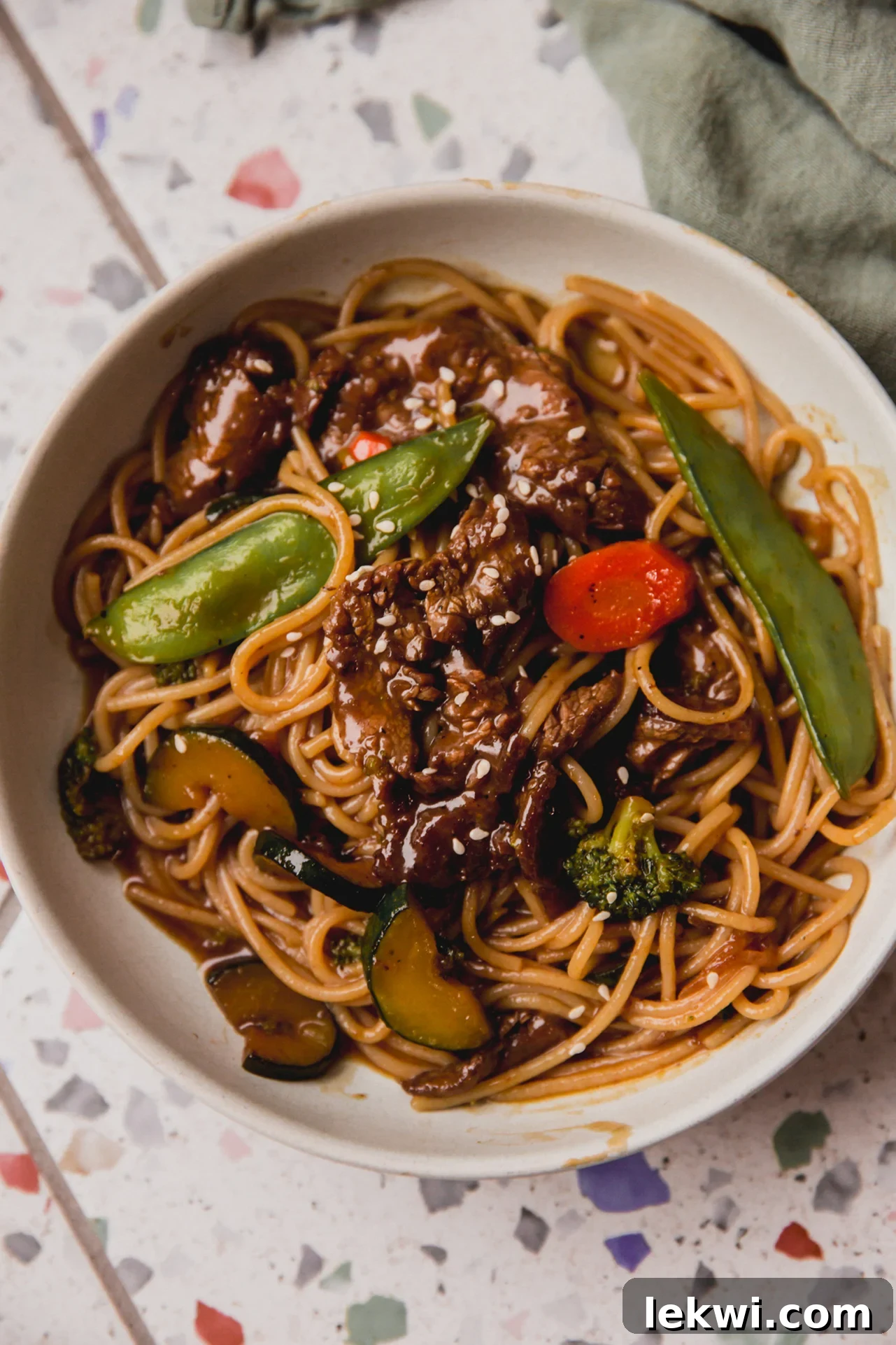
Gluten-Free Beef Noodle Stir Fry
Author: Michelle
This beef noodle stir fry is the perfect easy gluten-free dinner! It’s made with steak, gluten-free noodles and a soy-free sauce.
Leave a Review
Pin Recipe
Ingredients
For the Sauce
- ⅓ cup coconut aminos (link)
- 3 tbsp orange juice
- 2 tsp rice vinegar (sub apple cider vinegar) (link)
- 2 tsp coconut sugar (link)
- 1 clove garlic, grated
- 1 thumb ginger, grated
- 2 tsp arrowroot starch (link)
For the Stir Fry
- 8 oz gluten-free spaghetti (link)
- 1 lb flank steak
- Salt & pepper
- 2 tbsp arrowroot starch (link)
- 2 tbsp avocado oil (link)
- 1 yellow onion, halved and sliced thin
- ½ cup snow peas
- 1 cup broccoli florets
- 1 zucchini, chopped in half moons
- 1 medium carrot, sliced thin
- 2 tsp sesame oil (see notes for AIP)
- 2 tsp sesame seeds (link)
Instructions
- Add the ingredients for the sauce to a bowl and whisk well. Set aside.
- Bring a pot of salted water to a boil and cook the pasta as directed until al dente. Strain and lightly coat with avocado oil to avoid sticking. Set aside.
- While the water boils and pasta cooks, remove the flank steak from the fridge and allow to sit on the counter for 20 minutes.
- Slice the flank steak thin against the grain. Add to a bowl and toss with salt and pepper and 2 tbsp of arrowroot starch. Set aside.
- Using a large deep pan or wok, add 1 tbsp of avocado oil over medium-high heat. Add vegetables and stir-fry for 7-8 minutes or until the onions are translucent and the veggies are tender and lightly crisp. Season with salt and pepper and set aside.
- Add more oil if needed, and add the flank steak to a pan in a single layer, working in batches if needed. Cook the steak for 2-3 minutes on each side or until crisp.
- Reduce the heat to low. Add the vegetables back to the pan along with the sauce, and noodles. Stir-fry to coat the vegetables, noodles, and steak in the sauce.
- Finish with sesame oil and sesame seeds before serving.
Notes
You can easily make this recipe AIP by omitting the sesame (oil and seeds), black pepper, and using a cassava or sweet potato-based noodle!
Nutrition Facts (Estimated per Serving)
Calories: 531kcal, Carbohydrates: 62g, Protein: 32g, Fat: 17g, Saturated Fat: 4g, Polyunsaturated Fat: 2g, Monounsaturated Fat: 8g, Cholesterol: 68mg, Sodium: 572mg, Potassium: 741mg, Fiber: 4g, Sugar: 6g, Vitamin A: 2947IU, Vitamin C: 46mg, Calcium: 74mg, Iron: 3mg
All nutrition facts are estimated and will vary based on specific ingredients and preparation methods.
Did you Make this Recipe?
Tag @unboundwellness on Instagram and hashtag #unboundwellness!