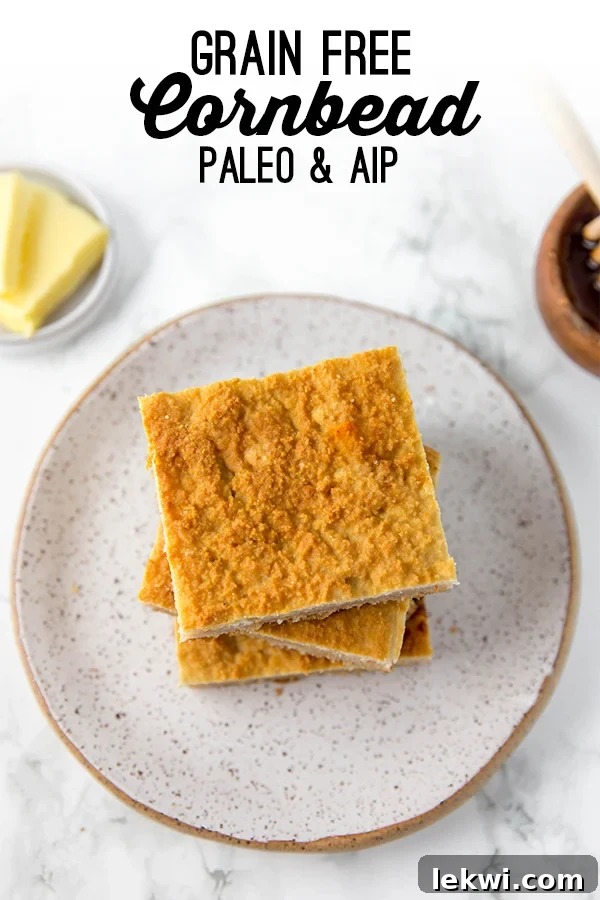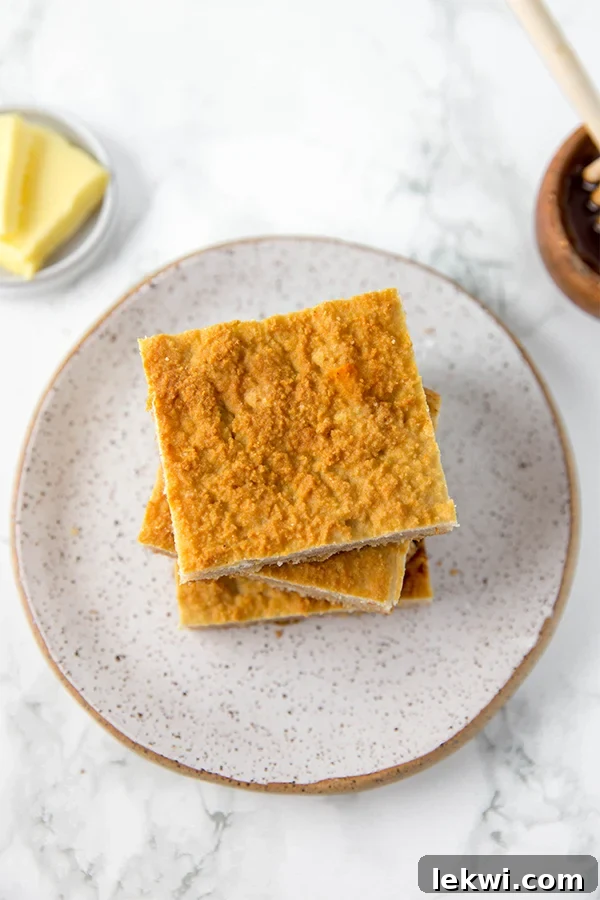
This grain-free cornbread is a revelation, crafted entirely without actual corn! It’s perfectly suited for paleo and AIP (Autoimmune Protocol) diets, delivering a taste and texture that is shockingly similar to traditional cornbread, making it an absolute game-changer for anyone navigating dietary restrictions.
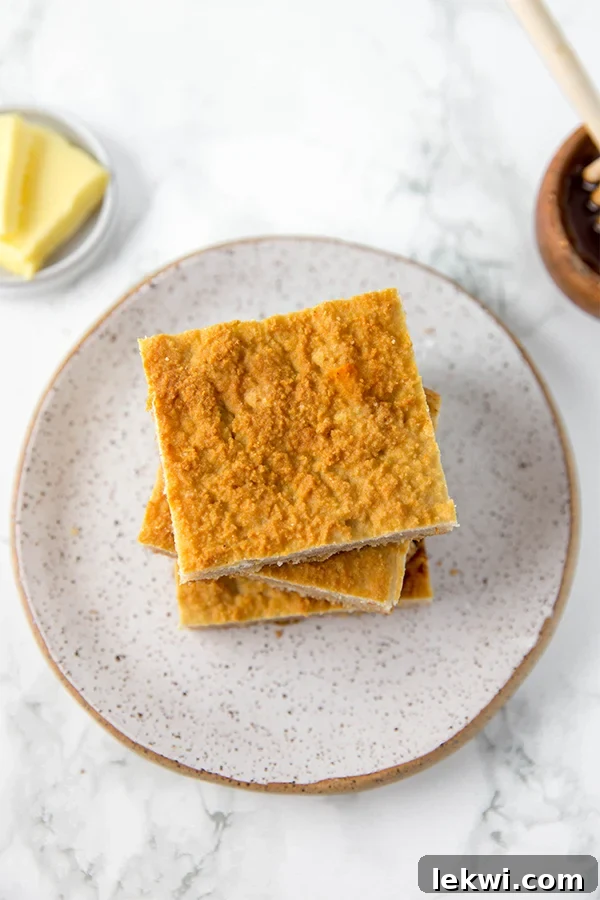
The Ultimate Grain-Free Paleo Cornbread (AIP & Delicious!)
For years, cornbread held a special place in my heart, specifically that iconic Jiffy mix from the little blue box. It was a staple, whether enjoyed with a generous squeeze of grape jelly and margarine or as an indispensable side dish at Thanksgiving. However, after discovering my corn intolerance, I genuinely believed those days of enjoying cornbread were behind me. The thought of a truly corn-free cornbread seemed impossible – how could you make “cornbread” without corn?
This grain-free paleo cornbread recipe has been the answer to those culinary prayers! It’s not only completely corn-free but also meticulously crafted to be AIP compliant, ensuring everyone can enjoy a slice of this comforting classic without compromise. The journey to recreate that familiar, comforting taste and texture was challenging, but the results are truly remarkable. You won’t believe it’s not the “real thing.”
Why Choose Grain-Free, Paleo, and AIP Cornbread?
Many individuals today find themselves exploring alternative dietary paths due to sensitivities, allergies, or chronic health conditions. Corn, while a beloved grain, can be problematic for some, causing inflammation or digestive issues. Similarly, the Paleo diet focuses on whole, unprocessed foods, excluding grains, legumes, and refined sugars. The Autoimmune Protocol (AIP) takes this a step further, eliminating common inflammatory foods to support gut healing and reduce autoimmune symptoms.
This recipe specifically caters to these needs, providing a delicious and safe option for those who miss cornbread but cannot tolerate corn, gluten, dairy, or other common allergens. It’s a testament to the fact that dietary restrictions don’t have to mean sacrificing flavor or tradition. Instead, it opens doors to innovative and equally delightful culinary experiences.
Crafting the Perfect Texture: Coconut Flour vs. Almond Flour
When developing this recipe, one of the primary considerations was achieving that characteristic cornbread texture. I’ve encountered paleo cornbread recipes before that utilize almond flour, and while delicious in its own right, almond flour often lends a slightly gritty texture. Although I personally tolerate almonds, I was determined to create a nut-free and AIP-compliant version to ensure broader accessibility.
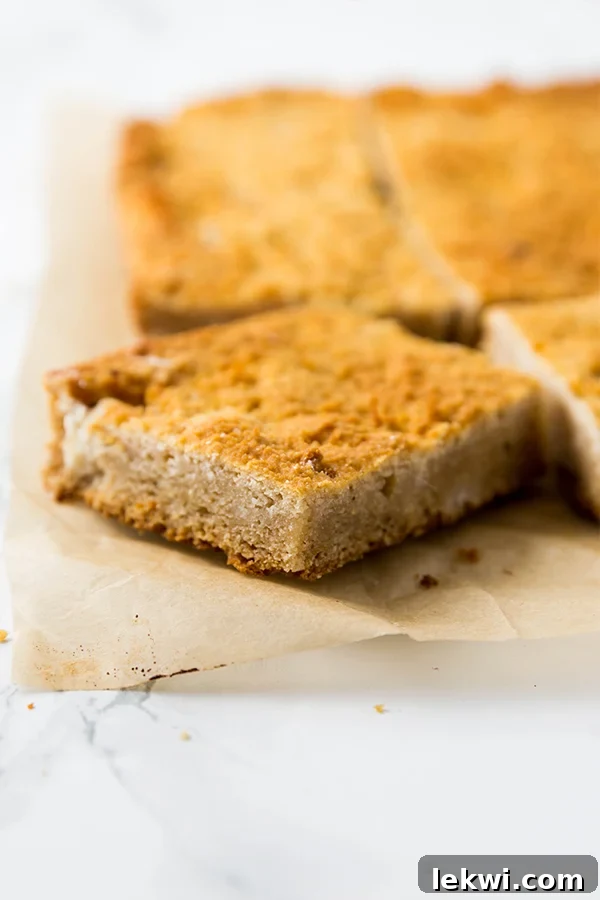
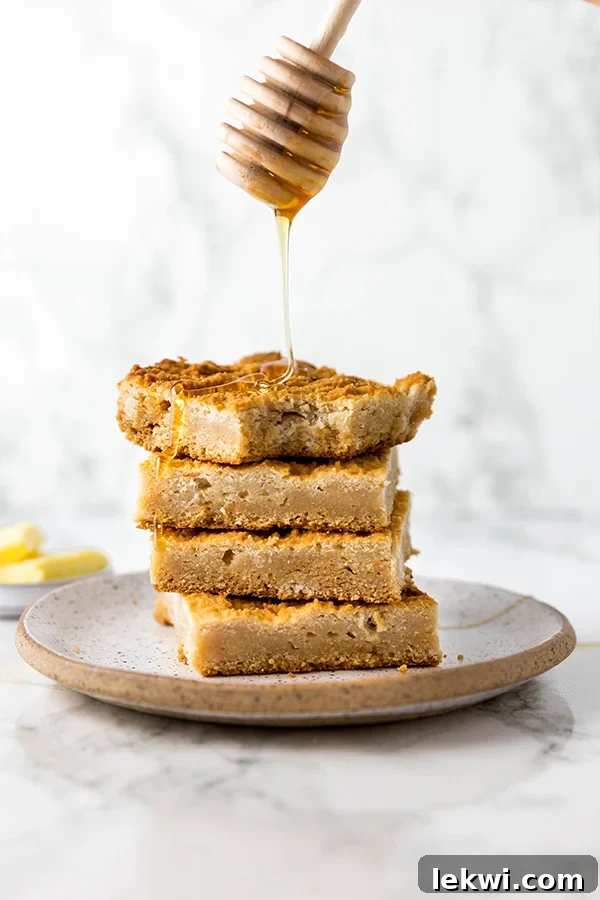
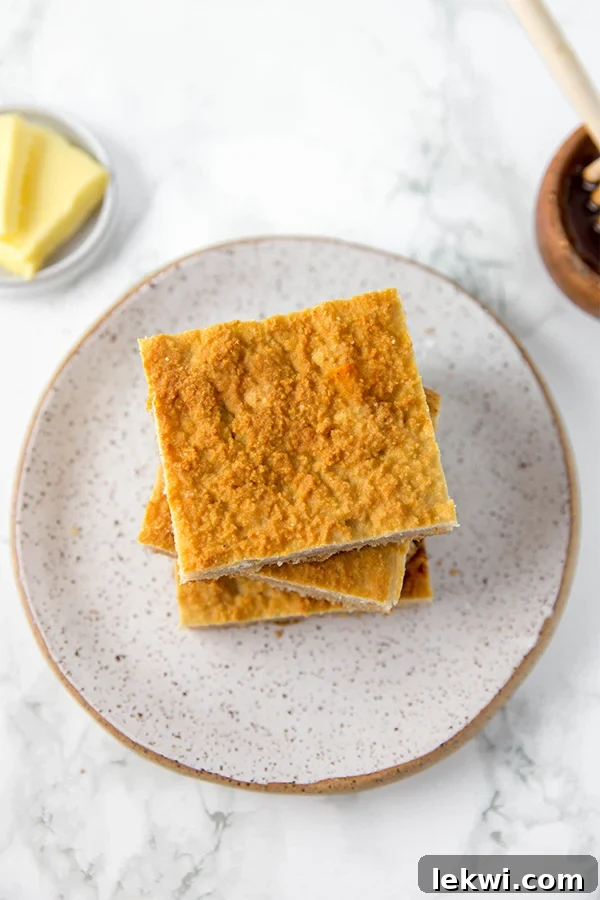
Coconut flour proved to be the ideal base for this bread. Its fine texture, combined with its high absorbency, creates a wonderfully light and fluffy crumb that closely mimics traditional cornbread. I considered tigernut flour, another fantastic grain-free option, but its natural hue wouldn’t achieve that desired golden, cornbread-like color. Fortunately, coconut flour excelled not only in texture but also in contributing to the visual appeal, making this bread look as good as it tastes.
Versatile Serving Suggestions for Your Grain-Free Cornbread
This grain-free cornbread is incredibly versatile and can be enjoyed in countless ways throughout the year. It’s an absolute showstopper as a Thanksgiving bread dish, adding a comforting touch to your holiday spread without any of the usual allergens. But don’t relegate it solely to special occasions!
Beyond the holidays, this cornbread pairs beautifully with hearty winter meals. Imagine a warm slice alongside a steaming bowl of chili – whether it’s my Instant Pot Chili or a comforting Pumpkin Chili, the combination is simply irresistible. It also makes a fantastic accompaniment to soups, stews, or even as a unique base for savory toppings. Frankly, it’s so incredibly delicious that you don’t need an excuse to make it. Enjoy it plain, as a snack, or as a delightful breakfast treat with your favorite spreads.
Key Ingredients for Your Paleo Cornbread
Each ingredient in this recipe plays a crucial role in achieving the perfect balance of flavor, texture, and dietary compliance. Let’s delve into what makes this grain-free cornbread truly special:
Coconut Flour: The Grain-Free Backbone
As highlighted earlier, coconut flour is fundamental to this recipe. Its unique properties provide both the ideal color and a crumbly, yet moist, texture that closely resembles traditional cornbread. Coconut flour is highly absorbent, which means a little goes a long way, and it’s vital to measure it precisely. Substituting it directly with other flours like almond flour will drastically alter the outcome due to their different absorption rates. While other paleo recipes might use almond flour, this specific formulation with coconut flour is designed for its unique benefits and AIP compliance.
Arrowroot Starch: For Structure and Lightness
Arrowroot starch acts as a binder and helps create a lighter, more tender crumb. It contributes to the overall structure of the cornbread, preventing it from becoming too dense. You might be able to substitute tapioca starch (also known as tapioca flour) for arrowroot in this recipe, as they have similar properties. However, I have not personally tested this substitution, so for best results, stick with arrowroot starch.
Coconut Milk & Apple Cider Vinegar: The Buttermilk Effect
The combination of full-fat coconut milk and apple cider vinegar is a brilliant hack to mimic the tang and richness of buttermilk, a classic ingredient in traditional cornbread. The acidity from the apple cider vinegar reacts with the baking soda, aiding in leavening and contributing to a light, airy texture. Ensure you use full-fat canned coconut milk for the best flavor and consistency, avoiding the thinner, carton varieties typically used for drinking.
Palm Shortening: For a Perfect Crumb
Palm shortening is key to achieving the cakey, bread-like texture that crumbles beautifully, much like authentic cornbread. It provides richness and moisture without the use of butter or other dairy fats, making it suitable for AIP. I haven’t experimented with coconut oil as a substitute for palm shortening, but I anticipate the texture would differ significantly, potentially resulting in a denser, less crumbly bread due to coconut oil’s different melting point and fat composition.
Honey: A Touch of Natural Sweetness
Honey is a classic partner to cornbread, offering a subtle, natural sweetness that complements its savory notes. This recipe calls for just 2 tablespoons, which is enough to enhance the flavor without making the cornbread overly sweet or heavy. For AIP, honey is a compliant sweetener, and its distinct flavor adds depth that other sweeteners might not provide.
Gelatin Eggs: The Binder and Leavener
To ensure this cornbread rises beautifully and holds together without conventional eggs, we use three gelatin eggs. Gelatin acts as an excellent binder and leavening agent when prepared correctly, providing the necessary structure and airy texture. It’s important to use gelatin, not collagen, as collagen does not have the same gelling properties required for this recipe. If you tolerate eggs and are not strictly AIP, you could likely substitute real eggs (3 large eggs) for the gelatin eggs.
Grain Free Paleo Cornbread (AIP)
9 servings
Leave a Review
Pin Recipe
Want to save this for later?
Sign up for our newsletter to get delicious recipes delivered straight to your inbox! ✉️
Ingredients
- 1 tsp coconut oil, for greasing the pan
- 1 cup coconut flour
- ¼ cup + 2 tbsp arrowroot starch
- ½ tsp baking soda
- ¼ tsp salt
- 3 tbsp palm shortening
- 2 tbsp honey
- ½ cup coconut milk
- 1 tsp apple cider vinegar
For the gelatin eggs
- ¾ cup water
- 3 tbsp gelatin, I use Vital Proteins
Instructions
-
Step 1: Prepare the Oven and Pan. Preheat your oven to 350°F (175°C). Line an 8×8-inch baking pan with parchment paper, allowing some overhang for easy removal. Lightly grease the parchment paper with coconut oil to prevent sticking.
-
Step 2: Combine Dry Ingredients. In a large mixing bowl, whisk together the coconut flour, arrowroot starch, baking soda, and salt until well combined and lump-free.
-
Step 3: Incorporate Fats and Sweetener. Add the palm shortening and honey to the dry ingredients. Mix thoroughly until the mixture resembles coarse crumbs and the wet ingredients are evenly distributed.
-
Step 4: Create “Buttermilk” and Combine. In a separate small bowl, combine the coconut milk and apple cider vinegar. This mixture will curdle slightly, mimicking buttermilk. Pour this “buttermilk” into the cornbread dough and mix until just combined. Be careful not to overmix.
-
Step 5: Prepare and Add Gelatin Eggs. For the gelatin eggs, first, add the water to a small saucepan. Slowly sprinkle the gelatin over the water, allowing it to “bloom” for 2-3 minutes. Lightly mix to prevent clumps. Place the saucepan over low heat and gently melt the gelatin, stirring continuously until completely dissolved and smooth. Do not boil. Remove from heat and vigorously whisk the melted gelatin until it becomes frothy, resembling beaten egg whites. Immediately add this frothy gelatin mixture to your cornbread dough and mix quickly and thoroughly to combine. The gelatin will start to set as it cools, so work swiftly.
-
Step 6: Bake the Cornbread. Spoon the prepared dough into the parchment-lined baking pan. Using the back of a spoon or a rubber spatula, spread the dough evenly across the pan. Bake in the preheated oven for 20 minutes, or until the top is lightly golden brown and a toothpick inserted into the center comes out clean.
-
Step 7: Cool Completely. Once baked, carefully remove the pan from the oven. Using the parchment paper overhang, transfer the cornbread to a cooling rack. This step is crucial: allow the cornbread to cool completely before attempting to slice it. If sliced too early, the bread may be gummy or fall apart, as it needs time to set and firm up.
-
Step 8: Slice and Enjoy! Once completely cooled, slice the cornbread into 9 even pieces. Serve warm with a drizzle of extra honey, or if tolerated, a spread of butter/ghee or your favorite AIP-compliant jam. Enjoy this delicious, corn-free treat!
Notes
Storage: Store leftover cornbread in an airtight container at room temperature for up to 2 days, or in the refrigerator for up to 4-5 days. For longer storage, freeze individual slices in an airtight bag for up to 3 months.
Reheating: To reheat, simply warm slices in a toaster oven, microwave, or a skillet over low heat until heated through. This helps restore some of its original texture.
Serving Suggestions: Beyond chili, this cornbread is fantastic with hearty stews, alongside roasted vegetables, or as a breakfast side. For an extra treat, serve it with homemade apple butter or a sprinkle of cinnamon.
Calories: 275kcal,
Carbohydrates: 42.6g,
Protein: 7.2g,
Fat: 9.5g,
Fiber: 4.7g
Did you Make this Recipe?
Tag @unboundwellness on Instagram and hashtag #unboundwellness!
Frequently Asked Questions About Grain-Free Paleo Cornbread
To help you get the most out of this delicious recipe, here are answers to some common questions:
Is this cornbread truly corn-free and gluten-free?
Yes, absolutely! This recipe uses coconut flour and arrowroot starch as its base, ensuring it is 100% free from corn and gluten, making it suitable for those with related intolerances or on paleo/AIP diets.
Can I use a different flour instead of coconut flour?
Coconut flour is highly unique in its absorption properties. Substituting it with other flours, even other grain-free options like almond flour or cassava flour, will significantly alter the texture and moisture content of the cornbread. For the best results that match the intended texture and flavor, I highly recommend sticking to coconut flour as specified in the recipe.
What if I don’t have palm shortening?
Palm shortening provides a specific crumbly texture that is hard to replicate. While coconut oil can be used as a general fat substitute in baking, it will result in a denser, less cake-like cornbread. For AIP compliance and the desired texture, palm shortening is the recommended choice.
Can I make this cornbread less sweet?
The recipe uses only 2 tablespoons of honey, which provides a very subtle sweetness, similar to traditional savory cornbread. If you prefer it less sweet, you can reduce the honey to 1 tablespoon, but I wouldn’t recommend omitting it entirely as it also contributes to the moisture and browning.
How important is cooling the cornbread completely?
Extremely important! Coconut flour baked goods need time to set and firm up as they cool. Slicing the cornbread while it’s still warm will likely result in a gummy texture and it may fall apart. Patience is key for perfect slices.
Can I add savory ingredients to this cornbread?
While the recipe is designed to be AIP, if you are not strictly AIP or are in a reintroduction phase and tolerate certain ingredients, you could experiment with additions. For a savory kick, you might consider adding finely diced green onions or compliant herbs, but always ensure they fit your dietary needs.
Conclusion: A New Staple for Your Healthy Kitchen
This Grain-Free Paleo Cornbread isn’t just a substitute; it’s a celebration of flavor and health. It proves that living with dietary restrictions doesn’t mean you have to miss out on classic comfort foods. With its authentic texture, delightful flavor, and simple preparation, it’s sure to become a cherished recipe in your kitchen.
Whether you’re serving it for Thanksgiving, alongside a hearty bowl of chili, or simply enjoying a slice with a drizzle of honey for a comforting snack, this cornbread delivers every time. So go ahead, bake a batch, and rediscover the joy of cornbread, made safe and delicious for everyone.