This post contains affiliate links.
The Ultimate Paleo Gingerbread House: A Delicious & Allergy-Friendly Holiday Tradition
The holiday season is a time for joy, warmth, and beloved traditions. Few traditions spark as much delight as decorating a gingerbread house. The intricate designs, the sweet aroma, and the shared laughter create cherished memories. However, for those navigating food sensitivities or adhering to specific dietary protocols like Paleo or AIP (Autoimmune Protocol), traditional gingerbread kits often present a challenge. Packed with common allergens like gluten, dairy, and nuts, these kits can make joining in the festive fun feel impossible.
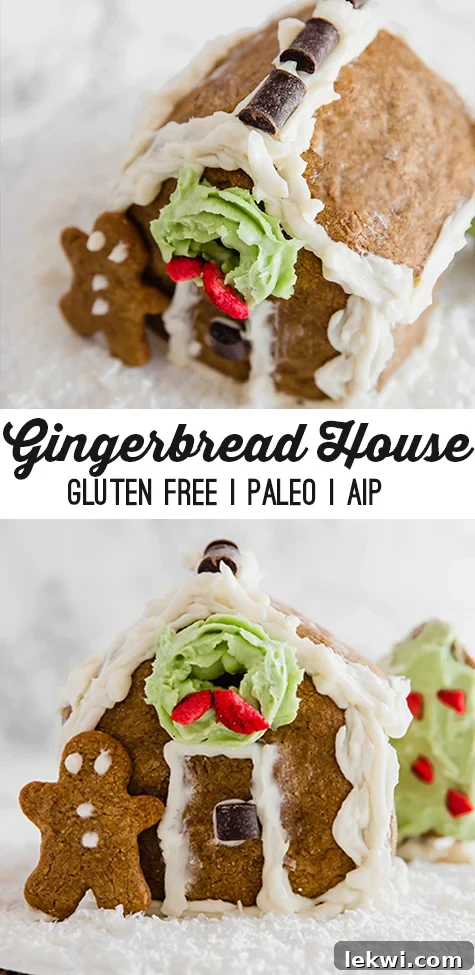
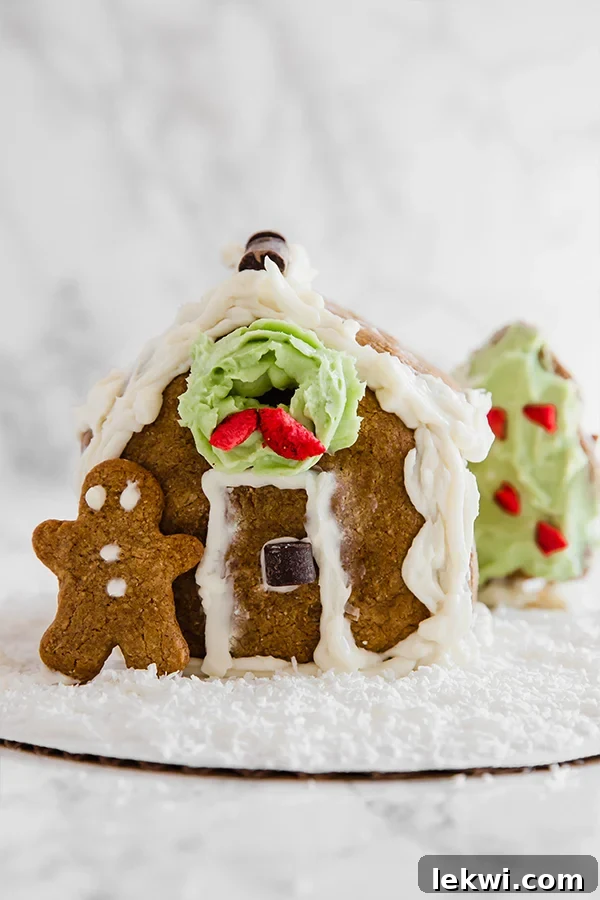
But what if you could create a gingerbread house that everyone can enjoy? A magnificent, edible masterpiece that is not only beautiful but also entirely nut-free, gluten-free, dairy-free, and AIP-friendly? This comprehensive guide unveils the secrets to crafting your very own Paleo Gingerbread House, ensuring a truly inclusive and delicious holiday experience for all.
Embracing a New Holiday Tradition with a Paleo Twist
For many years, the idea of constructing a gingerbread house seemed like a daunting task, fraught with potential collapses and sticky mishaps. Yet, as new family traditions begin to unfold, particularly with a little one on the way, the desire to create these magical moments became paramount. The good news is that crafting a delicious and sturdy paleo gingerbread house is surprisingly easy and incredibly rewarding. Forget the frustration; this recipe is designed for success, yielding gingerbread walls that are robust enough to build with and delightful enough to eat. It’s an opportunity to create lasting memories, free from dietary worries, making the holidays truly special for everyone at the table.
Why Choose a Paleo & AIP Gingerbread House?
Beyond the joy of the holiday tradition, there are compelling reasons to opt for a paleo and AIP-friendly gingerbread house. Traditional recipes often rely on wheat flour, butter, and refined sugars, which can trigger digestive issues, inflammation, or allergic reactions in sensitive individuals. By choosing a recipe free from these common irritants, you ensure that:
- Everyone Can Participate: No one has to feel left out due to dietary restrictions. This recipe allows children and adults with sensitivities to fully engage in the decorating and enjoy the treats.
- Reduced Inflammation: Ingredients like tigernut flour and natural sweeteners are gentler on the digestive system, supporting overall well-being during a time when indulgences are common.
- Nutrient-Dense Options: While still a treat, this gingerbread house uses ingredients that offer more nutritional value than their conventional counterparts.
- Peace of Mind: Knowing that the ingredients are safe and wholesome allows you to relax and enjoy the festive spirit without concern.
Crafting Your Paleo Gingerbread House: A Step-by-Step Guide
Making a homemade gingerbread house from scratch might sound intimidating, but with this simplified paleo and AIP-friendly recipe, it’s an enjoyable process from start to finish. The key lies in selecting the right ingredients and following a few straightforward steps.
Step 1: Preparing the Robust Gingerbread Dough
The foundation of any great gingerbread house is a sturdy, flavorful dough. In a large mixing bowl, combine the dry ingredients: tigernut flour, tapioca starch, baking soda, gelatin, ground cinnamon, and ground ginger. Sifting these together ensures an even mixture and prevents lumps, contributing to a smooth dough. Next, introduce the wet sweeteners: maple syrup and blackstrap molasses. Mix thoroughly until these liquids are well integrated into the dry ingredients. Finally, cut in the palm shortening. Work the shortening into the mixture until a cohesive, pliable cookie dough forms. The dough should be firm enough to roll out without sticking excessively, yet soft enough to cut easily.
Step 2: Cutting into Festive Shapes
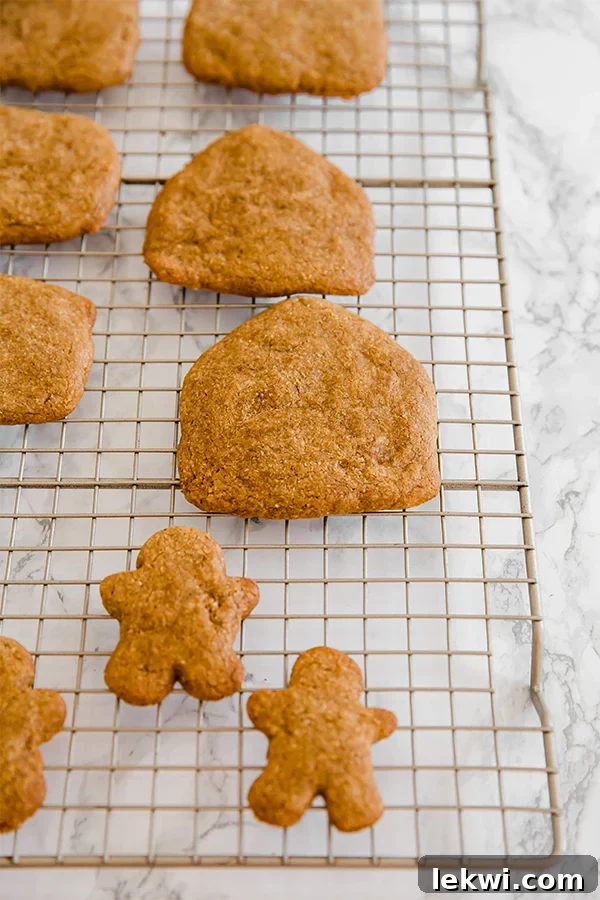
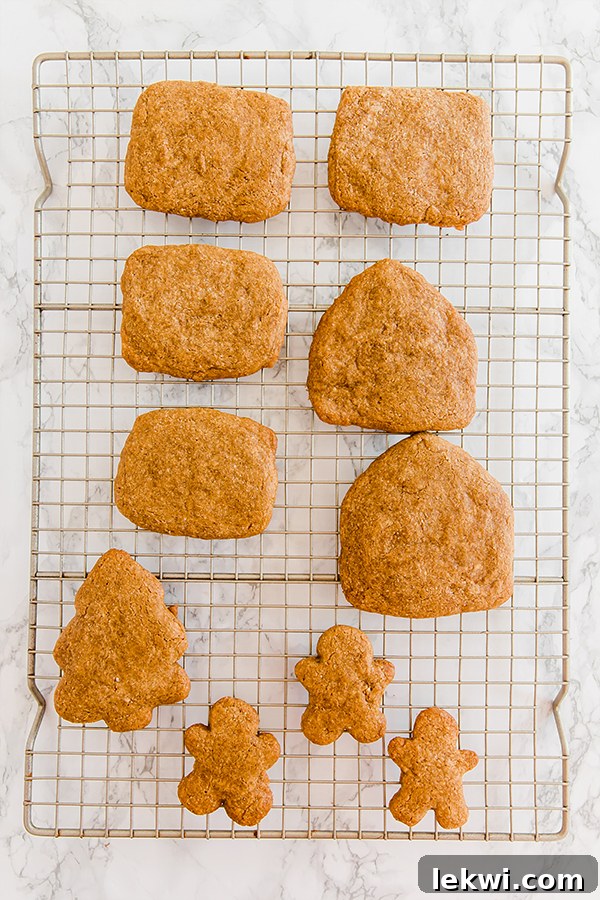
Once your dough is ready, it’s time for the creative part. Lightly dust a clean, flat surface with tapioca starch to prevent sticking. Place your dough onto the floured surface and gently dust your rolling pin. Roll out the dough to an even thickness of approximately 1/4 inch. For the house structure, use cookie cutters or a printed template to cut out four identical rectangular pieces for the walls and roof panels, along with two pentagon shapes for the front and back gables of your house. Don’t forget to use any leftover dough to cut out smaller, decorative shapes like gingerbread men, snowmen, Christmas trees, or stars. These little cookies will add charm and character to your finished scene.
Step 3: Baking and Cooling for Stability
Carefully transfer all your cut gingerbread pieces to a baking sheet lined with lightly greased parchment paper, ensuring they are evenly spaced to allow for proper baking. Bake in a preheated oven at 350°F (175°C) for about 12 minutes, or until the edges are lightly golden and the cookies are firm to the touch. The baking time may vary slightly depending on the thickness of your cookies and your oven, so keep an eye on them. Once baked, immediately transfer the hot cookies to a wire cooling rack. It is absolutely crucial to allow all the gingerbread pieces to cool completely and thoroughly before attempting to assemble the house. Warm pieces will be fragile and can easily break or cause your icing to melt.
Step 4: Assembling Your Edible Masterpiece
Once all your gingerbread pieces are completely cool and firm, it’s time to bring your house to life! Prepare your paleo icing (recipe below) and load it into a piping bag. Choose a sturdy cardboard cake stand or a flat serving platter as your base. Begin by piping a generous line of frosting along the bottom edge of one wall piece and adhere it to the cake stand. Then, pipe frosting along the vertical edges where two walls will meet, gently pressing them together to form the initial corners. Continue this process until all four walls are standing and secured. Once the walls are in place, carefully pipe frosting along the top edges of the walls and position the roof pieces on top, ensuring a snug fit. For optimal stability, transfer the partially assembled house to the refrigerator for 10-15 minutes. This chilling period allows the icing to harden and set, providing a strong bond for the structure before you move on to the exciting part: decorating!
Mastering Paleo Icing for Your Gingerbread House
No gingerbread house is complete without a smooth, stable icing that not only acts as edible “glue” but also serves as the perfect canvas for your decorations. This paleo icing recipe is simple to make and holds up beautifully.
Homemade Paleo Icing
To create your own luscious paleo icing, combine palm shortening and maple syrup in a mixing bowl. Using an electric hand mixer or a stand mixer fitted with the whisk attachment, beat the mixture on medium-high speed until it becomes light, fluffy, and smooth. This typically takes a few minutes, so be patient. The consistency should be thick enough to hold its shape for piping. For a festive touch, you can add natural colorings. A small amount of matcha powder will create a vibrant green icing, perfect for wreaths or trees, while a splash of pomegranate juice can yield a lovely red hue, ideal for berries or festive accents.
Store-Bought Icing Options
If you’re short on time or prefer a convenient alternative, there are excellent store-bought options available. Brands like Simple Mills offer ready-made frostings that are often gluten-free, dairy-free, and made with more wholesome ingredients, making them suitable for many paleo and allergy-friendly diets. Always double-check the ingredient list to ensure it meets your specific dietary requirements.
The Essential Tools for Gingerbread Success
Having the right tools can make all the difference in ensuring your gingerbread house project runs smoothly and yields impressive results.
- Gingerbread Cookie Cutters: For the house itself, a dedicated gingerbread house cookie cutter set is incredibly helpful for creating consistent, symmetrical pieces. Alternatively, you can print a gingerbread house mold PDF, cut out the shapes, and use them as templates to score the dough with a sharp knife. Beyond the house, a variety of smaller cookie cutters – think gingerbread men, Christmas trees, snowmen, and stars – will allow you to create charming edible decorations to populate your winter wonderland scene.
- Piping Bags and Tips: These are indispensable for both assembling the house and adding intricate decorations. Professional piping bags offer better control and durability. If you don’t have them, a sturdy zip-top bag with a small corner snipped off can serve as a makeshift piping bag. For more elaborate designs, investing in a set of frosting tips can transform your decorating. Different tips create various patterns, from fine lines for details to star tips for creating festive wreaths or borders.
- Cardboard Cake Stand: A flat, sturdy cardboard cake stand is far superior to a dinner plate for assembling your gingerbread house. Its stable surface prevents slipping and sliding as you work, and it makes transporting your finished masterpiece much easier. These are readily available at most craft stores or online.
Understanding the Key Ingredients
The success of this paleo and AIP-friendly gingerbread house hinges on specific ingredients that replace traditional flour, butter, and refined sugars, while still delivering authentic gingerbread flavor and a sturdy structure.
- Tigernut Flour, Tapioca Starch, and Gelatin: This trifecta forms the base of our gingerbread dough. Tigernut flour is a root vegetable, not a nut, making it naturally nut-free and a fantastic grain-free alternative. It provides a slightly sweet, earthy flavor. Tapioca starch (or tapioca flour) adds crispness and helps bind the dough, contributing to its structural integrity. Gelatin powder is crucial for giving the dough strength and preventing it from crumbling, which is vital for building sturdy walls and roofs. These ingredients work synergistically; it’s generally not recommended to substitute them without extensive experimentation, as the texture and stability may be compromised.
- Maple Syrup and Blackstrap Molasses: These natural sweeteners are essential for both flavor and moisture. Maple syrup provides a delicate sweetness, while blackstrap molasses is the star for that distinctive, rich, deep gingerbread flavor and color. It’s also packed with minerals, adding a touch of nutritional benefit.
- Ginger & Cinnamon: These classic spices are non-negotiable for achieving that warm, aromatic gingerbread taste. They infuse the cookies with a comforting holiday essence that is instantly recognizable.
- Palm Shortening: Used in both the gingerbread dough and the icing, palm shortening is a dairy-free fat that provides richness and helps create a tender crumb in the cookies, while giving the icing its creamy, stable texture. Ensure you choose sustainably sourced palm shortening.
Creative Decoration Ideas for Your Paleo Gingerbread House
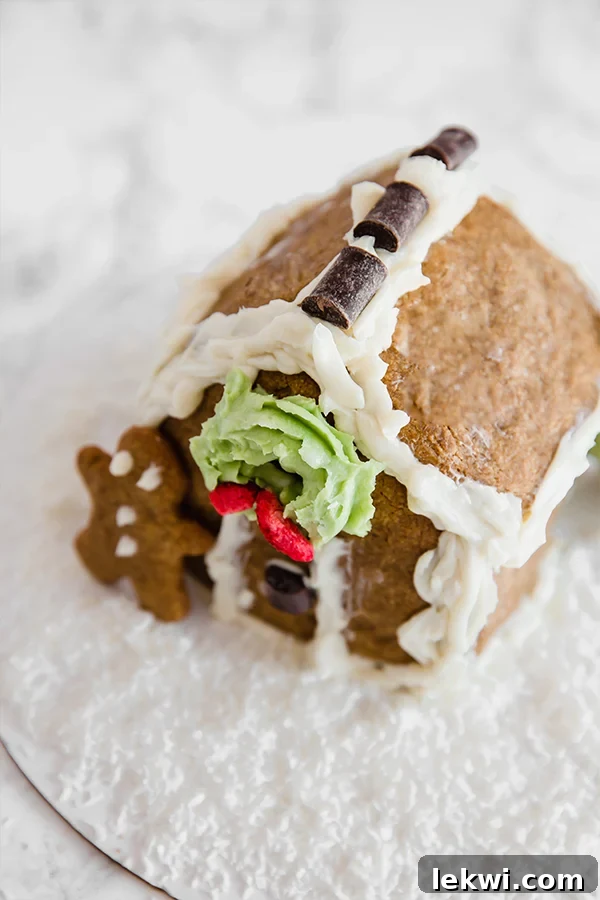
Once your gingerbread house is assembled and the icing has set, the real fun begins: decorating! This is where you can let your imagination run wild, using a variety of allergy-friendly ingredients to bring your festive vision to life.
-
Snow and Winter Scenes:
- Marshmallows: Small, plain marshmallows can be cut or torn to create fluffy snowdrifts around the base, on the roof, or to line pathways.
- Shredded Coconut: Fine, unsweetened shredded coconut makes for realistic falling snow or a soft, powdery blanket on the roof and ground.
- Powdered Maple Sugar: A light dusting mimics freshly fallen snow.
-
Roof Shingles and Architectural Details:
- Chocolate Chips: AIP-friendly chocolate chips (ensure they are carob-based or compliant) can be arranged as charming roof shingles, laid in rows for a realistic effect.
- Dried Fruit Slices: Thinly sliced dried apples or pears can also create rustic shingles.
-
Windows, Doors, and Garlands:
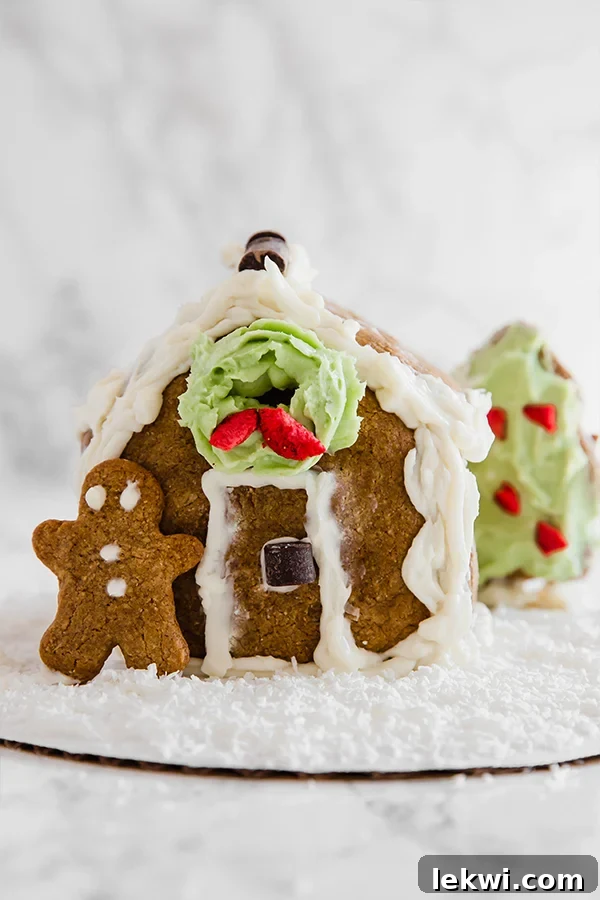
- Dried Fruit: Various dried fruits can be used creatively. Dried cranberries or cherries can form festive garlands or window boxes. Freeze-dried strawberries, like the ones used for the “bow” on a wreath, add a lovely pop of color and natural sweetness.
- Pomegranate Seeds: Fresh pomegranate seeds can be delicately placed along the roofline or around windows to resemble tiny, glistening Christmas lights. Their vibrant red hue is perfect for the holidays.
- Matcha Icing: Use green-tinted icing (with matcha powder) to pipe evergreen branches, wreaths, or decorative borders.
- Small AIP-compliant Candies: Look for natural, dye-free candies or sprinkles made with fruit and vegetable extracts for extra sparkle.
-
Landscaping and Garden Elements:
- Herbs: Small sprigs of fresh rosemary can stand in for miniature pine trees.
- Nut-Free Pretzels: If your diet allows, these can create fences or log piles.
Remember, the goal is to have fun and be creative. Don’t worry about perfection; the charm of a homemade gingerbread house lies in its unique, handcrafted appeal!
Looking for More Allergy-Friendly Holiday Treats?
If you enjoyed crafting this delightful gingerbread house, you might also love these other festive and allergy-friendly recipes:
- Christmas Cut-Out Sugar Cookies
- Paleo Gingerbread Donut Holes
Paleo Gingerbread House (AIP)
Leave a Review
Pin Recipe
Ingredients
For the gingerbread house
- ¾ cup tigernut flour
- ¾ cup tapioca starch
- 1 tbsp gelatin powder
- ¼ tsp baking soda
- 1 tsp ginger powder
- 1 tsp cinnamon
- ¼ cup maple syrup
- 2 tbsp blackstrap molasses
- ⅓ cup palm shortening
For the frosting
- ½ cup palm shortening
- 2 tbsp maple syrup
- ½ tsp matcha powder, optional, for green color
Instructions
- Preheat the oven to 350 F (175 C) and line a large baking sheet with lightly greased parchment paper.
- Using a large mixing bowl, sift the tigernut flour, tapioca starch, baking soda, gelatin, cinnamon, and ginger together.
- Stir in the maple syrup and blackstrap molasses and mix well. Cut in the palm shortening and stir until a cohesive cookie dough is formed.
- Lightly flour a clean surface with tapioca starch and add the dough. Flour a rolling pin and roll out the dough to about 1/4″ thickness. Use cookie cutters (like this) to cut even rectangles for walls and roofs, and two pentagons for the front and back of the house. Cut out other cookie shapes like gingerbread men, snowmen, and trees as desired with the leftover dough.
- Move all of the cookies to the baking sheet and evenly space. Bake in the preheated oven for 12 minutes or until cooked through and firm.
- Carefully transfer to a cooling rack and allow to fully cool before assembling the house.
- To assemble the house, pipe frosting (see recipe below) onto all of the edges of the house frame and place on a cake stand. Adhere the walls to each other, then place the roof on top. Transfer to the fridge and allow the icing to harden for 10-15 minutes before continuing to decorate with more icing and decorations of choice.
For the frosting
- Combine the palm shortening and maple syrup in a mixing bowl. Whisk with an electric hand mixer (or stand mixer) until light and fluffy.
- Add coloring of choice, such as matcha powder for green icing or pomegranate juice for red.
Notes
All nutritional information are estimations and will vary. Estimations do not include optional ingredients.
Nutrition Information (Estimated per full gingerbread house):
- Serving: 1 full gingerbread house
- Calories: 2812 kcal
- Carbohydrates: 207.5g
- Protein: 18.3g
- Fat: 196.8g
- Fiber: 4.6g
All nutrition facts are estimated and will vary.
Did you Make this Recipe? Tag @unboundwellness on Instagram and hashtag #unboundwellness!