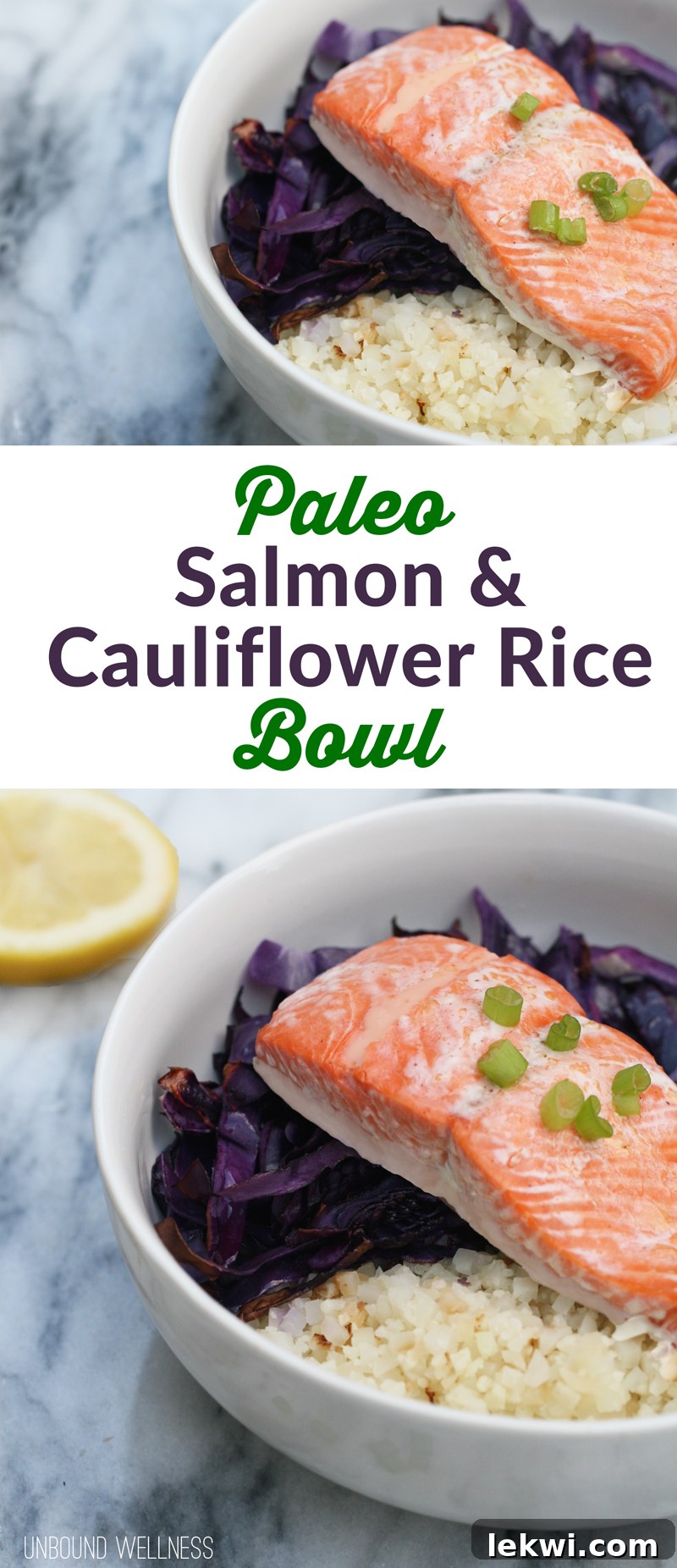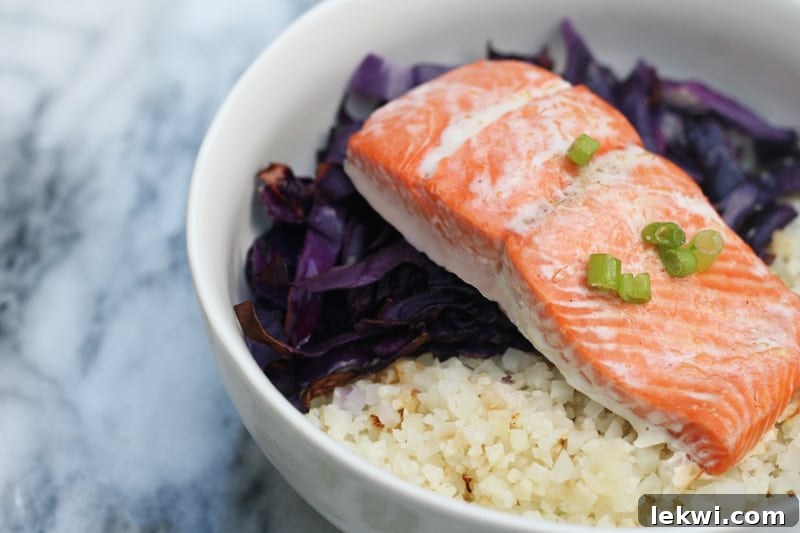
My husband and I embarked on a culinary journey that redefined our dining experience a while back: transitioning from plates to predominately bowls. This simple shift, though seemingly minor, has proven to be one of the most delightful decisions in our shared life, elevating everyday meals into moments of pure enjoyment. There’s an undeniable charm to eating from a bowl, perhaps echoing the comfort of childhood cereals or indulgent ice cream sundaes. It transforms a meal into a more intimate, comforting, and genuinely fun experience.
Living with a restricted healing diet often means foregoing the adventurous culinary experiences offered by restaurants. We miss the unique presentations, the daring flavor combinations, and the expertly composed dishes that make dining out so special. This is precisely why recreating such fulfilling experiences at home becomes crucial, not just for nourishment, but for maintaining that joy in eating.
While I generally advocate for sharing individual recipe components to encourage creative meal combinations, I also recognize the inherent magic of a well-composed dish. There’s something incredibly satisfying when flavors and textures blend seamlessly, eliminating any guesswork and delivering a perfectly balanced meal. This philosophy perfectly encapsulates my affection for this nourishing, nutrient-dense salmon bowl. It’s a combination I frequently enjoy, and I’m thrilled to share both its fundamental elements and the complete, harmonious dish itself.
The Irresistible Allure of Wholesome Bowl Meals
Bowl meals have surged in popularity, and for good reason. They are not merely a trend but a practical and enjoyable way to eat, offering unparalleled versatility and a cozy, comforting aesthetic. From vibrant Buddha bowls to savory grain bowls, they cater to a myriad of dietary preferences and culinary imaginations. The deep, rounded vessel naturally encourages a beautiful layering of ingredients, making each bite a delightful mix of flavors and textures. This format is especially beneficial for those on specific dietary protocols, like the Autoimmune Protocol (AIP) or Paleo diets, as it simplifies meal preparation and ensures a balance of nutrient-rich components.
Why Bowl Meals Reign Supreme for Health and Enjoyment
Beyond their visual appeal, bowl meals offer several advantages. They promote mindful eating, as the defined space of the bowl helps in portion control while still feeling substantial. They are incredibly versatile, allowing you to easily swap ingredients based on what’s in season, what you have on hand, or what your body needs. This adaptability is key for anyone navigating a healing diet, where variety and nutrient density are paramount. Furthermore, they are often quicker to assemble, making them ideal for busy weeknights when you crave a homemade, wholesome meal without extensive effort. This particular salmon bowl exemplifies all these benefits, bringing together nourishing ingredients in a convenient and deeply satisfying format.
Crafting Wholesome Meals: The Nutrient-Dense Salmon Bowl
Our journey to flavorful, healing meals culminates in this exquisite Salmon Bowl. It’s a testament to how simple, high-quality ingredients can come together to create a dish that is both deeply satisfying and incredibly beneficial for your health. Designed with a focus on nutrient density and adherence to a healing diet, this bowl is packed with essential vitamins, minerals, and healthy fats, all while being incredibly delicious and easy to prepare. Let’s delve into the key components that make this bowl a staple in our kitchen.
Essential Components of Our Healing Salmon Bowl
1. The Versatile Foundation: Cauliflower Rice
Cauliflower rice has become a culinary sensation, and its widespread popularity is no accident – it’s genuinely amazing! For those following a grain-free, Paleo, AIP, or low-carb diet, cauliflower rice serves as an outstanding substitute for traditional rice. It allows you to enjoy the familiar texture and bulk of a rice-based meal without the carbohydrates or grains, making it an excellent choice for managing blood sugar levels or simply reducing carb intake. While I personally enjoy white rice in moderation and am certainly not anti-carb, the sheer volume of white rice typically consumed in a bowl can be overwhelming for some, making cauliflower a perfect lighter alternative.
Benefits Beyond Low-Carb: The Power of Cauliflower
Beyond its low-carb appeal, cauliflower rice boasts a superior nutritional profile compared to white rice. Cauliflower itself is a cruciferous powerhouse, rich in sulfur-containing compounds which are vital for detoxification pathways in the body. It’s also an excellent source of Vitamin C, Vitamin K, folate, and various B vitamins, all contributing to overall health, immune function, and bone density. Incorporating more sulfur-rich vegetables like cauliflower into your diet can support liver function, aid in digestion, and provide powerful antioxidants that combat oxidative stress. It’s a vegetable that truly offers a wealth of health benefits in every serving.
Preparing Perfect Cauliflower Rice
Making cauliflower rice at home is surprisingly simple, requiring only a food processor or a high-speed blender like a Vitamix. You simply chop cauliflower florets and pulse them until they resemble rice-sized grains. However, for ultimate convenience, I often opt for the frozen organic cauliflower rice found at stores like Trader Joe’s. It’s incredibly easy to prepare – often just needing a quick sauté – and tastes fantastic, earning its affectionate nickname “cauli-crack” for its addictive quality and ease of use. Whether homemade or store-bought, ensure it’s cooked until tender-crisp, absorbing any flavors you add beautifully.
2. The Vibrant Addition: Purple Cabbage
Purple cabbage is another personal favorite, not only for its striking color but also for its impressive nutritional contributions and incredible affordability. Often available for less than a dollar a pound, it’s a budget-friendly way to significantly boost the nutritional content and visual appeal of your meals. It’s particularly rich in Vitamin K and folate, essential nutrients that play crucial roles in blood clotting, bone health, and cell function. Its vibrant purple hue is indicative of its high anthocyanin content, powerful antioxidants also found in berries, which offer anti-inflammatory benefits and may support brain health.
Nutritional Profile of Purple Cabbage
Beyond its key vitamins, purple cabbage is an excellent source of dietary fiber, which is crucial for digestive health, promoting regularity, and feeding beneficial gut bacteria. A healthy gut microbiome is fundamental to overall wellness, immune function, and even mood regulation. The antioxidants in purple cabbage contribute to reducing inflammation throughout the body, making it a fantastic ingredient for those on a healing diet. Its crisp texture and slightly peppery flavor also add an exciting dimension to any dish, whether cooked or raw.
Incorporating Cabbage into Your Diet
Purple cabbage is incredibly versatile. It can be finely shredded and added raw to salads or slaw for a refreshing crunch, or lightly sautéed or roasted to soften its texture and sweeten its flavor. For this salmon bowl, a simple oven-roasted preparation works wonderfully, bringing out its natural sweetness and creating a tender yet firm bite that complements the other ingredients. Its robust nature also means it holds up well in meal prep, maintaining its texture and nutrients when prepared in advance, further simplifying your weekly cooking routine.
3. The Flavor Enhancer: Coconut Aminos
Coconut aminos hold a special place in my pantry. Before I became more meticulous about my grocery budget, I would easily go through a bottle a week – that’s how delicious it is! It’s a fantastic, soy-free alternative to traditional soy sauce, making it a perfect condiment for those avoiding soy, gluten, or on Paleo or AIP diets. While it’s not the cheapest ingredient, its potent flavor means a little goes a long way. I recommend using just a teaspoon or two at a time to impart a rich, savory depth to dishes like this salmon bowl.
Why Choose Coconut Aminos?
Coconut aminos are made from the sap of coconut blossoms, which is fermented and blended with sea salt. The result is a dark, savory liquid that offers a subtle sweetness and umami flavor, similar to soy sauce but with a milder, less salty profile. It’s naturally gluten-free and soy-free, making it a healthier choice for many. Furthermore, it contains a variety of amino acids, which are the building blocks of protein, adding a small nutritional boost to your meals. It truly transforms simple ingredients with its complex flavor.
Smart Usage and Alternatives
Given its cost and the fact that coconut can be high in FODMAPs, potentially irritating to some sensitive guts (including my own at certain points in my healing journey), it can easily be adjusted or omitted from this dish. If you find coconut aminos don’t agree with you, you can still achieve a delicious savory flavor by using a combination of sea salt, a squeeze of fresh lemon or lime juice, and perhaps a pinch of garlic powder (if tolerated). For those who tolerate it, coconut aminos act as a fantastic, clean flavor base for dressings, marinades, and stir-fries, making it an invaluable condiment for health-conscious cooks.
The Star Protein: Wild-Caught Salmon
Salmon is undeniably one of the most versatile and beloved proteins, capable of being prepared in countless ways and seasoned to perfectly complement a vast array of dishes. It’s celebrated not only for its rich flavor and flaky texture but also for its profound health benefits. When selecting salmon, it is paramount to prioritize wild-caught varieties, ideally sourced from sustainable fisheries. This choice isn’t just about environmental responsibility; it’s about maximizing the nutritional quality of your meal.
The Unrivaled Health Benefits of Wild-Caught Salmon
Wild-caught salmon is an exceptional source of Omega-3 fatty acids, specifically EPA and DHA. These essential fats are critical for supporting our body’s natural inflammatory and anti-inflammatory pathways. Unlike farmed salmon, which often has a less favorable Omega-6 to Omega-3 ratio due to their feed, wild salmon consume a natural diet rich in algae and smaller fish, leading to a superior fatty acid profile. Omega-3s are renowned for their powerful anti-inflammatory properties, playing a vital role in reducing the risk of chronic diseases, supporting cardiovascular health, and enhancing cognitive function. They are also crucial for brain health, eye health, and maintaining healthy skin. Our body’s ability to manage inflammation is heavily dependent on the quality of the food we consume, making wild-caught salmon an invaluable component of a truly healing and health-promoting diet.
Beyond Omega-3s, salmon is also rich in high-quality protein, which is essential for muscle repair, growth, and satiety. It provides significant amounts of Vitamin D, crucial for bone health and immune function, as well as B vitamins, vital for energy production and neurological health. Additionally, it contains potent antioxidants like astaxanthin, which gives salmon its distinctive pink color and offers further anti-inflammatory and oxidative stress-fighting benefits. I personally aim to incorporate roughly 14-16 ounces of fatty fish, such as salmon or even sardines, into my weekly diet whenever my budget permits. Every bite is savored, and this salmon bowl is no exception, allowing the natural richness of the fish to shine.
Sourcing Sustainable Salmon
Choosing sustainable seafood is a responsible practice that supports healthy ocean ecosystems and ensures future fish populations. Organizations like the Monterey Bay Aquarium Seafood Watch provide excellent guides to help consumers make informed choices regarding sustainable wild-caught salmon. Look for certifications that indicate responsible fishing practices. Opting for wild-caught varieties from regions known for sustainable management not only ensures you’re getting a higher quality, more nutrient-dense product but also contributes to the health of our planet. This mindful approach to sourcing is an integral part of creating truly nourishing meals.
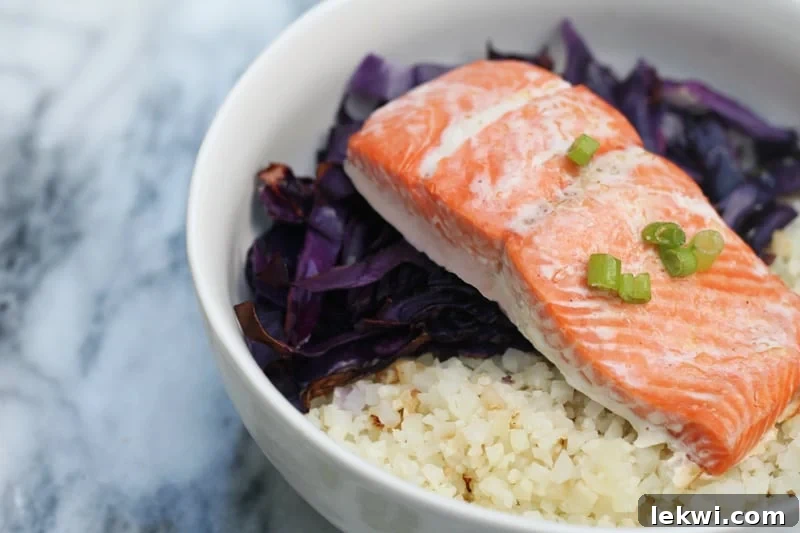
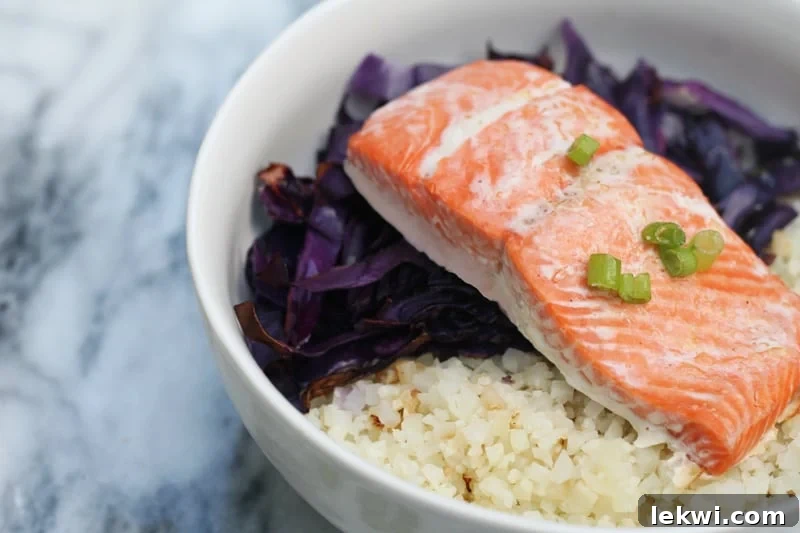
Paleo Cauliflower Rice & Salmon Bowl (AIP-Friendly)
Pin Recipe
Ingredients
- 1 salmon filet
- 1/2 cup cauliflower rice
- 1/3 serving oven roasted cabbage
- 1 tbsp coconut oil
- 2 tsp coconut aminos
- 1 tsp sea salt
- Juice of 1/4 lemon
- 1/2 sprig green onion, chopped
Instructions
For the salmon:
- Preheat the oven to 375 F.
- Add the salmon filet to a baking sheet and top with juice of lemon, 1 tsp coconut aminos, salt and 2 tsp coconut oil.
- Bake in the oven for 12-14 minutes or until the salmon easily flakes.
For the cauliflower rice:
- Melt 2 tsp of coconut oil in a pan on medium heat.
- Add the cauliflower rice and season with coconut aminos, sea salt and lemon, cooking until soft.
Build the bowl:
- Add the cabbage, and cauliflower rice to a bowl as the base and top with salmon. Add green onions for garnish and more coconut aminos if desired.
This Paleo Cauliflower Rice & Salmon Bowl is more than just a meal; it’s a celebration of vibrant, healing ingredients that come together in perfect harmony. Whether you’re navigating specific dietary restrictions or simply seeking to incorporate more nutrient-dense, delicious meals into your routine, this bowl offers a fantastic solution. Its blend of flaky salmon, tender cauliflower rice, and crisp purple cabbage, all enhanced with savory coconut aminos, creates a satisfying and deeply nourishing experience. We encourage you to try this recipe and discover the joy and health benefits of wholesome home cooking. It’s a simple, yet profound way to nourish your body and delight your senses, proving that healthy eating can be both easy and incredibly delicious.