This post contains affiliate links. Learn what that means, here.
Mastering AIP Travel: Your Ultimate Guide to Stress-Free Journeys on the Autoimmune Protocol
Embarking on a journey, whether a quick weekend getaway or an extended international adventure, can be an exciting prospect filled with anticipation. However, for those diligently managing autoimmune conditions through the Autoimmune Protocol (AIP), the thought of traveling—especially by air and for extended stays—often conjures images of stress, dietary struggles, and overwhelming challenges. While it may seem daunting to navigate new environments while strictly adhering to your AIP lifestyle, I’m here to assure you that seamless, enjoyable, and truly restorative AIP travel is not only possible but entirely achievable.
My own extensive experiences, from a romantic honeymoon in Italy to a magical family trip to Disney World, have been filled with successful AIP meal planning, clever packing strategies, and the delightful discovery that travel doesn’t have to mean compromising your health. I’ve learned invaluable lessons along the way, transforming what could be a source of anxiety into an empowering opportunity to maintain well-being and truly savor every moment away from home. The fundamental key lies in strategic preparation, cultivating a positive mindset, and equipping yourself with the right tools and knowledge to navigate any situation.
Managing a chronic health condition like Hashimoto’s with a specific dietary protocol is a profound and continuous commitment, but one that yields immeasurable rewards. I vividly recall a trip to Disney World about five years ago, attempting to manage my symptoms with a “gluten-free only” approach. While Disney’s accommodations for gluten sensitivities were commendable, the limited scope of my dietary strategy proved insufficient. A seemingly innocent gluten-free pasta dish with tomato sauce and cheese left me feeling utterly miserable and unwell for the remainder of the day. No one deserves to feel that way, especially when the goal of traveling or vacationing is relaxation and enjoyment. Our bodies deserve nourishment that supports vibrant well-being, allowing us to fully immerse ourselves in the travel experience rather than being sidelined by discomfort or symptom flare-ups.
This comprehensive guide is meticulously designed to empower you with a wealth of practical tips on food preparation, smart packing solutions, and cultivating a resilient mindset. By integrating these strategies, you can ensure your AIP journey is as restorative, vibrant, and joyful as your chosen destination itself. Let’s transform your travel aspirations into healthy, stress-free realities.

Essential AIP Travel Strategies: From Pre-Trip Planning to On-the-Go Plates
1. Master the Art of Meal Prepping: Your Safest Bet for AIP-Compliant Eating on the Go
When it comes to maintaining the Autoimmune Protocol while traveling, bringing your own meticulously prepared food is undeniably your strongest defense against potential triggers and dietary setbacks. While the allure of dining out at your destination can be strong, restaurant meals, even those promising “healthy” or “allergen-friendly” options, frequently pose significant risks for AIP followers. Common culprits include the pervasive use of inflammatory cooking oils (like seed oils), hidden inflammatory ingredients in sauces and marinades, and the ever-present challenge of cross-contamination in busy kitchens. These factors can swiftly derail your progress and diminish your travel enjoyment. Investing a little extra time and effort in comprehensive meal preparation before your trip is a proactive step that pays immense dividends in comfort, sustained energy, and ultimate peace of mind.
Effective AIP travel meal prep involves more than just cooking; it’s about strategic planning, efficient batch cooking, and smart portioning and packing. Begin by meticulously mapping out your meals for each day of your travel, taking into account main meals, snacks, and potential emergency provisions. Consider the duration of your trip and the availability of refrigeration or cooking facilities at your destination. Batch cook staples like roasted vegetables, cooked proteins (chicken, beef, fish), and hearty stews or soups. Portion everything into individual, ready-to-eat servings to make on-the-go eating effortless and mess-free. This level of control ensures that every bite you take supports your healing journey and prevents unexpected reactions.
What AIP Travel Foods Should You Pack? Strategic Choices for Nourishment
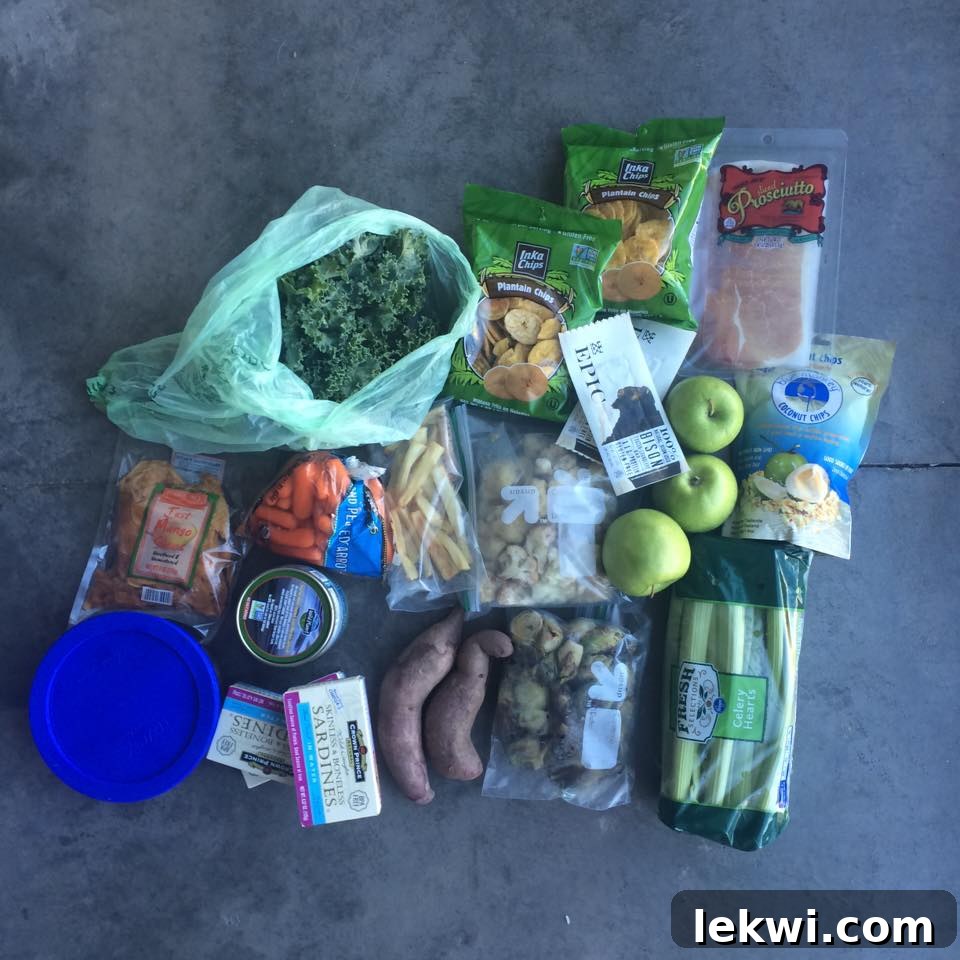
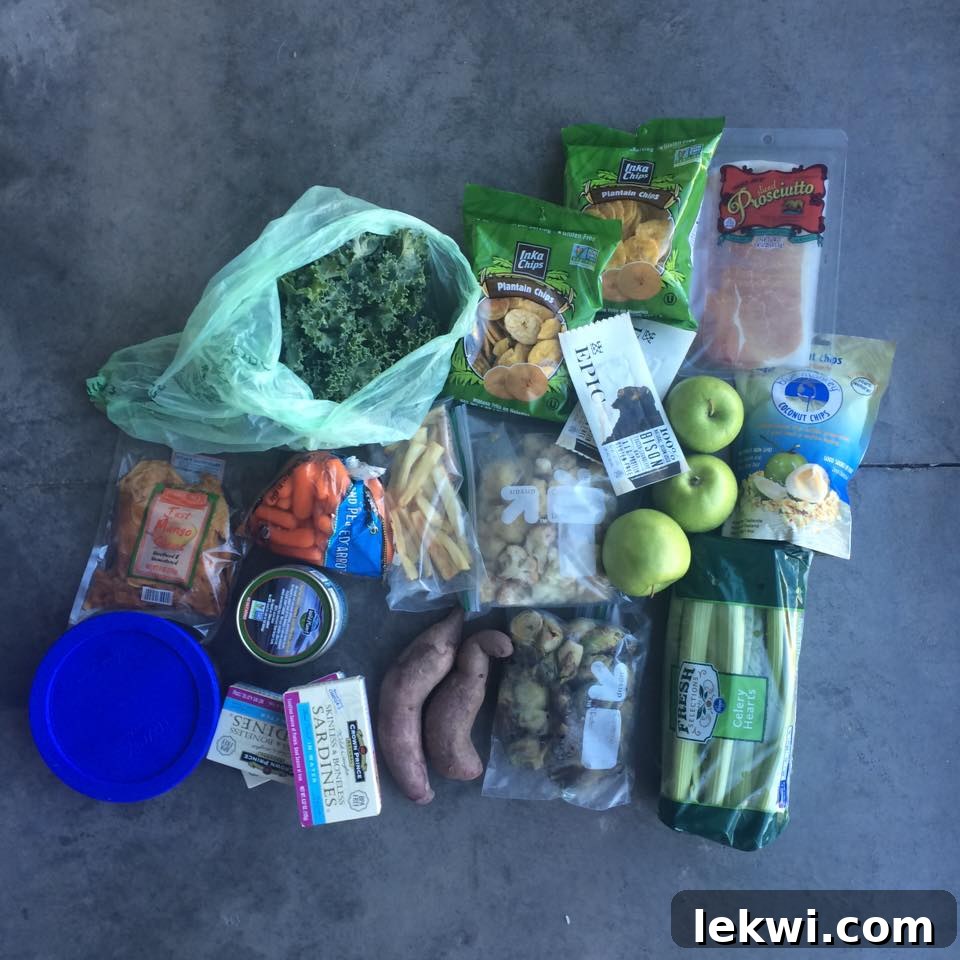
Focus on nutrient-dense, easy-to-transport options that hold up well at varying temperatures and are satisfying. Prioritize whole, fresh ingredients over overly processed convenience items, even those marketed as “AIP-compliant,” to minimize exposure to potential irritants. Incorporating a variety of foods will also help keep your meals interesting and ensure a broad spectrum of essential nutrients.
Prioritize Veggies and Fresh Fruit Over Dried Fruit:
While dried fruit can be a compact snack, its concentrated sugar content can sometimes be problematic for sensitive systems. Opt for a greater proportion of fresh, non-starchy vegetables and whole fruits, which provide vital fiber, vitamins, and minerals without the sharp sugar spike. Pre-chop these at home for ultimate convenience and easy snacking.
- Carrots: Crunchy, naturally sweet, and packed with beta-carotene. Excellent eaten raw.
- Celery Sticks: Hydrating and refreshing, perfect for dipping in compliant spreads like guacamole.
- Kale Chips: Homemade kale chips offer a satisfying crunch and a dense nutritional boost.
- Roasted Brussels Sprouts: Surprisingly delicious cold or at room temperature, offering complex flavors.
- Roasted Cauliflower Florets: Highly versatile and can be simply seasoned with sea salt and herbs.
- Cabbage Wedges or Shredded Slaw: Offers a refreshing crunch; can be prepped as a simple, vinegary slaw.
- Parsnip Fries: A flavorful and satisfying alternative to potato fries, great as a savory snack or side.
- Cucumber Slices: Exceptionally hydrating and mild, pairs well with almost any meal or dip.
- Berries (strawberries, blueberries, raspberries): Excellent source of antioxidants and fiber, easy to snack on.
- Apple Slices: A classic, easy-to-eat fruit. A squeeze of lemon juice can prevent browning.
Protein-Packed Options for Sustained Energy and Satiety:
Protein is absolutely crucial for maintaining satiety, stable blood sugar, and muscle mass, making these items indispensable for successful AIP travel.
- Bison Epic Bars: Carefully check labels for AIP-compliant versions, ensuring no problematic ingredients like nightshade spices or sugar. They offer a quick, convenient protein boost.
- Sardines (in olive oil or water): A powerhouse of omega-3 fatty acids, portable, and surprisingly delicious straight from the tin.
- Wild Planet Tuna (in olive oil or water): A reliable, high-quality source of protein, easy to mix with mashed avocado or enjoy plain.
- Homemade Jerky: Prepare your own with compliant spices and lean cuts of meat. This ensures control over all ingredients; avoid most store-bought versions that often contain sugar, soy, or nightshades.
- Frozen Cooked Meatballs or Slices of Chicken/Turkey: Cook ahead of time and freeze in individual portions. They serve a dual purpose as their own ice pack and are ready to eat once thawed.
- Frozen Bone Broth: A nutrient-dense superfood. Freeze it in a sealed, travel-safe container; it will thaw into a nourishing and comforting drink.
- AIP Beef Stew: Freeze in individual portions. A hearty, comforting, and complete meal that travels exceptionally well.
- Cooked Salmon Fillets: Prepare and pack, they are delicious cold and provide essential healthy fats.
Mindful Convenience Snacks (Minimally Processed for AIP):
While the primary focus should always be on whole, unprocessed foods, a few carefully chosen, minimally processed snacks can be helpful for variety, quick energy boosts, or unexpected delays during your AIP travels.
- Plantain Chips: Ensure they are cooked in compliant oils (e.g., coconut oil, avocado oil) and have absolutely no added sugars, grains, or nightshade spices.
- Jackson’s Honest Sweet Potato Chips: Again, meticulously check ingredients for compliant oils and seasonings.
- Coconut Chips: Plain, unsweetened coconut chips are a fantastic source of healthy fats and a satisfying crunch.
- Sauerkraut or Kimchi (small, securely sealed portions): Excellent for gut health, but ensure packaging is robust to prevent leaks and contain odors, especially in confined spaces like airplanes.
- Olives: A savory, healthy fat snack that travels remarkably well and requires no refrigeration for short periods.
- Avocado: Bring a whole avocado and a small, compliant plastic knife (check airline regulations) to slice and add to meals or enjoy plain for healthy fats.
2. The Power of Frozen: Ice Packs and Insulated Cooler Bags for Food Safety
Successfully transporting your carefully prepared AIP meals, especially those requiring refrigeration, hinges on keeping them at a safe and consistent temperature. This is where high-quality ice packs and an insulated cooler bag become your absolute best friends and essential travel companions. A common concern for travelers is navigating airport security (TSA in the US, or equivalent agencies internationally) with food and chilling elements. Let me unequivocally reassure you: I have consistently traveled through TSA checkpoints with ice packs and frozen food items without any issues, provided they are *completely frozen solid* at the time of screening.
I repeat: you can bring food and ice packs on an airplane as long as they are totally frozen. This critical distinction is paramount. If your ice packs or any frozen food items have started to melt and have any visible liquid, TSA might classify them as a liquid and apply stricter restrictions (the 3-1-1 rule for liquids). This vital rule means you can confidently freeze nutrient-dense bone broth, hearty stews, cooked meatballs, or even breakfast sausage patties, using them as natural, edible refrigerants for your other perishable items. Be prepared for TSA agents to take a closer look or perform additional screening on your cooler bag; this is a standard procedure for unusual items and typically results in no significant delays once they verify the frozen state.
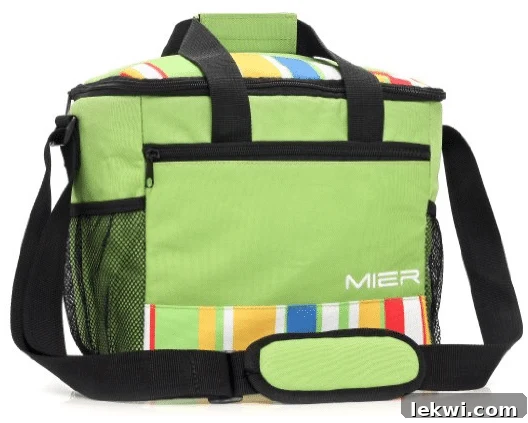
Investing in a durable, well-insulated cooler bag or a compact mini-freezer is crucial for maintaining food safety and freshness over extended travel periods. Look for bags designed with superior insulation properties, robust zippers, and a comfortable carrying strap. My personal choice was this particular model, which proved to be incredibly durable, easy to carry through bustling airports, and effectively kept my food chilled for many hours, even on long travel days. A good cooler bag isn’t just a container; it’s an essential component of your AIP travel strategy, safeguarding your health, extending the life of your food, and eliminating food-related stress.
3. Choose Your Containers Wisely: Appropriate Tupperware for AIP Travel
The right choice of food containers can make a significant difference in the ease and safety of your AIP travel experience. While I absolutely adore my glass tupperware for daily home use due to its non-reactive nature, ease of cleaning, and transparency, I tend to limit its use for travel. Glass containers are not only considerably heavier, adding unnecessary weight to your luggage allowance, but they are also more prone to breaking. I’ve had my share of heartbreak from shattered glass water bottles and containers, often telling myself, “This is why we can’t have nice things!” This repeated experience has prompted me to actively seek more travel-friendly and resilient alternatives for my meticulously prepared AIP meals. For certain deeply frozen items, glass might still be appropriate if exceptionally well-cushioned and packed, but for general travel, other alternatives shine.
Plastic containers, while generally not ideal for long-term food storage due to the potential for chemical leaching, can be a practical and lightweight compromise for short-term travel needs. For some items, particularly dry snacks or small portions of pre-chopped vegetables, high-quality, BPA-free plastic baggies or small containers can offer a lightweight and flexible solution. However, a far superior and more sustainable option for AIP travel is undoubtedly stainless steel.
I am a huge advocate for the Ecolunch box, which I was absolutely thrilled to receive as a wedding registry gift! I had coveted one of these for so long, and it has absolutely lived up to its reputation. Unlike glass, you can’t pop it in the oven, but its lightweight, durable, non-reactive, and compartmentalized properties make it utterly perfect for travel. It’s an environmentally friendly choice that stands up exceptionally well to the rigors of transit without the constant worry of breaking or leaching chemicals.
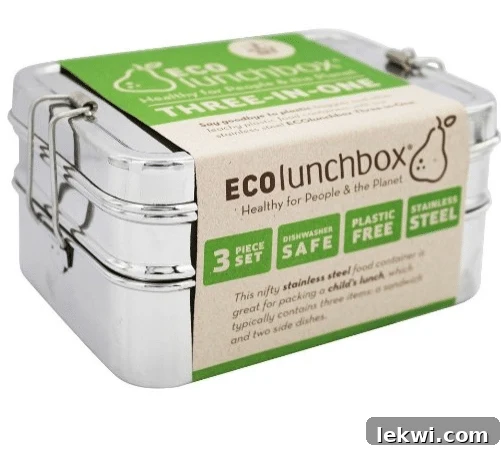
I’ve personally used my Ecolunch box extensively on various journeys, from serving as a convenient, ready-to-use plate at a conference in California to holding my full, home-cooked dinners during my international flight to Italy for my honeymoon. Packing it ahead of time with my meticulously prepared AIP meals made airplane dining a true pleasure and a stark contrast to typical airplane fare. I couldn’t help but notice the envious glances from fellow passengers as I enjoyed a wholesome, nourishing, and delicious meal instead of processed, questionable options.
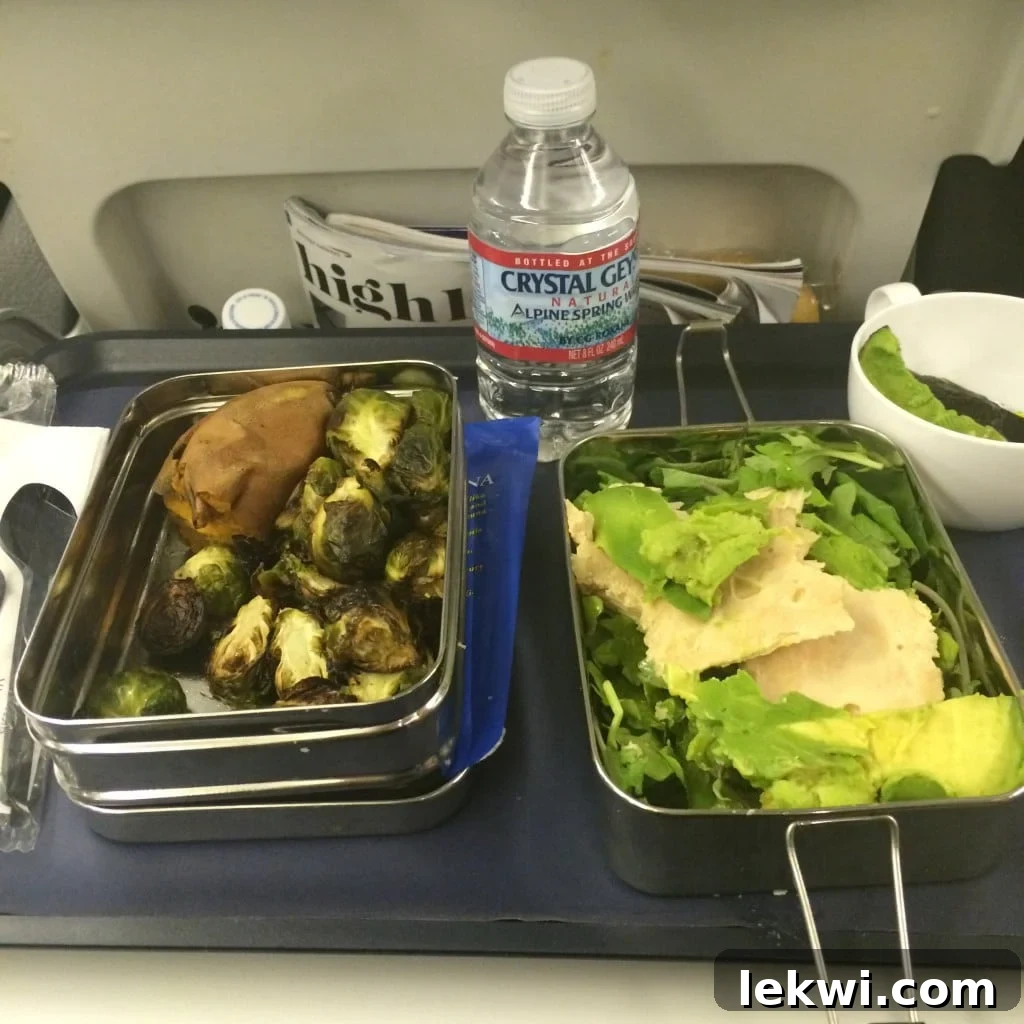
One particular meal that stood out during my travels consisted of perfectly roasted brussels sprouts, flaked tuna, comforting sweet potato, and nutrient-dense kale. It was a simple yet profoundly satisfying combination that provided all the sustained energy and nourishment I needed for a long flight, proving that healthy eating doesn’t have to be complicated while traveling.
Beyond the main food containers, consider bringing your own lightweight, reusable utensils (bamboo or a compact metal set), a small cloth napkin, and perhaps a tiny, spill-proof bottle of compliant dressing or sauce to elevate your meals. A small, sealed bag for waste can also be incredibly useful in situations where trash disposal isn’t immediately available.
4. Optimize Your Accommodation: The Unbeatable Advantage of a Kitchen
When planning your travel accommodation, making a strategic choice can dramatically simplify and enhance your AIP journey. Whenever feasible, booking an Airbnb, a VRBO, or a similar vacation rental with a full, functional kitchen is an absolute game-changer. Having unhindered access to a stove, oven, microwave, and a full-sized refrigerator allows you to cook fresh meals, safely store your prepped foods, and significantly reduce your reliance on external dining options, which often come with dietary risks. This not only keeps you compliant with your AIP diet but can also substantially reduce your overall travel expenses, making your trip more economical.
With a well-equipped kitchen at your disposal, you can easily supplement your packed meals by purchasing fresh, local ingredients. I often find myself heading to a local Whole Foods, a vibrant farmers’ market, or even a well-stocked regular grocery store to pick up extra fresh vegetables, fruits, and quality meats to cook. This flexibility allows for a delightful blend of home-prepared and freshly cooked meals, adding variety, freshness, and culinary exploration to your diet without compromising your protocol.
Beyond traditional Airbnb listings, consider other accommodation types that specifically cater to kitchen facilities, such as extended-stay hotels, suite hotels, or even boutique apartment hotels. Always thoroughly review the property descriptions and scrutinize photos to ensure the kitchen is genuinely fully equipped for your cooking needs, rather than just a minimal kitchenette. A larger refrigerator than typically found in standard hotel rooms is a huge bonus for storing a week’s worth of AIP provisions. Do your research diligently; you might be pleasantly surprised to find that many well-equipped Airbnb properties or similar rentals are often more affordable than comparable hotels, providing both superior comfort and significant cost savings for your AIP-focused trip.
5. Cultivate a Mindset of Gratitude: Embracing Your AIP Journey with Joy
Following the Autoimmune Protocol—meticulously avoiding nightshades, grains, legumes, dairy, soy, and refined sugars—has profoundly transformed not only my physical health but, consequently, my entire approach to travel and life. It would be all too easy to dwell on what I “can’t” have: lamenting the absence of sugary M&Ms on a flight or feeling deprived by missing out on certain restaurant experiences at my destination. However, choosing this perspective does a profound disservice to the incredible benefits I’ve gained. Instead, I embrace a deep, genuine sense of thankfulness that I can now fully enjoy my trip, free from the debilitating symptoms and constant discomfort that once plagued me. The quality of our lives is intricately linked to the nourishment we provide our bodies, mind, and spirit. I genuinely love the food I eat, and I am profoundly grateful to have it as a powerful tool for healing and sustained well-being.
Gratitude is, arguably, one of the most powerful, yet often overlooked, ingredients in any healing protocol. It’s incredibly easy to fall into cycles of stress, anger, and frustration when faced with dietary restrictions, health challenges, or unexpected travel hiccups. However, when we consciously choose to acknowledge these negative emotions and instead pivot towards thankfulness, we do an immense favor to our bodies, our minds, and our daily existence. This profound shift in perspective transforms perceived limitations into opportunities for growth, resilience, and a deeper appreciation for the journey.
Beyond food, maintaining your overall well-being on an AIP journey encompasses other crucial elements. Prioritize adequate, restorative sleep, as travel can inevitably disrupt routines and place demands on your body. Practice stress-reduction techniques diligently, whether through mindfulness exercises, deep breathing, journaling, or simply taking moments to appreciate the beauty of your surroundings. Incorporate gentle movement, such as walking, stretching, or light yoga, to counteract long periods of sitting during transit. Remember that self-compassion is paramount; while preparedness is key, perfection is rarely achievable, and that’s absolutely okay. If an unexpected situation arises and you’re unable to adhere perfectly, do your best, learn from the experience, and gently guide yourself back to your protocol without judgment or self-blame. The goal is progress, not perfection.
By integrating thoughtful, strategic preparation with a joyful and grateful heart, you can truly experience happy, healthy, and profoundly restorative travels. May your journeys be filled with vitality, unforgettable moments, and vibrant well-being.
Happy travels, friends! <3