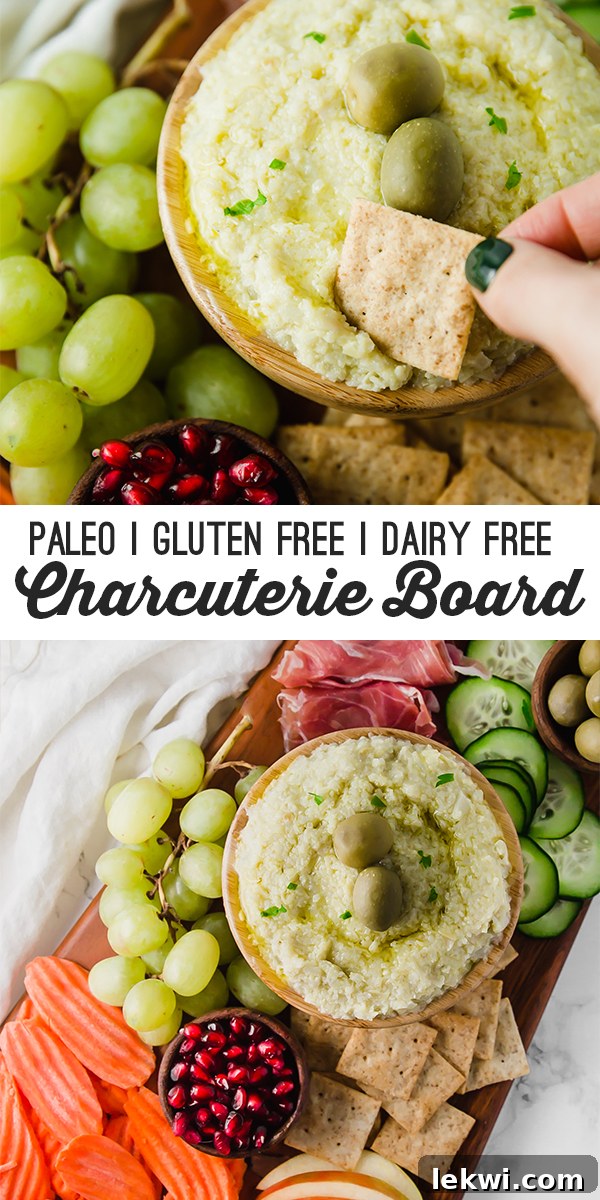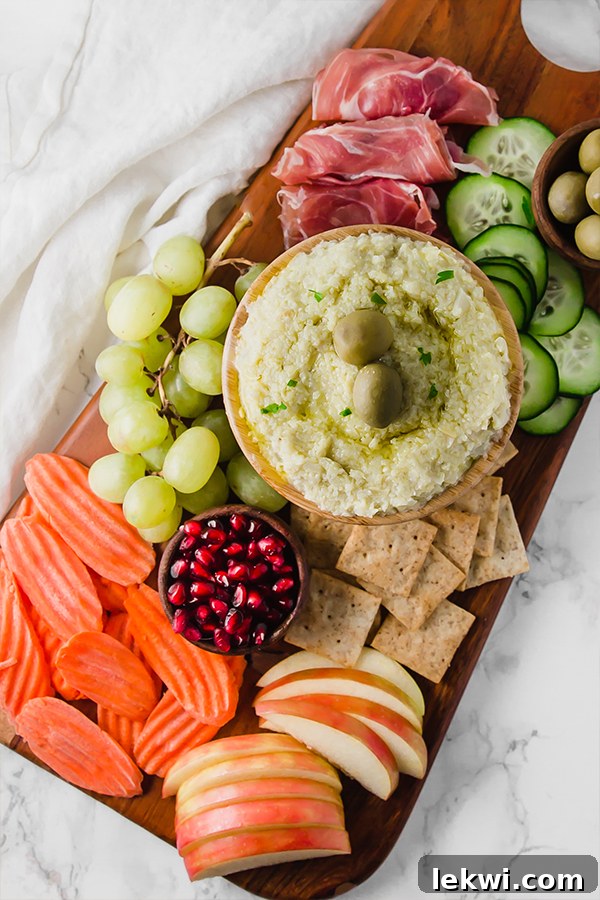
Charcuterie boards are a universally loved centerpiece, offering a delightful array of flavors and textures for any occasion. However, traditional boards often feature cheeses, wheat crackers, and other ingredients that can be problematic for those with dietary sensitivities or specific health goals. This guide is dedicated to crafting a spectacular **Paleo Charcuterie Board** that is not only dairy-free and gluten-free but also fully compliant with Whole30 and AIP (Autoimmune Protocol) guidelines. Get ready to impress your guests with a healthy, vibrant, and utterly delicious spread!
Why Choose a Paleo, Dairy-Free, and Gluten-Free Charcuterie Board?
In our household, charcuterie boards are more than just a snack; they’re a tradition, especially during the holidays. My husband, a self-proclaimed “snacky food” enthusiast, would happily make a charcuterie board his main meal every day if he could! These boards are incredibly versatile and perfect for everything from festive holiday gatherings to casual entertaining or simply a fun, fancy appetizer.
The beauty of a charcuterie board lies in its customizability. Everyone can find something they love, and it’s surprisingly easy to assemble, even on a tight schedule. But for many, the typical cheese-laden, cracker-heavy options are simply not viable. With a growing number of people embracing diets like Paleo, Whole30, or AIP – or simply seeking to avoid common allergens like dairy and gluten – creating an inclusive board is key. This is precisely why we developed this recipe: to bring the joy of charcuterie to everyone, regardless of their dietary needs, using only real, wholesome ingredients.
The Paleo lifestyle emphasizes whole, unprocessed foods, focusing on lean proteins, fruits, vegetables, nuts, and seeds while excluding grains, legumes, and dairy. Whole30 is a 30-day nutritional reset that follows similar principles, aiming to reset eating habits and identify food sensitivities. The Autoimmune Protocol (AIP) is an even stricter elimination diet designed to reduce inflammation and manage autoimmune conditions, further restricting ingredients like nuts, seeds, nightshades, and eggs during its initial phase. This charcuterie board thoughtfully considers all these dietary frameworks, ensuring a delightful experience for a broad range of eaters.
Crafting Your Health-Conscious Charcuterie Masterpiece
Building a stunning and delicious charcuterie board that adheres to Paleo, Whole30, and AIP principles requires a thoughtful selection of ingredients. The key is to focus on fresh, colorful produce, compliant proteins, and flavorful dips that satisfy without compromising dietary needs. Here’s a detailed look at the components that make this board truly special:
The Star Dip: Paleo Cauliflower Artichoke Hummus
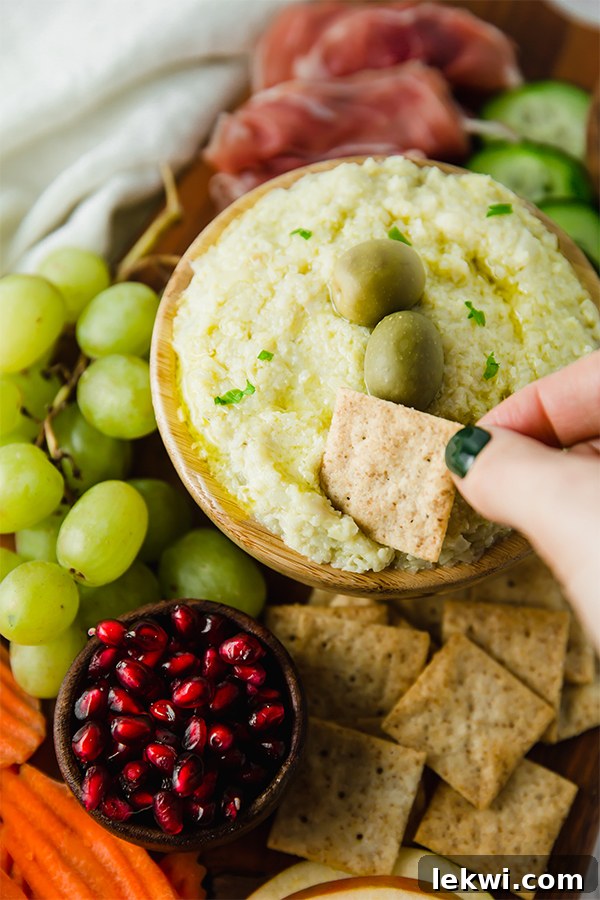
Traditional hummus, while delicious, is made from chickpeas, which are legumes and thus not compliant with Paleo, Whole30, or AIP diets. Our solution is a creamy, flavorful “hummus” crafted from tender cauliflower and tangy artichoke hearts. This ingenious blend provides the smooth texture and savory notes you crave, without the legumes. Combined with quality olive oil, aromatic garlic, and a hint of sea salt, it creates a dip that’s rich in flavor and packed with vegetables. If you tolerate legumes, feel free to swap in your favorite regular hummus, but this paleo version is so good, you might not want to!
Savory Selections: Compliant Meats
For the meat component, prosciutto is an excellent choice. This delicate, thinly sliced cured ham is typically made with minimal ingredients – often just pork and salt – making it a generally Paleo and AIP-friendly option. Always double-check ingredient labels to ensure no added sugars, nitrites, or other non-compliant preservatives. Other great compliant meat options include high-quality, sugar-free jerky, thinly sliced grilled chicken or turkey, or even homemade AIP-friendly meatballs if you’re feeling ambitious. The goal is to provide a satisfying protein element that complements the fresh produce.
Crunchy Companions: Grain-Free Dippers
Crackers are a charcuterie board essential, but traditional varieties are off-limits for gluten-free and grain-free diets. For this board, we recommend Simple Mills crackers, which are made with wholesome, real food ingredients like almond flour and flax seeds, and are widely available. If you’re following an AIP protocol or need a nut-free option, crispy plantain chips are a fantastic alternative. For strict Whole30 compliance, simply omit crackers entirely and rely on an abundance of fresh vegetable sticks, such as cucumber slices, bell pepper strips, or endive leaves, for dipping.
Freshness & Color: Fruits and Vegetables Galore
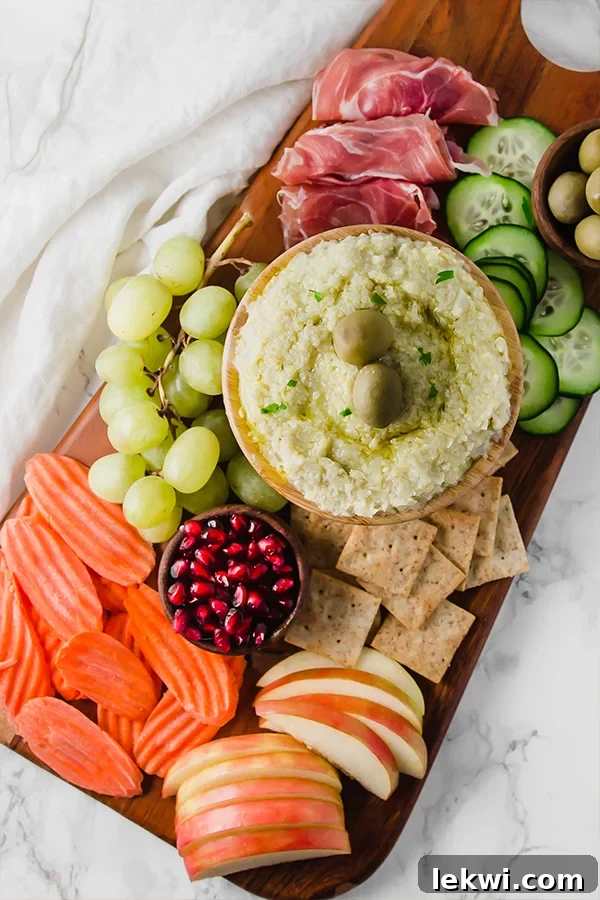
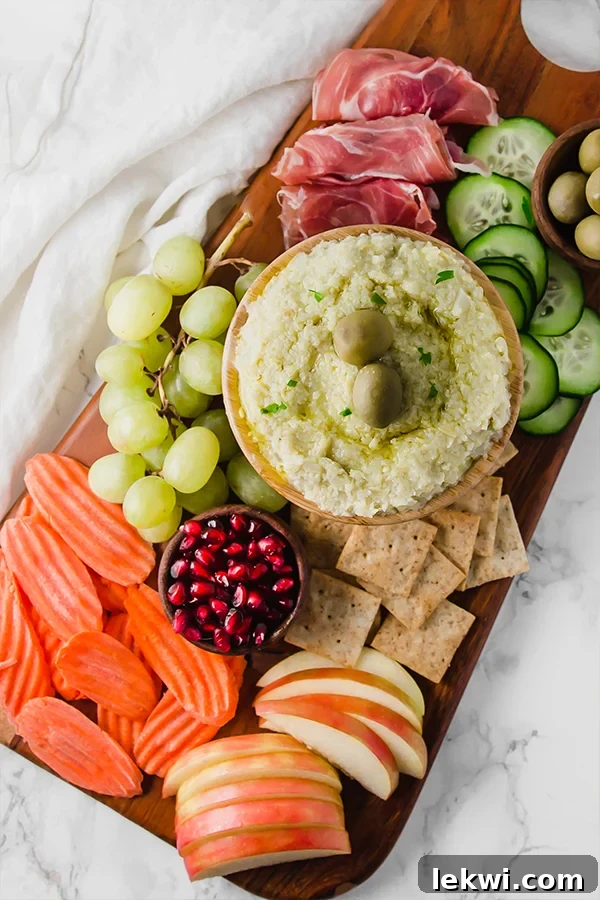
The beauty of a charcuterie board often comes from its vibrant produce. For a winter-themed board, apples, crisp cucumbers, sweet carrots, jewel-like pomegranate seeds, and juicy grapes add both visual appeal and a refreshing contrast to the richer flavors. Olives provide a briny counterpoint and healthy fats. Beyond these, consider pears, various berries, or even mild bell pepper strips. For those who tolerate them, a small dish of roasted sweet potato cubes or parsnip fries can add a warm, comforting element. Always prioritize seasonal fruits and vegetables for the best flavor and nutritional value.
Additional Flavor Boosters & Delights
To further enhance your Paleo charcuterie board, consider incorporating additional compliant elements:
- Pickles and Fermented Foods: Look for sugar-free pickles, sauerkraut, or kimchi to add a tangy, gut-healthy component.
- Avocado Slices or Guacamole: A creamy, healthy fat that pairs wonderfully with everything on the board.
- Compliant Dips and Spreads: Beyond the cauliflower artichoke hummus, consider a homemade pesto (without cheese), a compliant dairy-free ranch, or even a simple olive tapenade.
- Roasted Vegetables: Marinated and roasted bell peppers, zucchini, or asparagus can add depth and a different texture.
- Dried Fruits (for non-AIP/reintroduction): For those not strictly adhering to AIP, small amounts of dried apricots (sulfur-free) or figs can offer a sweet bite.
- Fresh Herbs: A scattering of fresh rosemary, thyme, or parsley not only adds visual appeal but also a fresh, aromatic fragrance.
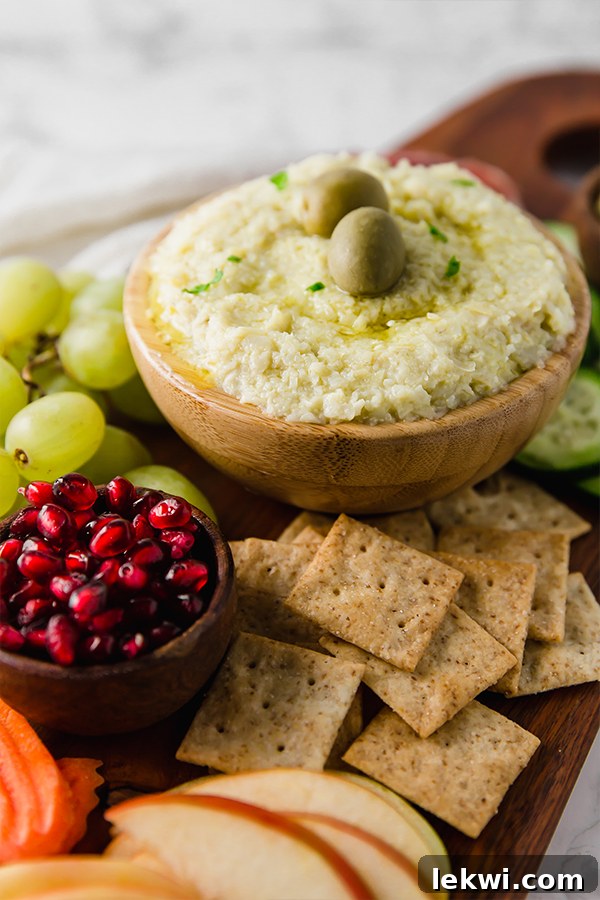
Paleo Charcuterie Board with Artichoke Hummus (AIP & Whole30)
Recipe Details
Prep Time: 10 mins
Author: Michelle
Ingredients
For the Hummus
- 2 cups artichoke hearts (canned or jarred, drained well)
- 1 cup cauliflower, steamed
- 2 tsp garlic powder (or 2-3 cloves fresh garlic, minced, for stronger flavor)
- ¼ cup olive oil, plus 1 tbsp for topping
- 1 tbsp fresh parsley, chopped
- ½ tsp sea salt, or to taste
- 2-3 olives, sliced (for topping)
For the Charcuterie Board
- 3-4 slices of compliant prosciutto (ensure no added sugars or preservatives)
- 1 cucumber, sliced
- 1 cup sliced carrot chips or baby carrots
- 1 apple, sliced
- 1-2 cups grapes
- 3 tbsp pomegranate arils
- ¼ cup olives
- 15-20 paleo crackers (e.g., Simple Mills). Omit for Whole30 compliance or substitute with plantain chips for AIP.
Instructions
- Combine all of the ingredients for the hummus in a food processor (reserving the 2-3 sliced olives and about 1 tbsp of olive oil for garnish). Blend until smooth and creamy. Spoon the hummus into a small serving bowl. Drizzle with the reserved olive oil and top with the sliced olives. Season further with sea salt and pepper if desired.
- Place the hummus bowl prominently on a large wood cutting board or a spacious serving platter. Arrange the remainder of the charcuterie board ingredients around the hummus, creating a visually appealing and inviting spread. Group similar items, fan out slices, and use small bowls for smaller items like olives or pomegranate seeds.
- Serve your fresh and vibrant Paleo Charcuterie Board immediately and enjoy!
All nutrition facts are estimated and will vary.
Tips for Assembling a Visually Stunning Board
A beautiful charcuterie board is a feast for the eyes as well as the palate. Here are some tips for arrangement:
- Start with Bowls: Place your hummus bowl and any other dips or small items in small ramekins first. These act as anchors for the rest of your ingredients.
- Distribute Colors: Spread out your colorful fruits and vegetables to ensure an even distribution across the board. Mix vibrant reds (pomegranate, apples) with greens (cucumber, parsley) and oranges (carrots).
- Create Texture and Height: Don’t lay everything flat. Fan out slices of apples or cucumber, fold prosciutto artfully, and stack crackers. This creates visual interest.
- Fill Gaps: Once the main components are in place, fill any empty spaces with smaller items like grapes, olives, or pomegranate arils. This makes the board look abundant and inviting.
- Garnish: A few sprigs of fresh rosemary or thyme can add a professional, aromatic touch.
Make Ahead and Storage Tips
One of the best features of a charcuterie board is how much can be prepared in advance. You can wash and chop all your vegetables and fruits, prepare the cauliflower artichoke hummus, and store them in airtight containers in the refrigerator a day ahead. On the day of your event, simply arrange everything on your board for quick assembly. Leftovers can be stored separately in sealed containers in the fridge for 2-3 days, though crackers might lose their crispness.
Customization for Any Occasion
This Paleo charcuterie board is incredibly adaptable. For different seasons, swap out fruits like pomegranates and grapes for berries and melon in the summer, or figs and persimmons in the fall. Adjust the compliant meats to your preference, or add a variety of compliant roasted vegetables. Whether it’s a casual weeknight snack, a festive holiday gathering, or a sophisticated appetizer for a dinner party, this versatile board can be tailored to suit any event and please every palate.
Final Thoughts: Enjoy Your Healthy & Delicious Spread!
Creating an allergen-friendly charcuterie board doesn’t mean sacrificing flavor or elegance. With a little creativity and a focus on wholesome ingredients, you can present a spread that is both deeply satisfying and perfectly aligned with a Paleo, Whole30, or AIP lifestyle. This board is a testament to the fact that healthy eating can be incredibly delicious, beautiful, and inclusive. So gather your ingredients, arrange them with care, and savor every wholesome bite!
Did you Make this Recipe?
Tag @unboundwellness on Instagram and hashtag #unboundwellness!