This post contains affiliate links.
Mastering the Art of Gluten-Free Italian Breadsticks: A Pillowy Perfection
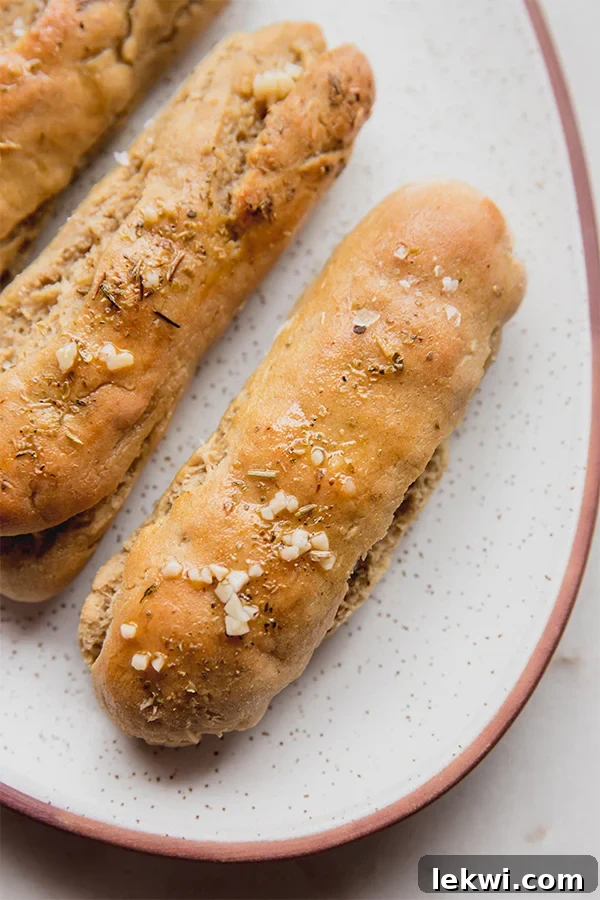
There’s an undeniable magic to warm, fluffy breadsticks, especially when they’re fresh out of the oven, brushed with savory garlic butter. For many, the memory of unlimited breadsticks at a beloved Italian restaurant is a nostalgic treat. But what if you could recreate that magic, even if you follow a gluten-free lifestyle? Prepare to have your culinary dreams come true! This comprehensive guide will walk you through crafting the most exquisite gluten-free Italian breadsticks that rival, and perhaps even surpass, your restaurant favorites.
Forget everything you thought you knew about gluten-free baking being dense or dry. This recipe redefines gluten-free breadsticks, delivering a texture that is wonderfully pillowy, tender, and utterly satisfying. Plus, with simple adaptations, they can easily be made dairy-free, ensuring everyone at your table can indulge in this delightful appetizer or side dish. Get ready to transform your dinner table with these irresistible, golden-brown wonders!
Why These Gluten-Free Italian Breadsticks Will Become Your New Favorite
Crafting gluten-free baked goods that truly shine can be a challenge, but these breadsticks defy expectations. Here’s why this recipe stands out and why you’ll be making them on repeat:
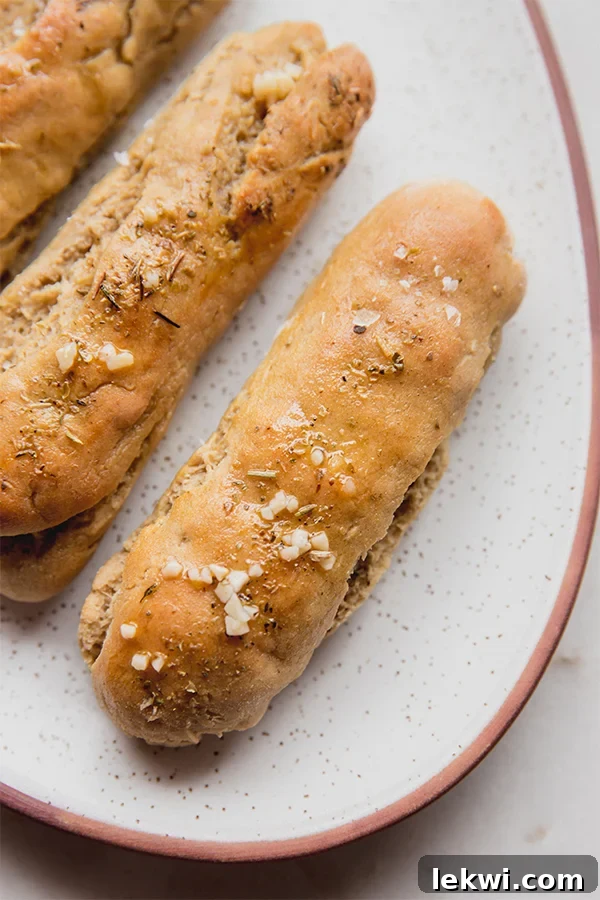
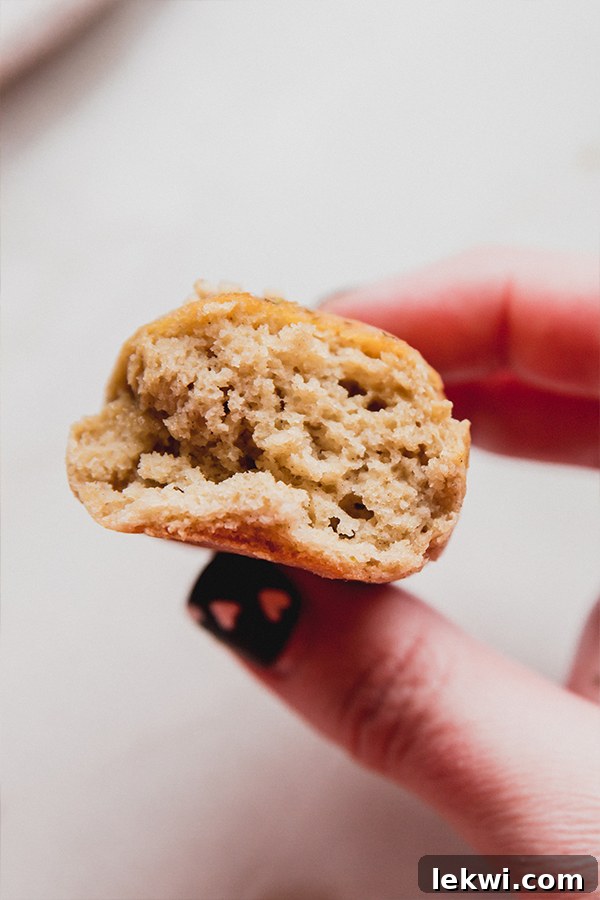
- Unbelievably Pillowy and Delicious Texture: The holy grail of breadsticks is that soft, airy interior and a lightly crisp exterior. Achieving this without gluten is a significant feat, and this recipe absolutely nails it. Each bite is a tender cloud of flavor, making it incredibly satisfying.
- Quick and Manageable Dough: Unlike some traditional bread recipes that demand extensive kneading and long proofing times, this gluten-free dough comes together quickly. You’ll spend less time in the kitchen and more time enjoying your delicious creations. Even if you prefer to knead by hand, it only requires about 5 minutes of active work.
- Perfectly Balanced Flavor Profile: Infused with classic Italian seasoning and finished with a fragrant garlic butter, these breadsticks offer a savory, aromatic taste that complements any meal. The subtle sweetness from the honey balances the savory notes beautifully.
- Easy Dietary Adaptations: Whether you’re navigating gluten sensitivities, dairy allergies, or egg-free preferences, this recipe is designed for flexibility. Simple substitutions allow you to tailor these breadsticks to various dietary needs without compromising on taste or texture.
- Versatile for Any Occasion: From a casual weeknight dinner to an elegant holiday gathering, these breadsticks fit right in. They make a fantastic appetizer, a hearty side for pasta, or a comforting accompaniment to soups and salads.
Unveiling the Secrets: Crafting Perfect Gluten-Free Breadsticks
The journey to creating truly remarkable gluten-free breadsticks involves understanding the unique properties of gluten-free flours and how to mimic the structure and elasticity that gluten typically provides. Our secret lies in a thoughtfully balanced blend of flours and specific techniques that ensure a light, airy, and pliable dough.
Traditional bread relies on gluten to create a stretchy network that traps gases produced by yeast, leading to a rise and that characteristic chewy texture. Without gluten, we need alternative strategies. This recipe uses a combination of a high-quality gluten-free flour blend and almond flour. The gluten-free blend provides the primary structure, while the almond flour plays a crucial role in lightening the texture. Gluten-free flours alone can often result in dense, heavy baked goods. Almond flour, known for its fine texture and higher fat content, contributes to a softer, more tender crumb and a hint of buttery richness, preventing the breadsticks from becoming overly dense.
Yeast activation is another cornerstone of success. Ensuring your yeast is active and thriving is paramount for a good rise. We also incorporate apple cider vinegar, which subtly reacts with the baking powder, aiding in leavening and contributing to a light, tender interior. The careful selection and combination of these ingredients, along with precise temperatures and resting times, are what elevate these breadsticks from good to absolutely glorious.
Essential Ingredients for Your Gluten-Free Breadsticks
Every ingredient in this recipe plays a vital role in achieving the perfect pillowy texture and robust flavor. Here’s a closer look at what you’ll need and why:
- Gluten-Free Flour Blend. A good quality, all-purpose gluten-free flour blend is essential. These blends typically contain a mix of rice flour, tapioca starch, potato starch, and xanthan gum, which helps mimic the elasticity of gluten. My personal favorite is Namaste, known for its consistent results in baking. Using a blend specifically designed for baking ensures a more reliable outcome than using a single gluten-free flour.
- Almond Flour. This fine flour made from blanched almonds is key for lightening the breadsticks. Gluten-free flours can be dense, and almond flour adds a delicate, almost buttery quality, contributing to a softer crumb and preventing the breadsticks from feeling heavy.
- Baking Powder. Working in conjunction with the yeast, baking powder provides an extra lift, ensuring an even lighter and fluffier breadstick. It activates when exposed to liquid and heat, creating tiny air pockets in the dough.
- Active Dry Yeast. This is the leavening agent responsible for making the breadsticks rise and develop their characteristic airy texture. Ensure your yeast is active by proofing it in warm water and honey; it should become foamy and bubbly.
- Warm Water. The temperature of the water is critical for activating the yeast. It should be between 110°F and 120°F (43°C-49°C). Too cold, and the yeast won’t activate; too hot, and it will kill the yeast, preventing the dough from rising.
- Honey. A touch of honey not only adds a subtle sweetness but also serves as food for the yeast, helping it activate more effectively and contribute to a richer flavor and golden crust.
- Eggs. Eggs bind the ingredients, add moisture, richness, and structure to the dough. One egg is incorporated into the dough, and another is used for an egg wash, which provides a beautiful golden sheen to the baked breadsticks. For an egg-free alternative, see our notes below.
- Almond Milk. This plant-based milk adds moisture to the dough without introducing dairy. Its neutral flavor won’t overpower the Italian seasoning. You can substitute with another dairy-free milk of your choice, such as oat milk or cashew milk.
- Apple Cider Vinegar. A common ingredient in gluten-free baking, apple cider vinegar helps create a tender crumb by reacting with the baking powder and providing acidity. It also aids in creating a more hospitable environment for yeast.
- Olive Oil. Adds flavor and additional moisture to the dough, contributing to its softness and helping achieve that desirable chew.
- Ghee & Garlic. These are the stars of the optional but highly recommended garlic butter topping. Ghee (clarified butter) provides a rich, buttery flavor without the milk solids found in butter, making it suitable for those who are dairy-sensitive. Freshly minced garlic infuses the ghee with an irresistible aroma and taste. For a fully dairy-free option, simply use olive oil instead of ghee.
- Salt & Italian Seasoning. Salt is crucial for enhancing all the flavors in the breadsticks and controlling yeast activity. Italian seasoning, a blend of dried herbs like oregano, basil, thyme, and rosemary, provides the signature aromatic profile that makes these breadsticks truly Italian.
Step-by-Step: How to Bake Amazing Gluten-Free Italian Breadsticks
Creating these delightful gluten-free breadsticks is a straightforward process, even for novice bakers. Follow these detailed steps to ensure perfectly pillowy and flavorful results every time:
- Prepare Your Workspace and Oven: Begin by preheating your oven to 350°F (175°C). While the oven heats, lightly grease a large baking sheet or line it with parchment paper. Having your workspace and tools ready will make the process smooth and enjoyable.
- Activate the Yeast: In a large mixing bowl, combine the active dry yeast, honey, and ½ cup of warm water. It’s crucial that the water temperature is between 110°F and 120°F (43°C-49°C). This temperature range is ideal for activating the yeast without killing it. Gently stir the mixture to dissolve the honey and yeast. Cover the bowl tightly with plastic wrap or a clean kitchen towel and let it sit for 5-15 minutes. You’ll know the yeast is active when the surface becomes foamy and bubbly, indicating it’s alive and ready to work its magic.
- Combine Dry Ingredients: In a separate large bowl, or the bowl of a stand mixer fitted with a paddle attachment, add the gluten-free flour blend, almond flour, baking powder, and salt. Mix these dry ingredients thoroughly until they are uniformly combined. This step ensures that the leavening agents and flavor enhancers are evenly distributed throughout the dough.
- Mix the Dough to Perfection: Once your yeast mixture is beautifully foamy, pour it into the bowl with the dry ingredients. Add one of the eggs, the 2 tablespoons of melted ghee (or olive oil if making dairy-free), 1 tablespoon of olive oil, apple cider vinegar, and almond milk. If using a stand mixer, set it to medium speed and mix for 4-5 minutes. If mixing by hand, knead the dough vigorously for about the same amount of time. The goal is to achieve a smooth, cohesive dough that is slightly sticky but manageable. Don’t be afraid to scrape down the sides of the bowl to ensure all ingredients are incorporated.
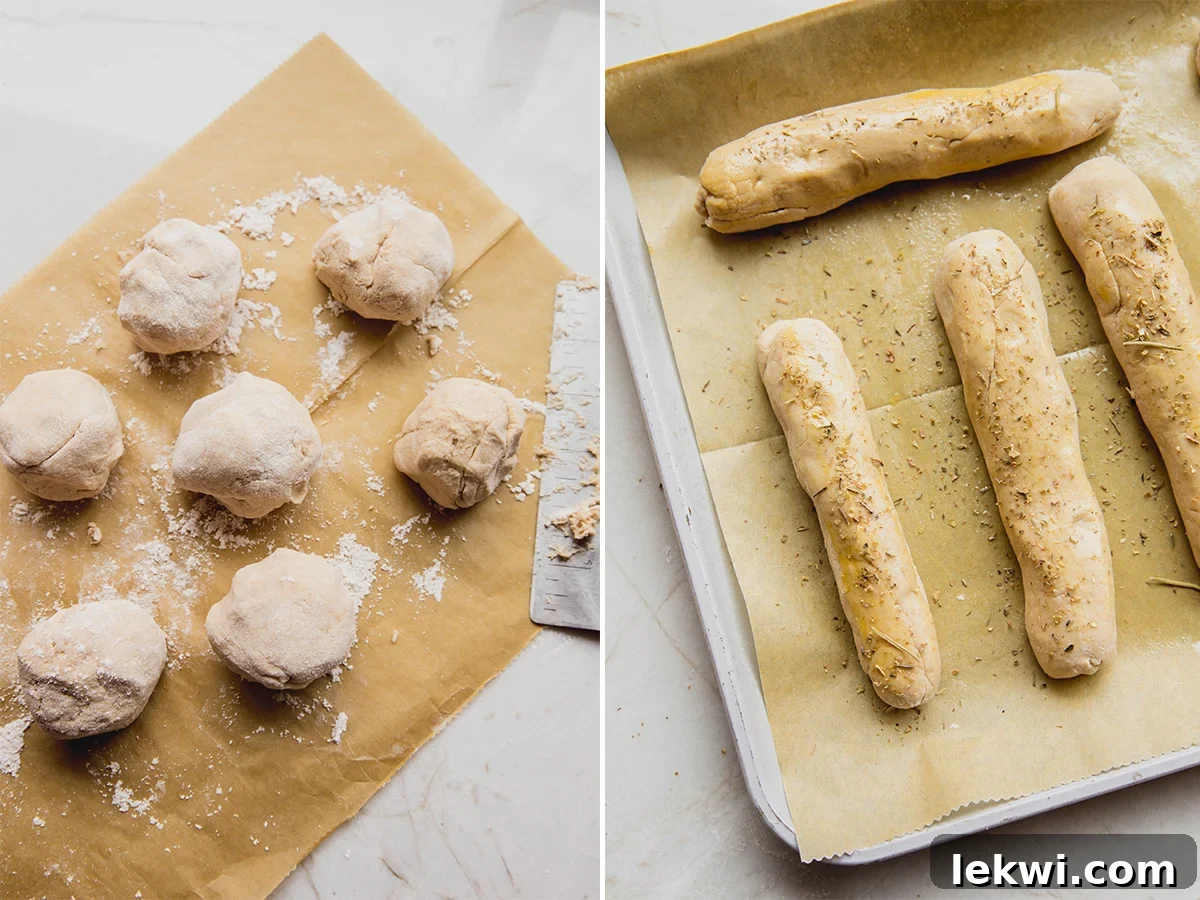
- Shape Your Breadsticks: Lightly dust a clean work surface with a small amount of gluten-free flour. Transfer the prepared dough onto this floured surface. Divide the dough into 8 equal portions. This can be done by eye or by weighing the portions for greater precision. Take each portion and roll it between your palms and the work surface into a log shape, approximately 6-8 inches long and ½-¾ inch thick, resembling classic breadsticks. Try to make them as uniform as possible for even baking.
- Allow for a Short Proofing: Carefully transfer the shaped breadsticks to your prepared baking sheet, ensuring there’s a little space between each one to allow for expansion. Cover the baking sheet with a clean dishtowel and let the breadsticks rest in a warm, draft-free spot for 10 minutes. This short proofing period allows the yeast to work a little more, contributing to an even fluffier texture once baked.
- Apply Egg Wash and Season: While the breadsticks are resting, whisk the remaining egg in a small bowl to create an egg wash. After the resting period, gently brush the tops and sides of each breadstick with a light layer of the egg wash. This wash will give them a beautiful golden-brown color and a slightly crisp finish. Immediately after the egg wash, sprinkle generously with Italian seasoning to add that authentic aromatic flavor.
- Bake to Golden Perfection: Place the baking sheet into your preheated oven. Bake for 15-18 minutes, or until the breadsticks are lightly golden brown and cooked through. Keep an eye on them, as oven temperatures can vary. The breadsticks should sound hollow when tapped lightly on the bottom.
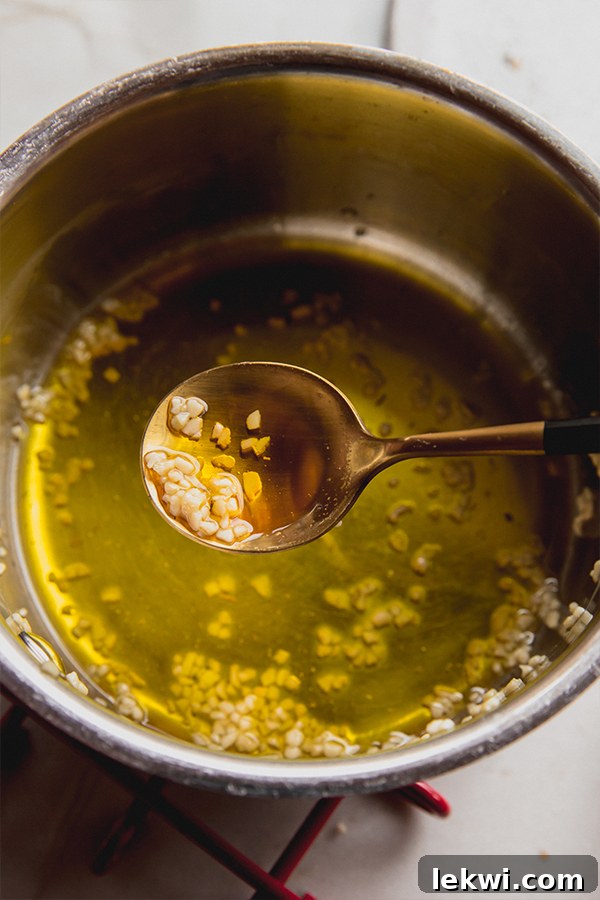
- Prepare the Garlic Butter: As soon as the breadsticks come out of the oven, transfer them to a wire cooling rack. While they are still warm, prepare the optional garlic butter. In a small saucepan, melt 2 tablespoons of ghee (or olive oil for a dairy-free option) over low heat. Add the 4 cloves of minced garlic and simmer gently for 3-4 minutes, or until the garlic becomes fragrant and slightly softened. Be careful not to burn the garlic, as it can turn bitter.
- The Finishing Touch: Garlic Butter Brush: Generously brush the warm, fragrant garlic butter over each breadstick. The warm breadsticks will absorb the garlic butter beautifully, infusing them with an irresistible aroma and rich flavor. Serve immediately with your favorite dipping sauce, such as marinara, or as a delightful side to your main course. Enjoy these incredibly soft and flavorful gluten-free breadsticks!
Pro Tips for Flawless Gluten-Free Breadsticks Every Time
Baking can be an art, and a few expert tips can make all the difference, especially when working with gluten-free ingredients. Here are some insights to help you achieve perfect breadsticks consistently:
- Monitor Your Oven Closely: Every oven is different. Some run hotter, some cooler. While the recipe suggests 15-18 minutes, always keep a close eye on your breadsticks, especially towards the end of the baking time. They should be lightly golden brown. If they’re not quite there after 18 minutes, extend the baking time by a couple of minutes until they reach the desired color. Overbaking can lead to dry breadsticks.
- Achieve the Right Dough Consistency: The dough for these breadsticks should be soft, pliable, and slightly wet, but not overly sticky or runny. It should be easy to handle and roll. If your dough feels too sticky to work with, resist the urge to add excessive flour, which can make the breadsticks dry. Instead, lightly dust your hands and work surface with a small amount of gluten-free flour. If it seems too dry, a tiny bit of extra almond milk can help, but this is less common.
- Confirm Yeast Activation: This is a critical step. If your yeast mixture doesn’t become foamy and bubbly after 5-15 minutes, your yeast might be old or the water temperature was incorrect. An inactive yeast means your breadsticks won’t rise. Always use fresh yeast and a thermometer to check water temperature for best results.
- Gentle Kneading is Key: While the dough needs to be well combined, avoid over-kneading, especially with a stand mixer. Gluten-free doughs don’t develop gluten, so the goal is just to ensure all ingredients are evenly mixed and the dough is smooth. Overmixing can sometimes make gluten-free baked goods tough.
- Don’t Skip the Resting Time: The 10-minute rest after shaping the breadsticks is important. It allows the yeast a bit more time to work, contributing to the “pillowy” texture, and also helps the dough relax, making the breadsticks even more tender.
- Storage for Freshness: For the best taste and texture, these gluten-free breadsticks are best enjoyed fresh, ideally on the day they are baked. If you have leftovers, store them in an airtight container at room temperature for up to 2 days. For longer storage, you can freeze them.
- Reheating for Optimal Enjoyment: To bring leftover breadsticks back to life, wrap them loosely in foil and reheat in a preheated oven at 300°F (150°C) for about 5-10 minutes, or until warmed through. Alternatively, a quick toast in a toaster oven can also work. This helps them regain some of their initial softness.
Frequently Asked Questions About Gluten-Free Breadsticks
We’ve gathered some common questions to help you master these delicious gluten-free breadsticks and adapt them to your specific needs.
Can I make these gluten-free breadsticks without a stand mixer?
Absolutely, yes! While a stand mixer makes the process quicker and less effort, this is a relatively quick dough to mix. You can easily knead the dough by hand. Expect to knead for about 5 minutes or so, until the ingredients are fully combined and you have a smooth, workable dough. The key is to ensure all ingredients are well incorporated, even without mechanical assistance.
Can these breadsticks be made egg-free?
Yes, they can! For the egg incorporated into the dough, you can easily substitute it with a flax egg. To make one flax egg, combine 1 tablespoon of ground flaxseed meal with 3 tablespoons of water, stir well, and let it sit for about 5 minutes until it forms a gel-like consistency. Use this in place of the whole egg in the dough. As for the egg wash, you have a few options: you can skip it entirely, though the breadsticks might be slightly less golden and have a softer crust. Alternatively, you can brush them with a little almond milk or a mixture of olive oil and water for a subtle sheen.
How can I make these breadsticks dairy-free?
Making these breadsticks dairy-free is very simple! The main dairy component is ghee. To adapt, simply substitute the ghee in the dough and in the optional garlic butter with an equal amount of olive oil or another preferred dairy-free oil (like avocado oil). The almond milk in the recipe is already dairy-free, so no changes are needed there.
Can I prepare the dough ahead of time?
While these breadsticks are best when freshly baked, you can prepare the dough ahead of time to a certain extent. After step 4 (mixing the dough), you can cover the bowl tightly with plastic wrap and refrigerate the dough for up to 12-24 hours. When you’re ready to bake, remove the dough from the refrigerator and let it come to room temperature for about 30-60 minutes before proceeding with shaping and the remaining steps. Keep in mind that the rise might be slightly slower after refrigeration.
What are the best dipping sauces for these breadsticks?
These versatile gluten-free breadsticks pair wonderfully with a variety of dipping sauces. A classic warm marinara sauce is always a hit. You could also try a creamy cashew-based Alfredo sauce for a dairy-free option, a vibrant pesto, or even a simple herb-infused olive oil. For an extra kick, a spicy arrabiata sauce would be fantastic. Don’t be afraid to experiment with your favorites!
Delicious Pairings & Related Gluten-Free Recipes
These versatile gluten-free breadsticks are the perfect accompaniment to a variety of meals, transforming any dinner into a special occasion. Here are some ideas for what to serve them with, and other delightful gluten-free recipes from Unbound Wellness that you might enjoy:
- Classic Italian Pasta Dishes: There’s no better pairing than these breadsticks with your favorite gluten-free pasta, whether it’s smothered in a rich marinara, a creamy alfredo, or a vibrant pesto. They are perfect for soaking up every last drop of sauce.
- Hearty Soups and Stews: These breadsticks are ideal for dipping into a warm bowl of tomato soup, a comforting minestrone, or a robust beef stew. Their soft texture makes them perfect for scooping up every delicious spoonful.
- Fresh Salads: Elevate any crisp garden salad or a classic Caesar salad with a side of these warm, savory breadsticks. They add a wonderful texture and flavor contrast to lighter meals.
- Grilled Meats and Vegetables: Serve them alongside grilled chicken, steak, or a medley of roasted vegetables for a balanced and satisfying meal.
- Looking for more gluten-free deliciousness? You’ll also love these recipes:
- Cauliflower Breadsticks
- Easy Gluten Free Garlic Bread
- No Knead Gluten Free Bread
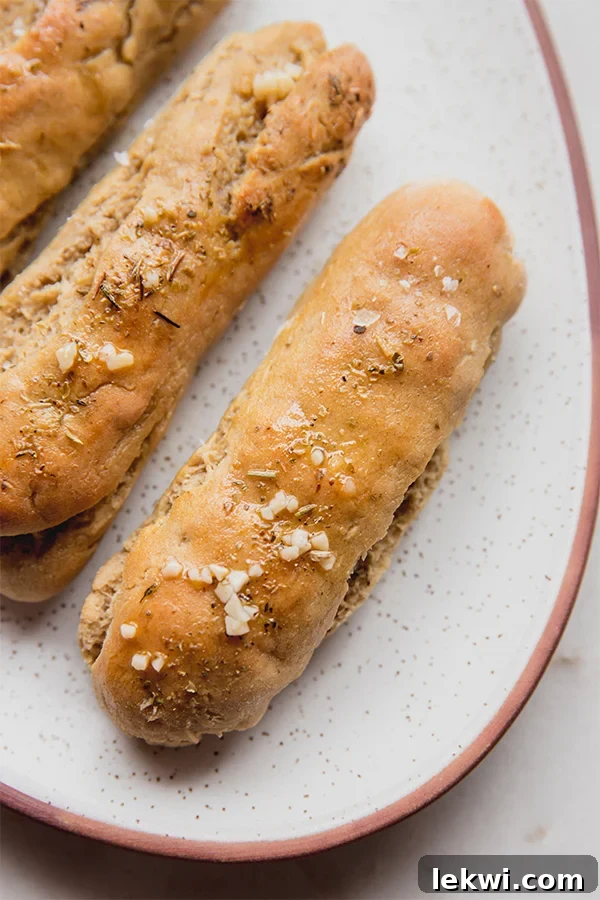
Gluten-Free Italian Breadsticks
Yield: 8 breadsticks
Author: Michelle
Pin Recipe
Ingredients
For the Breadsticks:
- 1 tbsp active dry yeast
- 1 tbsp honey
- ½ cup warm water (110F-120F)
- 2 cups gluten-free flour blend (such as Namaste)
- ½ cup almond flour
- 2 tsp baking powder
- ½ tsp salt
- 2 large eggs, divided (one for the dough, one for egg wash; see notes for egg-free option)
- 2 tbsp ghee, melted (or olive oil for dairy-free)
- 1 tbsp olive oil
- 1 tbsp apple cider vinegar
- ½ cup almond milk (or other dairy-free milk)
- 2 tsp Italian seasoning
For the Garlic Butter (Optional):
- 2 tbsp ghee, melted (or olive oil for dairy-free)
- 4 cloves garlic, minced
Instructions
- Preheat your oven to 350°F (175°C). Prepare a baking sheet by lightly greasing it or lining it with parchment paper.
- In a large bowl, combine the active dry yeast, honey, and ½ cup of warm water (ensure water temperature is between 110-120°F to activate the yeast without killing it). Stir gently to dissolve the yeast. Cover the bowl tightly and let it sit for 5-15 minutes until the mixture becomes foamy and bubbly, indicating the yeast is active.
- In a separate large bowl or the bowl of a stand mixer with the paddle attachment, thoroughly mix the gluten-free flour blend, almond flour, baking powder, and salt until well combined. This ensures even distribution of dry ingredients.
- Once the yeast mixture is foamy, pour it into the dry ingredients. Add one of the eggs, 2 tablespoons of melted ghee (or olive oil for dairy-free), 1 tablespoon of olive oil, apple cider vinegar, and almond milk. Mix on medium speed for 4-5 minutes or until a smooth, cohesive dough forms. The dough will be slightly sticky but should be easy to handle.
- Lightly flour a clean work surface with a small amount of gluten-free flour. Transfer the dough to the prepared surface. Divide the dough into 8 equal portions. Roll each portion into a log, approximately 6-8 inches long and ½-¾ inch thick, resembling classic breadsticks.
- Carefully transfer the shaped breadsticks to your greased or parchment-lined baking sheet, leaving some space between each one. Cover the baking sheet with a clean dishtowel and let the breadsticks rest in a warm spot for 10 minutes. This short proofing helps them become even fluffier.
- While the breadsticks are resting, whisk the remaining egg in a small bowl to create an egg wash. After resting, gently brush the tops and sides of the breadsticks with a light egg wash. This will help them achieve a beautiful golden color and a slightly crisp crust. Sprinkle generously with Italian seasoning.
- Place the baking sheet into the preheated oven and bake for 15-18 minutes, or until the breadsticks are lightly golden brown and cooked through. Baking times may vary, so keep an eye on them.
- Once baked, immediately transfer the breadsticks to a cooling rack. While they are still warm, prepare the optional garlic butter. In a small saucepan, melt 2 tablespoons of ghee (or olive oil for dairy-free) over low heat. Add the minced garlic and simmer for 3-4 minutes, or until the garlic is fragrant and slightly softened, but not browned.
- Generously brush the warm garlic butter over each breadstick. Serve immediately with your favorite Italian meal or a side of marinara sauce. Enjoy these incredibly soft and flavorful gluten-free breadsticks!
Notes
Egg-Free Option: To make the dough egg-free, swap the one egg in the dough for a flax egg (mix 1 tbsp ground flaxseed with 3 tbsp water and let sit for 5 minutes until gel-like). For the egg wash, you can skip it entirely, though your breadsticks will be slightly less golden. Alternatively, brush with a dairy-free milk or a mixture of olive oil and water for a similar effect.
Dairy-Free Option: To make these breadsticks dairy-free, simply replace the ghee in the dough and the optional garlic butter with an equal amount of olive oil or another preferred dairy-free oil.
Dough Consistency: The dough should be soft and slightly wet, but manageable. If it feels too sticky to roll, lightly dust your hands and work surface with a little extra gluten-free flour. Avoid adding too much flour, as this can make the breadsticks dry.
Yeast Activation: Ensure your water is the correct temperature (110-120°F). Water that is too hot will kill the yeast, preventing the dough from rising. Water that is too cold will not activate the yeast effectively. The foamy, bubbly top after 5-15 minutes is crucial for successful yeast activation and a good rise.
Nutrition Information (Estimated Per Breadstick)
- Serving: 1 breadstick
- Calories: 248 kcal
- Carbohydrates: 35.7g
- Protein: 5.4g
- Fat: 7.4g
- Fiber: 1.9g
All nutrition facts are estimated and will vary based on exact ingredients and preparation methods.
Did you Make this Recipe?
We’d love to see your creations! Tag @unboundwellness on Instagram and use the hashtag #unboundwellness!