
Sardines: often overlooked, yet an absolute powerhouse of nutrition and convenience. These small, silvery fish offer a wealth of health benefits, packing omega-3 fatty acids, vitamin D, protein, and calcium into a compact, cost-effective package. For those seeking to enhance their diet with nutrient-dense, easily accessible food, sardines are an exceptional choice that’s also surprisingly simple to prepare in delicious ways.

The mention of sardines often elicits one of two distinct reactions. There are those who fondly recall growing up with them, regularly incorporating these tiny fish into their meals as a go-to convenience food. Then, there’s the other camp – individuals who find the very idea of eating sardines unappetizing, unsure of how to transform them into something enjoyable. This dichotomy is perfectly understandable; for many, sardines represent an acquired taste or a culinary mystery.
I distinctly remember a recent grocery store encounter while selecting sardines. A fellow shopper approached me, her curiosity evident. “Excuse me,” she asked, “what exactly do you do with those? I’ve heard they’re incredibly healthy, but I have no idea how to eat them!” Her question resonated deeply with me, as it mirrored my own initial trepidation. It’s a common query, and one that many health-conscious individuals share when confronted with this humble, yet mighty, superfood.
So, why exactly are these small fish considered such a nutritional marvel? And, perhaps more importantly for the uninitiated, what are the best and most appealing ways to incorporate them into your diet?
Are Canned Sardines Good for You? Unpacking the Nutritional Value
While fresh sardines, prepared from scratch, certainly offer a delightful culinary experience, the good news for busy individuals is that canned sardines are equally impressive as a nutritional powerhouse. Far from diminishing their health benefits, the canning process actually locks in much of their inherent goodness, making them an incredibly accessible superfood. They remain robustly rich in essential nutrients like calcium, selenium, and high-quality protein. However, the standout advantage of canned sardines is their unparalleled convenience.
With a can of sardines, there’s no elaborate cooking required. They are truly a grab-and-go meal option, perfect for those hectic days when time is a luxury. This makes them an ideal staple for anyone looking to maintain a healthy diet without sacrificing precious hours in the kitchen. So, if canned sardines are the most practical way for you to enjoy these beneficial fish, embrace it! You’ll still be reaping a vast array of health benefits that contribute significantly to overall well-being. Let’s explore some of these remarkable advantages.
The Remarkable Health Benefits of Incorporating Sardines into Your Diet
Beyond their convenience, sardines offer a compelling profile of nutrients that support various bodily functions. These small fish are a big deal when it comes to boosting your health:
1. Packed with Bone-Strengthening Calcium
Calcium is a cornerstone of skeletal health, crucial for building and maintaining strong bones and teeth. It also plays a vital role in proper muscle function, nerve transmission, and even heart health. Sardines are an exceptional source of this essential mineral, particularly because their tiny, edible pin bones are rich in calcium. Don’t be deterred by the thought of eating bones; they are so small and soft that they practically dissolve in your mouth, often going unnoticed. This makes sardines a unique and highly bioavailable source of dietary calcium, far surpassing many other common food sources.
2. An Excellent Source of High-Quality Protein
Protein is fundamental for muscle repair, growth, and the production of enzymes and hormones. A typical 4.4-ounce can of sardines can provide an impressive 23 grams of protein. What makes sardine protein superior is that it comes complete with the natural cofactors of healthy fats, vitamins, and minerals. Unlike isolated protein powders, which often lack the holistic nutrient profile of whole foods, sardines offer a more complete and naturally balanced protein boost, contributing to satiety and sustained energy throughout your day.
3. Rich in Essential Omega-3 Fatty Acids
Omega-3 fatty acids, particularly EPA and DHA, are renowned for their powerful anti-inflammatory properties and their significant benefits for cardiovascular health. They support brain function, improve mood, and contribute to healthy skin and joints. While salmon often takes the spotlight for omega-3 content, sardines are equally impressive, if not more so for their size. A 4-ounce serving can contain up to 1.8 grams of omega-3s, making them one of the best dietary sources available. Regularly consuming sardines can help maintain a healthy omega-3 to omega-6 balance, which is crucial for reducing systemic inflammation.
4. Naturally Low in Mercury Compared to Larger Fish
Mercury contamination in fish is a legitimate concern for many, especially for individuals with compromised detoxification pathways or those who consume large quantities of bigger, predatory fish like tuna. My own personal journey with mercury toxicity highlights the importance of choosing lower-mercury fish. Generally, the smaller the fish, the lower its mercury content. Sardines, being small and lower on the food chain, accumulate significantly less mercury than larger species. According to the FDA, sardines have much lower mercury levels than tuna, yet a 3.5-ounce serving can provide as much beneficial omega-3s as salmon. While mercury levels are low, it’s always prudent to consult with your doctor regarding fish consumption, particularly if you are pregnant, have existing mercury concerns, or other specific health conditions.
5. Perfect for Travel and Convenient On-the-Go Meals
The appeal of sardines extends far beyond their nutritional content; their portability is a major asset. In 2016, venture capitalist Craig Cooper famously hailed sardines as his favorite travel superfood, a sentiment many share. While options like beef jerky are popular for travel, sardines offer a uniquely nutrient-dense alternative. They are shelf-stable, require no refrigeration until opened, and can be found in most grocery stores worldwide. Simply pack a can in your suitcase, or pick some up at your destination. Enjoy them straight from the can for a satisfying, protein-rich meal that far surpasses typical airport or roadside food options. Keeping a few cans in your pantry also ensures you always have a quick, healthy meal solution on hand for busy days.
6. A Highly Cost-Efficient Nutritional Option
In today’s economy, finding nutritious food that doesn’t break the bank is a challenge. Sardines shine in this regard, offering exceptional value for money. A can of sardines is often considerably cheaper than many other convenience foods, especially those marketed as healthy. Furthermore, purchasing them from discount retailers or buying them in bulk can significantly reduce costs, making this superfood accessible to a wider range of budgets. This affordability ensures that high-quality nutrition is not an exclusive luxury.
7. Abundant in Thyroid-Supporting Selenium
Selenium is a trace mineral vital for robust thyroid function and overall metabolic health. As someone managing Hashimoto’s thyroiditis, I keenly understand the importance of adequate selenium intake. Sardines are an excellent natural source of selenium, and crucially, this selenium comes packaged with cofactors that enhance its absorption and utilization by the body. This makes sardines a superior dietary choice for supporting thyroid health compared to isolated selenium supplements.
8. A Natural Boost of Essential Vitamin D
Vitamin D is often called the “sunshine vitamin” because our bodies produce it when exposed to sunlight. However, many individuals worldwide suffer from vitamin D deficiency, which can profoundly impact immune system function, hormone regulation, and overall health. Sardines are one of the few natural food sources rich in vitamin D, offering a significant dietary contribution to your daily needs. Pairing regular sardine consumption with safe sun exposure can effectively help optimize your vitamin D levels, leading to widespread health benefits.
9. A Highly Sustainable Seafood Choice
Concerns about sustainable fishing practices and the environmental impact of seafood consumption are growing. Farmed fish can sometimes raise ethical and nutritional questions, and overfishing poses a serious threat to marine ecosystems. Fortunately, sardines are consistently ranked among the most sustainably fished options. They reproduce quickly, have a short lifespan, and are typically caught using methods that have a minimal impact on other marine life. By choosing sardines from reputable, sustainably managed fisheries, consumers can enjoy a nutritious meal while supporting responsible environmental stewardship.
10. Surprisingly Delicious and Versatile!
Perhaps the biggest hurdle for many when it comes to sardines is the perception of their taste. Based on countless conversations, it’s clear that apprehension about flavor is a primary deterrent. However, I can confidently assure you that sardines absolutely can taste good – in fact, they can be truly delicious! With the right preparation and complementary flavors, their savory, rich taste transforms into a culinary delight. Don’t let preconceived notions prevent you from discovering a wonderfully flavorful and healthy food.
Creative Ways to Enjoy Sardines: Simple & Delicious Preparations
Dispelling the myth that sardines are difficult to enjoy, here are several versatile and delicious ways to incorporate them into your meals:
- Pan-Fry or Grill Them for a Crispy Texture: Sardines develop a fantastic texture when pan-fried or grilled. Simply drain them, lightly coat with a touch of olive oil, season with salt and pepper, and then cook quickly on a hot grill or in a skillet until slightly crispy. This method brings out their savory flavors and adds a pleasant crispiness.
- Bake Them with Herbs and Aromatics: Baking sardines is another excellent and simple preparation. For instance, a recipe for Mediterranean garlic and herb sardines (perhaps omitting paprika and mustard for those following an AIP diet) roasts quickly with minimal ingredients, yielding tender and flavorful fish.
- Add Them to Pasta Dishes or Serve on Crackers: Flaked sardines can elevate a simple pasta dish. Toss them with zucchini noodles, fresh pesto, cherry tomatoes, and a squeeze of lemon for a light yet satisfying meal. Alternatively, for a quick snack, serve them on whole-grain crackers with a sprinkle of sea salt and a touch of fresh lemon juice – a classic and delightful combination.
- Integrate Them into Fresh Salads: This is arguably the easiest and most convenient way to enjoy sardines, and it’s a method I use almost weekly. They add a robust flavor, a dose of healthy fats, and substantial protein to any green salad. Their compact size makes them ideal for mixing directly into your favorite salad greens and vegetables.
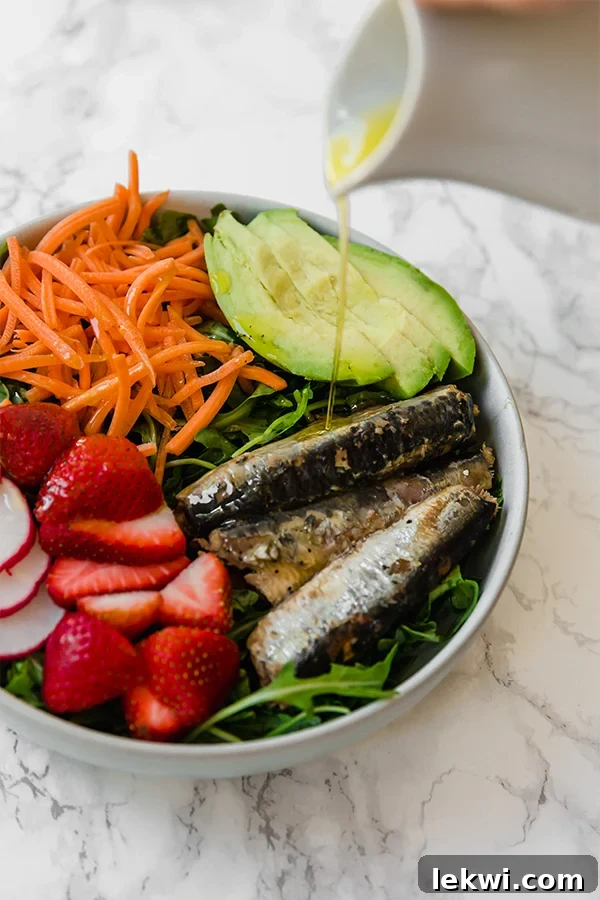

Simple Sardine Salad
Pin Recipe
Ingredients
For the dressing
- 2 tbsp olive oil
- 2 tsp red wine vinegar, or apple cider vinegar
- ½ tsp sea salt
- ¼ tsp black pepper, omit for AIP
For the salad
- 2 cups arugula
- ¼ cup carrots, shredded
- 2 radishes, sliced
- ¼ cup strawberries, sliced
- ½ small avocado, sliced
- 1 4 oz can of sardines
Instructions
- Combine the ingredients for the dressing and whisk well. Season further to taste.
- Assemble the salad by layering all of the ingredients over the arugula.
- Top with dressing and enjoy!
Notes
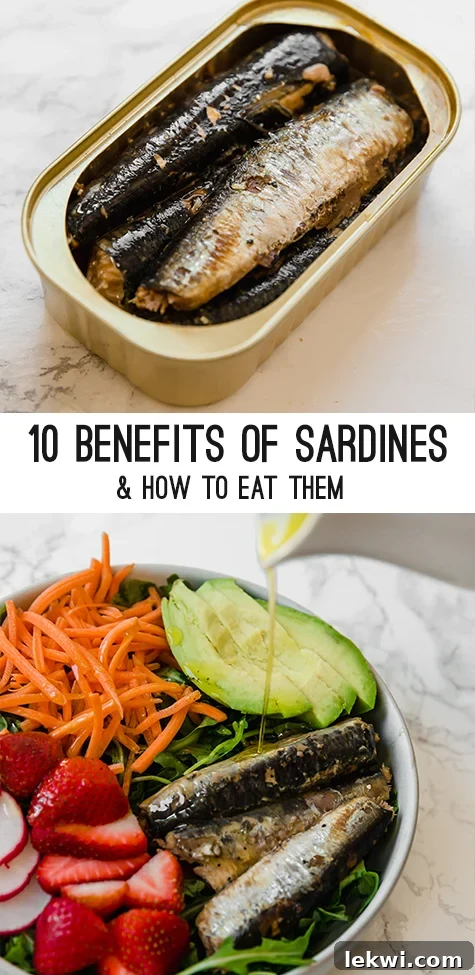
Embrace the Sardine Superfood: A Final Word
From the depths of the ocean to your plate, sardines are a true testament to nature’s ability to pack immense nutritional value into a small, sustainable package. Far from being merely a niche food, they represent an incredibly accessible and versatile option for anyone looking to enrich their diet. Their abundant omega-3s, high protein, essential vitamins like D, and crucial minerals such as calcium and selenium offer widespread benefits, supporting everything from bone health and heart function to thyroid regulation and inflammation control.
The added advantages of their low mercury content, environmental sustainability, and remarkable affordability make them an even more compelling choice in today’s health-conscious landscape. And for those who are still hesitant about their taste, remember that a little culinary creativity goes a long way. Whether pan-fried, baked, tossed in a salad, or simply enjoyed on a cracker, sardines can be transformed into a truly delicious and satisfying meal.
So, the next time you’re at the grocery store, I encourage you to reconsider this humble canned fish. Don’t let misconceptions deter you from unlocking the incredible health benefits and culinary potential of sardines. They are not just a convenient food; they are a nutritional treasure waiting to be discovered and enjoyed regularly as part of a balanced and vibrant diet.